
Reviewed · MACHU PICCHU TOURS
Multi Day Tour of Salkantay Trek to Machu Picchu in from Lima
The Andes reward early risers. This five-day Salkantay Trek combines high mountain passes, Humantay Lake, cloud forest, hot springs, a walk beside the railway, and Machu Picchu for $290 per person. I especially like the changing scenery and the fact that most meals, camping, guides, entry fees, and the return bus are included.
I also like the small-group format, with a stated maximum of 14 to 16 people, and the chance to meet guides such as Henry Javier, Edwin, Franco, Wellington, and Willie. The main concern is unclear communication about Machu Picchu tickets and extra charges, so you should confirm every cost and entrance time before leaving Cusco.
In This Review
- Key points before you book
- What the $290 price really covers
- Day one: Mollepata, Soraypampa, and Humantay Lake
- Day two: the 4,650-meter Salkantay Pass
- Day three: coffee country and Cocalmayo hot springs
- Day four: Llactapata and the railway walk
- Day five: Machu Picchu before breakfast
- Guides, group size, and the operator question
- Machu Picchu tickets require special care
- What to pack and what to budget
- Should you book this Salkantay Trek?
- FAQ
- How long is the Salkantay Trek to Machu Picchu?
- What time does pickup begin?
- How high does the trek go?
- Is Machu Picchu admission included?
- Are meals included?
- Can I take a train from Hidroeléctrica to Aguas Calientes?
- What extra costs should I expect?
Key points before you book
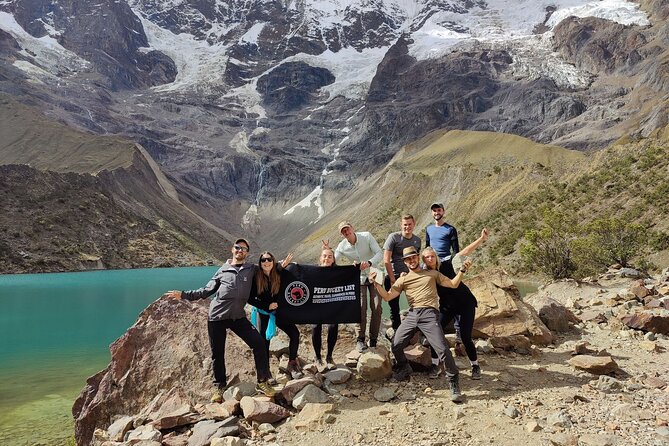
- Humantay Lake reaches 4,200 meters, so the first afternoon is beautiful but physically demanding.
- Salkantay Pass reaches 4,650 meters, the highest and hardest point of the trek.
- Day two lasts up to 12 hours, with a long climb followed by a major descent into warmer country.
- The three-hour railway walk to Aguas Calientes is included, but you can pay for a train if you do not want to walk it.
- Machu Picchu Circuit 2 is subject to availability, and ticket arrangements deserve careful checking.
- Shared huts, tents, and a shared hotel room keep the price low, but this is not a private or luxury trek.
What the $290 price really covers
At first glance, $290 is a strong price for five days in Peru. You receive pickup from your Cusco hotel or a meeting point near Plaza de Armas, private transport to the trailhead, an English or Spanish-speaking mountain guide, four breakfasts, five lunches, four dinners, camping accommodation, one night in Aguas Calientes, entrance fees, and the return journey to Cusco by bus.
That package gives you the costly pieces of a Machu Picchu trek in one booking. Food is included from the first trekking breakfast onward, and vegetarian or vegan meals can be arranged without an added charge. Coca tea is served each morning at camp, and an oxygen bottle and first-aid kit are carried for emergencies.
Still, the low price needs a close look. Sleeping bags cost $20 for the trek, trekking poles cost $10, and the Humantay Lake entrance is listed at PEN20. Hot springs, zip lining, train travel, and the bus to the hot springs cost extra. Huayna Picchu and Machu Picchu Mountain each cost $70 if permits are available.
Several specific extra charges have also caused confusion. These have included transport for bags, transport to the hot springs, and an earlier train from Aguas Calientes. Ask for a written list of all expected payments during the pre-departure briefing. A cheap trek is fine. Surprise charges at the end are not.
More Hiking Tours in Cusco
- Classic Inca Trail Trek 4D/3N to Machu Picchu (Group Service)
★ 5.0 · 8,653 reviews - Machu Picchu: 4-Day Inca Trail Trek with Panoramic Train Ride
★ 5.0 · 4,568 reviews - Salkantay Classic Trek 5 Days from Cusco
★ 5.0 · 4,062 reviews
Day one: Mollepata, Soraypampa, and Humantay Lake
Your day begins at 4:00 am, usually from your Cusco hotel. If your lodging falls outside the pickup area, you meet near Cusco Plaza de Armas. The company asks for a correct WhatsApp number and gives the final pickup time by 8:00 pm the evening before.
The morning drive takes you toward Mollepata, where breakfast is arranged before you continue to Challacancha at about 3,800 meters. The first walk covers roughly 7 kilometers and takes around five hours. You pass rivers, waterfalls, mountain valleys, and views toward Salkantay Mountain.
The numbers matter here. You begin high, and the route rises toward about 3,900 meters before the afternoon climb to Humantay Lake at 4,200 meters. Even a fit person can feel the altitude. Walk slowly, drink water, and treat the first afternoon as an acclimatization test rather than a race.
Humantay Lake is the visual prize of day one. Its turquoise water sits below snow-covered peaks, and the steep approach gives you a dramatic first look at the high Andes. The excursion takes about three hours, including the return to camp.
The entrance fee is listed separately at PEN20. The supplied details also contain conflicting information about this charge, so confirm the current amount and who collects it before you start walking. After returning to camp, you have tea, dinner, and a night in a small hut or tent. Stargazing is part of the appeal, though cloud cover can change the view.
Day two: the 4,650-meter Salkantay Pass
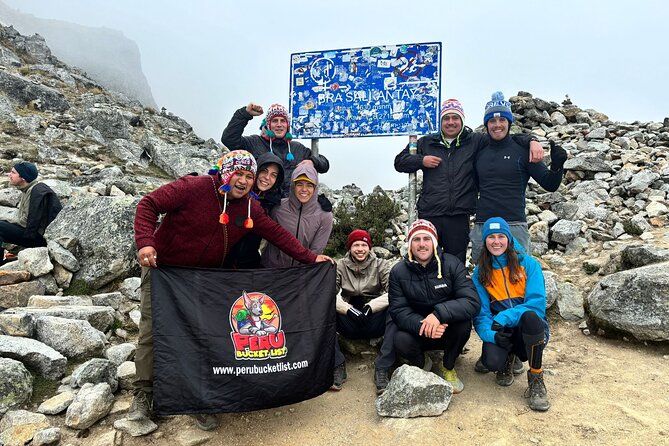
Day two is the test. You start with coca tea and breakfast, then climb from roughly 3,900 meters to Salkantay Pass at 4,650 meters. The full day covers about 22 kilometers and can last up to 12 hours.
The pass gives you the trek’s biggest mountain moment. Snow and glaciers surround the high route, and the scale of Salkantay Mountain makes the effort feel worthwhile. A traditional Pachamama ceremony may be held at the summit, honoring Mother Earth.
This is also the day when pacing matters most. The climb is not just long. It takes place at an elevation where your breathing may feel short and your legs may tire quickly. A moderate fitness level is required, but altitude affects people differently, so no fitness plan can guarantee an easy day.
The route changes sharply after the pass. You descend into cloud forest, passing streams and thicker plant life. Lunch is served around Rayanniyoc at approximately 3,300 meters, then you continue toward Colpapampa at about 2,800 meters.
Hot showers and Wi-Fi may be available at camp for an extra charge. These small comforts can feel valuable after 22 kilometers, but bring cash and do not assume they are included. Dinner, tea, and another night under simple camp conditions follow.
Day three: coffee country and Cocalmayo hot springs
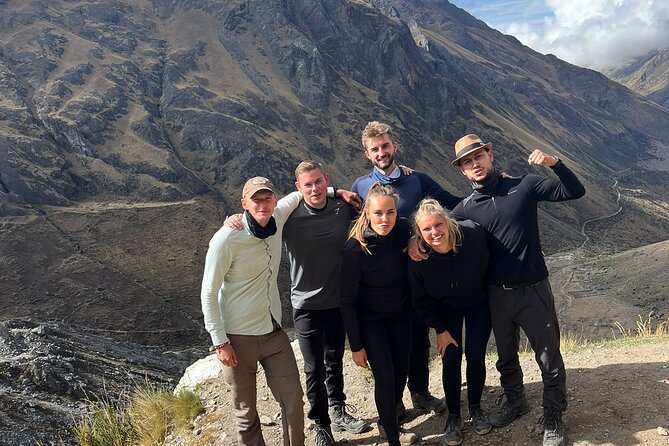
Day three drops from about 2,800 meters to 2,000 meters and covers around 16 kilometers. The change in climate is one of the best features of the Salkantay route. High snow country gives way to warmer forest, orchids, bromeliads, butterflies, and streams.
You pass small plantations growing coffee, bananas, and avocados. This section gives you a closer look at rural life in the Andes, rather than only mountain scenery. The route feels more relaxed after the pass, though the distance still adds up.
Lunch is around La Playa. Later, you can visit Cocalmayo Hot Springs for an additional PEN20 entrance fee. A bus from camp to the hot springs may cost PEN50 round trip. Zip lining is another option at $35.
Check the sleeping location carefully. The stated plan places you in Santa Teresa, but the actual accommodation may be in Lucmabamba, which can mean extra transport and a longer ride to the hot springs. The difference is important because the hot springs are convenient from Santa Teresa but not from every camp location.
Dinner includes a Pisco Sour in the supplied plan, a pleasant small celebration after three hard days. Accommodation is shared, so pack with the expectation of basic facilities rather than privacy.
Longer treks from Cusco:
- 4-Day Salkantay Trek with Sky Camp Stay
★ 5.0 · 3,346 reviews - Salkantay Trek 5D/4N with Glass Cabins, Domes and Hobbit House
★ 5.0 · 2,488 reviews - 5-Day Premium Salkantay Trek
★ 5.0 · 788 reviews - Lares Valley Trek with Hot Spring 4-Day, 3-Night
★ 5.0 · 656 reviews
Day four: Llactapata and the railway walk
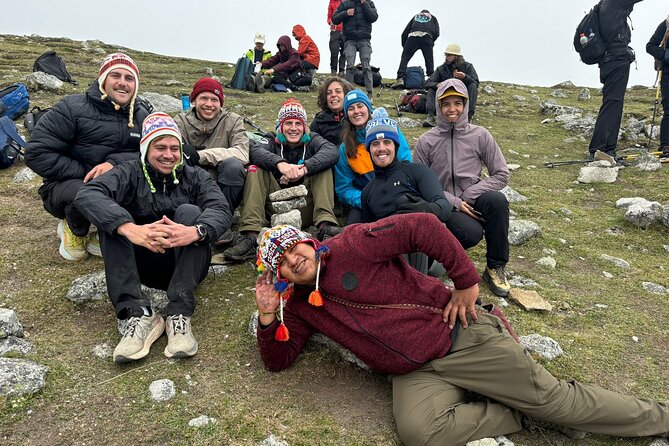
Day four covers about 18 kilometers. You climb from 2,000 meters to Llactapata at around 2,800 meters, then descend toward Hidroeléctrica and Aguas Calientes at 2,040 meters.
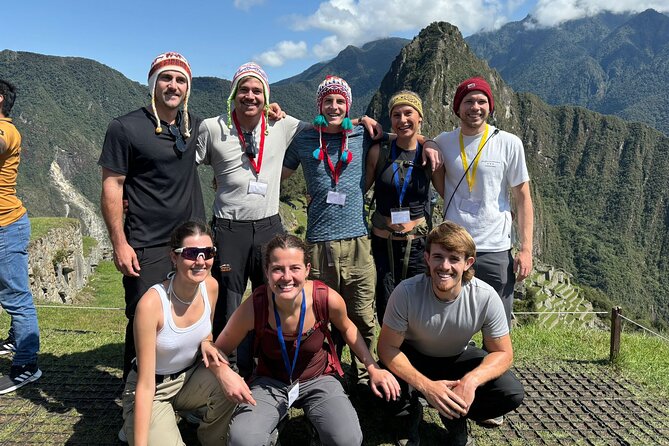
The ancient Inca path to Llactapata provides one of the trek’s best views. From the high point, Machu Picchu appears in the distance. It is not the full citadel visit yet, but seeing your destination across the valleys gives the day a strong sense of purpose.
Your guide explains Inca history along the route, and the path passes waterfalls and thick forest before reaching Hidroeléctrica. Lunch is served there. From this point, you walk beside the railway for about three hours into Aguas Calientes.
The railway walk is included and costs nothing extra, but it is not for everyone. After four days of hiking, three more hours on a mostly gradual route can feel tiring. The trackside scenery is pleasant, yet this is a functional route rather than a grand mountain trail. If your budget allows, an optional train from Hidroeléctrica to Aguas Calientes costs about $70 to $100.
Once in town, you check into a shared hotel room. You can rest or explore Aguas Calientes before dinner. Your guide should explain the next morning’s Machu Picchu entry time, bus options, and meeting point. Pay attention here. This is the moment to confirm the exact ticket, circuit, and return plan.
Day five: Machu Picchu before breakfast
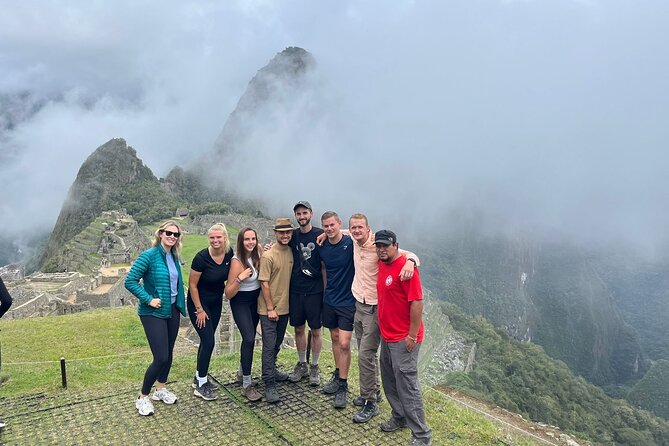
The final morning starts around 4:30 am. You can walk uphill to Machu Picchu in about 1.5 hours or pay $12 for the bus. The bus is optional and costs extra.
An early entry can place you at the citadel as morning light reaches the stonework. Mist may soften the mountains, or it may hide them. Either way, the first view has a special force after four days on foot.
The guided visit lasts about two hours. You see temples, terraces, stone buildings, and the agricultural works that make Machu Picchu so impressive. The included ticket is for Circuit 2, subject to availability at the time of purchase. Circuit assignments and entry times are controlled by the authorities, so do not assume your preferred route is guaranteed.
Free time follows the guided visit. The supplied details mention the Sun Gate as a possible extra walk. Huayna Picchu and Machu Picchu Mountain require separate tickets, each listed at $70 and subject to availability.
The day can last up to 14 hours, especially when you include the early start, citadel visit, return travel, and bus journey to Cusco. You are dropped at Regocijo Square rather than at your hotel. Plan your next lodging and evening with that in mind.
Guides, group size, and the operator question
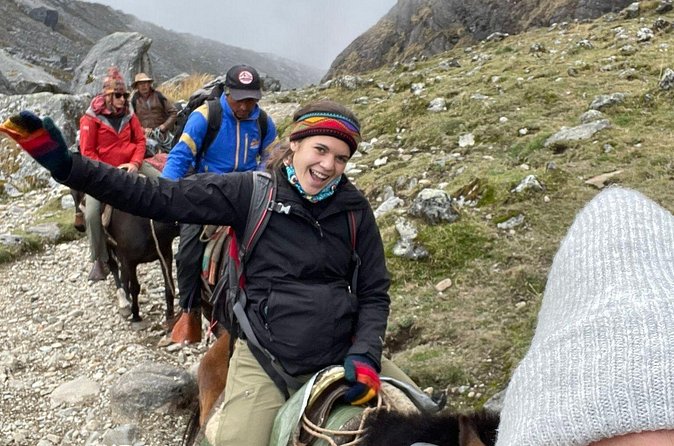
The strongest part of this experience appears to be the guiding on the trail. Henry Javier is praised for explaining plants, animals, Quechua culture, and the Inca Empire while keeping an eye on altitude and safety. Edwin and Franco are also singled out for helping with hiking and practical details. Wellington, Wili, and Willie receive warm praise for care, humor, and steady support.
That praise matters because the route is physically demanding and changes climate several times. A good guide can help you slow down at altitude, understand the mountain setting, and make the long days feel manageable.
The booking company is Peru Bucket List, but the actual trek may be operated by KB Adventures or another local partner. This is not automatically a problem. The trekking crew can be excellent. The risk is that the person selling the trip and the people running it may not share information clearly.
One group was told about a mandatory briefing only hours beforehand, and the meeting lasted far longer than expected. Another group found that its party was larger than the advertised maximum. Confirm the operator, guide name, group size, pickup time, and accommodation before departure.
Machu Picchu tickets require special care
The biggest practical warning concerns entry tickets. The tour includes a Machu Picchu ticket, but it is subject to availability. You must send a passport photo after booking because the document is needed for the reservation.
Do not rely on a verbal promise that a ticket will be available later. Ask for the ticket confirmation, circuit number, date, and entry time well before the trek begins. In high season, a missing ticket can force you to change the walking schedule, pay for unexpected transport, or spend an extra night in Aguas Calientes.
The supplied details include both successful last-minute ticket arrangements and serious ticket failures. Some people received an early Circuit 2 entry, while another party had to reorganize the trek and buy tickets independently after the original arrangements failed. The lesson is simple: verify the ticket yourself.
Also confirm the train or bus plan after Machu Picchu. The included return journey is by bus from Aguas Calientes to Cusco, but the timing may be late. Optional earlier train departures cost extra, and the details provided do not guarantee a particular train time.
What to pack and what to budget
Your duffle bag allowance is 6 kilograms. Pack light and keep your daypack practical, with water, rain gear, sun protection, warm layers, snacks, and any medication you need.
You may need to rent a sleeping bag and poles. Bring cash for entrance fees, hot springs, showers, Wi-Fi, the Machu Picchu bus, zip lining, and possible transport changes. Travel insurance is not included and is recommended.
The altitude range is huge. You begin around 3,800 meters, rise above 4,600 meters, and later descend to warm forest around 2,000 meters. Clothing that works for one section may be useless in another. Layers are more useful than one heavy coat.
The trek requires a moderate fitness level. The 22-kilometer second day and the long final day are the main hurdles. If you are not comfortable with steep climbs, long descents, or several hours of walking on consecutive days, consider a shorter route or a slower private arrangement.
Should you book this Salkantay Trek?
I would consider this tour if you want a low-cost, active route to Machu Picchu and you value changing scenery more than comfort. The high pass, Humantay Lake, small farms, forest, railway walk, and Machu Picchu create a full five-day story. The guides named above also give the experience a strong human side.
I would book only after getting written confirmation of the operator, ticket details, sleeping arrangements, group size, all extra fees, and the return schedule. If Peru Bucket List answers clearly, $290 can be very good value. If the answers are vague, book directly with the local trekking operator instead.
This trip suits hikers who accept early starts, shared accommodation, long days, and basic camps. It is less suitable for anyone seeking private rooms, flexible timing, or a worry-free ticket process. The scenery and guiding can be excellent, but the administration needs your attention.
FAQ
How long is the Salkantay Trek to Machu Picchu?
The experience lasts approximately five days and includes four nights. Two nights are in small huts or tents, one night is in a shared hotel in Aguas Calientes, and the supplied details indicate another shared camp night during the trek.
What time does pickup begin?
Pickup starts at approximately 4:00 am from your Cusco hotel. If your accommodation is outside the pickup area, you meet at Cusco Plaza de Armas. The final meeting time is provided by WhatsApp the evening before.
How high does the trek go?
Humantay Lake reaches about 4,200 meters. Salkantay Pass reaches approximately 4,650 meters, the highest point of the route.
Is Machu Picchu admission included?
Yes. The package includes an entrance ticket to Machu Picchu Circuit 2, subject to availability at the time of sale, plus a guided visit. You must send a passport photo after booking to arrange the entrance.
Are meals included?
Breakfast is included four times, lunch five times, and dinner four times. The first breakfast is not included. Vegetarian and vegan meals are available on request without an additional charge.
Can I take a train from Hidroeléctrica to Aguas Calientes?
Yes. The train is optional and costs approximately $70 to $100. The included option is a roughly three-hour walk beside the railway.
What extra costs should I expect?
Possible extras include the Humantay Lake entrance, hot springs, transport to the hot springs, sleeping bag rental, trekking poles, zip lining, the bus to Machu Picchu, optional mountain permits, and train travel. Confirm current prices and which services apply to your departure before the trek.
More Hiking Days from Cusco
- Rainbow Mountain Full Day Trek
★ 5.0 · 1,469 reviews - Rainbow Mountain Day Trip from Cusco: Vinicunca Hiking Tour
★ 4.5 · 737 reviews - Inca Trail 4-Day 3-Night Trek to Machu Picchu with Expert Guides
★ 5.0 · 733 reviews - Humantay Lake Full Day Trek from Cusco with Lunch
★ 5.0 · 726 reviews
Other Ways to Reach Machu Picchu
- Short Inca Trail to Machu Picchu 2D/1N
★ 5.0 · 3,007 reviews - 2-Day Inca Trail to Machu Picchu with Panoramic Train
★ 5.0 · 1,876 reviews - From Cusco: Full-Day Group Tour of Machu Picchu
★ 4.7 · 1,767 reviews - Machu Picchu Day Trip from Cusco
★ 4.5 · 1,644 reviews
Added recently around Cusco
- Guided tour of the mountain of colors in Cusco★ 5.0 · 11 reviews
- 2-Day Private Short Inca Trail to Machu Picchu★ 5.0 · 15 reviews
- City Tour Cusco – Group★ 5.0 · 4 reviews
- Tour Sacred Valley with Maras and Moray★ 5.0 · 15 reviews
- San Pedro Market Tour with Peruvian Cooking Class★ 5.0 · 31 reviews
- Walking Culinary Experience★ 5.0 · 41 reviews
- City Tour in Cusco★ 4.5 · 10 reviews
- One Day Tour to Humantay Lagoon★ 5.0 · 8 reviews
Machu Picchu Tours, compared.
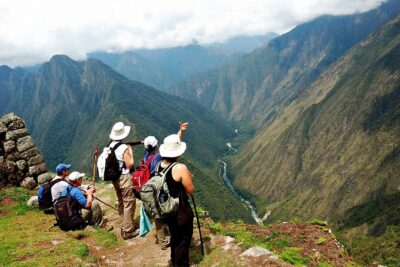
Classic Inca Trail Trek 4D/3N to Machu Picchu (Group Service)
Read our review →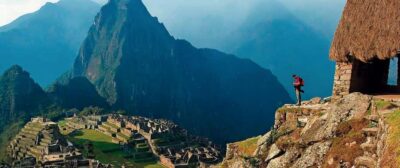
Machu Picchu: 4-Day Inca Trail Trek with Panoramic Train Ride
Read our review →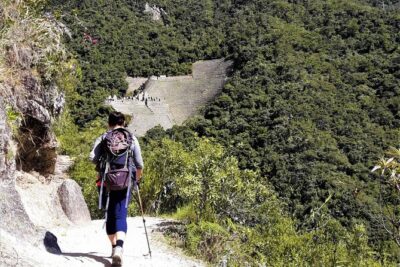
2-Day Inca Trail to Machu Picchu with Panoramic Train
Read our review →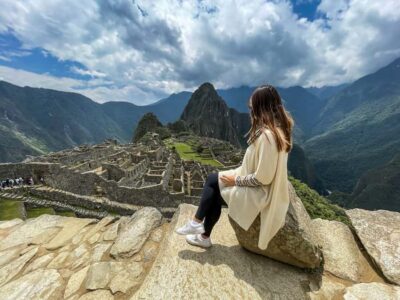
2-Day Tour: Sacred Valley and Machu Picchu by Train
Read our review →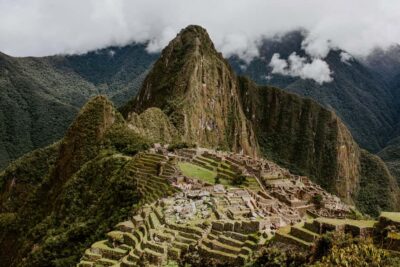
Machu Picchu: Full-Day Tour from Cusco with Optional Lunch
Read our review →Browse the lists this tour appears in