
Reviewed · MACHU PICCHU TOURS
Salkantay Trek 4 Days to Machu Picchu – Return to Cusco by train
The Andes change dramatically each day. This four-day Salkantay route takes you from snow-covered peaks and Humantay Lake to coffee plantations, waterfalls, and Machu Picchu. I especially like the included transport, meals, camping gear, and train ride back to Cusco. I also like the small-group format, with a maximum of 15 people, because a good guide can give useful help on a demanding trail.
The main caution is the physical effort. You will walk long distances at high altitude, including a 22-kilometer day that reaches 4,630 meters. Water and trail snacks are not included, and the guidance has not been equally strong on every departure, so I would ask about the current guide team and group size before paying.
In This Review
- Key details worth knowing before you book
- What the $412.17 price really covers
- Day one: Mollepata, Soraypampa, and Humantay Lake
- Day two: the 4,630-meter climb over Salkantay Pass
- Day three: from mountain air to the railway path
- Day four: entering Machu Picchu before the train home
- Guides, group size, and the quality of the support
- Fitness, packing, and small costs
- Is this Salkantay Trek worth booking?
- FAQ
- How long is the Salkantay Trek to Machu Picchu?
- What is the highest point of the trek?
- Is Humantay Lake included?
- Is the bus from Aguas Calientes to Machu Picchu included?
- What meals are included?
- How much luggage can be transported?
Key details worth knowing before you book
- Humantay Lake comes on the first day: You reach the turquoise mountain lagoon after a demanding climb to roughly 4,220 meters.
- Abra Salkantay is the high point: Day two reaches 4,630 meters, with views of Humantay, Tucarhuay, and Pumasillo.
- The scenery shifts from ice to jungle: The route moves through dry mountain country, humid forest, plantations, and the railway path to Aguas Calientes.
- Your porter allowance is limited: One duffel bag can hold up to 5 kilograms, including your sleeping bag. You carry your own things on the Hidroeléctrica section.
- The train return adds real value: After Machu Picchu, a tourist train runs to Ollantaytambo, followed by a minibus to Cusco.
- The price is fair, with extra costs: At $412.17 per person, much is covered, but you still pay for water, snacks, the fourth-day lunch, and possibly the bus to Machu Picchu.
What the $412.17 price really covers
At this price, I see the tour as a useful middle ground between a fully independent trek and a high-end guided expedition. You get a professional Spanish and English-speaking guide, transport from Cusco, three breakfasts, three lunches, three dinners, lodging, luggage transport, the Humantay and Mollepata entrance fees, the Machu Picchu ticket for the selected option, and the return train.
The train matters. Some lower-cost Salkantay arrangements return by bus, while this trip includes a scenic train from Aguas Calientes to Ollantaytambo. That saves you from a longer return overland and gives you a comfortable finish after four hard days.
There are still several costs to plan for. You must buy your own drinking water and snacks, and the fourth-day lunch is not included. The bus from Aguas Calientes to Machu Picchu is also optional but extra. If you walk up and down, you avoid that bus fare, but you add more steep walking to an already tiring morning.
I would also carry small cash. A hot shower in Colpapampa may cost 10 soles at a local home, and even basic items such as toilet paper have not always been included. Those costs are small, but they are easier to handle when you expect them.
The booking price should be compared with care. A past departure included a group of 18, despite the advertised maximum of 15, and one person reported paying substantially more than others in the same group. Prices can differ because of train schedules and included extras, but I would confirm exactly what train service, Machu Picchu entry, luggage allowance, and group limit apply to your booking.
More Hiking Tours in Cusco
- Classic Inca Trail Trek 4D/3N to Machu Picchu (Group Service)
★ 5.0 · 8,653 reviews - Machu Picchu: 4-Day Inca Trail Trek with Panoramic Train Ride
★ 5.0 · 4,568 reviews - Salkantay Classic Trek 5 Days from Cusco
★ 5.0 · 4,062 reviews
Day one: Mollepata, Soraypampa, and Humantay Lake
The day begins very early. Pickup from your Cusco accommodation is scheduled between 4:00 and 4:30 AM, with a formal start at 4:30. The minibus heads toward Mollepata, and the road brings views of the snow-covered Salkantay and Humantay mountains before breakfast.
That early start is not just a scheduling nuisance. It gives you a better chance of reaching camp and Humantay Lake before the day feels too hot or crowded. Still, you should expect a sleepy morning, especially if you have only recently arrived in Cusco.
Breakfast in Mollepata is a practical stop before Challacancha, where the walking starts. The first main section covers about 14 kilometers to Soraypampa. The route passes through broad valleys and rolling mountain scenery before reaching the first camp, where lunch is served.
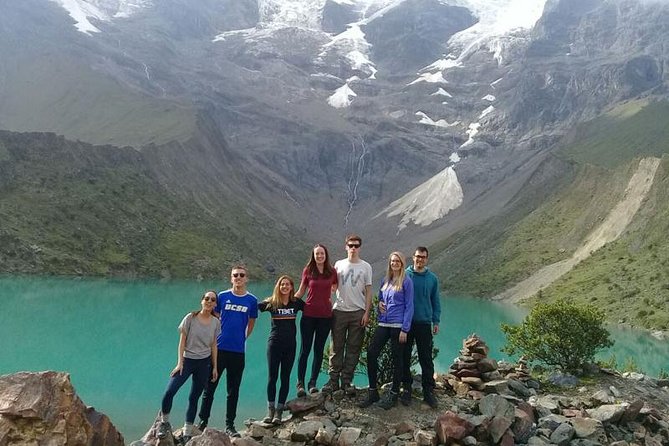
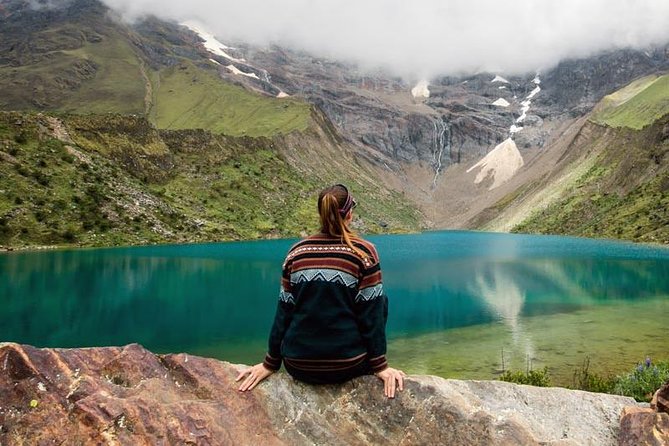
After dropping your gear, you climb to Humantay Lake. The ascent takes around an hour and a half and reaches about 4,220 meters, or 13,845 feet. This is a short section on paper, but altitude makes it feel much harder than the distance suggests. I would use trekking poles here, take short steps, and avoid racing anyone uphill.
The lagoon is one of the most memorable parts of the route. Its mountain setting gives you a clear sense of why this trek is more than a way to reach Machu Picchu. You get a major Andean sight before the famous citadel even appears.
The return to camp takes less than an hour. Tea is served around 6:00 PM, followed by dinner at about 7:30 PM. The evening sounds simple, and that is exactly the point. You will have little energy for anything beyond food, dry clothes, and sleep.
The first night is described as camping in cabins near Soraypampa. The included accommodation details also describe three nights of camping and one hotel night, while the day-by-day plan clearly places you in a private room with a bathroom in Aguas Calientes. Since that leaves two clearly described camping nights, I would confirm the exact sleeping arrangements before departure.
Day two: the 4,630-meter climb over Salkantay Pass
Day two is the hardest day. A 5:00 AM wake-up and a warm drink get you moving toward Abra Salkantay, the highest point of the trip at 4,630 meters, or 15,190 feet.
The climb takes about three hours, but the full day covers roughly 22 kilometers and lasts close to 10 hours. This is where fitness, altitude adjustment, and a steady pace matter most. You should not treat this as a casual sightseeing walk with a little exercise attached.
At the pass, the reward is enormous mountain scenery. You can look across deep valleys toward snow-covered Humantay, Tucarhuay, and Pumasillo. The cold, open surroundings feel very different from the warmer forest that comes later.
After the pass, the route changes quickly. You descend for about three hours to Huayracmachay, where lunch is served. Then you continue downhill for another three hours to Colpapampa, the second camp.
The descent may sound easier than the climb, but it can be rough on knees and ankles. I would keep your poles ready and avoid putting all your weight on a single step. Good shoes matter more here than fashionable hiking clothes.
Colpapampa gives you a small comfort option: a hot shower at a local home for 10 soles. I would consider it money well spent after the long descent. Dinner and a night at camp follow, though you should not expect resort-style facilities. This is still a remote trekking route.
Day three: from mountain air to the railway path
The third day brings the most striking change in climate. After breakfast, you walk for about five hours through Peru’s high jungle at a maximum elevation of around 2,800 meters.
The route passes rivers, waterfalls, wild orchids, coffee plantations, and banana plants. The warmer, more humid air offers a welcome break after the first two cold mountain days. I like this section because it shows how quickly the Andes can shift from high, spare mountain country to thick forest and farmland.
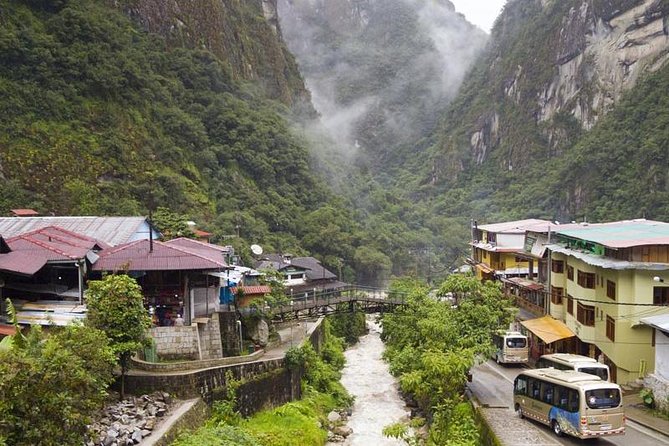
After lunch, a short drive takes you to Hidroeléctrica. From there, you walk for about three hours beside the railway toward Aguas Calientes, also called Machu Picchu Pueblo. The route is calmer than the pass days, with the railway and river helping you keep your bearings.
This is an important luggage detail. Horses cannot reach this section, so you must carry your own belongings from Hidroeléctrica. Keep that in mind when packing your day bag. Put water, rain protection, a warm layer, medication, and anything needed for the evening where you can reach them.
In Aguas Calientes, you have time to rest or walk around town before dinner. The accommodation here is a hostel room with a private bathroom. After two nights in camp, that room should feel luxurious, even if the standard is basic.
The plan leaves little room for a long soak or a late evening. You need to sleep early because Machu Picchu comes the next morning. The town is the practical gateway to the ruins, not the main event of this tour.
Longer treks from Cusco:
- 4-Day Salkantay Trek with Sky Camp Stay
★ 5.0 · 3,346 reviews - Salkantay Trek 5D/4N with Glass Cabins, Domes and Hobbit House
★ 5.0 · 2,488 reviews - 5-Day Premium Salkantay Trek
★ 5.0 · 788 reviews - Lares Valley Trek with Hot Spring 4-Day, 3-Night
★ 5.0 · 656 reviews
Day four: entering Machu Picchu before the train home
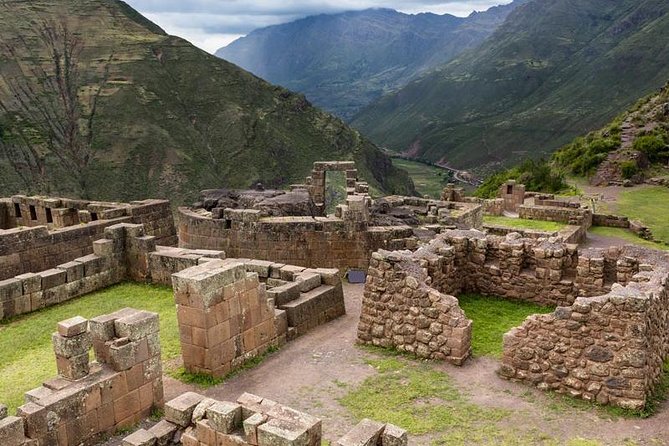
You begin with breakfast, juice, fruit, and a snack. Your guide gives you a meeting time based on your assigned Machu Picchu entrance slot. From Aguas Calientes, you can climb for nearly two hours or pay for the bus to the entrance.
Walking saves money, but it adds a steep climb before your guided visit. If your knees are tired after three days, the bus may be worth the extra cost. Bus tickets are available in town but are not included.
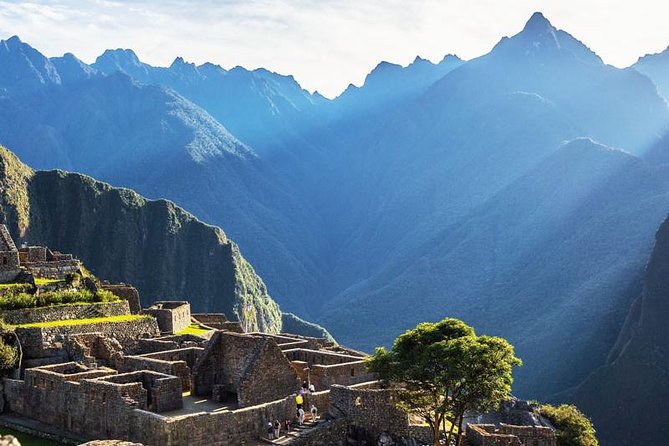
The Machu Picchu visit lasts about seven hours according to the schedule, including the guided experience and time to explore independently. Inside the sanctuary, your guide explains the terraces, temples, sacred places, stonework, and city plan. The guiding quality matters greatly here. Machu Picchu can become a blur of famous viewpoints without clear explanation, so I would stay close to the guide during the main tour.
The entrance ticket depends on the option selected at booking. Check the exact ticket type rather than assuming that every possible mountain or extra circuit is included. Huayna Picchu is available as an upgrade, which can add a separate climb and a different view of the citadel.
After the visit, you return to Aguas Calientes by foot or bus. Lunch is on your own, so leave enough time and money for it. The train departs in the afternoon for Ollantaytambo, taking about an hour and a half along the Vilcanota River.
I consider this train ride one of the tour’s strongest practical features. You finish the main visit, sit down, and watch the river valley pass by instead of facing another long bus journey. A shuttle then continues to central Cusco.
Guides, group size, and the quality of the support
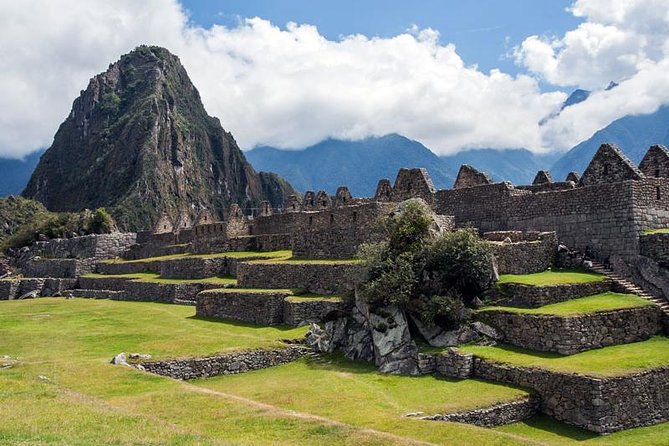
The guide can make or break a trek like this. One highly praised guide was Willy, who was described as well-informed, calm, helpful, confident, and fun. Another guide, Climaco, was praised for making people feel at home and for giving clear help throughout the route.
The food also receives strong praise. The meals are described as better than expected, with vegetarian, vegan, and gluten-free options available when requested. That is important on a demanding trek, since warm meals give you more than comfort. They help you keep going.
The organization has not been perfect on every departure. A past group had two guides who struggled to keep up with faster walkers, leaving some people walking alone and waiting for long periods. Another account described strong guidance on the first two days, weaker leadership on day three, and no guided tour inside Machu Picchu on day four.
I would ask three direct questions before booking:
- Is the current group capped at 15?
- How many guides will be with the group?
- Will the guide accompany the full Machu Picchu visit?
Those questions are especially important for solo hikers and anyone who feels uneasy on steep or remote trails. The route itself is demanding, and the support should match it.
Fitness, packing, and small costs
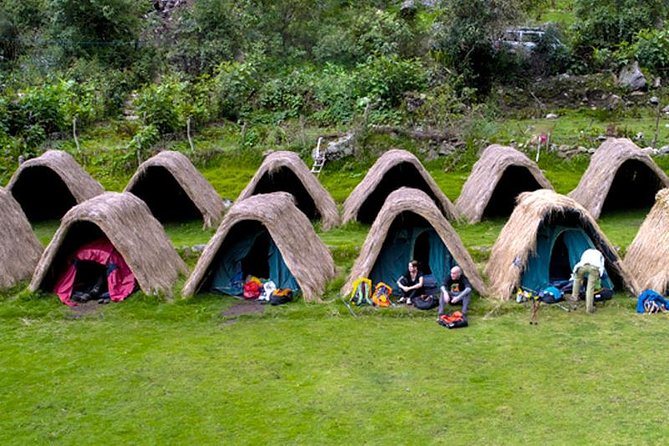
The tour calls for moderate physical fitness, but I would interpret that conservatively. The 14-kilometer first day, the 22-kilometer second day, and the long third day create a serious workload. High altitude adds another layer of difficulty.
Bring hiking poles. One person specifically found them very helpful, and I agree with that advice for a route containing long climbs and descents. Pack layers for cold high-altitude mornings, rain protection, comfortable walking shoes, personal medication, sunscreen, and a headlamp if you have one.
The operator transports up to 5 kilograms in your duffel, including your sleeping bag. That is not much, so pack carefully. You still need a daypack for the section after Hidroeléctrica and for anything you want during the walking days.
Budget separately for:
- Drinking water
- Trail snacks
- Fourth-day lunch
- The bus between Aguas Calientes and Machu Picchu, if you choose it
- Optional hot shower in Colpapampa
- Small purchases such as toilet paper
The tour is offered in English, with Spanish and English guide service listed. Pickup is available from accommodation in Cusco, and confirmation is sent within 48 hours when space is available. The activity is near public transportation, but the very early pickup means you should be ready at your accommodation rather than trying to arrange a last-minute meeting elsewhere.
Is this Salkantay Trek worth booking?
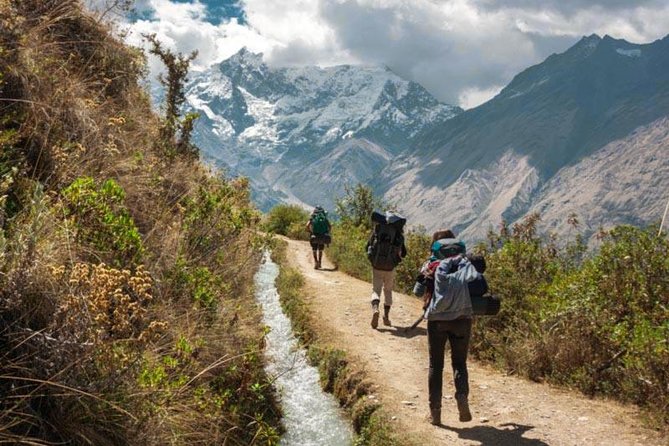
I would book this trip if you want a demanding route with major scenery, organized meals, luggage support, a private room in Aguas Calientes, and a train ride back to Cusco. The variety is excellent: Humantay Lake, the Salkantay high point, jungle plantations, the railway walk, and Machu Picchu all arrive in one compact itinerary.
I would not choose it if you want relaxed walking, guaranteed private transport throughout, or hotel comfort every night. I would also hesitate if you dislike long days, cold camps, high altitude, or carrying your own belongings on the final approach to Aguas Calientes.
At $412.17, the package offers good value when the included Machu Picchu entry, meals, camp equipment, luggage transport, train, and Cusco transfer are all useful to you. Before paying, confirm the ticket option, group size, lodging pattern, train schedule, and guide arrangements. With those details clear, this is a strong choice for an active visitor who wants to reach Machu Picchu by a route that feels like an adventure rather than a simple day trip.
FAQ
How long is the Salkantay Trek to Machu Picchu?
The experience lasts approximately four days, beginning with an early pickup from Cusco and ending with a train and minibus return to Cusco after visiting Machu Picchu.
What is the highest point of the trek?
The highest point is Abra Salkantay at 4,630 meters, or 15,190 feet, on the second day.
Is Humantay Lake included?
Yes. The route includes the entrance fee for Humantay Lagoon, and the visit takes place on the first day after hiking from Challacancha toward Soraypampa.
Is the bus from Aguas Calientes to Machu Picchu included?
No. You can walk to the entrance in about two hours or purchase a bus ticket in Aguas Calientes.
What meals are included?
Three breakfasts, three lunches, and three dinners are included. Lunch on the fourth day is not included, and you must purchase water and snacks along the route.
How much luggage can be transported?
The included luggage transport allows a maximum of 5 kilograms, including your sleeping bag. You must carry your own belongings during the Hidroeléctrica to Aguas Calientes section.
More Hiking Days from Cusco
- Rainbow Mountain Full Day Trek
★ 5.0 · 1,469 reviews - Rainbow Mountain Day Trip from Cusco: Vinicunca Hiking Tour
★ 4.5 · 737 reviews - Inca Trail 4-Day 3-Night Trek to Machu Picchu with Expert Guides
★ 5.0 · 733 reviews - Humantay Lake Full Day Trek from Cusco with Lunch
★ 5.0 · 726 reviews
Other Ways to Reach Machu Picchu
- Short Inca Trail to Machu Picchu 2D/1N
★ 5.0 · 3,007 reviews - 2-Day Inca Trail to Machu Picchu with Panoramic Train
★ 5.0 · 1,876 reviews - From Cusco: Full-Day Group Tour of Machu Picchu
★ 4.7 · 1,767 reviews - Machu Picchu Day Trip from Cusco
★ 4.5 · 1,644 reviews
Added recently around Cusco
- Super valley or vip valley★ 5.0 · 13 reviews
- the Incas’ Sacred Valley★ 5.0 · 27 reviews
- Sacred Valley of the Incas Day Trip from Cusco★ 5.0 · 6 reviews
- Small-Group Tour: Rainbow Mountains Hiking from Cusco★ 4.0 · 5 reviews
- Excursion to the Sacred Valley of the Incas from Cusco★ 5.0 · 8 reviews
- Maras + Moray & Textile Experience★ 5.0 · 14 reviews
- Tour EN Cuatrimoto POR la Montaña 7 Colors Hike 5 Minutes★ 4.5 · 32 reviews
- rainbow mountain★ 4.0 · 4 reviews
Machu Picchu Tours, compared.
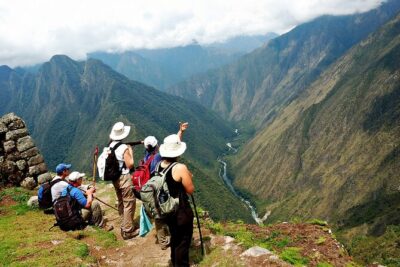
Classic Inca Trail Trek 4D/3N to Machu Picchu (Group Service)
Read our review →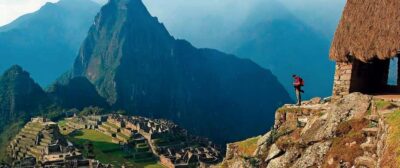
Machu Picchu: 4-Day Inca Trail Trek with Panoramic Train Ride
Read our review →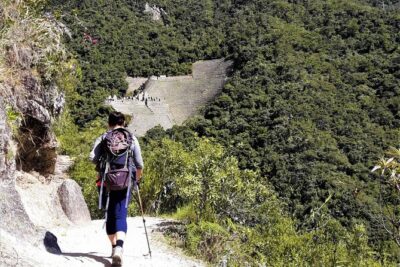
2-Day Inca Trail to Machu Picchu with Panoramic Train
Read our review →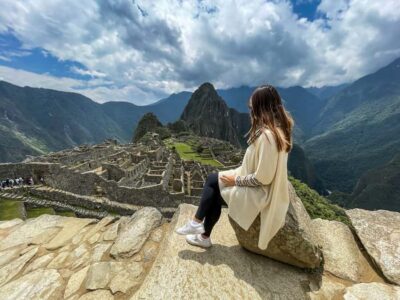
2-Day Tour: Sacred Valley and Machu Picchu by Train
Read our review →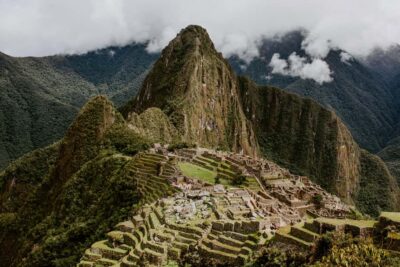
Machu Picchu: Full-Day Tour from Cusco with Optional Lunch
Read our review →Browse the lists this tour appears in