
Reviewed · MACHU PICCHU TOURS
Salkantay Trek & Inca Trail to Machu Picchu 7D-6N
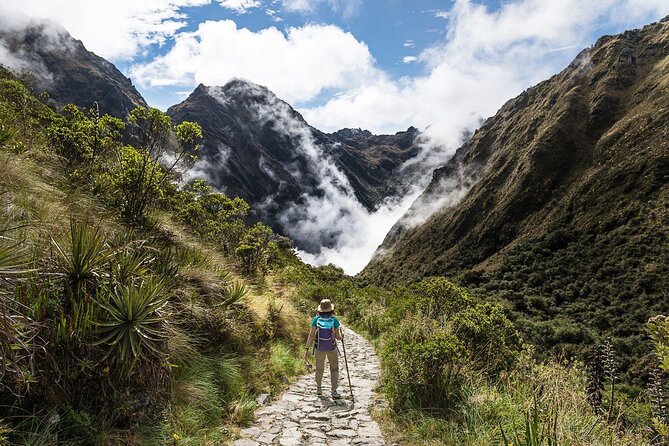
This is Peru hiking at full volume. You combine the broad mountain scenery of the Salkantay Trek with the stone paths and ruins of the Inca Trail, finishing at Machu Picchu after six nights outdoors. I like the route because it reaches the remote Dead Inca’s Pass at roughly 5,200 meters and then joins the classic trail at Paucarcancha. I also like the strong support team, especially guides such as Franklin and Rolando, plus cooks who prepare fresh meals three times a day.
This is not a gentle walk to Machu Picchu. Altitude, cold camps, rain, steep steps, and long hiking days are part of the bargain. One day includes the highest pass at about 16,495 feet, and a private departure may involve a large support crew carrying tents, food, and equipment. You need good physical fitness and a sensible approach to altitude.
At $1,670 per person, the price makes more sense when you consider what is included: permits, transport, six breakfasts, six lunches, six dinners, camping support, a guide, and the final train and bus connections. Still, rental gear costs extra, tips are not included, and the fixed cancellation policy leaves little room for a change of plans.
In This Review
- Five things to know before you book
- Day 1: From Cusco to Soraypampa and Humantay Lake
- Day 2: Pampa Japonesa and the Frozen Inca’s Pass
- Day 3: Six hours downhill to Paucarcancha
- Day 4: Paucarcancha, Wayllabamba, and Llulluchapampa
- Day 5: Dead Woman’s Pass and two major ruins
- Day 6: Phuyupatamarca, Intipata, and Wiñay Wayna
- Day 7: Sun Gate, Machu Picchu, and the ride back to Cusco
- Food, camping, and the people carrying the trip
- Cost, fitness, and practical value
- Should you book this seven-day trek?
- FAQ
- How long does the Salkantay and Inca Trail experience last?
- Where does pickup take place?
- What time does the tour begin?
- Is the tour private?
- What physical condition do I need?
- What is the highest point of the trek?
- Are meals included?
- Is a sleeping bag provided?
- What transport is included?
- What happens if bad weather cancels the tour?
Five things to know before you book
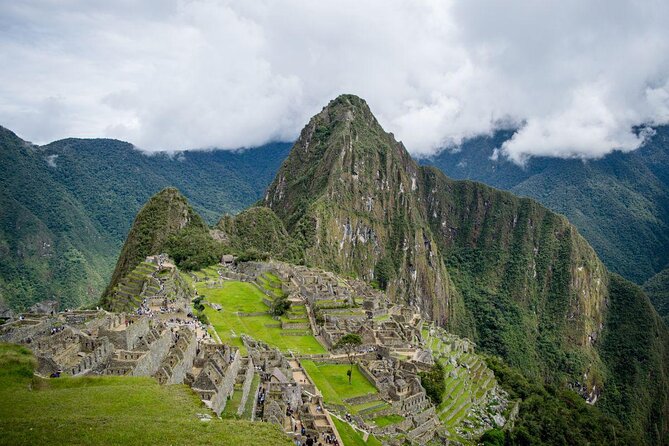
- The route combines two very different treks: Salkantay brings high mountain passes and quieter trails, while the Inca Trail adds ruins, stone steps, and cloud forest.
- Dead Inca’s Pass is the physical test: At about 5,200 meters, it can bring headaches, nausea, vomiting, cold, and shortness of breath.
- The food gets unusually high marks: Expect soups, porridge, eggs, meats, vegetables, custom teas, juices, and desserts prepared in camp.
- You sleep at very high camps: Sisay Pampa is described as the coldest night, and Llulluchapampa sits at 3,800 meters.
- The final day is tightly timed: You visit Machu Picchu, take a guided tour, explore independently, then catch the train to Ollantaytambo and a bus to Cusco.
- Private means personal, not necessarily small: Your group travels privately, but the support team can still be substantial.
Day 1: From Cusco to Soraypampa and Humantay Lake
Pickup begins around 5:00 a.m. from your hotel or Cusco’s main square. That early start is practical, since the first day includes a bus ride of about two hours to Mollepata, a breakfast stop, another ride to Challacancha, and then the first hike.
Breakfast on Day 1 is not included, so bring money or confirm the arrangement before leaving. After Mollepata, you continue toward Challacancha and walk to Soraypampa, your base camp. Lunch is provided here.
The main attraction is Humantay Lake, reached by a steep climb from camp. The lake sits beneath the mountain and gives you an immediate taste of the altitude and effort ahead. It is a fine first-day goal, but do not mistake the short stated stop time for a complete picture of the day. You still need to manage the bus rides, the climb to camp, lunch, and the ascent to the lake.
Your first night is in a tent at Soraypampa. The trip uses mules during the early Salkantay section to carry equipment. That keeps your personal load lighter, but it also means you should pack carefully and keep important items in your own daypack.
More Hiking Tours in Cusco
- Classic Inca Trail Trek 4D/3N to Machu Picchu (Group Service)
★ 5.0 · 8,653 reviews - Machu Picchu: 4-Day Inca Trail Trek with Panoramic Train Ride
★ 5.0 · 4,568 reviews - Salkantay Classic Trek 5 Days from Cusco
★ 5.0 · 4,062 reviews
Day 2: Pampa Japonesa and the Frozen Inca’s Pass
Day 2 is the big one. After breakfast, you climb for about four hours toward Pampa Japonesa, where lunch is served before the final push to Dead Inca’s Pass, also called the Frozen Inca’s Pass.
The summit reaches about 5,200 meters, or roughly 16,495 feet. At this height, even a fit person can feel unwell. Headaches, nausea, vomiting, and trouble sleeping are possible. A guide can help you manage symptoms, and the support team may arrange a horse if you need assistance, but you should not treat that as a substitute for preparation.
The pass is the payoff for the hard climbing. You get high mountain views, glaciers, and a powerful sense of the scale of Salkantay Mountain. The route is quieter than the Inca Trail section, which makes the effort feel worthwhile.
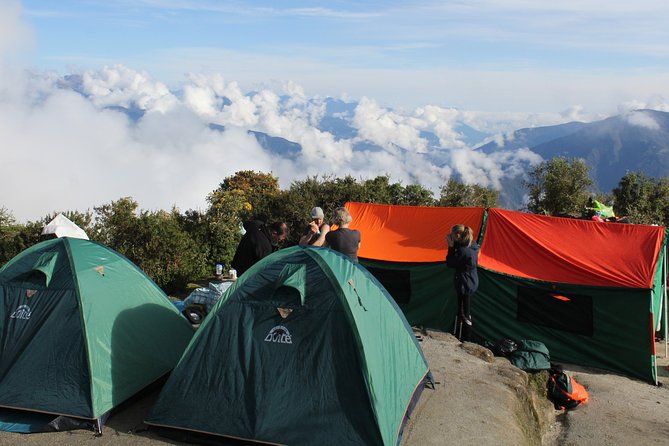
After the summit, you descend toward Sisay Pampa. This is described as the coldest camp of the trek. Pack warm layers where you can reach them quickly, rather than burying them at the bottom of your bag. A sleeping bag is not included, but you can hire one through the operator. Check the fit before departure, especially if you are tall or broad shouldered.
Day 3: Six hours downhill to Paucarcancha
After conquering the pass, the route changes character. Day 3 is mainly a long downhill walk, with about six hours of hiking toward Paucarcancha and the connection with the Inca Trail.
Downhill does not mean easy. Long descents can be hard on knees and ankles, particularly after the previous day’s high pass. Trekking poles are useful here, although rental poles may not suit everyone. One person reported that rented aluminum poles worked well, while rented sleeping equipment fitted less comfortably.
Paucarcancha is an important turning point. Its ruins mark the link between the Salkantay route and the Classic Inca Trail. You move from a broad, high mountain route into a more controlled trail system with stone paths, ruins, and designated camps.
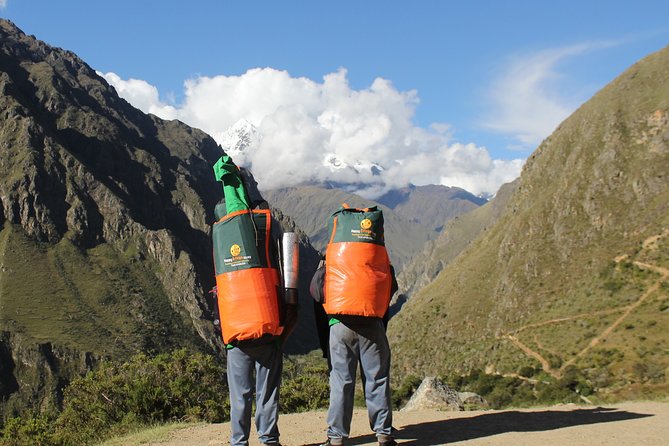
The route’s support system also changes ahead. Mules carry equipment during the Salkantay portion, but porters take over from Wayllabamba to avoid damage to the Inca Trail. That switch is worth understanding because it shows how the trip works within the rules of a protected and regulated route.
Day 4: Paucarcancha, Wayllabamba, and Llulluchapampa
You have free time in the morning to visit Paucarcancha before lunch. That pause gives you a chance to see the site without rushing straight into another climb.
After lunch, you descend through the valley and join the Inca Trail at Wayllabamba village. This is where porters replace the mule team. Your camp for the night is Llulluchapampa, at 3,800 meters, or about 12,460 feet.
Llulluchapampa is close to Dead Woman’s Pass, which helps shorten the hardest climb on the following day. You still climb through several plant zones to reach camp, and this is described as the second coldest night. The route’s planning is smart here: reaching a high camp early reduces the amount of climbing required on Day 5.
The Inca Trail section feels different from Salkantay. The route becomes more focused on stonework, terraces, ruins, and changing forest conditions. You also encounter more people, since the Classic Inca Trail is the better-known route. If you want complete solitude, this combined trek may disappoint. If you want both remote mountain walking and famous Inca sites, the contrast is a major strength.
Other Inca Trail departures:
- Short Inca Trail to Machu Picchu 2D/1N
★ 5.0 · 3,007 reviews - 2-Day Inca Trail to Machu Picchu with Panoramic Train
★ 5.0 · 1,876 reviews - Inca Trail 4-Day 3-Night Trek to Machu Picchu with Expert Guides
★ 5.0 · 733 reviews - Cusco: 4-Day Inca Trail to Machu Picchu with Accommodation
★ 4.8 · 432 reviews
Day 5: Dead Woman’s Pass and two major ruins
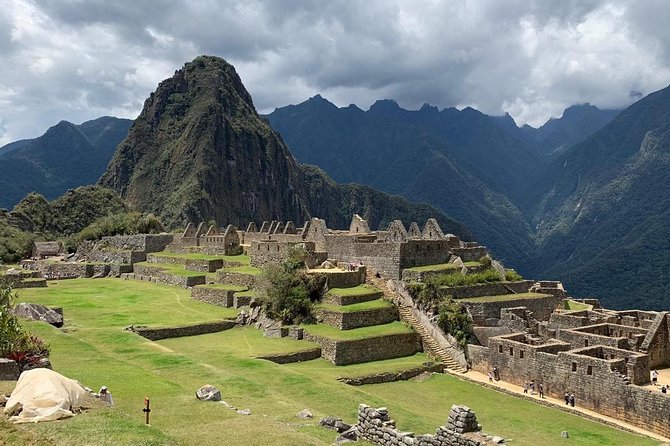
You start with a climb over Dead Woman’s Pass. Because you camped at Llulluchapampa, you are closer to the pass than many groups staying lower in the valley. That does not make it simple, but it removes some of the extra climbing.
The day includes two passes and a long stretch of trail. High mountain views open around you, then the route moves toward cloud forest. Runkurakay and Sayacmarca add cultural interest to a demanding day, giving you places to stop, catch your breath, and look closely at the stonework.
Chaquicocha is the night’s camp, at about 3,600 meters, or 11,800 feet. It is described as quieter than some other camps and offers sunset views toward distant mountains. After the cold of Sisay Pampa and Llulluchapampa, Chaquicocha may feel more comfortable, though nighttime temperatures can still be low.
The daily pace deserves attention. One complaint about the route was too little time at viewpoints because the group needed to keep moving. That can happen on a long, scheduled trek, especially when people walk at different speeds. Ask your guide early about photo stops and pacing. A private group gives you more room to adjust, but it does not erase trail rules or the need to reach camp on time.
Day 6: Phuyupatamarca, Intipata, and Wiñay Wayna
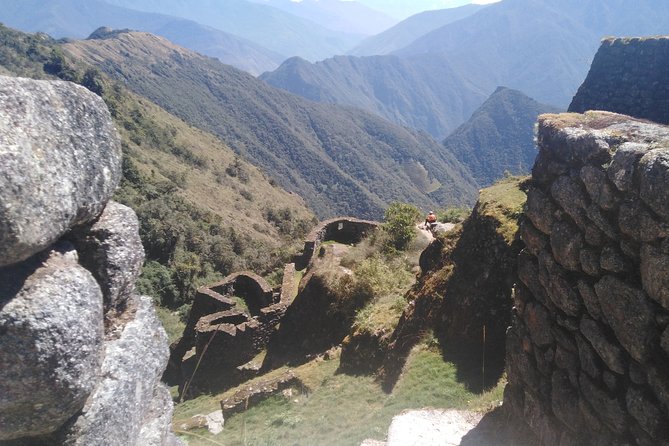
Day 6 begins early with the final summit at Phuyupatamarca. This section is especially good for plants and wildlife as the trail passes through cloud forest.
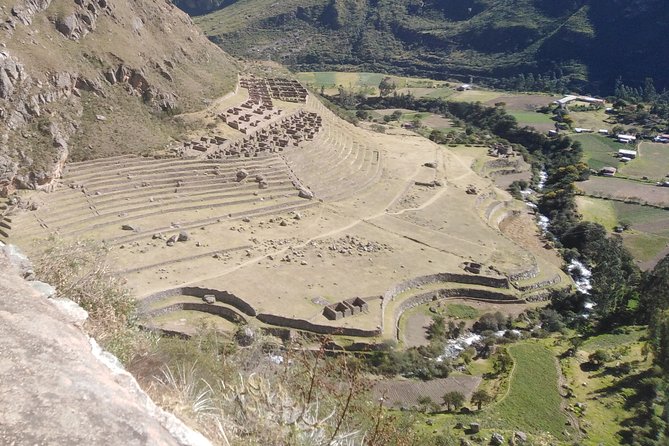
After about three hours of downhill walking, much of it on Inca steps, you reach the areas around Phuyupatamarca and Intipata. These sites reward a slower look. The stone terraces, stairways, and hillside setting show how carefully the Inca built into steep ground.
Lunch follows the descent. The itinerary allows a longer rest before the short walk to Wiñay Wayna, one of the most memorable ruins on the trail. The name is often translated as Forever Young, and the site’s terraces and position above the forest make it a fitting final major stop before Machu Picchu.
That evening includes a small ceremony to thank the porters. It is a simple but meaningful part of the trip. Your support team has carried food, tents, and supplies across difficult ground, and the farewell gives you a chance to recognize the work behind your comfortable meals and organized camps.
Day 7: Sun Gate, Machu Picchu, and the ride back to Cusco
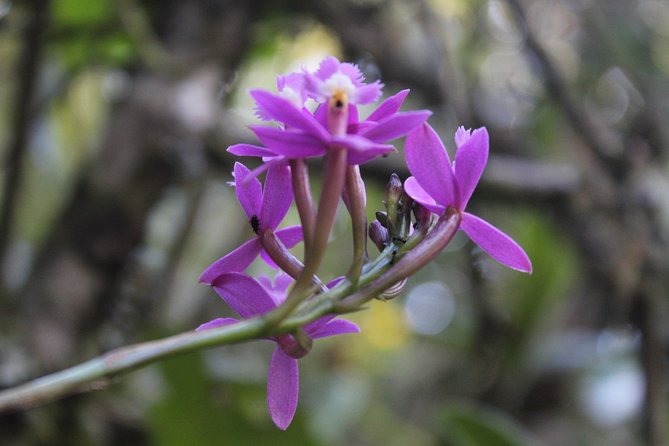
The final morning starts early. You head to the checkpoint and enter Machu Picchu, then continue toward the Sun Gate for your first major view of the citadel.
A guide leads a two-hour tour of important temples and parts of the site. After that, you have free time to explore on your own. This combination works well: the guided portion gives you context and direction, while the independent time lets you pause, take photographs, or revisit a place that caught your attention.
Lunch and dinner on Day 7 are not included, so budget for both. In the afternoon, you take the train to Ollantaytambo and then a bus back to Cusco. The return is a long travel finish after a strenuous week, and the schedule may leave you tired rather than relaxed. One private group arranged extra time in Machu Picchu and stayed one night in Aguas Calientes, but that is an accommodation to confirm in advance, not a standard feature listed here.
Food, camping, and the people carrying the trip
Food is one of the strongest parts of this expedition. The camp kitchen has produced four-course meals on a two-burner stove, including soups at lunch, porridge and eggs at breakfast, and meat and vegetables at dinner. Passion fruit tea, fresh juices, flan, and creative dishes such as tuna with sweet potatoes add variety.
That matters more than it may sound. On a high-altitude trek, hot food and regular meals help you keep going. The menu is not simply fuel tossed into a bowl. Fresh chopping and different meals each day show real effort from the kitchen team. Chef Dennis and assistant Eddie received special praise for their work.
A private trip can require a sizeable crew. On one two-person departure, the team included a guide, chef, assistant chef, four equipment porters, and a horseman with four horses for part of the route. That support makes the trek possible, but it also explains the importance of tipping staff at the end. Tips are not included.
Rental gear deserves a careful check. Sleeping bags, sleeping pads, air pads, and poles can be hired, but one tall person found the tent small, the sleeping bag snug, and the air pad thin. If you own gear that fits you well, bring it. If not, confirm sizes and condition before paying.
Cost, fitness, and practical value
The $1,670 price is substantial, but it covers the central costs of a complicated seven-day expedition. You receive Salkantay and Inca Trail permits, Machu Picchu fees, transport, camping meals, and the train and bus connection back to Cusco. Six breakfasts, six lunches, and six dinners are included.
You still need to budget for Day 1 breakfast, Day 7 lunch and dinner, tips, and any sleeping bag rental. Because the trek is private, you are paying for a dedicated setup rather than joining a shared group. That is valuable if you want the guide to respond to your pace or altitude concerns.
You should arrive prepared for serious exertion. The route includes steep climbs, long descents, high camps, and very thin air. Discuss altitude medication with a medical professional before the trip. Useful personal items mentioned by past participants include motion sickness medicine for the long bus ride, bite relief, and altitude medication prescribed for you.
Communication before departure is handled by WhatsApp, phone calls, and a briefing at your hotel the day before. Confirm the full itinerary, equipment rental, meeting time, meal details, and any extra nights before you leave. The tour is commonly booked about 44 days ahead, so a last-minute plan may not work.
Should you book this seven-day trek?
Book it if you want a demanding, full-service route that combines remote Salkantay scenery, high-altitude challenge, and the Classic Inca Trail in one trip. It suits fit hikers who value strong guides, good camp cooking, and a private arrangement more than comfort or a relaxed schedule.
Think twice if you dislike cold tents, steep steps, early starts, group pacing, or uncertain mountain weather. The route can see heavy rain, and the Inca Trail may feel crowded. Poor weather can cancel the experience, in which case you are offered another date or a full refund. For any other cancellation or amendment, the payment is non-refundable.
For the right person, this is a serious but rewarding way to reach Machu Picchu. You earn the citadel through high passes, ruined settlements, cloud forest, porters’ steps, and a final sunrise walk to the Sun Gate. Just train first, pack for cold and rain, and make sure the gear fits before the trail takes over.
FAQ
How long does the Salkantay and Inca Trail experience last?
The tour lasts approximately seven days and includes six nights.
Where does pickup take place?
Pickup is offered from your hotel or Cusco’s main square.
What time does the tour begin?
The stated start time is 5:00 a.m.
Is the tour private?
Yes. Only your group participates in the private tour or activity.
What physical condition do I need?
You should have a strong physical fitness level because the route includes high passes, steep climbs, long descents, and several nights at high altitude.
What is the highest point of the trek?
Dead Inca’s Pass reaches about 5,200 meters, or approximately 16,495 feet above sea level.
Are meals included?
Six breakfasts, six lunches, and six dinners are included. Breakfast on Day 1 and lunch and dinner on Day 7 are not included.
Is a sleeping bag provided?
A sleeping bag is not included, but it can be hired from the tour provider.
What transport is included?
Train and bus tickets are included. On the final day, you take the train to Ollantaytambo and then continue by bus to Cusco.
What happens if bad weather cancels the tour?
If poor weather causes cancellation, you are offered a different date or a full refund. The experience is otherwise non-refundable and cannot be changed for another reason.
Other Ways to Reach Machu Picchu
- From Cusco: Full-Day Group Tour of Machu Picchu
★ 4.7 · 1,767 reviews - Machu Picchu Day Trip from Cusco
★ 4.5 · 1,644 reviews - 2-Day Tour: Sacred Valley and Machu Picchu by Train
★ 5.0 · 1,127 reviews - Machu Picchu: Full-Day Tour from Cusco with Optional Lunch
★ 4.6 · 927 reviews
Longer Treks from Cusco
- 4-Day Salkantay Trek with Sky Camp Stay
★ 5.0 · 3,346 reviews - Salkantay Trek 5D/4N with Glass Cabins, Domes and Hobbit House
★ 5.0 · 2,488 reviews - 5-Day Premium Salkantay Trek
★ 5.0 · 788 reviews - Lares Valley Trek with Hot Spring 4-Day, 3-Night
★ 5.0 · 656 reviews
Added recently around Cusco
- the Incas’ Sacred Valley★ 5.0 · 27 reviews
- Sacred Valley of the Incas Day Trip from Cusco★ 5.0 · 6 reviews
- Super valley or vip valley★ 5.0 · 13 reviews
- Small-Group Tour: Rainbow Mountains Hiking from Cusco★ 4.0 · 5 reviews
- Excursion to the Sacred Valley of the Incas from Cusco★ 5.0 · 8 reviews
- Maras + Moray & Textile Experience★ 5.0 · 14 reviews
- Tour EN Cuatrimoto POR la Montaña 7 Colors Hike 5 Minutes★ 4.5 · 32 reviews
- rainbow mountain★ 4.0 · 4 reviews
Machu Picchu Tours, compared.
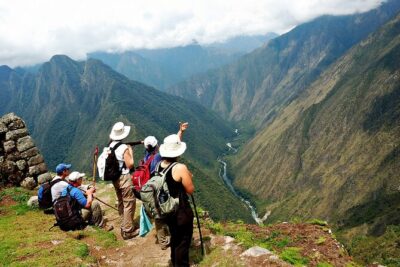
Classic Inca Trail Trek 4D/3N to Machu Picchu (Group Service)
Read our review →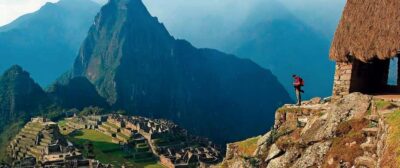
Machu Picchu: 4-Day Inca Trail Trek with Panoramic Train Ride
Read our review →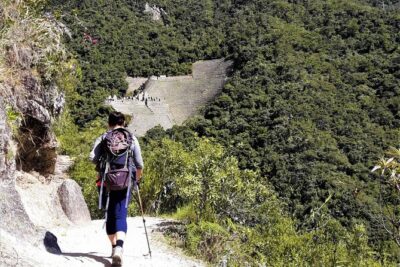
2-Day Inca Trail to Machu Picchu with Panoramic Train
Read our review →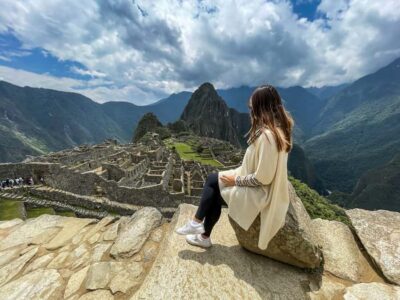
2-Day Tour: Sacred Valley and Machu Picchu by Train
Read our review →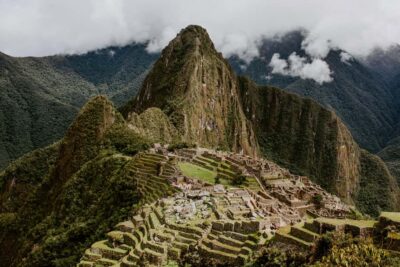
Machu Picchu: Full-Day Tour from Cusco with Optional Lunch
Read our review →Browse the lists this tour appears in