
Reviewed · MACHU PICCHU TOURS
Salkantay Trek to Machu Picchu in 4 Days
The high pass is worth every hard step. This four-day route gives you a less-crowded alternative to the Inca Trail, with a sharp change of scenery from snowy Salkantay to cloud forest, coffee fields, and Machu Picchu. I especially like the small group, capped at nine people, and the hands-on coffee experience at Lucmabamba.
I also like the way the trip builds toward Machu Picchu, with the first citadel views from Llactapata before your full visit on the final morning. The main caution is fitness: the first day reaches 4,650 meters, or about 15,200 feet, and the trek remains demanding even after the high pass.
In This Review
- Key points to know before you book
- Why this Salkantay route feels different
- Day one: from Mollepata to the 4,650-meter pass
- Day two: waterfalls, cloud forest, and coffee at Lucmabamba
- Day three: the original Inca path and first Machu Picchu views
- Day four: entering Machu Picchu before the crowds build
- How difficult is the trek?
- What the $585 price offers in practical terms
- How the guiding affects the experience
- Who should book this four-day trek?
- Should you book the Salkantay Trek?
- FAQ
- How long is the Salkantay Trek to Machu Picchu?
- Where does the trek begin?
- What is the highest point of the trek?
- How many people can join the group?
- Is the tour offered in English?
- Is Machu Picchu admission included?
- Where do you stay during the trek?
- Can you cancel for a full refund?
Key points to know before you book
- 4,650-meter Salkantay Pass: The first day is the hardest, with a steep climb to one of the trek’s highest points.
- Small groups of up to nine people: You get more room to set a sensible pace and ask questions.
- Coffee and farm experience at 2,050 meters: At Lucmabamba, you can pick, roast, grind, and brew coffee.
- First Machu Picchu views from Llactapata: Day three gives you a satisfying preview before the main visit.
- Final-day citadel visit: You enter Machu Picchu after an early breakfast, with a two-hour guided tour and free time.
- Price of $585 per person: The cost covers a four-day route with campsites, a hotel night, transport connections, and admission to Machu Picchu, though you should check the exact inclusions before paying.
Why this Salkantay route feels different
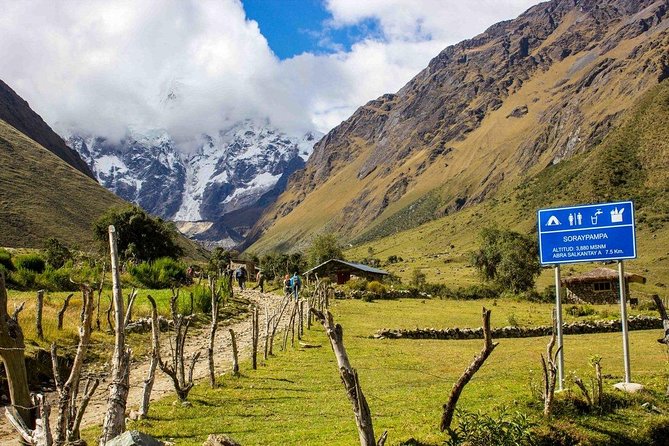
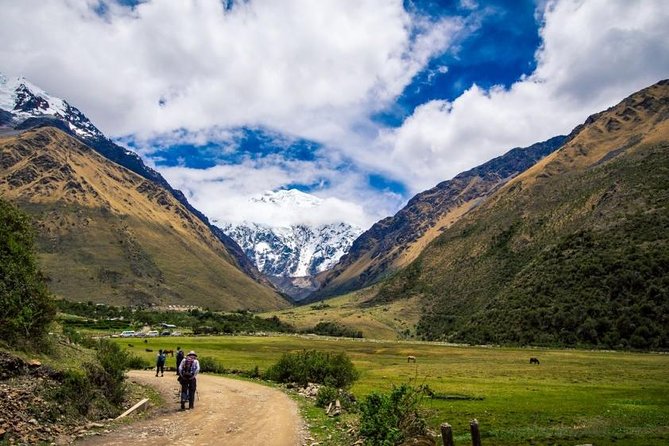
The Salkantay Trek is a good choice if you want Machu Picchu to be part of a larger Andean journey, not just a one-day excursion from Cusco. In four days, you move through several distinct climate zones: high mountain terrain, cool valleys, cloud forest, farmland, and the warm river country near Aguas Calientes.
That variety is the route’s main appeal. You start among snow-capped peaks and end among orchids, fruit plantations, coffee plants, and Inca ruins. The scenery changes so often that the trek rarely feels repetitive.
The tour is offered in English, and the guide is an important part of the experience. Jose Ttito, identified as the owner and guide, received especially warm praise for his humor, care, historical explanations, and attention to preparation. One useful touch was a pre-trek briefing at the hotel about what to carry. He also helped one participant settle into Cusco by offering coca leaves and explaining local culture.
That personal attention matters on a high-altitude hike. A good guide can explain the route, keep the group together, and help you understand why the mountains and villages matter. Still, the altitude is real, and friendly guiding does not remove the need for sensible preparation.
More Hiking Tours in Cusco
- Classic Inca Trail Trek 4D/3N to Machu Picchu (Group Service)
★ 5.0 · 8,653 reviews - Machu Picchu: 4-Day Inca Trail Trek with Panoramic Train Ride
★ 5.0 · 4,568 reviews - Salkantay Classic Trek 5 Days from Cusco
★ 5.0 · 4,062 reviews
Day one: from Mollepata to the 4,650-meter pass
The first morning begins with hotel pickup in Cusco, followed by a drive through Mollepata toward Sorayapampa. The day then shifts from road travel to hiking, with the first walking section leading toward Soyroqocha.
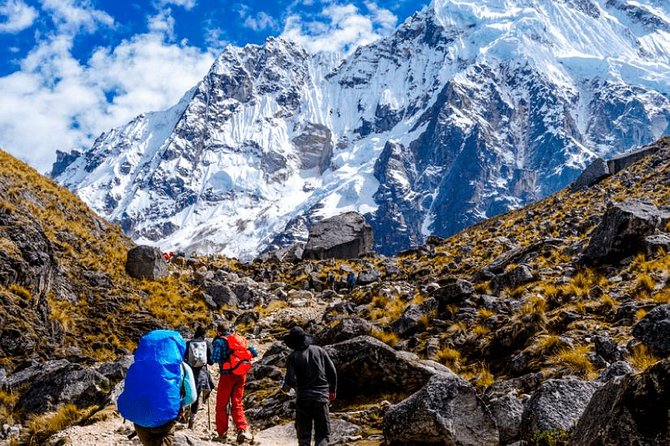
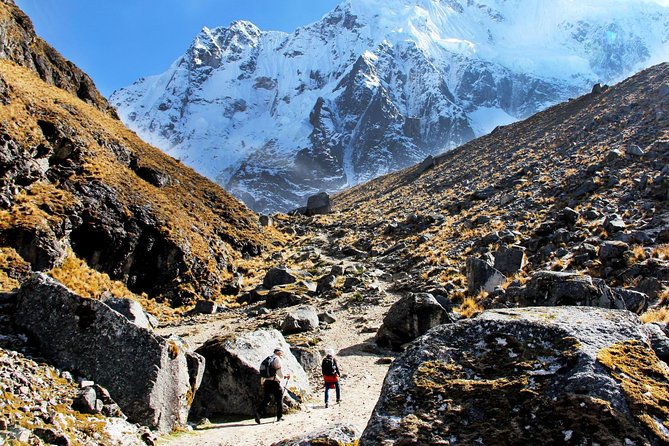
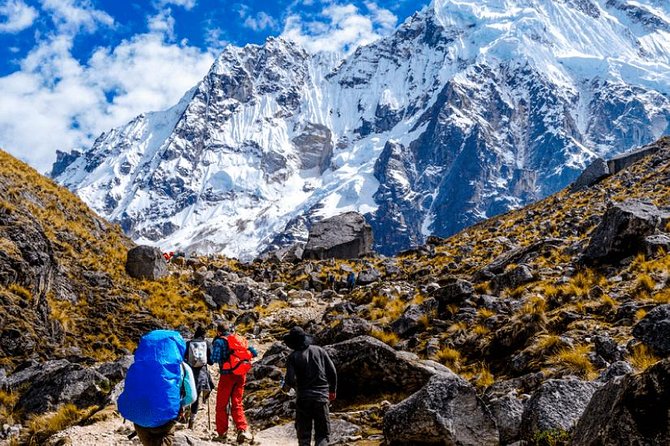
Lunch comes with views of Salkantay Mountain, whose summit reaches 6,271 meters. This is the dramatic opening you expect from the name of the trek, but the real work comes afterward. You climb toward the high pass at 4,650 meters.
At this elevation, the air is thin and every uphill section takes more effort. I would not treat this as a casual scenic walk. Even people with previous hiking experience may find the first day intense, as one participant described it. You should arrive in Cusco with enough time to adjust to the altitude and take the pre-trek briefing seriously.
The reward is a wide, stark mountain setting, with snow and rock replacing the greenery you see later. Once you reach the pass, the route descends to the Arrayanniyoq campsite. The change from ascent to descent feels welcome, but your legs will already have done their hardest work.
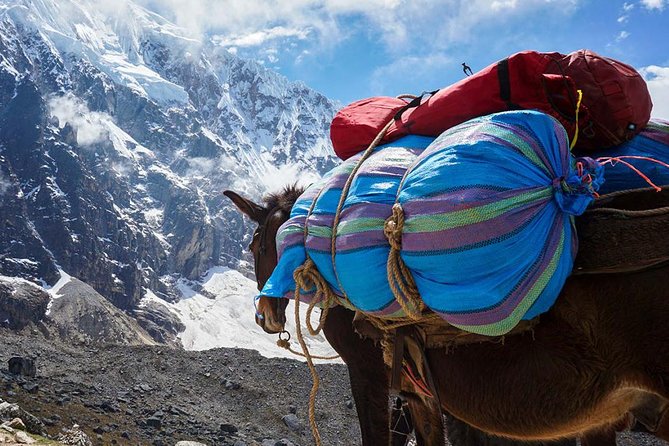
Practical tip: Keep your day-one pack light and carry only what you need while walking. The supplied information does not specify porter arrangements or luggage limits, so ask the operator exactly what you must carry yourself.
Day two: waterfalls, cloud forest, and coffee at Lucmabamba
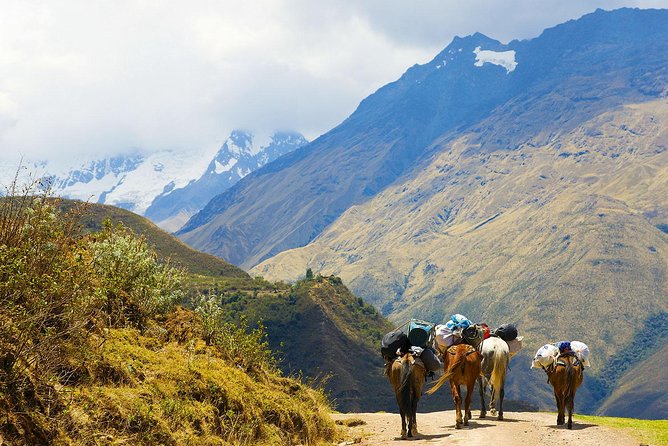
After an early breakfast, you descend for about three hours toward the rural community of Chaullay. The scenery softens as you leave the high mountain zone, with green valleys and waterfalls appearing along the way.
Lunch in Chaullay breaks up the day, but there is still a long afternoon ahead. You continue for about five hours through cloud forest, passing orchids, birds, coffee, cacao, and fruit plantations. This is a very different experience from the cold, exposed pass on day one.
The route finishes at Lucmabamba, at roughly 2,050 meters. Depending on the schedule, you can visit the coffee plantation beside the campsite. This is one of the most distinctive parts of the trip because you are not simply looking at crops from a trail. You may browse the fields, learn about the beans, pick coffee, roast and grind it, then brew and drink it yourself.
You can also gather tomatoes and avocados for dinner. That small farm connection gives the evening a more grounded feel, and it helps you see how food is produced in the valleys around the trail.
The camp setting may appeal to you if you want a closer connection to rural Peru. It may be less appealing if you expect hotel-style comfort every night. The route includes a hotel in Aguas Calientes on day three, but the first two nights are described as campsites.
The food is another strong point. The crew’s chef has been praised for producing elaborate meals in remote conditions, including three-course dinners. That is a welcome surprise after a long day on foot, although you should still tell the operator about dietary needs before departure.
Day three: the original Inca path and first Machu Picchu views
Day three is described as the most relaxed walking day, though it still begins with a three-hour uphill section. You follow an original Inca trail toward Llactapata, at about 2,700 meters.
Llactapata is valuable not only as a ruin but also as a viewpoint. From here, you get your first views of Machu Picchu, Huayna Picchu, and Salkantay Mountain. Seeing the citadel from a distance before entering it the next day gives the trip a useful sense of buildup.
After Llactapata, you descend for about ten minutes to lunch with Machu Picchu in view. This is the sort of pause that makes the long route worthwhile. You have time to take in the setting instead of arriving at the ruins already thinking about the next transport connection.
The afternoon continues downhill for about two hours toward Hidroelectrica. A waterfall appears along the way. From Hidroelectrica, you take the train to Aguas Calientes, where the overnight stay includes a private room with an ensuite shower and toilet.
This day combines walking, ruins, views, and a practical change in comfort. You leave the campsite behind and reach the town below Machu Picchu, which makes the final morning easier than camping near the site. The exact train timing and included services should be confirmed when you book, but the stated return train on day four leaves Ollantaytambo at about 4:22 p.m.
Longer treks from Cusco:
- 4-Day Salkantay Trek with Sky Camp Stay
★ 5.0 · 3,346 reviews - Salkantay Trek 5D/4N with Glass Cabins, Domes and Hobbit House
★ 5.0 · 2,488 reviews - 5-Day Premium Salkantay Trek
★ 5.0 · 788 reviews - Lares Valley Trek with Hot Spring 4-Day, 3-Night
★ 5.0 · 656 reviews
Day four: entering Machu Picchu before the crowds build
The final morning starts early with breakfast and a bus up to Machu Picchu. The early departure is a major advantage because it gives you a chance to enter before the day becomes more crowded.
Inside the citadel, the guided portion lasts about two hours. Your guide can explain the site’s construction, setting, and cultural importance, while the remaining free time lets you explore at your own pace. The balance is sensible. A completely guided visit can feel hurried, while an unguided visit may leave you missing the meaning behind what you see.
The tour description does not promise a particular sunrise viewpoint or exact entry time, so I would ask for those details before booking. It does promise an early visit and a chance to be among the first people at the citadel that day.
After Machu Picchu, you return to Aguas Calientes. The return journey begins with a train to Ollantaytambo at approximately 4:22 p.m., followed by a minibus connection to Cusco. You should expect to reach your hotel in the evening, making this a full day rather than a short sightseeing outing.
The transport chain is efficient but not luxurious. You will move from bus to ruins, back to town, then onto a train and minibus. Keep your essential items easy to reach, and do not plan an important late-night commitment in Cusco.
How difficult is the trek?
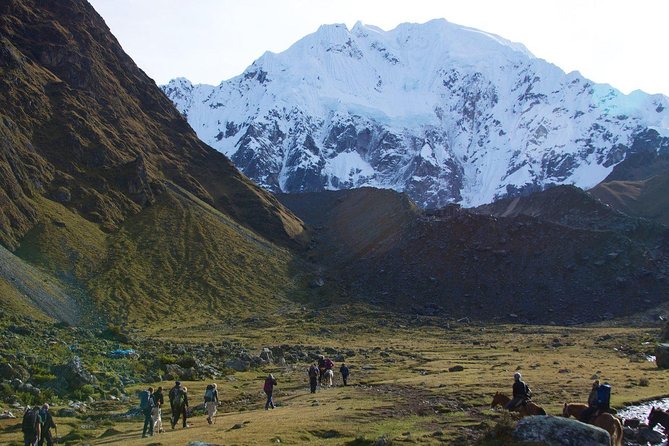
The phrase moderate physical fitness level understates the challenge for some people. The route includes a high-altitude pass at 4,650 meters, a long descent on day two, a three-hour climb on day three, and several hours of walking on multiple days.
The highest point is the key issue. You may be fit at sea level and still struggle at altitude. If you have limited hiking experience, the first day can be particularly taxing. The safest approach is to allow time in Cusco before the trek, walk steadily, drink regularly, and tell the guide if you feel unwell.
The small group helps here. With no more than nine people, the guide has a better chance of noticing when someone is having trouble. A smaller group can also make it easier to stop for photographs, ask questions, or choose a manageable pace.
This is not the right choice if you want a gentle route with short walks and generous downtime. It is a strong fit if you have previous hiking experience, want a physical challenge, and value changing scenery more than polished facilities.
What the $585 price offers in practical terms
At $585 per person, this is not the cheapest way to reach Machu Picchu, but it offers more than a basic transfer and entrance ticket. You are paying for four days of route planning, guiding, campsites, a hotel night in Aguas Calientes, the train connection from Hidroelectrica, transport to and from Machu Picchu, and admission to the citadel.
The price also buys access to experiences that would be difficult to organize alone, especially the high pass, remote campsites, farm visit, and Llactapata viewpoint. Meals are a notable part of the experience, with the crew preparing substantial food during the trek. Confirm exactly which meals, transfers, equipment, and luggage services are included, since the supplied details do not spell out every item.
I see the best value here in the logistics. Salkantay involves several transport changes and a demanding route. Having one company handle the guide, camps, food, train connection, and Machu Picchu visit reduces the number of details you must manage while tired.
The group limit is also meaningful. A low price is less attractive if you are placed in a very large hiking party, but nine people is small enough to keep the experience fairly personal.
How the guiding affects the experience
Jose Ttito is repeatedly singled out for his warmth, humor, historical explanations, and care before and during the trek. His role appears to go beyond leading the route. He answered questions, explained Andean culture, and helped participants feel safe during a demanding trip.
That personal approach is valuable on a trail where the scenery can be hard to interpret without context. A snow-covered mountain, coffee field, or Inca ruin becomes more memorable when you understand its place in local life and history.
The company is Andes Peru Tour & Adventure. The experience is offered in English, and the small group allows more direct contact with the guide. If having Jose specifically is important to you, ask at booking if he will lead your departure, since guide assignments can depend on the date.
Who should book this four-day trek?
I would choose this trip if you want all of the following:
- A serious mountain walk before Machu Picchu
- A route with fewer people than the classic Inca Trail
- A small English-speaking group
- A mix of mountain, forest, farm, and archaeological scenery
- A guided visit to Machu Picchu with extra free time
- Help with transport and overnight arrangements
I would think twice if you dislike camping, struggle with altitude, or want a relaxed holiday. The tour includes early mornings, long walking days, a very high pass, and a late return to Cusco on the final day.
The experience suits people who see the journey as part of the destination. You will not simply arrive at Machu Picchu and leave. You will earn the final visit through changing terrain, hard climbs, rural encounters, and a gradual approach to the citadel.
Free cancellation is available up to 24 hours before the start time for a full refund. Changes or cancellations made inside that window are not accepted for a refund, and poor weather or failure to meet the minimum group size may lead to a different date or a full refund.
Should you book the Salkantay Trek?
Yes, if your idea of a good Machu Picchu trip includes effort, scenery, and local contact. The high pass is demanding, but the route rewards you with striking variety, a farm-based coffee activity, strong guiding, and a well-paced reveal of Machu Picchu from Llactapata before the main visit.
I would book it for the small group and the quality of the route, not simply for the low price. Before paying, confirm what you carry, which meals and transport segments are included, the exact start time, and whether Jose Ttito will guide your departure. If you are prepared for altitude and four active days, this is a memorable way to reach Peru’s most famous site.
FAQ
How long is the Salkantay Trek to Machu Picchu?
The experience lasts approximately four days.
Where does the trek begin?
Pickup takes place from your hotel in Cusco early in the morning, followed by transport through Mollepata to Sorayapampa.
What is the highest point of the trek?
The highest point is the Salkantay Pass at 4,650 meters, or about 15,200 feet.
How many people can join the group?
The activity has a maximum of nine participants.
Is the tour offered in English?
Yes. The experience is offered in English.
Is Machu Picchu admission included?
Yes. Admission to the Historic Sanctuary of Machu Picchu is included.
Where do you stay during the trek?
The first two nights are at campsites. On the third night, you stay at a hotel in Aguas Calientes with an ensuite shower and toilet.
Can you cancel for a full refund?
Yes. You can cancel at least 24 hours before the start time for a full refund. Poor weather or failure to meet the minimum group size may also result in a different date or a full refund.
More Hiking Days from Cusco
- Rainbow Mountain Full Day Trek
★ 5.0 · 1,469 reviews - Rainbow Mountain Day Trip from Cusco: Vinicunca Hiking Tour
★ 4.5 · 737 reviews - Inca Trail 4-Day 3-Night Trek to Machu Picchu with Expert Guides
★ 5.0 · 733 reviews - Humantay Lake Full Day Trek from Cusco with Lunch
★ 5.0 · 726 reviews
Other Ways to Reach Machu Picchu
- Short Inca Trail to Machu Picchu 2D/1N
★ 5.0 · 3,007 reviews - 2-Day Inca Trail to Machu Picchu with Panoramic Train
★ 5.0 · 1,876 reviews - From Cusco: Full-Day Group Tour of Machu Picchu
★ 4.7 · 1,767 reviews - Machu Picchu Day Trip from Cusco
★ 4.5 · 1,644 reviews
Added recently around Cusco
- Super valley or vip valley★ 5.0 · 13 reviews
- the Incas’ Sacred Valley★ 5.0 · 27 reviews
- Sacred Valley of the Incas Day Trip from Cusco★ 5.0 · 6 reviews
- Small-Group Tour: Rainbow Mountains Hiking from Cusco★ 4.0 · 5 reviews
- Excursion to the Sacred Valley of the Incas from Cusco★ 5.0 · 8 reviews
- Maras + Moray & Textile Experience★ 5.0 · 14 reviews
- rainbow mountain★ 4.0 · 4 reviews
- Tour EN Cuatrimoto POR la Montaña 7 Colors Hike 5 Minutes★ 4.5 · 32 reviews
Machu Picchu Tours, compared.
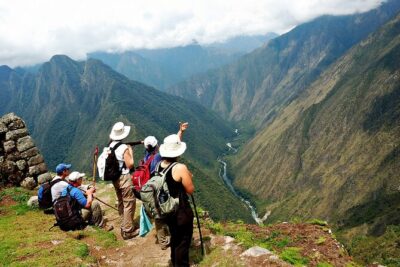
Classic Inca Trail Trek 4D/3N to Machu Picchu (Group Service)
Read our review →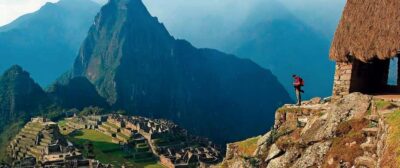
Machu Picchu: 4-Day Inca Trail Trek with Panoramic Train Ride
Read our review →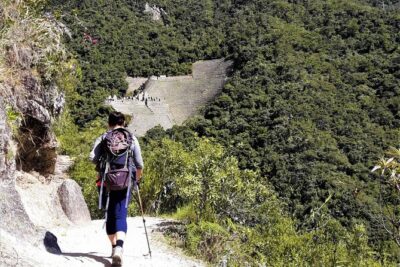
2-Day Inca Trail to Machu Picchu with Panoramic Train
Read our review →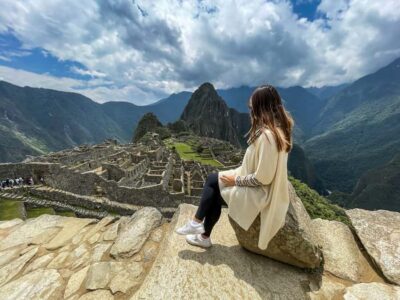
2-Day Tour: Sacred Valley and Machu Picchu by Train
Read our review →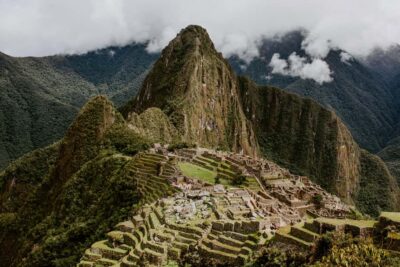
Machu Picchu: Full-Day Tour from Cusco with Optional Lunch
Read our review →Browse the lists this tour appears in