
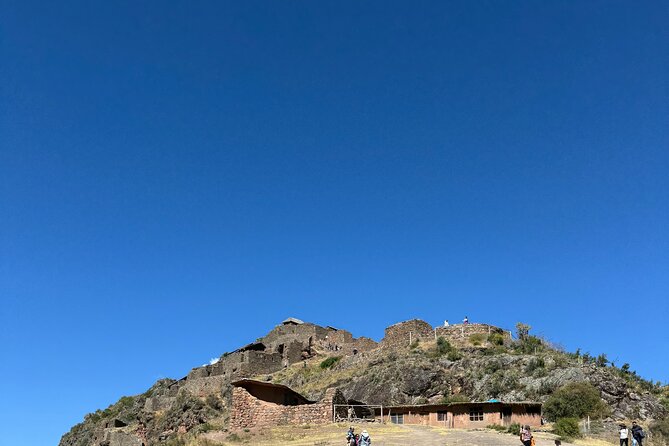
Reviewed · MACHU PICCHU TOURS
Salkantay Trek to Machupicchu 4 Days and 3 Nights
High peaks, forest, and ancient stone. This four-day Salkantay Trek to Machu Picchu gives you a demanding but rewarding route from Cusco through the Andes and into the cloud forest, ending with an early visit to Machu Picchu. I like the dramatic change in scenery, from the 4,630-meter Salkantay Pass to tropical vegetation and coffee country. I also like the quiet Llactapata viewpoint, which offers a rare view toward Machu Picchu before you reach the citadel itself.
The main consideration is the altitude and physical effort. The first day reaches 4,630 meters, and the trip requires several hours of hiking on successive days. The group is limited to 16 people, which should keep the walking experience more personal, but this is not a relaxed sightseeing tour.
At $1,190 per person, the trip is a serious investment. Its value comes from combining the trek, campsites, a hotel night in Aguas Calientes, a guided visit to Machu Picchu, and return transport to Cusco. You should still confirm exactly what meals, entrance tickets, and equipment are included before paying.
In This Review
- Key points to know before booking
- Day 1: From Cusco to the 4,630-meter Salkantay Pass
- Day 2: Leaving the high Andes for cloud forest
- Day 3: Llactapata, the railway, and Aguas Calientes
- Day 4: Early entry and the Machu Picchu finale
- What the scenery tells you about the Salkantay route
- Physical demands, altitude, and group size
- Is $1,190 a fair price?
- Who should choose this trek?
- Should you book the Salkantay Trek?
- FAQ
- How long is the Salkantay Trek to Machu Picchu?
- Where does the tour begin?
- What language is the tour offered in?
- How high does the trek go?
- How many people can join the tour?
- Where do you stay on the third night?
- Can you cancel for a full refund?
Key points to know before booking
- The Salkantay Pass reaches 4,630 meters, making Day 1 the toughest and highest section.
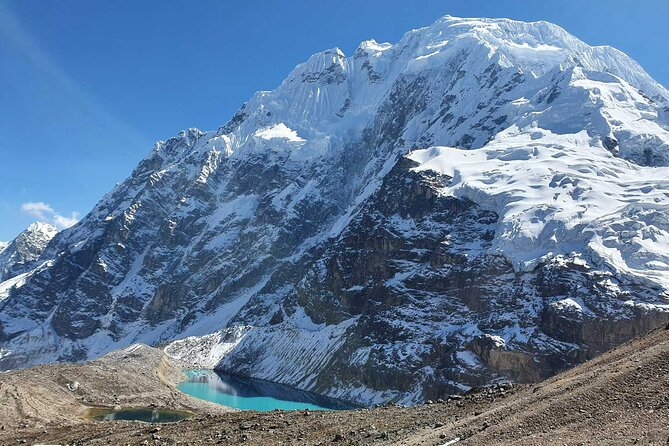
- The scenery changes sharply, from icy Andean peaks to bamboo, orchids, fruit trees, and cloud forest.
- Llactapata provides a special Machu Picchu view, before the crowds and citadel visit on Day 4.
- The final night is in a hotel at Aguas Calientes, so you are not camping every night.
- The group has a maximum of 16 people, with guiding offered in English.
- Free cancellation applies up to 24 hours before departure, unless the weather forces a change or cancellation.
Day 1: From Cusco to the 4,630-meter Salkantay Pass
The journey begins with an early hotel pickup in Cusco. The listed meeting point is Plaza Regocijo, and the start time is shown as 12:00 am. That midnight notation likely reflects the very early pickup needed for the route, so check the exact collection time with National Peru Travel before the night before departure.
The first drive takes you to Mollepata at 2,700 meters for breakfast. This is a useful first pause because it gives you a chance to eat before the trail climbs higher. After a short bus ride, you reach Soraypampa at 3,800 meters, the starting point for the hike.
The first section is not a flat warm-up. You begin with a gentler ascent, then tackle a steeper series of zigzags toward the pass. At this altitude, your pace matters more than your pride. Walk slowly, drink water, and do not try to match the fastest person in the group.
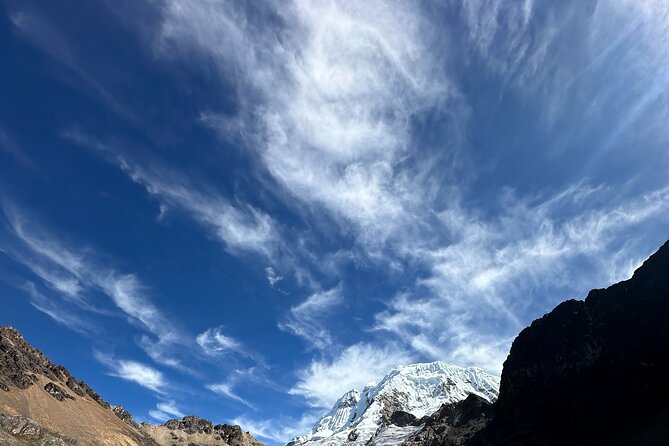
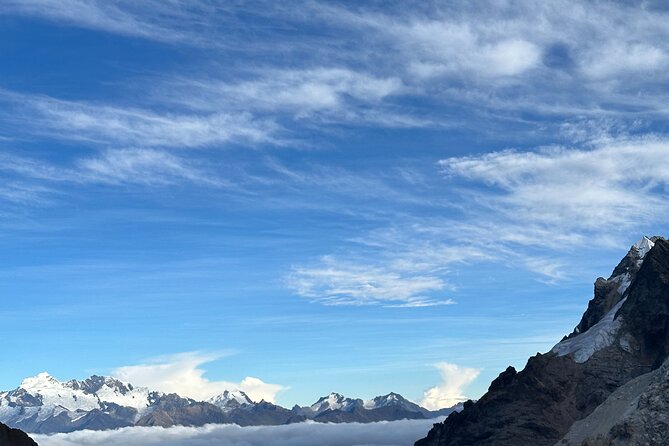
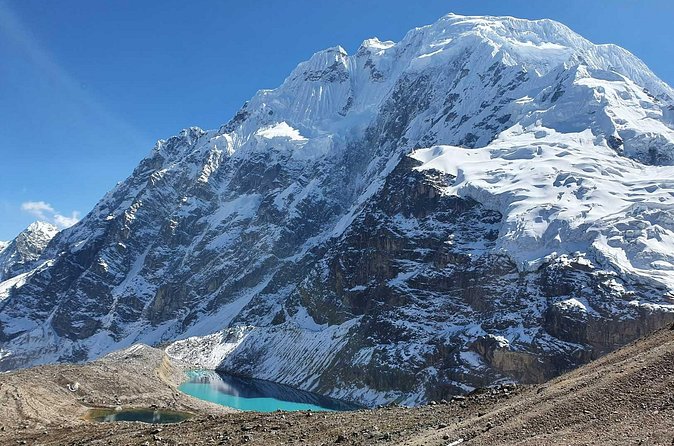
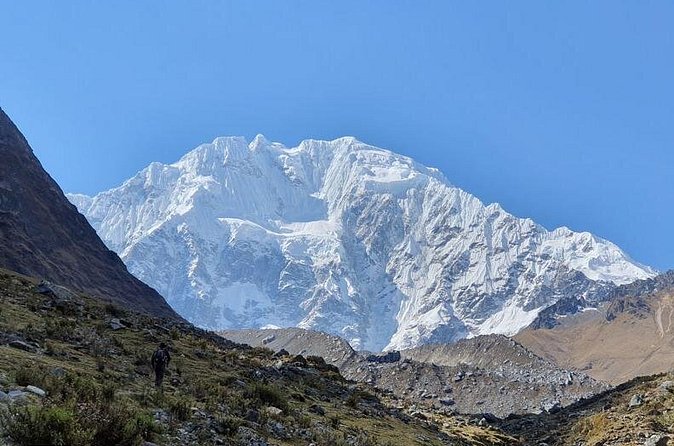
The reward is the high point at 4,630 meters. From here, you can see the sacred mountains of Humantay and Salkantay, with Salkantay rising to 6,271 meters. The mountain is traditionally regarded as an Apu, a sacred guardian. Adding a pebble to the stone pile as an offering gives this stop a cultural meaning beyond the usual mountain photo.
You can also see traces of an old Inca trail stretching across the mountainside. It is a small detail, but one that gives the walk a stronger sense of place. You are not simply crossing a pass. You are following a route shaped by earlier Andean communities.
After the pass, the trail descends toward Andenes at 3,400 meters, where the first campsite is located. The descent is gentler than the climb, but tired legs will notice it. Arrival is expected in the late afternoon, leaving time to rest after a long day at high altitude.
My practical reading of Day 1: this is the section that should determine your decision. If the combination of thin air, steep zigzags, and a 4,630-meter pass sounds exciting, the route may suit you well. If you prefer easy walking or have not adjusted to Cusco’s altitude, this day could feel severe.
More Hiking Tours in Cusco
- Classic Inca Trail Trek 4D/3N to Machu Picchu (Group Service)
★ 5.0 · 8,653 reviews - Machu Picchu: 4-Day Inca Trail Trek with Panoramic Train Ride
★ 5.0 · 4,568 reviews - Salkantay Classic Trek 5 Days from Cusco
★ 5.0 · 4,062 reviews
Day 2: Leaving the high Andes for cloud forest
Day 2 changes the mood completely. After breakfast, you leave the pyramid-shaped Salkantay peak behind and continue down into tropical cloud forest. The route becomes greener and more enclosed, with bamboo groves, wild orchids, bromeliads, begonias, and purple orchids.
The plant life is one of the strongest features of this trek. Strawberries grow along the trail, while passion fruit hangs above you. Banana and avocado trees appear near the settlements, and the route passes coffee plantations. This is a good reminder that the Salkantay Trek is not only about mountains. It also connects highland terrain with farming communities and warmer forest zones.
The hike to Wayracpunku takes about five hours before lunch. That is a substantial morning, even though the route is lower and the air should feel easier than on Day 1. After lunch in the hamlet, you continue toward La Playa, the campsite for the night.
The walk passes the hamlet of Saint Ignatius, where you see more banana and avocado trees and coffee growing nearby. These details make the day feel lived-in rather than like a march through empty wilderness. The route offers a closer look at how crops change as elevation drops.
Wildlife is another reason to pay attention. The route has been associated with sightings of spectacled bears and toucans, along with the many birds and plants of the forest. Sightings are never guaranteed, so enjoy the vegetation and birdlife even if the larger animals stay out of sight.
The main drawback is that the changing terrain can make the day feel longer than the distance suggests. The route moves through different plant zones, and the warm, damp forest may feel tiring after the cold high pass. La Playa is a campsite, not a hotel, so you should be ready for a basic night outdoors.
Day 3: Llactapata, the railway, and Aguas Calientes
Day 3 begins early, with the trail rising toward Llactapata. After about three hours, you reach this Inca site, which looks across toward Machu Picchu. This is one of the most distinctive moments of the route because you see the destination from a quieter archaeological viewpoint before visiting the main citadel.
Llactapata changes the way you think about Machu Picchu. Instead of arriving by train and seeing the ruins all at once, you approach from the surrounding mountains. The view gives you a wider sense of how the site sits among the high peaks and forest.
From Llactapata, the trail descends for about two hours through increasingly thick vegetation. The descent is described as relatively easy, but downhill walking can still be hard on knees and ankles. Trekking poles may be useful, although equipment details are not specified, so check whether you need to bring your own.
The route then reaches the hydroelectric power station, where lunch is served. From there, you follow the railway through the Urubamba Valley to Aguas Calientes. This final walking section is different from the mountain trail. It is less about steep climbs and more about following the valley toward the town where you spend the night.
The stated distance for Day 3 is 12 kilometers, or about 7.5 miles. That is manageable for many people with moderate fitness, but you will already have two hiking days behind you. The railway walk can feel like a long final push, especially if your feet are sore.
The overnight hotel in Aguas Calientes is a welcome change. After two nights at campsites, a bed and a town setting give you a chance to recover before the Machu Picchu visit. Lunch is part of the planned day, but the supplied details do not specify the full meal schedule or hotel standard, so ask for those details when booking.
Day 4: Early entry and the Machu Picchu finale
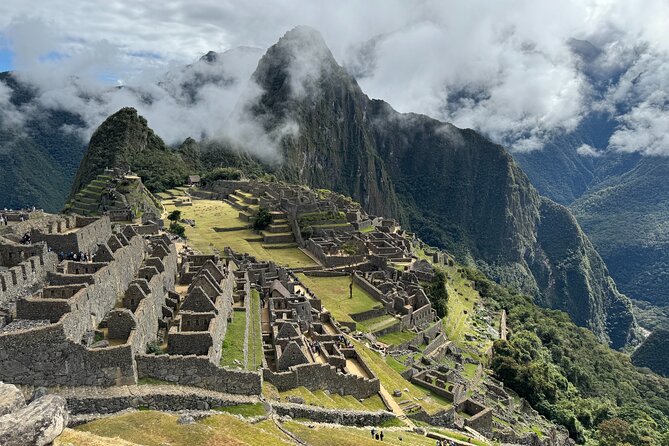
The final day starts early. That timing matters because it aims to give you better photo opportunities at Machu Picchu before the day becomes busier. You visit the citadel with a guide, then have time to explore on your own.
The guided portion adds structure to a place that can otherwise feel overwhelming. You get an introduction to the ruins and their setting, then time to wander without having to stay beside the group for every moment. I like this balance. A guide can help you understand what you are seeing, while personal time lets you pause for photographs or simply take in the stonework.
The planned visit lasts about three hours. That is enough for a guided introduction and some independent exploration, though it is not unlimited time. If you want a long, slow study of every terrace and doorway, the schedule may feel tight.
After Machu Picchu, you return to Aguas Calientes for lunch and a rest. The final transport runs by train to Ollantaytambo, followed by bus back to Cusco. That combination is practical and scenic, but it also makes Day 4 a full travel day rather than a simple ending at the ruins.
The route ends back at the meeting point in Cusco. Since the overall start time is listed as midnight and the final return includes train and bus travel, confirm the expected arrival time before making evening plans.
Longer treks from Cusco:
- 4-Day Salkantay Trek with Sky Camp Stay
★ 5.0 · 3,346 reviews - Salkantay Trek 5D/4N with Glass Cabins, Domes and Hobbit House
★ 5.0 · 2,488 reviews - 5-Day Premium Salkantay Trek
★ 5.0 · 788 reviews - Lares Valley Trek with Hot Spring 4-Day, 3-Night
★ 5.0 · 656 reviews
What the scenery tells you about the Salkantay route
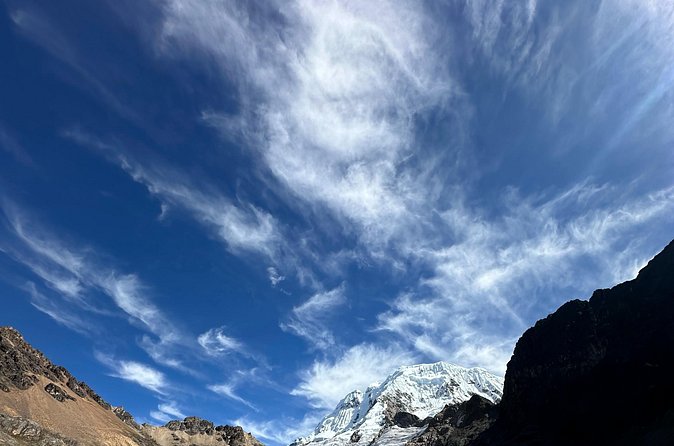
The great strength of this trip is its changing environment. On Day 1, you are surrounded by high Andean peaks and open mountain air. On Day 2, bamboo, orchids, fruit trees, and coffee plantations replace the stark upper slopes. By Day 3, the forest thickens around Llactapata and the Urubamba Valley.
That change gives the trek more variety than a route that stays at one elevation. You experience the mountains as a connected system, from glacial highlands to agricultural valleys. The route also has a strong cultural thread through the Apu offering, the old Inca trail remains, the Llactapata ruins, and the guide’s focus on Andean culture.
Wildlife adds another layer. Toucans, spectacled bears, and many smaller birds may be seen along the way, while bromeliads and orchids keep the trail interesting even when animals remain hidden. Bring patience. A forest walk is not a zoo visit, and the best moments may be brief.
Physical demands, altitude, and group size
The tour asks for a moderate level of physical fitness, but the altitude makes that phrase important. Day 1 reaches 4,630 meters, where even a fit person may feel short of breath. The climb is steep in places, and the following descent does not remove the strain.
You should be comfortable walking for several hours and handling uneven mountain paths. The route includes a five-hour section on Day 2, a three-hour climb toward Llactapata on Day 3, a two-hour descent, and the 12-kilometer railway section listed for that day.
A maximum group size of 16 is a sensible compromise. You have enough company for a social trek, but the group should remain smaller than a large coach excursion. The tour is offered in English, and the guide’s passion for Andean culture is an important part of the experience.
Because the trip moves between high, cold country and warmer forest, pack for changing conditions. The supplied details do not list a packing service or equipment rental, so ask what the operator provides for camping, luggage, meals, and personal gear.
Is $1,190 a fair price?
At $1,190 per person, this is not a budget walk. The price needs to cover more than the trail itself: transport from Cusco, the early departure, campsites, a hotel in Aguas Calientes, guiding, the Machu Picchu visit, train travel to Ollantaytambo, and the final bus to Cusco.
The value is strongest if you want one organized package rather than arranging each part yourself. The route would otherwise require careful coordination between mountain transport, trail support, Aguas Calientes lodging, Machu Picchu access, the train, and the return bus.
Still, do not judge the price by the headline alone. Confirm whether meals, entrance fees, camping equipment, and any porter or luggage service are included. The itinerary marks the Machu Picchu admission as free, but that wording is not clear enough to confirm that the entrance ticket is included in the total price.
The free cancellation policy improves flexibility. You can cancel at least 24 hours before the start time for a full refund. Changes made inside that 24-hour window are not accepted, and poor weather may lead to a new date or a full refund. Cut-off times use local time in Peru.
Who should choose this trek?
I would recommend this route to you if you want Machu Picchu to be the final chapter of a real mountain journey. It suits people who enjoy long walking days, dramatic changes in scenery, basic campsites, and cultural detail from a guide.
It also works well for a parent and teenager who are comfortable with the physical demands. The shared tents, early mornings, hard climbs, and final reward at Machu Picchu can create a strong sense of achievement.
You may want another option if you dislike camping, struggle with altitude, or want a gentle vacation with plenty of free time. The first day is not a casual introduction, and the return to Cusco on Day 4 leaves little room for a slow final afternoon.
Should you book the Salkantay Trek?
Book it if you want the journey to matter as much as the destination. The high pass, the forest plants, the coffee country, Llactapata, and the railway approach give you a varied route with real physical character.
I would make the decision after confirming four details: the exact Cusco pickup time, what the $1,190 includes, the level of camping support, and whether Machu Picchu admission is part of the price. If those answers fit your expectations, this is a strong choice for an active four-day route to Machu Picchu.
FAQ
How long is the Salkantay Trek to Machu Picchu?
The tour lasts approximately four days and three nights.
Where does the tour begin?
The listed meeting point is Plaza Regocijo in Cusco, Peru. Pickup is also offered from your hotel.
What language is the tour offered in?
The tour is offered in English.
How high does the trek go?
The highest point is the Salkantay Pass at 4,630 meters. Salkantay Mountain itself reaches 6,271 meters.
How many people can join the tour?
The group has a maximum of 16 travelers.
Where do you stay on the third night?
The third night is spent in a hotel in Aguas Calientes.
Can you cancel for a full refund?
Yes. You can cancel at least 24 hours before the experience start time for a full refund. Cancellations made less than 24 hours before departure are not refunded. If poor weather causes the operator to cancel, you are offered another date or a full refund.
More Hiking Days from Cusco
- Rainbow Mountain Full Day Trek
★ 5.0 · 1,469 reviews - Rainbow Mountain Day Trip from Cusco: Vinicunca Hiking Tour
★ 4.5 · 737 reviews - Inca Trail 4-Day 3-Night Trek to Machu Picchu with Expert Guides
★ 5.0 · 733 reviews - Humantay Lake Full Day Trek from Cusco with Lunch
★ 5.0 · 726 reviews
Other Ways to Reach Machu Picchu
- Short Inca Trail to Machu Picchu 2D/1N
★ 5.0 · 3,007 reviews - 2-Day Inca Trail to Machu Picchu with Panoramic Train
★ 5.0 · 1,876 reviews - From Cusco: Full-Day Group Tour of Machu Picchu
★ 4.7 · 1,767 reviews - Machu Picchu Day Trip from Cusco
★ 4.5 · 1,644 reviews
Added recently around Cusco
- Super valley or vip valley★ 5.0 · 13 reviews
- the Incas’ Sacred Valley★ 5.0 · 27 reviews
- Sacred Valley of the Incas Day Trip from Cusco★ 5.0 · 6 reviews
- Small-Group Tour: Rainbow Mountains Hiking from Cusco★ 4.0 · 5 reviews
- Excursion to the Sacred Valley of the Incas from Cusco★ 5.0 · 8 reviews
- Maras + Moray & Textile Experience★ 5.0 · 14 reviews
- Tour EN Cuatrimoto POR la Montaña 7 Colors Hike 5 Minutes★ 4.5 · 32 reviews
- rainbow mountain★ 4.0 · 4 reviews
Machu Picchu Tours, compared.
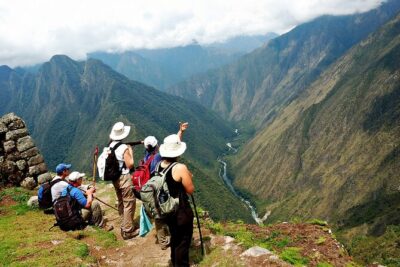
Classic Inca Trail Trek 4D/3N to Machu Picchu (Group Service)
Read our review →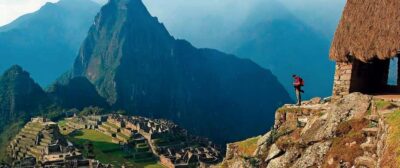
Machu Picchu: 4-Day Inca Trail Trek with Panoramic Train Ride
Read our review →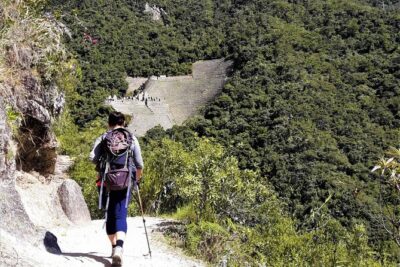
2-Day Inca Trail to Machu Picchu with Panoramic Train
Read our review →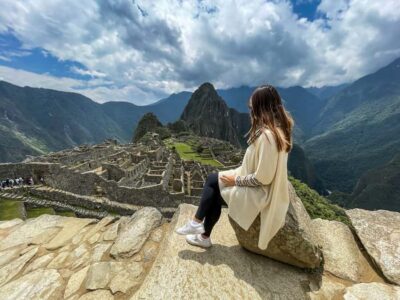
2-Day Tour: Sacred Valley and Machu Picchu by Train
Read our review →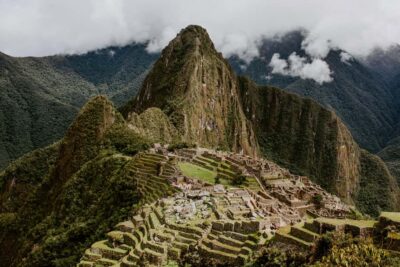
Machu Picchu: Full-Day Tour from Cusco with Optional Lunch
Read our review →Browse the lists this tour appears in