
Reviewed · MACHU PICCHU TOURS
Salkantay Trekking to Machu Picchu 4D/3N
The mountains do the talking here. This four-day Salkantay trek gives you a quieter, more dramatic route to Machu Picchu, moving from Cusco’s high country past Humantay Lagoon and the Salkantay glaciers, then down through cloud forest and coffee country. I especially like the variety of scenery and the fact that transportation, meals, horses, lodging, permits, and the Machu Picchu guide are arranged for you. The private format also means your group can move at its own pace.
The main caution is the altitude and effort. Day 2 reaches about 4,600 meters, or 15,092 feet, and includes the hardest climb of the trip. You need a moderate fitness level, a sensible approach to altitude, and a willingness to accept basic mountain lodging. The tour costs $750 per person, which is a substantial price, but the amount covers a long list of services that would be awkward and costly to arrange independently.
In This Review
- Key points to know before booking
- Why choose Salkantay instead of the Inca Trail?
- Day 1: From Cusco to Soraypampa and Humantay Lagoon
- Day 2: The Salkantay Pass at 4,600 meters
- Day 3: Coffee, cloud forest, and the railway to Aguas Calientes
- Day 4: A guided morning inside Machu Picchu
- Lodging, food, water, and support on the trail
- Private service, group size, and the $750 price
- Who should book this Salkantay trek?
- Final verdict: Is the 4D/3N Salkantay trek worth it?
- FAQ
- How long is the Salkantay Trek to Machu Picchu?
- What is the highest point on the route?
- Is Humantay Lagoon included?
- What type of accommodation is provided?
- Are meals included?
- Is drinking water provided?
- Is transportation included?
- Is this a private tour?
- What should I bring?
Key points to know before booking
- Humantay Lagoon is an optional first-day climb: Allow about 1 hour and 20 minutes uphill after reaching Soraypampa.
- The Salkantay Pass is the physical test: Day 2 reaches 4,600 meters and takes about eight hours in total.
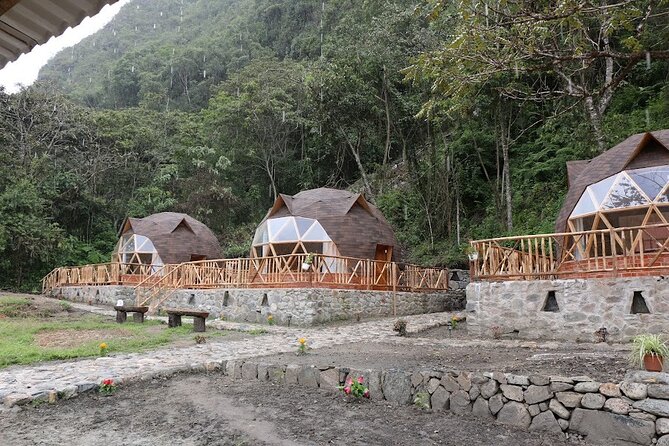
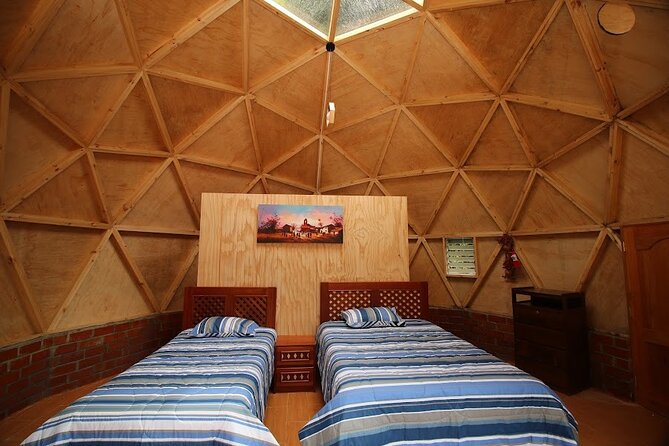
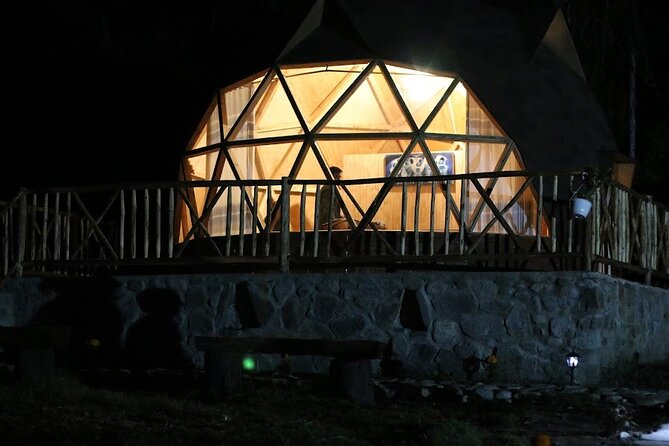
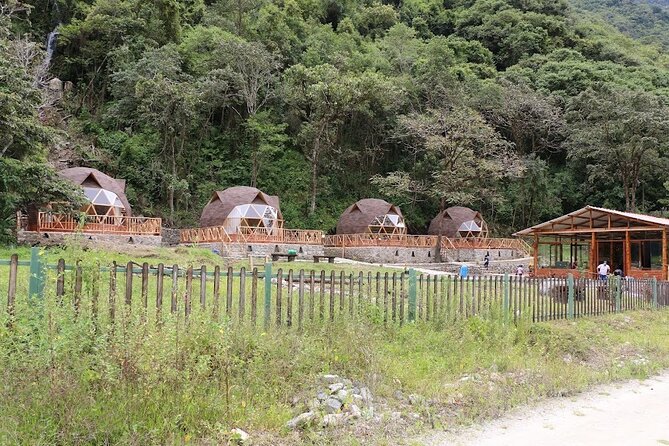
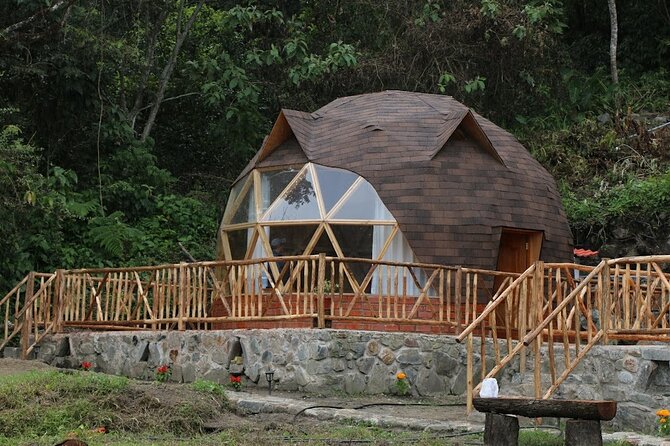
- You sleep in three different settings: A Soraypampa cabin, a geodesic dome at Loreta Playa, and a three-star hotel in Aguas Calientes.
- The scenery changes quickly: Expect glaciers and open mountain country, followed by cloud forest, crops, coffee, bananas, and coca.
- Your gear does not all ride on your back: Horses carry equipment, with a maximum allowance of 7 kilograms per person.
- Machu Picchu gets a proper guided visit: You receive about three hours with your guide, plus time to look around independently.
Why choose Salkantay instead of the Inca Trail?
The Salkantay route is a strong choice if you want a demanding mountain trek without taking the classic Inca Trail. It reaches Machu Picchu by a different path, with fewer old stone road sections and more open mountain scenery.
The route’s big strength is variety. You begin high among snowy peaks and glacial valleys. Then the trail drops into warmer country, where coffee, tea, bananas, coca, and other crops grow. That sharp change in climate gives the trip a sense of movement that a shorter approach to Machu Picchu cannot match.
You also avoid packing every detail yourself. The company supplies a guide, horses and horsemen, cooking equipment, food, snacks, boiled water, trekking poles, oxygen, and a first aid kit. That matters on a route where weather, altitude, and long walking days can make small problems feel large.
This is not a gentle alternative, though. The word alternative should not suggest easy. The pass on Day 2 is high, and the descent afterward is long. If you have never walked for several days in a row, you should take the fitness requirement seriously.
More Hiking Tours in Cusco
- Classic Inca Trail Trek 4D/3N to Machu Picchu (Group Service)
★ 5.0 · 8,653 reviews - Machu Picchu: 4-Day Inca Trail Trek with Panoramic Train Ride
★ 5.0 · 4,568 reviews - Salkantay Classic Trek 5 Days from Cusco
★ 5.0 · 4,062 reviews
Day 1: From Cusco to Soraypampa and Humantay Lagoon
The day begins very early with pickup in Cusco. You drive to Mollepata, reaching the village at about 9 a.m. There is time for breakfast, toilets, and last-minute purchases at local shops. Breakfast on this first day is not included, so plan to pay for it yourself.
From Mollepata, transportation continues for about 30 minutes to Challacancha. Here the equipment is organized and loaded onto horses before you start walking toward Soraypampa, at roughly 3,850 meters, or 12,631 feet.
The first walking section takes you into impressive high mountain country. Soraypampa is the first campsite and lunch stop, and it gives you time to settle in rather than rushing directly into the optional excursion. The surrounding canyon and high peaks are the visual reward of the afternoon.
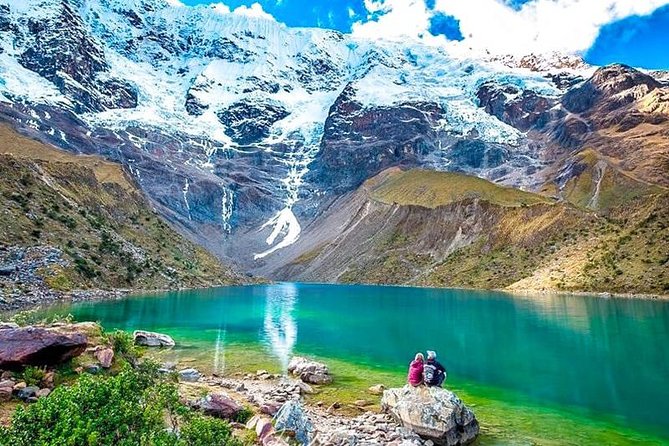
After lunch, you can make the approximately 1-hour-and-20-minute climb to Humantay Lagoon, at about 4,200 meters. The blue-green water, glacier backdrop, and steep mountain walls make this one of the trip’s signature sights. The short distance can be misleading because of the altitude. Go slowly, keep your water handy, and do not treat this optional hike as a test of pride.
You spend the night in the Soraypampa Cabañas. The itinerary describes this as a cabin stay, while the overall tour description also highlights one night of camping in a geodesic dome. The dome night takes place later at Loreta Playa. Either way, the first evening is a mountain night, not a city hotel night, so pack warm layers and keep useful items in your day bag.
Day 1 is listed at about six hours, including the hike and the optional Humantay visit. The altitude makes this feel harder than a similar walking time at sea level.
Day 2: The Salkantay Pass at 4,600 meters
Day 2 is the heart of the trek and the day to respect most. After breakfast, you head into Pampa Salkantay, walking toward the high pass between the Humantay and Salkantay glaciers.
The route rises to the Salkantay Humantay Pass at approximately 4,600 meters, or 15,092 feet. At the top, you have views toward the glaciers and a chance to rest before lunch. The air is thin at this height, and the walking pace should be steady rather than competitive.
After roughly an hour of rest, lunch is served in the Huayracmachay area. Then the trail turns downhill for about four hours toward Selva Alta, also called the cloud forest. This is a major change in scenery. The severe, open mountain country gives way to warmer, more humid vegetation.
The day ends near Chaullay, at about 2,900 meters. From there, you can continue walking or take a car to the Ecolodge Majestic in the Loreta La Plata area. That choice is useful if the pass has taken more out of you than expected. The itinerary allows arrival at the lodge around 5 p.m., followed by dinner and a night in a geodesic dome.
I like this part of the plan because it builds in a practical escape hatch after the hardest climb. Still, ask your guide about the exact walking and vehicle arrangements before departure. The listed timing gives a clear general plan, but the amount you walk after Chaullay may depend on your condition and the day’s conditions.
The second day takes about eight hours. It is the longest and most strenuous day, so keep your pack light. The horse service carries equipment up to 7 kilograms per person, but you still need a small daypack with water, rain protection, warm clothing, snacks, and personal items.
Day 3: Coffee, cloud forest, and the railway to Aguas Calientes
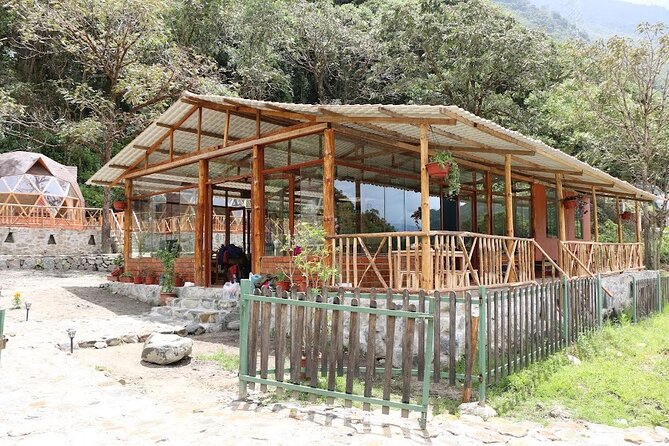
Day 3 begins with breakfast and a visit to a nearby coffee plantation. You learn about cultivation, harvesting, and processing, then finish with a tasting. This is a welcome change after two days of hard mountain walking, and it connects the trek to everyday farm life rather than treating the route as one long photo stop.
The surrounding crops include coffee, coca, tea, bananas, and other plants. You can see how quickly the growing conditions change as the route leaves the high Andes and enters warmer country.
After lunch at the lodge, a vehicle takes you for about 90 minutes to the Hydroelectric Power Plant, at approximately 1,900 meters. From there, you walk beside the railway tracks and the Urubamba River toward Aguas Calientes, the town below Machu Picchu.
This section is less remote and less physically dramatic than the pass, but it has its own appeal. The river, railway, tropical vegetation, and mountain views create a direct approach to the ruins. Along the way, you visit Intihuatana, an Inca archaeological site with an ancient sundial. You also get views toward Machu Picchu and Huayna Picchu from the cloud forest.
The walk from Hydroelectric to Aguas Calientes takes about six hours according to the itinerary. That is a long final approach after the earlier days, even though the altitude is lower. The railway-side route also feels different from a classic mountain path. If you prefer old stone trails from start to finish, this may be the least appealing part of the trip. If you enjoy seeing how the modern railway and river corridor lead into Machu Picchu, it adds useful context.
You spend the night in a three-star hotel in Aguas Calientes. That shower, bed, and town setting should feel welcome after the dome and mountain lodging. Dinner is included during the tour, but lunch on the final day is not.
Longer treks from Cusco:
- 4-Day Salkantay Trek with Sky Camp Stay
★ 5.0 · 3,346 reviews - Salkantay Trek 5D/4N with Glass Cabins, Domes and Hobbit House
★ 5.0 · 2,488 reviews - 5-Day Premium Salkantay Trek
★ 5.0 · 788 reviews - Lares Valley Trek with Hot Spring 4-Day, 3-Night
★ 5.0 · 656 reviews
Day 4: A guided morning inside Machu Picchu
After breakfast at the hotel, you take the tourist bus up to Machu Picchu. The tour includes a guided visit of about three hours, covering major places such as the Temple of the Sun, Central Plaza, and the stepped terraces.
The guide also leads you to a panoramic viewpoint for the classic Machu Picchu photographs. This is important because the citadel is not simply a place where you wander until you find the best view. A guide helps you understand how the buildings, terraces, and sacred areas fit together.
You also receive time to explore on your own after the guided portion. That balance is one of the better features of the schedule. The tour gives you structure at the start, then leaves room for photographs and a slower look at the places that interest you most.
The itinerary lists Day 4 at about five hours. After regrouping, you take the bus down to Aguas Calientes, where you have time to buy lunch at one of the town’s restaurants. Lunch is at your own expense.
The return journey includes a train to Ollantaytambo, followed by private transportation to Cusco and a transfer to your hotel. The return transfer is valuable because it removes another round of ticket planning after a tiring morning at the ruins.
Lodging, food, water, and support on the trail
This tour is designed for people who want a supported trek rather than a fully independent one. You receive three breakfasts, three lunches, and three dinners, along with hot drinks such as tea and coffee. Three appetizers are also included, and boiled water is provided after breakfast so you can refill your bottle.
The food service is a real part of the value. A cook and kitchen team travel with the trek, and several reviews specifically praise the meals and the wider support crew. Edwin is named as a cook in one account, while guides Juan Carlos and Carlos receive repeated praise for patience, organization, English ability, and care with group management.
The reviews also include an important reminder: even a well-supported trek cannot remove the effects of altitude. One person became unwell and could not complete the pass on Day 2. Oxygen and first aid are supplied, but these are safety provisions, not substitutes for acclimatization or medical advice.
Trekking poles are supplied for the whole route. Horses carry equipment, and horsemen are included. That leaves you free to walk with a lighter personal load, though you should confirm how your 7-kilogram allowance is packed and labeled before leaving Cusco.
Private service, group size, and the $750 price
The experience is described as a private tour, with only your group taking part. A minimum of two people is required, and group discounts are offered. This is a useful setup for couples, families, or friends who want more control over breaks and walking pace.
The price of $750 per person is not cheap, but it covers private transportation from Cusco, the guide, trail and Machu Picchu entrance fees, horses, cooks and equipment, three nights of accommodation, most meals, snacks, water, poles, the return train, and transportation back to Cusco.
I would judge the price as reasonable for a private, fully supported four-day trek, provided the included Machu Picchu entry and transport match your desired date and circuit. You are paying for coordination as much as for the walking. Doing this independently could cost less in some areas, but it would require separate arrangements for permits, lodging, transfers, food, gear transport, and the train.
The tour is booked about 94 days ahead on average. That is a useful planning signal. Do not wait until the last week if your schedule is fixed, especially because entrance availability and hotel space can affect the route.
Who should book this Salkantay trek?
You should consider it if you want:
- A demanding four-day route with major changes in scenery
- A less traditional approach to Machu Picchu
- High mountain views, glaciers, and Humantay Lagoon
- A private group with a guide and support crew
- Meals, water, horses, lodging, and transport handled for you
- A guided Machu Picchu visit plus free time
You should think twice if you dislike long walking days, high altitude, simple mountain lodging, or a railway-side approach on Day 3. This is not a casual sightseeing tour with a little walking added. A moderate fitness level is required, and the 4,600-meter pass is a serious challenge.
Bring your original passport, which is needed for the Machu Picchu arrangements. Service animals are allowed, and the experience is near public transportation, but the trail itself is a remote, physically demanding route. Cancellation is flexible only up to three full days before the start time. After that point, the payment is not refunded and late changes are not accepted.
Final verdict: Is the 4D/3N Salkantay trek worth it?
I would book this tour if your priority is a big mountain trek with a carefully organized finish at Machu Picchu. The strongest reasons are the changing scenery, the support team, the manageable luggage system, and the private format. The repeated praise for guides such as Juan Carlos and Carlos also suggests that the human side of the trip is a major asset.
I would not book it simply because you want the easiest way to reach Machu Picchu. Day 2 is hard, Day 3 remains long, and the accommodations shift from mountain cabins to a geodesic dome to a hotel. But if you arrive prepared for the altitude and accept a few rough edges, the $750 package offers a rewarding route through Peru’s high mountains, cloud forest, farms, river valley, and finally the Inca citadel.
FAQ
How long is the Salkantay Trek to Machu Picchu?
The tour lasts four days and three nights.
What is the highest point on the route?
The Salkantay Humantay Pass reaches approximately 4,600 meters, or 15,092 feet.
Is Humantay Lagoon included?
The visit is part of the first-day plan for those who want to make the optional hike. The climb takes about 1 hour and 20 minutes.
What type of accommodation is provided?
You spend one night at the Soraypampa Cabañas, one night in a geodesic dome at Loreta Playa, and one night in a three-star hotel in Aguas Calientes.
Are meals included?
Breakfast, lunch, and dinner are included for the main trekking days, with three of each provided. Breakfast on the first day and lunch on the final day are not included.
Is drinking water provided?
Boiled water is provided after breakfast so you can refill your water bottles. Snacks and hot drinks such as tea and coffee are also included.
Is transportation included?
Yes. The tour includes hotel pickup in Cusco, private transportation to the trail, the vehicle transfer to Hydroelectric, the tourist bus to Machu Picchu, the return train to Ollantaytambo, private transportation to Cusco, and a final hotel transfer.
Is this a private tour?
Yes. Only your group participates, and at least two people are required per booking. Group discounts are available.
What should I bring?
Bring your original passport. You should also carry personal hiking items for a moderate, high-altitude trek, while the tour supplies trekking poles and carries equipment by horse, up to 7 kilograms per person.
More Hiking Days from Cusco
- Rainbow Mountain Full Day Trek
★ 5.0 · 1,469 reviews - Rainbow Mountain Day Trip from Cusco: Vinicunca Hiking Tour
★ 4.5 · 737 reviews - Inca Trail 4-Day 3-Night Trek to Machu Picchu with Expert Guides
★ 5.0 · 733 reviews - Humantay Lake Full Day Trek from Cusco with Lunch
★ 5.0 · 726 reviews
Other Ways to Reach Machu Picchu
- Short Inca Trail to Machu Picchu 2D/1N
★ 5.0 · 3,007 reviews - 2-Day Inca Trail to Machu Picchu with Panoramic Train
★ 5.0 · 1,876 reviews - From Cusco: Full-Day Group Tour of Machu Picchu
★ 4.7 · 1,767 reviews - Machu Picchu Day Trip from Cusco
★ 4.5 · 1,644 reviews
Added recently around Cusco
- Super valley or vip valley★ 5.0 · 13 reviews
- the Incas’ Sacred Valley★ 5.0 · 27 reviews
- Sacred Valley of the Incas Day Trip from Cusco★ 5.0 · 6 reviews
- Small-Group Tour: Rainbow Mountains Hiking from Cusco★ 4.0 · 5 reviews
- Excursion to the Sacred Valley of the Incas from Cusco★ 5.0 · 8 reviews
- Maras + Moray & Textile Experience★ 5.0 · 14 reviews
- Tour EN Cuatrimoto POR la Montaña 7 Colors Hike 5 Minutes★ 4.5 · 32 reviews
- rainbow mountain★ 4.0 · 4 reviews
Machu Picchu Tours, compared.
Classic Inca Trail Trek 4D/3N to Machu Picchu (Group Service)
Read our review →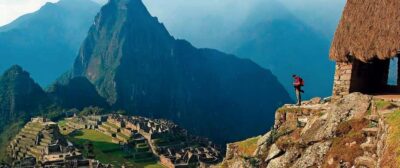
Machu Picchu: 4-Day Inca Trail Trek with Panoramic Train Ride
Read our review →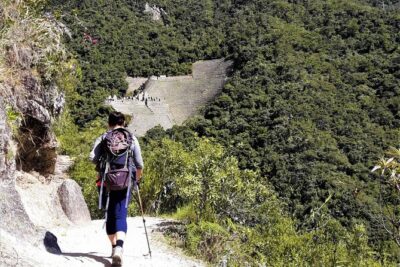
2-Day Inca Trail to Machu Picchu with Panoramic Train
Read our review →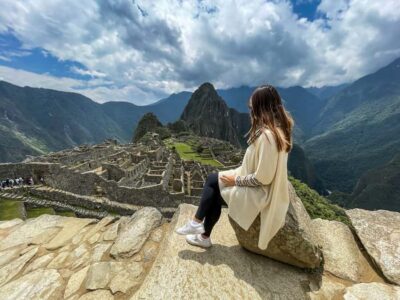
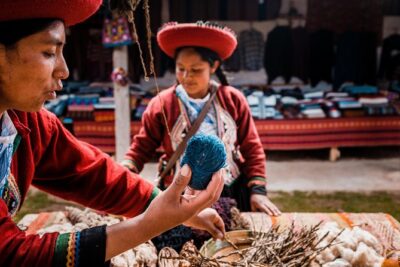
2-Day Tour: Sacred Valley and Machu Picchu by Train
Read our review →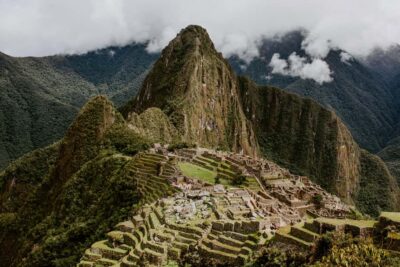
Machu Picchu: Full-Day Tour from Cusco with Optional Lunch
Read our review →Browse the lists this tour appears in