
Reviewed · SACRED VALLEY TOURS
Super Sacred Valley with Transfer to Ollantaytambo
Sacred Valley surprises you at every turn. This full-day outing links Chinchero, Moray, Maras, and Ollantaytambo in one useful route, with mountain scenery, Inca sites, local crafts, lunch, and a final transfer near the Ollantaytambo train station. I especially like the variety and the practical one-way finish for anyone continuing by train or staying in Ollantaytambo.
I also like that the tour reaches Chinchero at 3,780 meters and includes both famous ruins and working local traditions, such as salt production at Maras. The main drawback is that entrance fees are not included, and you should confirm how your luggage will be handled before booking, since the vehicle may not have much room.
In This Review
- Key points to know before booking
- Why this Sacred Valley route makes sense
- Chinchero at 3,780 meters, the high opening act
- Moray and the Inca approach to farming
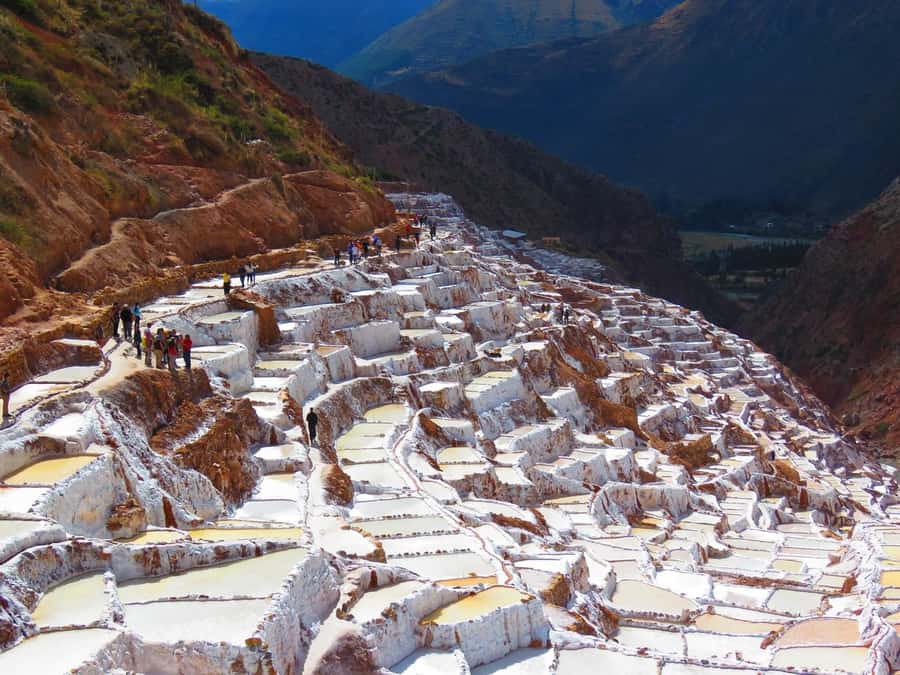
- Maras, where more than 4,000 salt wells cling to the hillside
- Urubamba lunch, a needed pause in the middle
- Ollantaytambo, the most useful final stop
- Guides, transport, and the rhythm of the day
- What the $35 price really covers
- Who should book this Sacred Valley day?
- FAQ
- What places does the tour visit?
- Is lunch included?
- Are entrance fees included?
- Where does the tour begin?
- Where does the tour end?
- What languages are available?
- Can I cancel for a full refund?
- Should you book it?
Key points to know before booking
- Four major stops in one day: Chinchero, Moray, the Maras Salt Mines, and Ollantaytambo create a busy but varied route.
- A useful one-way ending: The tour finishes near the Ollantaytambo train station instead of returning to Cusco.
- Chinchero sits at 3,780 meters: Plan for high-altitude conditions from the start of the day.
- Lunch in Urubamba is included: You get a regional meal stop between the Maras area and Ollantaytambo.
- Salt ponds are an active local industry: Maras is not just a scenic stop, but a place where more than 4,000 salt wells are still used.
- Check luggage arrangements carefully: A suitcase can make the final ruins visit awkward if storage is not available.
Why this Sacred Valley route makes sense
At $35 per person, this is a low-priced way to cover several important places in the Cusco Region. You get hotel pickup in central Cusco, transportation, a guide in English or Spanish, lunch in Urubamba, and a drop-off near the Ollantaytambo train station.
The price looks especially useful if you want to continue toward Machu Picchu or spend the night in Ollantaytambo. Instead of returning to Cusco after sightseeing, you use the day to move in the direction of your next stop. That saves both time and the cost of arranging separate transport.
The tradeoff is a packed schedule. Chinchero, Moray, Maras, Urubamba, and Ollantaytambo are not quick points on a single compact site. You will spend a good part of the day in the vehicle, with several stops, altitude changes, and a final transfer that may require careful coordination.
This is best for you if you want breadth. If you prefer a slow morning at one archaeological site, long market browsing, or a relaxed lunch, this route may feel rushed.
More Private Transfers in Cusco
- Cusco Airport Shared Arrival Transfer
★ 4.5 · 211 reviews - Cusco: Alpaca and Llama Farm Tour w/ Transfer & Weaving Demo
★ 4.9 · 151 reviews - Cusco: Abode of the Gods ATV Tour with Transfer
★ 4.5 · 118 reviews
Chinchero at 3,780 meters, the high opening act
The day begins with pickup from your hotel in central Cusco, followed by a drive into the Sacred Valley of the Incas. The early scenery includes cultivated fields, small villages, and snow-capped mountains that have held spiritual importance since before the Inca period.
Chinchero is the first major stop. At 3,780 meters above sea level, it is higher than many visitors expect, so this is the place to notice how you feel. Keep your pace easy, drink water, and avoid treating the first ruins walk like a race.
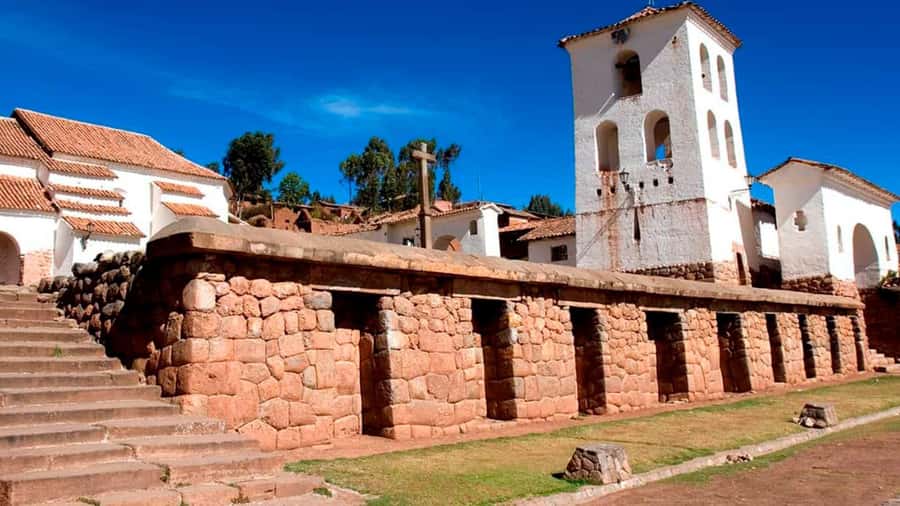
The archaeological area gives you an early look at Inca stonework and agricultural planning. The town also has a 17th-century colonial church, decorated with canvases from the Cusco School. That pairing is one of the most worthwhile parts of the stop: you see how Spanish colonial worship was placed over an older Andean setting.
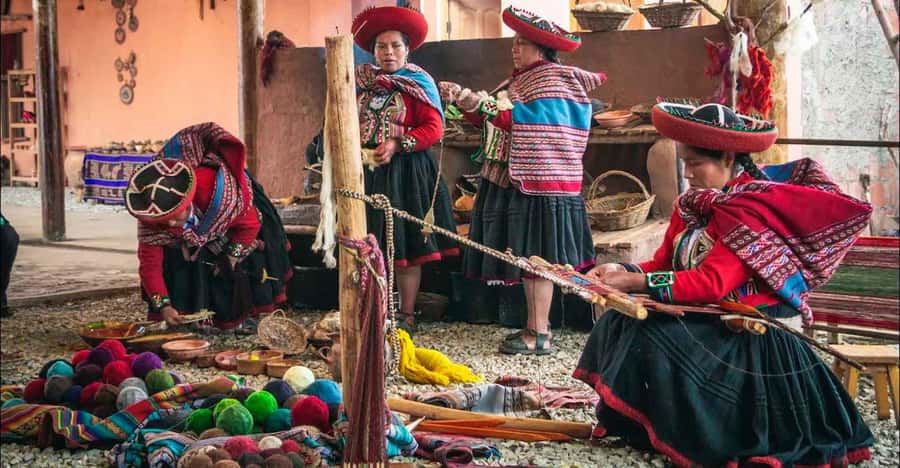
Chinchero is also known for its market and Andean textiles. The market tradition includes the exchange of products as well as purchases, and the craft stalls add color and movement to the visit. If you want a textile, this is a practical place to compare patterns and colors, but keep your eye on the clock.
One concern deserves clear mention. The tour can spend too much time at souvenir shops compared with the archaeological sites. If your priority is ruins, listen closely to the guide’s timing and make sure you understand how long you have at Chinchero before browsing.
The guide quality matters here. One confirmed booking praised the guide highly, describing the guiding as excellent. That is encouraging because Chinchero rewards explanation: without context, the church, market, and ruins can feel like separate stops rather than parts of one layered town.
Moray and the Inca approach to farming
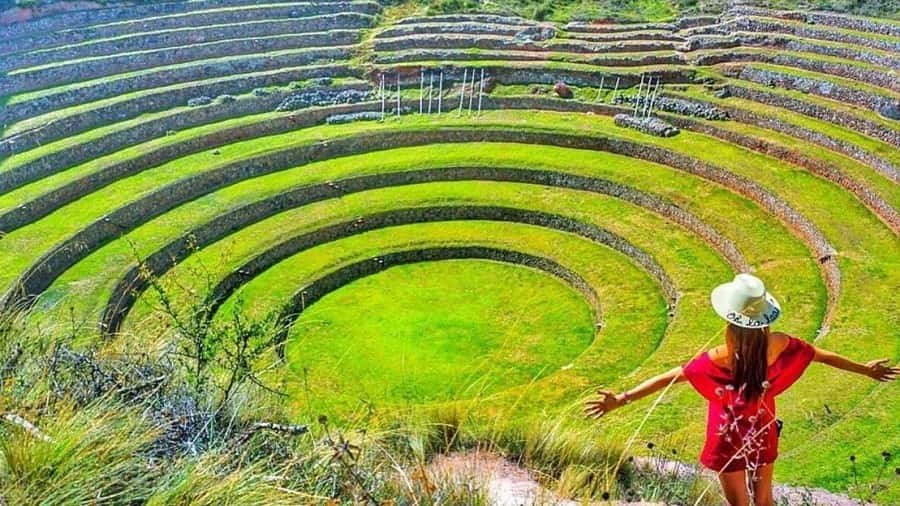
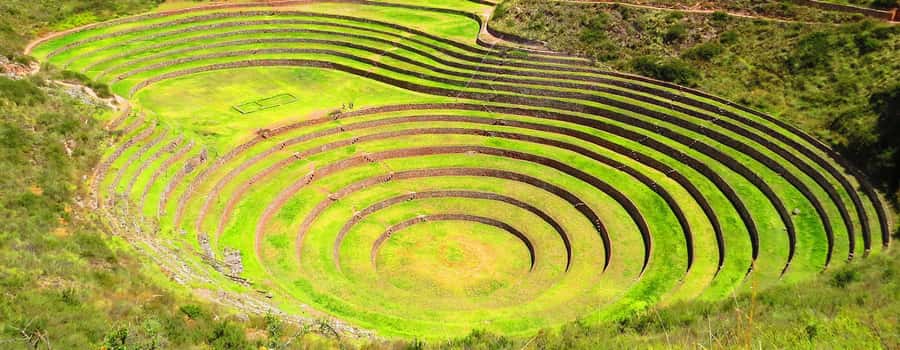
From Chinchero, the route continues to Moray. Its circular agricultural terraces are among the Sacred Valley’s most unusual sights. The terraces descend in broad rings, creating a shape that looks almost designed for viewing from above.
The important point is not only the appearance. Moray is described as an ancient agricultural research center, so the visit connects Inca engineering with food production. The site helps you think about how people tested growing conditions, worked with altitude, and adapted farming to the Andes.
This stop is valuable because it changes the focus from temples and military walls to practical survival. The Inca world depended on managing crops across very different heights and climates. Moray gives that idea a physical shape.
You should expect another open archaeological visit rather than a museum-style attraction. The appeal comes from the terraces, the surrounding mountain setting, and the guide’s explanation of their purpose. If you only photograph the circles and move on, you miss the best reason to include Moray.
The route is also active and high. Wear shoes suitable for uneven ground and plan your energy for a full day, not just a series of short photo stops. The supplied details do not specify the walking distance or exact time at Moray, so you should check the day’s schedule if you need a slower pace.
Maras, where more than 4,000 salt wells cling to the hillside
The Maras Salt Mines are the most distinctive working site on the route. More than 4,000 small wells produce salt here, making this one of the highest salt-producing areas in the world. The salt is valued in regional cooking and is also presented as beneficial in gastronomy.
The sight is memorable because it combines industry and scenery. Instead of seeing a closed archaeological monument, you look at a place where natural saltwater is collected and processed through many individual ponds. The result is a dense pattern of white and earthy tones spread across the mountainside.
The exact appearance can vary with conditions and production, so you might find the wells looking more white, brown, or muted than in polished photographs. That is part of the point: this is a working place, not a decorative exhibit.
Admission to the Maras Salt Mines is not included in the $35 price. You must budget separately for this fee, along with the entrance charges for the archaeological sites. The tour includes transport to the stop, but not every required ticket.
This is a good place to ask your guide how the salt is gathered and sold. The supplied information confirms the scale of the site and its culinary value, but the exact sales arrangements and timing are not stated. If you hope to buy salt, ask when and where that is possible rather than assuming every stop includes shopping time.
More Private Transfers in Sacred Valley
- Transfer from Cusco to Ollantaytambo
★ 5.0 · 30 reviews - OneWay Private Transfer from Ollantaytambo train Station to Cusco
★ 5.0 · 20 reviews - Tour in the Sacred Valley of the Incas with Transfer to Ollantaytambo
★ 5.0 · 17 reviews - Transfer Cusco to Urubamba
★ 5.0 · 12 reviews
Urubamba lunch, a needed pause in the middle
After the Maras area, the group heads to Urubamba for lunch at a typical restaurant. The meal is included, and the stop focuses on regional flavors.
That inclusion improves the value of the tour. A full day at altitude is easier when you have a planned meal instead of needing to find a restaurant on your own while the vehicle waits. It also gives you a break before the final major site.
The restaurant, menu, and drinks are not specified, so keep your expectations practical. You are getting a regional lunch, not a food-focused tour. If you have dietary needs, ask the provider before departure because the supplied details do not explain vegetarian choices, allergies, or drink arrangements.
Urubamba also serves as a sensible geographic pause. The town sits along the route toward Ollantaytambo, so lunch does not require a large detour. You continue west through the Sacred Valley rather than doubling back toward Cusco.
Ollantaytambo, the most useful final stop
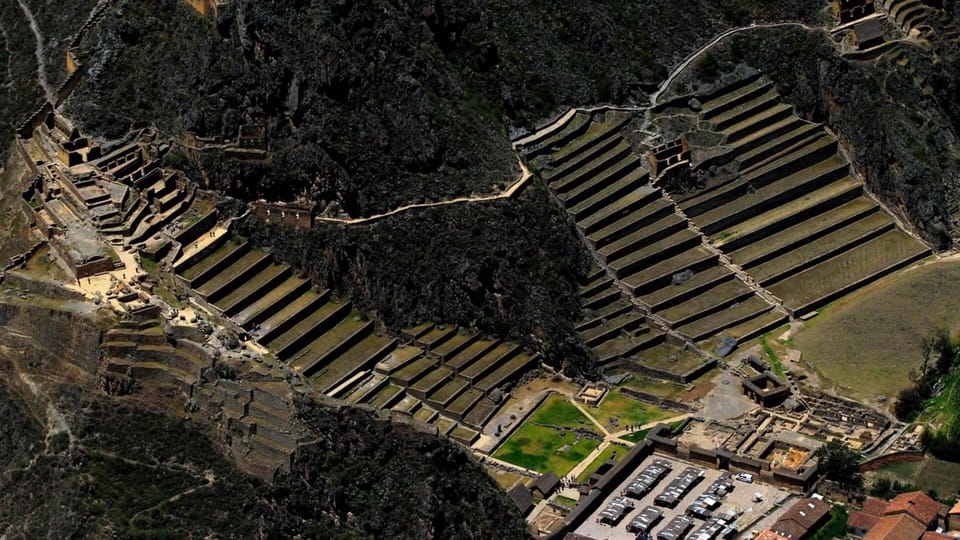
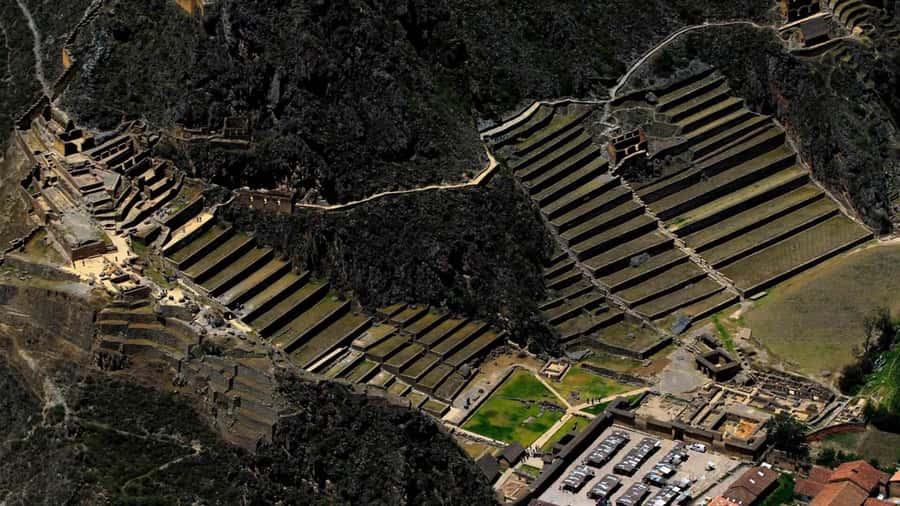
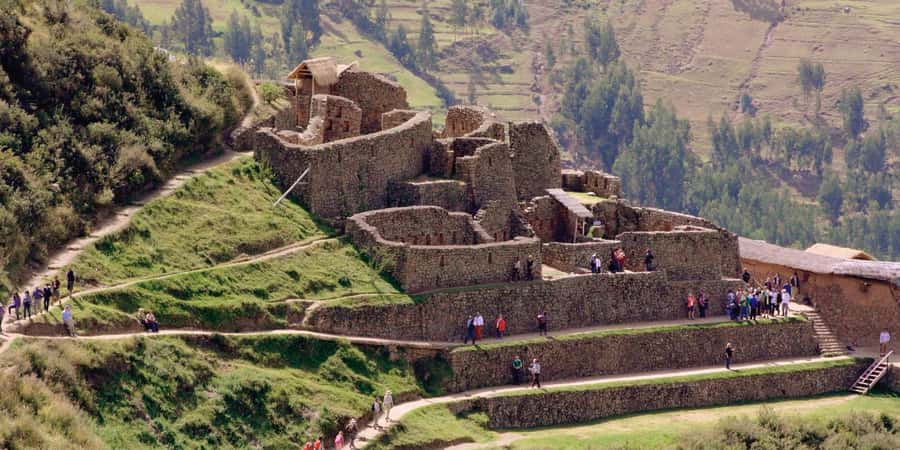
The last major visit is Ollantaytambo, an Inca town often described as a living Inca city. This is where the day’s themes come together: urban planning, agriculture, religion, administration, and military defense.
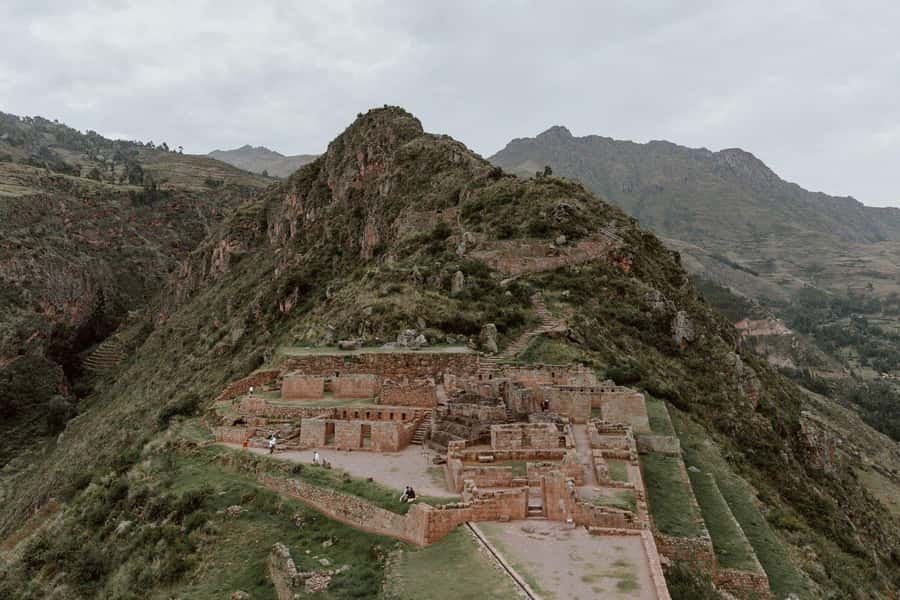
The town’s fortress was strategically important, and its position helped protect and control the Sacred Valley. You can expect large stone construction, terraces, and a setting that makes the scale of Inca building clear. The stop is more than a quick ruin photograph because Ollantaytambo remains connected to present-day life.
Its location also makes the tour especially useful for onward travel. At the end, you are dropped off near the Ollantaytambo train station. That is not the same as being escorted directly onto a train, so you need to know your own departure details and allow time to collect your luggage and reach the station area.
Here is the most important practical warning in the entire tour. If you bring bags from Cusco, confirm in advance that the vehicle has room for them. A reported problem involved luggage not fitting comfortably, followed by an expectation that passengers would take their bags into the Ollantaytambo ruins. Carrying a suitcase through an archaeological site is unpleasant and can make it impossible to complete the visit.
You should also confirm the meeting point and pickup procedure. A serious coordination problem has been reported in which the group departed before passengers were contacted, even though they arrived at the meeting place on time. A taxi was eventually arranged to bring them to the bus, but that is not a situation you want on a tightly scheduled day.
Keep your phone available, arrive early, and ask the provider exactly where pickup happens. These are small steps, but they matter when the tour has a fixed route and a train connection at the end.
Guides, transport, and the rhythm of the day
The tour offers live guiding in English or Spanish. That is important at sites such as Moray and Chinchero, where the physical remains need explanation to become meaningful. One strong booking comment specifically praised the guide, so the human side of the experience can be a real strength.
Still, the tour’s quality depends on more than the guide. Transport links five stops and ends in a different town from the starting point. That makes clear communication essential, especially for luggage, pickup, and the final station transfer.
The exact group size and departure time are not provided. Starting times depend on availability, so check the schedule before paying. Since this is a one-day trip, an early start is likely to be useful, but you should rely on the confirmed departure time rather than assume one.
The route also includes market and craft stops. These can add genuine local color, especially if you want textiles, but they can reduce time at the ruins. I would book this tour for variety, not for long, unhurried visits at every location.
What the $35 price really covers
The $35 cost is attractive because it includes the core movement through the valley, hotel pickup in central Cusco, a guide, and lunch. If you tried to arrange transport to four major stops and then continue to Ollantaytambo independently, the convenience could easily justify the price.
But the headline price is not the final sightseeing cost. Entrance fees to the archaeological sites are excluded, and the Maras Salt Mines also charge a separate admission. You need to add those costs before deciding if the tour fits your budget.
The value is strongest for a first visit when you want an overview and a practical transfer. It is weaker if you already have transportation, prefer choosing your own time at each site, or plan to spend most of the day shopping and eating slowly.
Free cancellation up to 24 hours before departure and the option to reserve now and pay later give you some flexibility. Those terms are useful when your Cusco plans are still changing, but they do not solve the operational questions around bags and pickup. Ask those questions before the cancellation deadline.
Who should book this Sacred Valley day?
I would recommend this outing for you if:
- You are staying in central Cusco and want several Sacred Valley highlights in one day.
- You plan to continue to Ollantaytambo after the tour.
- You value transport and a meal more than complete control over the schedule.
- You want both archaeological sites and local craft or food experiences.
- You can handle a high-altitude day with several stops.
- You are comfortable paying site entrance fees separately.
I would be more cautious if you are carrying large luggage, need a slow walking pace, or dislike shopping stops. The route is also not ideal if your main goal is a long, quiet visit at one ruin.
FAQ
What places does the tour visit?
The route includes Chinchero, Moray, the Maras Salt Mines, Urubamba, and Ollantaytambo.
Is lunch included?
Yes. Lunch at a typical restaurant in Urubamba is included.
Are entrance fees included?
No. Entrance fees for the archaeological sites and admission to the Maras Salt Mines are not included.
Where does the tour begin?
Pickup is provided from hotels in the city center of Cusco.
Where does the tour end?
The tour finishes with drop-off near the Ollantaytambo train station.
What languages are available?
The live guide is available in English or Spanish.
Can I cancel for a full refund?
Yes. You can cancel up to 24 hours in advance for a full refund.
Should you book it?
Book this tour if you want an inexpensive, efficient route from Cusco through several major Sacred Valley sights, especially if Ollantaytambo is your next stop. The included lunch, guide, transport, and one-way finish give the $35 price real value.
Before you commit, confirm three things: the total entrance costs, the exact pickup point, and space for your luggage. If those details are settled, this is a useful overview of the valley with a strong mix of Inca sites, local crafts, salt production, and mountain scenery. If they are not settled, the final Ollantaytambo transfer could turn a good sightseeing day into a stressful one.
More Private Transport around Cusco
- Cusco Airport Departure Transfer
★ 4.5 · 113 reviews - Cusco Airport Pickup and Private Transfer
★ 5.0 · 82 reviews - Cusco Private Airport Transfer: Fast, Reliable Hotel Drop-Off
★ 5.0 · 80 reviews - Transfer Cusco Airport to Hotel in Cusco (Round trip)
★ 5.0 · 22 reviews
More Sacred Valley Days Out
- From Cusco: Moray, Maras Salt Mines & Chinchero Weavers Tour
★ 4.8 · 1,925 reviews - 2-Day Tour: Sacred Valley and Machu Picchu by Train
★ 5.0 · 1,127 reviews - Cusco: Sacred Valley, Pisac, Ollantaytambo, Salt Mines Moray
★ 4.6 · 1,058 reviews - Cusco:Chinchero,Moray & Salt Mines drop-off in Ollantaytambo
★ 4.8 · 793 reviews
Added recently around Cusco
- Guided tour of the mountain of colors in Cusco★ 5.0 · 11 reviews
- 2-Day Private Short Inca Trail to Machu Picchu★ 5.0 · 15 reviews
- Tour Sacred Valley with Maras and Moray★ 5.0 · 15 reviews
- San Pedro Market Tour with Peruvian Cooking Class★ 5.0 · 31 reviews
- City Tour Cusco – Group★ 5.0 · 4 reviews
- Walking Culinary Experience★ 5.0 · 41 reviews
- City Tour in Cusco★ 4.5 · 10 reviews
- One Day Tour to Humantay Lagoon★ 5.0 · 8 reviews
Sacred Valley Tours, compared.
Sacred Valley & Maras Salt Mines Tour with Lunch
Read our review →
Moray, Maras Salt Mines & Chinchero Weavers Tour
Read our review →
2-Day Tour: Sacred Valley and Machu Picchu by Train
Read our review →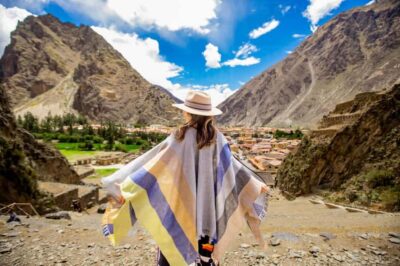
Sacred Valley, Pisac, Ollantaytambo, Salt Mines Moray
Read our review →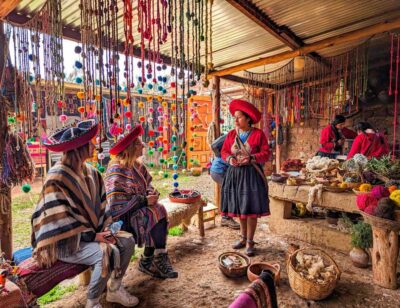
Chinchero,Moray & Salt Mines drop-off in Ollantaytambo
Read our review →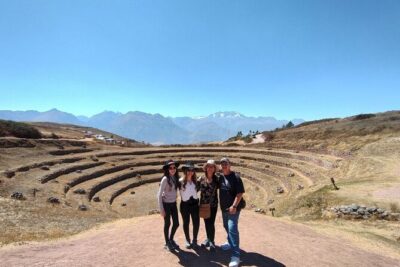
Sacred Valley and Maras Moray Tour with Full Day Buffet Lunch
Read our review →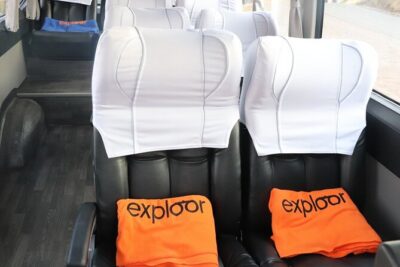

Browse the lists this tour appears in