
Reviewed · AREQUIPA TOURS
Tour to the Sillar Route from Arequipa | Half Day
Arequipa’s white stone has a story. This half-day trip takes you from the city to the quarries that supplied its famous pale buildings, with volcano views, working stonecutters, and old petroglyphs along the way. I like the chance to see local artisans shaping sillar and the short walk through Culebrillas Canyon. I also like that the route connects Arequipa’s grand architecture to the rough source of its building material.
The main caution is time. The tour lasts about five hours, and one verified booking praised the clear English explanations, while another reported that the guide spoke too softly and allowed too little time to explore independently. A strong guide can make this trip far more rewarding, so clear communication matters.
In This Review
- Key points to know before you book
- Why the Sillar Route explains Arequipa so well
- Starting at 8:50 a.m. with volcano views
- Añashuayco Quarry and the craft of sillar
- The 30-minute ride to Culebrillas Canyon
- Petroglyphs with questions still attached
- What the $25 price really buys you
- The schedule and the risk of feeling rushed
- Who will get the most from this outing?
- What to bring and what to expect on the day
- Should you book the Sillar Route?
- FAQ
- Where does the Sillar Route tour take place?
- How long does the tour last?
- Is hotel pickup included?
- What type of transport is provided?
- Is the guide available in English?
- Are entrance fees included in the price?
- How long is the walk in Culebrillas Canyon?
- What should I bring?
Key points to know before you book
- Sillar is the stone behind Arequipa’s White City nickname: You see where the pale volcanic ashlar comes from, rather than only admiring it in the city center.
- Añashuayco Quarry is the working heart of the visit: Local artisans demonstrate how the soft volcanic stone is cut and shaped.
- Culebrillas Canyon adds a short outdoor walk: Its stone walls rise as high as 20 metres, giving the outing a more active finish.
- The petroglyphs remain unexplained: The carved figures add mystery, but you should not expect a fully solved archaeological story.
- The advertised price is not the complete cost: The $25 tour price is joined by $5 for the Sillar Route and $5 for Culebrillas Canyon.
- The timing suits a busy Arequipa schedule: Pickup is planned for 8:50 a.m., with a return around 1 p.m.
Why the Sillar Route explains Arequipa so well
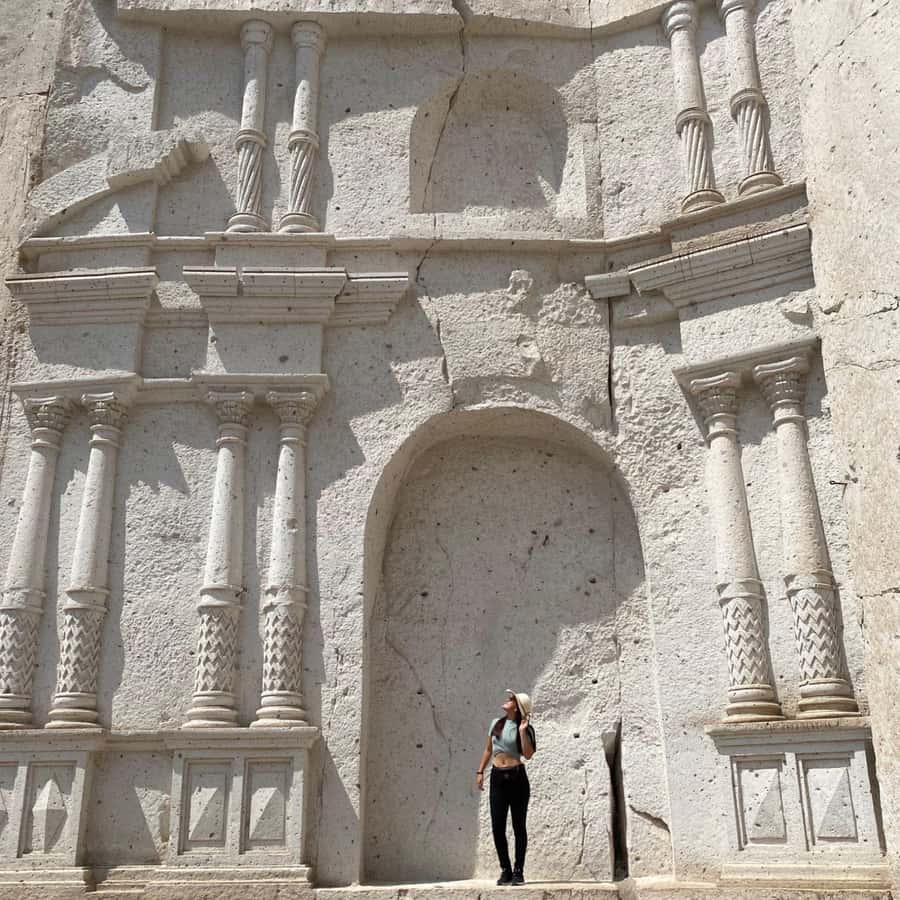
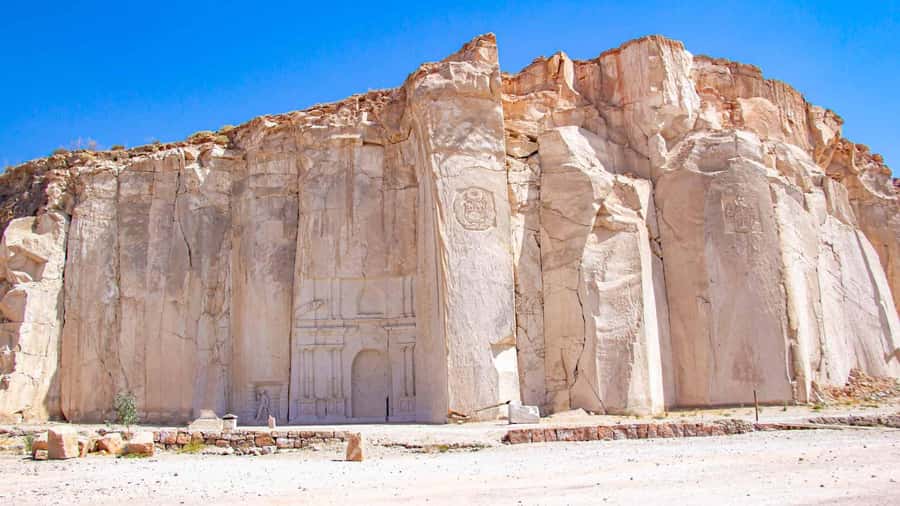
Arequipa is often called the White City because many of its buildings use sillar, a pale volcanic stone. The material gives churches, courtyards, and walls a distinctive light color, but the city itself does not show you the hard work behind that look.
This outing takes you beyond the polished streets and into the quarries. I like that connection. You are not simply told that sillar is important. You see the cuts in the rock, the canyon made by quarrying, and the artisans who continue working the stone.
The route has also received recognition as Intangible Cultural Heritage of the Nation. That matters because the stonework is more than an attractive photo stop. It reflects a continuing craft tradition tied closely to Arequipa’s identity.
The experience is not a grand archaeological expedition. It is a compact cultural visit with a practical focus: where the stone comes from, how people shape it, and how the quarry environment looks up close.
A few more Arequipa trips worth lining up side by side
- 2 day 1 night trek / Colca Canyon
★ 5.0 · 1,069 reviews - From Arequipa: Colca Canyon Full-Day Guided Tour with Meals
★ 4.5 · 982 reviews - Tour to the Salinas Lagoon and National Reserve in Arequipa
★ 4.5 · 548 reviews
Starting at 8:50 a.m. with volcano views
Pickup from your accommodation in Arequipa is scheduled for 8:50 a.m. The included transport is by bus or minibus, and the guide speaks Spanish and English.
The first stop is a viewpoint with broad views of the volcanoes around Arequipa. This is a useful opening because it gives you a sense of the volcanic setting before you see the stone itself. The pale sillar is part of a much larger story shaped by the region’s volcanoes.
Do not treat the viewpoint as a long sightseeing stop. The supplied schedule places it at the beginning of the route, before the quarry visits. It works best as a quick orientation and photo opportunity.
The bilingual format should suit visitors who do not speak Spanish, but the quality of the experience depends on how clearly the guide speaks. One booking specifically praised the English explanations. Another reported that the guide remained very quiet even after being asked to speak louder. I would sit close to the guide and ask questions early if you are having trouble hearing.
Añashuayco Quarry and the craft of sillar
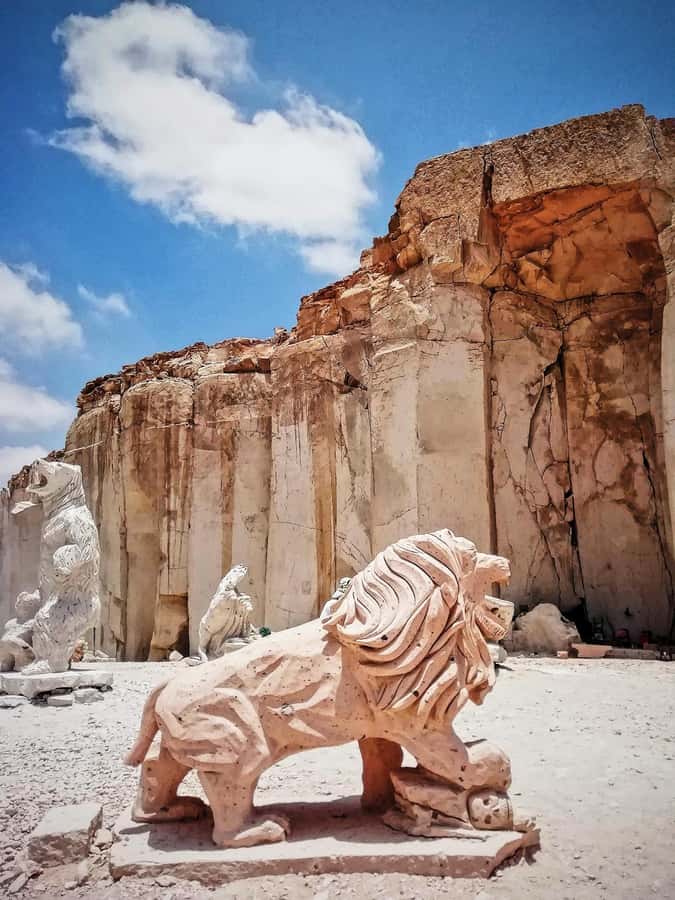
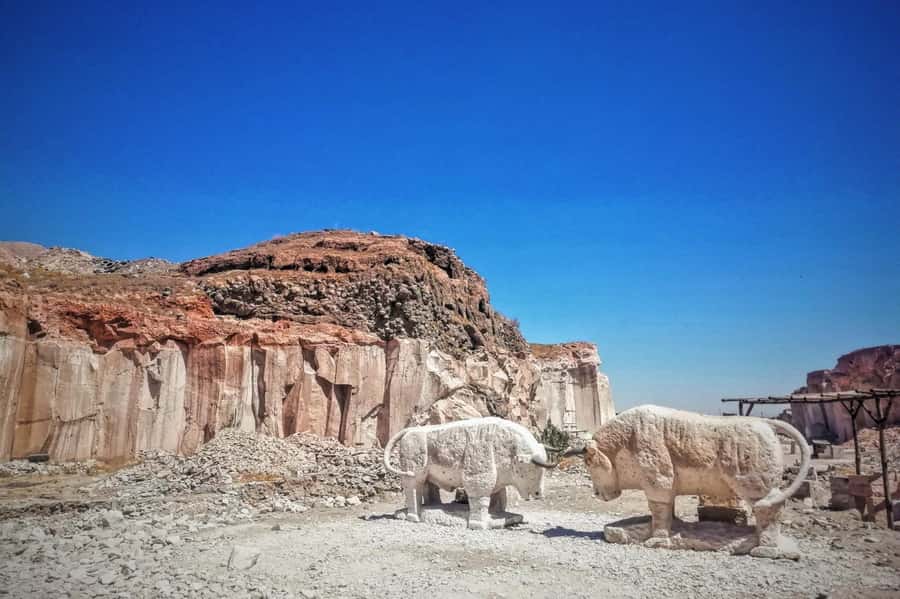
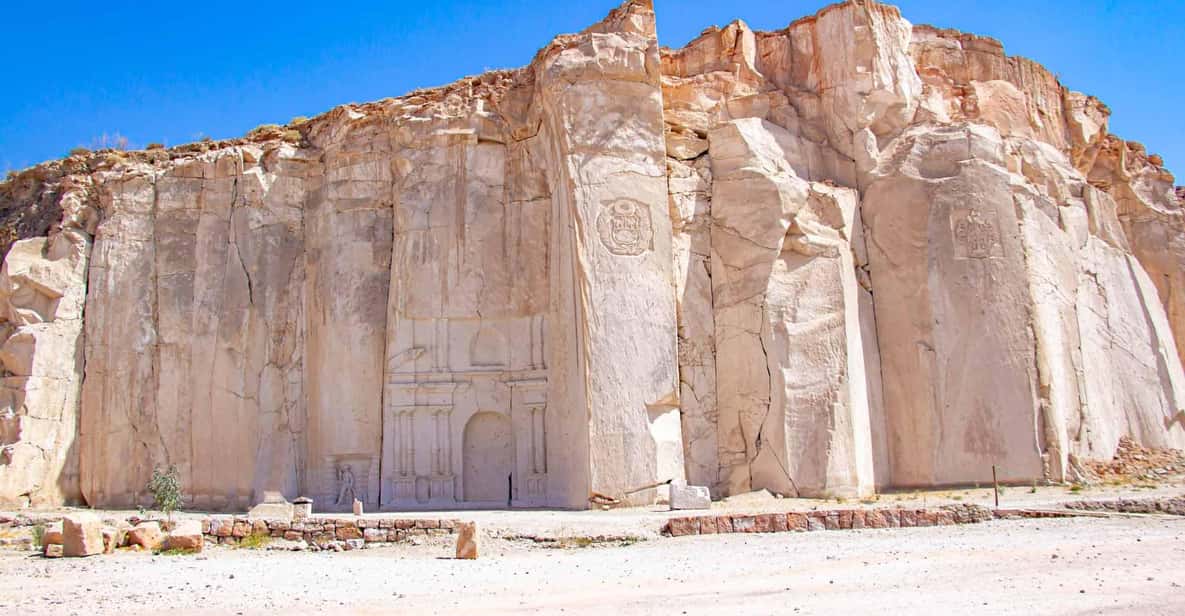
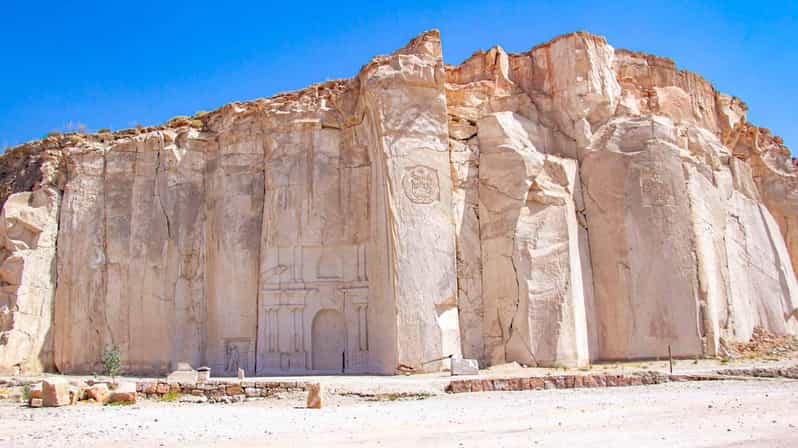
The main stop is Añashuayco Quarry. Here, you can watch local artisans working the stone and learn how sillar is carved.
This is where the tour earns its price for me. A city walk can show you finished sillar buildings, but the quarry shows the material in its raw setting. You get a better sense of the skill involved in turning rough volcanic ashlar into blocks and decorative pieces.
The quarry also contains a deep canyon of cliffs formed by the extraction of the stone. That detail gives the stop two sides. It is both a cultural workshop and a dramatic industrial site shaped by generations of quarrying.
Expect the guide to explain the carving process while you observe the workers. The information supplied does not promise a hands-on workshop, so you should think of this as a demonstration and viewing stop rather than a class where you make your own piece.
The visit is especially useful if you are curious about buildings in Arequipa. After seeing the quarry, the city’s pale walls should feel less like a visual trademark and more like the final stage of a long process.
There is one practical issue: the amount of free time may feel short. One booking described the stops as worthwhile but felt there was too little time to explore without the group. If you enjoy taking careful photographs or watching the artisans at work, keep your expectations realistic. This is a scheduled half-day tour, not an unhurried private visit.
The 30-minute ride to Culebrillas Canyon
From Añashuayco, the vehicle continues for about 30 minutes to the Quebrada de Culebrillas. This transfer breaks up the quarry visit and carries you to a different kind of sillar setting.
Culebrillas is a canyon with walls reaching up to 20 metres high. The route includes a walk of about 20 minutes through the canyon interior. That makes the second half of the tour more active, though it remains a short walk rather than a demanding hike.
I like the change of pace. Añashuayco focuses on people and craft. Culebrillas focuses on stone formations, narrow walls, and carved figures. The two stops work together without feeling identical.
The canyon may have uneven ground, but no detailed accessibility information is provided. If you need specific arrangements for walking, ask the operator before booking. The tour information does make clear that you will walk inside the canyon, so comfortable footwear is a sensible choice.
Bring biodegradable sunscreen, as requested, and your personal medication. One booking also pointed out that visitors were not clearly warned about protection for the canyon. The supplied information specifically recommends sunscreen, but it does not mention insect repellent. If you normally use mosquito protection outdoors, asking about conditions before departure would be prudent.
Also leaving from Arequipa, and nothing like the above:
- From Arequipa: Sillar Route Trek
★ 4.2 · 461 reviews - Colca Full Day Tour
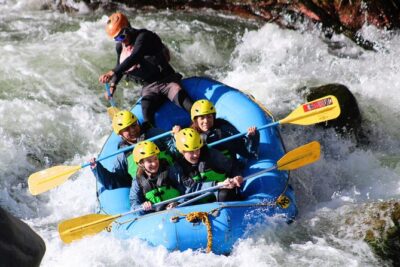
★ 4.5 · 429 reviews - Rafting Arequipa – Chili River Canoeing – Cusipata Rafting Arequipa
★ 5.0 · 332 reviews - Arequipa: Chili River White Water Rafting with Hotel Pickup
★ 4.8 · 329 reviews
Petroglyphs with questions still attached
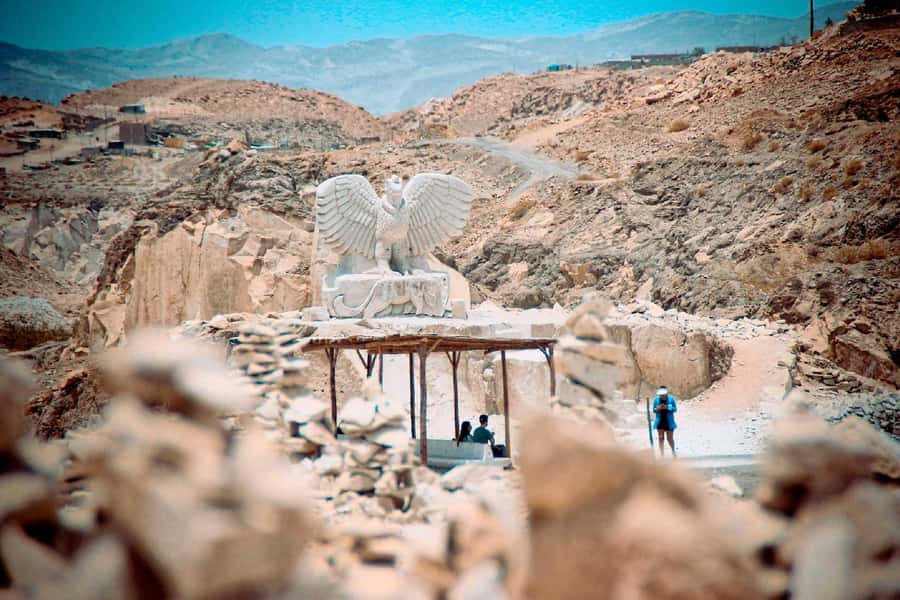
The final stop on the route is the canyon’s petroglyphs. These are figures carved into the stone, but their meaning has not been deciphered.
That uncertainty is part of the appeal. You will not receive a tidy explanation that settles every question. Instead, you see the marks and hear that their purpose remains unclear. For some people, this will be the most memorable part of the outing. For others, the quarry artisans will provide the stronger cultural connection.
The petroglyph stop also rewards patience. Carved figures can be easy to miss if you are rushing or if the guide gives only a brief explanation. Since the overall schedule is tight, stay attentive when the group reaches the canyon walls.
Bring a pen if you want to note details, sketch a figure, or write down questions. It is an unusual item on the suggested packing list, but it may be useful for visitors who like recording what they see.
What the $25 price really buys you
The listed price is $25 per person. That covers hotel pickup, transport by bus or minibus, and a bilingual English and Spanish guide.
You also need to budget $5 per person for entry to the Sillar Route and another $5 for Culebrillas Canyon. That brings the known total to $35 per person before travel insurance or other personal expenses.
At $35, I consider the experience reasonably priced for a five-hour outing with transport from your accommodation and a live guide. The value is strongest if you want a straightforward way to reach both quarry areas without arranging separate transport.
The price is less attractive if you mainly want plenty of time for photography or quiet exploration. A private visit could offer a slower pace, but no private option or group size is specified here, so you should not assume one.
The included pickup also saves you the trouble of finding your way out to the quarries. That convenience matters during a short stay in Arequipa. You can see the route in the morning and still have the afternoon available for the city.
The schedule and the risk of feeling rushed
Pickup begins at 8:50 a.m., and the planned return to Arequipa is around 1 p.m. The five-hour length fits neatly into a half day.
That timing suits you if you want to visit the Sillar Route without giving up a full day. You can pair it with an afternoon in Arequipa, though the exact time available after returning may depend on traffic and the pace of the group.
The schedule also explains the main weakness. There are several components: hotel pickup, a volcano viewpoint, Añashuayco Quarry, a 30-minute transfer, a 20-minute canyon walk, petroglyphs, and the ride back. None of these stops can take unlimited time.
I would book this with the mindset of seeing several highlights efficiently. If you prefer to linger at each quarry face, ask long questions, or wander away from the group, the half-day format may frustrate you.
Guide communication is another key factor. The tour is offered in English and Spanish, and clear explanations can add a lot. One verified booking praised the English delivery. Another found the guide too quiet to understand and felt important information was missing, including advice related to canyon conditions. I would make sure the guide knows which language you need and ask for louder explanations at the first stop.
Who will get the most from this outing?
I would recommend the tour to you if you have limited time in Arequipa and want a direct introduction to the city’s building stone. It suits first-time visitors, culture-minded sightseers, and anyone who prefers a guided route rather than arranging local transport.
It also works well for people who want a modest amount of walking. The canyon portion lasts about 20 minutes, and the rest of the visit centers on viewpoints, quarry observation, and transport.
The experience may be less suitable if you need a very slow pace or extensive time alone. The available information does not provide a group size, and one booking specifically felt there was too little time for personal exploration.
You should also consider the guide’s speaking volume. A quiet guide can turn a useful cultural visit into a string of attractive stops with little meaning. Stay near the guide, speak up if you cannot hear, and treat the quality of the explanation as an important part of what you are paying for.
What to bring and what to expect on the day
Carry your passport or ID card, biodegradable sunscreen, and any personal medication. The tour also recommends bringing a pen.
Wear footwear suitable for a short walk through a canyon. The route information does not provide a detailed list of terrain conditions, so I would avoid shoes that are difficult to walk in.
The two entrance fees are not included, so have a plan for paying the extra $10 per person. Travel insurance is also not included, and any other personal costs are your responsibility.
The tour offers free cancellation up to 24 hours before departure for a full refund. You can also reserve now and pay later, which helps if your Arequipa plans are still shifting.
Should you book the Sillar Route?
I would book this tour if you want good cultural context in half a day. Añashuayco Quarry gives you a direct look at sillar production, while Culebrillas adds canyon walls and unexplained petroglyphs. The volcano viewpoint makes the setting easier to understand, and the included pickup and transport keep the logistics simple.
I would hesitate if your priority is slow, independent exploration. The schedule is compact, and guide quality appears important. Before paying, confirm the departure time, language, and how the guide handles questions. Also add the $10 in entrance fees to the advertised $25 price.
For most visitors with a morning to spare, this is a useful and fairly priced introduction to the stone behind Arequipa’s White City name. Just expect an efficient guided outing, not a leisurely day at the quarries.
FAQ
Where does the Sillar Route tour take place?
The tour takes place in the Arequipa Region of Peru, visiting the Añashuayco Quarry and Quebrada de Culebrillas.
How long does the tour last?
The tour lasts five hours. Pickup is scheduled for 8:50 a.m., with a planned return to Arequipa around 1 p.m.
Is hotel pickup included?
Yes. Pickup from your accommodation in Arequipa is included.
What type of transport is provided?
Transport is provided by bus or minibus.
Is the guide available in English?
Yes. The tour has a live bilingual guide in English and Spanish.
Are entrance fees included in the price?
No. The Sillar Route entrance costs $5 per person, and entry to Culebrillas Canyon costs another $5 per person.
How long is the walk in Culebrillas Canyon?
The walk through the canyon lasts approximately 20 minutes. The canyon walls reach up to 20 metres high.
What should I bring?
Bring your passport or ID card, biodegradable sunscreen, personal medication, and a pen.
Added recently around Arequipa
- gazebos cannon of the coca★ 5.0 · 28 reviews
- Sillar Route★ 5.0 · 4 reviews
- Salinas Lagoon + Mini Volcano DE Lojen★ 5.0 · 9 reviews
- Full Day Tour To The Salt Lake Salinas in Arequipa★ 4.5 · 34 reviews
- 3-Day Colca Canyon trek with Professional Guide★ 5.0 · 40 reviews
- Trekking, Waterfalls and Thermal Baths★ 4.5 · 47 reviews
- Walking Tour Arequipa Including Santa Catalina Monastery★ 4.0 · 8 reviews
- Walking City tour including the Monastery of Santa Catalina★ 5.0 · 6 reviews
Arequipa Tours, compared.

Tour to the Salinas Lagoon and National Reserve in Arequipa
Read our review →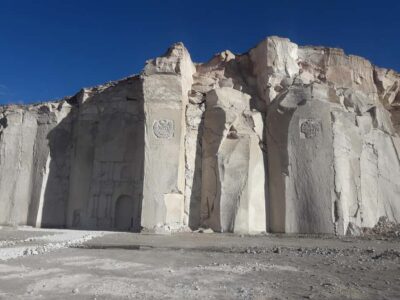
Rafting Arequipa – Chili River Canoeing – Cusipata Rafting Arequipa
Read our review →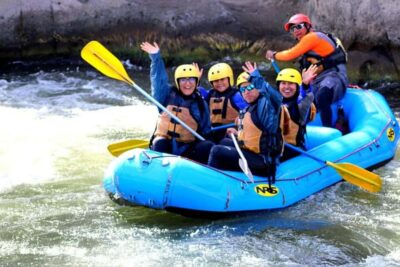
Chili River White Water Rafting with Hotel Pickup
Read our review →
Browse the lists this tour appears in