
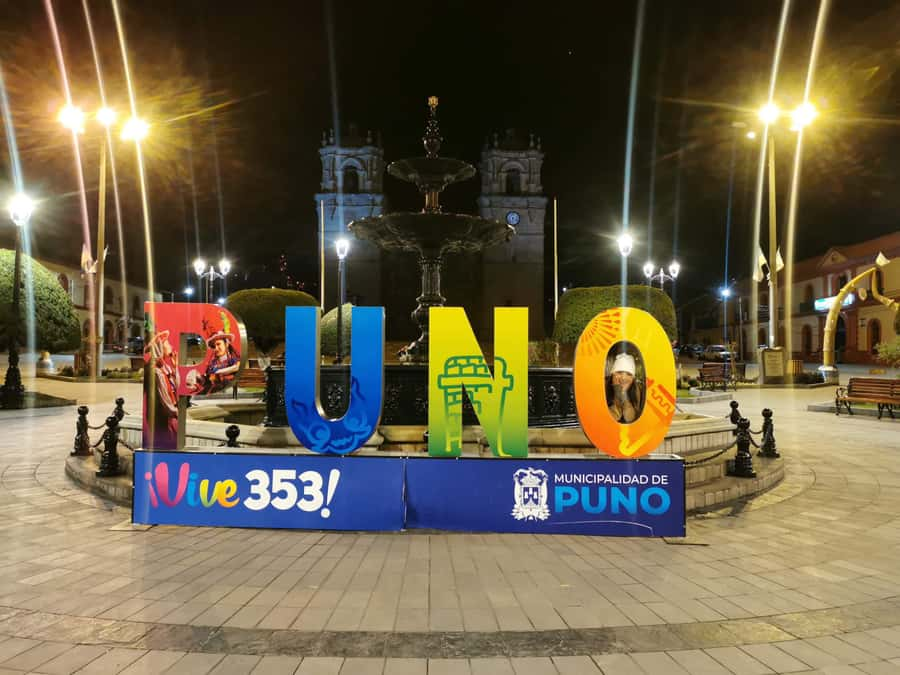
Reviewed · PUNO TOURS
TRIP FROM PUNO TO CUSCO WITH THE ROUTE OF THE SUN
The road to Cusco becomes the attraction. This 10-hour bus trip turns a long transfer into a useful day of sightseeing, with stops at Pucará, La Raya Pass, Raqchi, and Andahuaylillas. I like the comfortable coach and the fact that entrance fees, a buffet lunch, a guide, and hotel transfers are included.
I also like the way the route links pre-Inca, Inca, and colonial Peru in one day. Guides such as Max have been praised for explaining clearly, answering questions, and keeping a good balance between commentary and free time. The main drawback is time: you visit several places in one day, so some stops can feel brief, especially if the guide gives long explanations.
In This Review
- Key points to know before booking
- Why This Transfer Works Better Than a Plain Bus Ride
- Pucará: Pre-Inca Figures Before Breakfast
- La Raya Pass at 4,335 Meters
- Buffet Lunch Gives the Bus Ride a Proper Break
- Raqchi and the Temple of Wiracocha
- Andahuaylillas, the Andes’ Famous Painted Church
- The Coach and the Long Day on the Road
- Guides Make the Difference
- Who Should Book This Route
- Should You Book the $114 Route of the Sun?
- FAQ
- How long does the Puno to Cusco Route of the Sun take?
- What time does pickup begin in Puno?
- Where is the stated pickup location?
- Which places do you visit?
- Is lunch included?
- Is transportation to my Cusco hotel included?
- What languages does the guide speak?
- What should I bring?
Key points to know before booking
- Pucará opens the day with pre-Inca art: See ceramics and stone figures, including the striking Hatunñaqac sculpture.
- La Raya reaches 4,335 meters: This is the high point and the border between the Puno and Cusco regions.
- Raqchi shows the scale of Inca construction: The archaeological park includes the Temple of Wiracocha and large storage buildings.
- Andahuaylillas brings colonial art indoors: Its church is famous for murals, gold leaf work, and paintings from the Cusco school.
- Lunch is included: A buffet offers national and regional dishes, salads, desserts, and hot drinks.
- The coach matters: The ride is long, but several people singled out the spacious seats and comfortable bus.
Why This Transfer Works Better Than a Plain Bus Ride
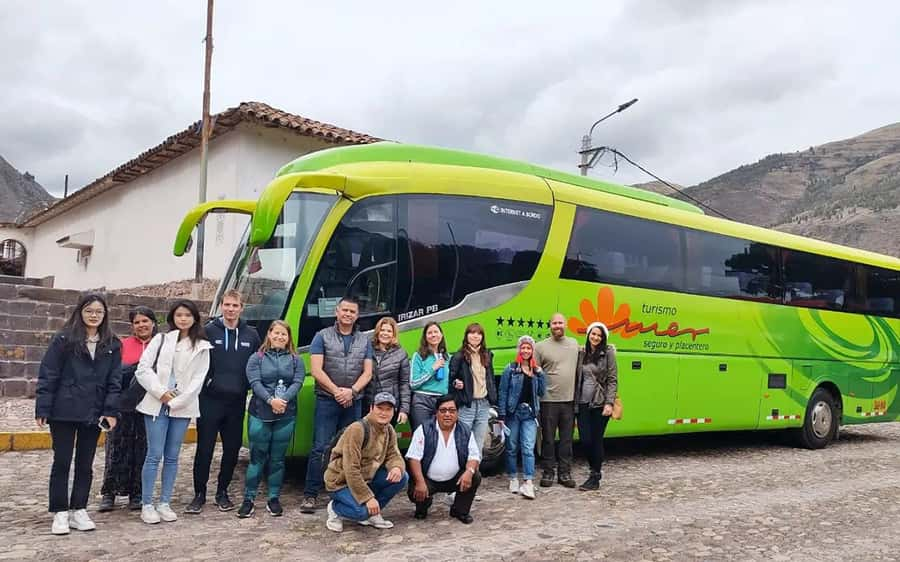
The trip begins with pickup from your Puno hotel at about 6:00 in the morning. The stated pickup point is Av. Simon Bolivar 1671, and you should wait in the hotel lobby around five minutes before the scheduled time. The driver is expected to call at reception.
This is not a fast transfer. It is a full day on the road, with guided stops built into the journey. That makes it a good choice if you are already planning to travel from Puno to Cusco and want more than a view through a bus window.
You pay $114 per person. That price includes transport, a professional guide in English or Spanish, admission to the listed sites, buffet lunch, pickup in Puno, and transfer from the Cusco bus station to your hotel. You still pay the small land port use tax of S/1.90, around $0.58, and cold drinks are extra.
I see the price as fair when you value convenience and organized sightseeing. Buying separate transport, site tickets, lunch, and local transfers could take more planning. The tradeoff is that you do not control the pace. If you want to spend hours at one archaeological site, this is not the right format.
A few more Puno trips worth lining up side by side
- From Cusco: Vinicunca Rainbow Mountain ATV Tour with Meals
★ 4.6 · 1,060 reviews - From Puno: Uros, Amantaní & Taquile Islands 2-Day Tour
★ 4.5 · 452 reviews - Tour to Uros and Taquile Islands in a Fast Boat
★ 5.0 · 419 reviews
Pucará: Pre-Inca Figures Before Breakfast
The first major stop is the Lithic Museum of Pucará, near Puno. Pucará was an important culture that developed long before the Incas, so this visit gives you an early chapter in the region’s story before the day moves into Inca and colonial Peru.
The museum displays ceramics and stone sculptures. One of the most memorable pieces is the Hatunñaqaq, described as the supreme cutthroat in modern translation. The zoomorphic figures offer a glimpse into the symbols and artistic habits of a culture that is easy to overlook when an itinerary focuses only on the Incas.
You get time for a guided visit, a walk, photographs, and sightseeing. I would pay close attention during the guide’s explanation here, because the museum’s value depends on context. The objects are not simply decorative pieces. They help you understand that highland civilization was already developing long before the Inca state took shape.
This is also your first chance to stretch your legs after leaving Puno. The whole day has several stops, but none is meant to become a slow museum morning. If you enjoy careful examination of individual objects, you may wish for more time.
La Raya Pass at 4,335 Meters
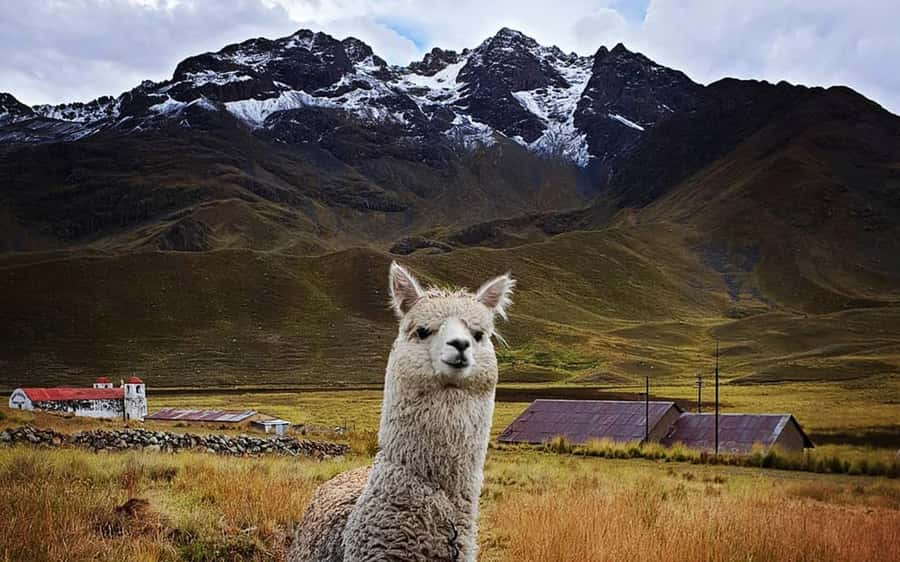
The road then climbs to Abra La Raya, the border between the Puno and Cusco regions. At more than 4,335 meters above sea level, it is the highest point listed on the journey and a natural place to stop for photographs.
The pass is associated with the snow-covered Chimboya mountain, from which the Amazon River begins. That detail gives this roadside stop more meaning than a quick photo break. You are looking at a high watershed tied to one of the world’s great river systems.
You get free time here for a walk and photos. Bring a jacket, even if Puno began with mild weather. Comfortable clothing and shoes are useful throughout the day, but La Raya is where you will appreciate them most. Cash is also worth carrying for small purchases or drinks, since cold beverages are not included.
This stop is short by design. You should not expect a long mountain walk or a formal activity. The point is the altitude, the border, the mountain view, and the sense of crossing from one region into another. Keep your visit easy and do not rush around at this height.
Buffet Lunch Gives the Bus Ride a Proper Break
Around the middle of the trip, the group stops at a local restaurant for a buffet lunch. The meal includes national and regional dishes, starters, fresh vegetables, desserts, and hot drinks.
For a full-day transfer, this matters. You are not left to solve lunch on your own while watching the clock. A buffet also gives you a chance to choose how much you want and try more than one style of Peruvian food.
Cold drinks are not included, so carry cash. The small land port charge is separate as well. These are minor costs, but knowing about them ahead of time keeps the day simple.
Lunch is also a useful pause between the high pass and the archaeological sites. You can walk a little, reset, and prepare for more guided sightseeing. The schedule remains fairly tight, though, so this is a practical meal stop rather than a long restaurant experience.
Also leaving from Puno, and nothing like the above:
- From Puno: Floating Islands of the Uros Half-Day Tour
★ 4.4 · 394 reviews - Uros and Taquile Islands on New and Comfortable SpeedBoat
★ 4.5 · 254 reviews - Lake Titicaca (Day Trip) Uros & Taquile Islands
★ 4.5 · 245 reviews - Lake Titicaca 2-Day Tour to Uros, Amantani and Taquile
★ 4.4 · 199 reviews
Raqchi and the Temple of Wiracocha
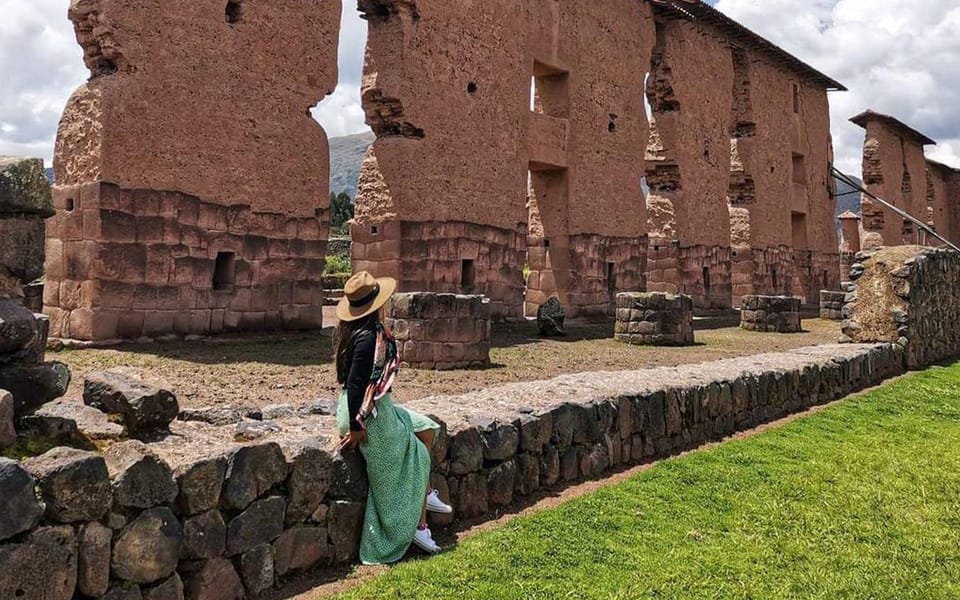
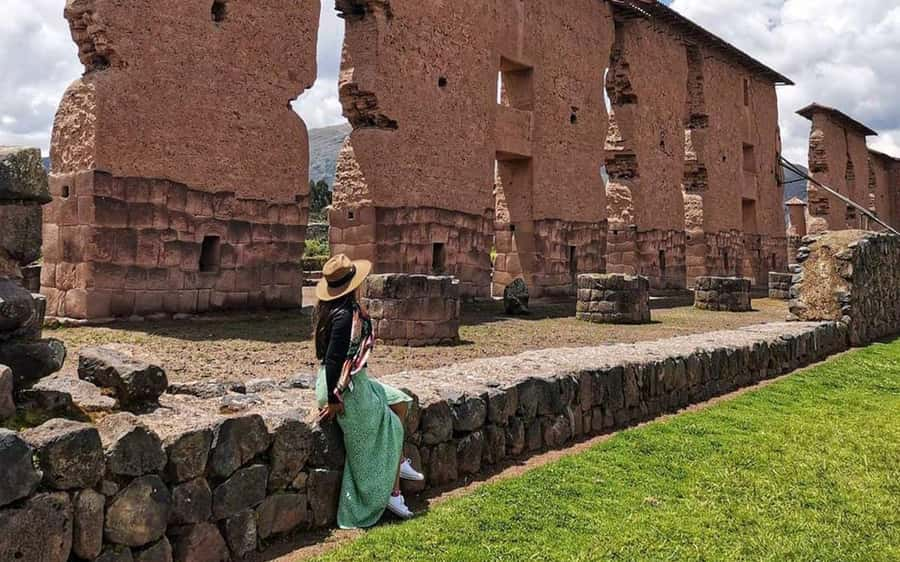
Raqchi Archaeological Park is the day’s major Inca site. It is also known as the Temple of Wiracocha, referring to the supreme Inca deity.
The complex is noted for its large number of colcas, or granaries, along with major buildings made from stone and adobe. That combination helps you see the practical side of the Inca world. The site was not only about temples and ceremony. Storage, food supply, construction, and organization were central to how the state worked.
You receive a guided visit with time for photographs, walking, and sightseeing. This is a place where a good guide adds real value. The size and layout make more sense when someone explains what the structures were used for and how the temple related to the wider settlement.
The main limitation is the clock. The route packs several major stops into one day, and Raqchi is only one part of it. I would listen closely to the introduction, then use your free time for the features that interest you most instead of trying to inspect every corner.
The order of the final stops may vary within the day’s schedule, but Raqchi and Andahuaylillas are both included before you reach Cusco. You should allow for a full sightseeing day rather than expecting a precise minute-by-minute rhythm.
Andahuaylillas, the Andes’ Famous Painted Church
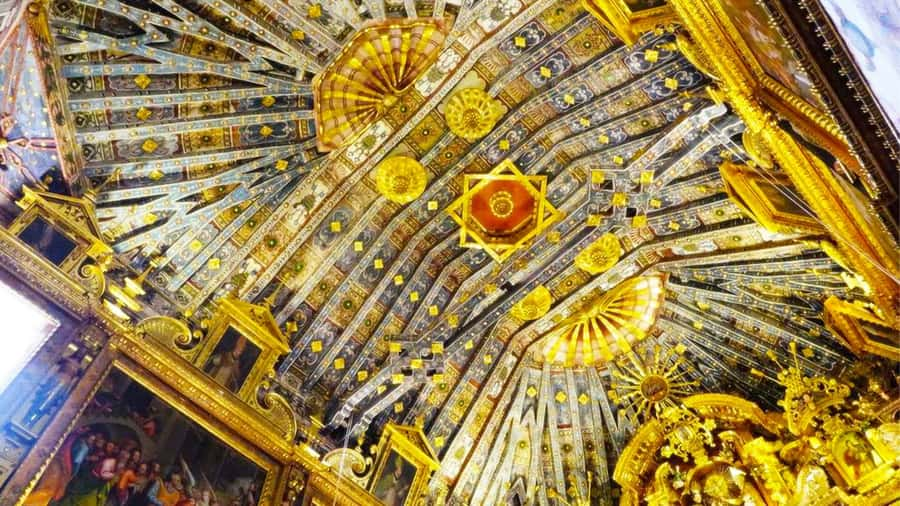
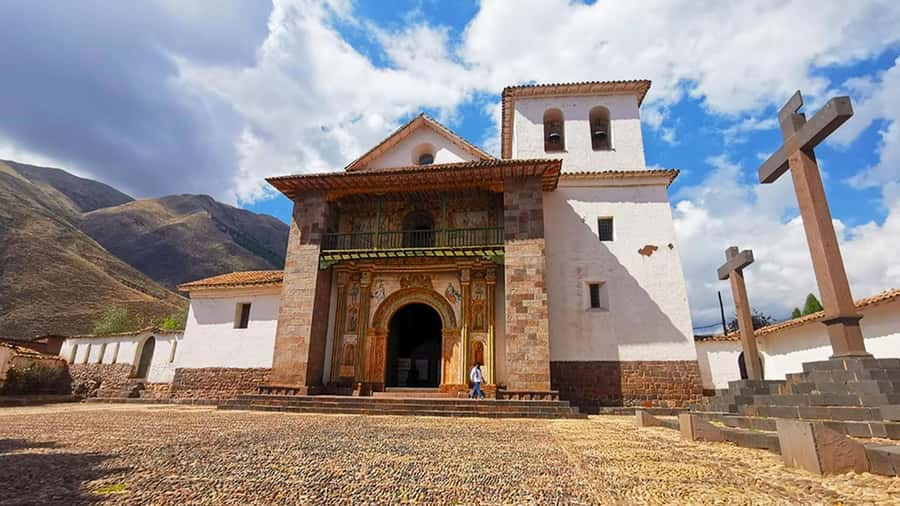
The final cultural stop is Andahuaylillas, home to the church often called the Sistine Chapel of the Andes. Its appeal is not size. It is the interior decoration, including murals, gold leaf work, and paintings connected with the Cusco school.
This church gives the route a different tone. Pucará represents an early highland culture, Raqchi presents Inca engineering and religion, and Andahuaylillas shows the artistic world that developed during the colonial period. In a single day, you move through several layers of Peruvian history.
You get a guided visit, photographs, and time to look around. The interior is the main reason to pay attention here. Look upward and across the walls rather than treating the stop as a quick church entrance. The murals and decorative work are what make the building memorable.
Some people may find the time here too short, particularly if they want to study the paintings. The tour has to reach Cusco, so the visit is designed as an introduction rather than an unhurried art inspection. If colonial church interiors are a major interest, you may want to return to similar sites with more time on another day.
The Coach and the Long Day on the Road
The bus is one of the strongest parts of this experience. Several people specifically praised its spacious, comfortable seats, and one person called it among the most comfortable buses they had used. That is important because the road portion takes up much of the day.
The itinerary description lists a short initial bus segment of about 40 minutes before the first stop, but the complete Puno to Cusco journey lasts around 10 hours. You should prepare for a long day sitting, even with the walks and stops.
A comfortable coach does not make the day short, but it makes it easier. You can rest between visits, look out at the changing highland scenery, and keep your luggage with you while the sightseeing is arranged around the transfer.
The service finishes in Cusco, followed by transfer from the private bus station to your hotel. That final hotel transfer is a useful touch. After leaving Puno early and visiting four sites, you do not need to arrange another taxi at the end.
Guides Make the Difference
The guide speaks English or Spanish, and the strongest comments about the experience focus on the guiding. Max has been singled out for his friendly manner, clear explanations, cultural insight, and willingness to answer questions. Another assessment praised his ability to give detailed information while still allowing enough free time.
That balance matters here. Too little explanation would reduce the stops to photo opportunities. Too much detail can leave you hurrying through the sites. One of the clear cautions about this trip is that long explanations can leave less time for independent viewing.
The group may be small, though group size is not fixed in the supplied details. A small group can make it easier to ask questions and follow the guide without a crowd around you. It may also help the day feel calmer.
I would tell you to decide in advance what matters most. If you want context, listen during the guide’s talk and accept a shorter independent visit. If you prefer your own pace, politely keep an eye on the time and make use of the free periods.
Who Should Book This Route
I would choose this trip if you need to get from Puno to Cusco and want the journey to carry cultural value. It suits you best if you like archaeology, highland scenery, colonial art, and organized transport.
It is also useful for first-time visitors who would rather have the major stops explained than work out every site alone. The included admissions, lunch, bilingual guide, and hotel transfers remove several small tasks from a complicated travel day.
You may want another option if you dislike fixed schedules or need extended time at museums and archaeological parks. Five stops, lunch, and a long road journey leave little room for lingering. The tour is about seeing a well-chosen series of places, not mastering each one.
Bring comfortable shoes, comfortable clothes, a camera, and cash. A warm layer is sensible for La Raya, and cash covers the small port tax and drinks. Wait at your Puno hotel lobby before pickup, then expect to arrive in Cusco after a long but carefully organized day.
Should You Book the $114 Route of the Sun?
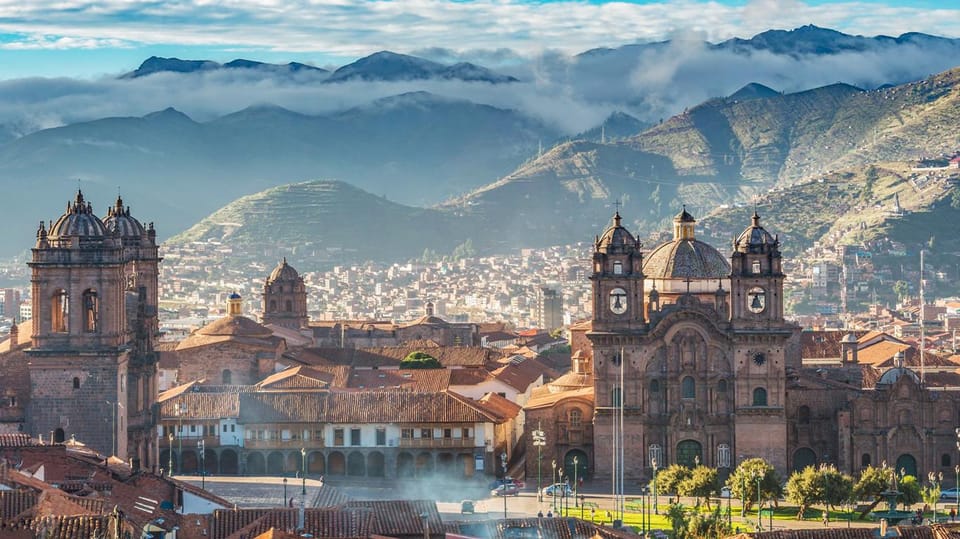
I would book it when the alternative is a plain Puno to Cusco transfer. The comfortable bus, included buffet, bilingual guide, admissions, and final hotel transfer give the $114 price solid practical value.
Book with realistic expectations. You will see Pucará, La Raya, Raqchi, and Andahuaylillas, but you will not have unlimited time at any of them. If you can accept brief visits and enjoy learning while you move, this is an efficient and rewarding way to cross southern Peru.
Free cancellation is available up to 24 hours before departure, and you can reserve now and pay later. The experience has an overall rating of 4.7 from 16 assessments, with especially strong praise for the coach, organization, punctuality, and guides.
FAQ
How long does the Puno to Cusco Route of the Sun take?
The trip lasts about 10 hours, including the bus ride, guided sightseeing stops, lunch, and the transfer to your Cusco hotel.
What time does pickup begin in Puno?
Pickup is scheduled for 6:00 AM. You should wait in your hotel lobby five minutes before the pickup time.
Where is the stated pickup location?
The pickup location provided for the experience is Av. Simon Bolivar 1671 in Puno. The driver will call at reception for you.
Which places do you visit?
The route includes the Lithic Museum of Pucará, Abra La Raya, Raqchi Archaeological Park, and the church in Andahuaylillas. It also includes a buffet lunch at a local restaurant.
Is lunch included?
Yes. The buffet includes national and regional food, starters, fresh vegetables, desserts, and hot drinks. Cold drinks are not included.
Is transportation to my Cusco hotel included?
Yes. The experience includes tourist transport from Puno to Cusco and a transfer from the private bus terminal in Cusco to your hotel.
What languages does the guide speak?
The live guide service is available in English and Spanish.
What should I bring?
Bring comfortable shoes, comfortable clothes, a camera, and cash. Cash is needed for the S/1.90 land port use tax and can be used for cold drinks, which are not included.
Added recently around Puno
- Uros Floating Islands Tour in Puno★ 3.7 · 9 reviews
- Two Day Lake Titicaca Tour With Homestay★ 3.7 · 6 reviews
- kayak uros mas conexión con isla Taquile★ 5.0 · 11 reviews
- 3 Hour Guided Kayaking Tour in Lake Titicaca★ 5.0 · 12 reviews
- Walking City tour Puno★ 4.5 · 12 reviews
- Uros Sunset Kayak Private Tour★ 5.0 · 5 reviews
- Uros Reed Floating Islands & Taquile Island Titicaca Puno Full Day★ 4.0 · 38 reviews
- Uyuni Express 3 days from Puno Copacabana and Isla del Sol★ 5.0 · 16 reviews
Puno Tours, compared.
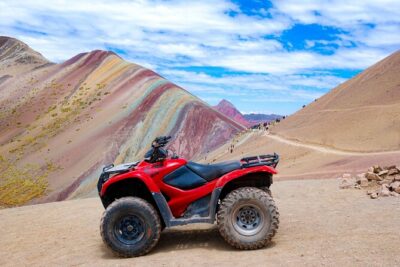
Vinicunca Rainbow Mountain ATV Tour with Meals
Read our review →
Tour to Uros and Taquile Islands in a Fast Boat
Read our review →
Uros and Taquile Islands on New and Comfortable SpeedBoat
Read our review →
Lake Titicaca (Day Trip) Uros & Taquile Islands
Read our review →
Lake Titicaca 2-Day Tour to Uros, Amantani and Taquile
Read our review →
Browse the lists this tour appears in