
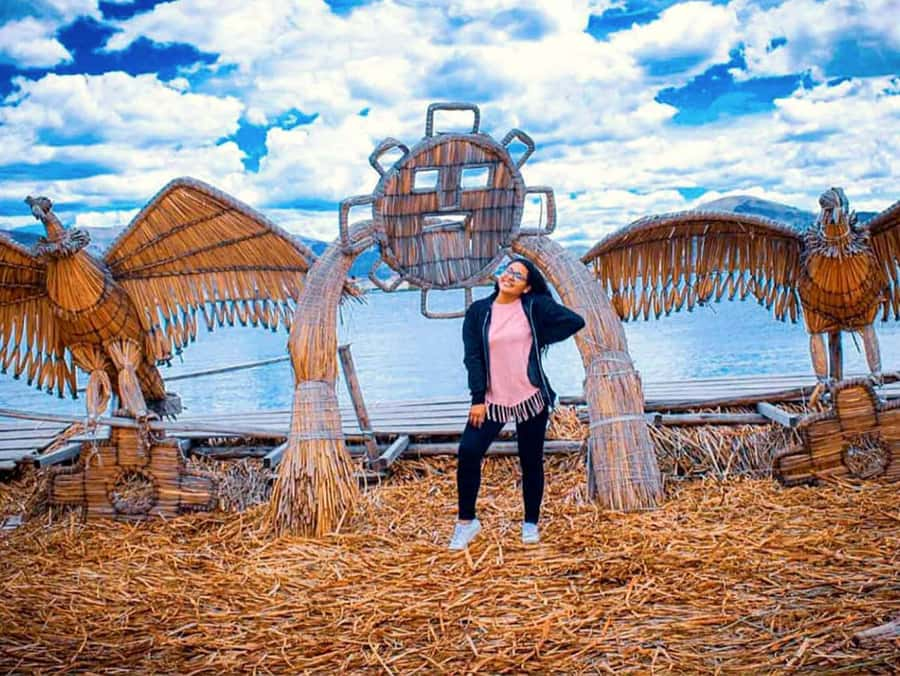
Reviewed · LAKE TITICACA TOURS
Uros Floating Islands Tour in Puno
Lake Titicaca starts at Puno’s doorstep. This four-hour Uros Floating Islands tour gives you an easy introduction to the lake, with hotel pickup, a motorboat ride, and a guided look at how families build and maintain islands from totora reeds. I like the short travel time, only about 30 minutes each way, and I like that the visit includes local explanations about daily life, fishing, festivals, crafts, and island construction. The main drawback is the sales pressure reported during the visit, especially around crafts and the extra reed-boat ride.
I also like the low $13 price, which covers transport, admission, and a guide in English or Spanish. But you should not treat that price as the full cost of the outing until you confirm the reed-boat charge. The activity is advertised as four hours, yet one booking finished in about three hours, so keep your schedule flexible afterward.
In This Review
- Key points to know before you go
- Why the Uros Islands are worth seeing
- From your Puno hotel to the port
- Thirty minutes across Lake Titicaca
- Meeting the families on the reed islands
- The extra reed-boat ride
- The return to Puno
- Is $13 good value?
- Guide language and the quality of the explanation
- Who should book this tour?
- What to bring and how to prepare
- Should you book the Uros Floating Islands Tour?
- FAQ
- How long does the Uros Floating Islands Tour last?
- Where can pickup take place?
- How long is the boat ride to the Uros Islands?
- Is the traditional reed-boat ride included?
- Is lunch included?
- What languages are available for the guided tour?
- Can I cancel or change the booking?
Key points to know before you go
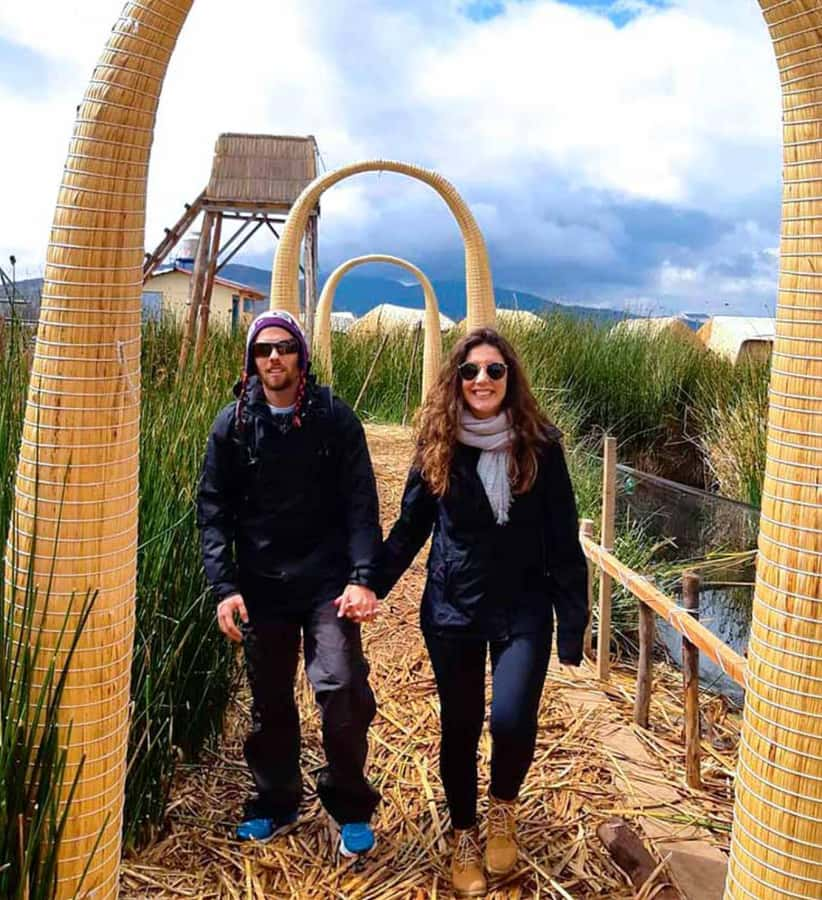
- Lake Titicaca sits at 3,812 meters: Expect strong sun, cool air, and wide views during the boat ride.
- The first boat trip takes about 30 minutes: You cover roughly seven kilometers from Puno’s port to the Uros Islands.
- The island visit explains reed construction: Local families show how totora reeds form the island surface and support homes and public spaces.
- The traditional reed boat costs extra: It is described as optional, but some people have felt pressured to take it.
- Three departure times are offered: Pickup is listed at 8:45 am, 11:45 am, or 3:30 pm.
- English service can vary: Confirm the guide’s language ability if the cultural explanation is central to your plans.
Why the Uros Islands are worth seeing

The Uros Islands are not natural islands. They are built from totora reeds, the tall lake plants that grow around Lake Titicaca. The island communities use these reeds in practical ways, from the ground beneath your feet to boats, homes, and other structures.
That construction is the heart of this excursion. You are not simply looking at floating patches of vegetation. You are seeing a living system that needs regular care, repair, and replacement. The local presentation explains how the islands were made and how families use the lake for fishing and transport.
I find this more useful than a quick photo stop because it gives you a reason to look closely. Notice the layered reed surface underfoot. Look at the boats and buildings. Ask how the reeds are gathered and replaced. The tour is short, but the subject is unusual and memorable.
The visit also covers customs, festivities, crafts, fishing methods, and everyday life. These subjects help put the physical island into context. Without that explanation, you might see only a colorful set of reed platforms and souvenir stalls.
Keep your expectations realistic. This is a planned cultural visit, not an unstructured chance to wander into private homes. The island communities receive organized boat visits, and the presentation is part of that arrangement. You can still learn something worthwhile, but you should understand that the experience has a tourism side as well as a cultural one.
More of Lake Titicaca by boat:
- From Puno: Uros, Amantaní & Taquile Islands 2-Day Tour
★ 4.5 · 452 reviews - Tour to Uros and Taquile Islands in a Fast Boat
★ 5.0 · 419 reviews - From Puno: Floating Islands of the Uros Half-Day Tour
★ 4.4 · 394 reviews
From your Puno hotel to the port
The outing begins with pickup from a hotel in central Puno, the city’s Main Square, or the bus terminal. A tourist van takes you to the port, with the road transfer listed at about 20 minutes.
This pickup arrangement is useful if you have just arrived in Puno or prefer not to find the port on your own. If you are staying outside the central tourist area, do not assume door-to-door service. Confirm the meeting point before departure.
Timing deserves attention. The listed departure choices are 8:45 am, 11:45 am, and 3:30 pm, with return times around noon, 3 pm, or 6 pm. Those times give you a little control over your day, but the afternoon departure leaves less daylight for anything else after the tour.
One pickup was reported as 40 minutes late, followed by a hurried transfer to catch the boat. That does not mean every departure will run late, but it is a good reason to avoid booking a tight bus connection or another timed activity immediately afterward. If you are catching a long-distance bus, allow a generous cushion.
At the port, you board a motorboat for the ride to the islands. The tour includes the boat transport and the return trip, so you do not need to arrange a separate lake transfer.
Thirty minutes across Lake Titicaca
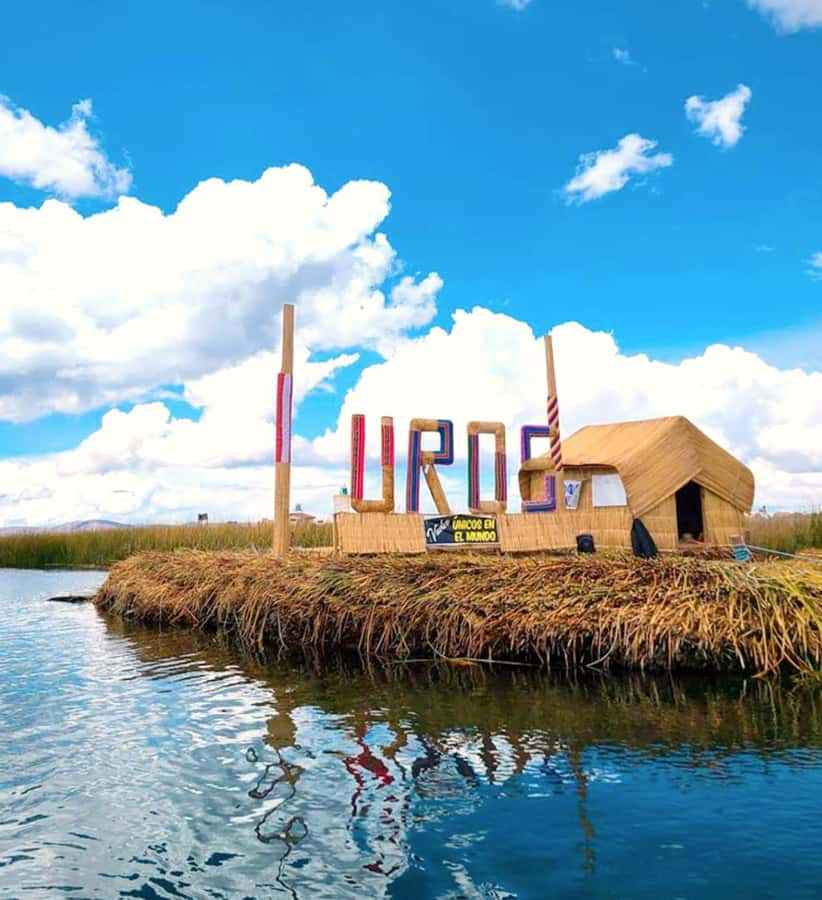
The motorboat ride to the Uros Islands takes about 30 minutes and covers roughly seven kilometers. That is a fairly gentle introduction to Lake Titicaca, with enough time to watch Puno recede and take photographs without spending most of the day in transit.
The lake is at 3,812 meters above sea level, and that height affects how the ride feels. Sun exposure can be fierce, even when the air feels cool. Bring sunglasses, a hat, sunscreen, and a jacket or rain layer. The supplied advice to carry rain gear is sensible because conditions can change.
You should also bring a camera, but keep your attention on the ride itself. The open views are one of the strongest parts of the trip. From the boat, the lake feels broad and calm, and the distance between the city and the reed communities becomes clear.
Comfortable clothing matters more than dressing up. You may move between the boat and the reed platform, and you will want clothes that work in sun, wind, and possible rain. Cash is important for optional costs, crafts, food, and drinks.
Meeting the families on the reed islands
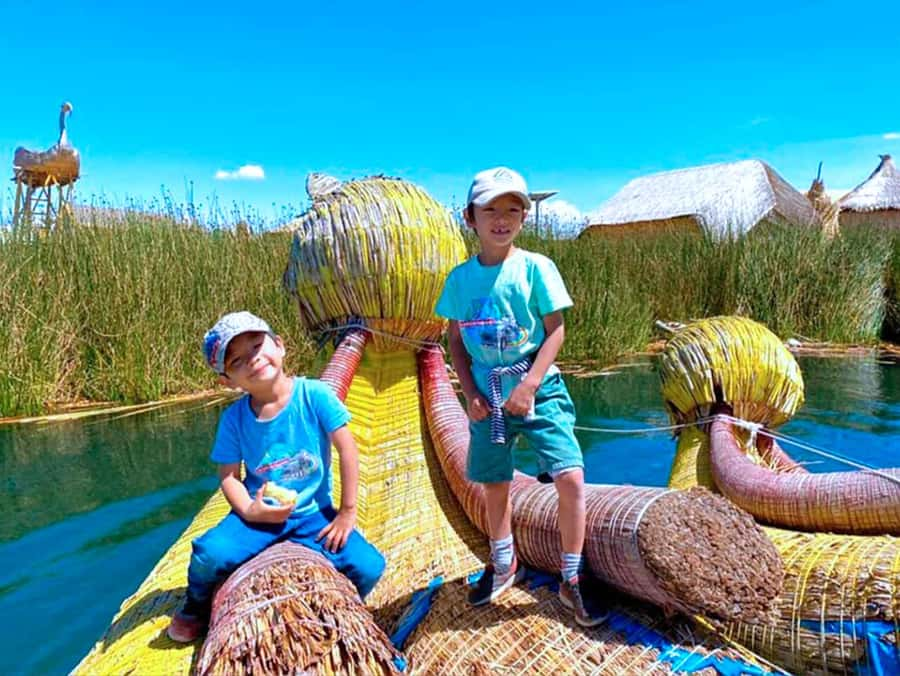
After the boat docks, local people welcome the group and explain their way of life. The guide helps connect the presentation to the wider setting, while families describe traditions and practical skills.
The strongest part of this stop is the construction explanation. You learn how the island surface is made from layers of reeds and how the community maintains it. This turns the visit into a lesson in engineering as well as culture. Totora is not decoration here. It is the material that makes the settlement possible.
You also have time for photographs. The contrast between the reed platforms, the open water, and the sky creates the kind of setting that works well in pictures. Ask permission before photographing people, especially during demonstrations or family presentations.
The island’s public spaces may include a main square, restaurants, cafés, and souvenir shops. These facilities make the visit easier, but they also show the commercial side of the experience. You should expect an organized stop with opportunities to buy local crafts.
That is where the main caution comes in. One account described strong pressure to purchase items, including guilt-based selling. Another described repeated requests for purchases and tips. You may want to support local makers, but you should feel free to decide what fits your budget and luggage.
A polite, firm no is enough. If you do want to buy something, ask the price before agreeing and carry only the cash you plan to spend. This helps you enjoy the cultural presentation without turning the visit into an unexpected shopping trip.
A few more Puno trips worth lining up side by side
- From Cusco: Vinicunca Rainbow Mountain ATV Tour with Meals
★ 4.6 · 1,060 reviews - Uros and Taquile Islands on New and Comfortable SpeedBoat
★ 4.5 · 254 reviews - Lake Titicaca (Day Trip) Uros & Taquile Islands
★ 4.5 · 245 reviews - Lake Titicaca 2-Day Tour to Uros, Amantani and Taquile
★ 4.4 · 199 reviews
The extra reed-boat ride
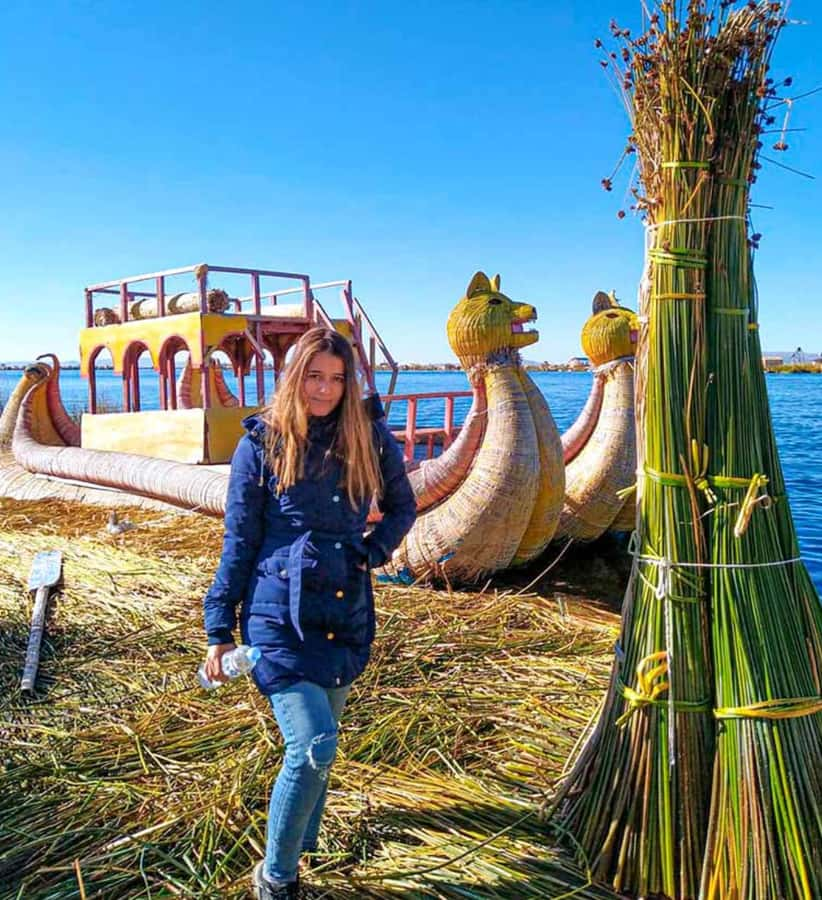
The traditional reed boat ride is listed as optional and lasts about 20 minutes. You travel across the lake in a boat made from totora, then reach the island’s main square, where restaurants, cafés, and souvenir shops are located.
This can be a fun addition if you want a closer look at the boats and a second kind of lake transport. It also gives you another short ride and another chance to take photographs.
The important point is cost. The reed boat is not included in the $13 tour price. Some people have felt that the supposedly optional ride was presented as something they had to do. Before leaving Puno, ask the guide or operator two clear questions: Is the ride genuinely optional, and exactly how much does it cost?
If the answer is unclear, you can choose to remain on the island or return by the included motorboat, depending on the group arrangement. Get that detail settled before boarding. A low-cost tour can stop feeling like a bargain when small extras become difficult to refuse.
The main square may also bring more requests for purchases or tips. Carrying cash is useful, but you do not need to spend it simply because an activity is offered.
The return to Puno
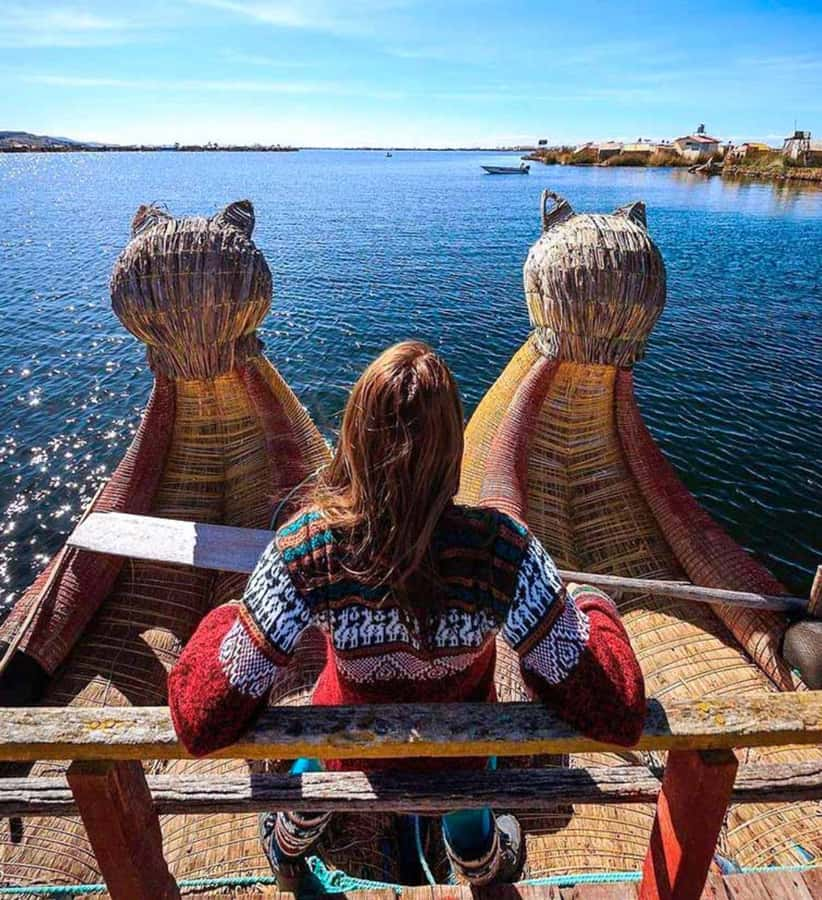
After the island visit and any optional boat ride, you return by motorboat. The return crossing takes another 30 minutes, followed by tourist transport from the port to your hotel, the Main Square, or another agreed central drop-off point.
The advertised total duration is three to four hours, although the main schedule presents it as four hours. One person found the actual outing closer to three hours. Treat the time as an estimate rather than a promise.
That shorter duration can be a benefit if you have limited time in Puno. You can see one of the area’s best-known sights without losing a full day. It can also be a weakness if you expect a slow, detailed cultural program with long conversations and plenty of free time.
I would avoid placing this tour directly before a bus departure. Pickup delays, loading time, weather, and traffic in Puno can all affect the return. The included drop-off is convenient, but it does not remove the need for a time cushion.
Is $13 good value?

At $13 per person, this tour offers strong basic value. The price includes central hotel pickup, transport to the port, the motorboat to and from the islands, admission, a professional English or Spanish guide, and return transport within the city.
You are paying for a compact introduction rather than an all-day expedition. If you have only one day in Puno, the low price and short duration make it a practical choice.
The value becomes less clear if you add the reed-boat ride, buy crafts, pay tips, or purchase food and drinks. Lunch, snacks, and drinks are not included. Bring cash for these possible expenses, but set your spending limit before you go.
The tour also includes a first aid kit, free cancellation up to 24 hours before departure, and the option to change the date. Those terms add flexibility, especially if your Puno schedule may shift. You can also reserve now and pay later, which helps if you are building a longer Peru trip.
The most serious value issue is not the extra charge itself. It is the risk of feeling pushed into paying it. Ask for the total expected cost before departure, and you will be better placed to judge whether the outing suits your budget.
Guide language and the quality of the explanation
Guided commentary is available in English or Spanish. The guide should explain the island’s construction, local customs, fishing, crafts, and festivals.
If you understand Spanish, the experience may be easier to follow when the group is bilingual or when English explanations are brief. If you need English, confirm that an English-speaking guide will lead your departure. One booking reported that the guide spoke almost no English, making it difficult to understand the presentation.
That matters here because the cultural explanation is the main reason to visit. The boat ride and photographs are pleasant, but they do not explain how the islands work. A weak guide can reduce the visit to a short stop followed by shopping.
The guide is also the person who should explain optional charges and keep the schedule clear. Ask at the start how long you will spend on the island, whether the reed boat costs extra, and where you should meet for the return.
Who should book this tour?
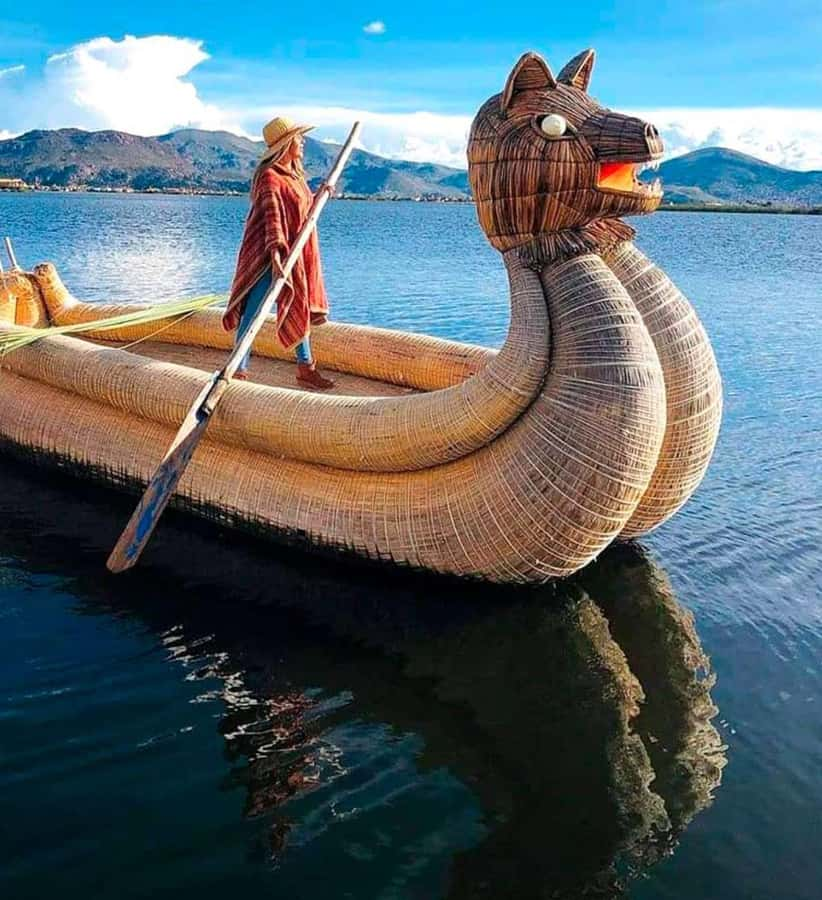
I would recommend it to you if you want a short, inexpensive introduction to Lake Titicaca and the Uros communities. It suits first-time visitors to Puno, people with limited time, and anyone who prefers included transport rather than arranging the port independently.
Families may appreciate the simple logistics and the visual appeal of the reed islands. Photographers will enjoy the open water and unusual construction. The tour also works well as a half-day activity before or after another Puno plan, provided you leave room for delays.
I would be more cautious if you want a quiet, independent cultural encounter. The visit follows an organized route and includes commercial stops. You may also dislike the experience if you are uncomfortable with sales pitches, extra fees, or frequent requests for purchases and tips.
People who need careful English interpretation should confirm the guide arrangement before booking. If you are taking a bus later the same day, choose a departure that gives you plenty of spare time.
What to bring and how to prepare
Pack light, but do not leave out the basics. You should bring:
- Passport
- Sunglasses and a sun hat
- Sunscreen
- Camera
- Comfortable clothing
- A rain jacket or other rain gear
- Cash for optional costs, food, drinks, crafts, and tips
At high altitude, sun and wind can catch you off guard. A jacket may feel unnecessary in the morning and welcome later. Keep your passport and cash secure, and carry enough small money for planned purchases without bringing more than you need.
Most of all, prepare your expectations. The tour offers a brief cultural introduction, not a full day with an Uros family. Go ready to listen, ask respectful questions, take photographs with permission, and decide for yourself what you want to buy.
Should you book the Uros Floating Islands Tour?
Book it if you want an affordable, easy four-hour visit with transport from Puno and a clear introduction to reed-island construction. The included motorboat, central pickup, and short travel time make it good value at $13, especially for a first visit.
Before paying, confirm three details: the actual tour length, the English guide arrangement, and the exact price and status of the reed-boat ride. If you want to avoid sales pressure, say so early and keep your spending limit firm.
I would book this as a practical first look at Lake Titicaca, not as a relaxed or fully independent cultural experience. With realistic expectations and a little cash planning, it can be a memorable half-day on the lake.
FAQ
How long does the Uros Floating Islands Tour last?
The tour is scheduled for about four hours, with some departures finishing in around three hours. The listed return times are approximately noon, 3 pm, and 6 pm, depending on your departure.
Where can pickup take place?
Pickup is available from a hotel in Puno’s central tourist area, the Main Square, or the bus terminal. Transport then takes you to the port.
How long is the boat ride to the Uros Islands?
The motorboat ride from the port to the islands takes about 30 minutes and covers roughly seven kilometers.
Is the traditional reed-boat ride included?
No. The reed-boat ride is not included in the tour price and is listed as optional. Confirm the extra cost and whether you can decline it before the activity begins.
Is lunch included?
No. Lunch, snacks, and drinks are not included. Restaurants and cafés are available at the island’s main square, so bring cash if you plan to buy something.
What languages are available for the guided tour?
The tour offers live guiding in English or Spanish. Confirm the language for your specific departure, since English ability may vary.
Can I cancel or change the booking?
You can cancel up to 24 hours in advance for a full refund. The booking also allows you to reserve now and pay later and provides an option to change the tour date.
Added recently around Puno
- Two Day Lake Titicaca Tour With Homestay★ 3.7 · 6 reviews
- TRIP FROM PUNO TO CUSCO WITH THE ROUTE OF THE SUN★ 4.7 · 16 reviews
- kayak uros mas conexión con isla Taquile★ 5.0 · 11 reviews
- 3 Hour Guided Kayaking Tour in Lake Titicaca★ 5.0 · 12 reviews
- Walking City tour Puno★ 4.5 · 12 reviews
- Uros Sunset Kayak Private Tour★ 5.0 · 5 reviews
- Uros Reed Floating Islands & Taquile Island Titicaca Puno Full Day★ 4.0 · 38 reviews
- Uyuni Express 3 days from Puno Copacabana and Isla del Sol★ 5.0 · 16 reviews
Lake Titicaca Tours, compared.
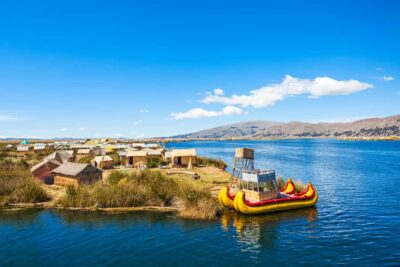

Tour to Uros and Taquile Islands in a Fast Boat
Read our review →

Uros and Taquile Islands on New and Comfortable SpeedBoat
Read our review →
Lake Titicaca (Day Trip) Uros & Taquile Islands
Read our review →
Lake Titicaca 2-Day Tour to Uros, Amantani and Taquile
Read our review →

Full-Day Tour of Lake Titicaca and Uros & Taquile
Read our review →Browse the lists this tour appears in