
Reviewed · MACHU PICCHU TOURS
Ultimate Salkantay Trek to Machu Picchu 5 Days
Five days can change your idea of Peru. This Salkantay trek links high mountain passes, turquoise Humantay Lake, cloud forest, coffee farms, and Machu Picchu in one well-organized route. I especially like the small maximum group of 16 and the thoughtful mix of camping, local food, transport, and guiding. The main drawback is the physical demand, particularly the high altitude and long downhill sections.
I also like that your guide and support crew handle the hard logistics, from horses carrying a 7-kilogram duffle to meals, camps, buses, and the final train. Guide Manolo and crew members Raymundo, Rosalio, and Elario received especially warm praise for their care and local explanations. Still, you need good fitness, a very early start, and tolerance for basic mountain conditions.
In This Review
- Key points to know before booking
- Why the Salkantay route is worth five demanding days
- Day one: Humantay Lake and the first altitude test
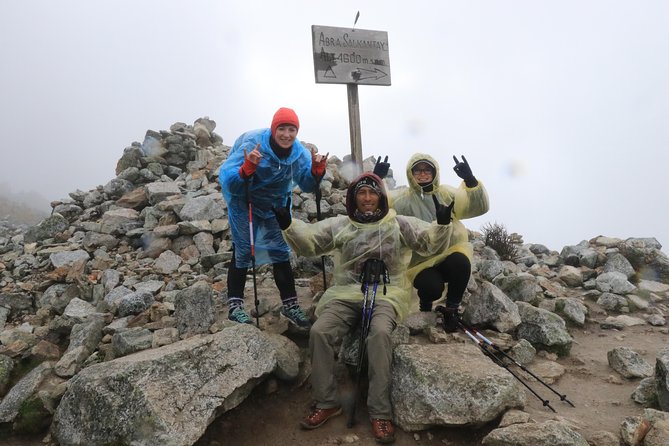
- Day two: Salkantay Pass at 4,630 meters
- Day three: Pachamanca, coffee, and Llaqtapata
- Day four: Sunrise at Llaqtapata and the railway walk
- Day five: Machu Picchu before the crowds
- What the $698 price really covers
- Food, camps, and the support crew
- Fitness, altitude, and timing
- Who should book this Salkantay trek?
- FAQ
- How long is the Salkantay trek to Machu Picchu?
- What time does pickup begin?
- What is the highest point on the trek?
- Is Humantay Lake included?
- Are meals included?
- Is accommodation included?
- Are Huayna Picchu and Machu Picchu Mountain included?
- Should you book it?
Key points to know before booking
- Humantay Lake begins the adventure: The first morning climbs from 3,800 meters to 4,200 meters, so altitude is part of the test from the start.
- Salkantay Pass reaches 4,630 meters: Day two is the toughest day, with a major ascent followed by a long downhill walk.
- Pachamanca and coffee add local flavor: You help with an underground cooking demonstration and visit an organic coffee farm near Lucmabamba.
- Llaqtapata gives you a different Machu Picchu view: The Inca site faces Machu Picchu from across the valley and makes sunrise especially appealing.
- The price covers most major costs: At $698 per person, you get guides, meals, camps, hotel, entrances, buses, horses, and the return train.
- Machu Picchu comes on day five: Your guide leads a two to three hour visit, then you have time to explore before returning toward Cusco.
Why the Salkantay route is worth five demanding days
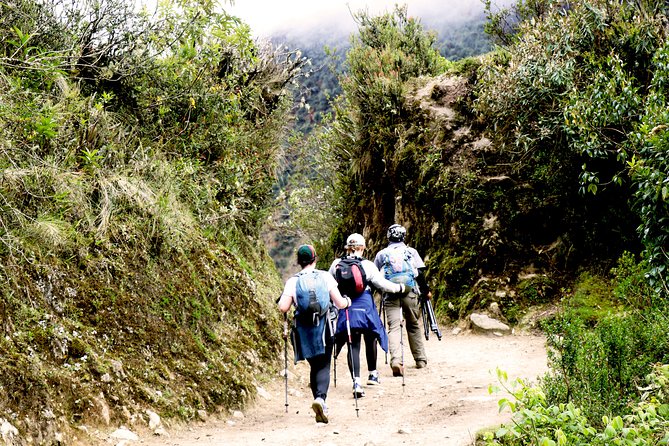
The Salkantay route is a good choice if you want Machu Picchu to feel like the reward at the end of a real journey, not simply a site reached by train. Over five days, the route changes quickly from cold highlands to warmer cloud forest, with huge differences in altitude, weather, plants, and wildlife.
You begin near Soraypampa at 3,800 meters, climb above 4,000 meters, and later descend to Lucmabamba at about 2,000 meters. That change is the heart of the trek, but it also explains why you need to pack for several climates. Sun, cold, rain, and changing temperatures can all be part of the same day.
The tour is especially useful if planning the route yourself feels like too much work. Transportation from Cusco, mountain camps, meals, porters, horses, the Machu Picchu entrance, buses, and the final panoramic train are arranged for you. You still do the walking, but you do not spend your trip solving transport and accommodation puzzles.
More Hiking Tours in Cusco
- Classic Inca Trail Trek 4D/3N to Machu Picchu (Group Service)
★ 5.0 · 8,653 reviews - Machu Picchu: 4-Day Inca Trail Trek with Panoramic Train Ride
★ 5.0 · 4,568 reviews - Salkantay Classic Trek 5 Days from Cusco
★ 5.0 · 4,062 reviews
Day one: Humantay Lake and the first altitude test
The day starts with hotel pickup at 4:30 am. You drive to Soraypampa, arriving around 8:30 am, then eat breakfast before beginning the trek. The early departure is not optional in spirit, since the route has a lot to cover and the first walk begins high above sea level.
The climb to Humantay Lake takes about two hours. At 4,200 meters, the turquoise water and surrounding peaks make a strong first stop, but the altitude can make this short hike feel much harder than the distance suggests. You should walk slowly, drink water, and avoid treating the first morning like a race.
After spending time by the lake, you continue toward lunch. Meals use organic ingredients from the area, and the support team includes cooks, porters, and horsemen. That matters here because you can focus on walking while the crew manages food and camp supplies.
The day continues with another two-hour climb toward the Salkantay area. Along the way, you might see Andean geese, deer, and vizcachas, small animals that resemble rabbits. The planned walking time is about six hours, but the combination of altitude and uphill sections makes day one a serious introduction.
Day two: Salkantay Pass at 4,630 meters
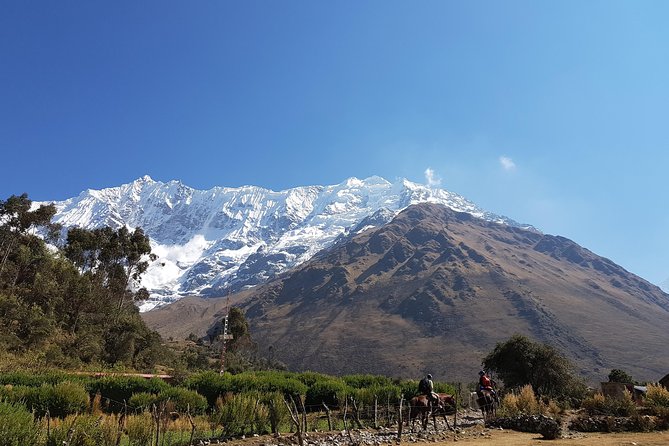
Day two is the physical center of the trek. You wake early with coffee or coca tea and look toward some of Peru’s highest mountains before setting out for Salkantay Pass, the highest point at 4,630 meters.
At the summit, the route gives you time to stop and take in the mountain views, including a lake beneath the peak. This is where the effort pays off, but it is also where altitude can affect your pace. The provided fitness guidance calls for a moderate level, yet I would treat that as a minimum rather than a guarantee of ease.
The route then drops for about three hours to lunch at Wayracmachay, at roughly 3,800 meters. The downhill sounds easier than the climb, but it can be rough on your knees. One participant specifically found the descent difficult and considered quitting, a useful warning for anyone who dislikes long downhill walks.
After lunch, you descend from the highlands into cloud forest. The change in temperature and weather can happen quickly, so keep a rain layer and warm clothing easy to reach rather than buried in your main luggage. Day two takes about eight hours and is likely the hardest day of the five.
Day three: Pachamanca, coffee, and Llaqtapata
Day three shifts the mood. After breakfast, you make your way to Lucmabamba at about 2,000 meters. The lower altitude brings a warmer setting and a different feel from the cold pass above.
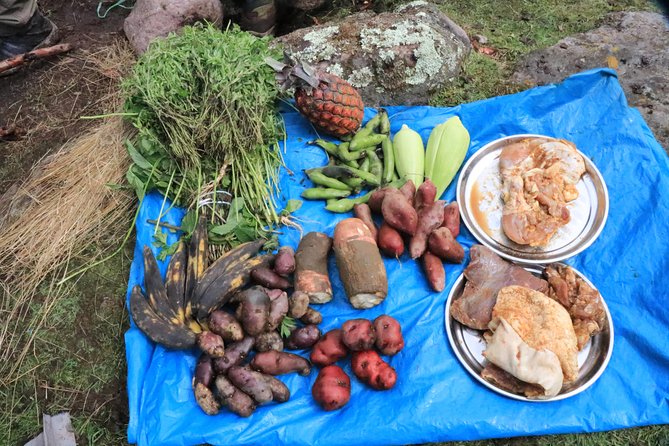
The special meal is pachamanca, an Andean cooking method that uses an underground oven. You take part in the preparation rather than simply sitting down to eat. This gives the meal a cultural setting that a standard restaurant stop cannot provide, and it connects the food to local farming traditions without turning the day into a museum visit.
You also visit an organic coffee farm and prepare coffee yourself. For many people, this will be one of the most memorable details of the trek because it adds a direct connection to a local product. It is a welcome change after two demanding mountain days.
After lunch, the route climbs for about three hours along an old Inca trail to Llaqtapata. The ruins sit across from Machu Picchu, giving you a striking preview of the destination before you reach it. The day includes about six hours of walking, and the campsite is reached later in the afternoon.
Llaqtapata is quieter and more isolated than Machu Picchu. The setting lets you appreciate the relationship between Inca sites and the surrounding mountains, though you should not expect the same scale or restoration as the main sanctuary.
Longer treks from Cusco:
- 4-Day Salkantay Trek with Sky Camp Stay
★ 5.0 · 3,346 reviews - Salkantay Trek 5D/4N with Glass Cabins, Domes and Hobbit House
★ 5.0 · 2,488 reviews - 5-Day Premium Salkantay Trek
★ 5.0 · 788 reviews - Lares Valley Trek with Hot Spring 4-Day, 3-Night
★ 5.0 · 656 reviews
Day four: Sunrise at Llaqtapata and the railway walk
If the weather cooperates, waking early at Llaqtapata is well worth it. You can sit and watch the sunrise over Machu Picchu before breakfast, a calmer moment than the busy morning you will have at the sanctuary itself.
From Llaqtapata, you walk downhill for about two hours to the hydroelectric station. A brunch stop gives you time to recover before the final three-hour walk to Aguas Calientes. The route follows the railway, a section connected with Hiram Bingham’s 1911 journey toward Machu Picchu.
This is not a grand mountain trail for the entire stretch, but it has its own appeal. You pass through warmer country where you might spot cock-of-the-rock birds, parrots, toucans, hummingbirds, and other local species. Keep your eyes open, but do not expect wildlife sightings to be guaranteed.
The railway walk can feel long after several days on foot. The reward is Aguas Calientes, where you spend the night in a three-star hotel instead of another mountain camp. That hotel night is a useful comfort break before the early Machu Picchu visit.
Day five: Machu Picchu before the crowds
The final morning begins early. You line up for the first buses at 5:30 am, then ride up to Machu Picchu with your guide. The early start is designed to help you enter before the busiest part of the day, although no timing can promise an empty site.
Your guided visit lasts about two to three hours. This is important because Machu Picchu can be confusing without context. Your guide explains the main areas, the Inca city, and the site’s setting before leaving you with time to explore on your own.
Huayna Picchu and Machu Picchu Mountain are not included. You need separate advance tickets if you want either climb, and availability can be limited. If one of these peaks matters to you, arrange it before the trek rather than hoping to add it at the gate.
After the visit, your guide explains how to take the bus back to Aguas Calientes. Lunch is not included, so budget for that meal. The return journey uses a Vistadome panoramic train followed by a bus toward Cusco, giving the trip a comfortable finish after the demanding walk.
What the $698 price really covers
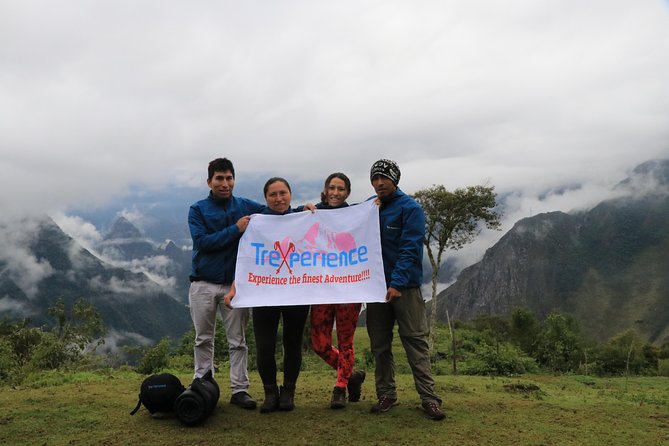
At $698 per person, this is not a bargain-basement trek, but the package includes a large amount of support. You receive hotel pickup, transportation throughout the route, professional mountain guides, cooks, porters, horsemen, three nights of camping equipment, one hotel night, all trek meals, entrance tickets, buses at Machu Picchu, and the return panoramic train.
The 7-kilogram duffle allowance is another practical benefit. Horses carry your personal items, while you keep a daypack with the things needed during the walk. Pack carefully, since the allowance is limited and the trek crosses several temperature zones.
Sleeping bags, trekking poles, and air mattresses are not included, though they can be rented from the operator. Huayna Picchu and Machu Picchu Mountain also cost extra. Add those items to your budget before deciding that the headline price covers everything.
The value is strongest for people who would otherwise need to arrange several separate services. You are paying not just for a guide, but for coordination across remote sections of Peru. The group limit of 16 also helps keep the trip more personal than a large coach-style outing.
Food, camps, and the support crew
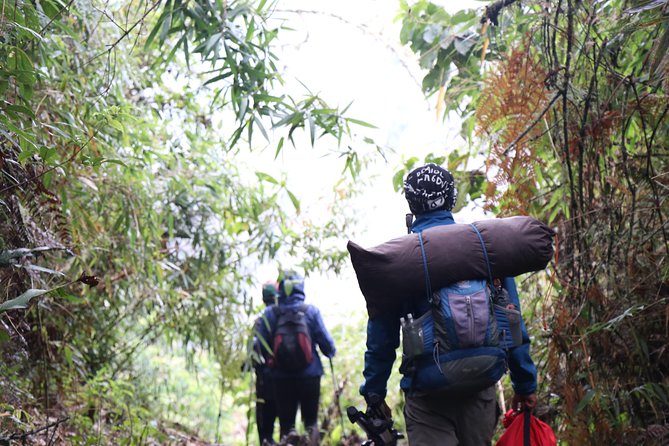
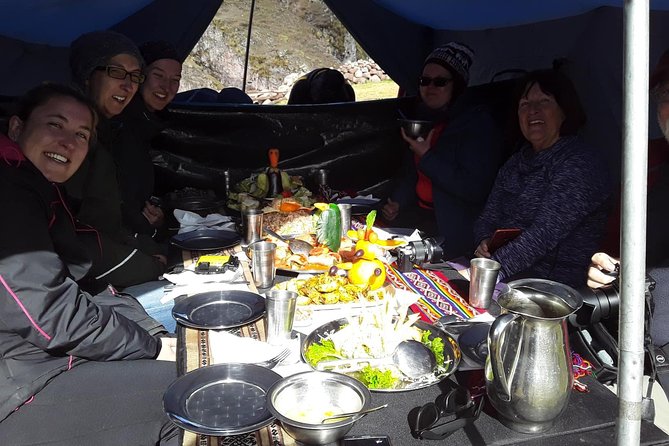
Food is a major part of the package. Meals use local organic ingredients, and the cooking team works along the route. The pachamanca demonstration and coffee visit give you more than standard trail meals, while breakfast, lunch, dinner, and brunch stops keep the walking schedule moving.
You camp for three nights in the mountains with comfortable equipment, then spend the fourth night in a three-star Aguas Calientes hotel. This mix makes sense. Camping keeps you close to the route, while the hotel provides a shower, bed, and reset before Machu Picchu.
The human side of the trip matters just as much as the equipment. Manolo, Raymundo, Rosalio, and Elario were praised for explaining local history and looking after the group. One French-speaking participant had trouble following some instructions and conversations, so ask about guide language if you are not comfortable in English or Spanish.
Dietary needs and vegetarian meals are possible, but you must advise the operator when booking. Children need to be accompanied by an adult, and every person must provide passport details at booking and carry a valid passport on the tour.
Fitness, altitude, and timing
You should be able to walk for six to eight hours on uneven mountain paths and handle repeated climbs and descents. The pass reaches 4,630 meters, while the route later drops to 2,000 meters, so altitude is not a minor detail.
The hardest combination is likely the second day: a high climb followed by a long downhill. Strong knees and steady pacing matter. Trekking poles can help, but they are not included, so rent them if you normally use support on descents.
The 4:30 am pickup and early starts on several days may test you as much as the walking. This is not a relaxed Cusco add-on. It is a structured mountain trip with early breakfasts, changing weather, and a firm schedule needed to reach Machu Picchu.
The tour has a 99 percent recommendation rate and a five-star score from 588 ratings. That level of approval fits the itinerary’s strengths: strong guides, good organization, memorable scenery, and a helpful support team. It does not remove the need to prepare for the altitude or the long downhill sections.
Who should book this Salkantay trek?
I would choose this tour if you want a full route to Machu Picchu with local meals, mountain camping, and a guide handling the details. It suits hikers who want more scenery and effort than the direct train route, but who do not want to organize horses, cooks, camps, transport, and tickets alone.
I would think twice if you want a soft adventure, dislike early mornings, or have trouble with altitude. The route is not technically described as extreme, but the elevation and eight-hour day require real stamina.
Book well ahead if you want Huayna Picchu or Machu Picchu Mountain. Also attend the required safety briefing at the operator’s office at 6:00 pm the day before departure. The experience is non-refundable if you cancel, but poor weather or an unmet minimum group can lead to a different date, a different experience, or a full refund.
FAQ
How long is the Salkantay trek to Machu Picchu?
The tour lasts approximately five days. Walking times range from about six hours on days one and three to eight hours on day two, with a shorter guided Machu Picchu visit on day five.
What time does pickup begin?
Pickup starts at 4:30 am from your hotel in the morning of the tour.
What is the highest point on the trek?
The highest point is Salkantay Pass at 4,630 meters, or about 15,190 feet.
Is Humantay Lake included?
Yes. Day one includes the guided walk to Humantay Lake, located at about 4,200 meters.
Are meals included?
All meals during the trek are included, using local organic ingredients. Lunch in Aguas Calientes on day five is not included.
Is accommodation included?
Yes. You spend three nights camping in the mountains with camping equipment and one night in a three-star hotel in Aguas Calientes.
Are Huayna Picchu and Machu Picchu Mountain included?
No. Tickets for Huayna Picchu and Machu Picchu Mountain are not included and must be booked in advance.
Should you book it?
Book this Salkantay trek if you want the long way to Machu Picchu, with high passes, local cooking, coffee, ruins, wildlife, and a strong support crew. The $698 price is reasonable for the number of services included, especially the camps, meals, entrances, buses, horses, hotel, and return train.
Skip it if you want an easy sightseeing trip. The route asks for stamina, patience, early starts, and comfort with basic mountain conditions. For prepared hikers, though, it offers a fuller connection to Peru than arriving at Machu Picchu by train alone.
More Hiking Days from Cusco
- Rainbow Mountain Full Day Trek
★ 5.0 · 1,469 reviews - Rainbow Mountain Day Trip from Cusco: Vinicunca Hiking Tour
★ 4.5 · 737 reviews - Inca Trail 4-Day 3-Night Trek to Machu Picchu with Expert Guides
★ 5.0 · 733 reviews - Humantay Lake Full Day Trek from Cusco with Lunch
★ 5.0 · 726 reviews
Other Ways to Reach Machu Picchu
- Short Inca Trail to Machu Picchu 2D/1N
★ 5.0 · 3,007 reviews - 2-Day Inca Trail to Machu Picchu with Panoramic Train
★ 5.0 · 1,876 reviews - From Cusco: Full-Day Group Tour of Machu Picchu
★ 4.7 · 1,767 reviews - Machu Picchu Day Trip from Cusco
★ 4.5 · 1,644 reviews
Added recently around Cusco
- Guided tour of the mountain of colors in Cusco★ 5.0 · 11 reviews
- 2-Day Private Short Inca Trail to Machu Picchu★ 5.0 · 15 reviews
- City Tour Cusco – Group★ 5.0 · 4 reviews
- Tour Sacred Valley with Maras and Moray★ 5.0 · 15 reviews
- San Pedro Market Tour with Peruvian Cooking Class★ 5.0 · 31 reviews
- Walking Culinary Experience★ 5.0 · 41 reviews
- City Tour in Cusco★ 4.5 · 10 reviews
- Rainbow Mountain Small-Group Full-Day Hike from Cusco with Meals★ 4.5 · 15 reviews
Machu Picchu Tours, compared.
Classic Inca Trail Trek 4D/3N to Machu Picchu (Group Service)
Read our review →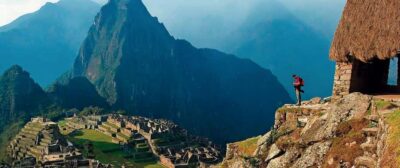
Machu Picchu: 4-Day Inca Trail Trek with Panoramic Train Ride
Read our review →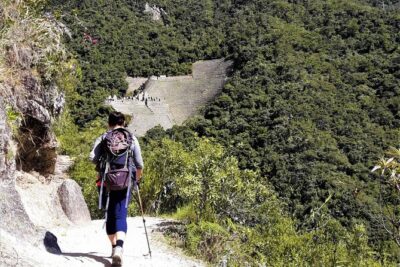
2-Day Inca Trail to Machu Picchu with Panoramic Train
Read our review →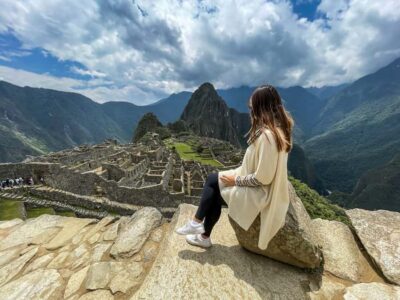
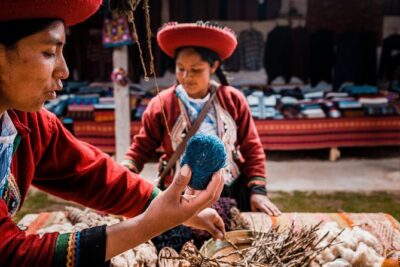
2-Day Tour: Sacred Valley and Machu Picchu by Train
Read our review →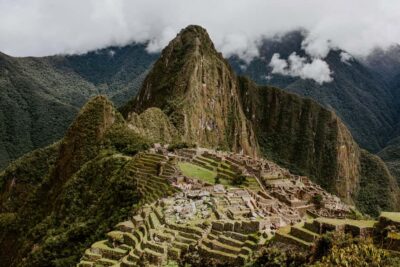
Machu Picchu: Full-Day Tour from Cusco with Optional Lunch
Read our review →Browse the lists this tour appears in