
Reviewed · MACHU PICCHU TOURS
2 Day Tour: Sacred Valley Cultural and Machu Picchu by train
The Sacred Valley sets the stage. This two-day trip links several of Peru’s finest Inca sites with an overnight stay in Aguas Calientes and a guided visit to Machu Picchu. I like the route for two clear reasons: it packs Chinchero, Moray, Maras, and Ollantaytambo into one well-planned first day, and it removes much of the transport stress with hotel pickup, private road transfers, train tickets, and a guide.
The main consideration is the pace. You leave Cusco at 7:30am, reach Aguas Calientes around 5 to 6pm, then visit Machu Picchu early the next day before returning to Cusco. The $399 price is fair for the amount of transport and organization included, but you still need to budget for lunch, dinner, and PEN90 per person for Moray, the Maras salt mines, and Ollantaytambo.
In This Review
- Key points to know before booking
- Why this two-day route works
- Chinchero and its living textile tradition
- Moray: Inca farming in concentric terraces
- Maras village and the taste of chicha
- Salineras de Maras and its thousands of salt pools
- Lunch in Urubamba, at your own expense
- Ollantaytambo, the final major site on day one
- The train to Aguas Calientes
- Machu Picchu with Circuit 2 requested first
- What the guides add to the visit
- Returning to Cusco by train and private vehicle
- Is $399 a good value?
- Who should book this tour?
- FAQ
- What time does the tour start?
- How long is the train ride to Aguas Calientes?
- Is a hotel night included?
- Is lunch included?
- Which Machu Picchu circuit is provided?
- Can the tour finish at Cusco airport?
- Should you book it?
Key points to know before booking
- Four Sacred Valley stops come before Machu Picchu: Chinchero, Moray, Maras, and Ollantaytambo each show a different side of Inca life.
- The first day is long but efficient: You travel by private, air-conditioned vehicle, then take the train from Ollantaytambo to Aguas Calientes.
- Machu Picchu Circuit 2 is requested first: If it is sold out, Circuit 1 or Circuit 3 is provided instead.
- The group is capped at 10 people: That is small enough for questions and easier movement at busy sites.
- Guide quality is a major strength: Luis, Bryan, Gary, Michael, and Efrain receive especially warm praise for history, humor, patience, English, and practical help.
- You can finish at Cusco airport: The return transfer can end at your hotel or at the airport.
Why this two-day route works
A short Machu Picchu visit can become a chain of tickets, bus rides, station changes, and hurried decisions. This tour gives you one company to handle the moving parts. You are collected at your Cusco hotel, driven through the Sacred Valley, taken to the correct train station, met in Aguas Calientes, guided to Machu Picchu, and returned to Cusco by private vehicle.
That structure is worth real money in Peru. The train departure, Machu Picchu entry time, bus connection, and return transfer all need to line up. You still have to keep an eye on your belongings and confirm details, but you are not left to solve every connection alone.
The group limit of 10 also matters. A small group usually makes it easier to hear the guide, ask about Inca construction, and keep the day moving. It does not make the itinerary leisurely. Day one is a full touring day, followed by a roughly two-hour train ride. Day two includes about three hours at Machu Picchu, lunch in Aguas Calientes, another train, and a road transfer to Cusco.
More Machu Picchu Tours in Sacred Valley
- 2-Day Tour: Sacred Valley and Machu Picchu by Train
★ 5.0 · 1,127 reviews - Sacred Valley & Machu Picchu 2D1N
★ 5.0 · 617 reviews - 6 Days Exploring Cusco, Sacred Valley & Machu Picchu
★ 5.0 · 470 reviews
Chinchero and its living textile tradition
Your first stop is Chinchero, after pickup from your hotel lobby at about 7:30am. The visit focuses on the Tupac Inca Yupanqui Royal House, where original Inca walls remain well preserved.
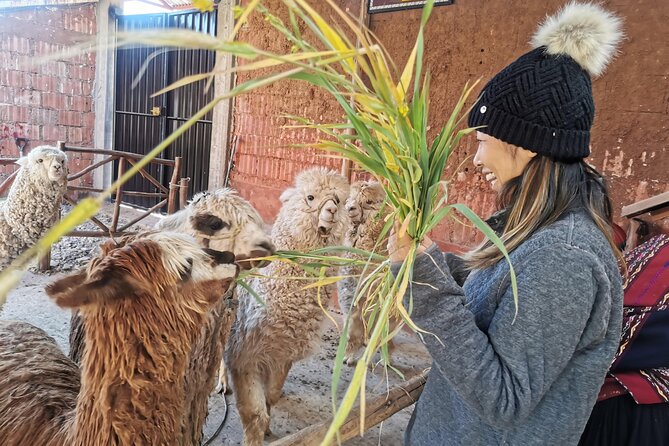
Chinchero also gives you a chance to meet local women wearing traditional clothing at a weaving or textile center. Llamas and alpacas may be part of the visit, adding a lighter touch to a morning otherwise focused on stonework and farming culture.
I like this opening because it brings present-day Andean life into the tour. You are not only looking at ruins. You are also seeing how clothing, weaving, animals, and local customs remain part of the region’s identity.
The stop lasts about one hour, so expect an introduction rather than an extended visit. If textile demonstrations are especially important to you, ask your guide how much time the group will have at the center. The admission ticket is included here.
Moray: Inca farming in concentric terraces
From Chinchero, the road continues toward Maras and then to Moray. The archaeological site is known for its large circular terraces, which descend in rings toward a central area.
The arrangement may have helped create different growing conditions at different levels. The center is described as warmer, with temperatures decreasing farther outward. This is why Moray is often linked to Inca agricultural experimentation.
The site visit lasts about 40 minutes. That is enough to see the terraces, hear the main explanation, and take photographs, but not enough for an unhurried archaeological study. I would listen closely to the guide here, because the shape of Moray is easy to appreciate but harder to understand without context.
Moray requires an additional admission payment. The stated combined charge for Moray, the Maras salt mines, and Ollantaytambo is PEN90 per person. Carry local currency if that is how the fee is collected, and confirm the exact payment arrangement before departure.
Maras village and the taste of chicha
The route includes a stop in Maras, where you can walk along typical streets and taste chicha, a corn-based drink associated with ceremonies during Inca times and still used for special occasions.
This is one of the more human parts of the day. Moray explains agriculture through stone terraces. Maras offers a small connection to food, drink, and local tradition. The stop is not presented as a long formal tasting, so think of it as a brief cultural encounter rather than a food tour.
The itinerary places Maras alongside Moray and the salt mines, making the three stops work as one cluster. You see how the area used water, soil, altitude, and local production. That variety helps break up a day that could otherwise become a parade of ruins.
Other ways to reach Machu Picchu:
- Classic Inca Trail Trek 4D/3N to Machu Picchu (Group Service)
★ 5.0 · 8,653 reviews - Machu Picchu: 4-Day Inca Trail Trek with Panoramic Train Ride
★ 5.0 · 4,568 reviews - Short Inca Trail to Machu Picchu 2D/1N
★ 5.0 · 3,007 reviews - 2-Day Inca Trail to Machu Picchu with Panoramic Train
★ 5.0 · 1,876 reviews
Salineras de Maras and its thousands of salt pools
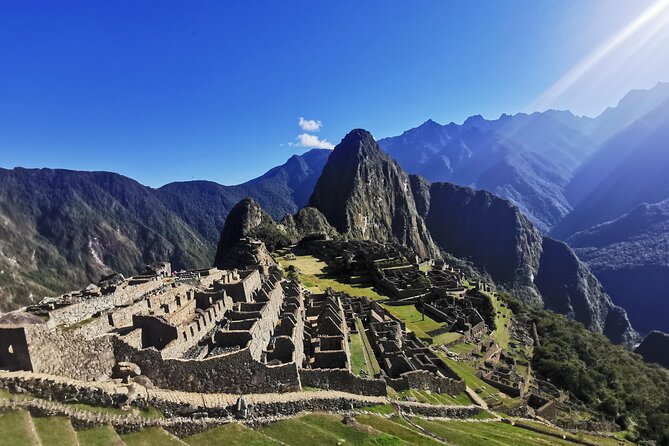
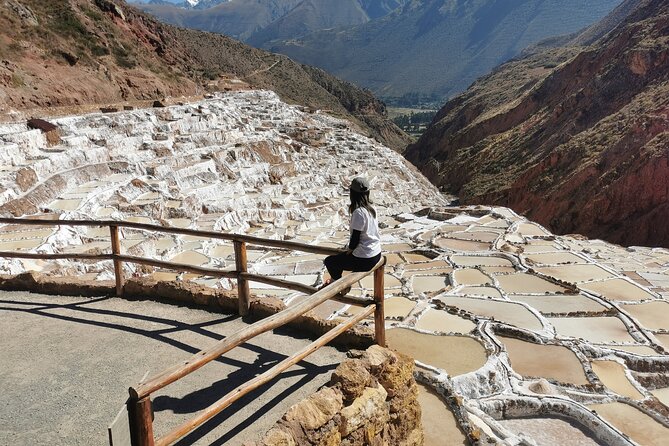
The Maras salt mines are made up of about 3,000 small pools built into the hillside. Salt is extracted by hand, and the system has been used since Inca times as both a source of production and a means of exchange.
The sight is very different from Moray. Instead of wide circular terraces, you get rows of small salt pans spreading across the slope. The best part is understanding that this is not simply an abandoned archaeological site. It remains an active craft and working system.
You have about 30 minutes here. That is enough for the main view and a basic explanation, but the visit will feel brief if you want to linger over every pool. The salt mines also require the extra admission payment mentioned above.
Because the route includes several places before lunch, wear shoes with a secure sole and bring water. Those are simple precautions for a day involving uneven ground, steps, and repeated stops.
Lunch in Urubamba, at your own expense
The group stops in Urubamba for lunch, with about 50 minutes set aside. Lunch is not included, so you pay for your own meal.
This pause comes at a useful point. By then you have visited Chinchero, Moray, Maras, and the salt mines, and you still have Ollantaytambo ahead. Fifty minutes is enough for a practical meal, but it is not a long restaurant break.
Ask your guide about the timing and food options that fit the schedule. The tour description does not specify a restaurant or menu, so you should not assume a particular dining experience is part of the package. Budget separately for lunch on both days, as well as dinner in Aguas Calientes.
Ollantaytambo, the final major site on day one
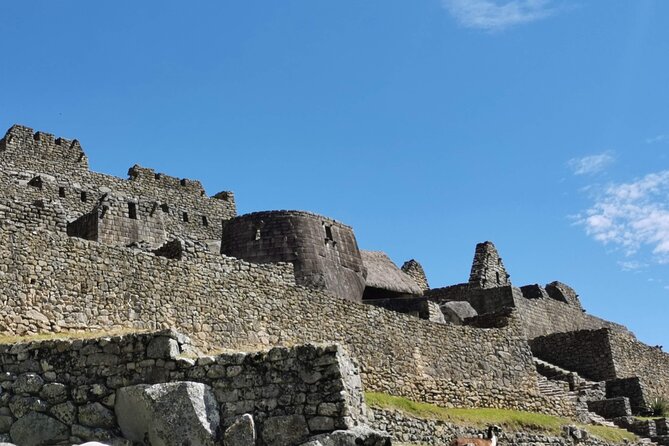
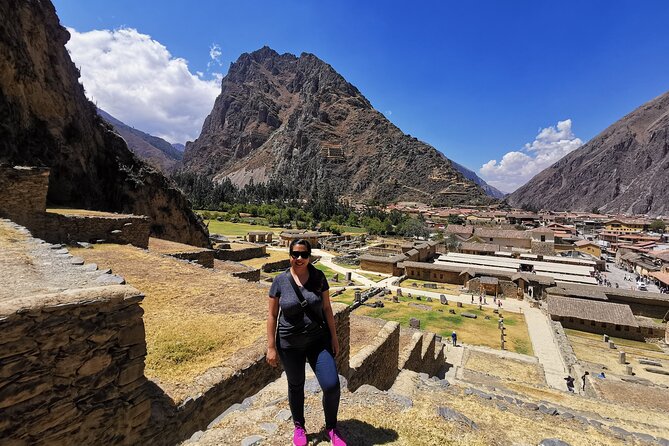
After lunch, you continue to Ollantaytambo, one of the most important Inca settlements in the Sacred Valley. The archaeological park includes major Inca constructions and a striking rock formation associated with the Inca god Wiracocha.
The visit lasts about one hour. Ollantaytambo is a strong choice for the final site because it connects directly to your train departure. You get an important historical stop without having to backtrack to another town.
This is also where the schedule becomes especially practical. After the visit, the vehicle takes you to the Ollantaytambo train station. The admission fee is not included, so remember the PEN90 total noted for Moray, Maras, and Ollantaytambo.
You should keep your train ticket and passport details easy to reach. The operator handles the transport, but you still need to board the correct train and keep track of personal documents.
The train to Aguas Calientes
The train from Ollantaytambo to Aguas Calientes takes about two hours. It follows the Sacred Valley and the Vilcanota River, giving you a quieter stretch after a busy day of archaeological visits.
You are expected to arrive in Aguas Calientes between 5 and 6pm. A hotel staff member meets you at the station and walks you to the hotel. After check-in, the rest of the evening is free.
One night in a 3-star hotel is included. The accommodation is functional rather than luxurious, and the short stay means the main benefit is convenience. You are already in Machu Picchu town for the next morning instead of making a long trip from Cusco before your visit.
Aguas Calientes is also where you can slow down for a little while. You may want dinner, a short walk, or time to buy local souvenirs. Since dinner is not included, plan for that expense.
Machu Picchu with Circuit 2 requested first
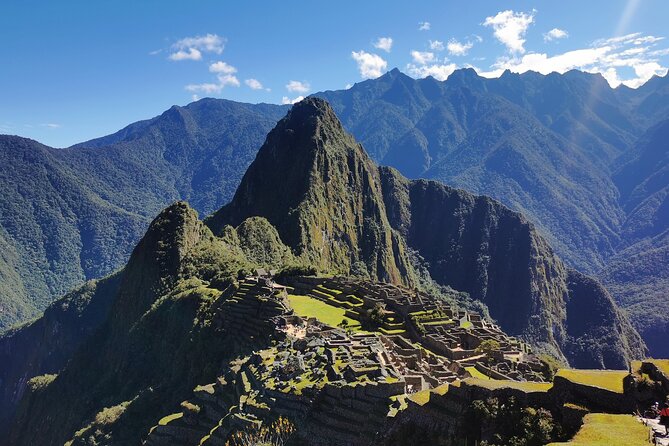
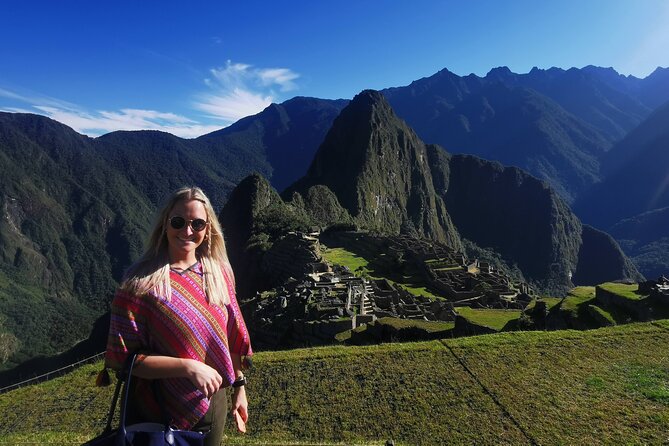
After breakfast, your guide meets you in the hotel lobby and walks with you to the bus station. The bus takes you up to Machu Picchu, where the guided visit lasts about three hours.
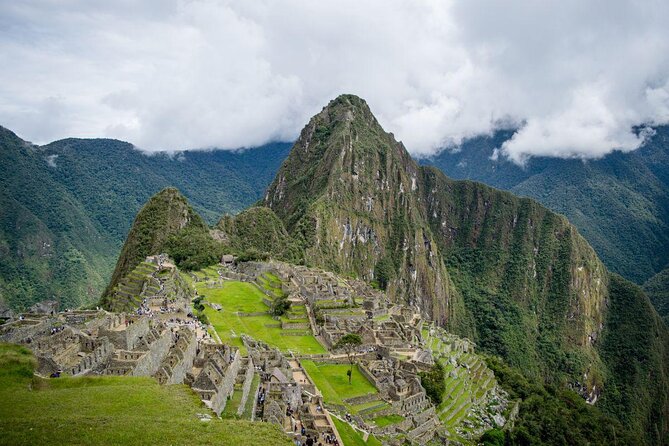
The guide covers the history, traditions, and questions surrounding the citadel. The experience is much stronger with a good guide than with photographs alone. The stone walls and terraces are impressive, but explanations help you see how the site fits into Inca planning and belief.
Circuit 2 is requested as the first choice when tickets are available. It is important to understand the ticket rule: Machu Picchu tickets are issued in real time using your passport details. If Circuit 2 has sold out when the booking is made, Circuit 1 or Circuit 3 is provided. Once issued, tickets cannot be changed or transferred.
This is the biggest point to clarify before you pay. You are not guaranteed Circuit 2, even though it is the preferred option. If a particular circuit matters greatly to you, ask the operator about current availability before finalizing the booking.
The guided visit is included, as is the Machu Picchu admission ticket. The bus ride up is described as part of the morning arrangements, with your guide leading you from the hotel to the station.
What the guides add to the visit
The guide is one of the most praised parts of this experience, but the exact person assigned can vary. Several guide names appear in the feedback, each associated with a different strength.
Luis is praised for answering detailed questions and explaining where archaeological evidence and historical theories differ. That is useful at Machu Picchu, where some popular explanations are repeated as fact even when scholars disagree.
Bryan is noted for excellent English, helping the group through crowds, finding good photo spots, and taking pictures. Gary is repeatedly described as patient, enthusiastic, and clear in English. Efrain receives special praise for taking time with the history of Maras and Moray.
Michael is remembered for humor, strong knowledge of Inca culture, and careful attention to an older family member’s needs. That suggests the company can provide a warm and flexible guiding style, although you should not assume a specific guide unless the company confirms one.
The published rating is 4.9 from 20 ratings, with 100 percent recommending the experience. That is a strong record, but a small sample. I would treat it as a useful sign of consistent service rather than a guarantee that every guide will match your preferred style.
Returning to Cusco by train and private vehicle
After the Machu Picchu visit, you take the bus back to Aguas Calientes for lunch and free time. Lunch is not included. You then board the train to Ollantaytambo, with the ride taking about one and a half hours.
At Ollantaytambo, a representative waits at the general exit gate with a sign showing your name. From there, private transport takes you back to your Cusco hotel, with arrival expected between 5 and 6pm.
The tour can also end at Cusco airport. This is useful if your flight leaves after the stated arrival window, but you should check the timing carefully. The tour description gives an expected arrival range, not a firm guarantee, and road conditions can affect the return.
Is $399 a good value?
At $399 per person, the tour includes a lot for two days:
- One night in a 3-star hotel
- Breakfast
- Machu Picchu admission
- Train tickets based on the option selected
- A licensed guide
- Air-conditioned private transport
- Hotel pickup and drop-off
- The two-day program
You still pay for lunch, dinner, and PEN90 per person for Moray, Maras, and Ollantaytambo. Tips are optional. Airfare is not included.
The value is strongest if you want a guided trip with transport handled from Cusco through Machu Picchu and back. Booking trains, hotel, local transfers, buses, and entry tickets separately can take time and can create costly mistakes.
The value is weaker if you prefer slow visits, independent meals, or several nights in the Sacred Valley. This is a compact route. You see many important places, but you do not have much spare time at any one of them.
Who should book this tour?
I would recommend this trip for a first visit to Cusco and Machu Picchu, especially if you have only two days available. It suits couples, families, and small groups who want historical context and a clear plan without joining a large coach group.
It is also a good match for anyone nervous about the train and station connections. The handoff in Aguas Calientes and the private return transfer remove several common headaches.
I would think twice if you need a slow pace, want to choose every meal and train time yourself, or plan to spend substantial time photographing Moray, Maras, or Ollantaytambo. The day begins early and stays busy.
Book as early as possible if Circuit 2 matters to you, since availability is checked in real time and tickets become fixed after issue. You can cancel for a full refund up to three full days before the start time. Changes or cancellations inside that period are not accepted.
FAQ
What time does the tour start?
Pickup begins at about 7:30am from your Cusco hotel lobby on the first day.
How long is the train ride to Aguas Calientes?
The train from Ollantaytambo to Aguas Calientes takes about two hours.
Is a hotel night included?
Yes. The tour includes one night in a 3-star hotel in Aguas Calientes.
Is lunch included?
No. Lunch is not included on either day, and dinner is also not included.
Which Machu Picchu circuit is provided?
Circuit 2 is requested first, subject to availability when booking. If it is sold out, Circuit 1 or Circuit 3 is provided. Tickets cannot be changed or transferred after issue.
Can the tour finish at Cusco airport?
Yes. The return can end at your Cusco hotel or at Cusco airport, depending on your arrangements.
Should you book it?
Book this tour if you want a tightly organized two-day introduction to the Sacred Valley and Machu Picchu. Its best features are the small group size, private road transport, useful mix of archaeological and living cultural stops, and strong record of guide service.
Skip it if you want long, quiet visits or several free days around Cusco. For most first-time visitors with limited time, though, the route gives you an impressive amount of Peru in 48 hours, with the main costs and connections clearly laid out before you go.
More Train Experiences in Cusco
- Machu Picchu Full Day from Cusco by Panoramic Train
★ 5.0 · 857 reviews - Machu Picchu Full Day Tour from Cusco with Train & Entrance
★ 5.0 · 508 reviews - The Voyager Machu Picchu Train by Inca Rail
★ 4.0 · 374 reviews - Lares Trek to Machu Picchu 4 days with Panoramic Train
★ 5.0 · 298 reviews
More Sacred Valley Days Out
- From Cusco: Moray, Maras Salt Mines & Chinchero Weavers Tour
★ 4.8 · 1,925 reviews - Cusco: Sacred Valley, Pisac, Ollantaytambo, Salt Mines Moray
★ 4.6 · 1,058 reviews - Cusco:Chinchero,Moray & Salt Mines drop-off in Ollantaytambo
★ 4.8 · 793 reviews - Sacred Valley and Maras Moray Tour with Full Day Buffet Lunch
★ 5.0 · 670 reviews
Added recently around Cusco
- Guided tour of the mountain of colors in Cusco★ 5.0 · 11 reviews
- 2-Day Private Short Inca Trail to Machu Picchu★ 5.0 · 15 reviews
- City Tour Cusco – Group★ 5.0 · 4 reviews
- Tour Sacred Valley with Maras and Moray★ 5.0 · 15 reviews
- San Pedro Market Tour with Peruvian Cooking Class★ 5.0 · 31 reviews
- Walking Culinary Experience★ 5.0 · 41 reviews
- City Tour in Cusco★ 4.5 · 10 reviews
- One Day Tour to Humantay Lagoon★ 5.0 · 8 reviews
Machu Picchu Tours, compared.
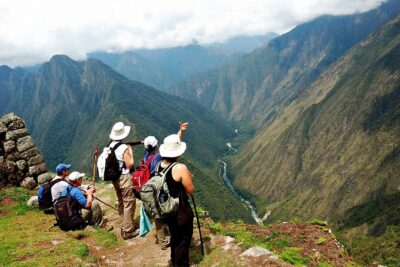
Classic Inca Trail Trek 4D/3N to Machu Picchu (Group Service)
Read our review →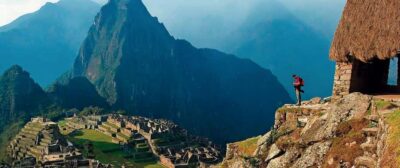
Machu Picchu: 4-Day Inca Trail Trek with Panoramic Train Ride
Read our review →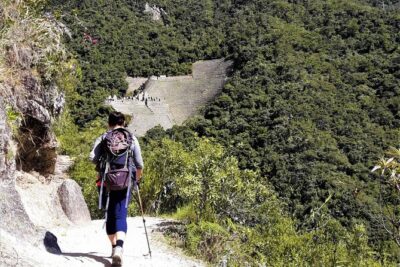
2-Day Inca Trail to Machu Picchu with Panoramic Train
Read our review →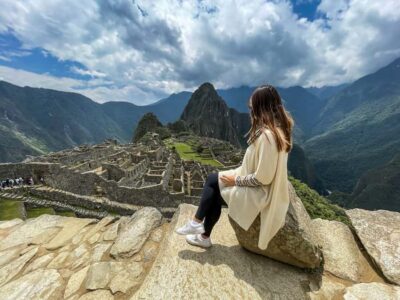

2-Day Tour: Sacred Valley and Machu Picchu by Train
Read our review →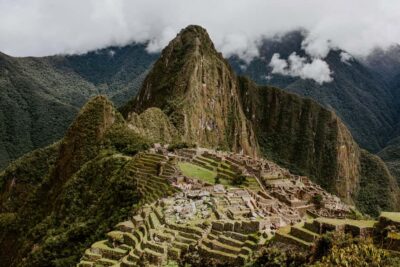
Machu Picchu: Full-Day Tour from Cusco with Optional Lunch
Read our review →Browse the lists this tour appears in