
Reviewed · WALKING TOURS
Alpaca Walk & Natural Dye Tour: A Memorable Full Day Experience
Alpacas make good walking companions. This full-day outing lets you walk with one alpaca per person, then turn leaves into color during a private textile workshop. I like the personal scale and the clear link between the animals, local farming, and Andean textile work. I also like that lunch is a traditional pachamanca shared with local people, rather than a standard tourist meal.
The main consideration is the length. You start at 7:30 a.m. and spend about 10 hours out, with a walk and a hands-on workshop. You should have moderate physical fitness, and the day depends on good weather. Breakfast and dinner are not included, so plan around the early pickup.
In This Review
- Key points at a glance
- Starting early from Cusco at 7:30 a.m.
- Meeting your alpaca companion
- A Sacred Valley walk with a useful purpose
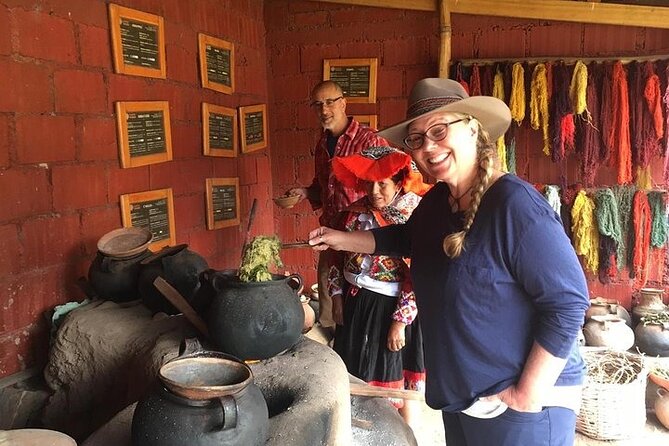
- Turning leaves into color in the private workshop
- Pachamanca lunch with local flavor
- An alpaca ceremony to close the cultural picture
- What $149.90 buys you
- Who should book this Sacred Valley day?
- Booking advice and cancellation details
- Should you book the Alpaca Walk and Natural Dye Tour?
- FAQ
- Where does the Alpaca Walk and Natural Dye Tour take place?
- What time does the tour start?
- How long does the experience last?
- Is hotel pickup included?
- Is lunch included?
- How many people can join the tour?
- Is the tour offered in English?
- What happens if the weather is poor?
Key points at a glance
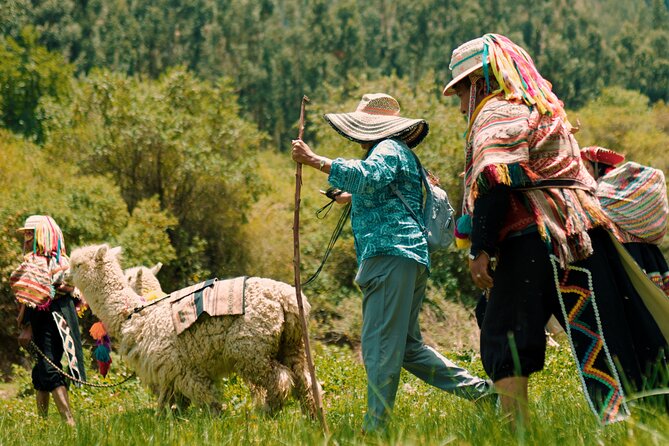
- One alpaca for each person: You are not simply watching a herd. You have your own animal companion for the walk and learn about its care from a local alpaca owner.
- Leaves become textile color: You collect plant material during the walk, then use it to dye alpaca wool and fabric in a private workshop.
- A full look at wool production: The workshop covers processing wool into yarn, dyeing it, strengthening it, and weaving it.
- Pachamanca gives the day a local center: This traditional Peruvian meal is part of the experience, not an extra restaurant stop.
- A small group of six maximum: The group size should make it easier to ask questions and receive help during the craft work.
- A 24-hour cancellation window: You can receive a full refund if you cancel at least 24 hours before the 7:30 a.m. start, while poor weather may lead to a new date or full refund.
Starting early from Cusco at 7:30 a.m.
Your day begins with hotel pickup at 7:30 a.m. and ends with hotel drop-off. The tour is based in Cusco and centers on the culture of the Sacred Valley, so the included transport matters. You do not need to arrange a separate taxi to the meeting point or work out your return after a long day.
The early start is useful, but it is not gentle. Breakfast is not included, and the tour does not promise a breakfast stop. Eat before pickup or arrange something with your hotel. Water is available on request, but carrying a small personal supply is still sensible.
The group is limited to six people. That is a useful size for this kind of day. A textile workshop can become crowded when too many hands reach for the same tools, while a small group gives you more time to see each stage and ask about the plants, wool, and weaving.
The tour is offered in English with an English-speaking guide. A local alpaca owner also shares information about the animals and their care. That combination is important: the guide helps explain the wider region, while the owner provides a closer connection to the animals themselves.
More Walking Tours in Cusco
- Cusco: Walking Tour with an Experienced Local Guides
★ 4.8 · 636 reviews - Cusco: Historic Walking Tour with Pisco Sour and Local Music
★ 5.0 · 190 reviews - Curious Monkey Cusco- Eat the Streets, Walking Food Tour
★ 5.0 · 160 reviews
Meeting your alpaca companion
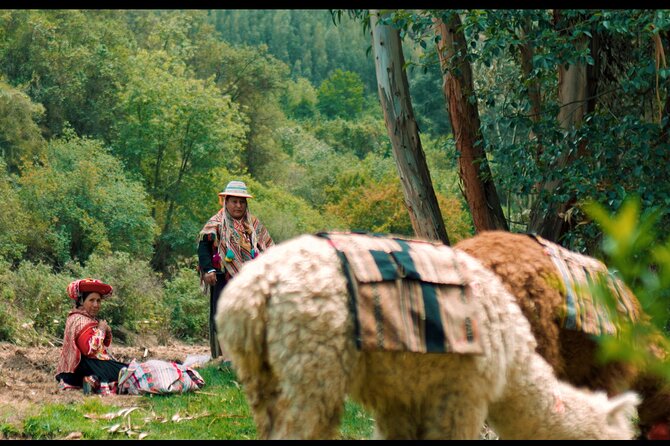
The day’s central idea is simple: each person receives one alpaca to walk with. That makes this different from a short photo stop at an alpaca farm. You are given time to form a small bond with the animal and to notice its behavior as you move along.
Do not expect instant friendship. The alpacas may need time to warm up to you. That is part of the appeal, but it also calls for patience. You are working with living animals, not props, so the pace may be slower and less predictable than a normal guided walk.
The local alpaca owner explains the animals’ importance and care. This adds meaning to the outing. Alpacas are not just cute Andean symbols. Their wool supports textile traditions, and learning how they are handled helps you see the connection between animal husbandry and craft production.
I especially like the one-to-one setup. You can focus on your own animal instead of trying to take turns with a group. Families, couples, and anyone who enjoys animals should find this part appealing, though you need to be comfortable with a day that includes walking and outdoor conditions.
A Sacred Valley walk with a useful purpose
The walk is more than a way to fill time before lunch. You collect leaves along the route for the dye workshop. That gives you a reason to pay attention to the plants around you and shows how color can come from ordinary natural materials.
The exact walking route and distance are not specified, so you should not book this expecting a particular trail or viewpoint. What is clear is that the walk has a moderate physical element and takes place outdoors. Wear shoes suitable for uneven ground, and bring protection from sun or changing weather.
The walk also sets up the craft lesson. Instead of hearing that Andean textiles use natural color, you take part in gathering the raw material. That small step makes the later workshop easier to understand. You can see that the color begins with plants, not a packet of commercial dye.
This is a better fit for someone who enjoys a slower, hands-on day than for someone trying to pack in many famous sights. There is no stated stop at a major archaeological site or market. The focus stays on alpacas, plants, wool, food, and local practice.
Turning leaves into color in the private workshop
The natural dye workshop is the strongest part of the day for anyone interested in textiles. You use the leaves collected during the walk to dye alpaca wool and fabric, with all materials and tools supplied.
The workshop goes beyond dipping a piece of cloth into a colored liquid. You learn about processing alpaca wool into yarn, dyeing it, strengthening it, and eventually weaving it. That sequence gives you a practical view of how a finished textile begins.
I like this because it puts craft knowledge into your hands. You see that weaving is not one isolated action. The fiber first has to be prepared, then colored, then made strong enough for later use. Even a simple finished textile represents several stages of work.
The private format should help here. You can ask why a particular leaf produces a certain color, how the wool changes during treatment, or how the yarn is prepared for weaving. The available information does not name every plant or promise that you will complete a finished garment, so keep your expectations realistic. The value is in learning the process and taking part in the dyeing work.
This is also where the tour earns some of its price. A standard animal encounter can be pleasant but brief. Here, you spend part of the day learning a skill connected to local materials and traditions. You leave with a better understanding of why alpaca wool matters, even if the workshop is not a formal weaving course.
More walking routes through Cusco:
- Cusco Highlights Walking Tour: History, Culture, Traditions
★ 4.9 · 72 reviews - Cusco: Historic Walking Tour with Pisco Sour and Music Show
★ 4.6 · 65 reviews - Cusco Food Walking Tour & Central Market
★ 5.0 · 48 reviews - Cusco: Historic Walking Tour & Scenic Views with local drink
★ 5.0 · 45 reviews
Pachamanca lunch with local flavor
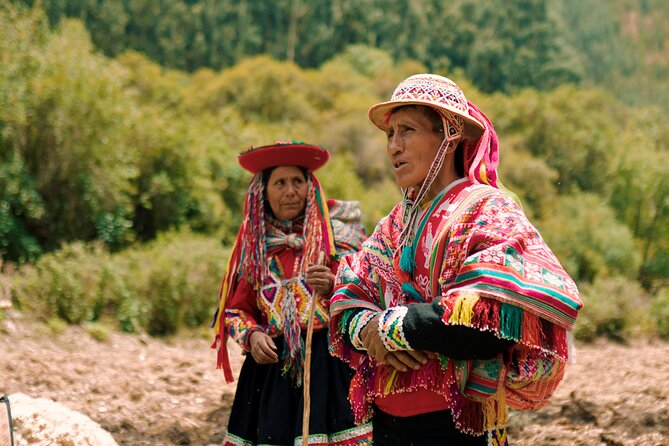
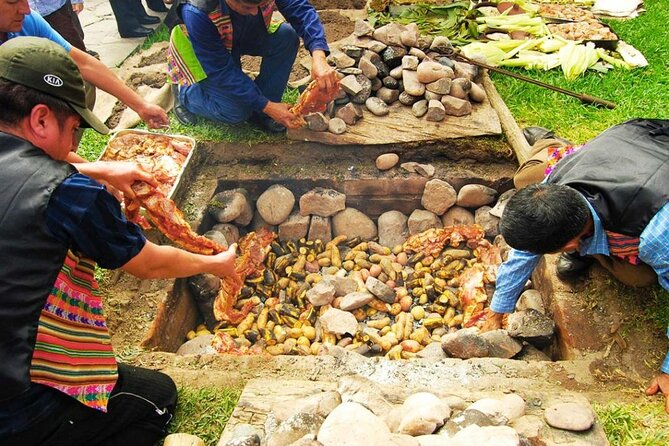
The included lunch is pachamanca, a traditional Peruvian dish cooked in an earth oven. It is served as a meal shared with local people, which gives the food a social role in the day rather than treating it as a quick refueling break.
Because breakfast and dinner are excluded, lunch is the main meal provided by the tour. That makes it worth considering when you plan your day. Eat something before pickup, then expect pachamanca to carry you through the afternoon.
The meal is a good match for the rest of the program. The day links animals, plants, wool, and food, all within a local setting. Pachamanca adds another piece of Andean culture without turning the tour into a string of unrelated attractions.
The exact menu is not provided, so you should not assume particular meats, side dishes, or special dietary arrangements. If you have food restrictions, ask the provider before booking. The available details confirm the meal, but not its ingredients or modification options.
An alpaca ceremony to close the cultural picture
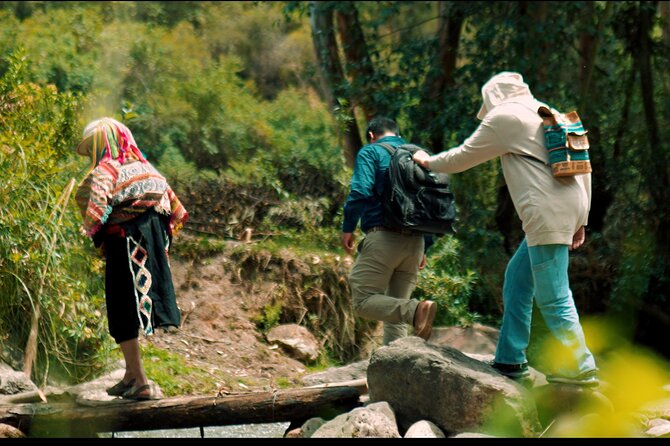
You also witness an alpaca ceremony. The details of the ceremony are not specified, so it is best to approach it with an open mind rather than expecting a particular performance or religious format.
Its place in the day is clear, though. After walking with an alpaca and learning how its wool becomes yarn and fabric, you see a ceremonial side of the animal’s role. That helps connect the practical work of raising alpacas with the cultural respect surrounding them.
This may be the most memorable part for people who want more than a craft demonstration. The tour is not only about making a colored piece of fabric. It also presents alpacas as part of local identity and community life.
At the same time, anyone seeking a highly structured show should note the limited detail available. The ceremony is included, but its length and exact content are not stated. Treat it as a cultural moment within the day, not as a guaranteed theatrical presentation.
What $149.90 buys you
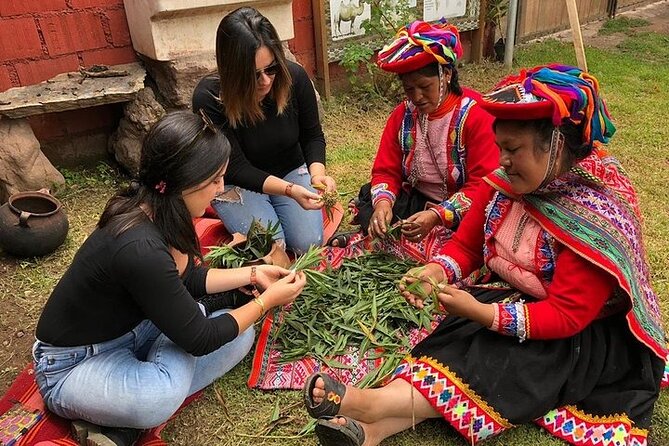
The price is $149.90 per person. That is not a bargain-priced half-day animal visit, but this is also not a short encounter. You receive hotel pickup and drop-off, an English-speaking guide, one alpaca per person, help from a local alpaca owner, pachamanca lunch, the natural dye workshop, and the required materials.
The 10-hour duration changes the value calculation. You are paying for a full day with several connected parts rather than one main activity. Transport, lunch, instruction, and workshop supplies are bundled together, which makes the cost easier to judge.
I see the strongest value for you if you would otherwise book separate activities for animal encounters, local food, and textile making. Combining them saves planning time and gives the day a clear theme. The small maximum group of six is another advantage, especially during the workshop.
The price may feel high if your main goal is simply to see alpacas or take photos. You can likely find shorter and less costly animal-focused outings. This tour makes more sense if you value time with the animals, personal instruction, and a fuller cultural context.
Tips are not included. They are voluntary and should depend on the service you receive. Breakfast and dinner are also outside the price, so include those costs when setting your daily budget.
Who should book this Sacred Valley day?
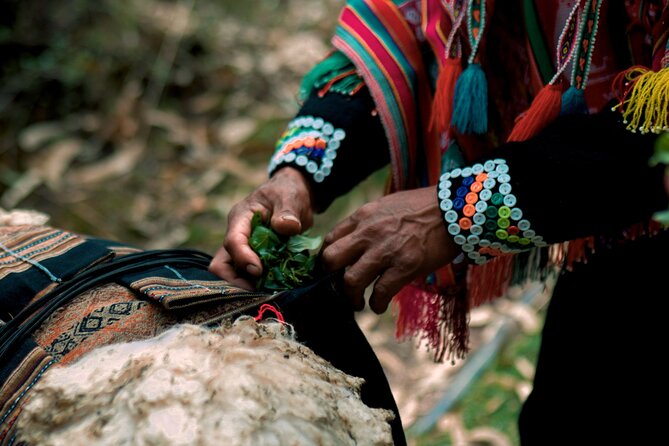
I would recommend this experience to you if you enjoy animals but want more than a quick farm visit. It also suits people who like making things, learning how materials are prepared, and seeing the work behind a finished textile.
Families may appreciate the one-alpaca-per-person format, provided everyone can manage the walking and outdoor conditions. Couples and solo visitors can also enjoy the personal pace, especially if they prefer a small group to a large coach outing.
The tour is a good match for anyone interested in Andean culture, natural dyes, alpaca wool, or traditional food. You do not need to be a textile expert. Curiosity is enough, and the guide and alpaca owner provide the explanations.
You should think twice if you dislike early starts, long full-day programs, uncertain weather, or activities involving animals that may take time to respond. The tour also may not suit someone with limited mobility, since a moderate fitness level is required and the walk details are not fully specified.
The experience is offered in English, so you should be comfortable following instruction and discussion in that language. Service animals are allowed, though you should confirm any practical arrangements with the provider before the day.
Booking advice and cancellation details
The experience is often reserved about 40 days ahead, and the six-person limit may help explain why. If this is important to your Cusco plans, booking early is sensible.
You receive confirmation when you book. Cancellation is free until 24 hours before the start time for a full refund. Changes or cancellations made inside that window are not accepted and are not refunded. The cutoff uses local time.
Good weather is required. If poor weather causes cancellation, you are offered another date or a full refund. Since the day includes outdoor walking and collecting leaves, check the forecast before leaving and dress for conditions.
Should you book the Alpaca Walk and Natural Dye Tour?
Book it if you want a full Sacred Valley day built around alpacas, food, and textile work rather than a rapid tour of famous sights. The strongest reasons are one alpaca for each person, the thoughtful natural dye workshop, and the chance to learn the full path from wool to yarn and fabric.
Skip it if you only want a brief alpaca visit, need a late start, or prefer a tightly scheduled sightseeing route. At $149.90, the value comes from the length, small group, lunch, instruction, transport, and personal craft work.
For the right person, this is a memorable way to connect an animal with the material it provides and the people who care for it. Just arrive fed, allow the full 10 hours, and let the alpacas set the pace.
FAQ
Where does the Alpaca Walk and Natural Dye Tour take place?
The experience takes place in Cusco and focuses on the culture of Peru’s Sacred Valley.
What time does the tour start?
The tour starts at 7:30 a.m.
How long does the experience last?
The experience lasts approximately 10 hours.
Is hotel pickup included?
Yes. Hotel pickup and drop-off are included.
Is lunch included?
Yes. A traditional pachamanca lunch is included. Breakfast and dinner are not included.
How many people can join the tour?
The maximum group size is six travelers.
Is the tour offered in English?
Yes. An English-speaking guide is provided.
What happens if the weather is poor?
The experience requires good weather. If it is canceled because of poor weather, you are offered another date or a full refund.
Added recently around Cusco
- Guided tour of the mountain of colors in Cusco★ 5.0 · 11 reviews
- 2-Day Private Short Inca Trail to Machu Picchu★ 5.0 · 15 reviews
- City Tour Cusco – Group★ 5.0 · 4 reviews
- Tour Sacred Valley with Maras and Moray★ 5.0 · 15 reviews
- San Pedro Market Tour with Peruvian Cooking Class★ 5.0 · 31 reviews
- Walking Culinary Experience★ 5.0 · 41 reviews
- City Tour in Cusco★ 4.5 · 10 reviews
- One Day Tour to Humantay Lagoon★ 5.0 · 8 reviews
Walking Tours, compared.
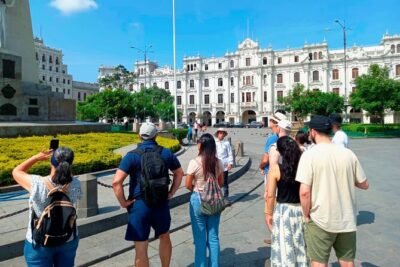
Lima Half-Day City Walking Tour (Small Groups)
Read our review →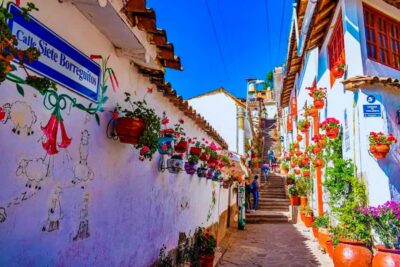
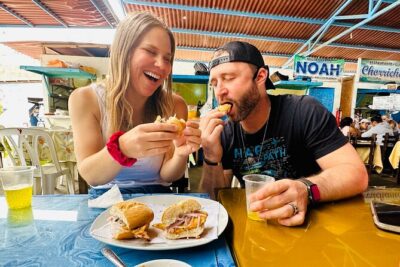
Food & Art: Lima Colors and Flavors Walking Tour
Read our review →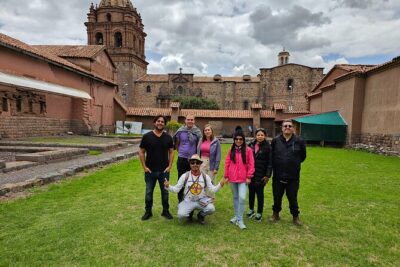
Historic Walking Tour with Pisco Sour and Local Music
Read our review →
Walking tour in the Historic Center of Arequipa
Read our review →
Curious Monkey Cusco- Eat the Streets, Walking Food Tour
Read our review →
Miraflores Trending Flavors Half-Day Walking Tour
Read our review →Browse the lists this tour appears in