
Reviewed · LAKE TITICACA TOURS
Cultural Tour to Uros Floating Island – Non touristic
The lake has a floating secret. This small-group outing from Puno offers a more personal look at Uros life, with time to cut totora reeds, help with fishing nets, watch birds, and speak with local residents. I especially like the hands-on activities and the limited group size of 15 people. The main consideration is that the optional reedboat ride costs an extra 20 soles.
This is not the quickest stop-and-photo visit to the Uros Islands. You spend about 2 hours and 45 minutes learning how the islands are built and maintained, then watching the light fade across Lake Titicaca. I also like the respectful tone of the experience, though you should expect some mud, physical work, and no included meal or drink.
In This Review
- Key points to know before you go
- Why this Uros visit feels different
- Reaching the floating islands from Puno
- Cutting totora reeds and helping maintain an island
- Fishing nets, traditional clothing, and local crafts
- Birds and the open water of Lake Titicaca
- What the $59.99 price includes
- The guide and the tone of the visit
- Who will enjoy this experience most?
- Booking, cancellation, and practical details
- Should you book the Uros floating island tour?
- FAQ
- Where does the tour start?
- Where does the tour end?
- How long does the tour last?
- How much does the tour cost?
- What transportation is included?
- Is the reedboat ride included?
- Are food and drinks included?
- What activities take place on the Uros Islands?
- How large is the group?
- Can I cancel for a full refund?
Key points to know before you go

- Totora work is the heart of the visit: You can cut reeds and help add them to the island surface, giving you a clearer sense of how the Uros keep their home afloat.
- Small groups make conversation easier: A maximum of 15 people is useful when the activity involves fishing nets, clothing, and local demonstrations.
- The tour focuses on daily life: You may dress in traditional Uro clothing, learn about fishing, and see how residents make small boats and woven goods.
- Birdwatching comes naturally: Ibises, coots, grebes, Andean gulls, cormorants, and other waterfowl live around the reeds.
- The reedboat ride is not included: You can add it for 20 soles per person, but the cultural activities are already part of the tour price.
- The total cost is $59.99 per person: That includes the guide, motorboat, selected hotel pickup and drop-off, and the cultural activities.
Why this Uros visit feels different
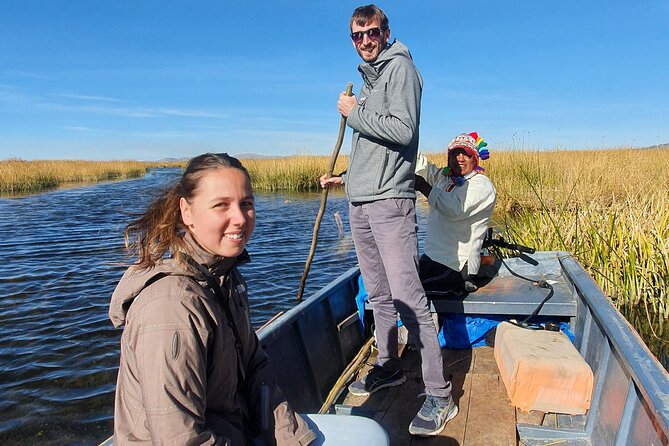
Many trips to the Uros Islands are built around a short landing, a quick explanation, and a shop stop. This experience aims for something more useful: it puts you close to the work that keeps a floating island functioning.
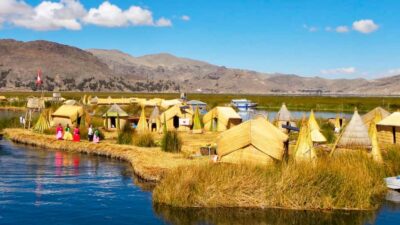
That distinction matters. The Uros islands are made from layers of totora, a reed that grows in the shallow waters of Lake Titicaca. Fresh reeds must be cut and placed over the island surface to help keep it firm and buoyant. When you take part in that task, the island stops being a curious backdrop and becomes a working home that needs care.
I like that the activities are practical rather than staged as a simple performance. You can handle the reeds, help place fishing nets, and ask questions while local residents explain their methods. The experience still has an organized tour structure, but it gives you something to do with your hands.
The group limit also helps. With no more than 15 people, you have a better chance of hearing the guide and taking part without being lost in a crowd. A small group cannot guarantee a private visit, but it should make the exchange more relaxed and personal.
More of Lake Titicaca by boat:
- From Puno: Uros, Amantaní & Taquile Islands 2-Day Tour
★ 4.5 · 452 reviews - Tour to Uros and Taquile Islands in a Fast Boat
★ 5.0 · 419 reviews - From Puno: Floating Islands of the Uros Half-Day Tour
★ 4.4 · 394 reviews
Reaching the floating islands from Puno
The stated meeting point is Parque de la Cultura at Jr. Cahuide 204 in Puno. Hotel pickup and drop-off are included only from selected hotels, so you should confirm that detail before booking rather than assume every hotel is covered.
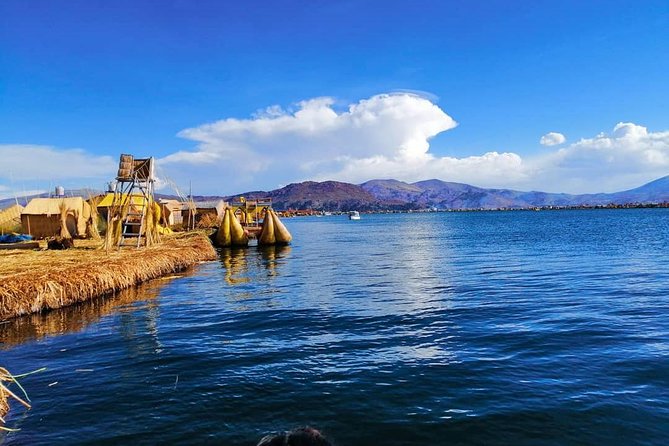
From the meeting point, the trip uses a motorboat. The route passes through the Titicaca National Reserve, where open water gives way to totora marshes and scattered floating islands. The boat ride is part of the setting, not just transportation. You begin to see why the reeds, birds, and water are so closely tied to life here.
The total experience lasts approximately 2 hours and 45 minutes. That is long enough for a proper cultural visit, but short enough to fit into a busy Puno schedule. You should still allow extra time around the stated start and finish, since the advertised duration is approximate.
The tour ends back at the original meeting point. That is handy if you are planning another activity in Puno afterward, although you should avoid booking anything with a tight connection.
Cutting totora reeds and helping maintain an island
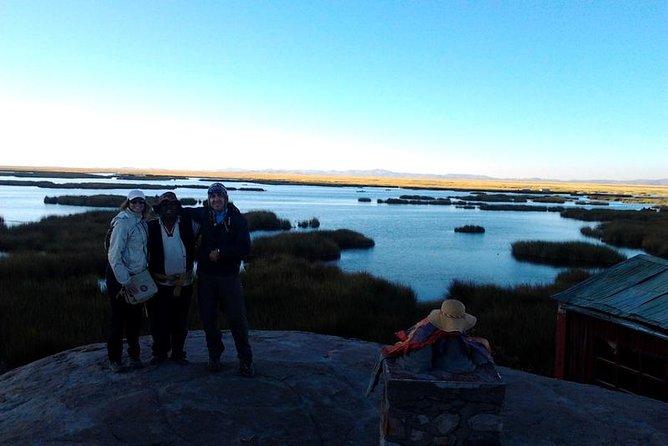
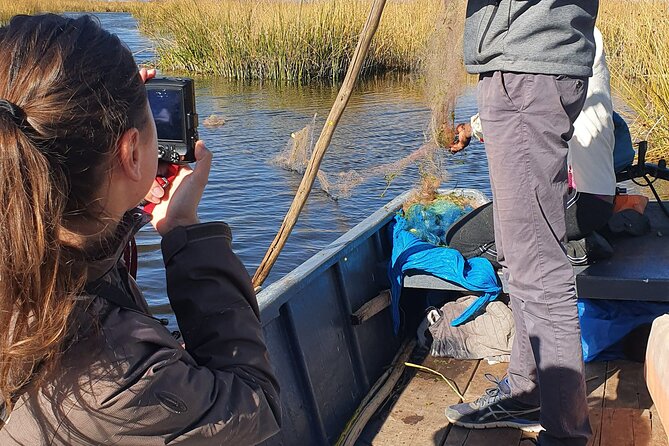
The most memorable part is likely to be the reed work. Once on the islands, you can take part in cutting fresh totora reeds and placing them over the surface. The job is physical and may be muddy, but that is part of its value.
A museum display can explain how a floating island is built. Handling the reeds gives you a more direct understanding. You feel that this is not a permanent platform made once and left alone. The surface needs ongoing attention, and the work connects housing, transport, fishing, and craft production.
The activity also gives your guide a natural way to explain Uros life. Rather than listing facts, the conversation can begin with the material directly under your feet. Why do the reeds need replacing? How are they layered? What happens when parts become soft? The information feels easier to remember when you are standing on the material being discussed.
You should not expect a polished, comfortable attraction. This is an outdoor activity near the water, and the description specifically warns that the work can be muddy. Wear clothes and shoes that can handle a little dirt. Since the information does not specify protective equipment or a change of clothing, plan for ordinary outdoor conditions.
Fishing nets, traditional clothing, and local crafts
The tour also includes help setting up fishing nets along the shore. This offers another useful link between the Uros community and Lake Titicaca. Fishing is not presented as a distant tradition. You get to see how equipment is positioned and how the lake supports daily needs.
You may also dress in traditional Uro clothing. That can be a fun part of the visit, but the best approach is to treat it as a cultural activity rather than a costume photo alone. Ask your guide or host about the clothing, its use, and what it represents. The stated focus is respectful contact with local residents, so a curious and considerate attitude matters.
Local residents explain how they make miniature boats and woven tapestries. These crafts show how totora and textile skills serve both practical and artistic purposes. The point is not simply to watch an object appear. It is to understand that techniques have been passed through generations and remain connected to island life.
There may be opportunities to buy crafts or take photographs, but those details are not specified here. I would keep your attention on the conversation and activities first. If you want a purchase, ask clearly and respectfully about the item and price.
More history to walk through in Puno:
- Aymara Route Mystical Cultural Tour
★ 4.7 · 27 reviews - Puno: History and Culture Walking Tour
★ 4.1 · 13 reviews - Discover Lima: Love Park, Historic Center, and its Catacombs.
★ 5.0 · 696 reviews - Street Food, Market & Old Eateries Tour in Lima’s Historic Center
★ 5.0 · 656 reviews
Birds and the open water of Lake Titicaca
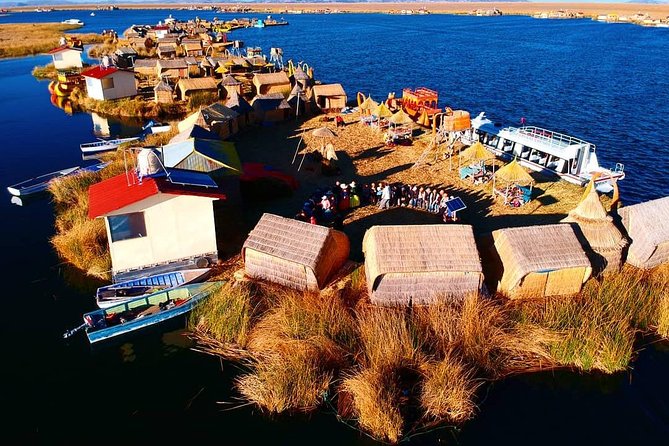
The Uros Islands are also a good setting for casual birdwatching. Around the reeds, you might see ibises, coots, grebes, Andean gulls, cormorants, and other waterfowl.
You do not need specialist equipment to appreciate this part of the trip. The birds are tied to the same marshy environment that supports the islands, so watching them adds another layer to the visit. Keep your eyes on the water and reed beds while the motorboat moves through the reserve.
A guide will point out birds along the route, which makes the ride more rewarding. The experience is not described as a dedicated birding tour, so serious birdwatchers should keep expectations sensible. Still, nature appears without needing a separate activity, and the open-water views provide a welcome pause between cultural demonstrations.
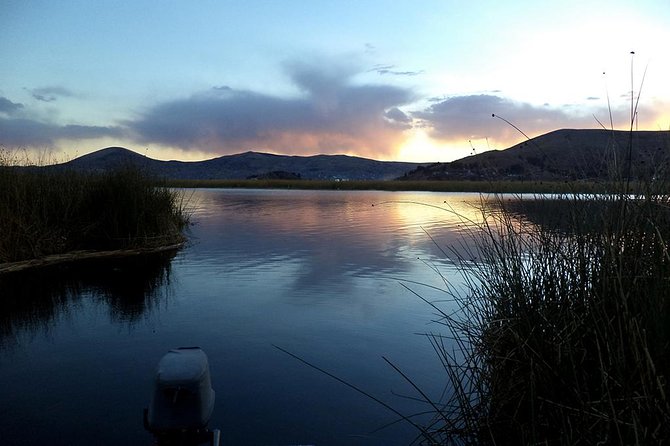
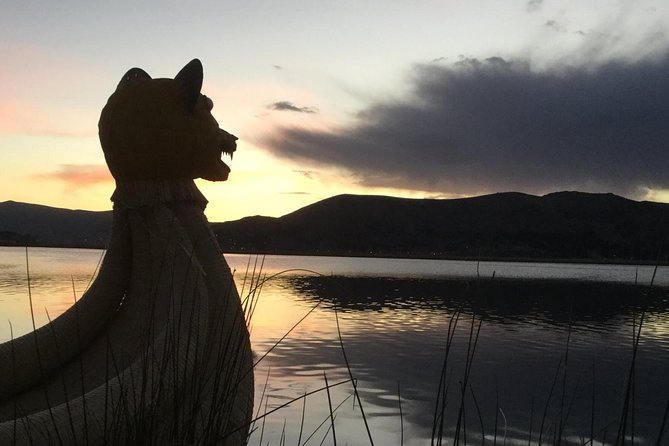
The final light over Lake Titicaca is another strong feature. The tour highlights the chance to see the last rays of sunlight over the lake. The exact light and timing will depend on the departure schedule and conditions, so do not treat sunset as guaranteed at a particular minute. If the timing lines up, it gives the return or final island visit a calm finish.
What the $59.99 price includes
At $59.99 per person, this is not the cheapest way to see the Uros Islands. The value depends on what you want from the visit.
The price includes:
- A professional guide
- A motorboat
- Cultural activities
- Hotel pickup and drop-off from selected hotels
That package is stronger than a simple boat transfer and short island stop. You are paying for a guide, transport, hands-on work, and time with local residents. The maximum group size of 15 also supports the price, especially if you value conversation over a quick sightseeing circuit.
Food and drinks are not included. For a visit lasting about 2 hours and 45 minutes, that is not a major problem, but you should plan your meals around the tour. The optional reedboat ride costs 20 soles per person. Since the main cultural activities are already included, the reedboat should be treated as an add-on, not a required extra.
I would book this experience for the contact and activities, not simply for the boat ride. If you only want a fast photograph of floating islands, a cheaper or shorter trip may suit you better. If you want to understand how the islands are maintained, the higher price has a clearer purpose.
The guide and the tone of the visit
The guide named in the available feedback is Jose. The strongest praise centers on his personal approach, clear explanations, flexibility, and help even after the tour ended.
That is important for this kind of experience. A visit to a living community can feel uncomfortable if the presentation is rushed or overly theatrical. Here, the stated aim is to meet residents with respect and learn about their way of life. Jose’s role appears to be less about delivering a memorized speech and more about helping you have a useful exchange with the community.
The small group should also help the guide adjust the pace. If you have questions about the reeds, fishing, clothing, or crafts, you have a better chance of asking them. The experience is also suitable for most people, though the physical reed work may not appeal to everyone.
One point deserves care: calling a tour non-touristic does not mean you are entering a place untouched by tourism. You are still arriving as part of a paid activity, and the visit includes organized cultural demonstrations. The better measure is how the exchange is handled. This tour places emphasis on mutual respect and direct contact, which is a good sign, but you should still ask permission before close-up photos and follow local guidance.
Who will enjoy this experience most?

I would recommend it to you if you:
- Want more than a quick photo stop at Lake Titicaca
- Enjoy learning through practical activities
- Are curious about Uro construction, fishing, reeds, and crafts
- Prefer a small group to a large coach outing
- Like combining culture, nature, and scenery
- Have about three hours available in your Puno plans
It may be less suitable if you want a fully passive excursion, dislike mud, or need a highly predictable schedule. The experience includes outdoor work and time near the water, so comfort with changing conditions is useful.
Families may find the reed cutting, boat building, and traditional clothing interesting, but the provided information does not specify a minimum age. If you are booking for children, confirm age requirements directly with Inca Lake.
Booking, cancellation, and practical details
Confirmation is provided at booking. The experience requires a minimum number of participants, so the operator may cancel if that number is not reached. In that case, you are offered another date or experience, or a full refund.
You can cancel for a full refund up to 24 hours before the start time. Cancellations or changes made less than 24 hours before the start are not accepted for a refund. The cut-off follows local time in Puno.
Because the tour averages booking 13 days ahead, I would reserve before arriving in Peru if the date matters to you. That is especially sensible if you want a particular afternoon or hope to catch the final sunlight over the lake.
Bring a patient attitude, practical clothing, and enough time to enjoy the activities without rushing. The supplied details do not list food, drinks, or special equipment, so plan around those omissions.
Should you book the Uros floating island tour?
I would book this tour if your priority is a closer look at how Uros life works, rather than a quick circuit of Lake Titicaca sights. The reed cutting, fishing-net work, traditional clothing, craft demonstrations, and birdwatching give the visit substance.
The $59.99 price is fair if you take part in the activities and value the small group. It is less compelling if you plan to skip the hands-on work and only want a boat ride. Remember that the reedboat costs another 20 soles, and food is not included.
The best reason to choose it is the tone: personal guidance, direct contact, and an effort to treat the community with respect. Book it when you want to meet the Uros through their daily work, and arrive ready to get a little muddy.
FAQ
Where does the tour start?
It starts at Parque de la Cultura, Jr. Cahuide 204, Puno 21001, Peru.
Where does the tour end?
The activity ends back at the meeting point.
How long does the tour last?
The experience lasts approximately 2 hours and 45 minutes.
How much does the tour cost?
The price is $59.99 per person.
What transportation is included?
A motorboat is included. Hotel pickup and drop-off are also included from selected hotels.
Is the reedboat ride included?
No. The reedboat ride costs 20 soles per person.
Are food and drinks included?
No. Food and drinks are not included.
What activities take place on the Uros Islands?
You can cut totora reeds, help set up fishing nets, dress in traditional Uro clothing, watch craft demonstrations, and learn about local life.
How large is the group?
The tour has a maximum of 15 travelers.
Can I cancel for a full refund?
Yes. You can cancel at least 24 hours before the experience start time for a full refund. Changes or cancellations made less than 24 hours before the start are not accepted for a refund.
Added recently around Puno
- Walking City tour Puno★ 4.5 · 12 reviews
- Uros Sunset Kayak Private Tour★ 5.0 · 5 reviews
- Uros Reed Floating Islands & Taquile Island Titicaca Puno Full Day★ 4.0 · 38 reviews
- Uyuni Express 3 days from Puno Copacabana and Isla del Sol★ 5.0 · 16 reviews
- Two-Day Tour to Uros with Amantani and Taquile from Puno★ 5.0 · 44 reviews
- Uros Amantani Taquile Full Day tour★ 5.0 · 7 reviews
- Uros Floating Islands★ 3.0 · 13 reviews
- Tour island Uros, Amantani and Taquile 02days/01 night lake titicaca★ 5.0 · 5 reviews
Lake Titicaca Tours, compared.
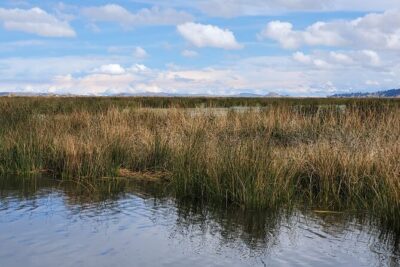
Tour to Uros and Taquile Islands in a Fast Boat
Read our review →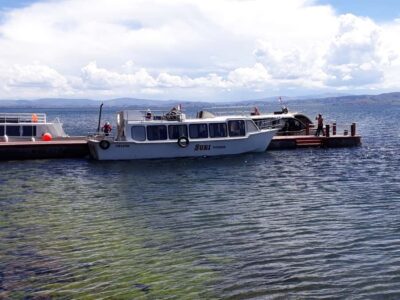

Uros and Taquile Islands on New and Comfortable SpeedBoat
Read our review →
Lake Titicaca (Day Trip) Uros & Taquile Islands
Read our review →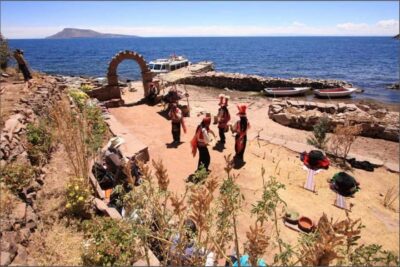
Lake Titicaca 2-Day Tour to Uros, Amantani and Taquile
Read our review →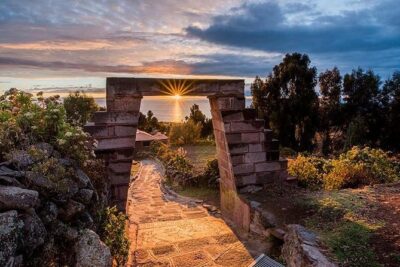
Full-Day Tour of Lake Titicaca and Uros & Taquile
Read our review →Browse the lists this tour appears in