
Reviewed · HISTORICAL TOURS
Puno: History and Culture Walking Tour
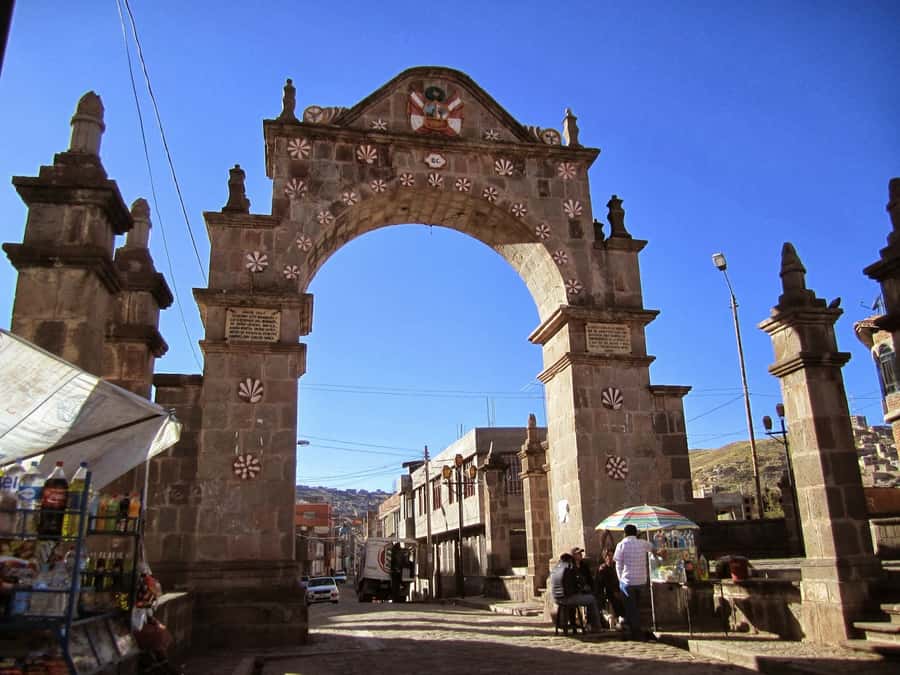
Puno reveals itself one viewpoint at a time. This two-hour walk links Huajsapata Lookout, the Cathedral of Puno, and the Carlos Dreyer Museum, giving you a useful first look at the city’s Spanish, Andean, and Incan influences.
I like the tour’s compact route and its small groups, limited to 10 people. I also like that guides such as Samuel have earned praise for clear answers and strong local knowledge. The main drawback is that the museum entrance costs an extra 20 soles per person, so the advertised price does not cover every stop.
The $20 price is fair if you want orientation without arranging several separate visits. Still, this is a walking tour in a high-altitude city, and the two-hour schedule may feel brisk if you prefer long museum stops or lots of time for photographs.
In This Review
- Key points to know before you book
- Why this short Puno walk works well
- Starting at Plaza de Armas
- Huajsapata Lookout and the view toward Lake Titicaca
- The Cathedral of Puno and its blended design
- Carlos Dreyer Museum: objects that make the story concrete
- The guides and the small-group format
- Price, timing, and what the $20 covers
- Who should book this Puno experience?
- What to bring and how to prepare
- Should you book the Puno History and Culture Walking Tour?
- FAQ
- Where does the Puno walking tour begin?
- Where does the tour end?
- How long does the tour last?
- What languages does the guide speak?
- How much does the tour cost?
- Is the museum entrance included?
- How many people can join the group?
- What sights are included?
- What should I bring?
- Can children under 5 join the tour?
Key points to know before you book
- Huajsapata Lookout opens the tour with city and Lake Titicaca views, plus a monument to Manco Capac, the traditional founder of the Incan Empire.
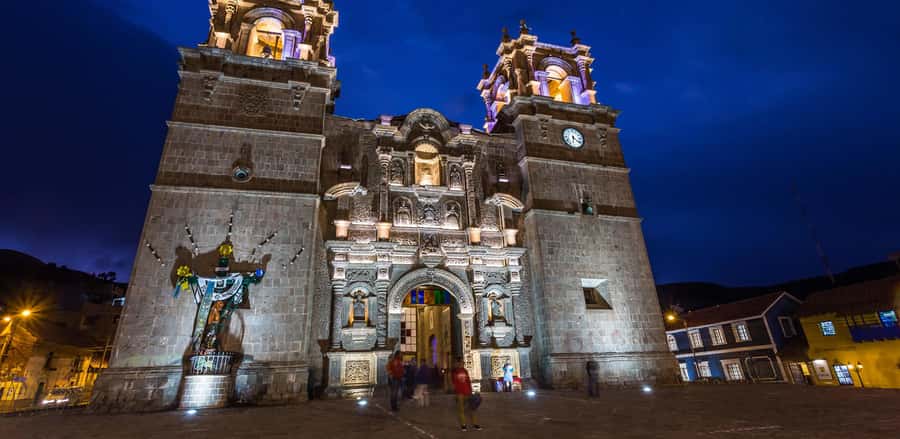
- The Cathedral of Puno shows Spanish Baroque design mixed with Andean elements, making it one of the clearest examples of the city’s blended culture.
- The Carlos Dreyer Museum adds objects to the story, including pre-Columbian jewelry, ceramics, and textiles.
- A bilingual guide leads the walk in English or Spanish, with Samuel receiving especially strong praise for his answers and presentation.
- The small-group limit is 10 people, a useful size for asking questions and keeping the walk personal.
- The tour begins and ends at Plaza de Armas, with no transport included and a separate 20-sol museum fee.
Why this short Puno walk works well
Puno can feel confusing when you first arrive. The streets, churches, viewpoints, and museums are close enough to connect on foot, but their importance is not always clear from the outside. This tour gives you a simple framework: begin with the city from above, move into its main church, then finish with objects from earlier cultures.
That order makes sense. At Huajsapata Lookout, you get a broad view before focusing on individual buildings. At the cathedral, you see how Spanish religious design was adapted in the Andes. At the museum, you move further back in time through jewelry, ceramics, and textiles.
I would see this as an orientation tour rather than a full study of Puno. Two hours is enough to cover the main sights, but not enough for long, detailed visits at every stop. The guide’s role matters here. A good explanation can connect what you see in the streets with the objects and architecture inside.
The tour has a published rating of 4.1 from 13 reviews. That is a solid result, though the small number means you should treat it as a useful signal rather than a final verdict. The clearest praise focuses on the guides’ ability to cover the important sights and answer questions, with Samuel named for doing an outstanding job.
More history to walk through in Puno:
- Aymara Route Mystical Cultural Tour
★ 4.7 · 27 reviews - Discover Lima: Love Park, Historic Center, and its Catacombs.
★ 5.0 · 696 reviews - Street Food, Market & Old Eateries Tour in Lima’s Historic Center
★ 5.0 · 656 reviews
Starting at Plaza de Armas
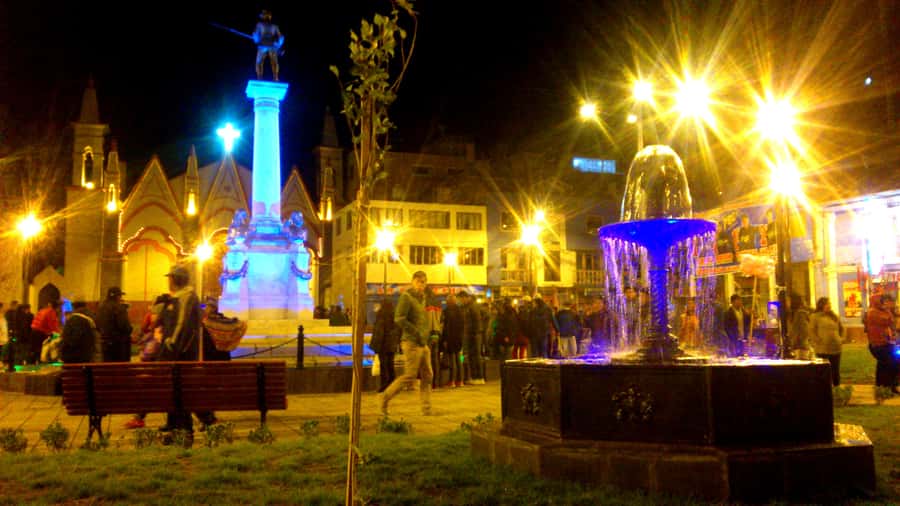
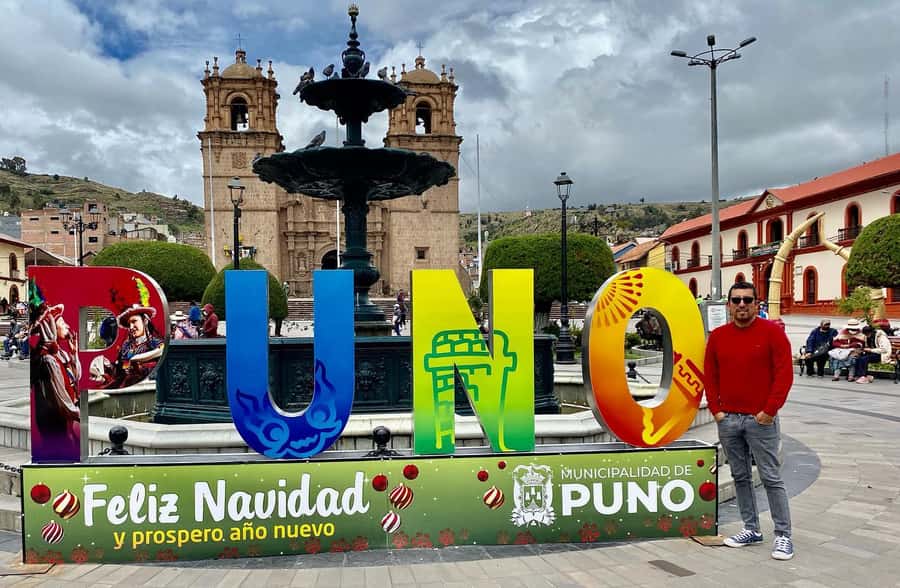
You meet at the Plaza de Armas of Puno, the official starting point and the place where the walk ends. This is practical because you do not need to find a distant office or arrange a transfer before the tour begins.
The plaza also gives the guide a natural place to introduce Puno. From here, you can expect the walk to move through the historic center toward Huajsapata Lookout. The exact order is useful to note: the activity description places Huajsapata first, while the formal meeting point is the Plaza de Armas.
Because the tour lasts two hours, arrive ready to walk. Large bags and luggage are not allowed, so this is best done with a small day bag or only the essentials. You must bring a passport or identification card.
The guide speaks English or Spanish. If you have questions about architecture, local customs, or the city’s past, ask them during the walk rather than waiting until the end. The group limit of 10 people should make that possible, although the experience may still depend on the guide assigned that day.
Huajsapata Lookout and the view toward Lake Titicaca
Huajsapata Lookout is the tour’s strongest visual opening. From this high point, you can take in Puno and see toward Lake Titicaca, one of the defining features of the region.
The value here is not just the photograph. A city view helps you understand Puno’s setting before you begin examining its churches and museums. You can see how the city relates to the lake and why the lake has such a central place in local identity.
The lookout also includes a monument dedicated to Manco Capac, traditionally described as the founder of the Incan Empire. That detail gives the stop a direct link to Andean origin stories. Your guide can place the monument within the wider story of Puno and the Incan world.
I would allow yourself a moment to look around rather than treating this as a quick photo stop. The schedule is short, so the guide may keep the group moving, but this is one of the places where a few extra seconds help the city make sense.
The drawback is simple: a lookout is weather-dependent. The supplied information promises panoramic views, but it does not guarantee clear conditions. If cloud or haze reduces the view, the monument and the guide’s explanation still give the stop value, but the visual part may be less impressive.
The Cathedral of Puno and its blended design
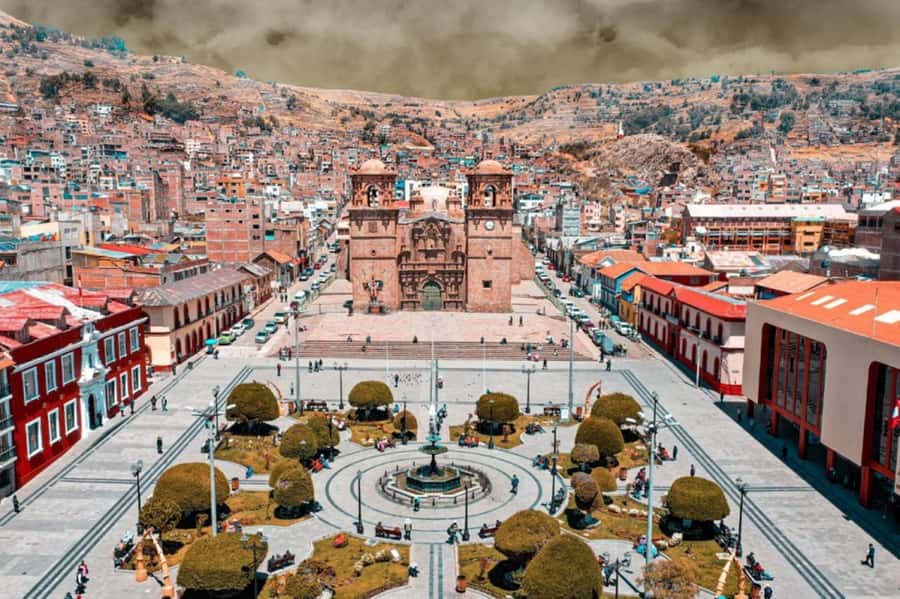
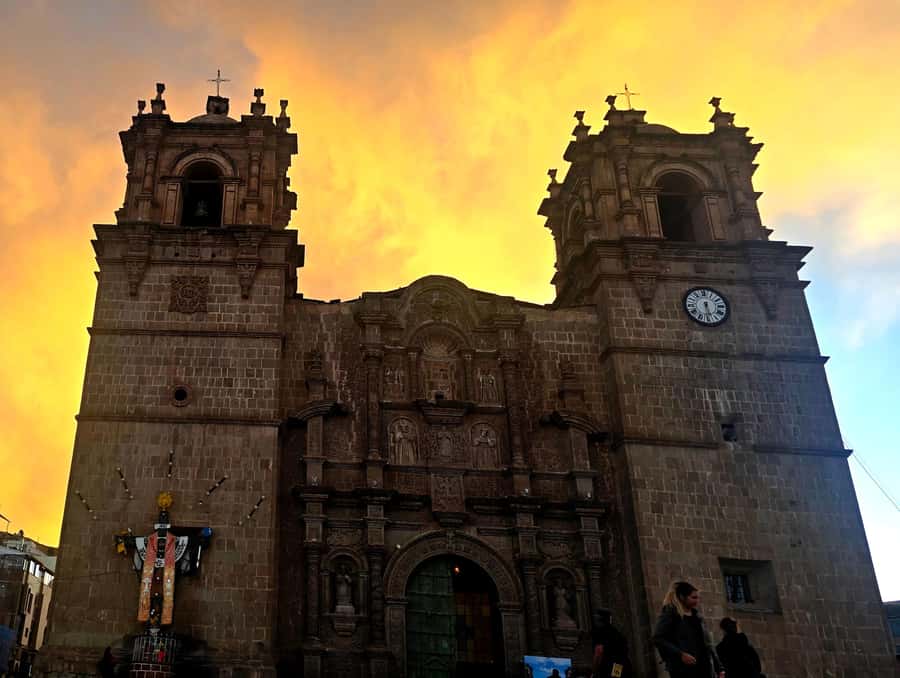
From the viewpoint, the tour continues to the 18th-century Cathedral of Puno. This is not presented as a plain colonial church. Its importance comes from the way Spanish Baroque architecture meets indigenous Andean design.
That mixture is central to understanding Puno. Spanish religious forms arrived with colonial rule, but local artists and builders shaped the result. Look closely at the exterior and interior details your guide points out. The cathedral is a physical record of two traditions meeting, adapting, and sometimes colliding.
The tour description calls the cathedral’s character mestizo, meaning it reflects both European and Andean influences. That explanation is more useful than simply hearing that the building is old or ornate. It tells you what to look for: not only Spanish decoration, but also local style and interpretation.
The cathedral is likely to be the most important architectural stop. If you enjoy churches, this portion may feel like the heart of the tour. If religious buildings are not your main interest, the guide’s historical context should still help you see why this church matters to Puno’s identity.
The available details do not specify opening conditions, interior access rules, or how long the group stays inside. Keep your expectations flexible. The tour includes the cathedral as a featured stop, but the exact amount of time may depend on the day’s schedule and access.
More walking routes through Puno:
- Lima Half-Day City Walking Tour (Small Groups)
★ 5.0 · 1,508 reviews - Cusco: Walking Tour with an Experienced Local Guides
★ 4.8 · 636 reviews - Food & Art: Lima Colors and Flavors Walking Tour
★ 5.0 · 218 reviews - Cusco: Historic Walking Tour with Pisco Sour and Local Music
★ 5.0 · 190 reviews
Carlos Dreyer Museum: objects that make the story concrete
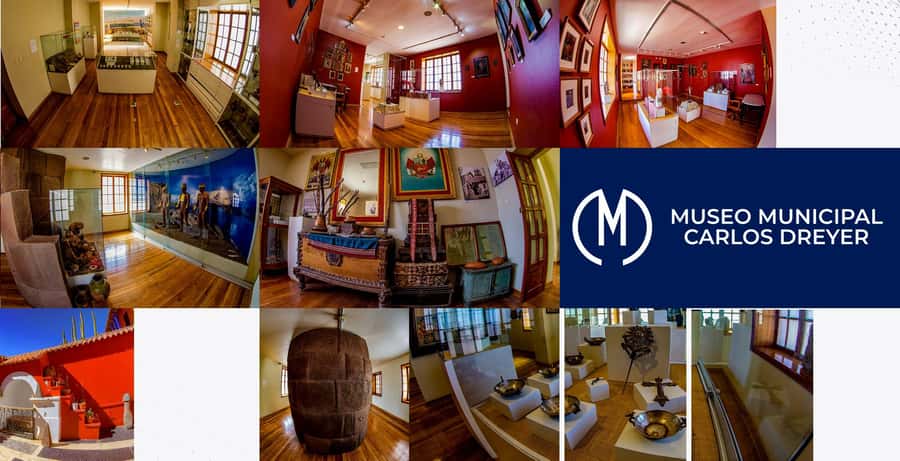
The final major stop is the Carlos Dreyer Museum. Here, the tour shifts from views and architecture to physical objects: pre-Columbian jewelry, ceramics, and textiles.
I like this part because objects often explain a place better than a long speech. Jewelry can show skill, status, and artistic choices. Ceramics can reveal practical and ceremonial use. Textiles can point to technical ability and cultural meaning. The museum gives you something specific to study after hearing the broader story of Puno.
The museum also covers the founding of Puno. That helps connect the city’s earlier cultures with its later Spanish and Andean character. You are not just looking at isolated pieces. You are building a timeline from pre-Columbian objects to colonial architecture and the modern city around you.
There is one cost to plan for. Entrance to the Carlos Dreyer Museum is not included and costs 20 soles per person. At the time of writing, that is a separate payment on top of the $20 tour price. Check the current exchange rate and payment details before you go, since the provided information does not explain whether the museum accepts cash, cards, or either form.
The museum stop may be the deciding factor for you. If you want only outdoor sights and views, the extra fee may not feel worthwhile. If you want artifacts to support the guide’s explanation, the museum adds substance and makes the tour more than a city walk.
The guides and the small-group format

The tour includes a live guide in English or Spanish. The guide is not just there to lead the route. The experience depends on explanations about Manco Capac, the cathedral’s design, Puno’s founding, and the museum pieces.
The strongest praise in the supplied feedback goes to the guides’ command of the city and their answers to questions. One guide, Samuel, is specifically named for doing an outstanding job. Another assessment says the guide covered the important sights and knew the city well enough to respond to questions.
That matters because the tour’s sights are not difficult to locate on your own. You can find the plaza, cathedral, lookout, and museum with a map. The reason to pay for this walk is the connection between them. Ask the guide to explain what is Spanish, what is Andean, and what belongs to an older pre-Columbian period.
The group limit is 10 participants. That is small enough to avoid the feel of a large procession and should make it easier to hear the guide. It also gives you a better chance to ask a question without slowing down a crowd.
Still, small group does not mean private tour. You will share the guide’s attention, and the tour follows a fixed two-hour window. If you want a slower pace, extensive photography, or a long conversation at every stop, a private arrangement would likely suit you better, but that is not what this activity offers.
Price, timing, and what the $20 covers
At $20 per person, the tour offers a reasonably priced introduction to Puno’s central sights. You are paying for a two-hour guided walk in a small group, with English or Spanish service, rather than for transport or a package of admissions.
The price is strongest for someone who has just arrived in Puno and wants context before exploring alone. A guide can help you identify the city’s main cultural layers in a single outing. You also avoid spending your first day guessing which sights fit together.
The extra 20 soles for the museum changes the calculation slightly. If you include the museum, your total cost is the tour price plus the admission fee. That is still manageable for a focused cultural activity, but you should budget for it rather than treating the $20 as the complete cost.
The duration is fixed at two hours, with starting times shown according to availability. A short tour is useful if you have limited time, a train or bus connection later, or another activity planned. It is less suitable if you want a slow, unstructured afternoon.
Free cancellation is available up to 24 hours before the start for a full refund. You can also reserve now and pay later, which helps if your Puno schedule may change. These policies are useful, but the main decision should still be whether the route and museum match your interests.
Who should book this Puno experience?
I would recommend this walk to first-time visitors who want a quick introduction to Puno’s center. It also suits anyone interested in the overlap between Spanish colonial architecture and Andean culture.
The tour should work well for:
- People with only a morning or afternoon available
- Museum fans who want to see jewelry, ceramics, and textiles
- Travelers who prefer a guide in English or Spanish
- Solo visitors who like the social ease of a group capped at 10
- Anyone who wants a city overview before choosing independent visits
- Families with older children, provided they can manage the walk
Children under 5 are not permitted. The information does not provide a full accessibility description, so if walking conditions or mobility support are important to you, confirm those details before booking.
I would be more cautious about recommending it to someone carrying luggage, since large bags are not allowed. I would also think twice if you mainly want Lake Titicaca itself rather than a view of it. This is a city history and culture walk, not a boat trip or a lake excursion.
What to bring and how to prepare
Bring your passport or another identification card. Leave suitcases and large bags elsewhere, since they are not allowed on the activity.
Wear comfortable walking shoes and bring only what you need for two hours. The information does not list other required equipment, so you do not need to prepare for a specialized excursion.
Think about your questions in advance. Ask about the Manco Capac monument, the cathedral’s Andean details, and the periods represented in the museum. A short guided walk becomes much more useful when you take part in the conversation.
You should also keep the museum fee separate from your tour budget. The 20-sol entrance charge is the only stated admission cost, but it is not included in the advertised tour price.
Should you book the Puno History and Culture Walking Tour?
Book it if you want a short, affordable introduction to Puno with a bilingual guide and a manageable route. The combination of Huajsapata Lookout, the Cathedral of Puno, and the Carlos Dreyer Museum gives you views, architecture, and objects in one compact experience.
The best reason to choose it is the guide. The route itself is easy to understand, but the explanations connect Manco Capac, Spanish Baroque design, Andean influence, and pre-Columbian artifacts. Samuel’s strong mention and the praise for clear answers suggest that the human side of the tour can add real value.
Skip it if you want a relaxed museum visit, a lake excursion, or a private schedule. Also remember the separate 20-sol museum entry and the ban on large bags. For a first look at Puno’s central culture, though, this is a practical two-hour choice with enough substance to help you explore the city on your own afterward.
FAQ
Where does the Puno walking tour begin?
The tour begins at the Plaza de Armas of Puno, also called Plaza Mayor de Puno.
Where does the tour end?
The activity ends back at the meeting point in the Plaza de Armas.
How long does the tour last?
The walking tour lasts two hours. Starting times depend on availability.
What languages does the guide speak?
The live guide speaks English and Spanish.
How much does the tour cost?
The listed price is $20 per person.
Is the museum entrance included?
No. Entrance to the Carlos Dreyer Museum costs an additional 20 soles per person.
How many people can join the group?
The group is limited to 10 participants.
What sights are included?
The route includes Huajsapata Lookout, the monument to Manco Capac, the Cathedral of Puno, and the Carlos Dreyer Museum.
What should I bring?
Bring your passport or identification card. Large bags and luggage are not allowed.
Can children under 5 join the tour?
No. The activity is not suitable for children under 5 years old.
Added recently around Puno
- Sun island and Copacabana | From Puno or La Paz / Day Trip★ 4.1 · 5 reviews
- Aymara Route Mystical Cultural Tour★ 4.7 · 27 reviews
- Puno: Uros and Taquile Islands Full-Day Tour with Lunch★ 4.5 · 17 reviews
- Puno: Lake Titicaca, Uros, and Taquile Full-Day Tour★ 4.5 · 4 reviews
- Puno: 3-hour trip to the floating Uros Islands★ 4.5 · 9 reviews
- Puno: Lake Titicaca Day Tour★ 4.5 · 17 reviews
- Puno: 2 Day Visit to Uros, Amantani and Taquile★ 4.5 · 13 reviews
- Lake Titicaca, Peru: Guided Tour to the Uros and Amantani Islands with Lunch★ 5.0 · 4 reviews
Historical Tours, compared.

Discover Lima: Love Park, Historic Center, and its Catacombs.
Read our review →
Street Food, Market & Old Eateries Tour in Lima’s Historic Center
Read our review →
Lima’s Vibrant Heritage: Exploring the City’s Landmarks Half-day
Read our review →
A Journey Through Time: Lima’s Historic Center & Catacombs Tour
Read our review →
Historic Center Street Food, Market, and Eateries Tour
Read our review →
Historic Walking Tour with Pisco Sour and Local Music
Read our review →
Walking tour in the Historic Center of Arequipa
Read our review →
Top Attractions in Lima: Historic Center, Love Park & Catacombs
Read our review →Browse the lists this tour appears in