
Reviewed · HISTORICAL TOURS
Aymara Route Mystical Cultural Tour
Ancient stone, living ritual, and a good dose of mystery. The Aymara Route gives you a full day beyond Puno’s usual Lake Titicaca stops, linking the Temple of Fertility, unusual burial towers, farming terraces, Aramu Muru, and Juli. I especially like the mix of archaeology and living culture, plus the fact that an official guide, transport, and entrance tickets are included. The tour also offers a rare chance to see the circular Andean waru warus, an old farming method that tells you more about daily life than another viewpoint ever could.
At $32 per person, I like the value. You get roughly seven to eight hours on the road, a bilingual Spanish and English guide, and several widely scattered sights without having to arrange taxis. The main consideration is the pace: this is a lot of ground in one day, and at Aramu Muru you may need to choose between a short walk for photographs and a ceremony. The stop descriptions also show slightly different timings, so treat the schedule as flexible rather than minute-perfect.
In This Review
- The Aymara Route at a Glance
- Why This Route Is Different From a Standard Puno Day Trip
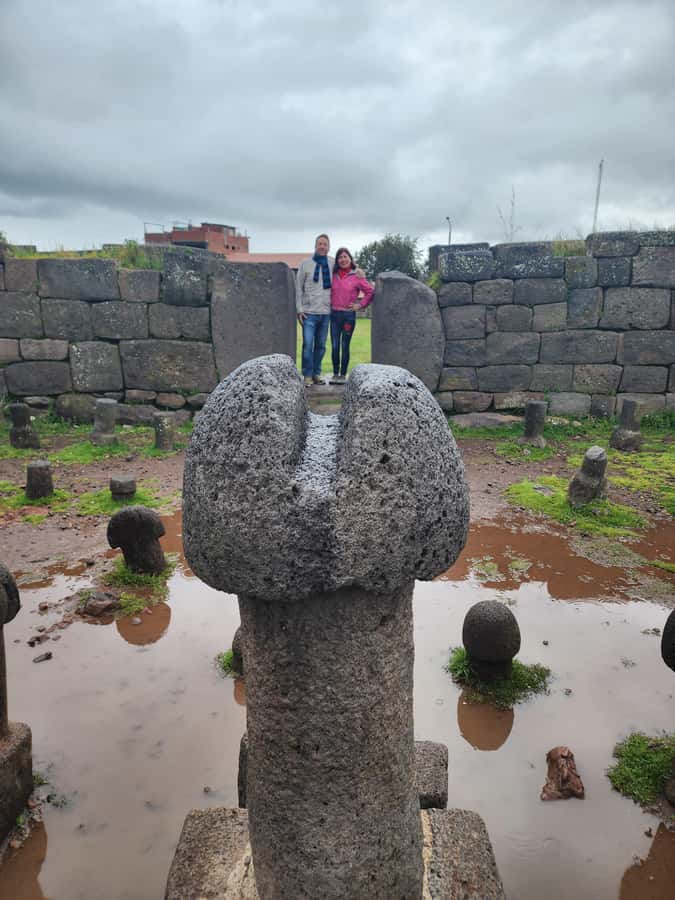
- Chucuito and the Temple of Fertility
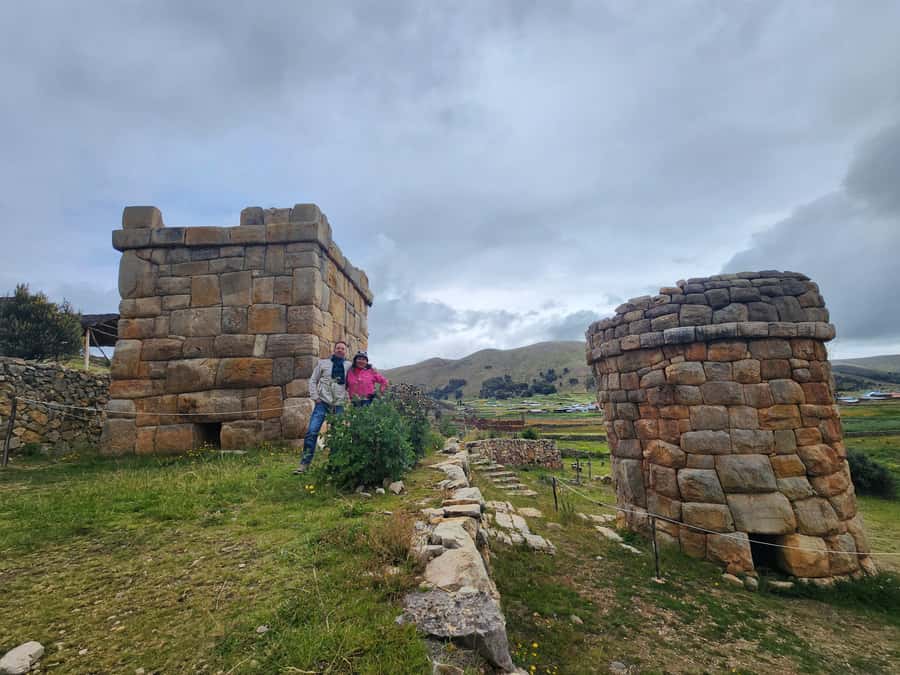
- Molloco’s Four Chullpas
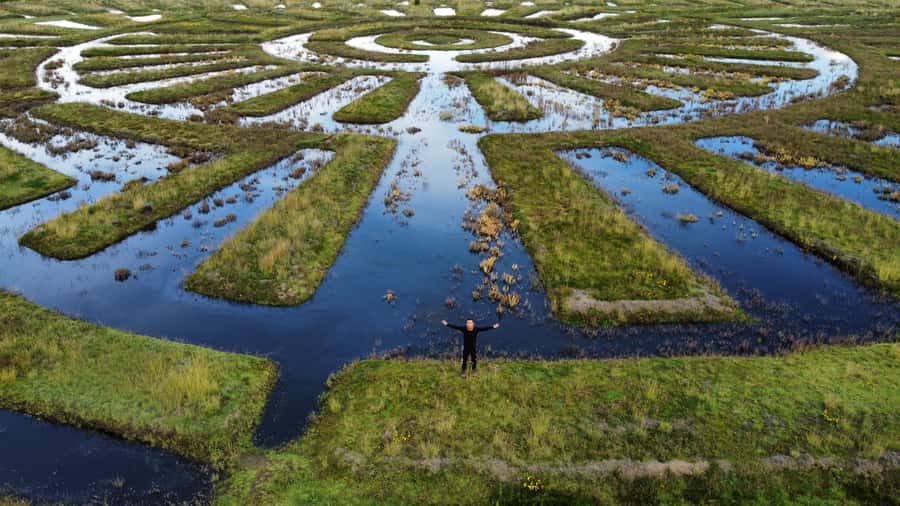
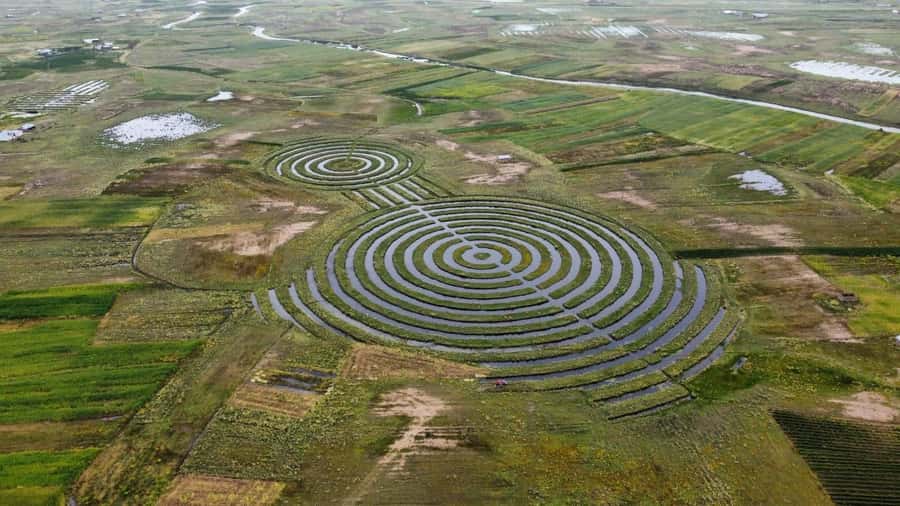
- The Circular Waru Warus of Acora
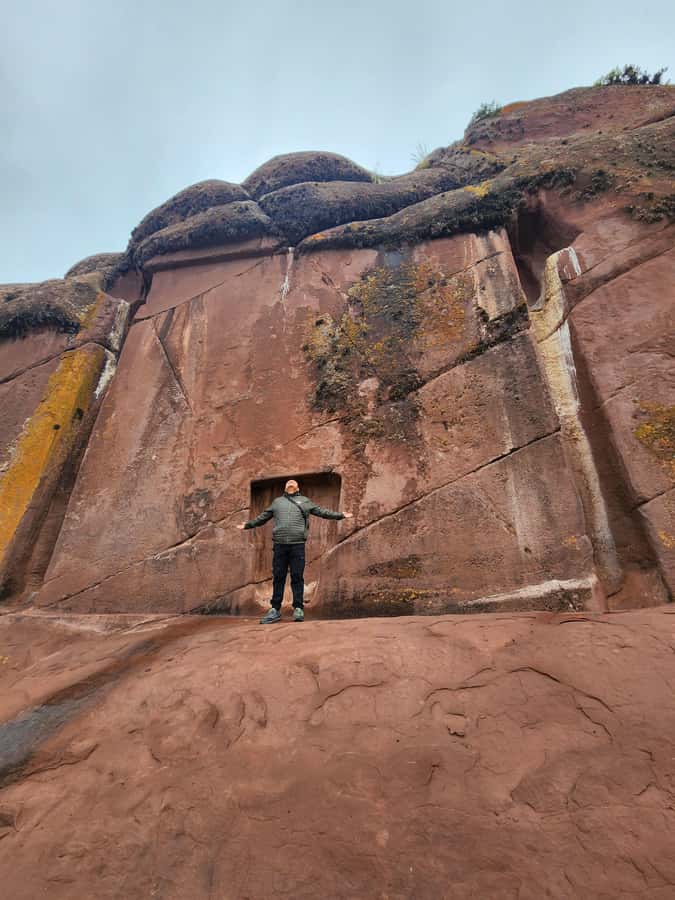
- The Aramu Muru Portal and Its Quiet Ceremony
- Juli, the Rome of America
- Transport, Guide Quality, and the Value of $32
- What to Pack for the High Plateau
- Who Will Enjoy This Tour Most?
- Should You Book the Aymara Route?
- FAQ
- How long does the Aymara Route take?
- Where does the tour start?
- Where does the tour finish?
- Is transportation included?
- Are entrance tickets included?
- Is a guide included?
- What is the Temple of Fertility?
- What are the waru warus?
- Can I take part in a ceremony at Aramu Muru?
- What should I bring?
- Can someone with epilepsy join the tour?
- Can I cancel the booking?
The Aymara Route at a Glance
- The Temple of Fertility has seven carved phalluses: Six smaller forms and one larger central figure make this a memorable first stop in Chucuito.
- Molloco has square and circular chullpas: You will see three square towers and one circular tower, a useful contrast with the better-known Chullpas de Sillustani.
- Waru warus reveal old Andean farming skill: These raised circular fields functioned as a practical system for growing grains and tubers in the highlands.
- Aramu Muru combines stone, ritual, and choice: You can spend time with the rock formations, meditate, and possibly join a ceremony or take a short walk.
- The transport matters: The route covers places south of Puno, so comfortable first-class mobility saves both time and negotiation.
- The price includes key costs: A guide, transportation, and admission tickets are included for $32, while food and personal purchases are not listed as included.
Why This Route Is Different From a Standard Puno Day Trip
Most first visits to Puno focus on Lake Titicaca. That makes sense, but the Aymara Route points you toward the southern side of the region, where ancient monuments and farming systems sit among working communities and open highland views.
I would choose this tour if you want more than scenic photographs. The sites are not presented as one single grand monument. Instead, each stop adds a different piece: fertility beliefs, burial customs, food production, spiritual practice, and the colonial-era town of Juli.
The tour is sold as an eight-hour experience, while the detailed timing adds up to about seven hours and ten minutes. It usually finishes in Puno around 4 or 5 pm, with the listed ending point at Cajamarca 236. In practical terms, plan for a full daytime outing and do not schedule something important immediately afterward.
More history to walk through in Puno:
- Puno: History and Culture Walking Tour
★ 4.1 · 13 reviews - Discover Lima: Love Park, Historic Center, and its Catacombs.
★ 5.0 · 696 reviews - Street Food, Market & Old Eateries Tour in Lima’s Historic Center
★ 5.0 · 656 reviews
Chucuito and the Temple of Fertility
The first major stop is Chucuito, south of Puno. You spend about 45 minutes to an hour here, with time for a guided visit, photographs, walking, and a little independent looking around.
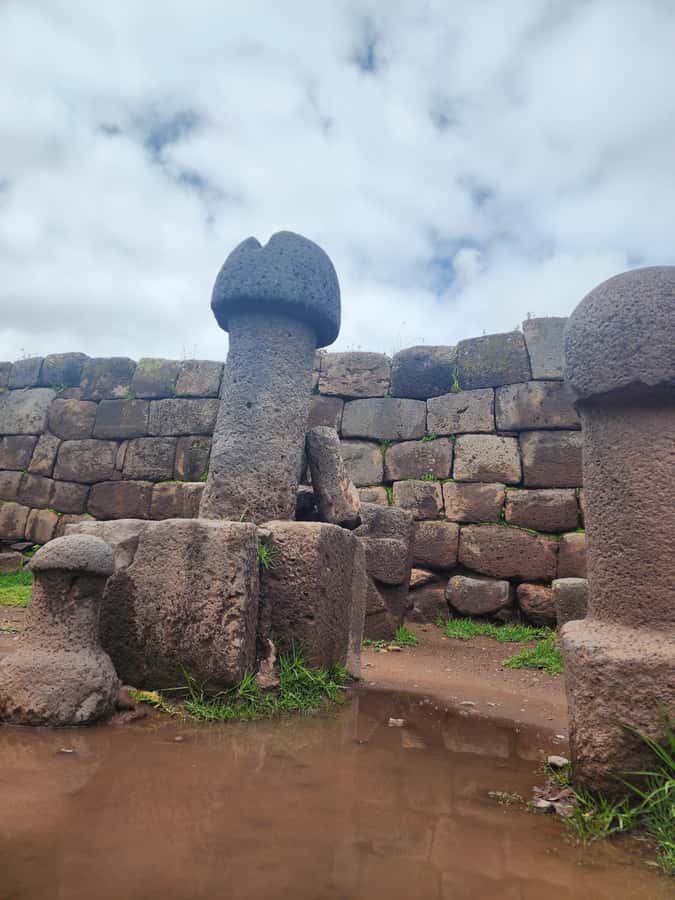
The Temple of Fertility is the attention-grabber. Its stone forms include six smaller phalluses and one larger central phallus. The imagery is direct, unusual, and easy to remember. Your guide can help place it within local beliefs about fertility and reproduction, rather than leaving you with a quick photograph and a joke.
This is also the kind of stop where a few minutes to browse souvenirs may be offered. Bring some cash if you like small local purchases, but do not feel pressured to buy anything. The real value here is the explanation. Without context, the monument can seem like a curiosity. With a good guide, it becomes a window into how earlier communities expressed hopes for family, land, and continuity.
The first stop drew especially strong enthusiasm in one Polish review, which noted that it made the day for the writer’s wife. That reaction makes sense: the site is compact, strange, and immediately different from the familiar Inca material around Cusco.
Molloco’s Four Chullpas
The route continues to Acora for the Chullpas de Molloco. Allow around 45 minutes to an hour, depending on the group and the guide’s pace.
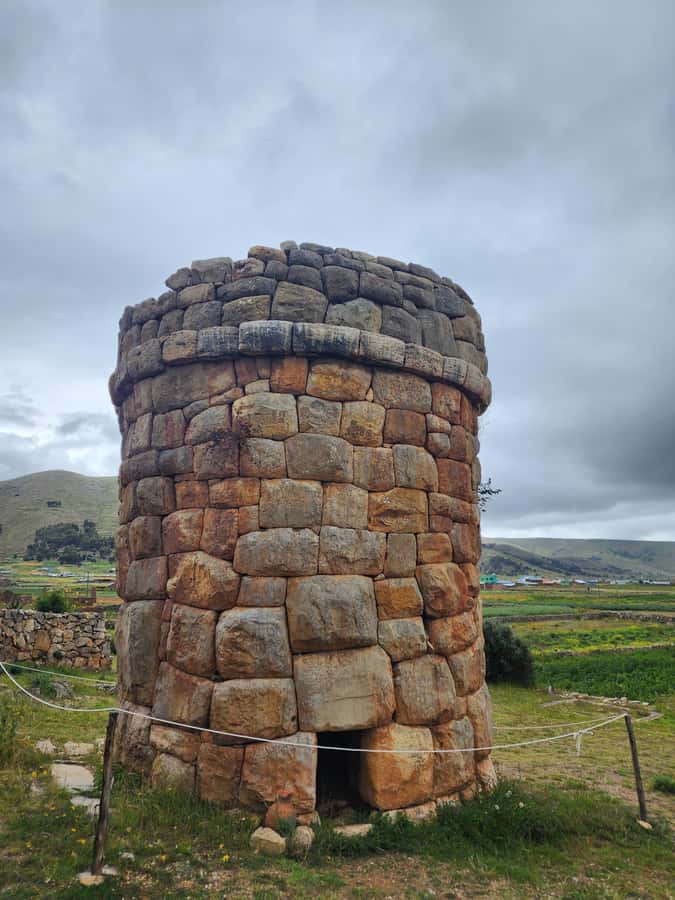
Chullpas are funerary towers, and Molloco is worth seeing because its forms differ from those at Sillustani. Here, you can see three square-style towers and one circular tower. That contrast helps you avoid treating every highland burial site as the same.
The visit includes walking, photographs, and an explanation from the guide. You may also have time to look around independently. The towers are not described as a huge complex, so keep your expectations realistic. This is a focused archaeological stop, not an all-day ruin site with endless paths.
Look carefully at the lower parts of the structures. The description refers to niches beneath the floor, adding another detail to the way these monuments were used. Ask your guide about the purpose and construction of the towers. A question here can turn a short visit into a much better lesson in local funerary customs.
Comfortable shoes are important. The route includes several walking stops, and the highland sun can feel strong even when the air is cool. Sunglasses, a hat, and comfortable clothing belong in your day bag.
The Circular Waru Warus of Acora
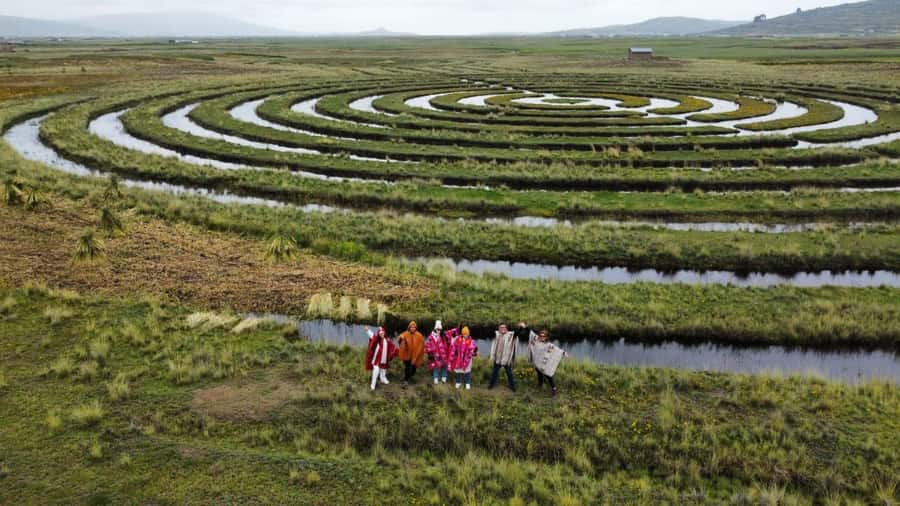
The next stop is one of the most useful for understanding Andean ingenuity. At the circular waru warus near Acora, you see an ancestral agricultural technique described as a laboratory for domesticating Andean grains and tubers.
The system is not just an old field pattern to photograph. It shows practical experimentation with crops and growing conditions. The circular form gives the stop a clear visual identity, but the explanation matters more than the shape. Ask your guide how the arrangement supported cultivation and why grains and tubers were important in the region.
This is where the tour moves beyond monuments. The Temple of Fertility deals with belief. The chullpas deal with death and remembrance. The waru warus deal with food, work, and survival. Taken together, those stops give you a broader view of Aymara life than a route built only around famous ruins.
Several recent departures included drone footage of the group and the circular formations. The aerial view can make the design much easier to understand, and the videos were provided as a free keepsake on some outings. Since this is not spelled out as a guaranteed feature, ask the guide about it at the start if the footage matters to you.
A few more Puno trips worth lining up side by side
- From Cusco: Vinicunca Rainbow Mountain ATV Tour with Meals
★ 4.6 · 1,060 reviews - From Puno: Uros, Amantaní & Taquile Islands 2-Day Tour
★ 4.5 · 452 reviews - Tour to Uros and Taquile Islands in a Fast Boat
★ 5.0 · 419 reviews - From Puno: Floating Islands of the Uros Half-Day Tour
★ 4.4 · 394 reviews
The Aramu Muru Portal and Its Quiet Ceremony
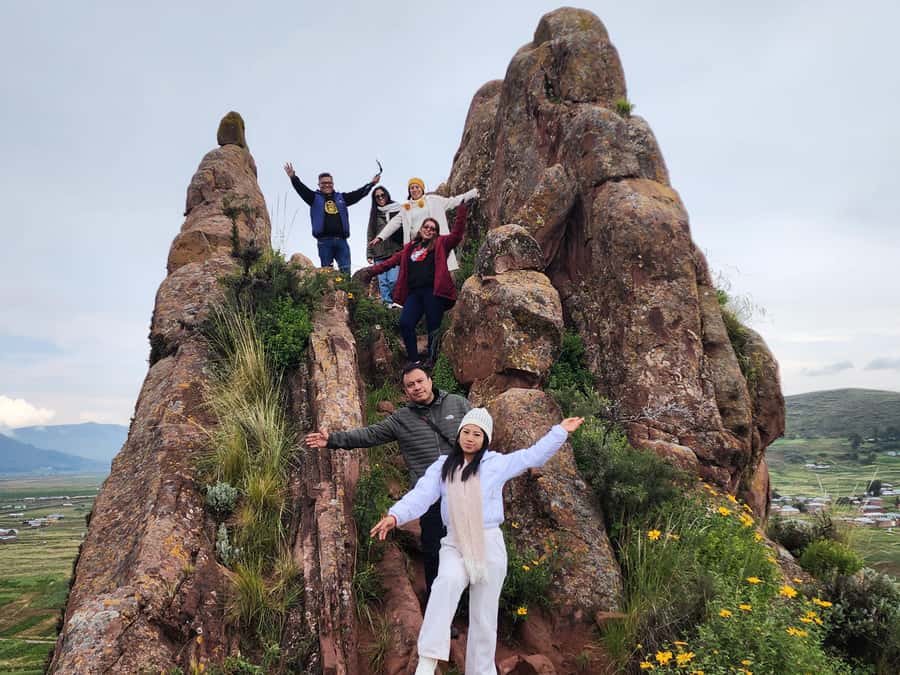
Aramu Muru is the emotional center of the route. The visit lasts about an hour and includes guided time, free time, meditation, and views of the rock formations.
The portal is often presented as a mysterious stone doorway, but the experience depends heavily on how you approach it. You can simply look, take photographs, and listen to the explanation. Or you can slow down, sit quietly, and use the place for meditation.
The tour information specifically includes a ceremony at Aramu Muru. Recent tour experiences also describe a choice between a rite or ceremony and a short trek for photographs. One French participant preferred the walk because it offered especially good pictures, while an Italian participant found the ritual intense and recommended taking part.
That choice is worth considering before you arrive. The ceremony may be the more memorable option if you want a cultural and spiritual experience. The short walk may suit you better if your priority is scenery and photography. Ask what is planned that day, since the exact options can vary.
Aramu Muru is also a good place to avoid rushing. You do not need to fill every minute with a photograph. The rock formations, quiet setting, and meditation period give the day a slower pause after several guided archaeological visits.
People with epilepsy should not book this activity. The provided safety information specifically lists epilepsy as a reason to avoid the tour.
Juli, the Rome of America
The itinerary includes Juli, described as the Rome of America, for about an hour. It is the final major area before the return to Puno.
The stop includes time to see the beach and consider optional activities. The route description also allows for a break, free time, shopping, and sightseeing around the Ilave area. The supplied schedule contains a clear timing error, listing 30 hours at one point, but the total tour length and the other stop durations make it clear that this is intended to be a short break, not an overnight stay.
Juli gives the day a different finish. After ancient towers and ceremonial stones, you get a town and lakeside setting where you can relax, take photographs, and possibly eat. Food is not listed among the inclusions, so budget separately for lunch or snacks.
One recent participant described a barbecue restaurant chosen during the outing, with several options explained in advance and a fair price. That is useful, but restaurant arrangements are not guaranteed in the tour details. Carry cash, and ask the guide about the meal plan early in the day.
Transport, Guide Quality, and the Value of $32
The route is only practical with organized transport. Chucuito, Acora, Aramu Muru, and Juli are spread across the southern Puno Region. Hiring separate taxis for each stop would take more planning and could cost more than the tour itself.
First-class transportation is included. A Polish participant called the bus the most comfortable vehicle used during a trip in Peru. Another review described a puncture that was handled with a replacement vehicle in about half an hour. That is a useful sign of basic operational support, though no road trip is completely free from delays.
The guide is available in Spanish and English. Recent feedback praised clear explanations, maps, photographs, and careful attention to the group’s comfort. One English-speaking participant said the guide took time to explain each stop, even though most of the group spoke Spanish.
At $32, the package is strong value because it includes three things that often push up the cost of a full-day outing: transport, an official tourism guide, and entrance tickets. It does not promise lunch, drinks, or personal purchases, so keep a little cash with you.
The overall rating is 4.7 from 27 reviews, with repeated praise for the guide, the comfortable vehicle, the unusual stops, and the drone videos. The most consistent strength is not one monument. It is the way the guide links the sites and keeps the day running smoothly.
What to Pack for the High Plateau
You should dress for sun, wind, and changing conditions. Bring:
- Comfortable walking shoes
- Sunglasses
- A hat
- Comfortable clothes
- A camera
- Cash
- Biodegradable insect repellent
Check the weather and local social conditions the day before departure. The operator also asks you to provide a hotel address and a contact number, preferably a phone or WhatsApp number, so pickup can be coordinated.
Pickup is included, but you should send the correct hotel address in advance. This matters in Puno, where a small location mistake can create an unnecessary delay at the start of a long day.
Who Will Enjoy This Tour Most?
I would recommend the Aymara Route to you if you want a cultural day with variety. It suits people who enjoy archaeology but also want to see farming techniques, local ritual, unusual rock formations, and a town outside central Puno.
It is also a good choice if you prefer a guide to explain what you are seeing. Several stops are compact, and without interpretation you could easily miss why the chullpas differ or how the waru warus worked.
You may want another option if you dislike long road days, prefer to explore one site slowly, or need a highly predictable schedule. The route covers a lot, and the timing may shift. You also need to decide how you feel about a ceremony at Aramu Muru, since some people prefer the short walk instead.
Free cancellation up to 24 hours before the start and the option to reserve now and pay later make the booking less rigid. Still, check the departure time and pickup details before committing.
Should You Book the Aymara Route?
Book it if you want an affordable, well-supported day beyond Lake Titicaca. The best reasons are the unusual Temple of Fertility, the contrast between Molloco and Sillustani, the practical lesson at the waru warus, and the reflective hour at Aramu Muru.
I would give extra weight to the guide and vehicle. Those two details matter more than flashy advertising on a route this spread out. If you like authentic places, clear explanations, and a full day of contrasts, $32 is a sensible buy. If you want a relaxed schedule with no optional choices, expect the pace and confirm the Aramu Muru plan before booking.
FAQ
How long does the Aymara Route take?
The activity is advertised as eight hours, while the detailed schedule gives a total of about seven hours and ten minutes. It generally ends in Puno around 4 or 5 pm.
Where does the tour start?
Pickup is provided in Puno. You should send your hotel address and a phone or WhatsApp contact number to coordinate the pickup.
Where does the tour finish?
The listed finishing point is Cajamarca 236, Puno 21001, Peru.
Is transportation included?
Yes. First-class transportation is included in the tour price.
Are entrance tickets included?
Yes. The listed inclusions cover tickets for the places visited.
Is a guide included?
Yes. An official tourism guide accompanies the tour. Live guiding is available in Spanish and English.
What is the Temple of Fertility?
It is a site in Chucuito with six smaller phalluses and one larger phallus. The tour includes a guided visit and time for photographs.
What are the waru warus?
They are circular Andean agricultural systems linked to the cultivation and domestication of grains and tubers.
Can I take part in a ceremony at Aramu Muru?
The tour includes a ceremony at Aramu Muru, but the exact choice may be between the ceremony and a short trek. Ask the guide what is planned on your departure day.
What should I bring?
Bring comfortable shoes, sunglasses, a hat, a camera, comfortable clothes, cash, and biodegradable insect repellent. Check the weather and local social conditions the day before.
Can someone with epilepsy join the tour?
No. The activity is listed as unsuitable for people with epilepsy.
Can I cancel the booking?
You can cancel up to 24 hours in advance for a full refund. The reserve-now, pay-later option is also available.
Added recently around Puno
- Sun island and Copacabana | From Puno or La Paz / Day Trip★ 4.1 · 5 reviews
- Puno: Uros and Taquile Islands Full-Day Tour with Lunch★ 4.5 · 17 reviews
- Puno: History and Culture Walking Tour★ 4.1 · 13 reviews
- Puno: Lake Titicaca, Uros, and Taquile Full-Day Tour★ 4.5 · 4 reviews
- Puno: 3-hour trip to the floating Uros Islands★ 4.5 · 9 reviews
- Puno: Lake Titicaca Day Tour★ 4.5 · 17 reviews
- Puno: 2 Day Visit to Uros, Amantani and Taquile★ 4.5 · 13 reviews
- Lake Titicaca, Peru: Guided Tour to the Uros and Amantani Islands with Lunch★ 5.0 · 4 reviews
Historical Tours, compared.

Discover Lima: Love Park, Historic Center, and its Catacombs.
Read our review →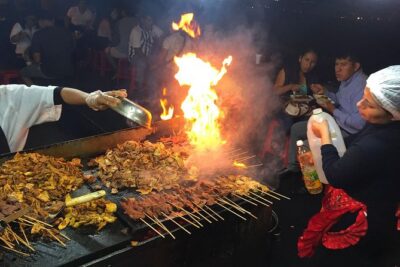
Street Food, Market & Old Eateries Tour in Lima’s Historic Center
Read our review →
Lima’s Vibrant Heritage: Exploring the City’s Landmarks Half-day
Read our review →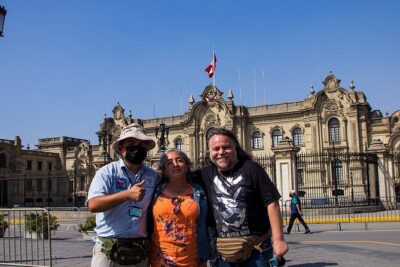
A Journey Through Time: Lima’s Historic Center & Catacombs Tour
Read our review →
Historic Center Street Food, Market, and Eateries Tour
Read our review →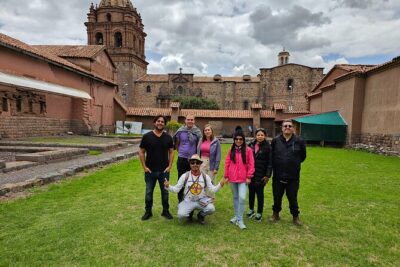
Historic Walking Tour with Pisco Sour and Local Music
Read our review →
Walking tour in the Historic Center of Arequipa
Read our review →
Top Attractions in Lima: Historic Center, Love Park & Catacombs
Read our review →Browse the lists this tour appears in