
Reviewed · SACRED VALLEY TOURS
Cusco: Sacred Valley and Salt Mines Ending in Ollantaytambo
Five stops, one long day. This $40 tour packs Chinchero, Moray, the Maras Salt Mines, Urubamba, and Ollantaytambo into a useful route through the Cusco Region. I like the combination of major archaeological sites and working Andean communities, and I especially like that the tour ends near the Ollantaytambo train station instead of returning you to Cusco.
The low price is another strong point, especially with hotel pickup, transport, a guide, and the full route included. Guide Jonathan received special praise for switching between English and Spanish with ease, but you should expect a speedy schedule. One day is enough to see the highlights, though not always enough to linger.
In This Review
- Key points to know
- Why This Route Works From Cusco to Ollantaytambo
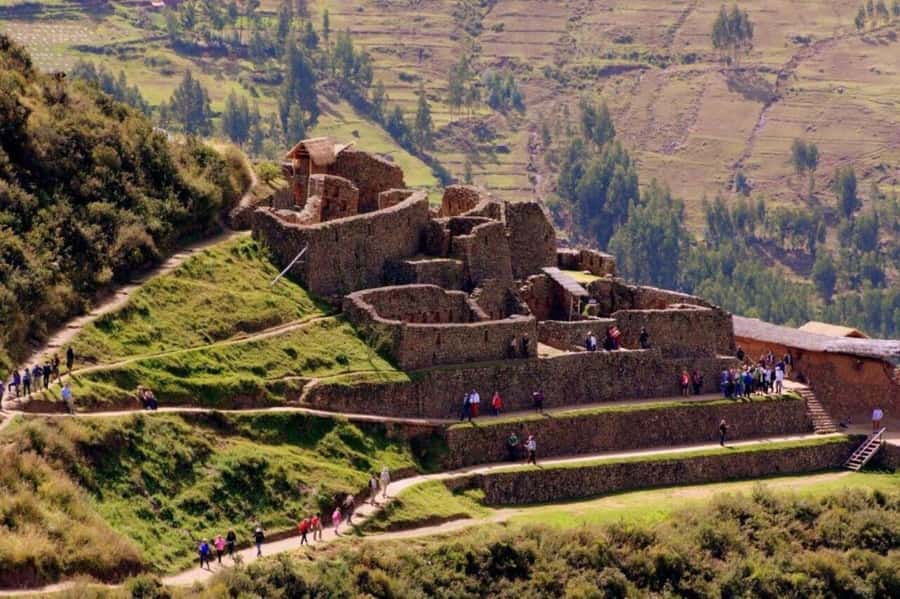
- Chinchero at 3,772 Meters
- Moray’s Circular Agricultural Terraces
- Maras and Its 4,000 Salt Wells
- Lunch in Urubamba and the Question of Cost
- Ollantaytambo, the Strong Finish
- The Pace: Efficient, but Not Relaxed
- What the $40 Price Really Buys
- What to Bring for a High-Altitude Day
- Who Should Book This Tour
- Should You Book the Sacred Valley and Salt Mines Tour?
- FAQ
- How long does the tour last?
- Where does the tour begin?
- Which places are included in the route?
- Is lunch included in the tour price?
- Are entrance fees included?
- What languages are available?
Key points to know
- The route ends in Ollantaytambo, making this useful if you plan to take a train onward after the tour.
- Chinchero combines archaeology, a colonial church, a market, and Andean textiles in one stop.
- Moray’s circular terraces are among the most unusual sights in the Sacred Valley.
- Maras contains more than 4,000 salt wells, spread across a dramatic mountainside setting.
- The $40 price is excellent value, but entrance fees and the buffet lunch are not listed as included.
- The pace is quick, so bring water, sun protection, and shoes made for walking.
Why This Route Works From Cusco to Ollantaytambo
The Sacred Valley is not one single sight. It is a broad stretch of villages, cultivated fields, archaeological sites, and high mountains, and this tour gives you a fast sample of several different sides of it.
I like the route because it does not focus only on Inca ruins. You see Chinchero as a living town, Moray as an agricultural site, Maras as a working salt-producing area, Urubamba as a food stop, and Ollantaytambo as a remarkable Inca settlement that people still call home.
The route also solves a common planning problem. Many day tours from Cusco return to the same city at the end, which is inconvenient if you are continuing toward Machu Picchu. This one finishes near the Ollantaytambo train station at about 3:30 PM.
That ending is useful, but you should check your own train plans carefully. The tour provides drop-off near the station, not a train ticket or a guaranteed connection.
More Sacred Valley days out:
- Cusco:Sacred Valley Pisaq,Ollantaytambo,Chinchero with Lunch
★ 4.8 · 183 reviews - Valle Sagrado:Chinchero, Moray, Maras, Ollantaytambo y Pisac
★ 4.5 · 116 reviews - Machu Picchu: Group Guided Tour
★ 4.7 · 102 reviews
Chinchero at 3,772 Meters
Chinchero is the first major stop, and its altitude matters. At 3,772 meters above sea level, it is higher than Cusco, so walk slowly and keep water close.
The town brings several kinds of interest together. You can see archaeological remains, visit a 17th-century colonial church, and look at canvases associated with the Cusco School. The church adds an important layer to the visit, since Spanish colonial buildings and religious art were built into places that already held significance for Andean communities.
A typical market is also part of the stop. Bartering is still possible, and the focus is on traditional textiles made by Andean women. This is a good chance to look closely at weaving, color, and pattern rather than rushing through a row of generic souvenirs.
I would keep an open mind about the market portion. It can be useful for seeing local textile work and understanding how handicrafts fit into daily commerce, but shopping may take attention away from the archaeological site and church. If your main goal is ruins, tell yourself in advance how much time you want to spend browsing.
Chinchero is also a good reminder that the Sacred Valley is not a collection of abandoned monuments. It is still a place of farms, homes, religious life, and trade.
Moray’s Circular Agricultural Terraces
Moray is the most visually unusual stop on the route. Its large circular terraces descend into the earth in wide rings, creating a pattern that looks almost too neat to be natural.
The site is described as an experimental agricultural center. The design is often discussed in connection with the Incas’ interest in growing crops at different heights and conditions. You do not need a long lecture to appreciate it, but a guide can help explain why this is more than an attractive set of circles.
I like Moray because it shows practical Inca engineering. The site is not simply a fortress or ceremonial structure. It points to farming, food production, and the careful use of altitude in a region where conditions change quickly from one valley to the next.
You will want time for photographs here, especially from above, where the rings are easiest to understand. The drawback is the same one found across the whole tour: the schedule gives you a taste rather than a long visit. If the group is moving on, you may need to choose between taking several photos and listening to every part of the explanation.
Comfortable shoes are important. The tour involves walking at high altitude, and the day includes several stops with uneven ground or open outdoor paths.
Maras and Its 4,000 Salt Wells
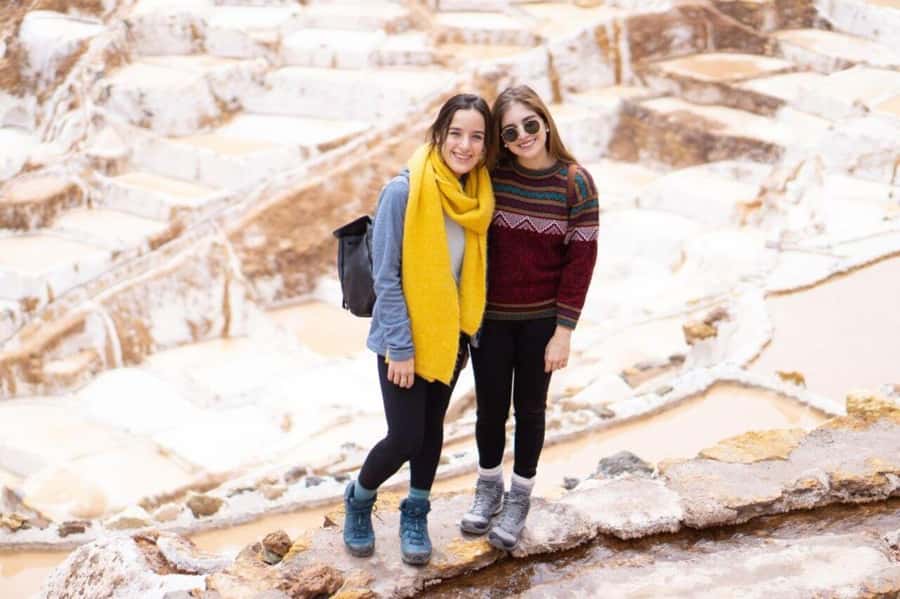
The Maras Salt Mines provide the tour’s most surprising change of subject. Instead of stonework or terraces built for crops, you see more than 4,000 small salt wells arranged across the mountainside.
Salt water flows into the wells, where it can evaporate and leave salt behind. The result is a patchwork of shallow pools that changes in appearance with light, season, and the amount of salt in each basin.
This is one of the best parts of the day for understanding that the Sacred Valley is still productive. Maras is not only an archaeological curiosity. Salt extraction remains tied to local work and the region’s economy.
The view can be striking, but you should pay close attention to where you walk. The salt wells are not a broad, empty plaza. Paths and edges can be uneven, and you will want footwear with a good grip.
Entrance fees to Moray and Maras are not included in the $40 tour price. Budget for those separately, and confirm the current amount before departure. The tour information also lists entrance fees generally as excluded, so do not assume that every site admission is covered.
Also leaving from Urubamba, and nothing like the above:
- Machu Picchu: Tour Guide Service & Entrance Ticket Circuit-2
★ 4.6 · 90 reviews - From Cusco: Chinchero, Moray, Maras and Ollantaytambo
★ 4.5 · 83 reviews - Cusco: Valle Sagrado VIP, Maras, Moray y Almuerzo Buffet
★ 4.8 · 34 reviews - from Urubamba & Ollantaytambo:Sacred Valley Full-Day Private
★ 4.9 · 31 reviews
Lunch in Urubamba and the Question of Cost
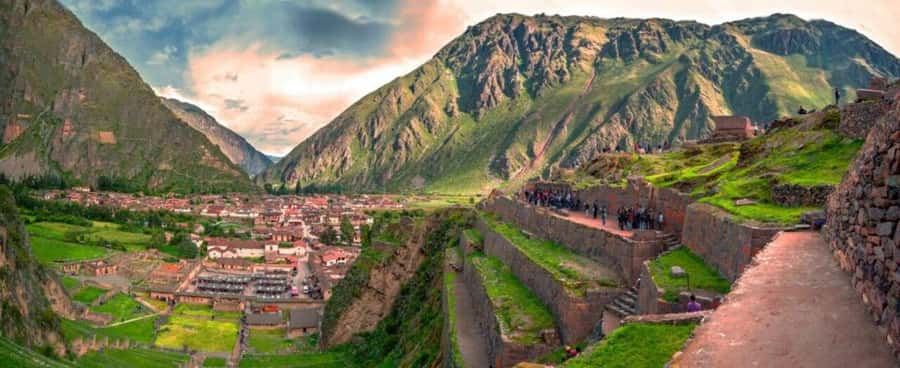
Urubamba is the lunch stop, with a buffet at a typical local restaurant described as part of the day’s plan. The advertised inclusions, however, say buffet lunch is not included in the price, so you should treat lunch as an extra cost unless your booking confirmation clearly says otherwise.
That small detail matters when comparing this tour with other Sacred Valley options. At $40, the package is already inexpensive for a full day of transport and guiding, but the true cost will be higher once you add site admissions and food.
A buffet makes practical sense on a packed schedule. You can sample several regional flavors without waiting for individual dishes, and you can return to the vehicle on time. It is less suited to someone hoping for a slow, intimate meal.
One very positive account described hotel pickup and a pleasant buffet lunch as part of a smooth day. Because the written inclusions are not fully consistent with that account, I would ask the provider or check the final booking details before setting your budget.
Ollantaytambo, the Strong Finish
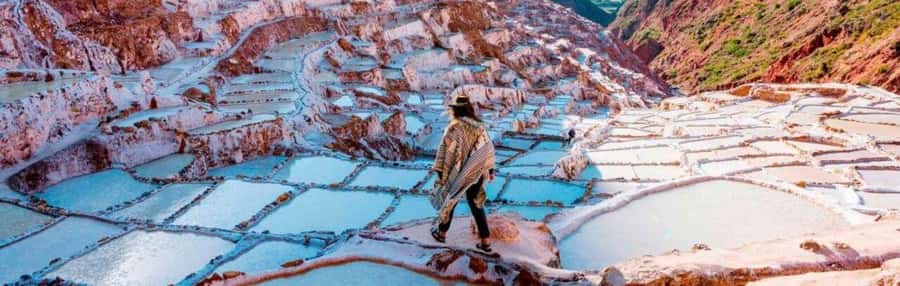
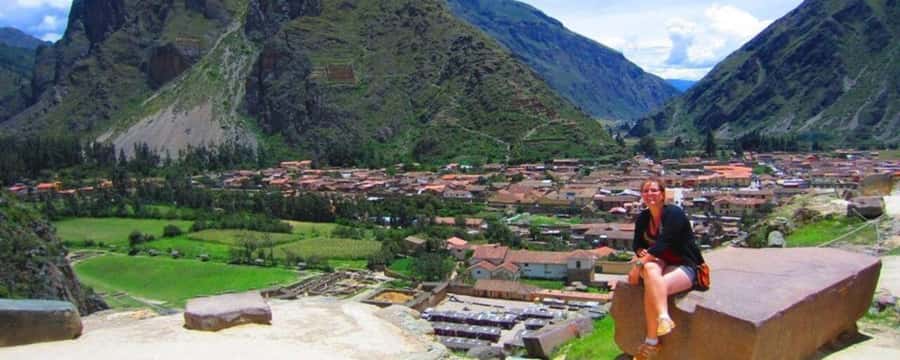
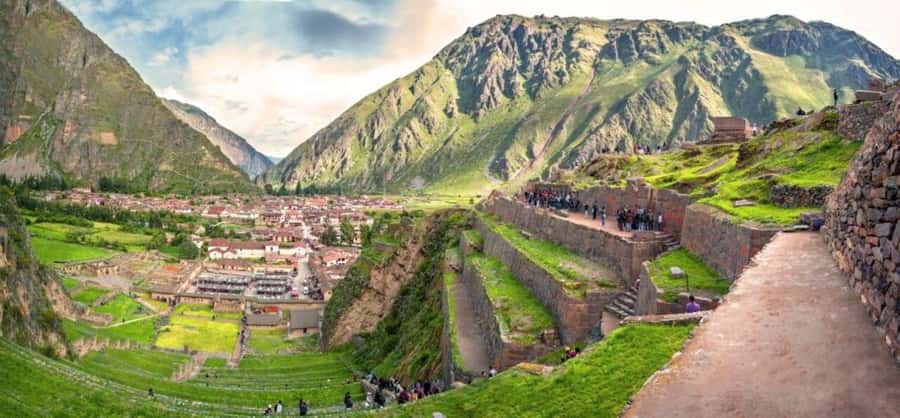
The final major stop is Ollantaytambo, often called a living Inca city. That description is useful because the town is not merely a ruin visited behind barriers. Its streets and buildings still form a functioning settlement around major Inca remains.
The fortress above the town helped protect the Sacred Valley from possible invaders. From the site, you can appreciate the defensive position and the amount of work needed to shape and place the stone.
Ollantaytambo also gives the day a sense of purpose. After seeing farming terraces and salt wells, you finish with a site tied to military power, town planning, and control of the valley.
The tour ends near the Ollantaytambo train station at approximately 3:30 PM. This is the main logistical advantage of the experience. If you are heading toward Machu Picchu, you can avoid returning all the way to Cusco, provided your onward plans fit the timing.
You may not have as much time in Ollantaytambo as you would on a dedicated half-day visit. That is the tradeoff for covering so many places in one day.
The Pace: Efficient, but Not Relaxed
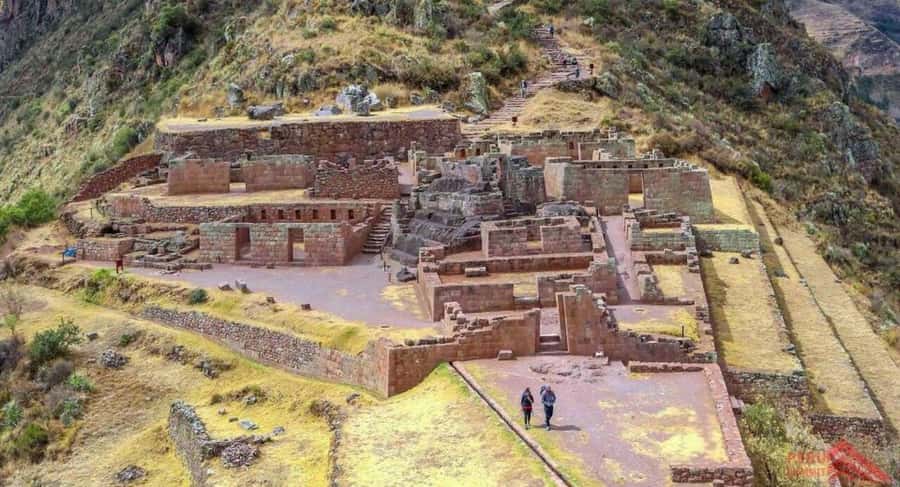
The full duration is 12 hours, and the route covers a wide area. That makes the day efficient, but it also explains the main criticism: the schedule can feel rushed from one stop to the next.
I would choose this tour if I want a broad first look at the Sacred Valley. I would not choose it if my priority is quiet photography, long museum visits, or sitting with a site for an hour without watching the clock.
The guide makes a major difference on a fast itinerary. Jonathan was praised for his professional manner and for moving between English and Spanish fluently. Another Spanish-language assessment also highlighted Jhonnattan’s explanations. The spelling differs in the supplied information, so check the guide’s name at booking if that matters to you.
A good guide can turn short stops into useful ones by explaining what you are looking at before you arrive. That helps you make better choices with limited time. You may decide to focus on the church at Chinchero, the full shape of Moray, the salt wells at Maras, or the fortress at Ollantaytambo.
What the $40 Price Really Buys
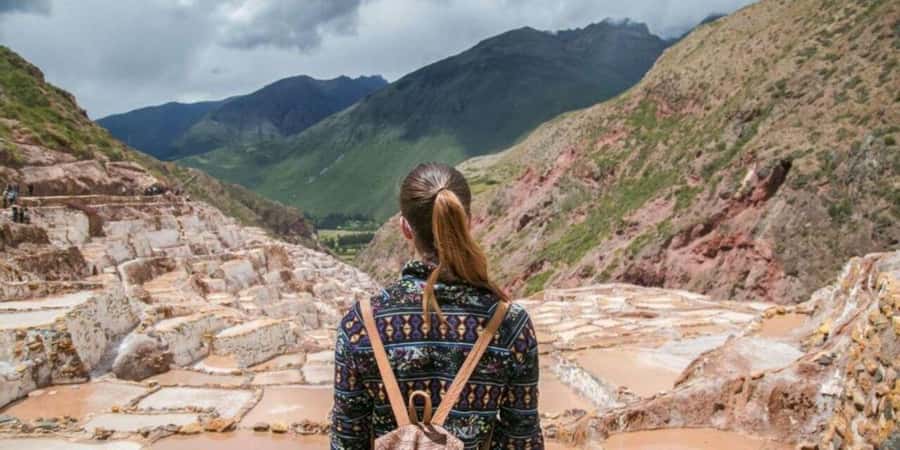
At $40 per person, this is a strong-value tour for the amount of ground covered. Hotel pickup in Cusco, tourist transport, a live English or Spanish guide, four named destinations, and a final drop-off near Ollantaytambo are all valuable inclusions.
The price is especially attractive for solo visitors or anyone who does not want to arrange several separate transfers. A private vehicle or private guide would cost much more, while public transport would make this exact route difficult to coordinate in one day.
Still, the headline price is not the full budget. You need to add entrance fees, and the buffet lunch is listed as excluded even though a positive account described lunch as available. Carry some extra money and verify the lunch arrangement.
The low price may also mean a group setting and a fixed timetable. The supplied information does not state the group size, so I would not expect a private or flexible tour unless that is confirmed separately.
What to Bring for a High-Altitude Day
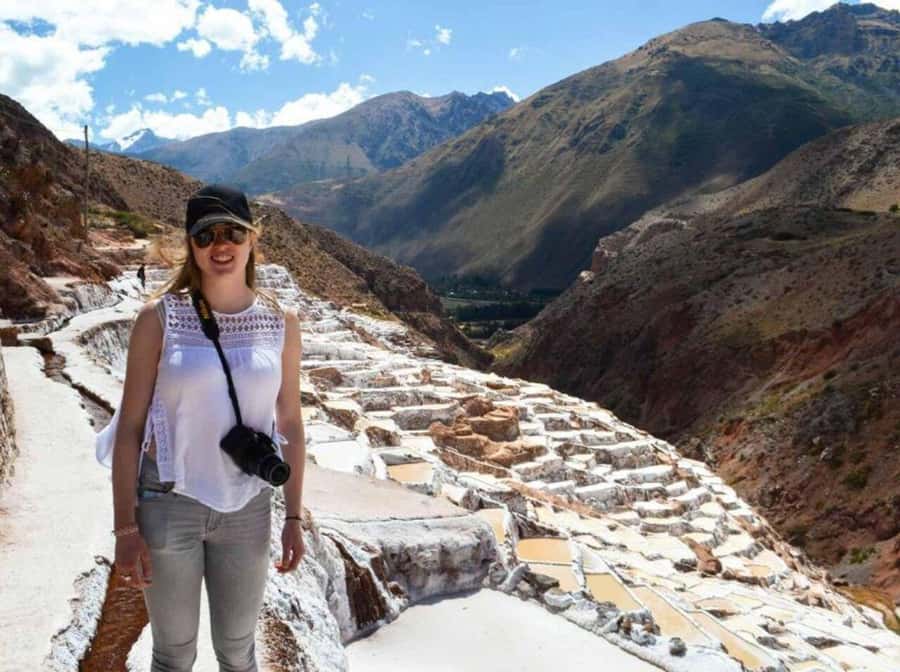
The practical packing list is short, but each item earns its place:
- Comfortable walking shoes: You will visit archaeological areas, terraces, salt wells, and a fortress.
- Water: The altitude and long day make hydration important.
- Hat and sunscreen: Sun protection is needed even when the air feels cool.
- Camera: Moray, Maras, the crop fields, villages, and mountain views provide the main photographic rewards.
- Comfortable clothing: You will spend much of the day moving between outdoor sites.
Do not pack as if this were only a bus ride. You will be getting out repeatedly, walking, listening, taking photos, and reboarding on a schedule.
The route passes through high Andean areas where the mountains can feel much closer than they do from Cusco. The fields and villages are an important part of the view, not just scenery between ruins. Keep your eyes open during the drives, since the contrasts between cultivated land, villages, and snow-capped peaks help explain why the valley mattered so much.
Who Should Book This Tour
I would recommend this experience to you if you want to see several major Sacred Valley sights in one day and continue to Ollantaytambo afterward. It is also a good fit if you value a guide’s explanations and organized transport more than independent pacing.
It suits first-time visitors who want orientation before deciding where to spend more time later. The route gives you a useful overview of archaeology, agriculture, textile traditions, salt production, and Inca defense.
I would be more cautious if you dislike early starts, high-altitude walking, group schedules, or short visits. Anyone with limited mobility should ask for more details before booking, since the provided information confirms walking at multiple outdoor sites but does not describe accessibility arrangements.
The tour’s rating of 4.6 from five reviews reflects a very positive response, with particular praise for the value, the guide, the number of sights, hotel pickup, and the final drop-off. The one clear warning is the rushed pace, and that is a fair warning to take seriously.
Should You Book the Sacred Valley and Salt Mines Tour?
Book it if your goal is maximum coverage for a modest price. The combination of Chinchero, Moray, Maras, Urubamba, and Ollantaytambo is hard to match independently in one day, and ending near the train station can save you a needless return to Cusco.
Skip it if you want a slow, detailed visit to each place. For most people, this is best understood as a well-packed introduction, not a leisurely study tour.
Before paying, confirm two practical points: the current entrance costs for Moray and Maras, and whether lunch is included or paid separately. If you accept the brisk pace and prepare for a long high-altitude day, this tour offers a lot for $40.
FAQ
How long does the tour last?
The tour duration is 12 hours. Transport drops you near the Ollantaytambo train station at about 3:30 PM.
Where does the tour begin?
The day begins with hotel pickup in Cusco.
Which places are included in the route?
The route includes Chinchero, Moray, the Maras Salt Mines, Urubamba, and Ollantaytambo.
Is lunch included in the tour price?
The information lists buffet lunch in Urubamba as not included. One account described having a buffet lunch, so check your booking details to confirm whether it is provided or paid separately.
Are entrance fees included?
No. Entrance fees to Moray and Maras must be paid separately.
What languages are available?
The live guide service is available in English and Spanish.
Added recently around Urubamba
- Super Sacred Valley★ 3.8 · 6 reviews
- Machupicchu 2025: The best ticket Circuit 2★ 3.5 · 6 reviews
- Machu Picchu: 1-day tour by Vistadome Panoramic train★ 4.7 · 15 reviews
- Machu Picchu: historical and photographic guided tour★ 4.9 · 27 reviews
- Private Guide in Machu Picchu for 3 Hours★ 4.2 · 17 reviews
- from Urubamba & Ollantaytambo:Sacred Valley Full-Day Private★ 4.9 · 31 reviews
- From Cusco: City Tour in Cusco – Sacsayhuamán and Koricancha★ 3.0 · 4 reviews
- Cusco: Valle Sagrado VIP, Maras, Moray y Almuerzo Buffet★ 4.8 · 34 reviews
Sacred Valley Tours, compared.
Sacred Valley & Maras Salt Mines Tour with Lunch
Read our review →
Moray, Maras Salt Mines & Chinchero Weavers Tour
Read our review →
2-Day Tour: Sacred Valley and Machu Picchu by Train
Read our review →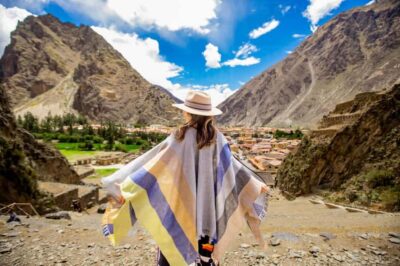
Sacred Valley, Pisac, Ollantaytambo, Salt Mines Moray
Read our review →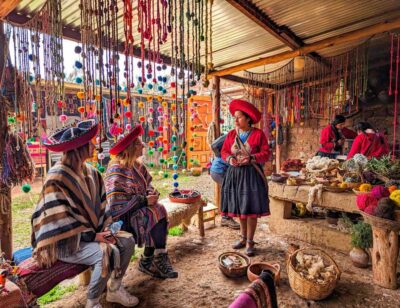
Chinchero,Moray & Salt Mines drop-off in Ollantaytambo
Read our review →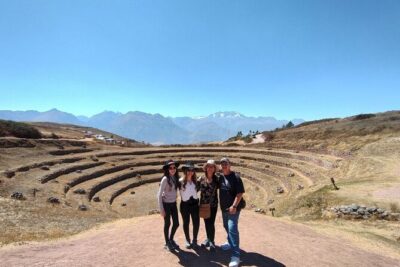
Sacred Valley and Maras Moray Tour with Full Day Buffet Lunch
Read our review →

Browse the lists this tour appears in