
Reviewed · SACRED VALLEY TOURS
From Cusco: City Tour in Cusco – Sacsayhuamán and Koricancha
Cusco reveals its Inca story in stone. This 4.5-hour outing links Qoricancha, Sacsayhuamán, Qenqo, Puca Pucara, and Tambomachay, giving you a quick look at the city’s major archaeological sights with transportation and a live English or Spanish guide. I like the strong mix of temples, military sites, water engineering, and high viewpoints. I also like that hotel pickup and tourist transport are included, which can save time in a spread-out city.
The main caution is the pace. The route covers five sites in 270 minutes, and extra entrance fees raise the real cost above the advertised $20. A family with a seven-year-old found the early start and long schedule tiring, and chose to visit Qoricancha and Sacsayhuamán independently instead. That is useful advice if you prefer slow walks and plenty of time at each stop.
In This Review
- Key points to know before booking
- What this half-day Cusco route actually gives you
- Qoricancha, where Inca and colonial Cusco meet
- Sacsayhuamán and the stones that define the tour
- Qenqo, a ceremonial center carved into rock
- Puca Pucara and the Inca road network
- Tambomachay and the worship of water
- The real cost: $20 plus required entrance fees
- Who will enjoy this Cusco tour most?
- Should you book it?
- FAQ
- How long does the Cusco city tour last?
- What sites are included?
- Is hotel pickup included?
- Is transportation included?
- Is a professional guide included?
- Which languages are available?
- Is the Qoricancha entrance fee included?
- Is the tourist ticket included?
- Is a visit to Cusco Cathedral included?
- Can I cancel for a full refund?
Key points to know before booking
- Qoricancha begins the tour: You see the Inca Temple of the Sun and the Santo Domingo convent built over it.
- Sacsayhuamán provides the big views: The huge stone blocks and high position make this the visual high point of the route.
- Qenqo focuses on ritual: Tunnels, canals, and a rock-carved altar explain why this site feels different from the fortress.
- Puca Pucara and Tambomachay complete the circuit: One served as a checkpoint, while the other centers on water worship.
- The $20 price is not all-inclusive: Add 20 soles for Qoricancha and 70 to 120 soles for the tourist ticket, unless you already hold a valid ticket.
- The tour suits efficient sightseers: It works best if you want an organized overview rather than a relaxed, self-paced day.
What this half-day Cusco route actually gives you
This is a compact introduction to the Inca sites around Cusco. You start in the historic center, visit Qoricancha, then head to the major archaeological sites outside the center before returning to town.
The schedule matters. Five stops in four and a half hours means you should expect an overview, not a long archaeological study. You will get the broad story and the main views, but the time at each place may feel short if you like to read every sign, take many photographs, or move slowly at altitude.
The tour includes hotel pickup, tourist transportation, and a professional guide. That combination has real value in Cusco, where the sites are spread across different parts of the city and surrounding hills. You do not need to arrange separate rides between Qoricancha, Sacsayhuamán, Qenqo, Puca Pucara, and Tambomachay.
Still, transportation in the historic center has limits. One family found that riding through central Cusco was less appealing than walking at its own pace, and later paid 10 soles to reach Sacsayhuamán independently. If your hotel is close to the center, you may prefer walking around Qoricancha on your own and using a separate ride for the outer sites.
More City Tours in Sacred Valley
- Cusco: City Tour with Inca Archaeological Treasures
★ 5.0 · 28 reviews - Cusco in 3 days: city tour, Rainbow Mountain and Machupicchu
★ 4.9 · 7 reviews - 4-Day: All Included Excursion City Tour, Sacred Valley & MachuPicchu
★ 5.0 · 40 reviews
Qoricancha, where Inca and colonial Cusco meet
The first stop is Qoricancha, also written Koricancha, the Temple of the Sun. It was the most sacred Inca temple dedicated to the Sun God. The Convent of Santo Domingo was later built over the site, creating one of Cusco’s clearest examples of Inca and colonial layers occupying the same space.
This is a strong opening stop because it gives you context before the outer archaeological sites. You can see the religious importance of the temple and how the later convent changed the setting. The attraction is not only the Inca remains, but also the contrast between the original temple and the colonial building above it.
The convent contains a valuable collection of canvases associated with the Cusqueña School. That adds an art element to the visit, which helps break up the stonework and archaeological focus. If you enjoy painting and colonial religious art, allow yourself enough attention here rather than treating Qoricancha as a quick photo stop.
Entrance to Qoricancha costs 20 soles and is not included in the $20 tour price. This is one of the most important points to understand before booking. The advertised fare covers the guide and transportation, but your final spending depends on the additional tickets you need.
Sacsayhuamán and the stones that define the tour
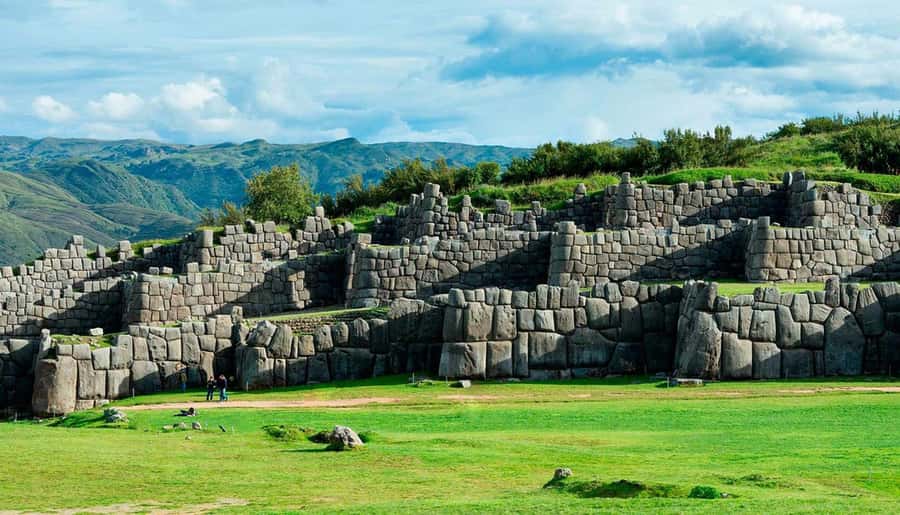
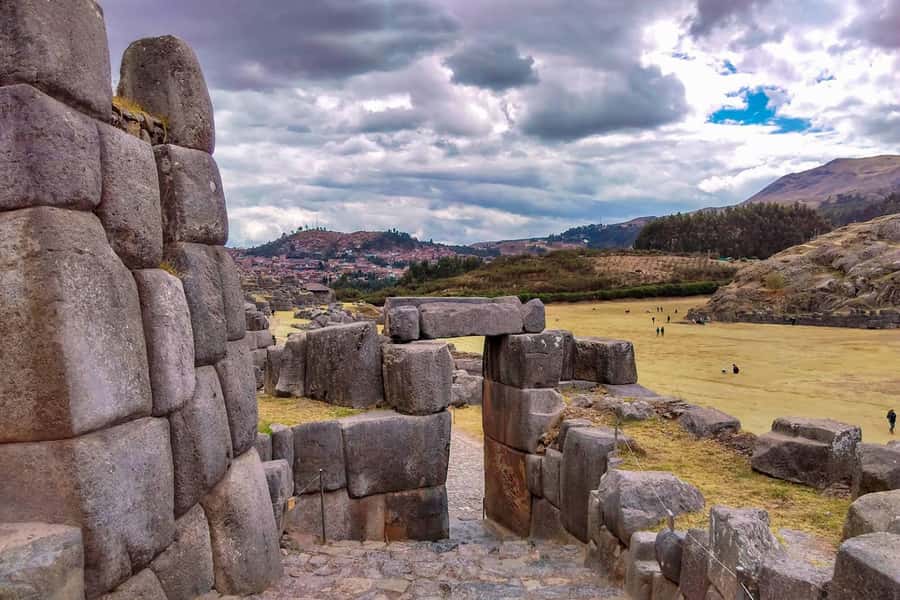
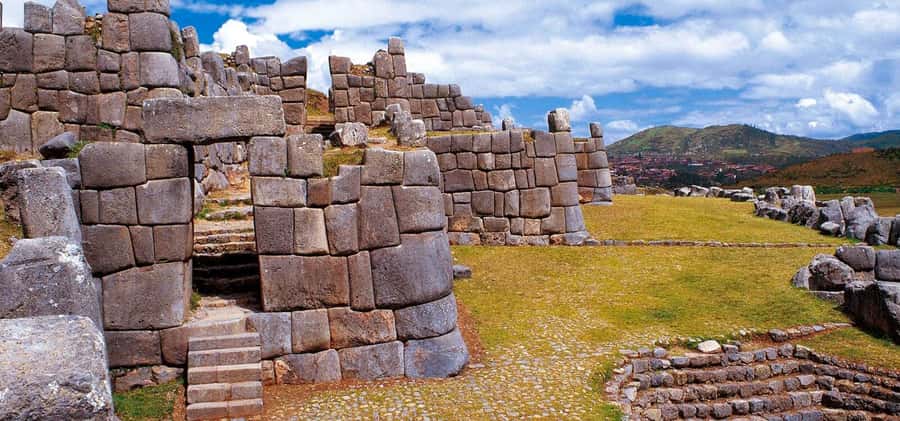
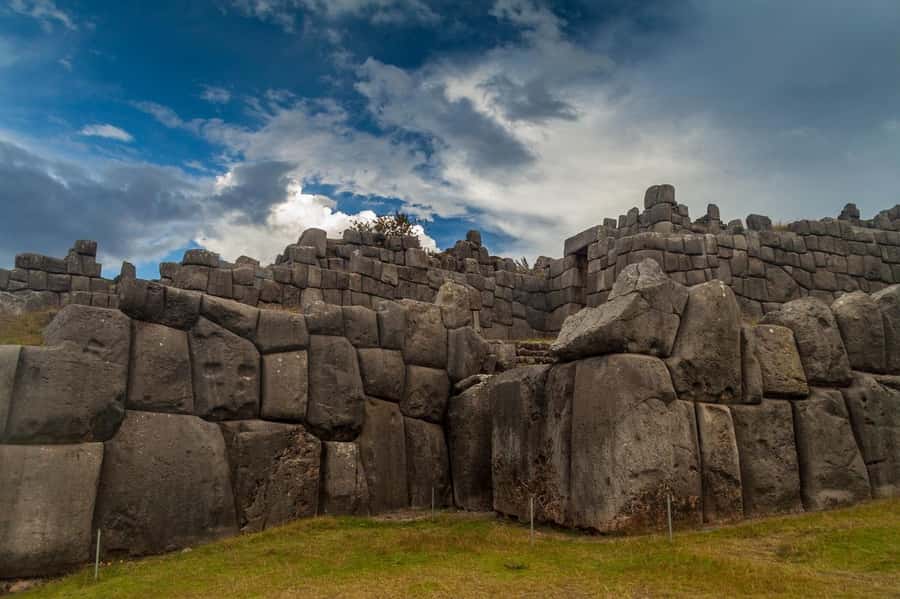
Sacsayhuamán is the most imposing stop on the route. This ceremonial fortress uses enormous stone blocks and sits high enough to provide broad views over Cusco.
The scale is the attraction. Even with limited time, the large stones give you a sense of the engineering skill behind the site. The setting also helps you understand Cusco’s shape from above, rather than seeing the city only from its narrow streets and central plazas.
Bring your attention to the stonework, not just the view. The size of the blocks is what makes Sacsayhuamán memorable. A guide can also help connect the site to its ceremonial and defensive roles, though the supplied information identifies it primarily as an imposing ceremonial fortress.
This stop may be the most rewarding part of the tour for people who want dramatic scenery and monumental architecture. It is also one reason organized transportation helps. Reaching Sacsayhuamán from central Cusco requires a climb or a separate ride, so including it in a planned circuit can be worth the cost.
The tradeoff is time. You may want to linger here, but the route still has three more sites to cover. If Sacsayhuamán is your main reason for booking, check the departure time and ask how long the group normally spends at the site.
Qenqo, a ceremonial center carved into rock
Qenqo changes the mood. Instead of focusing on huge open stonework, this ancient ceremonial and ritual center features tunnels, canals, and an altar carved into the rock.
The site was an amphitheater, and its ceremonial function is central to understanding it. The channels and carved surfaces give Qenqo a more enclosed, symbolic feel than Sacsayhuamán. You will want to listen closely to the guide here, since the meaning of the spaces may not be obvious from a quick look.
This is a stop for detail rather than grand scale. If you enjoy wondering how a carved rock space was used in religious rituals, Qenqo can be fascinating. If you are already tired from the first two stops, its tunnels and features may receive less attention than they deserve.
That is the pattern of this outing: each stop adds a different piece, but the schedule asks you to keep moving. I would treat Qenqo as a focused visit, not a place where you expect a long independent walk.
More Ruins & Archaeology Tours in Sacred Valley
- Machu Picchu Private Archaeological and Historical Guided Tour
★ 5.0 · 86 reviews - Private Ollantaytambo, Pisac Ruins Tour with Farm Visit, Gourmet Picnic Lunch
★ 5.0 · 52 reviews - Sacred Valley Moray Ruins & Maras Salt Mines Tour From Cusco (Half Day Tour)
★ 5.0 · 24 reviews - From Cuzco: Salt Mines and Moray Ruins ATV Adventure
★ 4.3 · 15 reviews
Puca Pucara and the Inca road network
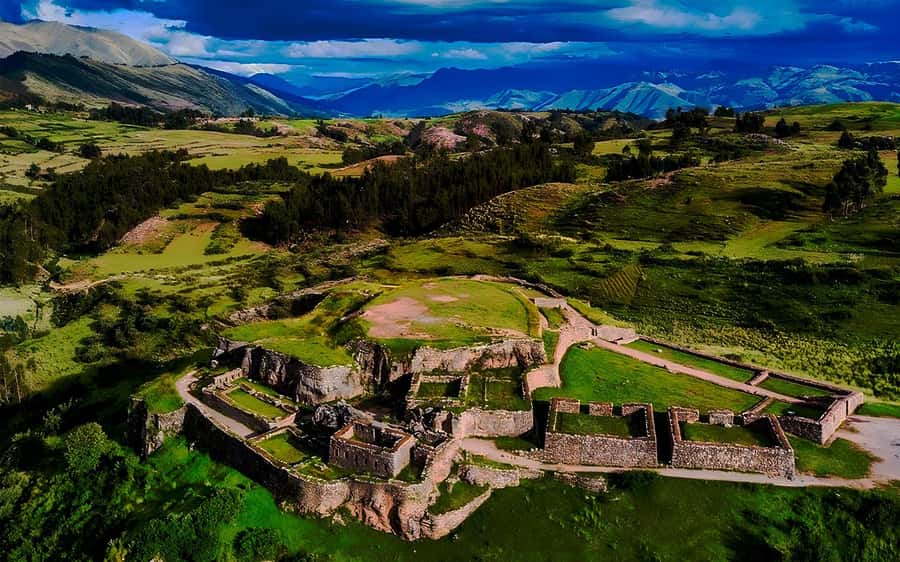
Puca Pucara was a military fortress used as a checkpoint and surveillance post on the Inca Trail to the valley. Its purpose gives the tour a useful change of subject. After a temple, a ceremonial fortress, and a ritual center, you see how the Inca road system was monitored.
The site helps explain that Cusco was not only a religious and political center. Movement through the region also required control, observation, and organized routes. That practical side of Inca administration is easy to miss if you visit only the grand monuments.
Puca Pucara is included in the same archaeological circuit as the other outer sites. Your visit should be brief, since the tour still needs to reach Tambomachay and return to Cusco. The value comes from seeing it in connection with the road network, rather than spending a long period at the site alone.
If military history interests you, pay attention to the guide’s explanation of its checkpoint role. The physical remains may seem less dramatic than Sacsayhuamán, but the function is an important part of the overall story.
Tambomachay and the worship of water
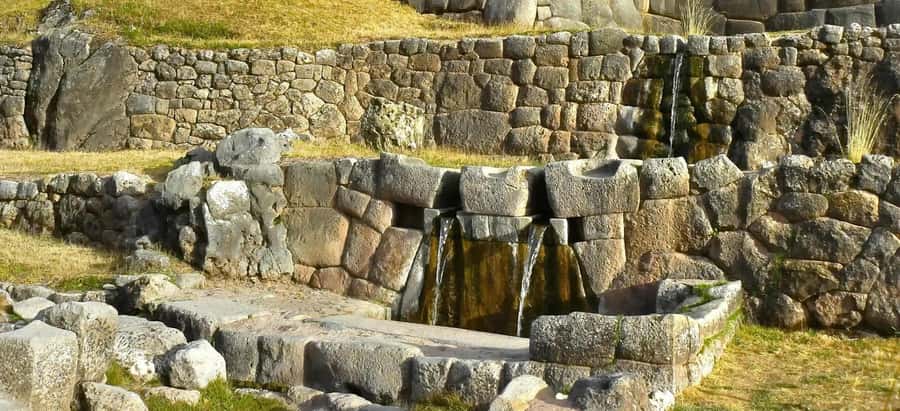
The final archaeological stop is Tambomachay, known as the Bath of the Inca. It displays an ancient hydraulic system dedicated to the worship of water.
This is a fitting final site because it brings the route back to nature and ritual. Instead of enormous defensive stones or a carved ceremonial chamber, you focus on channels and water engineering. The site shows how practical systems could also have religious meaning.
Tambomachay adds variety to the day. You are not simply visiting five versions of the same ruin. Qoricancha represents the Sun and colonial religious art, Sacsayhuamán offers massive stonework and city views, Qenqo centers on ritual carving, Puca Pucara relates to military control, and Tambomachay focuses on water.
Again, the visit is likely to be an overview. The supplied schedule does not give separate times for each site, so you should not assume that you can explore Tambomachay at length. The guide’s explanation will be especially useful here, since the hydraulic features are the main point of the stop.
The real cost: $20 plus required entrance fees
At $20 per person, the base price looks attractive for a guided half-day circuit. You receive hotel pickup, tourist transportation, and a professional guide, along with visits to five important sites. For someone who wants a simple plan and does not want to arrange several rides, that can be good value.
The extra fees change the calculation. Qoricancha costs 20 soles. The tourist ticket costs between 70 and 120 soles, depending on the ticket type, unless you already bought the correct ticket for another tour. The optional visit to Cusco Cathedral is also not included.
Before booking, add those charges to your personal budget. A low headline price can become a noticeably higher total once entrance tickets are included. The tour is still potentially worthwhile, but its value depends on how much you value the guide and shared transport.
If you already have a valid tourist ticket, bring it and confirm that it covers the sites on this route. The available information specifically says you can show a ticket purchased for another tour, but it does not list the exact ticket category or validity rules.
Who will enjoy this Cusco tour most?
I would choose this experience if you want to cover the major sites quickly after arriving in Cusco. It is especially useful for first-time visitors who prefer a guide to explain the purpose of each place and transportation to connect the stops.
It also suits people who do not want to plan separate taxis, tickets, and routes. The five-site circuit gives you a clear first look at the area, and returning to the historic center keeps the outing practical.
I would be more cautious if you are traveling with a young child, dislike early starts, or prefer a slow pace. A seven-year-old may find the length tiring, and the route does not leave much room to stop whenever you wish. You should also consider doing Qoricancha independently if your hotel is central and you prefer walking rather than riding through central Cusco.
The live guide is available in English and Spanish. That is helpful, but the provider does not give a specific guide name or group size in the available details. If group size matters to you, ask before paying.
Free cancellation is available up to 24 hours before the activity for a full refund, and you can reserve now and pay later. Those terms make the booking less risky if your Cusco schedule is still changing.
Should you book it?
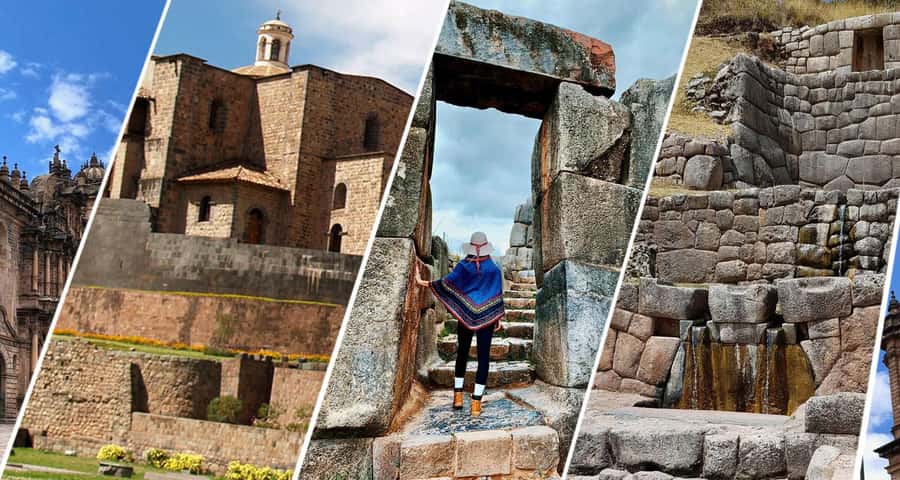
Book this tour if you want a structured, efficient introduction to Cusco’s main Inca and colonial sights. The best parts are the variety, the Sacsayhuamán views, the scale of the stonework, and the convenience of having transport between sites.
Skip it if you want to set your own pace or if your group tires easily. You can visit Qoricancha on your own and arrange a ride to Sacsayhuamán, as one family did, but you will then need to organize the remaining sites and explanations yourself.
My practical call: this is a solid orientation tour, not a leisurely archaeological day. Budget for the extra tickets, confirm the start time, and choose it when convenience matters more than lingering.
FAQ
How long does the Cusco city tour last?
The tour lasts 270 minutes, or four and a half hours.
What sites are included?
The route includes Qoricancha, Sacsayhuamán, Qenqo, Puca Pucara, and Tambomachay, followed by a return to Cusco’s historic center.
Is hotel pickup included?
Yes. Pickup from your hotel for the start of the tour is included.
Is transportation included?
Yes. Tourist transportation is included for the tour.
Is a professional guide included?
Yes. A professional tourism guide is included.
Which languages are available?
The live tour guide is available in English and Spanish.
Is the Qoricancha entrance fee included?
No. The entrance fee for Qoricancha is 20 soles.
Is the tourist ticket included?
No. The tourist ticket costs between 70 and 120 soles. You may show a tourist ticket you already purchased for another tour if it applies.
Is a visit to Cusco Cathedral included?
No. The visit to Cusco Cathedral is optional and is not included in the listed inclusions.
Can I cancel for a full refund?
Yes. You can cancel up to 24 hours in advance for a full refund.
More Sacred Valley Days Out
- Cusco:Sacred Valley Pisaq,Ollantaytambo,Chinchero with Lunch
★ 4.8 · 183 reviews - Valle Sagrado:Chinchero, Moray, Maras, Ollantaytambo y Pisac
★ 4.5 · 116 reviews - Machu Picchu: Group Guided Tour
★ 4.7 · 102 reviews - Machu Picchu: Tour Guide Service & Entrance Ticket Circuit-2
★ 4.6 · 90 reviews
More Ruins and Archaeology near Urubamba
- Cusco: Half-Day City Tour with Sacsayhuaman and Q’enco
★ 4.6 · 1,129 reviews - City Tour Cusco Qoricancha Sacsayhuaman y Tambomachay
★ 4.7 · 617 reviews - Cusco City Tour Four Ruins in Half-Day
★ 5.0 · 530 reviews - Lima: Pachacamac Ruins & Barranco Half-Day Guided Tour
★ 4.6 · 296 reviews
Added recently around Urubamba
- Super Sacred Valley★ 3.8 · 6 reviews
- Machupicchu 2025: The best ticket Circuit 2★ 3.5 · 6 reviews
- Machu Picchu: 1-day tour by Vistadome Panoramic train★ 4.7 · 15 reviews
- Machu Picchu: historical and photographic guided tour★ 4.9 · 27 reviews
- Private Guide in Machu Picchu for 3 Hours★ 4.2 · 17 reviews
- from Urubamba & Ollantaytambo:Sacred Valley Full-Day Private★ 4.9 · 31 reviews
- Cusco: Sacred Valley and Salt Mines Ending in Ollantaytambo★ 4.6 · 5 reviews
- Cusco: Valle Sagrado VIP, Maras, Moray y Almuerzo Buffet★ 4.8 · 34 reviews
Sacred Valley Tours, compared.
Sacred Valley & Maras Salt Mines Tour with Lunch
Read our review →
Moray, Maras Salt Mines & Chinchero Weavers Tour
Read our review →
2-Day Tour: Sacred Valley and Machu Picchu by Train
Read our review →
Sacred Valley, Pisac, Ollantaytambo, Salt Mines Moray
Read our review →
Chinchero,Moray & Salt Mines drop-off in Ollantaytambo
Read our review →
Sacred Valley and Maras Moray Tour with Full Day Buffet Lunch
Read our review →

Browse the lists this tour appears in