
Reviewed · SACRED VALLEY TOURS
From Cusco: Chinchero, Moray, Maras and Ollantaytambo
Four Sacred Valley sights, one busy day. This $45 day trip from Cusco packs Chinchero, Moray, the Maras Salt Mines, Urubamba, and Ollantaytambo into about nine hours. I like the easy hotel pickup and the chance to finish at Ollantaytambo, which can work well if you are catching a train toward Aguas Calientes.
I also like the clear guiding, especially when the English explanations are handled well by guides such as Richard and Miguel. The buffet lunch adds real value, but you should know the tradeoff: each major site gets only about 30 to 45 minutes, and the tour can finish earlier than expected because some people have earlier trains.
In This Review
- Key points before you book
- Why this Sacred Valley route works
- Chinchero: ruins and alpaca wool
- Moray’s circular terraces in half an hour
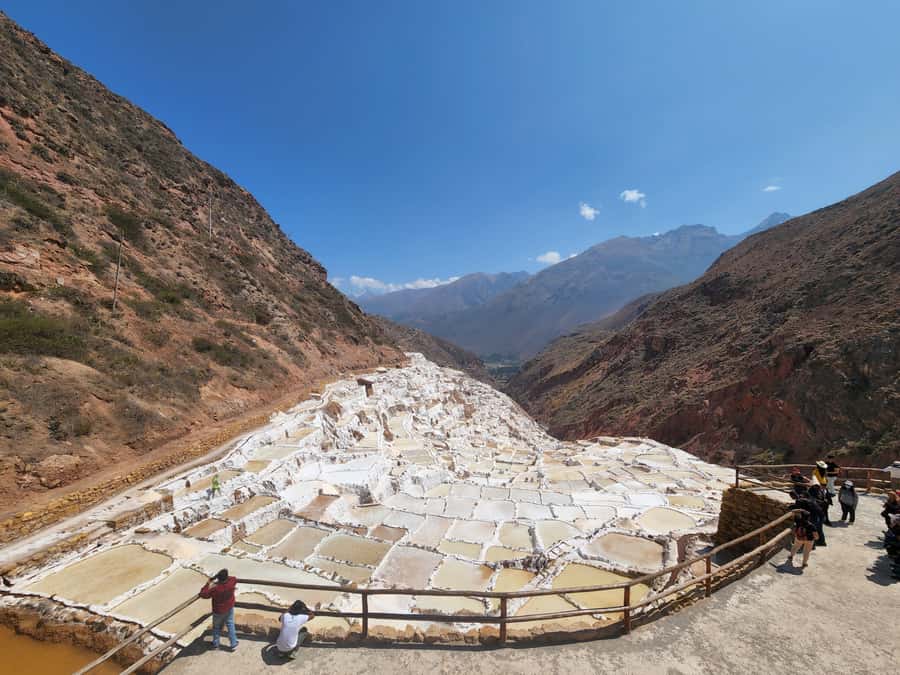
- Maras and its 3,500 salt pools
- Urubamba buffet lunch at midday
- Ollantaytambo: the best finish for a train connection
- Timing, transport, and the price calculation
- The brisk pace is the real drawback
- Who will get the most from this tour
- Should you book this Sacred Valley day trip?
- FAQ
- How long does the tour last?
- What is included in the $45 price?
- Are the Moray and Maras entrance fees included?
- Where does the tour finish?
- Is hotel drop-off in Cusco included?
- Can I take a drone?
Key points before you book
- Chinchero combines Inca ruins with Andean textile work, giving you both archaeology and living craft traditions.
- Moray’s circular terraces are viewed as an Inca agricultural experiment, with only about 30 minutes on site.
- Maras includes roughly 3,500 salt extraction pools, a striking stop that is especially good for photos.
- The buffet lunch in Urubamba is included, so the $45 price covers more than transport and guiding.
- Ollantaytambo is the final stop, and you can stay in the main square or continue by train to Aguas Calientes.
- The pace is brisk, and Moray and Maras entrance fees are extra: 70 soles and 20 soles respectively.
Why this Sacred Valley route works
This is a practical way to cover several major sights without arranging separate taxis, guides, and meals. From Cusco, you travel by bus or coach through the Sacred Valley region, stopping at major Inca sites and one of Peru’s most unusual working industries, salt production.
I see the tour as a sampler rather than a slow archaeological study. You get a useful first look at four important places, but the schedule leaves little room to wander, linger over details, or take long photo sessions.
That tradeoff explains the strong value. At $45 per person, the package includes hotel pickup in Cusco, transportation, a live guide in English or Spanish, and buffet lunch. You still pay 90 soles in listed entrance fees, but the combined price remains reasonable for a full day with several long transfers.
The route also makes sense for people heading to Machu Picchu. Instead of returning to Cusco, you can end at Ollantaytambo and use the train connection to Aguas Calientes. Check your train time carefully, though. The final finish can be earlier than the stated schedule if the group needs to accommodate passengers with earlier departures.
More Sacred Valley days out:
- Cusco:Sacred Valley Pisaq,Ollantaytambo,Chinchero with Lunch
★ 4.8 · 183 reviews - Valle Sagrado:Chinchero, Moray, Maras, Ollantaytambo y Pisac
★ 4.5 · 116 reviews - Machu Picchu: Group Guided Tour
★ 4.7 · 102 reviews
Chinchero: ruins and alpaca wool
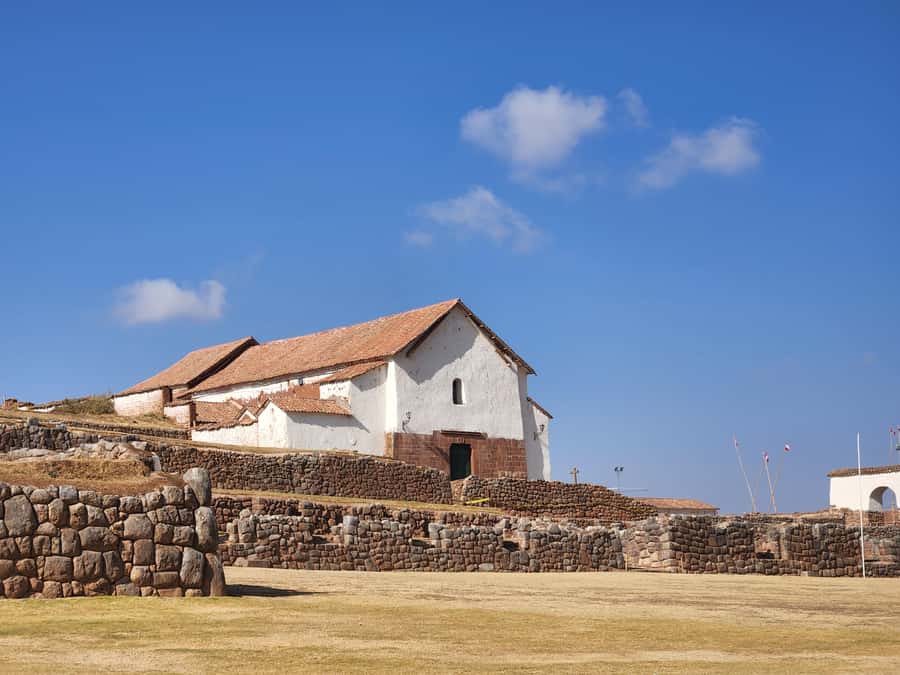
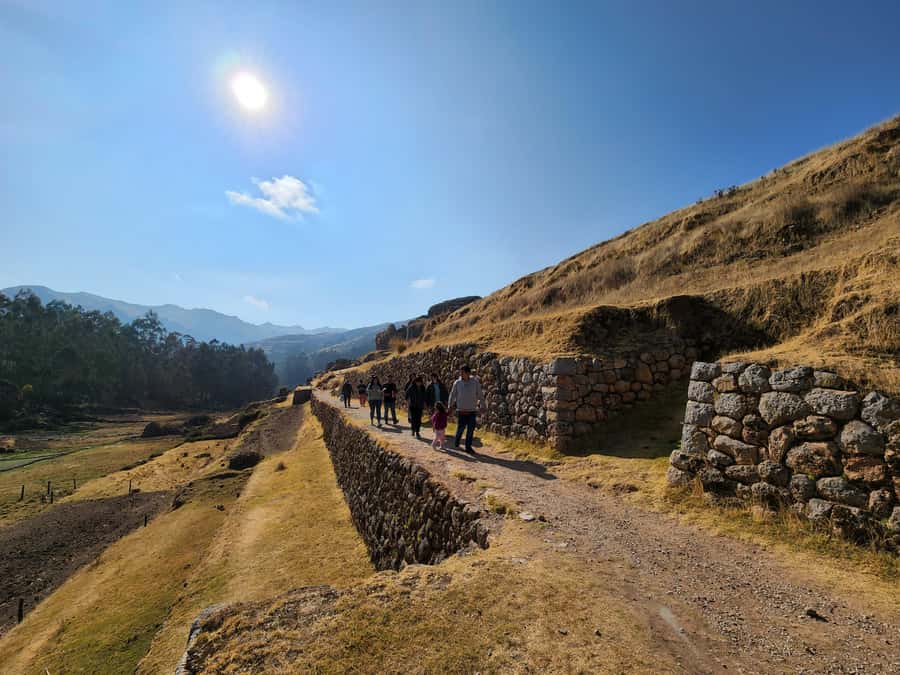
The first major stop is Chinchero, about 45 minutes by bus from Cusco. The archaeological center gives you an early look at Inca stonework, terraces, and the remains of an important Andean settlement.
You have about 45 minutes here, including a guided visit and time for photographs. That is enough to see the main area and hear the basic story, but not enough for a leisurely inspection of every wall and terrace.
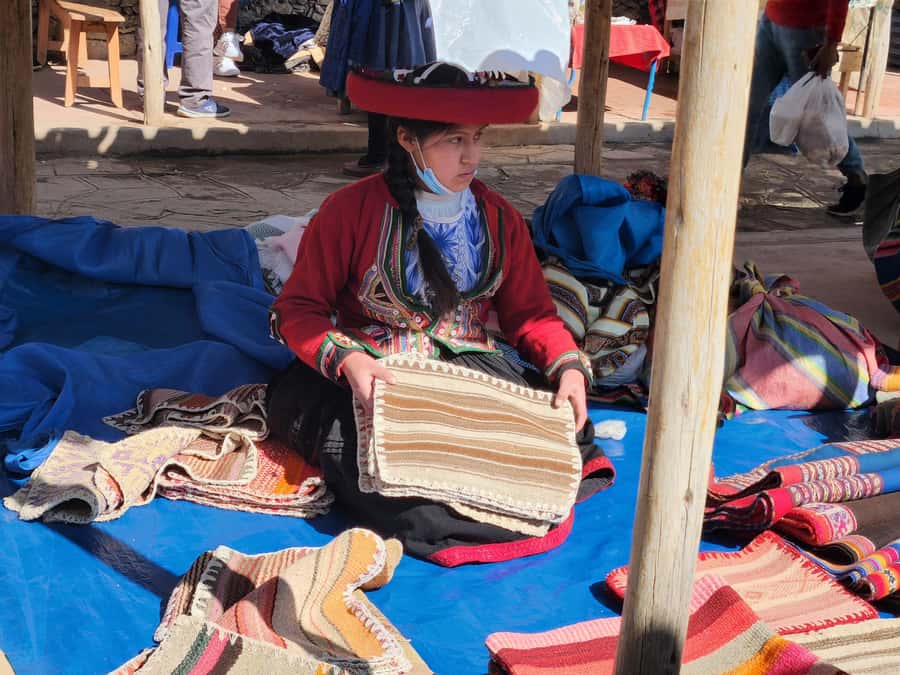
The textile center adds a useful human element. You learn how alpaca wool is processed and turned into textiles, connecting the polished souvenir on a market stall with the work behind it. I like this part because it gives context to Andean weaving instead of treating the craft as a quick shopping stop.
The extra activity can include opportunities to buy textiles, so keep your expectations clear. It adds value when the demonstration is explained well, but you should not feel obliged to purchase anything. The strongest part is the chance to understand the wool-processing steps and the role of weaving in local culture.
Chinchero is a good first stop because it introduces both the ancient and present-day sides of the region. Still, the 45-minute limit means you will need to stay near the guide and keep an eye on the meeting time.
Moray’s circular terraces in half an hour
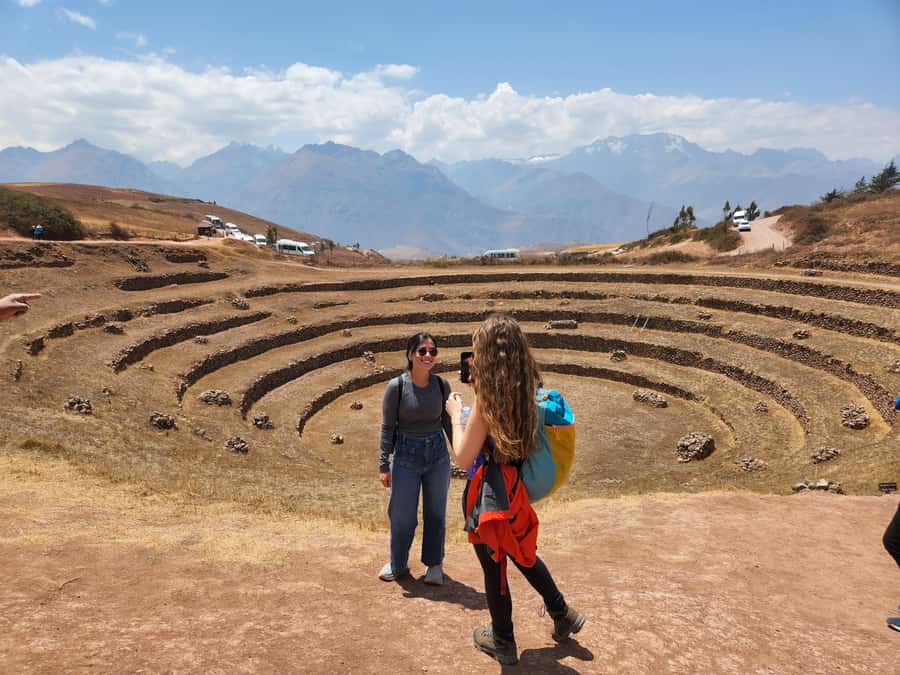
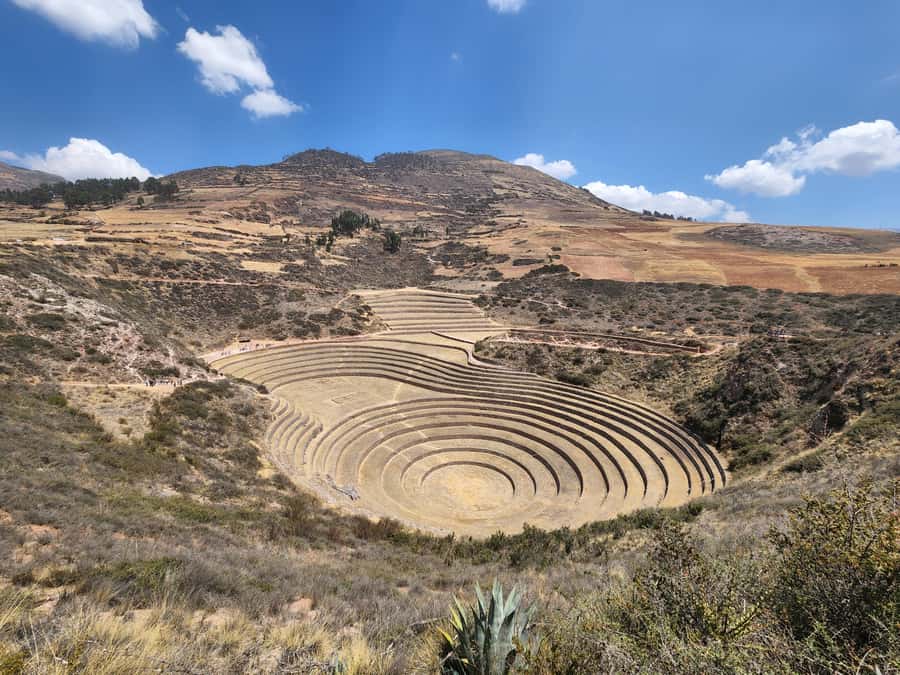
After roughly 30 minutes on the road, you reach Moray. The site is known for its broad circular terraces cut into the ground, often described as an agricultural laboratory used by the Inca.
The design is memorable. Instead of the long, narrow terraces seen elsewhere in the Andes, Moray presents a series of concentric circles that descend toward the center. From the viewing area, you can appreciate the shape quickly, which makes this one of the easier stops for a short visit.
Your guide explains how the terraces may have helped with agricultural testing and growing conditions. The tour provides about 30 minutes at Moray, enough for the main view and a guided explanation, but not a long walk around the site.
Moray has an entrance fee of 70 soles, not included in the tour price. Add that cost to your budget before booking. Since the fee is significant compared with the base price, this is one of the most important financial details to understand.
I would bring your camera and listen closely during the explanation. The structure itself is easy to recognize, but the agricultural purpose gives the stop its meaning. Without the guide, you might simply see a large set of circular stone terraces and move on.
Maras and its 3,500 salt pools
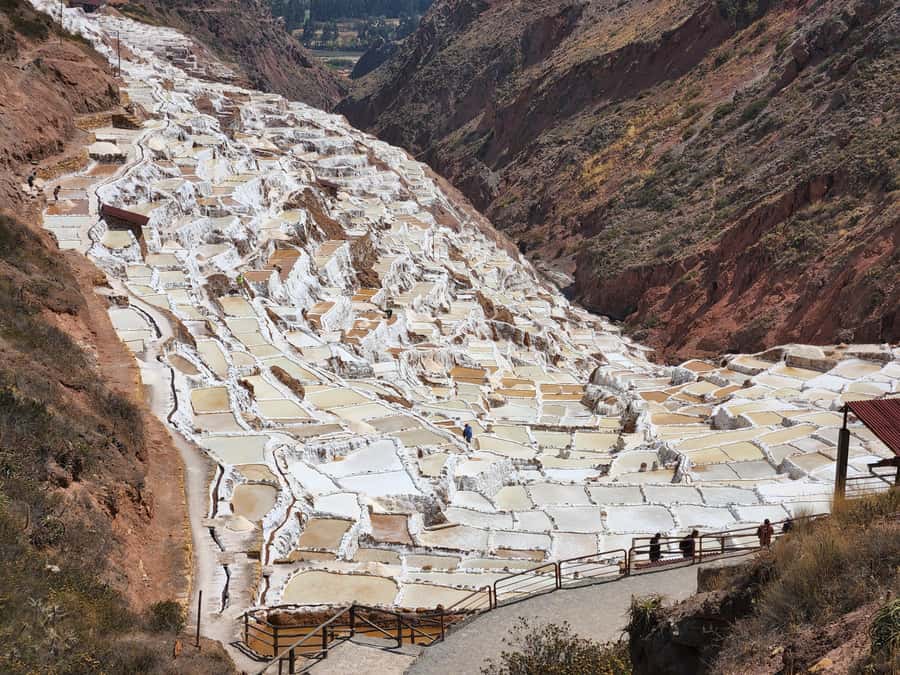
The next short bus ride takes you to the Maras Salt Mines. Here, around 3,500 salt extraction sites spread across the mountainside, forming a dense pattern of small pools and channels.
Salt water flows through the pool system, and workers collect the salt as it dries. The guide explains this extraction process during the roughly 30-minute visit. The stop is brief, but the subject is unusual enough to make a strong impression.
Maras is also one of the best photo stops on the route. The many pale pools create repeating lines and shapes across the slope, and you have time for photographs and video. Follow the guide’s instructions about where you may walk, since this is an active salt-producing area rather than a simple monument.
The entrance fee is 20 soles and must be paid separately. In practical terms, you should plan for 90 soles in additional site fees for Moray and Maras combined.
The main limitation is again time. Thirty minutes lets you see the pools and understand the basic process, but you will not have much opportunity to pause at different viewpoints. If you enjoy photography, be ready before you arrive and make your first few shots count.
Also leaving from Urubamba, and nothing like the above:
- Machu Picchu: Tour Guide Service & Entrance Ticket Circuit-2
★ 4.6 · 90 reviews - Cusco: Valle Sagrado VIP, Maras, Moray y Almuerzo Buffet
★ 4.8 · 34 reviews - from Urubamba & Ollantaytambo:Sacred Valley Full-Day Private
★ 4.9 · 31 reviews - Cusco: One Day Tour to Machu Picchu with Train Transfers
★ 4.8 · 28 reviews
Urubamba buffet lunch at midday
Around noon, the group continues to Urubamba, in the center of the Sacred Valley. The lunch stop lasts about 45 minutes and includes an Andean buffet.
A buffet is a smart choice for a group moving on a tight schedule. You can choose from several options rather than waiting for a dish to arrive, and one rating specifically praised the variety. The meal is included, which makes the $45 price easier to justify.
Do not expect this to become a long food-focused pause. Forty-five minutes gives you time to eat, but the group needs to leave for Ollantaytambo. If you like sampling several foods, take a quick look at the full buffet before filling your plate.
The lunch also breaks up the sightseeing rhythm. By this point, you have visited Chinchero, Moray, and Maras, so a seated meal is welcome before the final archaeological site.
Ollantaytambo: the best finish for a train connection
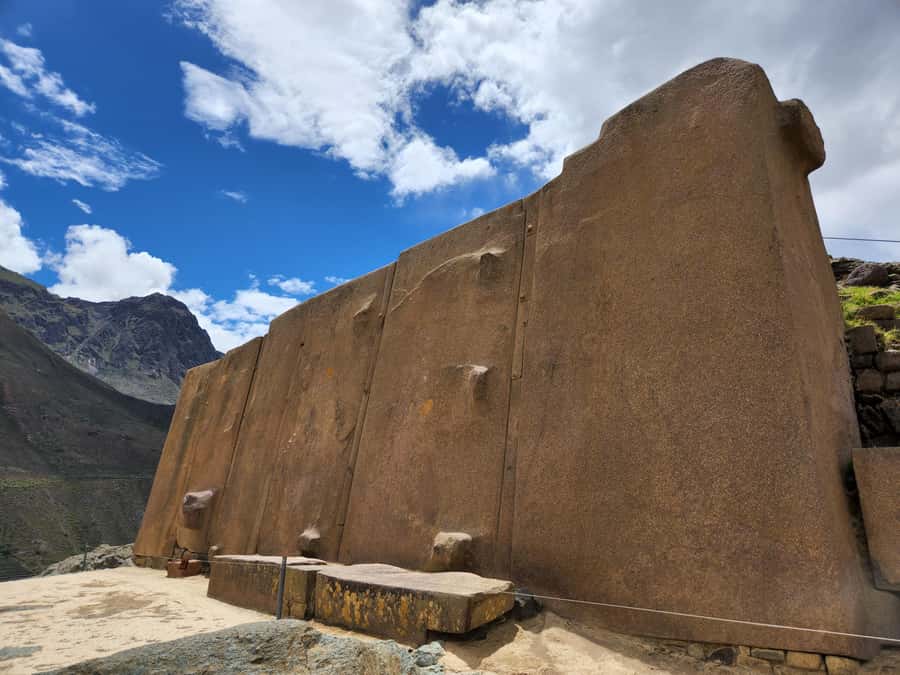
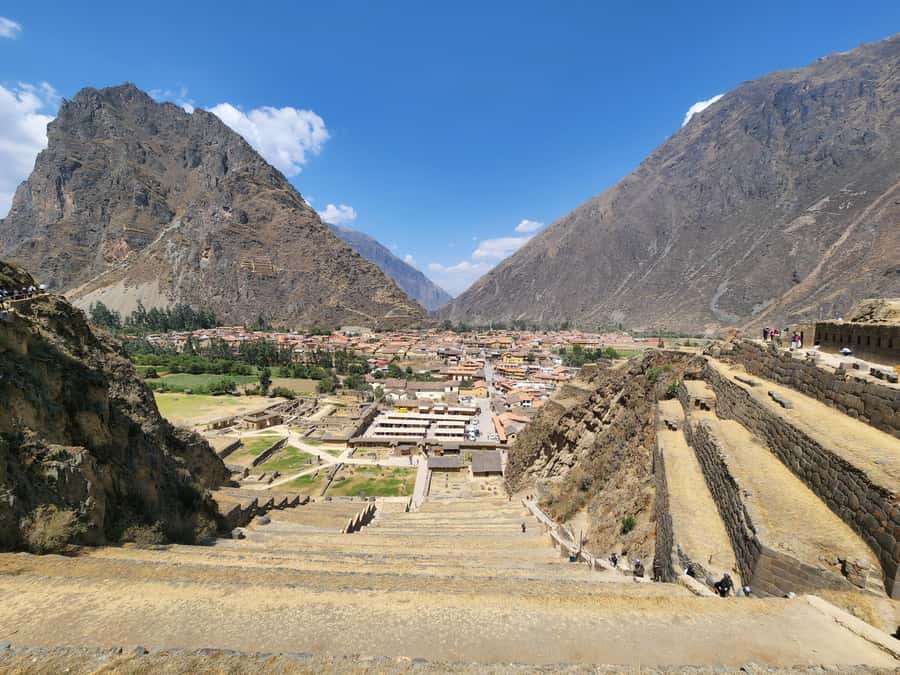
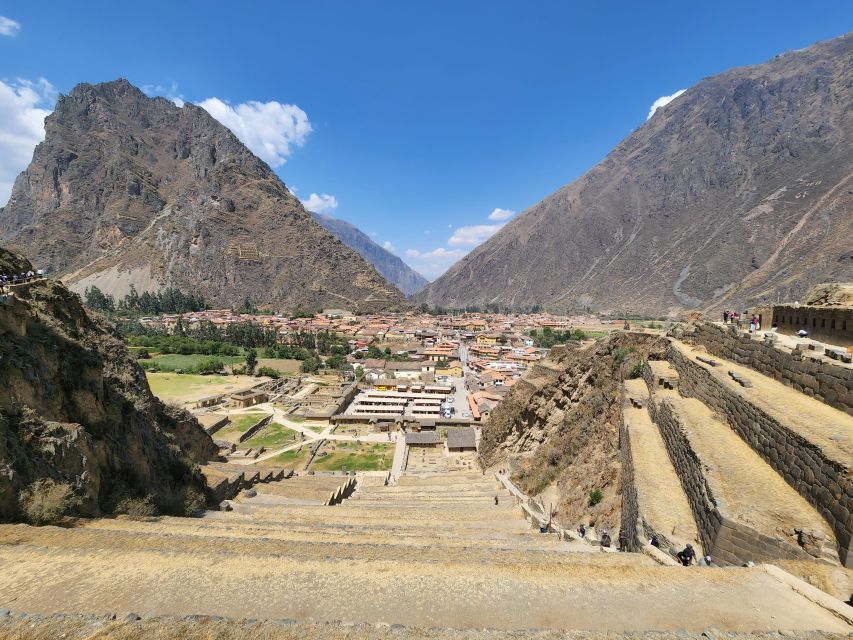
After lunch, you travel for about 25 minutes to Ollantaytambo Fortress. The guided visit lasts around 45 minutes and includes time to appreciate the Inca architecture, stone construction, and wide views over the Sacred Valley.
Ollantaytambo feels different from the earlier stops because it is both an archaeological site and a living town. The fortress area gives you a strong sense of Inca planning and defensive design, while the surrounding valley views provide the broad visual finish the day needs.
I especially like the way this stop fits into a Machu Picchu travel plan. The tour ends at Ollantaytambo around 3:30 pm, and you can stay in the main square or take a train to Aguas Calientes. That saves you the trouble of returning to Cusco before continuing south.
There is one important catch. The group may include people with earlier trains, and the day can end sooner than the stated finish. One person booked a train based on the advertised ending time and then faced a longer wait after the group finished earlier. My advice is simple: allow a generous buffer between the tour’s expected end and your train departure.
The rest of the group may continue to Pisac and then return to Cusco. If you leave at Ollantaytambo, confirm your arrangements with the guide so you know exactly where and when your portion ends.
Timing, transport, and the price calculation
The full day is advertised at nine hours, but the actual flow depends on pickup timing, road conditions, group needs, and train departures. The listed travel segments add up to several hours on the bus, so bring water and prepare for a day with repeated boarding and unloading.
Hotel pickup in Cusco is included, which removes one common hassle. Hotel drop-off is not included, so plan your return separately if you are not continuing by train.
The base cost is $45 per person. Add the 70 soles Moray entrance ticket and 20 soles Maras fee, plus any personal spending. With transport, a guide, lunch, and pickup included, this is good value for anyone who wants broad coverage in one day.
The price is less attractive if your main goal is deep exploration of one site. A private visit or slower plan would give you more freedom, but it would likely cost more and require extra organization.
A 4.5 rating from 83 ratings fits the experience well. The most praised points are punctual pickup, clear explanations in English, the food variety, and guides including Richard and Miguel. Those details matter because a rushed group tour depends heavily on the guide keeping the day organized and making the short stops count.
The brisk pace is the real drawback
The tour covers four major attractions, plus lunch, in a single day. That is its strength and its weakness.
At Chinchero, you get 45 minutes. Moray gets 30 minutes. Maras gets 30 minutes. Ollantaytambo gets 45 minutes. The guide also gives information on the bus, which helps preserve time at the sites, but it means some explanations happen while you are seated rather than standing beside the ruins.
I would choose this trip if I value variety over free time. You see different types of places: an archaeological center, an agricultural site, working salt pools, and a major fortress. If you prefer slow photography, long walks, or detailed architectural study, the schedule may feel too compressed.
The tour is also not suitable for people over 70 according to the stated conditions. Even for younger participants, remember that this is a full day with frequent stops and movement at high-altitude Andean sites. The provided information does not specify accessibility details, so ask the operator directly if you have mobility concerns.
Drones are not allowed. Bring a phone or standard camera instead.
Who will get the most from this tour
I would recommend this experience to a first-time visitor who wants a broad introduction to the Sacred Valley without arranging every transfer. It also suits you if you are heading to Machu Picchu and want to turn the journey to Ollantaytambo into a sightseeing day.
It is a good match for:
- People staying in Cusco who want hotel pickup
- Visitors who prefer a guide rather than exploring every site alone
- Anyone who wants lunch included
- English or Spanish speakers
- People comfortable with a busy schedule
- Train passengers who can build in extra time before departure
I would be more cautious if you want a relaxed day or have a fixed train departure close to 3:30 pm. The tour’s schedule is efficient, but it does not leave much room for delays or personal wandering.
Free cancellation up to 24 hours before departure and the reserve-now, pay-later option make planning easier. Still, flexible booking terms do not replace careful train planning. Confirm the departure time, the Ollantaytambo ending point, and your own onward transport before you commit.
Should you book this Sacred Valley day trip?
Book it if you want strong coverage for a modest price, included lunch, and a direct route from Cusco to Ollantaytambo. Chinchero, Moray, Maras, and the fortress offer enough variety to make the long day worthwhile, and a clear guide can turn short visits into useful ones.
Skip it if you want hours at each site or if your train leaves soon after the expected finish. For the best experience, treat this as a well-organized introduction to the Sacred Valley, not a slow archaeological expedition. Pack light, watch the clock, budget the extra entrance fees, and leave a generous buffer before your train.
FAQ
How long does the tour last?
The experience is scheduled for about nine hours. The listed tour ends at Ollantaytambo around 3:30 pm, although the exact timing can vary.
What is included in the $45 price?
The price includes hotel pickup in Cusco, transportation, a live guide in English or Spanish, and buffet lunch in Urubamba.
Are the Moray and Maras entrance fees included?
No. The Moray entrance ticket costs 70 soles, and the Maras Salt Mines entrance ticket costs 20 soles.
Where does the tour finish?
The tour finishes at Ollantaytambo. You can stay in the main square or take a train to Aguas Calientes. The rest of the group may continue to Pisac and then return to Cusco.
Is hotel drop-off in Cusco included?
No. Hotel pickup in Cusco is included, but drop-off at your hotel is not.
Can I take a drone?
No. Drones are not allowed on this experience.
Added recently around Urubamba
- Super Sacred Valley★ 3.8 · 6 reviews
- Machupicchu 2025: The best ticket Circuit 2★ 3.5 · 6 reviews
- Machu Picchu: 1-day tour by Vistadome Panoramic train★ 4.7 · 15 reviews
- Machu Picchu: historical and photographic guided tour★ 4.9 · 27 reviews
- Private Guide in Machu Picchu for 3 Hours★ 4.2 · 17 reviews
- from Urubamba & Ollantaytambo:Sacred Valley Full-Day Private★ 4.9 · 31 reviews
- Cusco: Sacred Valley and Salt Mines Ending in Ollantaytambo★ 4.6 · 5 reviews
- From Cusco: City Tour in Cusco – Sacsayhuamán and Koricancha★ 3.0 · 4 reviews
Sacred Valley Tours, compared.
Sacred Valley & Maras Salt Mines Tour with Lunch
Read our review →
Moray, Maras Salt Mines & Chinchero Weavers Tour
Read our review →
2-Day Tour: Sacred Valley and Machu Picchu by Train
Read our review →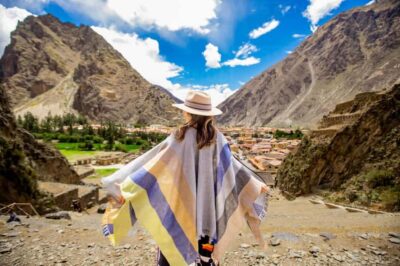
Sacred Valley, Pisac, Ollantaytambo, Salt Mines Moray
Read our review →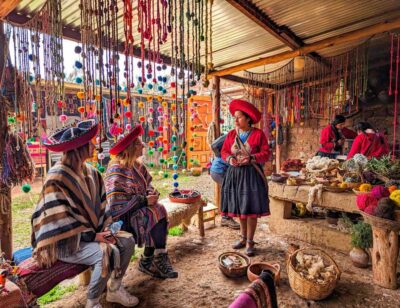
Chinchero,Moray & Salt Mines drop-off in Ollantaytambo
Read our review →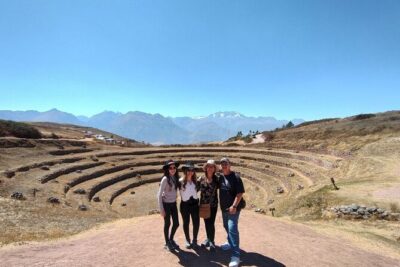
Sacred Valley and Maras Moray Tour with Full Day Buffet Lunch
Read our review →

Browse the lists this tour appears in