
Reviewed · SACRED VALLEY TOURS
Valle Sagrado:Chinchero, Moray, Maras, Ollantaytambo y Pisac
Five major sights, one very long day. This $20 Sacred Valley tour packs Chinchero, Moray, Maras, Ollantaytambo, and Pisac into a single route from Cusco. I like the variety: you see Inca farming, salt production, colonial buildings, huge stonework, terraces, and an Andean cemetery without arranging several separate outings. I also like the bilingual guides, especially guides such as Cristian, Sandro, and Jonathan, who have been praised for clear explanations, patience, and help with photographs.
The trade-off is time. You leave around 6:30 a.m. and return close to 7 p.m., and five archaeological or cultural stops can feel rushed. The $20 price is excellent for transport and guiding, but you must add 70 soles for entrances, 20 soles for the salt mines, and the cost of lunch.
In This Review
- Key points to know before you book
- Why this $20 route offers good value
- Starting before breakfast in Cusco
- Chinchero combines Inca stonework and a colonial church
- Moray turns farming into an engineering lesson
- Maras reveals how salt is made
- Urubamba is the practical lunch break
- Ollantaytambo brings the Inca walls close
- Pisac closes the day with terraces and a cemetery
- Guiding and transport make or break the day
- Crowds, heat, altitude, and what to pack
- Who should book this Sacred Valley tour?
- Should you book it?
- FAQ
- What is included in the $20 tour price?
- How long does the Sacred Valley tour last?
- Which places does the tour visit?
- Is lunch included?
- How much are the entrance fees?
- Is hotel pickup included?
- What languages are available?
- Can pregnant women join the tour?
Key points to know before you book
- Five major stops in one day: Chinchero, Moray, Maras, Ollantaytambo, and Pisac give you a broad introduction to the Sacred Valley.
- Moray explains Inca agriculture: Its circular terraces are presented as an agricultural laboratory, not simply as a scenic ruin.
- Maras is an active salt site: The salt ponds have been worked since the Inca period and are one of the day’s most distinctive views.
- Ollantaytambo connects with train plans: Some people leave the group here to catch a train to Aguas Calientes.
- Lunch is extra: The group stops in Urubamba for an Andean buffet, usually around 30 soles according to one account, but food quality can vary.
- Expect a full schedule: The tour is best for you if your priority is seeing a lot, not lingering at each place.
Why this $20 route offers good value
At first glance, $20 looks almost too low for a full-day outing in the Cusco Region. The price covers hotel pickup from Cusco’s historic center, tourist transport, and a bilingual English or Spanish guide. That makes it a practical choice if you want a broad first look at the Sacred Valley without paying for a private vehicle.
The value comes from the route. Transport between these sites would cost more if you arranged separate taxis, and you would need to plan the order yourself. Here, the driver and guide handle the long day of connections while you focus on the sights.
Still, the headline price is not the final price. Set aside 70 soles for the archaeological entrances, 20 soles for the Maras salt mines, and extra money for lunch. Bring cash, since the tour specifically advises it. At roughly 30 soles, the buffet lunch has been described as varied and enjoyable, though one person found the food cold. That is a useful warning: the meal is convenient, but it is not the reason to book the tour.
The operator, Chullos Travel Peru, offers free cancellation up to 24 hours before departure and allows you to reserve before paying. Those terms give you some breathing room when your Cusco plans are still shifting.
More Sacred Valley days out:
- Cusco:Sacred Valley Pisaq,Ollantaytambo,Chinchero with Lunch
★ 4.8 · 183 reviews - Machu Picchu: Group Guided Tour
★ 4.7 · 102 reviews - Machu Picchu: Tour Guide Service & Entrance Ticket Circuit-2
★ 4.6 · 90 reviews
Starting before breakfast in Cusco
Pickup begins at about 6:30 a.m. from hotels in Cusco’s historic center. The guide contacts you through the WhatsApp number on your booking, generally around 10 minutes before arriving at the meeting point. If you do not use WhatsApp, an email is sent the day before with the pickup details.
Be ready early. The transport continues if you are not present at the agreed time, so this is not the morning to wander out for coffee at the last minute. A small breakfast, water, sun protection, and cash will make the day easier.
The schedule is tight but sensible. You start with sites closer to the route, continue through the high terraces and salt pans, stop for lunch in Urubamba, then visit Ollantaytambo and Pisac before returning to Cusco at around 7 p.m. You should think of this as a survey of the valley, not a relaxed country outing.
Group size can be modest. One particularly positive account described a group of only eight people, which made the long day easier and allowed the guide to help with photos and questions. The exact group size may vary, so do not assume every departure will be that small.
Chinchero combines Inca stonework and a colonial church
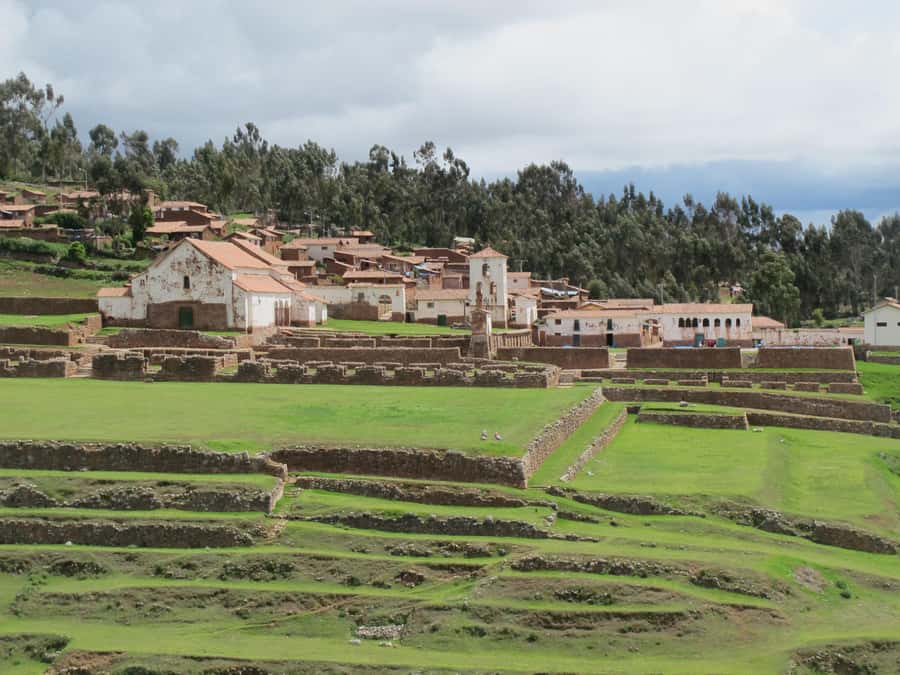
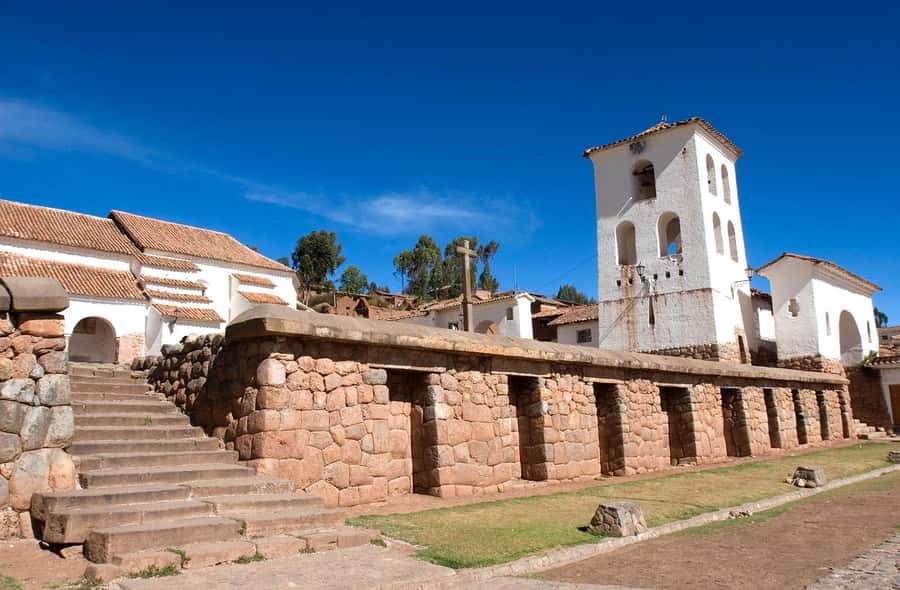
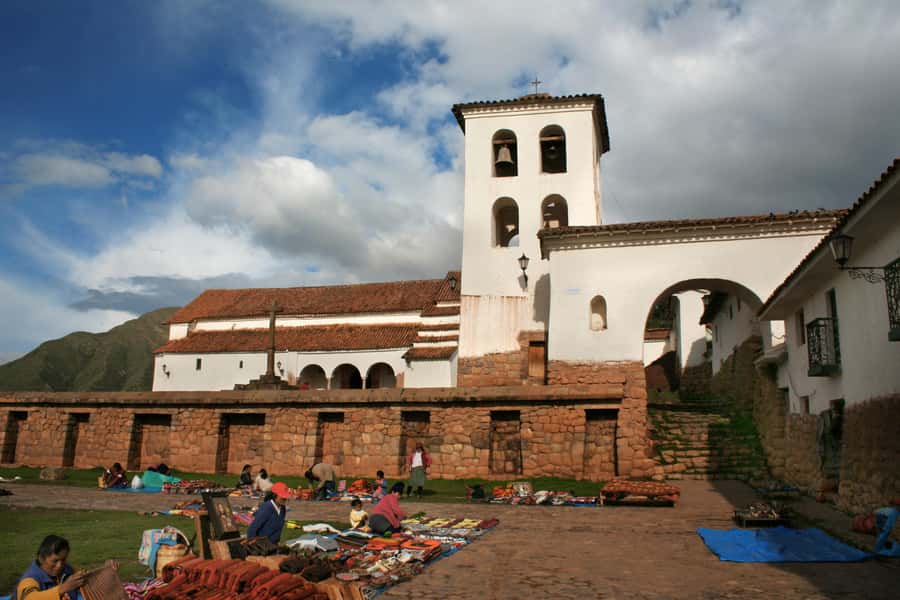
Chinchero is the first stop. Here you visit an archaeological site and a colonial temple, a pairing that helps explain how Spanish colonial buildings were placed within an older Andean setting.
The stop gives your guide an early chance to explain Inca culture and the changes that followed Spanish arrival. Guides such as Cristian and Sandro have been praised for making the historical material clear rather than simply pointing out stones and dates.
Chinchero also helps set the tone for the day. You are not seeing only one type of monument. The route moves between agriculture, religion, trade, engineering, and settlement. If you are interested in how Andean life continued through major political changes, this is a useful opening visit.
Bring an umbrella or hat. One account noted very hot conditions, and much of the day is spent outdoors. The tour information also suggests drinking coca tea before departure to help with altitude sickness. That is practical advice for your time in the Cusco area, though you should follow your own medical guidance if altitude affects you.
Moray turns farming into an engineering lesson
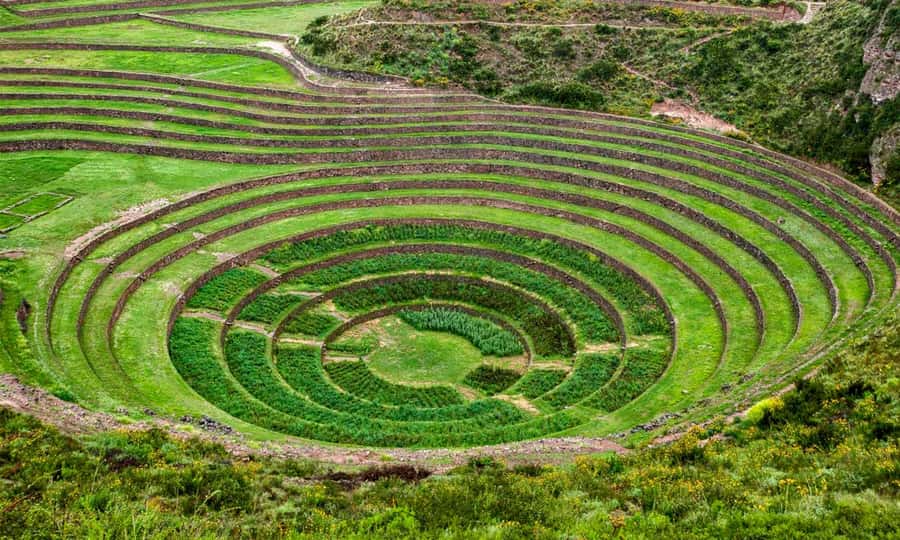
Moray is one of the most memorable stops because the site looks unlike a standard ruin. Its broad circular terraces descend into the earth, creating a series of planting levels. The guide presents Moray as an agricultural laboratory, a place connected with the Inca effort to understand and manage crops in different growing conditions.
That explanation gives the terraces a purpose beyond their striking shape. You can look at the curves and imagine how each level might have offered different conditions for farming. The value of a good guide is clear here. Without context, Moray is a dramatic set of circles. With context, it becomes a lesson in Andean adaptation and food production.
You will likely want photographs, but do not let the camera take over. The shape is easy to appreciate from above, while the guide’s explanation helps you understand why the site matters. Since the itinerary includes several major stops, your time here may be limited.
Moray is a strong match for you if you enjoy practical history. It shows how people worked with altitude, temperature, and difficult terrain rather than treating nature as an obstacle.
Also leaving from Urubamba, and nothing like the above:
- From Cusco: Chinchero, Moray, Maras and Ollantaytambo
★ 4.5 · 83 reviews - Cusco: Valle Sagrado VIP, Maras, Moray y Almuerzo Buffet
★ 4.8 · 34 reviews - from Urubamba & Ollantaytambo:Sacred Valley Full-Day Private
★ 4.9 · 31 reviews - Cusco: One Day Tour to Machu Picchu with Train Transfers
★ 4.8 · 28 reviews
Maras reveals how salt is made
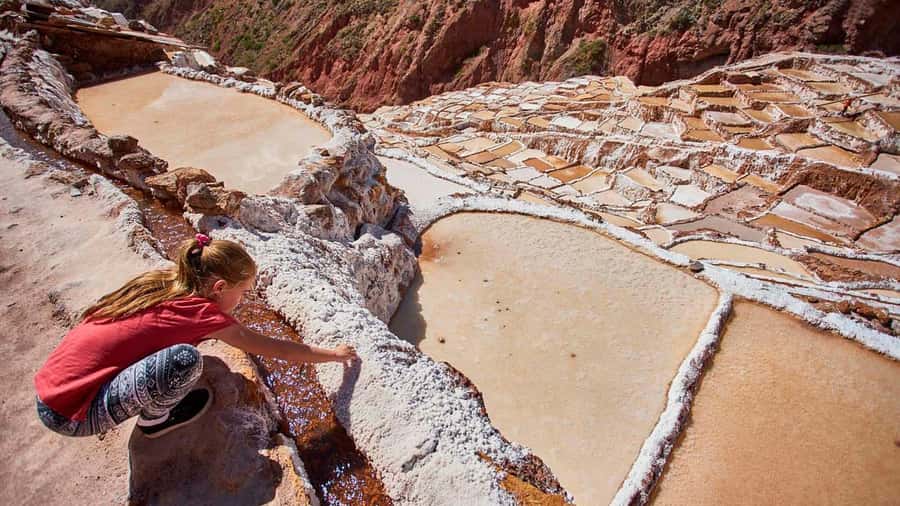
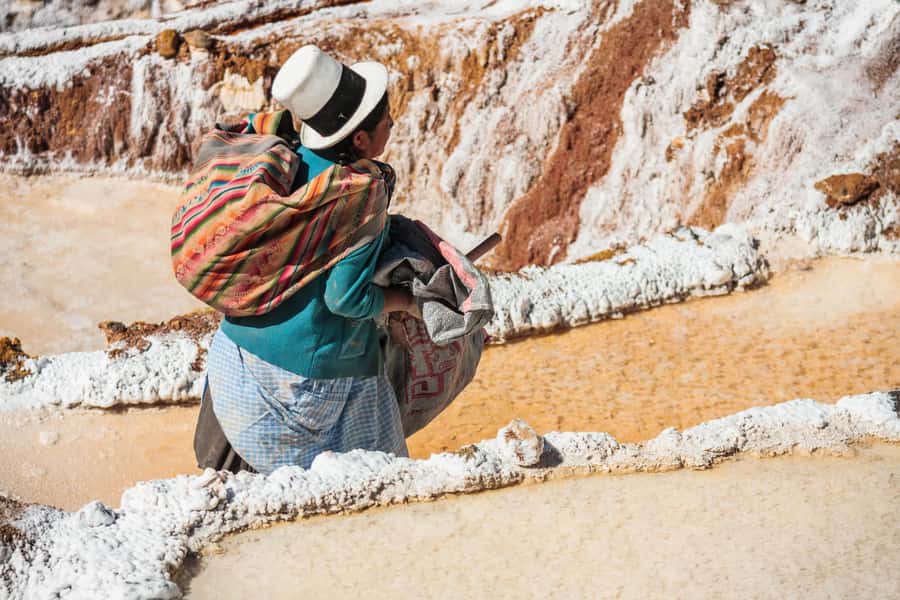
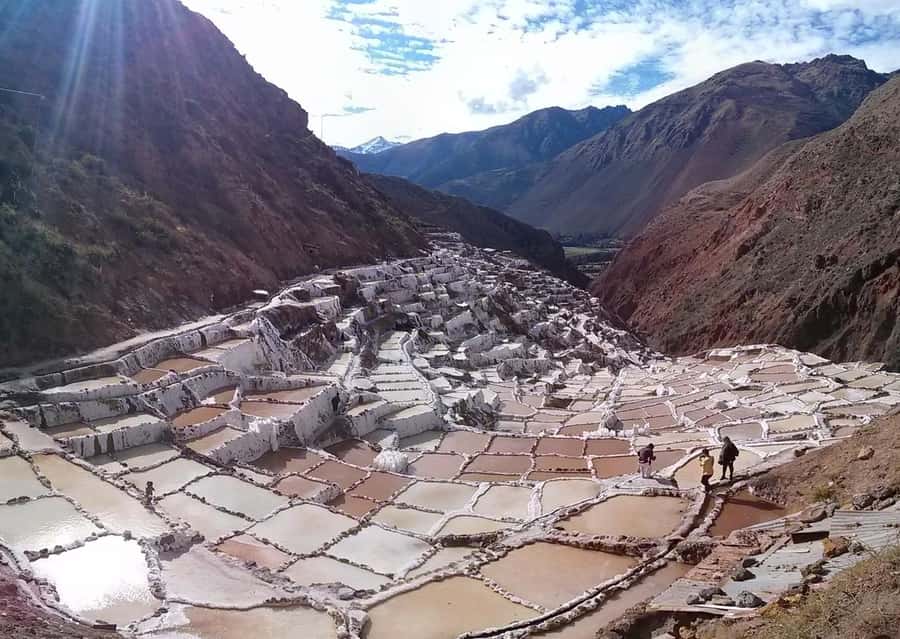
The Maras salt ponds, also called the Salineras, provide one of the day’s most unusual scenes. Hundreds of shallow ponds cover the slope, with salt formed as mineral-rich water is collected and evaporated. The operation has been exploited since the Inca period.
This is not simply an archaeological site. It is a working production area connected to a long local tradition. That makes the stop feel different from the stone centers at Pisac or Ollantaytambo. You see a place where an old method remains tied to present-day work and local commerce.
The salt pans are also a favorite photographic stop. Their changing tones and geometric shapes create a pattern that is easy to remember. One person particularly enjoyed learning how the salt formed naturally over time, and that is exactly the sort of detail that makes the visit worthwhile.
The salt mines require a separate entrance fee of 20 soles. You should include that charge in your budget before booking. The schedule may also include a stop where local salt products are explained and offered for sale. You are not required to buy anything, but these product demonstrations can add time to an already packed day.
Urubamba is the practical lunch break
After Moray and Maras, the group travels to Urubamba for free time and an Andean buffet lunch. Lunch is not included in the tour price, so you pay separately at the restaurant.
The buffet is convenient because the entire group can eat in one place without searching for a restaurant. Dishes mentioned in the tour feedback include ceviche, lomo saltado, ají de gallina, and other regional foods. Some people enjoyed the variety and flavor, while one person found the food cold. I would treat the meal as a useful pause rather than a carefully planned culinary experience.
One important detail: the lunch stop happens even if you have not paid for a meal in advance. A person who selected a version with lunch included found that easier, since the restaurant stop was part of the schedule anyway. If your booking offers a lunch option, compare the price and menu before deciding.
Use this break to refill your water and check your belongings. The afternoon continues with more major sites, and there is no separate long rest period built into the route.
Ollantaytambo brings the Inca walls close
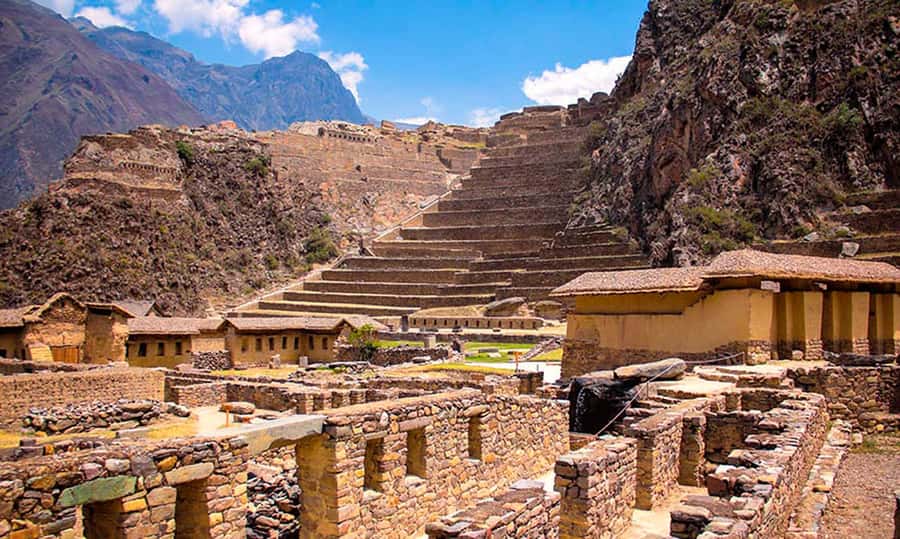
Ollantaytambo is one of the strongest archaeological stops on the tour. Its massive stonework and terraces show the scale of Inca construction and planning. The town itself is also an important transport point because some people leave the group here to board a train to Aguas Calientes.
That makes Ollantaytambo more than a sightseeing stop. If your wider Peru itinerary includes Machu Picchu, this may be the point where your plans split from the group. Confirm the timing and train arrangements in advance. You cannot rely on the tour waiting for a late departure, and the schedule is already tight.
The site deserves time, but this route may provide less of it than you would get on a dedicated Ollantaytambo visit. One account praised the five-site plan but noted that some visits were slightly short. Another described the entire day as rushed, with a serious warning about someone being left behind at Ollantaytambo. Stay close to your guide, listen carefully to meeting times, and do not wander off for a last photograph.
Guides including Cristian and Jonathan have been praised for explaining the Inca structures with useful historical detail. That matters at Ollantaytambo, where the size of the stones and the steep terraces can be difficult to interpret on your own.
Pisac closes the day with terraces and a cemetery
Pisac is the final archaeological center before the return to Cusco. The site includes extensive Andean terraces and what the tour describes as the best-preserved Andean cemetery in the area.
For many people, Pisac becomes the emotional high point because it brings together farming, burial practices, and the scale of an organized settlement. The terraces show how the Incas shaped steep ground for agriculture. The cemetery adds a human dimension, reminding you that these sites were not only places of construction and administration.
The late timing can work both ways. You have already seen a great deal, so the final stop may feel like a fitting close to the day. At the same time, tiredness can make it harder to absorb another long explanation. If Pisac is your main interest, consider taking a separate tour or arranging a longer visit on another day.
The return to Cusco is scheduled for around 7 p.m. That gives you a full day out, but do not plan an important evening activity immediately afterward. Delays, crowds, traffic, or slow boarding can push the return time later.
Guiding and transport make or break the day
The strongest part of this experience is the guiding. Cristian is repeatedly praised for being friendly, patient, and clear in both English and Spanish. Sandro has been described as thoughtful, well-informed, and helpful with photography. Jonathan is noted for explaining historical details and handling small delays. Other guides, including Rudy and Victor, have also been praised for care, enthusiasm, and good organization.
Names matter less than the pattern: the guide is central to the experience. Five stops can otherwise blur together into a parade of ruins. A good explanation gives Moray a purpose, Maras a working context, and Pisac a connection to Andean life.
The driver also matters on a long mountain route. The transport is described as comfortable and safe, with positive comments about careful driving. Still, you are spending many hours in a vehicle. If you dislike long road days, this may feel more like a fast survey than a restful excursion.
The tour can include demonstrations or stops involving alpaca textiles, salt, and silver. These can show how local products are made and offer a chance to buy something, but they may feel like sales stops if you prefer a pure archaeology program. Prices were described as reasonable, and purchases are not presented as mandatory.
Crowds, heat, altitude, and what to pack
The five sites can be crowded, especially during busy periods. One account described all five as stunning but crowded, while another warned that the pace left little time to stop and enjoy each location. You should expect movement, waiting, and group meeting points rather than solitary ruins.
Pack light, but bring the basics:
- Passport or identification card
- Cash for entrances, lunch, and purchases
- Water
- Sun protection
- An umbrella or hat
- Comfortable walking shoes
- Any personal medication you need for the day
Coca tea before the tour is suggested as a way to help with altitude sickness. The tour is not considered suitable for pregnant women. If you have concerns about altitude, long road travel, or a full outdoor day, seek medical advice before booking.
Who should book this Sacred Valley tour?
I recommend it for you if this is your first time in the Cusco Region and you want to understand the Sacred Valley quickly. The route gives you a useful mix of major sites and local production, and the price is hard to beat once you compare it with arranging transport independently.
It is also a good fit if you have limited time before or after Machu Picchu. You can see Chinchero, Moray, Maras, Ollantaytambo, and Pisac in one day, with a guide to connect the sites.
I would choose another plan if you want long visits, quiet viewpoints, or a slow lunch. The schedule runs from early morning until evening, and some stops may be brief. It is also not ideal if you need a relaxed day or plan to catch a train without a generous time cushion.
Should you book it?
Book this tour if your goal is maximum Sacred Valley coverage for a low base price. The guides, route, and transport receive strong praise, and the mix of Inca sites and living local traditions gives you more than a simple ruins tour.
Skip it if your priority is depth over range. In that case, split the sites across two days or arrange a private outing. For most first-time visitors with limited time, though, this is a practical and worthwhile introduction, provided you budget for the entrance fees, accept the long hours, and stay alert to the meeting times.
FAQ
What is included in the $20 tour price?
The price includes pickup from hotels in Cusco’s historic center, tourist transport, and a bilingual English or Spanish guide.
How long does the Sacred Valley tour last?
The tour lasts one day. Pickup begins around 6:30 a.m., and the planned return to Cusco is around 7 p.m.
Which places does the tour visit?
The route visits Chinchero, Moray, the Maras salt pans, Urubamba for lunch, Ollantaytambo, and Pisac.
Is lunch included?
No. Lunch is not included in the basic tour price. The group stops in Urubamba for an Andean buffet, and one account placed the cost at about 30 soles per person.
How much are the entrance fees?
The listed archaeological entrances cost 70 soles, and entrance to the Maras salt mines costs 20 soles. These fees are separate from the tour price.
Is hotel pickup included?
Yes, pickup is included for hotels in the historic center of Cusco. The guide contacts you through the WhatsApp number registered with the booking, or by email the day before if you do not have WhatsApp.
What languages are available?
The tour is available with a live guide in English or Spanish.
Can pregnant women join the tour?
The experience is listed as not suitable for pregnant women.
Added recently around Urubamba
- Super Sacred Valley★ 3.8 · 6 reviews
- Machupicchu 2025: The best ticket Circuit 2★ 3.5 · 6 reviews
- Machu Picchu: 1-day tour by Vistadome Panoramic train★ 4.7 · 15 reviews
- Machu Picchu: historical and photographic guided tour★ 4.9 · 27 reviews
- Private Guide in Machu Picchu for 3 Hours★ 4.2 · 17 reviews
- from Urubamba & Ollantaytambo:Sacred Valley Full-Day Private★ 4.9 · 31 reviews
- Cusco: Sacred Valley and Salt Mines Ending in Ollantaytambo★ 4.6 · 5 reviews
- From Cusco: City Tour in Cusco – Sacsayhuamán and Koricancha★ 3.0 · 4 reviews
Sacred Valley Tours, compared.
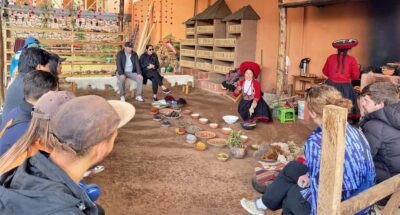
Sacred Valley & Maras Salt Mines Tour with Lunch
Read our review →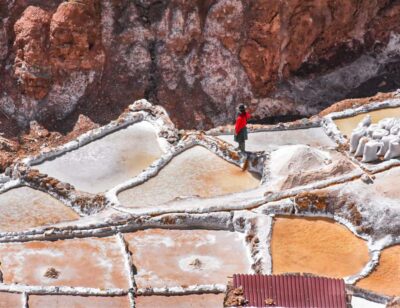
Moray, Maras Salt Mines & Chinchero Weavers Tour
Read our review →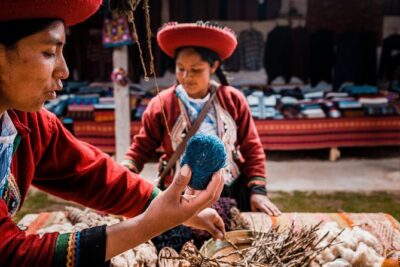
2-Day Tour: Sacred Valley and Machu Picchu by Train
Read our review →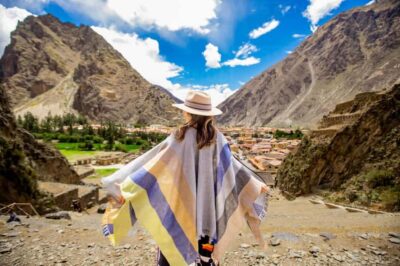
Sacred Valley, Pisac, Ollantaytambo, Salt Mines Moray
Read our review →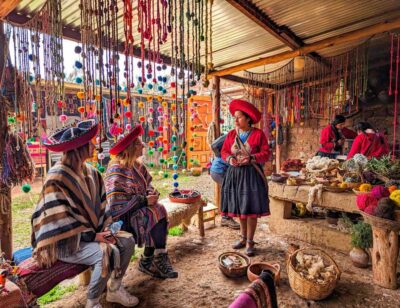
Chinchero,Moray & Salt Mines drop-off in Ollantaytambo
Read our review →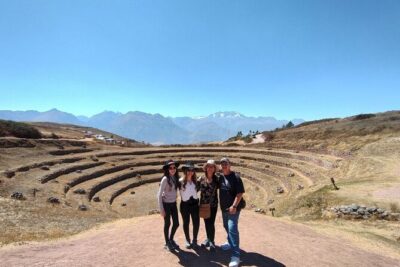
Sacred Valley and Maras Moray Tour with Full Day Buffet Lunch
Read our review →

Browse the lists this tour appears in