
Reviewed · MACHU PICCHU TOURS
From Cusco: 2-Day Sacred Valley and Machupicchu by Train
Two days makes Machu Picchu feel possible.
This tour links the Sacred Valley, Pisac, Ollantaytambo, and Machu Picchu without asking you to solve Peru’s transport puzzle yourself. I especially like the small group of up to 10 people and the careful handoff between guides, drivers, trains, and hotel staff.
I also like the full first day in the Sacred Valley, which gives you far more than a quick ride to the train station. The tradeoff is a busy schedule, plus a few stops where you may feel pressure to buy textiles, jewelry, or other souvenirs.
In This Review
- Key Points to Know Before Booking
- What the $499 Price Really Covers
- Day 1 Begins at 7:45 AM in Cusco
- Awana Kancha: Alpacas, Vicuñas, and Textiles
- Taray Viewpoint and the First Sacred Valley Panorama
- Pisac Archaeological Park: Terraces Above the Valley
- Pisac Market: A Short Look at Local Commerce
- Urubamba Lunch and the Midday Pace
- Ollantaytambo: Ruins Before the Railway
- The Train to Aguas Calientes
- The Aguas Calientes Hotel and Early Breakfast
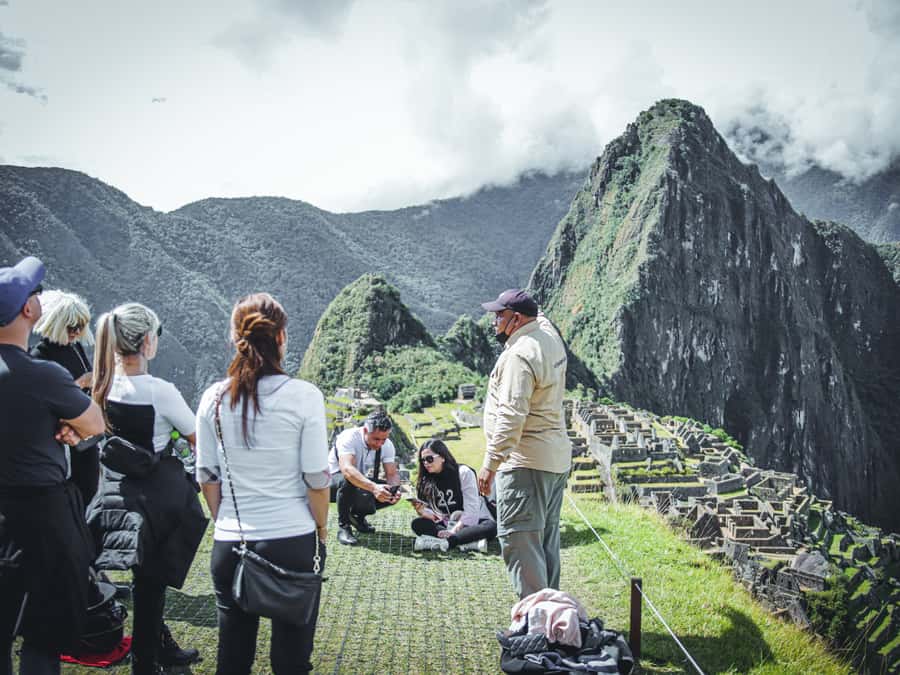
- Machu Picchu at 7:00 AM
- Returning Through Ollantaytambo to Cusco
- Guides, Group Size, and Organization
- The Main Drawbacks to Keep in Mind
- Who Should Book This 2-Day Machu Picchu Tour?
- FAQ
- What is included in the $499 price?
- Are lunch and dinner included?
- Are the Pisac and Ollantaytambo entrance fees included?
- Can I choose the type of train?
- Where do I stay overnight?
- What languages are available?
- Is Huayna Picchu included?
- How many people are in the group?
- Should You Book It?
Key Points to Know Before Booking
- Awana Kancha introduces Andean animals and weaving, with llamas, alpacas, and vicuñas close to the road from Cusco.
- Pisac combines an Inca hilltop site with a local market, giving you both archaeology and shopping in one stop.
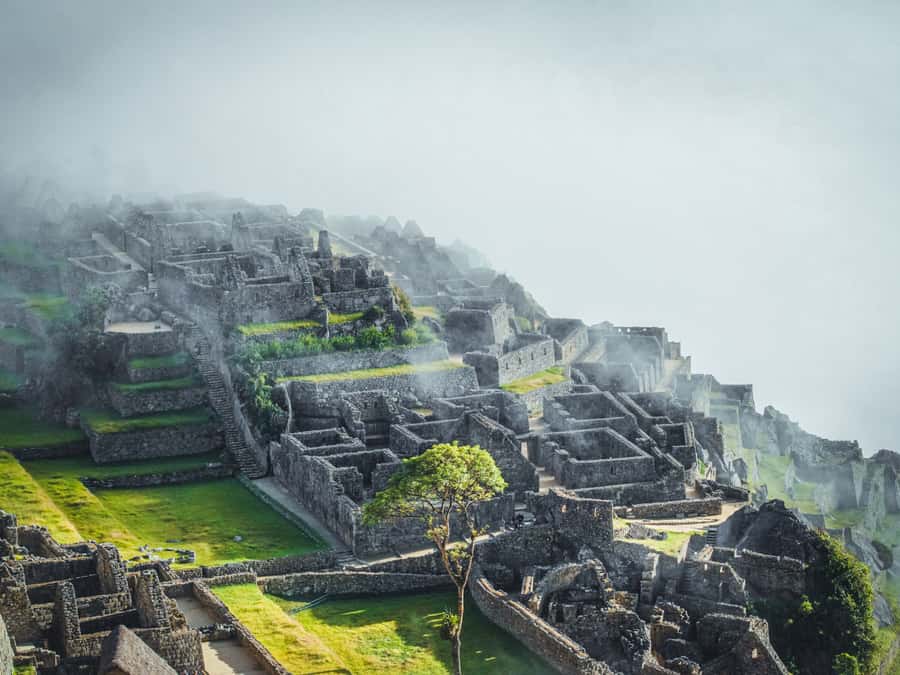
- Ollantaytambo is your gateway to the train, with ruins to explore before the evening ride to Aguas Calientes.
- Machu Picchu is visited early on Day 2, with a guide, bus tickets, admission, and breakfast included.
- The $499 price covers many costly pieces, including the hotel, train, Machu Picchu bus, entrance ticket, transfers, and two days of guiding.
- The Vistadome 360 train may not be worth the upgrade, since the larger windows are reported to be nearly the same as standard train windows.
What the $499 Price Really Covers
At $499 per person, this is not a bargain-basement bus tour. It is a bundled trip built around the expensive parts of a Machu Picchu visit.
Your price includes door-to-door transport from your Cusco hotel, a one-night stay at the three-star Inti Punku Machupicchu Hotel & Suites or a similar property, one breakfast, round-trip train tickets, the bus between Aguas Calientes and Machu Picchu, both entrance and guiding at Machu Picchu, and guiding through the Sacred Valley.
That matters because Machu Picchu costs quickly pile up when arranged separately. Train tickets, the mountain bus, admission, hotel, and transport back to Cusco can be awkward to coordinate. Here, you pay one price and receive a planned chain of connections.
You still need to budget for lunch and dinner, along with the entrance fees for the Pisac and Ollantaytambo archaeological parks. Those two site fees are listed as $20 total. Huayna Picchu costs another $30, must be requested months ahead, and is available only if space remains.
The value is strongest if you want support at every stage. If you already enjoy booking trains, comparing departure times, arranging drivers, and managing tickets, you may prefer an independent trip. If you want to see a lot in a short stay, the package earns its keep.
More Machu Picchu Tours in Sacred Valley
- 2-Day Tour: Sacred Valley and Machu Picchu by Train
★ 5.0 · 1,127 reviews - Sacred Valley & Machu Picchu 2D1N
★ 5.0 · 617 reviews - 6 Days Exploring Cusco, Sacred Valley & Machu Picchu
★ 5.0 · 470 reviews
Day 1 Begins at 7:45 AM in Cusco
The pickup begins at 7:45 AM in your hotel lobby. You should eat breakfast before leaving, since the included hotel breakfast is for the second morning in Aguas Calientes, not the start of Day 1.
The drive heads toward the Sacred Valley, passing the major Cusco-area sites of Sacsayhuamán, Qenqo, and Puca Pucara without stopping. This is useful context, but do not expect a full visit to those places. You will see them from the vehicle rather than walk through their stonework.
That distinction matters. Some Cusco tours advertise several landmarks but give you only a passing view. Here, the real stops begin at Awana Kancha.
The transport is described as comfortable, and one detailed account praised the use of newer, smaller cars compared with competing services. With a group limited to 10, you should have a more personal setup than a large coach tour, though the exact vehicle depends on the day’s group.
Awana Kancha: Alpacas, Vicuñas, and Textiles
Awana Kancha is a short stop of about 30 minutes. You will see llamas, alpacas, and vicuñas, take photographs, and learn about Andean textiles and weaving.
It is a pleasant introduction to local animal fiber and craft traditions, especially if you have never seen a vicuña at close range. The stop is also easy for photographs, which explains why it appears in so many Sacred Valley tours.
The caution is commercial. The visit includes an alpaca textile shop, and the sales pitch can feel strong if you are not interested in buying sweaters or woven goods. I would treat the stop as a cultural and photo break, not as a required shopping opportunity. You can look, listen, and politely decline.
That small bit of preparation helps. You will enjoy the animals more if you do not feel obliged to purchase something afterward.
Taray Viewpoint and the First Sacred Valley Panorama
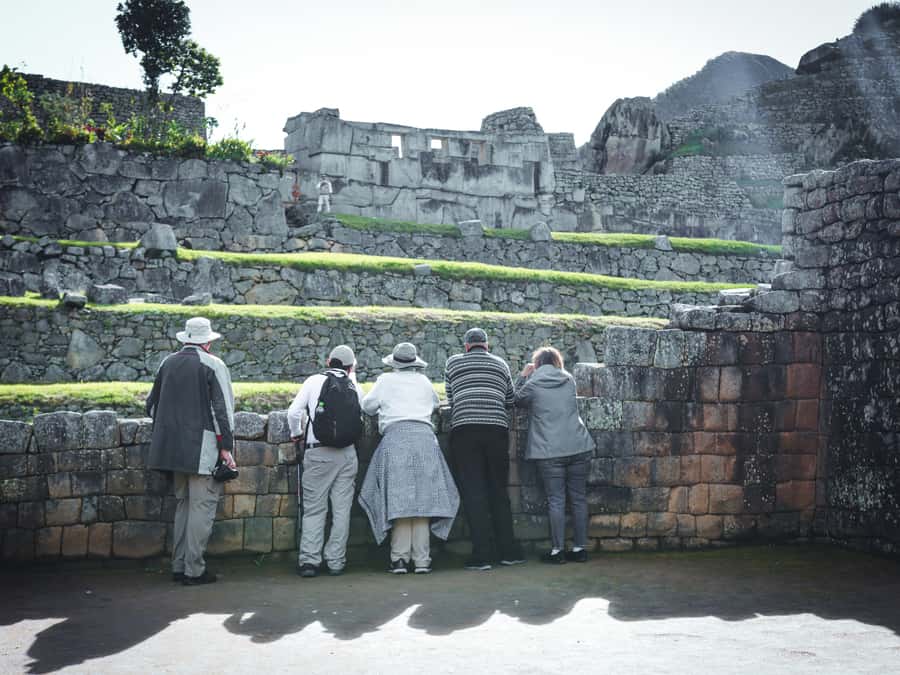
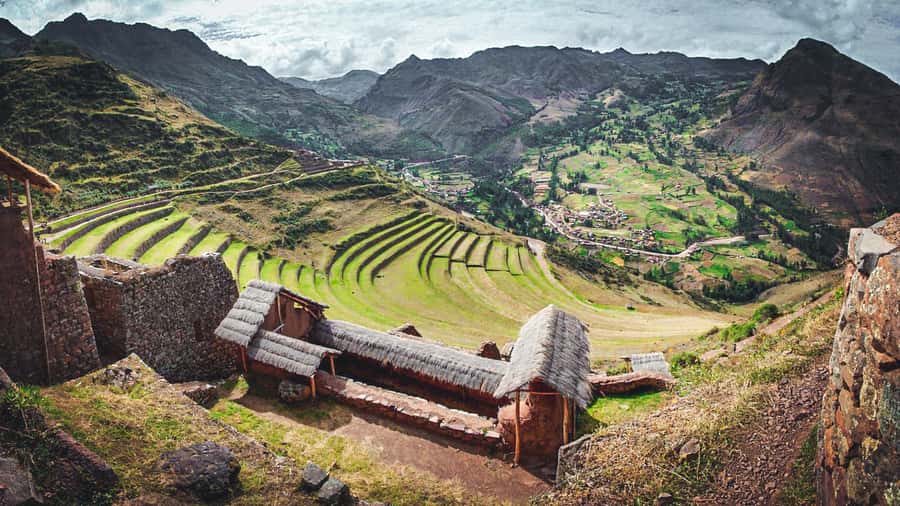
The Taray lookout gives you the classic Sacred Valley view: broad farmland, Inca terraces, and the Urubamba River below.
This is one of the best stops for understanding the scale of the valley. From ground level, the terraces can look like scattered stone walls. From above, they read as a huge agricultural system arranged along the slopes.
You will have time for photographs, but this is a viewpoint rather than a long walk. Keep your camera ready, and listen for the guide’s explanation of how the valley supported the Inca state.
The sequence works well. Awana Kancha introduces living Andean traditions, then Taray lets you see the setting in which those traditions developed.
Other ways to reach Machu Picchu:
- Classic Inca Trail Trek 4D/3N to Machu Picchu (Group Service)
★ 5.0 · 8,653 reviews - Machu Picchu: 4-Day Inca Trail Trek with Panoramic Train Ride
★ 5.0 · 4,568 reviews - Short Inca Trail to Machu Picchu 2D/1N
★ 5.0 · 3,007 reviews - 2-Day Inca Trail to Machu Picchu with Panoramic Train
★ 5.0 · 1,876 reviews
Pisac Archaeological Park: Terraces Above the Valley
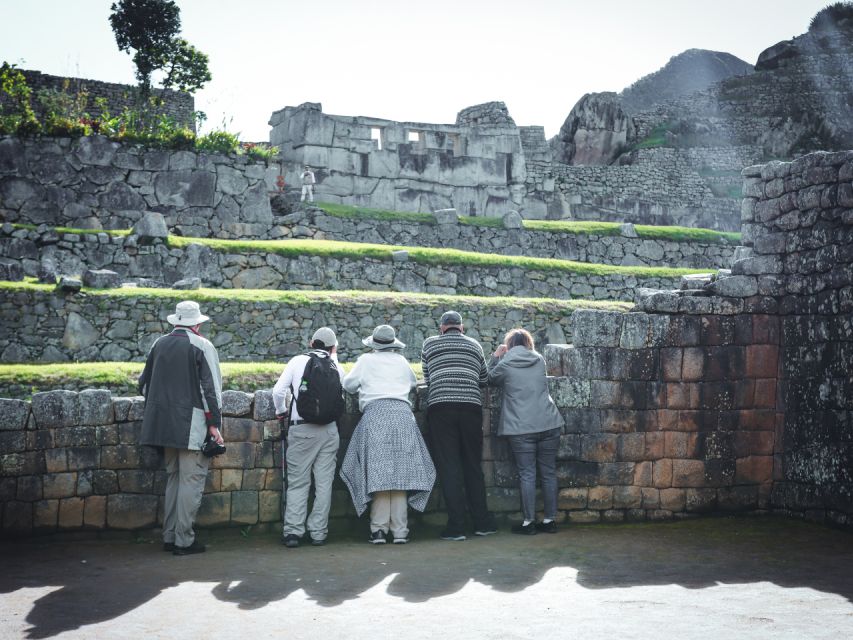
The vehicle takes you uphill to the Pisac archaeological site, where you can see temples, residences, altars, channels, and agricultural terraces.
Pisac is valuable because it is not just a collection of foundations. Its position above the valley helps you understand how the Inca combined religion, settlement, farming, and defense. The terraces also show the practical side of Inca engineering, turning steep ground into productive farmland.
Your guide explains the agricultural methods and the purpose of the major structures. That guidance is important here. Without it, the site can look like a dramatic pile of stone with a fine view. With context, the channels and terraces begin to make sense.
The archaeological entrance is not included. You should allow $20 for the entrance fees to Pisac and Ollantaytambo. Confirm how the operator handles payment before the day begins, since the supplied information identifies the cost but does not spell out the collection process.
The site visit involves an uphill drive and time walking around ruins. Wear shoes with a firm sole and keep your schedule in mind. This is not a slow, open-ended archaeological day. You are moving onward to lunch, Ollantaytambo, and the train.
Pisac Market: A Short Look at Local Commerce
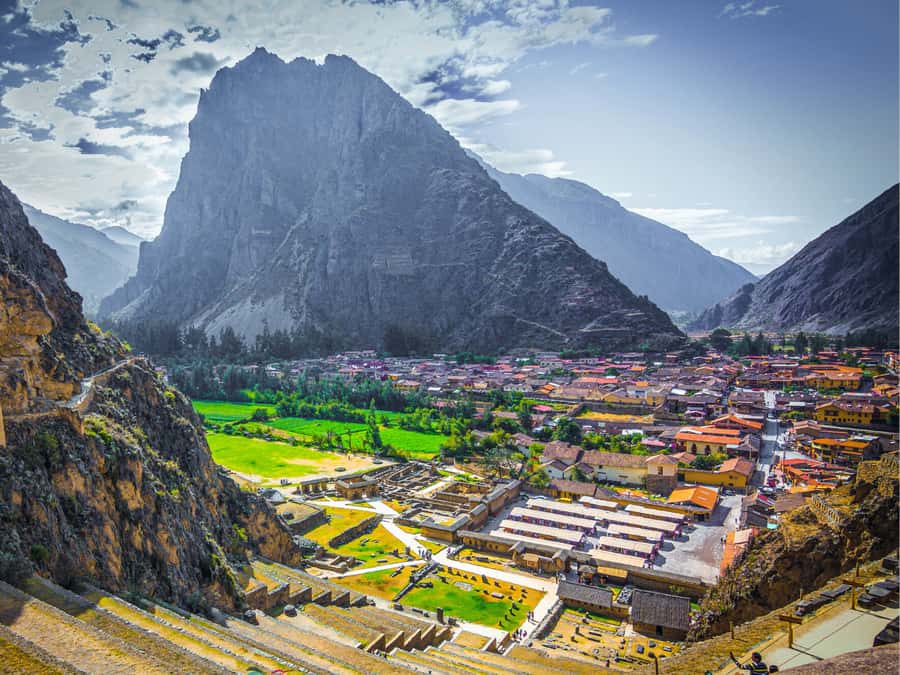
After the ruins, you visit the traditional market in the village of Pisac. The market is known for pottery, jewelry, textiles, and souvenirs, and the guide can help explain what you are seeing.
This stop gives the day a useful change of pace. Pisac’s hilltop ruins are quiet and monumental. The market is practical, social, and focused on making and selling goods.
You can shop here, but you do not have to. Prices may not be fixed in every setting, so ask before committing to a purchase. If you are not shopping, use the time to inspect the textiles and pottery rather than simply waiting for the group.
A recurring issue with this kind of route is sales pressure. The market itself can be a worthwhile local stop, but the day also includes commercial craft visits. I would set a souvenir budget before leaving Cusco and stick to it.
Urubamba Lunch and the Midday Pace
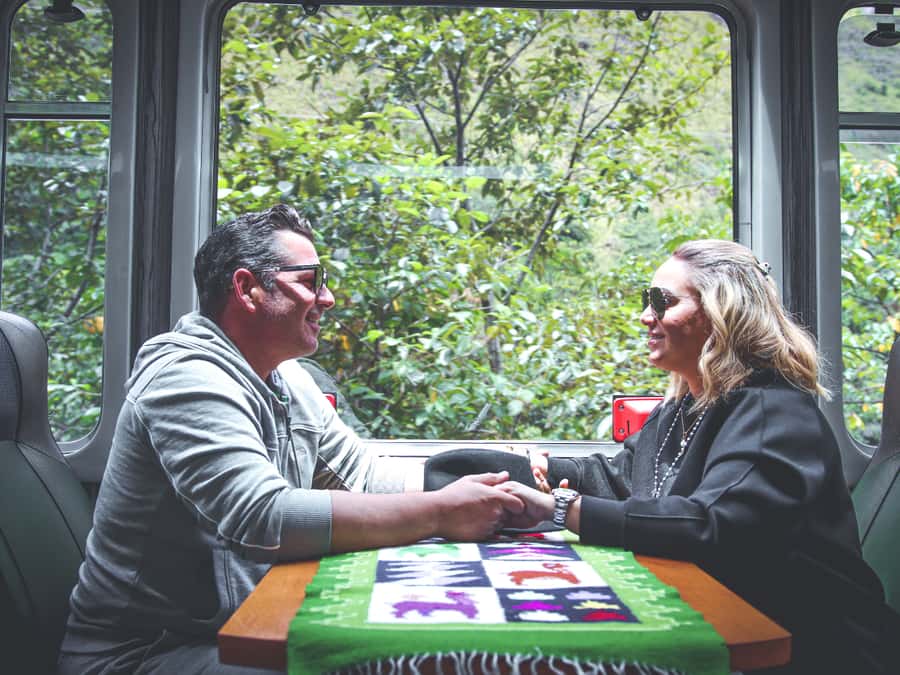
Around 1:00 PM, the group stops in Urubamba for a buffet lunch. Vegetarian options are available, but lunch is not included in the tour price.
A buffet is a sensible choice on a tight schedule. You can usually select food quickly and avoid a long wait for individual orders. It also gives you a chance to choose a lighter plate if the altitude and constant movement have reduced your appetite.
The meal is described as taking place at one of the better restaurants in the area, but the exact restaurant and price are not provided. Bring local currency or confirm accepted payment methods during the pre-trip briefing.
This is also a good point to refill your water. One bottle of water is included, but the description does not promise unlimited drinking water. The Sacred Valley day is active, and you will want to stay comfortable before the train.
Ollantaytambo: Ruins Before the Railway
At about 2:40 PM, you reach Ollantaytambo archaeological park. The site is famous for its terraces, massive stonework, and strategic position at the entrance to the route toward Machu Picchu.
Ollantaytambo feels different from Pisac. At Pisac, the view over the valley is the star. At Ollantaytambo, the terraces and steep mountains make the defensive role more obvious. The site was important during the Spanish invasion, and your guide explains the events connected with that period.
The archaeological entrance fee is separate, just like Pisac’s. You should also remember that this stop comes before your train, so keep your belongings organized and do not wander away from the group.
The schedule leaves limited room for delays. That is not necessarily a problem, since the operator is handling the train connection, but it means you should follow instructions closely. Your guide and driver are not simply showing you ruins. They are also moving you toward a fixed rail departure.
The Train to Aguas Calientes
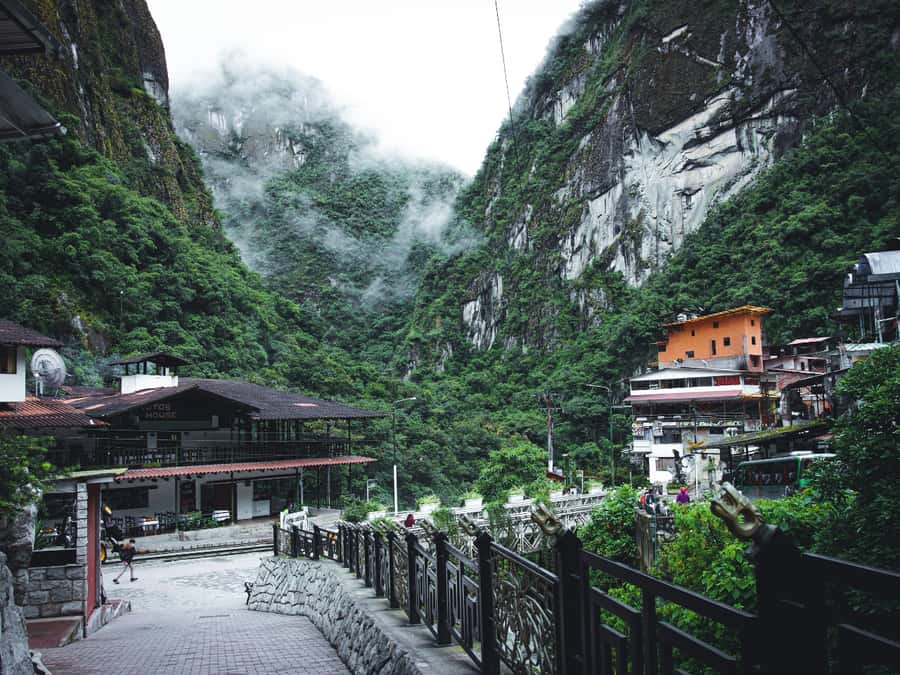
After Ollantaytambo, you board your selected train for the approximately 1 hour and 45 minute journey to Aguas Calientes, the town below Machu Picchu.
You can choose a standard train or the Vistadome 360 panoramic option when booking. The panoramic service sounds tempting, but one useful warning is that the larger windows may be nearly the same as those on the regular trains. If the upgrade is expensive, I would ask exactly what extra service you are receiving before paying more.
The train ride itself is one of the pleasant parts of the trip. You leave the Sacred Valley behind and pass through increasingly mountainous terrain on the way to Aguas Calientes. Keep your camera handy, but do not expect every view to be dramatically different from the standard carriage.
The train arrives at about 6:10 PM. A representative waits outside the station and takes you to your hotel. After check-in, the evening is free.
That free time is welcome. Day 1 contains several sites, a market, lunch, and a rail connection. You can have dinner, walk around Aguas Calientes, and prepare for an early start without another scheduled activity.
The Aguas Calientes Hotel and Early Breakfast
The included accommodation is the three-star Inti Punku Machupicchu Hotel & Suites or a similar hotel.
The room is mainly a practical base for the night. You are not paying for a resort stay. You are paying to sleep near the Machu Picchu bus departure and avoid returning to Cusco after the Sacred Valley day.
Breakfast is included on Day 2. Since the morning visit begins at 7:00 AM, ask the hotel or guide about breakfast timing during check-in. The tour description says breakfast is included, but it does not provide a menu or exact serving time.
You should also keep your passport and tickets easy to reach. Passenger passport details are required after booking, including your full name, passport number, birth date, and nationality. These details are used for the two-day rail and Machu Picchu arrangements, so enter them exactly as shown on your documents.
Machu Picchu at 7:00 AM
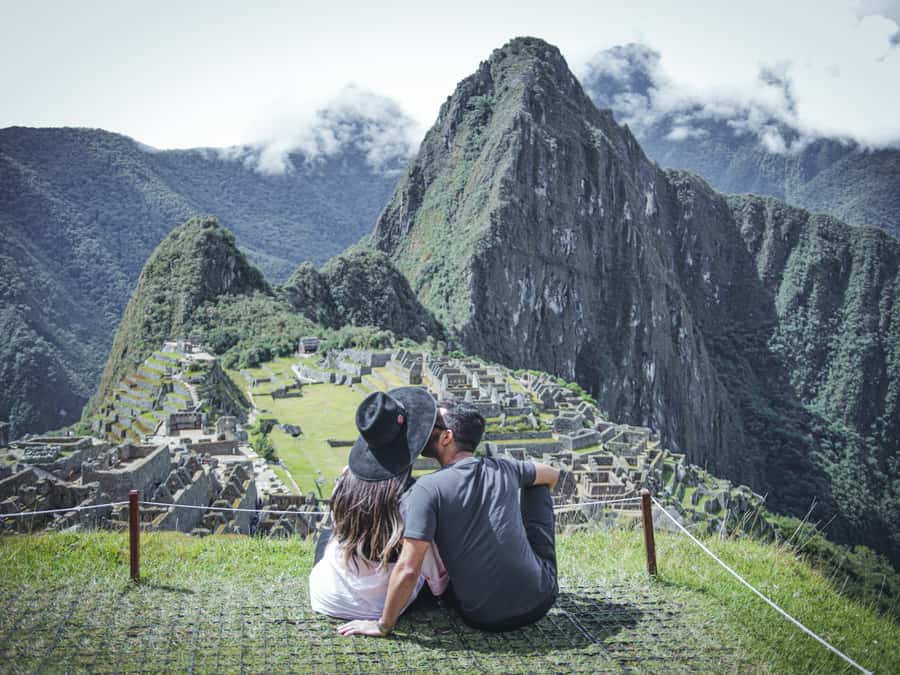
After breakfast, you meet your guide and go to the bus station in Aguas Calientes. The included bus takes you up to the entrance of the Historic Sanctuary of Machu Picchu.
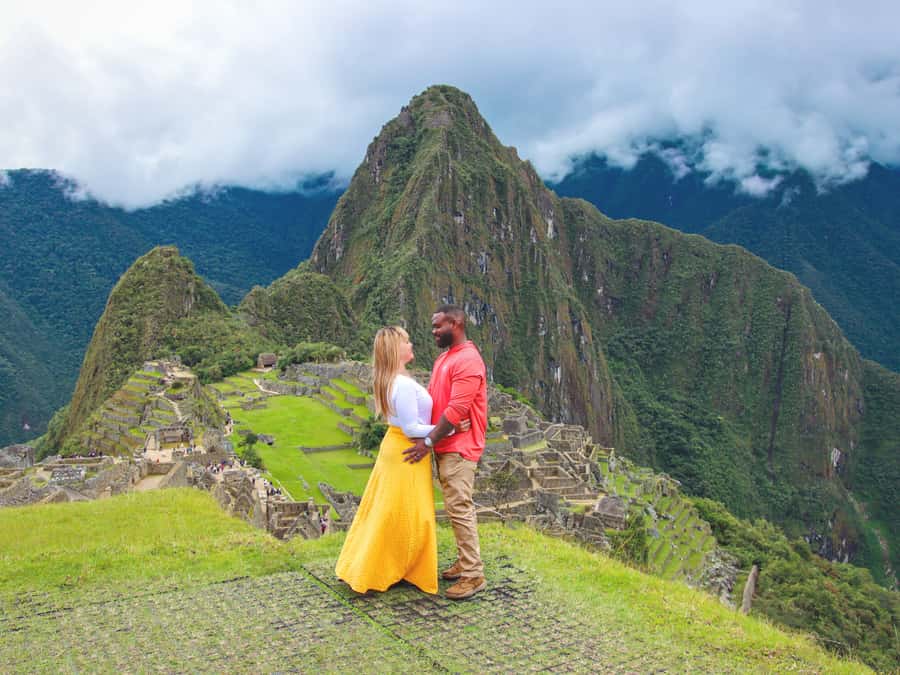
The visit includes the classic photograph from the higher part of the site, followed by a tour of the lower section. Your English or Spanish-speaking guide explains the history and layout of the sanctuary as you move through it. Portuguese support is also listed among the available languages.
This guided visit is where the package earns much of its value. Machu Picchu is visually powerful, but the ruins make more sense when someone points out the purpose of the structures and explains how the site fits into the wider Inca world.
The exact length of the sanctuary visit is not stated, so expect to follow the guide’s planned route rather than design your own full-day exploration. Huayna Picchu is not included. It costs $30, must be requested several months ahead, and is available only if permitted space remains.
You should also pay attention to the pace. A 7:00 AM start gives you a useful morning visit, but you still need to return to Aguas Calientes for lunch and catch the afternoon train. This is a focused Machu Picchu visit, not an open-ended day on the mountain.
Returning Through Ollantaytambo to Cusco
After Machu Picchu, you take the bus back down to Aguas Calientes. Lunch is on your own, giving you time to eat before the scheduled train.
The return train goes to Ollantaytambo, where your transport waits for the drive back to your Cusco hotel. Estimated arrival is around 6:30 PM.
This final connection is another strong point. You do not need to find a taxi at the Ollantaytambo station or negotiate a long transfer after an already full day. Your return vehicle is arranged in advance.
Do not plan an important evening flight or a fixed dinner reservation in Cusco. The 6:30 PM arrival is an estimate, and trains, road conditions, and group movement can affect the timing.
Guides, Group Size, and Organization
The tour uses different guides for the two main portions. Day 1 covers Cusco, the Sacred Valley, and the transfer to the train station. Day 2 begins in Aguas Calientes and continues through Machu Picchu.
Past visitors gave especially strong praise to guides named Justino, Judy, Ivone, and Martín. Judy was singled out for an excellent Machu Picchu visit, while Justino received praise for explaining both the Sacred Valley and Machu Picchu.
The operator, FLY CUSCO PERU Travel Agency, limits the group to 10 people. That is a useful middle ground. You get the structure of an organized tour without the feel of a large bus group.
A briefing takes place before departure. One especially helpful feature is the pre-departure meeting at the Cusco hotel, where the operator provides tickets, a detailed step-by-step schedule, and answers questions. For a trip with several handoffs, that preparation can remove much of the usual stress.
The organization received praise for punctuality, respect for personal limits, and smooth transportation. Those are not flashy features, but they matter when your train and Machu Picchu entry are tied to exact times.
The Main Drawbacks to Keep in Mind
The first concern is the pace. You cover several Sacred Valley sites on Day 1, then take an evening train and visit Machu Picchu the next morning. You see a great deal, but you do not have much spare time.
The second is the commercial side of the route. Awana Kancha includes textile sales, and another stop has been described as a jewelry-making shop with a strong buying angle. You can decline purchases, but some people may find these visits less authentic than the archaeological sites.
The third is the extra cost. Lunches, dinner, the two archaeological park entrance fees, optional Huayna Picchu, and any hotel upgrade are outside the $499 price.
Finally, the train upgrade deserves scrutiny. The Vistadome 360 option may offer a more polished experience, but the available advice is clear: do not assume that larger windows make the train dramatically better. Compare the actual fare difference before choosing it.
Who Should Book This 2-Day Machu Picchu Tour?
I would recommend this tour to you if you have only two days, want to see the Sacred Valley before Machu Picchu, and prefer having transport and tickets arranged in one package.
It is especially suitable if you are visiting Peru for the first time. The sequence from hotel pickup to train station, Aguas Calientes hotel, Machu Picchu bus, and return transfer is easy to follow. You can spend your attention on the ruins instead of worrying about every connection.
It also suits people who want a small group and live guiding in English, Spanish, or Portuguese. The strong praise for the guides and organization is consistent with the practical design of the tour.
I would think twice if you want long, unhurried visits at each archaeological site, dislike shopping stops, or prefer choosing every train and meal yourself. You should also allow extra money beyond the headline price.
FAQ
What is included in the $499 price?
The price includes the briefing, hotel pickup and drop-off, one night in a three-star hotel or similar, one breakfast, round-trip train tickets, Machu Picchu bus tickets, entrance to Machu Picchu, guides for the Sacred Valley and Machu Picchu, and one bottle of water.
Are lunch and dinner included?
No. Lunch and dinner are not included. Lunch is planned in Urubamba on Day 1 and is also on your own in Aguas Calientes after the Machu Picchu visit.
Are the Pisac and Ollantaytambo entrance fees included?
No. The two archaeological park entrance fees are listed separately at $20.
Can I choose the type of train?
Yes. You can choose between the normal train and the Vistadome 360 panoramic train when booking.
Where do I stay overnight?
You stay for one night at Inti Punku Machupicchu Hotel & Suites or a similar three-star hotel in Aguas Calientes.
What languages are available?
Live guiding is available in English, Spanish, and Portuguese.
Is Huayna Picchu included?
No. A Huayna Picchu ticket costs $30, must be requested several months ahead, and is provided only if available.
How many people are in the group?
The tour is limited to 10 participants.
Should You Book It?
Book this tour if you want a well-organized two-day route that combines the Sacred Valley and Machu Picchu without arranging every transfer yourself. The strongest reasons are the small group, the included train and Machu Picchu logistics, the early sanctuary visit, and the careful pre-trip briefing.
Go in with clear expectations. Day 1 is full, shopping stops are part of the route, several meals cost extra, and the panoramic train may not justify a large upgrade fee. If those points work for you, $499 is a reasonable price for two days of sites, transport, guiding, hotel accommodation, and a major Peru landmark handled in one package.
More Train Experiences in Cusco
- Machu Picchu Full Day from Cusco by Panoramic Train
★ 5.0 · 857 reviews - Machu Picchu Full Day Tour from Cusco with Train & Entrance
★ 5.0 · 508 reviews - The Voyager Machu Picchu Train by Inca Rail
★ 4.0 · 374 reviews - Lares Trek to Machu Picchu 4 days with Panoramic Train
★ 5.0 · 298 reviews
More Sacred Valley Days Out
- From Cusco: Moray, Maras Salt Mines & Chinchero Weavers Tour
★ 4.8 · 1,925 reviews - Cusco: Sacred Valley, Pisac, Ollantaytambo, Salt Mines Moray
★ 4.6 · 1,058 reviews - Cusco:Chinchero,Moray & Salt Mines drop-off in Ollantaytambo
★ 4.8 · 793 reviews - Sacred Valley and Maras Moray Tour with Full Day Buffet Lunch
★ 5.0 · 670 reviews
Added recently around Cusco
- Guided tour of the mountain of colors in Cusco★ 5.0 · 11 reviews
- 2-Day Private Short Inca Trail to Machu Picchu★ 5.0 · 15 reviews
- City Tour Cusco – Group★ 5.0 · 4 reviews
- Tour Sacred Valley with Maras and Moray★ 5.0 · 15 reviews
- San Pedro Market Tour with Peruvian Cooking Class★ 5.0 · 31 reviews
- Walking Culinary Experience★ 5.0 · 41 reviews
- City Tour in Cusco★ 4.5 · 10 reviews
- One Day Tour to Humantay Lagoon★ 5.0 · 8 reviews
Machu Picchu Tours, compared.
Classic Inca Trail Trek 4D/3N to Machu Picchu (Group Service)
Read our review →
Machu Picchu: 4-Day Inca Trail Trek with Panoramic Train Ride
Read our review →
2-Day Inca Trail to Machu Picchu with Panoramic Train
Read our review →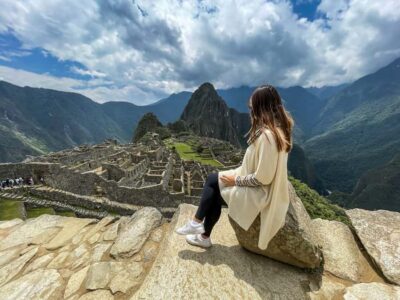

2-Day Tour: Sacred Valley and Machu Picchu by Train
Read our review →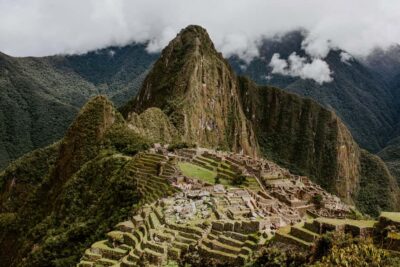
Machu Picchu: Full-Day Tour from Cusco with Optional Lunch
Read our review →Browse the lists this tour appears in