
Reviewed · MACHU PICCHU TOURS
Sacred Valley & Machu Picchu by Train: 2-Day, 1-Night Tour
Pack light, then let the valley unfold. This two-day tour links Cusco, Pisac, Moray, Maras, Ollantaytambo, Aguas Calientes, and Machu Picchu without making you arrange each transfer yourself. I especially like the mix of major ruins and working Andean places, including the Pisac market, the Maras salt terraces, and a textile center with llamas, alpacas, vicuñas, and guanacos.
I also like the small-group limit of 16 people and the door-to-door transport. Guides such as Herbert Vidal, Alex, and Oliver have earned praise for clear explanations, patience, and quick answers. The main drawback is the pace: you cover a lot in two days, and the train times are selected for you, so you give up some freedom in exchange for a tidy plan.
In This Review
- Key points at a glance
- Why this two-day route works
- From Cusco to the alpaca and textile center
- Taray viewpoint and the Sacred Valley below
- Pisac’s mountain ruins and market stalls
- Lunch in Urubamba, then the round of Moray and Maras
- Moray’s circular terraces
- The salt pools of Maras
- Ollantaytambo, the last major stop before the train
- Aguas Calientes and the early Machu Picchu start
- Three hours inside Machu Picchu
- What the $698 price really buys
- Who should book this tour?
- Should you book the Sacred Valley and Machu Picchu by Train tour?
- FAQ
- How long is the tour?
- Where does pickup take place?
- What languages are available?
- How large is the group?
- Is accommodation included?
- Which meals are included?
- Is the train included?
- Is the bus to Machu Picchu included?
- What do I need to bring?
Key points at a glance
- The first day is packed: You visit an animal and textile center, Taray viewpoint, Pisac, Moray, Maras, and Ollantaytambo before catching the Expedition train.
- Pisac gives you two very different stops: The Inca site is high in the mountains, while the market below is a practical place for crafts, textiles, jewelry, and souvenirs.
- Machu Picchu begins early: You stay in Aguas Calientes, take one of the first buses upward, and tour the citadel for about three hours.
- The $698 price covers much of the hard work: Transport, entrance fees, hotel, listed meals, guides, buses, and trains are included.
- You need your original passport: It is required at the Machu Picchu checkpoint, and large bags are not allowed.
- This suits organized sightseers: It works best if you want the main Sacred Valley sights in a short window and do not mind a full schedule.
Why this two-day route works
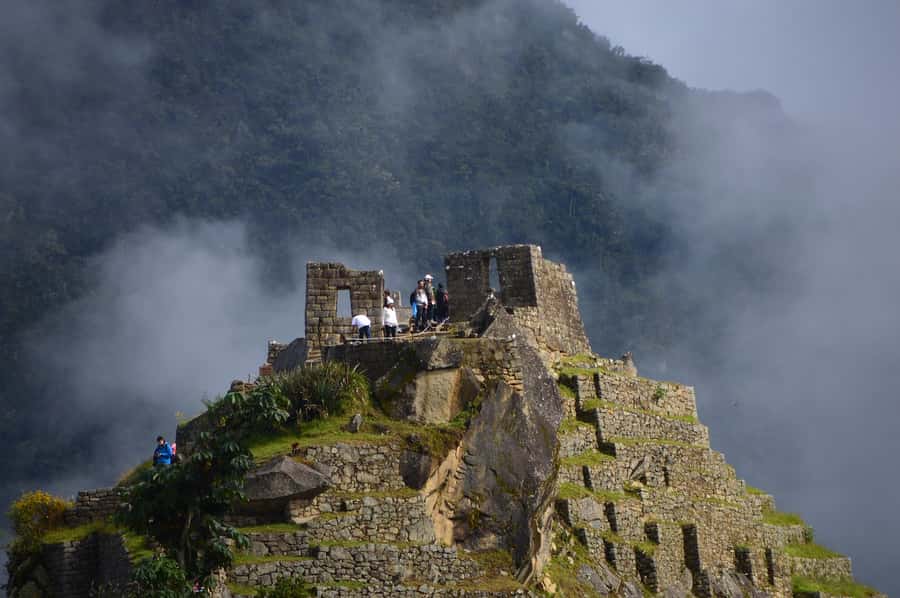
The tour is designed for someone with limited time in the Cusco Region. Instead of treating Machu Picchu as a separate trip, it uses the Sacred Valley as the road there. That makes geographical sense and gives you far more than a simple rail journey from Cusco to Aguas Calientes.
Day one is not a gentle introduction. You leave your Cusco hotel, visit several important sites, eat in Urubamba, continue to Ollantaytambo, and board the train in the evening. Day two starts early with Machu Picchu, then returns you to Cusco by train and van.
I would choose this plan if I had two days available and wanted a guided overview. I would not choose it for a slow, flexible holiday. There is little spare time for lingering, independent walks, or changing plans after you arrive.
More Machu Picchu Tours in Sacred Valley
- 2-Day Tour: Sacred Valley and Machu Picchu by Train
★ 5.0 · 1,127 reviews - Sacred Valley & Machu Picchu 2D1N
★ 5.0 · 617 reviews - 6 Days Exploring Cusco, Sacred Valley & Machu Picchu
★ 5.0 · 470 reviews
From Cusco to the alpaca and textile center
Pickup is available from a hotel, hostel, or Airbnb in Cusco. After meeting the guide, you take roughly 30 minutes to an alpaca farm and textile center.
This stop gives the day a human and practical beginning. You can see llamas, alpacas, vicuñas, and guanacos, then learn how local textiles are made and how natural colors are produced. The weaving demonstration helps explain what you are seeing later at Pisac Market, where alpaca goods, fabrics, and Andean crafts are sold.
The center also has a shop. I suggest treating it as an introduction rather than feeling obliged to buy immediately. You will have another chance to compare prices and styles at Pisac, where several kinds of handmade goods are gathered in one place.
Taray viewpoint and the Sacred Valley below
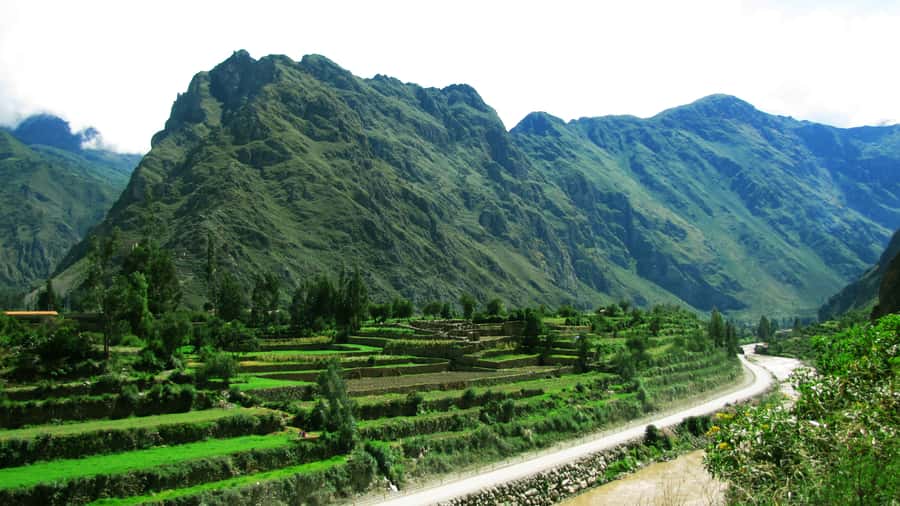
A second 30-minute ride brings you to the Mirador Taray viewpoint. From here, you look over the Urubamba River and the agricultural lands of the Sacred Valley.
This is a useful stop because it helps you understand the valley’s shape before you begin visiting its ruins. The Inca used the area for farming, and from above you can see why the river corridor mattered. The views also provide a welcome pause between vehicle rides and archaeological sites.
Do not expect a long walk or an extended viewpoint visit. It is primarily a scenic stop, and the day continues quickly toward Pisac.
Pisac’s mountain ruins and market stalls
The Pisac archaeological site sits high above the valley. Its stone walls, agricultural terraces, irrigation systems, temples, storehouses, and cemetery show how much was built into the mountain slopes.
The terraces are especially useful for understanding Inca farming. They were not merely decorative steps. They created growing areas on steep ground and helped manage water and soil. Your guide can add context that is easy to miss if you visit without help.
The site also includes what is described as the largest cemetery of the Inca Empire. That detail gives Pisac a different character from a simple fortress or ceremonial complex. You are seeing a place tied to farming, worship, storage, defense, and burial.
After the ruins, you visit Pisac Market. This is where the day shifts from stonework to local commerce. Look for ceramics, textiles, jewelry, Andean instruments, alpaca products, and small souvenirs. Bargaining is part of the experience, but keep it friendly and reasonable. If you see something you truly want, a little comparison between stalls is sensible before you buy.
The market can feel more commercial than the ruins. That is not necessarily a flaw. It gives you a chance to support local artisans and take home something connected to the region, but shoppers who dislike sales pitches may want to keep this stop short.
Other ways to reach Machu Picchu:
- Classic Inca Trail Trek 4D/3N to Machu Picchu (Group Service)
★ 5.0 · 8,653 reviews - Machu Picchu: 4-Day Inca Trail Trek with Panoramic Train Ride
★ 5.0 · 4,568 reviews - Short Inca Trail to Machu Picchu 2D/1N
★ 5.0 · 3,007 reviews - 2-Day Inca Trail to Machu Picchu with Panoramic Train
★ 5.0 · 1,876 reviews
Lunch in Urubamba, then the round of Moray and Maras
After Pisac, you ride for about an hour to Urubamba for a buffet lunch. The meal is included and features local Peruvian dishes made with fresh local products.
A buffet is practical for a group moving on a schedule. You can choose what suits you, rather than waiting for separate orders. Meals not listed in the program are at your own expense, so check what is included before ordering drinks or extras.
The afternoon brings two of the Sacred Valley’s most unusual sights: Moray and the Salineras of Maras.
Moray’s circular terraces
Moray is known for its large, circular agricultural terraces cut into the earth. Their shape makes the site immediately different from the straight terraces at Pisac.
You will get a guided look at the terraces and their construction. The stop is valuable because it shows the Inca approach to farming from another angle, with carefully built levels rather than a simple hillside arrangement. It also breaks up the day with a site that feels visually distinct from temples and fortifications.
The tour description does not specify how long you stay at Moray, so expect the guide to manage the timing around the rest of the afternoon. Bring a daypack and keep your essentials easy to reach.
The salt pools of Maras
The Salineras of Maras are another sharp change in scenery. The site consists of salt terraces, and it is one of the most memorable working places on this route.
You are not simply looking at an abandoned ruin. The salt pans connect the present day with traditional production in the valley. That makes Maras a good counterpoint to the Inca sites, since it shows how the region’s resources continue to shape local work.
Moray and Maras are among the strongest reasons to choose this tour instead of a basic Sacred Valley and Machu Picchu transfer. They add variety, though they also make day one longer.
Ollantaytambo, the last major stop before the train
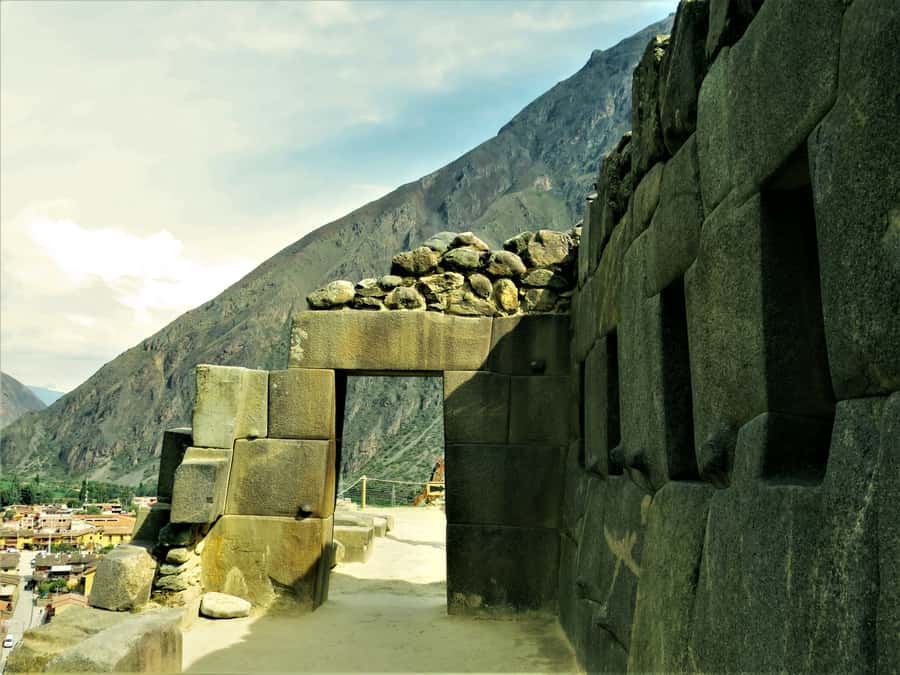
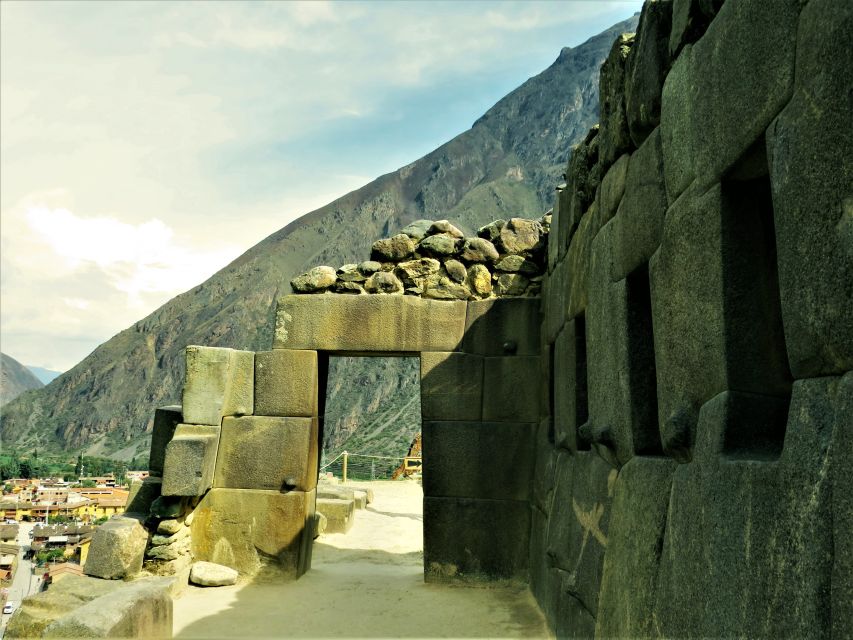
From Maras, the route continues to Ollantaytambo, described as the last standing Inca citadel. The town itself is built above ancient Inca structures, and the archaeological area includes temples, terraces, storehouses, and a large monolithic stone.
Ollantaytambo deserves real attention. It is not merely a train station where you wait for Machu Picchu. The site shows how the Inca organized a settlement and built monumental stonework into the surrounding slopes.
You also receive dinner in Ollantaytambo before boarding the Expedition train to Aguas Calientes. That arrangement is convenient, but the timing may leave you wishing for more time in town. The tour gives you a guided visit, not an open-ended evening to explore every street.
The Expedition train is included both ways. One piece of useful feedback from the experience is that train timing is selected by the operator. The transport was generally described as comfortable, but the lack of choice over departure times was a small frustration. If you care strongly about a particular train schedule, ask for details before paying.
Aguas Calientes and the early Machu Picchu start
You spend one night in a three-star hotel in Aguas Calientes. The overnight stop is important because it lets you reach Machu Picchu early instead of attempting the entire visit from Cusco in one exhausting push.
Breakfast is provided at the hotel, then you take one of the first buses up to the citadel. The early start is aimed at catching the morning atmosphere and beginning the visit before the day becomes more crowded. The program describes this as a sunrise visit, though the exact view and timing depend on the day’s schedule and conditions.
At the checkpoint, you must show your original passport. A phone image or other document should not be treated as a substitute. Keep the passport secure but accessible.
You are allowed a daypack, but large bags and luggage are not permitted. Drones are also prohibited, along with alcohol and drugs. Feeding the animals is not allowed, so enjoy the wildlife without trying to turn the site into a picnic stop.
Three hours inside Machu Picchu
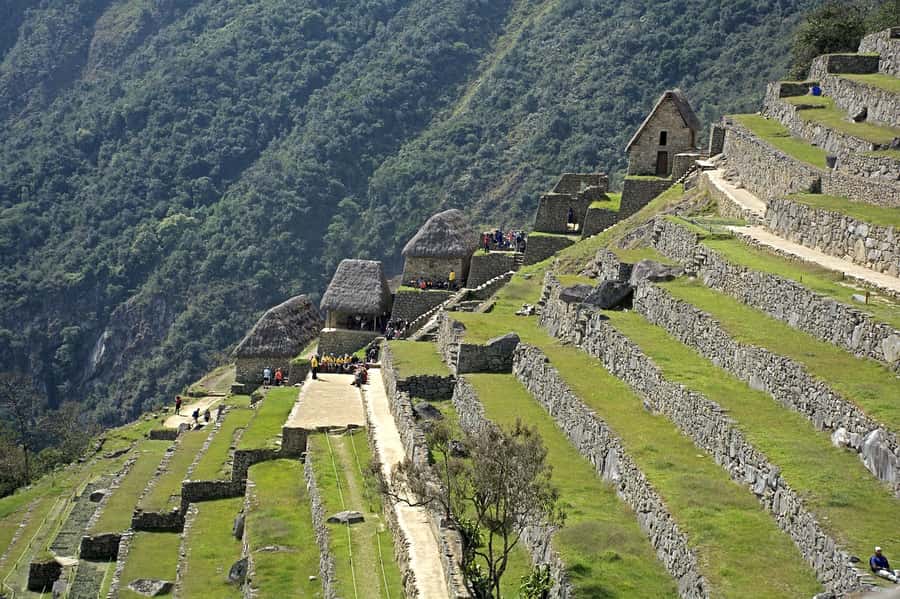
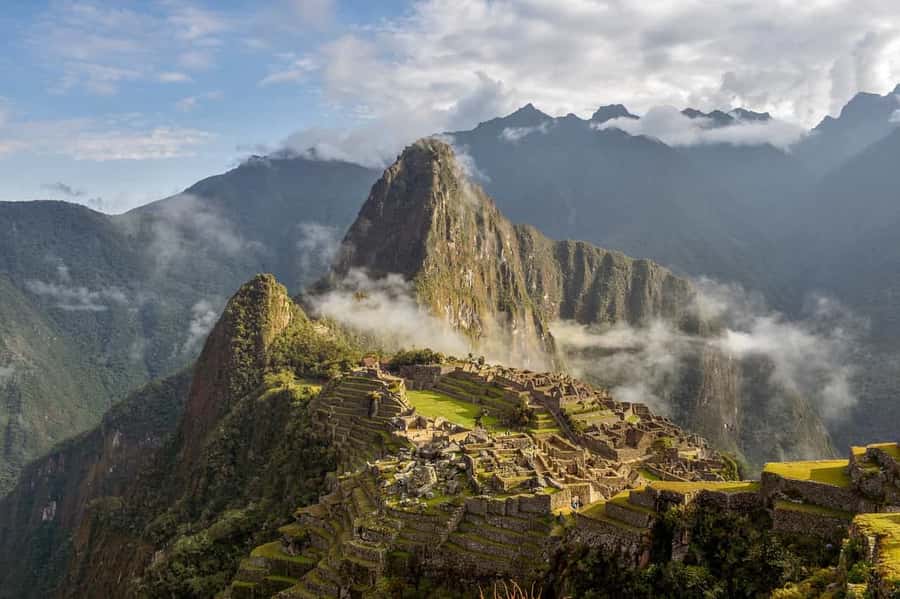
The guided visit lasts about three hours. You see major terraces, storehouses, temples, and palaces while the guide explains how the citadel fits into the wider Inca world.
This is where a strong guide matters most. Herbert Vidal has been singled out for explaining the monuments in detail, while Alex was praised as an excellent guide and Oliver for patience and strong knowledge of the Inca period. The guide language is English or Spanish, and a good explanation can help you connect the stonework, terraces, and ceremonial buildings instead of simply taking photographs.
The tour does not include Huayna Picchu or Machu Picchu Mountain. Those are optional extra hikes, so do not assume they are part of the standard three-hour visit. If one of those climbs is a priority, confirm availability and extra cost before booking.
After the citadel, you take the bus back to Aguas Calientes. Lunch there is optional and not included. You then board the Expedition train, return to Ollantaytambo, and take a van back to your Cusco hotel.
What the $698 price really buys
At $698 per person, this is not the cheapest way to see Machu Picchu. The value comes from the number of separate pieces bundled into two days.
Included are Cusco pickup and return, transport throughout the route, entrance tickets for Pisac, Moray, Maras, Ollantaytambo, and Machu Picchu, the round-trip Expedition train, the round-trip bus to Machu Picchu, a three-star hotel, expert guides, buffet lunch, and dinner. Taxes and reservation charges are also covered.
You are mainly paying for coordination. The operator handles the sequence of road transfers, site entries, hotel night, train connections, and Machu Picchu bus tickets. That can be worth a great deal if you do not want to coordinate several bookings under a tight schedule.
The price is less attractive if you already have transport, hotel, or entrance arrangements. It also does not cover travel insurance, the extra mountain hikes, meals not listed, or optional lunch in Aguas Calientes. Since the activity is non-refundable, check your dates and details carefully before committing.
Who should book this tour?
I would recommend it to you if you want:
- A short, organized trip from Cusco
- A guided introduction to several Sacred Valley sites
- A small group limited to 16 people
- Hotel pickup and return
- Included trains, buses, entrance fees, and selected meals
- A sunrise-oriented Machu Picchu visit
- Help from guides who can explain Inca sites in English or Spanish
I would be cautious if you want flexible train times, long visits at each site, or a quiet two-day pace. The route is full, and the first day involves repeated drives and several archaeological stops.
It is also a poor fit if you plan to carry full luggage. Bring only a daypack, and keep your passport with you. The tour is listed as unsuitable for people over 95, but the main practical issue for most people is the demanding schedule rather than the age limit itself.
Should you book the Sacred Valley and Machu Picchu by Train tour?
Book it if you want the major sights arranged in one compact package and value a guide more than independence. The combination of Pisac, Moray, Maras, Ollantaytambo, and Machu Picchu gives you a fuller picture of the region than a direct train trip.
Skip it if controlling every departure time matters to you or if you prefer to spend a whole day at Machu Picchu without a packed Sacred Valley schedule. At $698, the tour earns its price through convenience, admissions, transport, hotel, and guide support. You are buying less paperwork and more structure, not the cheapest possible ticket.
FAQ
How long is the tour?
The experience lasts two days and one night.
Where does pickup take place?
Pickup is available from a hotel, hostel, or Airbnb in Cusco. You need to provide your accommodation details and a contact number, WhatsApp account, or email after booking.
What languages are available?
The live guide service is available in English and Spanish.
How large is the group?
The tour is a small-group experience limited to 16 participants.
Is accommodation included?
Yes. One night in a three-star hotel in Aguas Calientes is included.
Which meals are included?
Day one includes a buffet lunch in Urubamba and dinner in Ollantaytambo. Breakfast is provided at the Aguas Calientes hotel. Other meals are not included.
Is the train included?
Yes. Round-trip transportation on the Expedition train is included.
Is the bus to Machu Picchu included?
Yes. The round-trip bus between Aguas Calientes and Machu Picchu is included.
What do I need to bring?
Bring your original passport and a daypack. Large bags and luggage are not allowed. Huayna Picchu and Machu Picchu Mountain are optional extras and are not included.
More Evening Experiences in Cusco
- Inca Trail 4-Day 3-Night Trek to Machu Picchu with Expert Guides
★ 5.0 · 733 reviews - Lares Valley Trek with Hot Spring 4-Day, 3-Night
★ 5.0 · 656 reviews - Humantay Lake and Salkantay Pass Trek – 2 Days / 1 Night
★ 5.0 · 380 reviews - Short Inca Trail To Machu Picchu 2 Days and 1 Night
★ 5.0 · 321 reviews
More Sacred Valley Days Out
- From Cusco: Moray, Maras Salt Mines & Chinchero Weavers Tour
★ 4.8 · 1,925 reviews - Cusco: Sacred Valley, Pisac, Ollantaytambo, Salt Mines Moray
★ 4.6 · 1,058 reviews - Cusco:Chinchero,Moray & Salt Mines drop-off in Ollantaytambo
★ 4.8 · 793 reviews - Sacred Valley and Maras Moray Tour with Full Day Buffet Lunch
★ 5.0 · 670 reviews
Added recently around Cusco
- Guided tour of the mountain of colors in Cusco★ 5.0 · 11 reviews
- 2-Day Private Short Inca Trail to Machu Picchu★ 5.0 · 15 reviews
- City Tour Cusco – Group★ 5.0 · 4 reviews
- Tour Sacred Valley with Maras and Moray★ 5.0 · 15 reviews
- San Pedro Market Tour with Peruvian Cooking Class★ 5.0 · 31 reviews
- Walking Culinary Experience★ 5.0 · 41 reviews
- City Tour in Cusco★ 4.5 · 10 reviews
- One Day Tour to Humantay Lagoon★ 5.0 · 8 reviews
Machu Picchu Tours, compared.
Classic Inca Trail Trek 4D/3N to Machu Picchu (Group Service)
Read our review →
Machu Picchu: 4-Day Inca Trail Trek with Panoramic Train Ride
Read our review →
2-Day Inca Trail to Machu Picchu with Panoramic Train
Read our review →

2-Day Tour: Sacred Valley and Machu Picchu by Train
Read our review →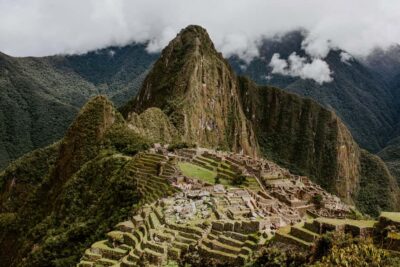
Machu Picchu: Full-Day Tour from Cusco with Optional Lunch
Read our review →Browse the lists this tour appears in