
Reviewed · ANDEAN TREKKING TOURS
4-Day Salkantay Trek
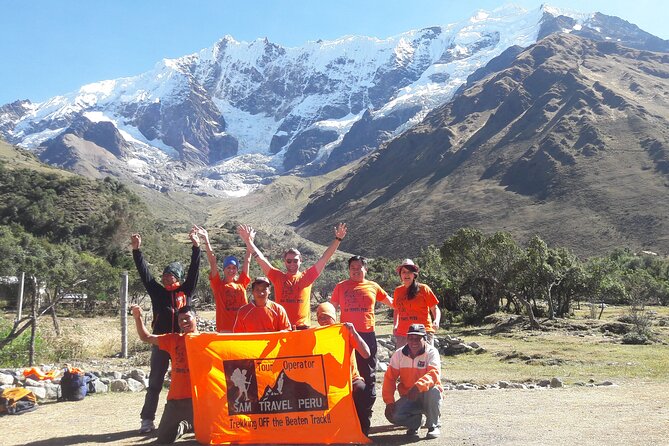
The high Andes change fast. This 4-day Salkantay Trek takes you from glacier country near Soraypampa through cloud forest, coffee farms, and the Inca ruins of Llactapata before reaching Machu Picchu. I like the small group size, capped at eight, and the private campsites, which give this demanding route a more personal feel.
I also like that the price includes hotel pickup, meals, camping, the train to Aguas Calientes, and the return trip to Cusco. The main catch is the altitude and long walking days. You need strong fitness, and arriving in Cusco about a week early is wise if you can manage it.
The trip costs $777 per person, which is fair for a four-day trek with a guide, cooks, campsite support, train travel, and Machu Picchu entry arrangements. Guides such as Elvis, Edwin, Israel, and Gerry have been praised for their care and clear explanations, though your guide will depend on the departure.
In This Review
- Key points before you book
- What the $777 price really covers
- Day 1: Soraypampa, Salkantay views, and Apacheta Pass
- Day 2: From cold mountain air to coffee country
- Day 3: Llactapata and the first view of Machu Picchu
- Day 4: Machu Picchu without rushing the finish
- Camping comfort, food, and support on the trail
- Who should choose this Salkantay route?
- Practical planning for a better trek
- Should you book the 4-Day Salkantay Trek?
- FAQ
- What is included in the 4-Day Salkantay Trek?
- How many people are in the group?
- How difficult is the trek?
- What time does pickup begin?
- Where do you sleep during the trek?
- Can the trek be canceled because of weather?
Key points before you book
- The first day reaches 4,650 meters: Apacheta Pass is the physical high point, with cold air, steep walking, and huge views of Salkantay and Humantay.
- Four climates arrive in quick succession: You move from icy mountain terrain to dry valleys, cloud forest, coffee plantations, and humid jungle.
- Meals are a major strength: Three hearty meals are included each day, with fresh Peruvian cooking, vegetables, and options for different diets.
- The group stays small: A maximum of eight people allows the guide to watch the pace and offer more individual help.
- Llactapata gives you a distant Machu Picchu view: You see the famous citadel from across the valley before reaching it the next morning.
- The last night is in a hotel: After three nights camping, you get a proper bed in Aguas Calientes before visiting Machu Picchu.
What the $777 price really covers
At first glance, $777 may seem high for a four-day hike. Look closer, and the price includes much more than a basic walking tour. You receive hotel pickup, private transportation to Soraypampa, four breakfasts, three lunches, three dinners, camping equipment, campsite support, a hotel night in Aguas Calientes, the train from the hydroelectric plant, the bus up to Machu Picchu, a guided visit, and transport back to Cusco.
That package matters because this route has a lot of moving parts. You are not simply following a trail with a backpack. Food, tents, luggage handling, train tickets, road transfers, and the Machu Picchu visit all need to line up.
The crew also provides a duffle bag and poncho at no extra cost, according to one detailed account. Luggage transport from hotel to hotel has also been arranged on departures, which makes a real difference. You can hike with a daypack instead of carrying everything you brought to Peru.
The small group cap is another part of the value. A guide managing eight people can keep a closer eye on tired walkers than a guide leading a large group. That does not make the route easy, but it can make the hard sections feel more manageable.
SAM Travel Peru has also handled disruptions such as local strikes by changing transport plans and keeping people on schedule. That sort of behind-the-scenes help is easy to overlook until a road closes or a train plan changes.
More Hiking Tours in Cusco
- Classic Inca Trail Trek 4D/3N to Machu Picchu (Group Service)
★ 5.0 · 8,653 reviews - Machu Picchu: 4-Day Inca Trail Trek with Panoramic Train Ride
★ 5.0 · 4,568 reviews - Salkantay Classic Trek 5 Days from Cusco
★ 5.0 · 4,062 reviews
Day 1: Soraypampa, Salkantay views, and Apacheta Pass
Your day begins very early, with pickup around 4:00 to 4:30 a.m. from your hotel lobby. A private van takes about three hours to Soraypampa, passing Andean villages and valleys along curving mountain roads.
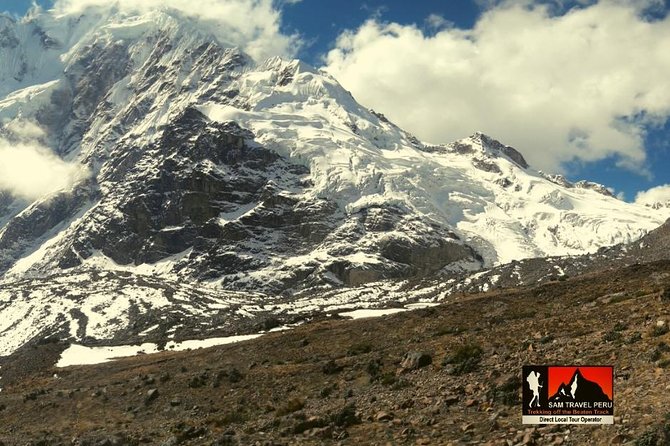
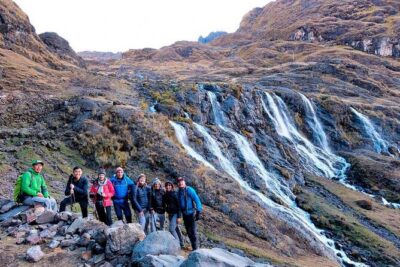
At the trailhead, breakfast comes with views of Humantay and Salkantay glaciers. This is not a gentle warm-up. Soraypampa sits at roughly 3,900 meters, and the route continues upward through open mountain country.
You walk gradually toward Sorococcha, at about 4,400 meters, for lunch. The thin air becomes the main challenge here. Even fit people may slow down, and that is normal. Your guide may ask you to keep a measured pace rather than race ahead.
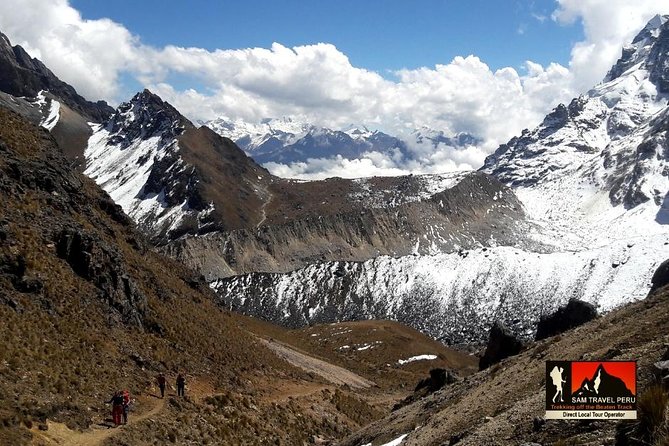
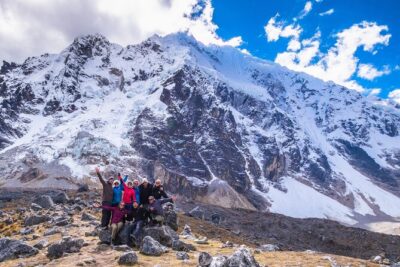
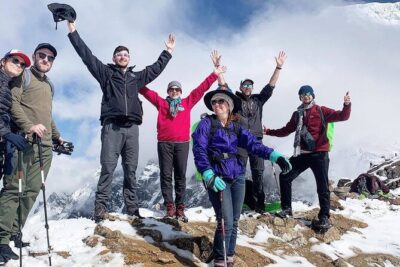
The climb continues for about an hour to Apacheta Pass at 4,650 meters. This is the day’s great test, but also its visual reward. From the pass, you can see snow-covered peaks, white rivers, small lakes, and the broad mountain valleys around you.
A short walk leads to turquoise Salkantay Lake. After that, the route drops for about two hours to the Huayracmachay camp.
The first night can be very cold. Bring a proper warm layer, not just a light fleece. The camps provide thick blankets and hot-water bottles, and the tents have been described as unusually comfortable for a trek, with mattresses and enough height to sit or stand more easily. Still, mountain cold is not something to treat casually.
Day 1 is beautiful, but it is also the hardest day for many people because of the elevation. If you have not adjusted to Cusco’s altitude, the first morning may feel rough. Altitude patches, drops, or small oxygen cans have helped some people, but acclimatization remains the most important preparation.
Emergency horses are available along much of the route if someone cannot continue on foot. That is useful backup, but you should not view it as a substitute for being ready to hike at high altitude.
Day 2: From cold mountain air to coffee country
After breakfast, you descend for about three hours toward the rural community of Chayllayand. The change is striking. The air grows warmer, the valleys turn green, and waterfalls appear beside the route.
After lunch, you continue for around five hours into the beginning of the cloud forest. This makes Day 2 long, roughly eight hours on foot, with plenty of rolling ground. The route is not one endless descent, so expect some tiring rises as well.
The plants and birds change as the temperature rises. Fruit trees, coffee, cacao, tomatoes, avocados, and other crops become part of the view. This is one of the best reasons to choose the Salkantay route instead of treating the trek as a simple path to Machu Picchu. You see how quickly Peru’s growing zones shift with elevation.
The campsite is at Lucmabamba, around 2,050 meters. Here, the coffee activity gives the day a welcome human touch. You walk through the fields, learn about different beans, pick coffee, roast and grind it, then brew and drink it yourself.
That hands-on stop is more memorable than a quick explanation from a guide. You see the work behind one of Peru’s important exports, from plant to cup. The group also gathers fresh produce, including tomatoes and avocados, for dinner.
The food is one of the strongest parts of this experience. Chefs such as Julio, Mathias, Nicasio, and Nicassio have earned high praise for cooking fresh, plentiful meals in remote camps. Expect full portions and several courses on some departures, with vegetables and Peruvian dishes rather than repetitive trail food.
If you have dietary needs, share them with the company and guide before departure. The tour includes meals, but the provided information only confirms options for different preferences through past departures, not a fixed menu.
Day 3: Llactapata and the first view of Machu Picchu
Day 3 begins with the final camp breakfast, followed by about three hours of uphill walking on an old and remote Inca route. The trail rises to Puncuyoc Pass at approximately 2,700 meters.
By this point, the air is warmer than on Day 1, but your legs have already done a lot of work. The climb is not as high as Apacheta Pass, yet accumulated fatigue can make it feel serious.
The reward is Llactapata Inca ruins. From this position, Machu Picchu sits across the valley, framed by surrounding peaks and the Aobamba Canyon. Seeing the citadel from a distance gives you a useful sense of its setting. Machu Picchu is not an isolated stone site. It is part of a dramatic mountain system, and Llactapata helps you understand that.
Take time here for photographs and for the guide’s explanation. Guides including Edwin and Israel have been praised for connecting the ruins, Inca culture, local plants, and the wider route instead of giving only a list of dates.
From Llactapata, you descend for about two hours to the hydroelectric plant. Lunch follows before you board a train for the roughly 30-minute ride to Aguas Calientes.
This transfer is practical, but it also marks a clear change. The first two nights are wilderness camping. On the third night, you sleep in a hotel with a proper bed. That small comfort feels well earned.
The day runs about nine hours, counting the walking and route connections. Keep some energy in reserve. You still have an early start for Machu Picchu the next morning.
Longer treks from Cusco:
- 4-Day Salkantay Trek with Sky Camp Stay
★ 5.0 · 3,346 reviews - Salkantay Trek 5D/4N with Glass Cabins, Domes and Hobbit House
★ 5.0 · 2,488 reviews - 5-Day Premium Salkantay Trek
★ 5.0 · 788 reviews - Lares Valley Trek with Hot Spring 4-Day, 3-Night
★ 5.0 · 656 reviews
Day 4: Machu Picchu without rushing the finish
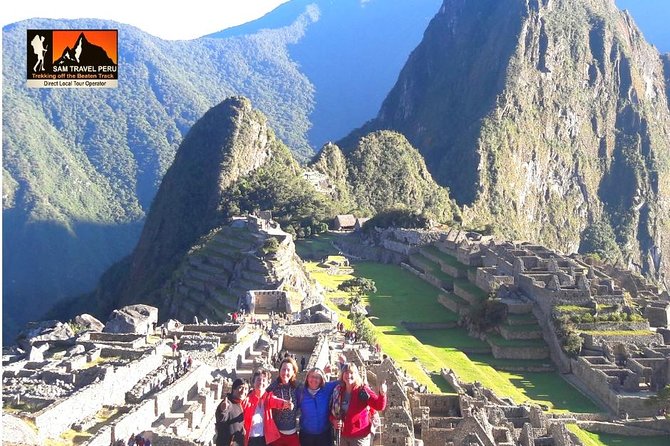
After an early breakfast in Aguas Calientes, you take the bus up to Machu Picchu. Inside the citadel, a guide leads a tour of about two hours, followed by free time for photos and further exploration.
The guided portion gives the site shape and meaning. You will have a better sense of the terraces, buildings, mountain setting, and Inca planning than you would by wandering in alone.
The schedule also offers an option to climb Huayna Picchu, Machu Picchu Mountain, or walk toward the Sun Gate. These options are listed as possibilities, but availability and timing can affect what you can actually do. Do not assume every extra route is guaranteed unless the company confirms it.
You return to Aguas Calientes around noon for a relaxed lunch. The return train leaves at 4:22 p.m. for Ollantaytambo, followed by a private van to Cusco. Arrival at your hotel is expected around 8:30 p.m.
That makes Day 4 a full travel day, not a short sightseeing morning. You may be tired after the trek, and the late return is worth noting if you have a flight the next morning. SAM Travel Peru has handled altered schedules for people with onward flights, but you should discuss your timing before departure rather than count on a last-minute change.
Machu Picchu can feel crowded, especially after several quiet days on the trail. That contrast is part of the experience. The citadel is still worth the effort, but do not expect the same calm you had at the private camps or Llactapata.
Camping comfort, food, and support on the trail
The camp setup is more comfortable than the phrase camping may suggest. Tents have been described as clean, roomy, lined with fleece, and supplied with thick blankets and mattresses. Hot-water bottles are available, and hot water is provided for washing in the mornings.
Conditions can still be wet and muddy. Rain, hail, and changing temperatures are possible, so a poncho and warm coat are practical, not decorative. A thicker jacket is especially useful on the first night at high altitude.
Fresh drinking water can be refilled at meals. A water bladder plus an extra bottle was enough for one person, but your own needs depend on the heat, pace, and weather.
The support team can include a guide, head chef, assistant chef, horsemen, and other camp staff. Names praised on different departures include Tony, Raymundo, Julio, Benito, Furtunado, Raul, Nicasio, Mathias, and Nicanor. Staff assignments vary, but the repeated pattern is clear: the human support is a major part of the product.
One small caution is that guide styles differ. Most accounts describe calm, attentive leadership, but one solo hiker found repeated reminders to slow down irritating. That may be protective advice at altitude, especially for a solo walker, but you should be comfortable with a guide who controls the pace for safety.
Who should choose this Salkantay route?
I would choose this trek if you want Machu Picchu combined with real physical effort and major changes in scenery. It suits people who enjoy long walking days, basic outdoor living, and a route that feels less polished than a direct train visit.
It is also a strong choice if you value food and support. The included meals are not an afterthought, and the camp crew handles much of the work that would otherwise fall on you.
I would hesitate if you dislike very early starts, high-altitude walking, mud, cold nights, or a late return to Cusco. This is not a relaxed four-day holiday. The first three days require steady effort, and the highest section reaches 4,650 meters.
Solo hikers can fit comfortably into the small group format. One solo female hiker described a particularly close group of three, including guide Edwin, herself, and another participant. Families with strong older children may also enjoy the route, but the fitness requirement should be taken seriously.
The trek is currently rated 5 out of 5 from 144 reviews, with 100 percent recommending it. That strong record matches the areas that matter most here: guide care, food, flexible logistics, and camp quality.
Practical planning for a better trek
Arrive in Cusco early enough to adjust to the altitude. About a week is the safest advice drawn from the experience of people who found the elevation difficult.
Ask about dietary needs, luggage handling, and any optional mountain or Sun Gate hike before you leave. Confirm the exact pickup time too, since the stated start is around 4:00 a.m. and the collection is listed as 4:30 a.m.
Pack for several climates. You need warm clothing for the glacier zone, rain protection for the cloud forest, and lighter clothing for the warmer valleys. A daypack, water container, sturdy hiking shoes, personal medication, and extra layers are sensible basics.
The company confirms bookings within 48 hours, subject to availability. Cancellation is free up to six full days before the start time. A cancellation two to six days ahead receives a 50 percent refund, while cancellations less than two days before departure are not refunded. Poor weather or failure to reach the minimum group size can lead to a new date, an alternate experience, or a full refund.
Should you book the 4-Day Salkantay Trek?
Book it if you want Machu Picchu to feel earned, not simply visited. The route gives you glacier views, a high pass, waterfalls, coffee fields, Inca ruins, a train ride, and a guided visit to the citadel in one well-supported package.
I would book with two conditions: arrive in Cusco well acclimatized, and accept that this is a serious hike. At $777, the value is strongest for people who will use the included transport, meals, camps, guides, and support. If you want a simple Machu Picchu day trip, choose something shorter. If you want a demanding route with excellent food and a caring crew, this is a very good fit.
FAQ
What is included in the 4-Day Salkantay Trek?
The tour includes hotel pickup, private transport to Soraypampa, three dinners, three lunches, four breakfasts, camping support, the train to Aguas Calientes, a hotel night there, the bus to Machu Picchu, a guided Machu Picchu visit, and return transport to Cusco.
How many people are in the group?
The tour has a maximum of eight participants. This allows the guide to give more individual attention and monitor the group’s pace more closely.
How difficult is the trek?
You need a strong physical fitness level. The route includes long walking days, high altitude, steep climbs, and a high point of about 4,650 meters at Apacheta Pass.
What time does pickup begin?
The stated start time is 4:00 a.m., with hotel collection listed around 4:30 a.m. Confirm the exact pickup time with the company after booking.
Where do you sleep during the trek?
You spend the first two nights at camps near Huayracmachay and Lucmabamba. The third night is in a hotel in Aguas Calientes, before the Machu Picchu visit.
Can the trek be canceled because of weather?
Yes. The experience requires suitable weather. If poor conditions cause cancellation, you are offered a different date or a full refund. The same applies if the minimum number of participants is not reached.
More Hiking Days from Cusco
- Rainbow Mountain Full Day Trek
★ 5.0 · 1,469 reviews - Rainbow Mountain Day Trip from Cusco: Vinicunca Hiking Tour
★ 4.5 · 737 reviews - Inca Trail 4-Day 3-Night Trek to Machu Picchu with Expert Guides
★ 5.0 · 733 reviews - Humantay Lake Full Day Trek from Cusco with Lunch
★ 5.0 · 726 reviews
Added recently around Cusco
- Guided tour of the mountain of colors in Cusco★ 5.0 · 11 reviews
- 2-Day Private Short Inca Trail to Machu Picchu★ 5.0 · 15 reviews
- City Tour Cusco – Group★ 5.0 · 4 reviews
- Tour Sacred Valley with Maras and Moray★ 5.0 · 15 reviews
- San Pedro Market Tour with Peruvian Cooking Class★ 5.0 · 31 reviews
- Walking Culinary Experience★ 5.0 · 41 reviews
- City Tour in Cusco★ 4.5 · 10 reviews
- One Day Tour to Humantay Lagoon★ 5.0 · 8 reviews
Andean Trekking Tours, compared.
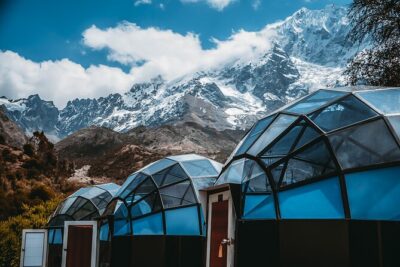
Salkantay Trek 5D/4N with Glass Cabins, Domes and Hobbit House
Read our review →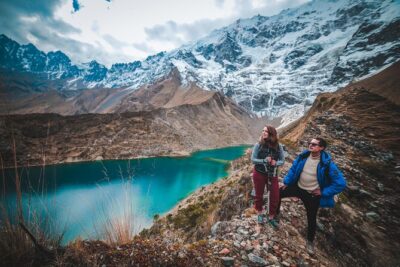
Lares Valley Trek with Hot Spring 4-Day, 3-Night
Read our review →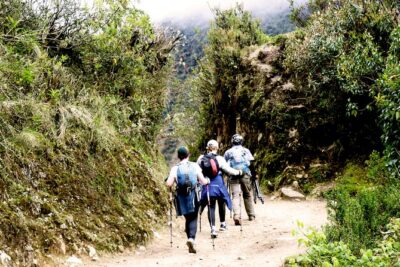
Ultimate Salkantay Trek to Machu Picchu 5 Days
Read our review →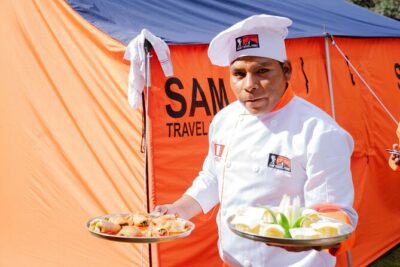
Lares Trek to Machu Picchu 4D/3N Including Hot Springs
Read our review →
4-Day Inca Jungle Trail to Machu Picchu Hiking and Biking Tour
Read our review →Browse the lists this tour appears in