
Reviewed · ANDEAN TREKKING TOURS
5 Days Salkantay Trek
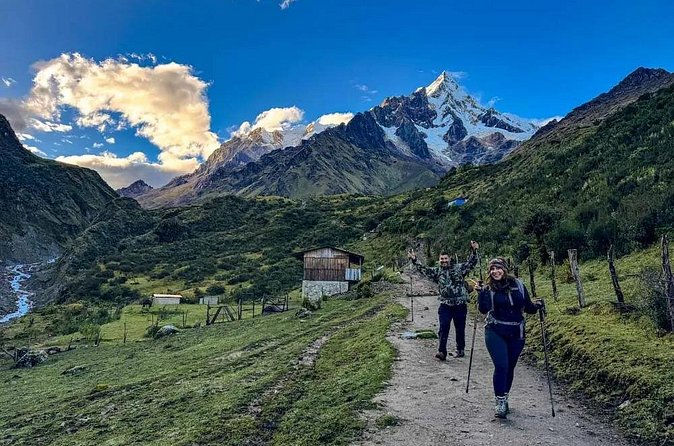
The best treks change scenery every day. This five-day Salkantay route takes you from Cusco’s high mountain country to Humantay Lake, across the 4,630-meter Salkantay Pass, down through coffee and fruit farms, and finally to Machu Picchu. I especially like the small group size of up to 15 people and the unusual mix of Andean cabins, jungle cabins, local food, and a panoramic train ride.
I also like the practical support: hotel pickup, cooks, horsemen, meals, a sleeping bag, trail entrances, and a professional guide are included. Guides such as Joseph, Walter, and David have been praised for their good humor, plant knowledge, Inca stories, and willingness to take photos. The main drawback is the physical demand. This is not a gentle walk, and the highest sections can be tough if you are not used to altitude.
In This Review
- Quick Points to Know Before Booking
- What the $559 Price Really Covers
- Day One: Challacancha, Soraypampa, and Humantay Lake
- Day Two: The 4,630-Meter Salkantay Pass
- Day Three: Coffee, Fruit Farms, and Santa Teresa Valley
- Day Four: Llactapata and the Walk to Aguas Calientes
- Day Five: Early Entry to Machu Picchu
- Guides, Food, and Group Size
- What to Pack and What to Watch
- Should You Book the Salkantay Trek?
- FAQ
- How long is the Salkantay Trek?
- What time is hotel pickup?
- Is transportation included?
- Are meals included?
- How high does the trek go?
- Is Humantay Lake included?
- Can I avoid the walk from Hidroelectrica to Aguas Calientes?
- Is Cocalmayo Hot Springs included?
- Is the trek suitable for someone with low fitness?
Quick Points to Know Before Booking
- Humantay Lake comes on the first afternoon, at 4,200 meters, so you face a serious altitude test right away.
- Salkantay Pass reaches 4,630 meters, the highest point of the trip, followed by a steep, rocky descent.
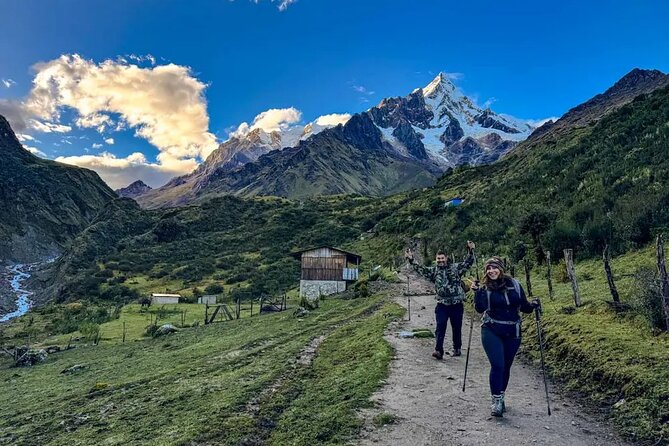
- The scenery changes dramatically, from glacier valleys and bare high slopes to waterfalls, coffee farms, bananas, avocados, and rainforest.
- Accommodation is a major strength, with Andean cabins, jungle cabins, and a hotel in Aguas Calientes.
- The walk to Aguas Calientes is optional after Hidroelectrica, but the train costs extra if you choose not to continue on foot.
- The $559 price includes many costly basics, including meals, camping-style lodging, transport, trail tickets, a guide, and the return Vistadome or 360 panoramic train.
What the $559 Price Really Covers
At $559 per person, this trek offers solid value for a five-day route ending at Machu Picchu. The price includes hotel pickup and drop-off, transport during the trek, a professional mountain guide, four lunches, four dinners, five breakfasts, a sleeping bag, the Salkantay and Humantay Lake entrance tickets, the bus from Aguas Calientes to Machu Picchu, and the return Vistadome or 360 panoramic train.
That list matters because transport and Machu Picchu access can quickly add up on an independent trip. You also get cooks and horsemen supporting the route, plus prepared meals rather than having to carry all your food.
There are still a few extra costs. Lunch on the final day is not included. If you take the train from Hidroelectrica to Aguas Calientes instead of walking, you pay for that train yourself. Cocalmayo Hot Springs is also optional, with transport and entrance charged separately.
The value is strongest if you want a supported trek with meals and lodging arranged. It is less attractive if you want to control every expense or prefer a shorter walking program.
More Hiking Tours in Cusco
- Classic Inca Trail Trek 4D/3N to Machu Picchu (Group Service)
★ 5.0 · 8,653 reviews - Machu Picchu: 4-Day Inca Trail Trek with Panoramic Train Ride
★ 5.0 · 4,568 reviews - Salkantay Classic Trek 5 Days from Cusco
★ 5.0 · 4,062 reviews
Day One: Challacancha, Soraypampa, and Humantay Lake
Your morning begins early, with pickup at about 4:10 a.m. The private group vehicle heads toward Mollepata, roughly two hours away. This early start is tiring, but it allows you to reach the trail and Humantay Lake on the same day.
Mollepata is the last useful town before the trail. You can buy snacks, mosquito repellent, rain ponchos, and coca leaves here. Breakfast is included, which is welcome after the early departure. Use this stop to check your daypack and add anything you forgot in Cusco.
From Mollepata, the vehicle continues to Challacancha. Here you meet the cooks and horsemen who help carry supplies and prepare meals. A final gear check takes place before the hike begins.
The first walk covers about 7 kilometers to Soraypampa, with around three hours of moderate uphill walking. The route follows a glacier valley and rises gradually toward camp. Along the way, you pass an old Inca water channel that has been restored and is still used by local farmers. That small detail gives the walk a stronger connection to present-day rural life than a simple mountain viewpoint would.
Soraypampa sits at 3,900 meters. The Andean cabins provide a comfortable base in a very exposed setting, and lunch gives you time to eat before the afternoon climb. Do not treat the lunch break as wasted time. At this altitude, a slow meal and a short rest can make the difference between enjoying the afternoon and struggling through it.
The Humantay Lake walk is only about 3 kilometers round trip, but the short distance is misleading. At 4,200 meters, the climb can feel slow, especially if you arrived from a lower altitude. The turquoise water sits below the Humantay Glacier, with steep mountain walls around it.
You get about three hours for this afternoon section. Move at your own pace and keep water close. The guide is there to help manage the group, but you should still be honest about how you feel.
Back at camp, tea, snacks, and popcorn offer a pleasant way to recover. Dinner is described as a gourmet Andean buffet, followed by mountain views at sunset. The first night is a strong introduction to the trip, but it is also the point where you learn if your body is coping with the altitude.
Day Two: The 4,630-Meter Salkantay Pass
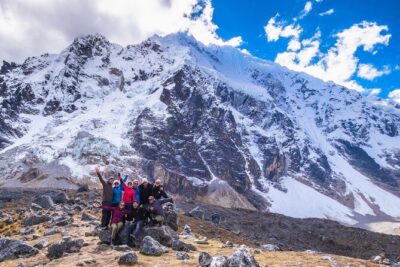
Day two is the physical heart of the trek. The climb to Salkantay Pass covers about 7 kilometers and takes around three hours, though your personal pace may vary. The route includes the section known as the Pathway of Seven Snakes, a demanding series of bends that gains height toward the pass.
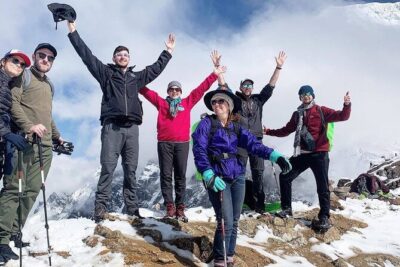
At 4,630 meters, the pass is the highest point of the five days. You can look toward Salkantay Mountain, which reaches 6,271 meters and is regarded as an Apu, a sacred mountain associated with protection and strength. The guide performs a ceremony honoring the Apus and Pachamama, or Mother Earth.
This is a meaningful part of the route, especially if you appreciate a trek that includes local spiritual traditions rather than only scenic stops. You should also expect wind, cold, and a thinner atmosphere at the top. Warm layers and gloves are sensible, even if the lower valleys feel mild later in the trip.
After time at the pass, you descend about 7 kilometers to Huayracmachay at 3,850 meters. This section is steep and rocky. The views help, but your knees will notice the descent. Lunch is served along the route, giving you a needed pause before the lower valley walk continues.
The day finishes at Collpapampa, where Andean cabins provide a warm place to sleep. The setting changes as you lose altitude. Instead of the quiet, open high country, you begin to hear jungle sounds around camp.
This is the day that best separates the Salkantay Trek from an easy Machu Picchu package. You need good fitness, steady footing, and patience. The route is rewarding, but it should not be sold as a casual hike.
Day Three: Coffee, Fruit Farms, and Santa Teresa Valley
The morning starts around 6:00 a.m. with warm tea and breakfast. Day three is described as easier, with many descents and only a few climbs. That change gives your legs a chance to recover while your surroundings shift again.
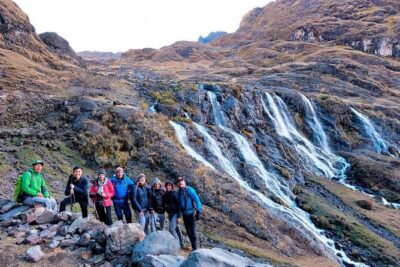
The walk through the Santa Teresa Valley includes rivers, waterfalls, orchids, bananas, coffee, and avocados. You pass through Collpapampa and then turn into another valley near the river. This is the most agricultural part of the trek, and it offers a closer look at how people make a living in the warmer valleys around Machu Picchu.
At about 2,000 meters, Lucmabamba feels far removed from the high pass. Lunch is served here, followed by free time to explore the tropical surroundings. The organic coffee farm is one of the most distinctive stops on the route.
You can learn about coffee growing and smell freshly roasted beans. The coffee crop is one of the valley’s main products, with beans shipped around the world. Even if you are not a coffee drinker, the roasting process gives this part of the trek a clear local character.
You also pass avocado and orange plantations. These details make the walk more than a long road to Machu Picchu. You are moving through working farms and changing climate zones, not simply checking off viewpoints.
Cocalmayo Hot Springs can be arranged as an optional outing. Transport and entrance cost extra, so ask the guide about timing and price before committing. It may be a good choice after two demanding mountain days, but you should not assume it is part of the $559 package.
The night is spent in private jungle cabins. The accommodations are one of the strongest features of the trip. They are described as cozy, and the rainforest sounds give the evening a very different mood from the cold mountain camp on night one.
Longer treks from Cusco:
- 4-Day Salkantay Trek with Sky Camp Stay
★ 5.0 · 3,346 reviews - Salkantay Trek 5D/4N with Glass Cabins, Domes and Hobbit House
★ 5.0 · 2,488 reviews - 5-Day Premium Salkantay Trek
★ 5.0 · 788 reviews - Lares Valley Trek with Hot Spring 4-Day, 3-Night
★ 5.0 · 656 reviews
Day Four: Llactapata and the Walk to Aguas Calientes
After breakfast, you climb for about two hours toward Llactapata at 2,700 meters. This Inca archaeological site faces Machu Picchu, giving you an early view of the citadel before the main visit.
The climb is uphill but much lower than the Salkantay Pass. You walk part of the original Inca Trail and look across Santa Teresa Valley. Machu Picchu appears in glimpses through the trees during the descent, which builds anticipation without giving away the main sight too soon.
From Llactapata, the route drops for about an hour and a half. You then have lunch at Aobamba before continuing to Hidroelectrica. The walk to the power station takes another half hour, and one notable sight is Dawi Urqu, an artificial waterfall about 250 meters tall. The waterfall supplies power to the city of Cusco.
At Hidroelectrica, you have two choices. If you have had enough walking, you can take a train to Aguas Calientes at your own expense. If your legs are still willing, you can follow the mostly flat route beside the railway tracks for about three hours.
The trackside walk is not as dramatic as the high mountain sections, but it gives you one more chance to enjoy the warm jungle climate. You also pass the Intihuatana rock, which the Incas used as a solar marker. It worked with a similar stone at Machu Picchu to help observe the winter solstice and mark the return of the farming season.
You reach Aguas Calientes in time for dinner and spend the night in a comfortable hotel. This overnight stop is useful because it lets you enter Machu Picchu early the next morning instead of making the long journey from Cusco on the same day.
There is an important wet-season warning. The Llactapata climb is not guaranteed during heavy rains because the trail can become dangerous. Ask for the current plan before departure if you are going in the rainy season.
Day Five: Early Entry to Machu Picchu
The final morning begins before dawn. After breakfast at the hotel, you take the earliest bus up to Machu Picchu. The bus is included, as is the entrance to the citadel.
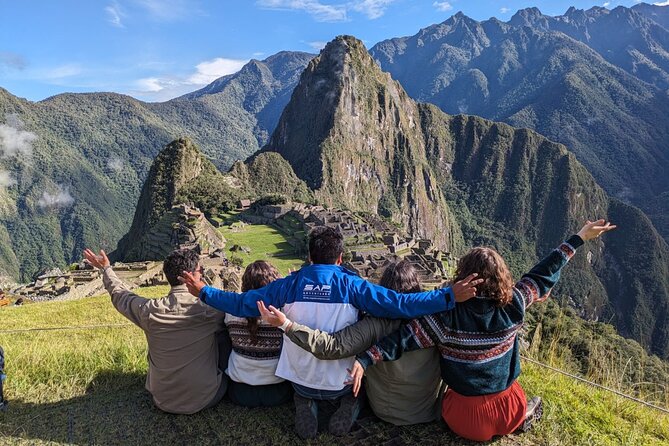
Arriving early gives you the chance to see morning light reach the stone terraces and buildings. The experience is not only about the famous first view. After four days of walking from glacier country through farms and jungle, the citadel feels like the end point of a long geographical journey.
The visit lasts about four hours. Your guide leads you through the site, but the exact route and timing can depend on the entry rules in effect. The package does not include lunch on this final day, so plan to buy food in Aguas Calientes after your visit.
The return trip is by Vistadome or 360 panoramic train. This is a comfortable finish after several days on foot, and the broad windows make the ride part of the experience rather than a simple transfer.
Guides, Food, and Group Size
The maximum group size is 15 people. That is large enough to keep the price reasonable but small enough for a guide to keep track of the group. It also means you should not expect a private trek or complete control over the pace.
The food receives especially strong praise. The chef Grimaldo is singled out for hard work and excellent meals, while another account describes a cake prepared on the last day. Four lunches, four dinners, and five breakfasts are included, so you do not need to arrange meals during the walking days.
Guides named Joseph, Walter, and David have each been praised for different strengths. Joseph is described as friendly, good at taking photos, and well informed about Inca culture and plants. Walter is noted for his information and sense of humor. David is described as passionate. These personal touches matter on a five-day trek, when the guide helps set the mood as much as the route.
Support is available if you struggle physically. The information provided says you will not simply be left behind and that there are options for reaching the next sleeping place. Still, you should not depend on that as a substitute for preparation. The tour requires a strong fitness level, and the pass, descents, and long final walking option all demand effort.
What to Pack and What to Watch
Pack for several climates. The pass and high camps can be cold, while Lucmabamba and Aguas Calientes are much warmer. Bring layers, rain protection, sun protection, sturdy walking shoes, water, insect repellent, and snacks.
You can buy some basics in Mollepata, including rain ponchos, mosquito repellent, snacks, and coca leaves. It is smarter to arrive prepared rather than count on that stop, especially if you have particular clothing or medication needs.
The sleeping bag is included and described as very warm. That saves space and avoids a separate rental. You still need a daypack for personal items, since the presence of horses does not mean every item will be immediately available during the walk.
The pickup information gives a start time of midnight, but the daily instructions specify hotel collection around 4:10 a.m. Confirm the exact pickup time with the operator before the night before departure. The experience is offered in English and confirmation is provided when booking.
The booking is non-refundable and cannot be changed for any reason. That makes travel insurance and firm planning especially important, although no refund is available through the operator after cancellation.
Should You Book the Salkantay Trek?
I would choose this trip if you want Machu Picchu to feel earned, not simply visited. The route gives you the big mountain challenge, Humantay Lake, a high pass, working coffee farms, tropical valleys, Llactapata, and a final hotel night in Aguas Calientes.
You should book it if you have strong fitness, can handle early mornings, and like a trip with changing accommodation and weather. The $559 cost is fair for the included meals, transport, guide, trail tickets, sleeping bag, lodging, and return panoramic train.
Think twice if you dislike steep descents, have little altitude experience, or want a flexible cancellation policy. Also budget for the optional Cocalmayo visit, the Hidroelectrica train if you skip the final walk, and lunch on day five.
For the right walker, this is a full, varied route with excellent food and unusually comfortable sleeping arrangements. The five-day format gives you time to notice Peru changing around you, from snow-fed valleys to coffee plantations and finally the stone citadel of Machu Picchu.
FAQ
How long is the Salkantay Trek?
The experience lasts approximately five days and includes the trek from Challacancha to Machu Picchu, with an overnight stay in Aguas Calientes before visiting the citadel.
What time is hotel pickup?
The daily instructions give a pickup time of about 4:10 a.m. The meeting information also shows a midnight start time, so confirm your exact pickup time with the operator.
Is transportation included?
Yes. Hotel pickup and drop-off, transport during the tour, the bus from Aguas Calientes to Machu Picchu, and the return Vistadome or 360 panoramic train are included. The train from Hidroelectrica to Aguas Calientes is not included if you choose that option.
Are meals included?
Five breakfasts, four lunches, and four dinners are included. Lunch on the final day is not included.
How high does the trek go?
The highest point is Salkantay Pass at 4,630 meters, or about 15,190 feet. Humantay Lake is at about 4,200 meters.
Is Humantay Lake included?
Yes. The Humantay Lake entrance ticket and the guided hike are included.
Can I avoid the walk from Hidroelectrica to Aguas Calientes?
Yes. You can take a train from Hidroelectrica, but the cost is additional. If you prefer to keep walking, the route beside the railway tracks takes about three hours.
Is Cocalmayo Hot Springs included?
No. The hot springs are optional, and both transport and entrance fees cost extra.
Is the trek suitable for someone with low fitness?
The tour requires a strong physical fitness level. The climb to Salkantay Pass, the steep descent, and the long walking sections make this a demanding experience.
More Hiking Days from Cusco
- Rainbow Mountain Full Day Trek
★ 5.0 · 1,469 reviews - Rainbow Mountain Day Trip from Cusco: Vinicunca Hiking Tour
★ 4.5 · 737 reviews - Inca Trail 4-Day 3-Night Trek to Machu Picchu with Expert Guides
★ 5.0 · 733 reviews - Humantay Lake Full Day Trek from Cusco with Lunch
★ 5.0 · 726 reviews
Added recently around Cusco
- Super valley or vip valley★ 5.0 · 13 reviews
- the Incas’ Sacred Valley★ 5.0 · 27 reviews
- Sacred Valley of the Incas Day Trip from Cusco★ 5.0 · 6 reviews
- Small-Group Tour: Rainbow Mountains Hiking from Cusco★ 4.0 · 5 reviews
- Excursion to the Sacred Valley of the Incas from Cusco★ 5.0 · 8 reviews
- Maras + Moray & Textile Experience★ 5.0 · 14 reviews
- rainbow mountain★ 4.0 · 4 reviews
- Tour EN Cuatrimoto POR la Montaña 7 Colors Hike 5 Minutes★ 4.5 · 32 reviews
Andean Trekking Tours, compared.
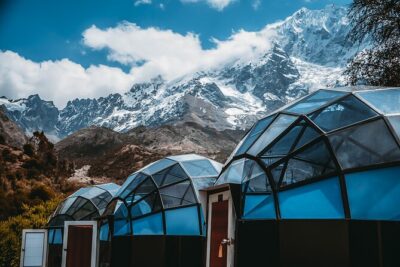
Salkantay Trek 5D/4N with Glass Cabins, Domes and Hobbit House
Read our review →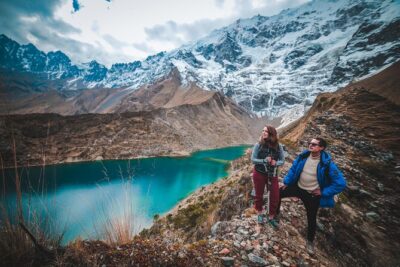
Lares Valley Trek with Hot Spring 4-Day, 3-Night
Read our review →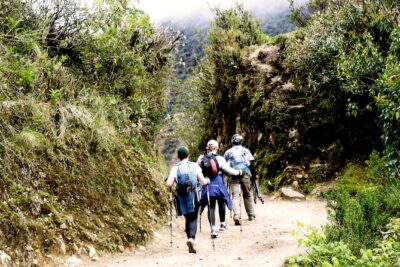
Ultimate Salkantay Trek to Machu Picchu 5 Days
Read our review →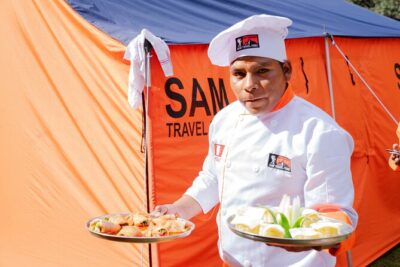
Lares Trek to Machu Picchu 4D/3N Including Hot Springs
Read our review →
4-Day Inca Jungle Trail to Machu Picchu Hiking and Biking Tour
Read our review →Browse the lists this tour appears in