
Reviewed · COOKING CLASSES
#1 Reviewed Lima Cooking Class
Come hungry, leave with recipes.
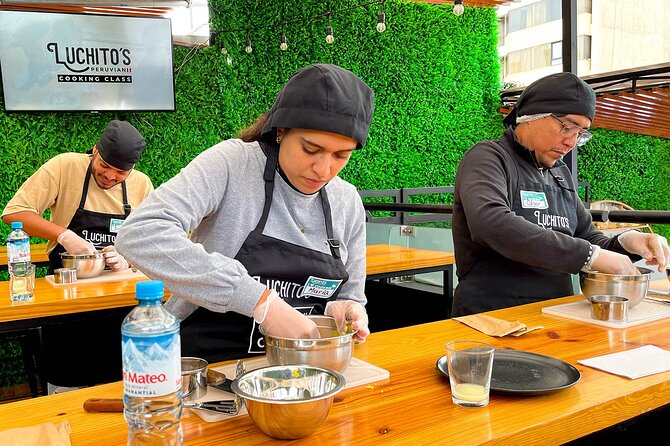
This Lima cooking class gives you a hands-on taste of Peru’s best-known dishes without taking up your whole afternoon. I like the chance to prepare causa de pollo and ceviche limeño yourself, then sit down to eat what you made. I also like the cultural side, especially the story of pisco during the Spanish occupation and the background behind Peruvian food.
The class costs $48.97 per person, which is fair for lunch, ingredients, instruction, cookware, snacks, water, and a Pisco Sour. The main consideration is that the class takes place upstairs, and shared food handling may not suit every guest’s hygiene preferences. You should also tell the team about allergies before class.
In This Review
- Key points at a glance
- Why a Lima cooking class makes sense
- Arriving in Miraflores at 2:00 pm
- Meeting the chef and setting up the kitchen
- First course: preparing causa de pollo
- Second course: making ceviche limeño
- Mixing and tasting a Pisco Sour
- Eating what you prepare
- The chefs are part of the value
- What you take home after class
- Is $48.97 a fair price?
- Who should book this class?
- Booking, timing, and cancellation
- Should you book Luchito’s Peruvian Cooking Class?
- FAQ
- Where does the Lima cooking class meet?
- What time does the class begin?
- How long does the cooking class last?
- Where does the class finish?
- What dishes will I prepare?
- Are vegetarian and vegan options available?
- Is the Pisco Sour included?
- What is included in the price?
- Can I cancel for a full refund?
Key points at a glance
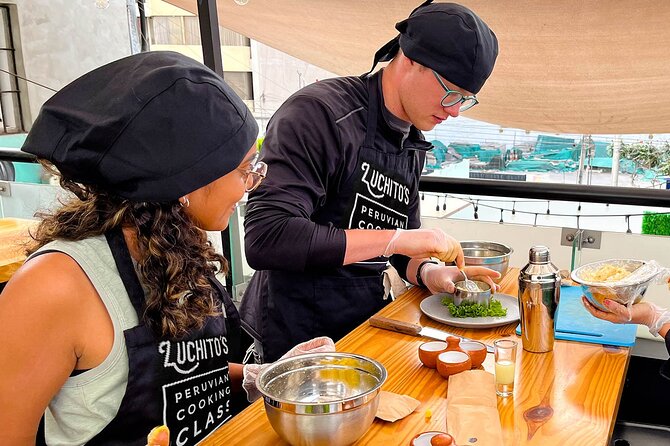
- Make three Peruvian recipes: Prepare causa de pollo, ceviche limeño, and a Pisco Sour during a 2-hour-30-minute afternoon class.
- Learn from several popular chefs: Instructors including George, Giuliano, Dasha, Camila, Jorge, and Luchito are praised for clear teaching, humor, and personal attention.
- Enjoy a small-group format: The class accepts a maximum of 14 people, giving you a better chance to ask questions and handle the ingredients yourself.
- Vegetarian and vegan options are available: You can have avocado causa and mushroom ceviche instead of the chicken and fish versions.
- Take the lesson home: Recipes and photos are sent by email after class, turning the afternoon into a useful cooking souvenir.
- Meet in Miraflores at 2:00 pm: The class begins at Calle Bolívar 164 and finishes at the same meeting point.
Why a Lima cooking class makes sense
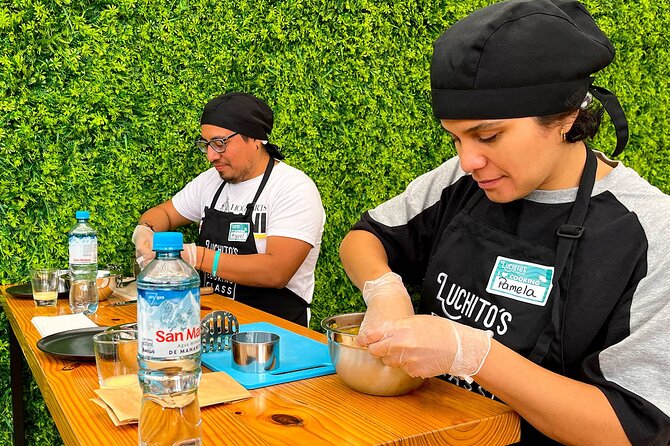
Lima is a strong place to take a cooking class because Peruvian food brings together ingredients and techniques from several cultural traditions. This experience gives you more than a meal in a restaurant. You handle the ingredients, hear the story behind the dishes, and learn how the final flavors come together.
I find that useful when visiting a place with a famous food culture. A restaurant can show you what a dish tastes like. A class helps you understand why it tastes that way, and it gives you a better chance of making something similar at home.
The format is also easy to fit into a sightseeing day. You meet at 2:00 pm, spend about two and a half hours cooking and eating, and return to the same spot. That leaves your morning open for Miraflores or another part of Lima.
More Cooking Classes in Lima
- Peruvian Cooking Class, Local Market Tour & Exotic Fruit Tasting
★ 5.0 · 744 reviews - Authentic 4-dish Peruvian Food Cooking Class in Lima + Pisco Sour
★ 5.0 · 126 reviews - 4 Course Peruvian Cooking Class
★ 5.0 · 122 reviews
Arriving in Miraflores at 2:00 pm
The meeting point is Calle Bolívar 164 in Miraflores, an area served by public transportation. The stated meeting time is 2:00 pm, so I would arrive a little early rather than rush in at the last moment.
One practical detail matters here: the cooking space and bar are upstairs. The entrance foyer may not have someone waiting to direct you, so if you arrive and do not immediately see the class, head up to the next floor.
The return to the meeting point keeps the logistics simple. You do not need to arrange a second pickup location or work out where to collect your belongings after lunch. Since the class includes an alcoholic drink, you may also appreciate ending in a familiar part of Miraflores rather than somewhere unfamiliar across the city.
Meeting the chef and setting up the kitchen
The chef guide begins by introducing Peruvian cuisine and the dishes you will prepare. The class is limited to 14 people, which is small enough to feel social but large enough for you to meet people from different places.
The teaching style appears to be one of the strongest parts of the experience. George is repeatedly praised for being funny, patient, and clear. Giuliano is described as friendly, encouraging, and fluent enough in English to keep the class light. Dasha, Camila, Jorge, and Luchito also receive strong praise for involving the whole group and explaining the food in an accessible way.
You do not need to be a confident cook. The instructions are designed to be easy to follow, and even people who do not cook often have managed to prepare a good meal. If you already cook regularly, the class can still give you useful ideas, particularly if you want to add Peruvian dishes to your home kitchen.
The ingredients and cookware are provided. That means you can focus on the process instead of buying unfamiliar produce or carrying equipment around Lima.
First course: preparing causa de pollo
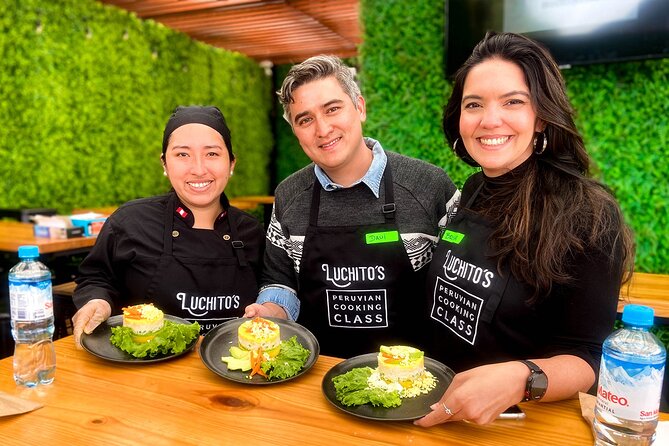
Causa de pollo is the first dish. It is a classic Peruvian preparation built around potato, with chicken in the standard version. You work through the preparation rather than simply watching a demonstration, so the dish becomes a practical lesson in texture, seasoning, and presentation.
The class also includes a useful visual element. A round ring mold is used to shape the causa, giving the dish its neat restaurant-style form. That makes the recipe feel more special than a basic potato dish, but it also keeps the technique manageable for beginners.
For a vegetarian version, the chicken can be replaced with avocado. The stated options also make the class suitable for vegans, though you should tell the team in advance so the ingredients can be adjusted properly.
I like this part of the menu because causa is a good dish to recreate at home. It does not require the same raw-fish timing as ceviche, and the finished shape makes it suitable for a dinner party or a meal when you want to show off a little.
One small point deserves attention. A class participant raised a concern about people dipping their hands directly into shared olive oil for the ring mold and suggested using a pastry brush instead. You may want to keep that in mind if food handling standards are especially important to you.
More cooking sessions in Lima:
- Market Tour, Tasting of 35 Fruits, and 4-Course Peruvian Cooking Class in Lima
★ 5.0 · 86 reviews - Miraflores: Amazing Peruvian Cooking Class Ceviche Seafood and Pisco Sour
★ 4.9 · 57 reviews - Lima: Cooking Workshop and Water Circuit Tour
★ 5.0 · 16 reviews - Lima: 4-Course Peruvian Cooking Class in Miraflores
★ 5.0 · 4 reviews
Second course: making ceviche limeño
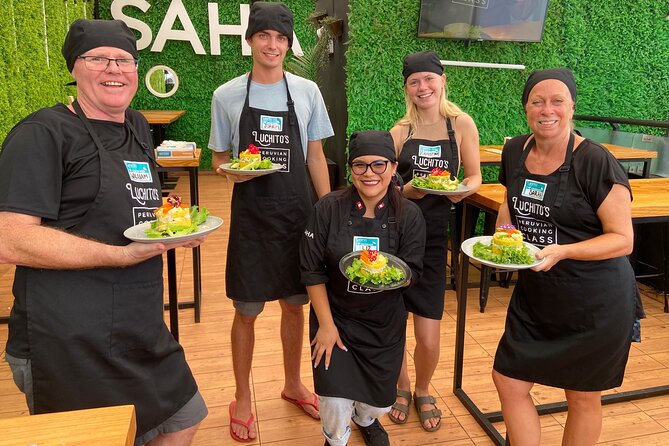
The second course is ceviche limeño, one of Peru’s signature dishes. You learn how the ingredients are combined and how the lime affects the fish. Since you prepare the dish yourself, you get a better sense of the timing than you would by ordering it from a menu.
The experience is especially useful for first-time ceviche eaters. You can taste the ingredients as they come together and see why freshness and balance matter. Several people describe the finished ceviche as one of the best parts of the meal, and one person said the class made it hard to enjoy ceviche elsewhere in quite the same way.
If you do not eat fish, the class offers mushroom ceviche. This is a meaningful alternative, not just a plate of vegetables added at the last minute. Vegetarians and vegans can also have avocado causa, making the full meal possible without animal products.
You should tell the team about allergies before the class. The class includes shared ingredients and prepared dishes, so advance notice is the sensible approach.
Mixing and tasting a Pisco Sour
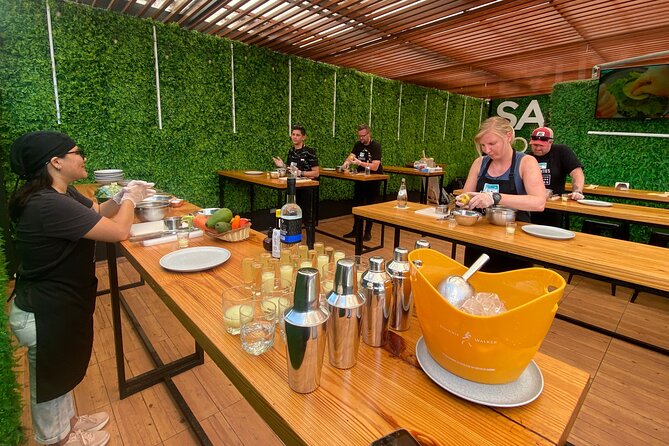
The drink portion is a Pisco Sour. You learn about pisco’s origins during the Spanish occupation and prepare one cocktail as part of the class. The drink comes with the meal, so you are not paying extra for the alcoholic beverage.
This adds a useful cultural layer. Pisco is not treated as a random cocktail ingredient. The class connects the drink with Peru’s past, then gives you a chance to mix it yourself.
Some sessions also include regional toasts and pisco shots at the end. That can make the class feel festive, but it is worth remembering that the experience includes alcohol beyond the single Pisco Sour listed in the inclusions. If you do not drink, ask about the best nonalcoholic alternative before the class begins.
I would plan the rest of your afternoon with that in mind. The class is not a formal wine tasting, but the cocktail is part of the experience and can affect how you feel afterward.
Eating what you prepare
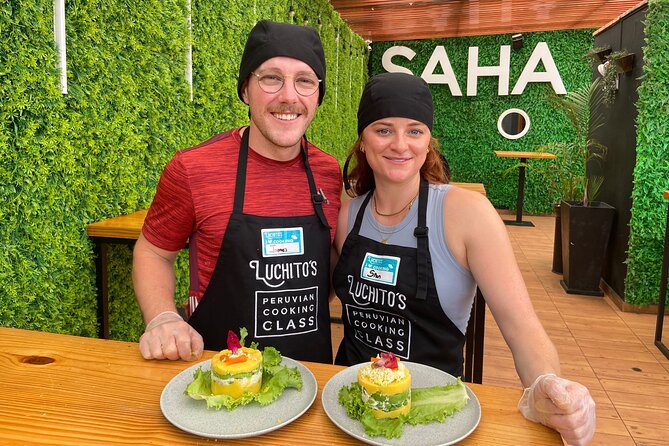
After the cooking, you sit down to eat the causa de pollo and ceviche. Lunch is included, along with snacks and bottled water. This is one reason the price feels reasonable: you are getting both a meal and an activity.
The pace is relaxed rather than rushed. You have time to cook, ask questions, taste the food, and enjoy the group. A comfortable pace matters in a class like this because rushing through ceviche or presentation would turn the experience into a kitchen drill.
The meal also gives you a chance to compare your results with the chef’s guidance. You learn from the finished plate, not just from a recipe card. If something looks or tastes different from what you expected, the chef can explain why.
The group atmosphere is another benefit. Solo visitors can meet people over a shared meal, while couples and friends have a simple activity that keeps everyone involved. The class is social, but the small maximum of 14 people helps prevent it from feeling like a large demonstration.
The chefs are part of the value
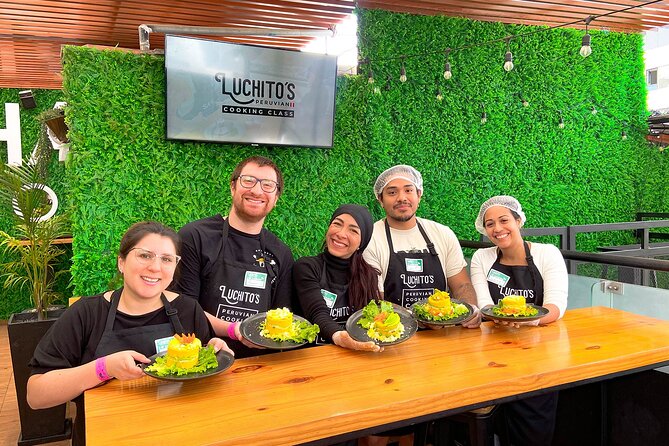
The food matters, but the instructor can make or break a cooking class. Here, the teaching receives unusually strong praise across different sessions.
George is often singled out for his humor, patience, and ability to keep the whole group involved. Giuliano is praised for clear instruction, an easygoing manner, and restaurant recommendations. Dasha is described as an expert teacher who explains Peruvian food and its preparation secrets well.
Luchito is noted for adding interesting stories about the dishes and making sure students take part. Camila is praised for handling vegetarian needs and giving easy instructions. Jorge is described as friendly, engaging, and helpful.
The exact chef depends on the session, so you should not book expecting one particular instructor unless the operator confirms it. The consistent point is that the chefs do more than read instructions. They explain local food and culture, answer questions, and help less experienced cooks keep up.
What you take home after class
The most useful souvenir is not a trinket. It is the set of three recipes.
You receive the recipes and photos by email after the class. That makes it easier to remember the steps once you are home, especially since a cooking class can move quickly even when the pace feels relaxed.
The recipes also give you a way to keep the trip going. You can make causa for friends, try the ceviche when you find suitable ingredients, and mix a Pisco Sour for people who did not come to Lima with you.
I would save the email before leaving Peru and perhaps write down any personal notes during the class. The recipes are the formal takeaway, but your own notes about seasoning, texture, and timing may be just as useful.
Is $48.97 a fair price?
At $48.97 per person, this is not the cheapest lunch in Lima. It is also not simply a lunch. The price includes a professional chef guide, all ingredients, cookware, snacks, bottled water, the two-course meal, one Pisco Sour, and taxes and fees.
For me, that is fair value if you want participation rather than a passive meal. You are paying for instruction, food, cultural context, and a recipe package you can use later. The small group also matters because direct help is more useful than watching from the back of a crowded room.
The value is lower if you mainly want to eat ceviche and causa without cooking. Lima has many restaurants for that. This class makes sense when you want to learn how the dishes are made and spend an afternoon meeting people.
Gratuities are not included, but they are optional. You can decide at the end based on the teaching and service you received.
Who should book this class?
I would recommend it to first-time visitors who want an easy introduction to Peruvian food. It also suits solo visitors, couples, friends, and people who enjoy cooking classes when they travel.
Beginners should feel comfortable booking. The instructions are described as simple to follow, and the chefs are praised for patience. More experienced cooks can still learn about Peruvian ingredients, traditional dishes, and the particular methods used in the class.
It is a good choice for vegetarians and vegans because the alternatives are clearly provided: avocado causa and mushroom ceviche. Just give advance notice.
I would be more cautious if you dislike group activities, do not drink alcohol, or want a long, advanced cooking lesson. The class lasts about two and a half hours and focuses on three approachable preparations rather than a full professional kitchen course.
Booking, timing, and cancellation
Confirmation is provided at booking, and the class is often reserved about 18 days ahead. If your dates are fixed, booking early is sensible, especially since the group is capped at 14 people.
Free cancellation is available up to 24 hours before the 2:00 pm start time for a full refund. Cancellations or changes made less than 24 hours before the class are not accepted for a refund, and the cut-off uses Lima’s local time.
Should you book Luchito’s Peruvian Cooking Class?
Yes, if you want to do more than order Peru’s famous dishes. The strongest reasons are the hands-on format, the friendly chefs, the clear vegetarian and vegan alternatives, and the recipes sent afterward.
I would book it early in your Lima stay if possible. That gives you time to use the restaurant recommendations shared by the chef and perhaps return to a dish you learned to make.
Skip it if you want a quiet restaurant meal or a serious advanced cooking course. For most visitors, though, this is a friendly, useful afternoon that leaves you full, slightly better at cooking, and able to explain what makes causa, ceviche, and pisco so important in Peru.
FAQ
Where does the Lima cooking class meet?
The class meets at Calle Bolívar 164, Miraflores 15074, Peru.
What time does the class begin?
The start time is 2:00 pm.
How long does the cooking class last?
The experience lasts approximately 2 hours and 30 minutes.
Where does the class finish?
The class ends back at the meeting point.
What dishes will I prepare?
You will prepare causa de pollo and ceviche limeño, and you will also make a Pisco Sour.
Are vegetarian and vegan options available?
Yes. The class can be modified for vegetarians and vegans. Mushroom ceviche is available instead of fish, and avocado can replace chicken in the causa.
Is the Pisco Sour included?
Yes. One Pisco Sour is included with the experience.
What is included in the price?
The price includes lunch, one alcoholic beverage, cookware, a professional chef guide, ingredients, snacks, bottled water, small-group service, and all fees and taxes.
Can I cancel for a full refund?
Yes. You can cancel at least 24 hours before the local start time for a full refund. Cancellations or changes made less than 24 hours before the start time are not refunded or accepted.
Added recently around Lima
- Tour to the sanctuary of Pachacamac★ 4.8 · 8 reviews
- Tour to the magical water circuit with dinner and dance show★ 5.0 · 4 reviews
- Tour of Lima with a visit to the catacombs of San Francisco.★ 4.2 · 24 reviews
- Tour Huaca Pucllana: Pyramids and Pre-Columbian Antiquity★ 4.3 · 12 reviews
- Lima: Palomino Islands Speedboat Tour & Swim with Sea Lions★ 4.8 · 33 reviews
- Surfing experience in Lima★ 5.0 · 6 reviews
- Sandbording in Lima★ 5.0 · 12 reviews
- Pro Sanboarding or skiing in Huacachina from Lima – Day trip★ 4.6 · 8 reviews
Cooking Classes, compared.
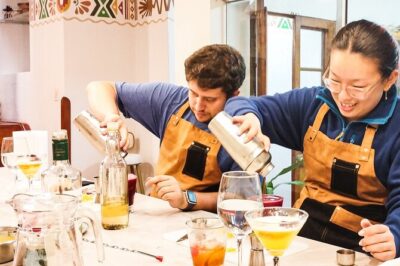
Peruvian Cooking Class Cocktails and Market Tour in Cusco
Read our review →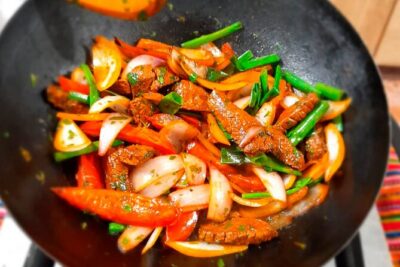
Peruvian Cooking Class, Local Market Tour & Exotic Fruit Tasting
Read our review →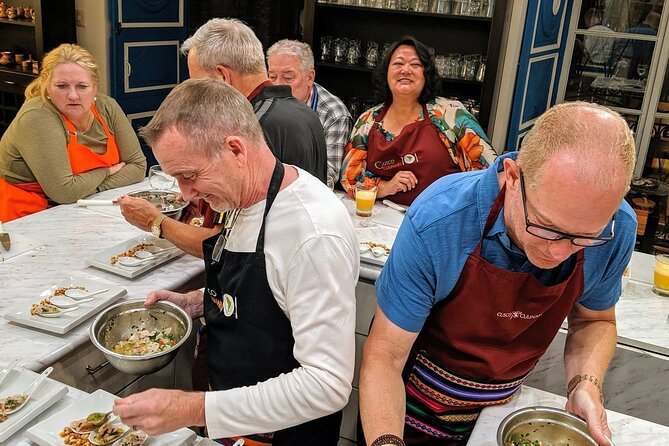
Cusco Cooking Classes and San Pedro Market Tour
Read our review →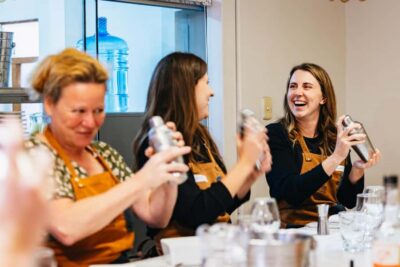
Peruvian Cooking Class, Cocktails & Local Market Tour
Read our review →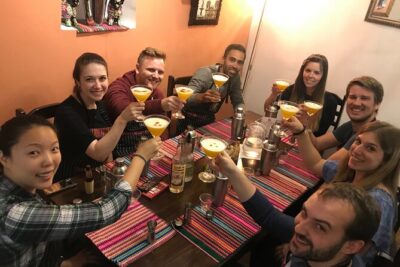
Hands-on Peruvian Cooking Class & San Pedro Market Visit in Cusco
Read our review →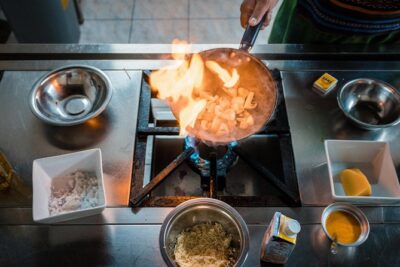
Local Market and Peruvian Cooking Class with Pisco Sour in Cusco
Read our review →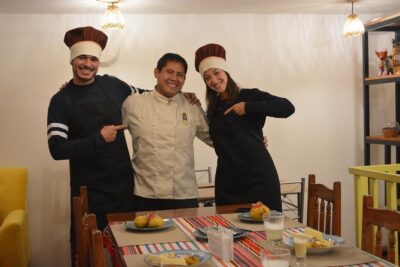
Traditional Peruvian Cooking Class and Market Tour in Cusco
Read our review →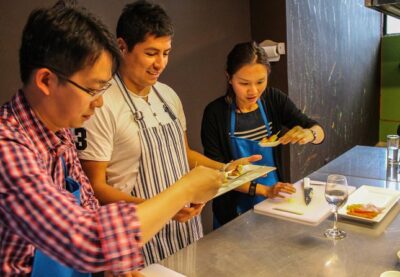
Group Cooking Class in Cusco with Pisco Tasting
Read our review →Browse the lists this tour appears in