
Reviewed · PISCO TOURS & TASTINGS
Bilingual Cooking Class with Pisco Cocktail in Cusco
Come hungry, leave with new skills. This 90-minute class in central Cusco turns famous Peruvian dishes into a hands-on meal, with ceviche, lomo saltado, and a passion fruit Pisco Chilcano on the menu. I like the small-group format, capped at 12 people, and the chance to cook alongside local chefs such as José and Juan rather than simply watch a demonstration.
I also like the social finish: you sit down with your classmates and eat what you prepared. The main consideration is time. An hour and a half passes quickly, so this suits you best if you want a lively introduction to Peruvian cooking, not a long, slow culinary course with several complex dishes.
In This Review
- Key points to know before booking
- Why this Cusco cooking class is worth your time
- Starting at C. Palacio 135 in the Centro Histórico
- Ceviche: a fresh start to the meal
- The passion fruit Pisco Chilcano adds a social touch
- Lomo saltado and the fun of the wok
- Learning from José, Juan, and the local team
- The shared meal is the payoff
- How the 90-minute schedule feels
- Who will enjoy it most
- Booking and cancellation details
- Is the $40 price good value?
- Should you book this Cusco cooking class?
- FAQ
- Where does the cooking class start?
- What time does the class begin?
- Where does the activity end?
- How long does the class last?
- How many people can join the class?
- Can I cancel for a full refund?
Key points to know before booking
- Three Peruvian favorites in 90 minutes: Prepare ceviche, lomo saltado, and a passion fruit Pisco Chilcano.
- Small-group attention: The class accepts a maximum of 12 people, giving the chef room to guide participants directly.
- Central Cusco meeting point: Start at C. Palacio 135 in the Centro Histórico at noon, then finish at the same location.
- Hands-on cooking: You take part in the preparation, including the fun of working with a wok for the lomo saltado.
- Food and culture together: The class covers cooking methods, local ingredients, and stories connected to Peruvian cuisine.
- Strong value for the price: At $40 per person, the meal, instruction, cocktail, and social setting make this a useful half-day travel add-on.
Why this Cusco cooking class is worth your time
Cusco offers plenty of ways to learn about Peru, but food gives you something practical to take home. You do not just see a plate of ceviche or order lomo saltado in a restaurant. You help make both dishes, taste the results, and learn enough technique to try them again in your own kitchen.
That makes this class a good fit for curious eaters and home cooks. You do not need advanced skills. The pace is fast, but the format is designed for beginners as well as people who already know their way around a kitchen.
The bilingual setup also helps make the class more accessible. You can follow the instructions while picking up the names, flavors, and stories that give the food a stronger connection to Peru. It is a better souvenir than another photograph, since you leave with a recipe memory you can use.
The class has earned a 5.0 rating from 92 ratings, with 99 percent of participants recommending it. That high score fits the strongest feature of the activity: the mix of clear instruction, personal attention, and a friendly mood.
More Cooking Classes in Cusco
- Peruvian Cooking Class Cocktails and Market Tour in Cusco
★ 5.0 · 1,712 reviews - Cusco Cooking Classes and San Pedro Market Tour
★ 5.0 · 691 reviews - Cusco: Peruvian Cooking Class, Cocktails & Local Market Tour
★ 4.9 · 512 reviews
Starting at C. Palacio 135 in the Centro Histórico
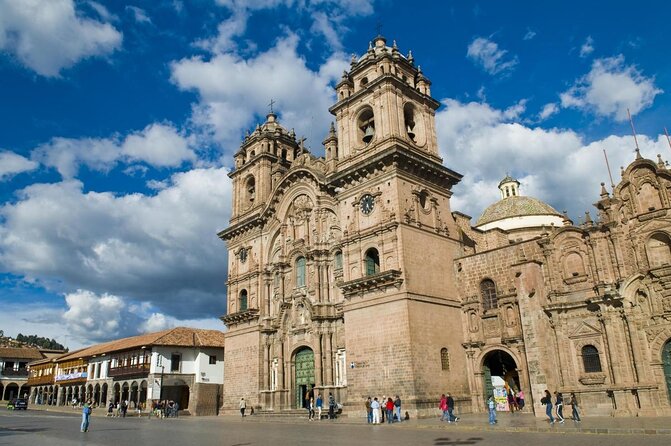
The class begins at noon at C. Palacio 135, in Cusco’s historic center. The activity finishes at the same meeting point, which keeps the logistics simple and avoids arranging a separate ride across town after lunch.
For your planning, allow a little extra time to reach the address. The meeting point is near public transportation, but the class itself is centered in the historic district, where walking routes and traffic can affect your arrival time. A noon start also makes this easy to fit between morning sightseeing and an afternoon visit to another part of Cusco.
The location matters for another reason. You are cooking in the middle of Cusco rather than treating the city as a backdrop for an isolated resort-style activity. You can pair the class with time in the Centro Histórico before or after, though the cooking itself is the main event.
Bring your appetite. The class includes food to prepare and share, but the information provided does not promise a separate snack or a full multi-course meal beyond the dishes listed. If you need a large lunch, keep that in mind when planning the rest of your day.
Ceviche: a fresh start to the meal
The first major dish is Peruvian ceviche. This is an important choice because ceviche is one of the country’s best-known foods, and preparing it yourself lets you pay attention to the balance of fresh ingredients and seasoning.
You will receive guidance from the chef as you work through the preparation. The aim is not simply to copy a recipe. You learn the essential methods and hear about the ingredients and food traditions behind the dish.
Ceviche can look simple when it arrives at a restaurant. In a class, you get to see how each step affects the final result. That hands-on approach is especially useful if you have eaten ceviche in Peru but never felt confident making it at home.
The class also gives you a chance to ask questions as you go. With no more than 12 people, the chef can offer direct help instead of leaving you to watch from the back of a large room. That personal guidance is one of the reasons the activity works for first-time cooks.
If you have food restrictions, ask about them before booking or at the start of the class. The supplied details do not list substitutions, allergy arrangements, or a separate vegetarian menu, so you should not assume every need can be handled on the spot.
The passion fruit Pisco Chilcano adds a social touch
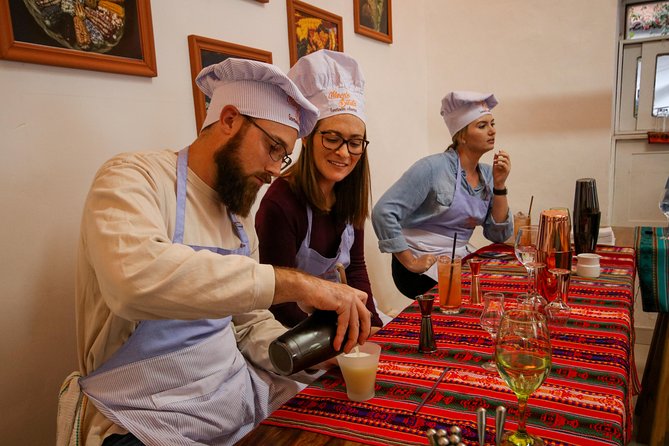
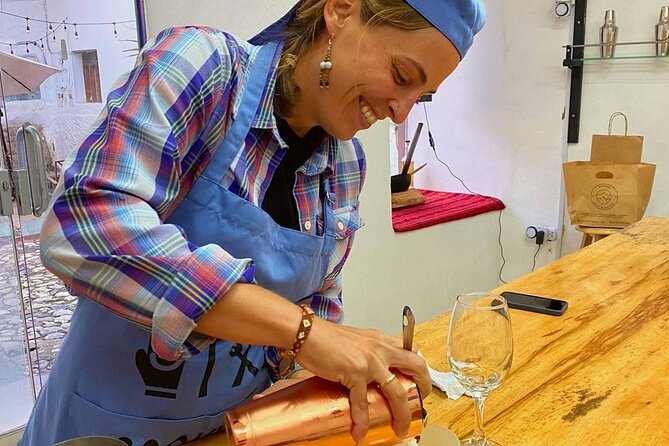
The cocktail portion is a passion fruit Pisco Chilcano. You shake it yourself, which gives the class a playful break from chopping and cooking. It also introduces Pisco in a way that feels tied to Peru rather than added as a generic drink at the end.
This part helps set the tone for the whole activity. You are not sitting through a formal lecture. You are making something, tasting something, and sharing the process with the people around you.
The drink is also a practical reason to choose the midday start. It turns the class into a light lunch and social gathering, rather than a strictly technical lesson. You will sit down with your classmates after cooking, so the cocktail fits naturally into that shared meal.
The activity includes a Pisco cocktail, but the details do not state how many drinks are served or offer an alcohol-free replacement. If that matters to you, check with the provider before the date of the class.
More Pisco Tastings in Cusco
- Local Market and Peruvian Cooking Class with Pisco Sour in Cusco
★ 5.0 · 384 reviews - Group Cooking Class in Cusco with Pisco Tasting
★ 5.0 · 335 reviews - Cusco: Historic Walking Tour with Pisco Sour and Local Music
★ 5.0 · 190 reviews - Cusco by Night: Planetarium Cusco, Dinner, and Pisco Sour
★ 5.0 · 75 reviews
Lomo saltado and the fun of the wok
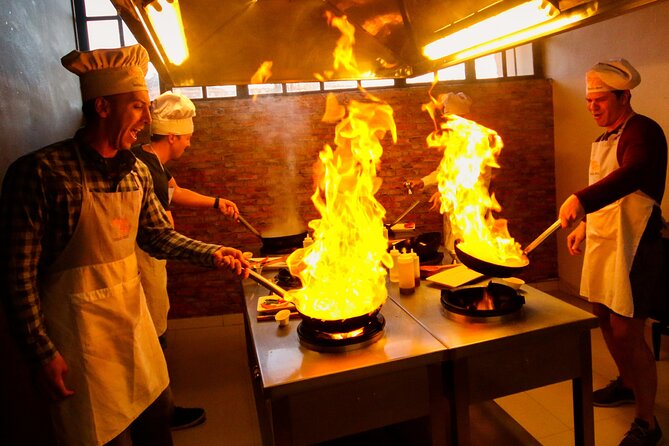
Lomo saltado brings a different kind of cooking to the session. Ceviche is fresh and carefully assembled, while lomo saltado gives you the chance to work with heat and a wok.
The wok is one of the most memorable parts of the class for many participants. It adds movement and energy to the lesson, and it gives you a direct feel for the cooking method rather than making you a passive observer.
You also get a better sense of how Peruvian cooking combines influences. Lomo saltado is a familiar Peruvian favorite with a cooking style that feels different from the ceviche preparation. Making both in one class shows you that Peruvian food is not one narrow category.
The exact ingredients and cooking stations are not specified, so I would not book this expecting a detailed professional kitchen course. Think of it as a guided introduction, with the chef helping you prepare a classic dish safely and effectively in a short period.
The pace may feel quick if you like to take notes or photograph every stage. If you want the most from it, listen closely, take part, and save detailed questions for natural pauses. The session is short enough that lingering over every step could slow the group.
Learning from José, Juan, and the local team
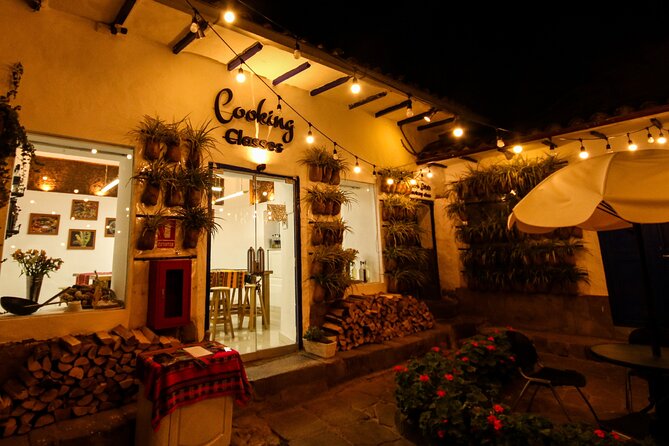
The instructors are a major part of the experience. José and his team are praised for making the class fun while also explaining the background of Peruvian cuisine. Juan is described as energetic, friendly, and engaging, qualities that matter when a lesson has to cover three different elements in roughly 90 minutes.
The chef’s role goes beyond giving commands at a counter. You hear stories about Peru’s ingredients and food culture, and you get guidance as you work. One especially appealing part is the attention to conservation and the environment that supports Peru’s food traditions.
That wider view gives the class more depth. You are not only learning how to prepare a meal. You are also thinking about where food comes from and why local ingredients matter. The information does not promise a formal sustainability lecture, so expect conversation and insight rather than a separate environmental module.
A friendly chef can make a big difference for people who feel unsure in a kitchen. You can expect encouragement and direct help, but you should still be ready to participate. This is not a sit-back-and-watch demonstration.
The bilingual format is useful for mixed-language groups and international visitors. Since the specific languages are not stated in the details provided, check with the provider if you need instruction in a particular language.
The shared meal is the payoff
After the cooking, you sit down and eat the dishes you made with the rest of the group. This shared meal gives the class a clear finish and lets you compare the results of the different cooking steps while the food is fresh.
I like this arrangement because it links the lesson to a real travel moment. You have cooked with new people, learned from a local chef, and then shared lunch together. That social side is often what turns a standard activity into a good memory.
The food itself is also part of the value. At $40 per person, you are paying for more than a plate in a restaurant. The price includes instruction, a cocktail-making activity, the chance to prepare three Peruvian specialties, and the time spent eating the result.
Still, do not measure the price only against the cost of lunch in Cusco. The class is worthwhile if you want participation and cultural context. If you simply want an inexpensive meal, a local restaurant may be cheaper and more convenient.
How the 90-minute schedule feels
The published duration is about one hour and 30 minutes, although one account describes spending closer to two hours with the chef. Treat 90 minutes as the reliable planning figure, and allow a little flexibility if the group takes longer with the food or conversation.
The schedule is compact:
- You meet at C. Palacio 135 at noon.
- The chef introduces the cooking process, ingredients, and Peruvian food traditions.
- You prepare fresh ceviche.
- You shake a passion fruit Pisco Chilcano.
- You cook lomo saltado, including work with the wok.
- You sit down to enjoy the meal together.
- You return to the same meeting point when the activity ends.
This is enough time for a satisfying introduction, but not enough for an elaborate culinary curriculum. You are unlikely to cover many other dishes or advanced techniques. The short format is a strength if your Cusco schedule is full, and a limitation if cooking is your main reason for visiting Peru.
The pace can also depend on group size. A maximum of 12 people is still small enough for attention, but it is not a private lesson. If the session fills, you will share workspaces and questions with other participants.
Who will enjoy it most
I would recommend this class to first-time visitors who want a friendly introduction to Peruvian food. It is also a good choice for couples, friends, and solo participants who enjoy meeting people over a shared meal.
Home cooks will get the most from the technique and ingredient explanations. You can watch how the chef approaches ceviche and lomo saltado, then try to reproduce the dishes later. Confident cooks may find the basic level easy, but the wok session and local context should keep it entertaining.
The class suits people who want an activity that is social without taking a full day. You get hands-on cooking, a drink, and lunch, then remain free for the rest of your Cusco plans.
It may be less suitable if you need a private class, a long lesson, or a clearly stated menu for dietary restrictions. The available details do not promise a private group, specific substitutions, or a fully customizable menu.
Booking and cancellation details
This class is often reserved about seven days ahead, so I would not leave it until the final morning if your Cusco schedule is fixed. Confirmation is provided when you book, and the activity can be canceled free of charge up to 24 hours before the local start time.
Changes or cancellations made inside that 24-hour window are not accepted for a refund. The class also requires good weather and a minimum number of participants. If poor weather or low enrollment causes cancellation, you can choose another date or receive a full refund.
The weather condition may seem unusual for a cooking class, but it is part of the stated policy. Keep the cancellation terms in mind when arranging other activities around it.
Is the $40 price good value?
At $40, this is a fair price for a short, guided food experience in central Cusco. You receive a meal, a Pisco cocktail activity, instruction from a local chef, and a small-group setting. The value improves if you enjoy learning by doing and plan to use the cooking ideas at home.
The price is less attractive if you are comparing it with a basic restaurant lunch. You are paying for the setting, the teaching, the cultural explanation, and the chance to prepare the food yourself.
The high rating and strong recommendation rate support the idea that the class delivers a polished, enjoyable session. The most praised points are the chef’s warmth, the hands-on format, the quality of the food, and the fun of using the wok.
Should you book this Cusco cooking class?
Book it if you want a compact, social taste of Peruvian food culture. The combination of ceviche, lomo saltado, a passion fruit Pisco Chilcano, and personal chef guidance gives you plenty to do in a short time.
I would make it a priority for a first visit to Cusco if you like food, enjoy meeting people, or want an activity beyond sightseeing. The main caution is the quick pace and the lack of published detail about dietary substitutions or language options.
For $40, it is a sensible choice for an active lunch with a local flavor. You will not become a Peruvian chef in 90 minutes, but you can leave with a better feel for the cuisine, a satisfying meal, and a few techniques worth trying back home.
FAQ
Where does the cooking class start?
The class starts at C. Palacio 135, Cusco 08002, Peru, in the Centro Histórico de Cusco.
What time does the class begin?
The start time is 12:00 pm.
Where does the activity end?
The activity ends back at the meeting point at C. Palacio 135.
How long does the class last?
The listed duration is approximately one hour and 30 minutes. One account describes spending closer to two hours with the chef, so allowing some flexibility is sensible.
How many people can join the class?
The activity has a maximum of 12 participants.
Can I cancel for a full refund?
Yes. You can cancel at least 24 hours before the local start time for a full refund. Cancellations or changes made less than 24 hours before the start are not accepted for a refund.
More Cooking Sessions in Cusco
- Hands-on Peruvian Cooking Class & San Pedro Market Visit in Cusco
★ 5.0 · 421 reviews - Traditional Peruvian Cooking Class and Market Tour in Cusco
★ 5.0 · 375 reviews - Cooking class and market tour with a local chef
★ 5.0 · 186 reviews - San Pedro Market Tour with Peruvian Cooking Class
★ 5.0 · 31 reviews
More Pisco Tasting in Cusco
- Cusco: Historic Walking Tour with Pisco Sour and Music Show
★ 4.6 · 65 reviews - Pisco Sour Secrets: Hands-On Mixology in Historic Cusco
★ 4.5 · 50 reviews - Pisco Sour Workshop in Cusco | Learn, Create, and Toast |
★ 3.9 · 29 reviews - City Tour Cusco with Pisco Sour classes (Half day)
★ 4.5 · 20 reviews
Added recently around Cusco
- Guided tour of the mountain of colors in Cusco★ 5.0 · 11 reviews
- 2-Day Private Short Inca Trail to Machu Picchu★ 5.0 · 15 reviews
- City Tour Cusco – Group★ 5.0 · 4 reviews
- Tour Sacred Valley with Maras and Moray★ 5.0 · 15 reviews
- San Pedro Market Tour with Peruvian Cooking Class★ 5.0 · 31 reviews
- Walking Culinary Experience★ 5.0 · 41 reviews
- City Tour in Cusco★ 4.5 · 10 reviews
- One Day Tour to Humantay Lagoon★ 5.0 · 8 reviews
Pisco Tours & Tastings, compared.

3 Day Tour From Lima: Paracas, Huacachina Oasis & Pisco Vineyard
Read our review →
2 Day Tour from Lima: Paracas, Huacachina, and Pisco Vineyard
Read our review →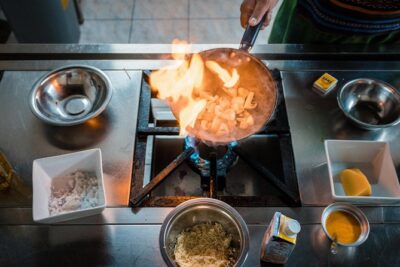
Local Market and Peruvian Cooking Class with Pisco Sour in Cusco
Read our review →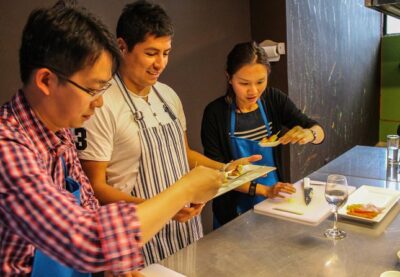
Group Cooking Class in Cusco with Pisco Tasting
Read our review →
Historic Walking Tour with Pisco Sour and Local Music
Read our review →
Authentic 4-dish Peruvian Food Cooking Class in Lima + Pisco Sour
Read our review →
Cook an Authentic Ceviche And Peruvian Pisco Sour!
Read our review →Browse the lists this tour appears in