
Reviewed · ANDEAN TREKKING TOURS
Choquequirao Trek 4 days and 3 nights
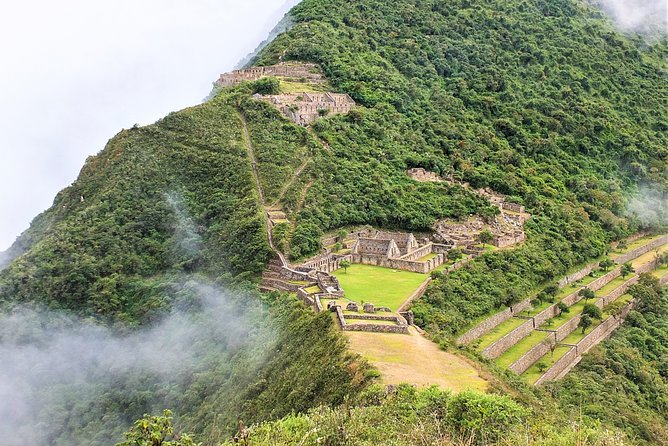
The Incas left a city few people reach. This four-day Choquequirao trek from Cusco takes you through the Apurimac Canyon to a remote Inca site with far fewer people than Machu Picchu. I especially like the small-group format and the fact that a guide, chef, porters, and transport are arranged for you. I also like the chance to see Saywite on the way back. The catch is simple: this is a hard mountain trek, and the published day-by-day details contain a few confusing distances and place names that you should confirm before departure.
The $698 price includes transport, meals, a personal porter for up to 7 kilograms, guiding, and camping support. That is a fair package for a demanding route, especially if you value not having to organize food, camp logistics, and transfers yourself. Still, optional sleeping equipment is extra, and the trek requires moderate physical fitness at a minimum.
In This Review
- Five things to know before you book
- Why Choquequirao feels different from Machu Picchu
- Before sunrise in Cusco, then across the Andes
- Day 1: Capuliyoc to Santa Rosa
- Day 2: The steep approach to Marampata and Choquequirao
- Day 3: Sunrise at the Inca citadel
- Day 4: Climb back to Capuliyoc and visit Saywite
- What the $698 price really covers
- Food, porters, and the human side of the trek
- How hard is the Choquequirao Trek?
- Weather, group size, and cancellation terms
- Who should book this trek?
- FAQ
- How long is the Choquequirao Trek?
- Where does the trek begin?
- Is transportation included?
- Are meals included?
- Can I request vegetarian food?
- How much luggage can a personal porter carry?
- Are camping items included?
- Should you book the Choquequirao Trek?
Five things to know before you book
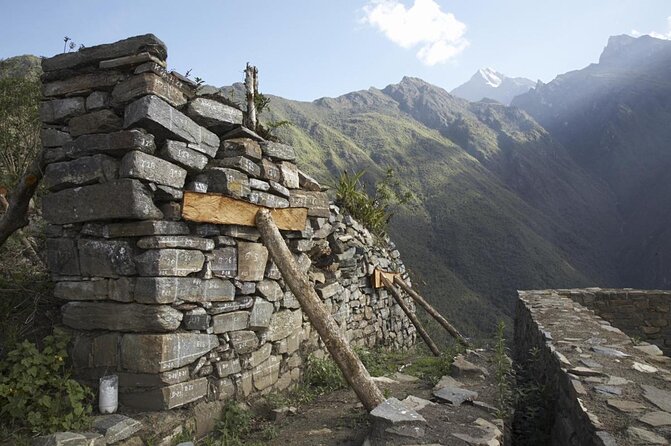
- Choquequirao is the main prize: You reach one of Peru’s great Inca sites without the crowds found at Machu Picchu.
- The route is steep: Expect long climbs, long descents, and about six to eight hours of walking on the scheduled days.
- Meals are a major strength: The cooks prepare breakfast, lunch, and dinner throughout the trip, with varied dishes and vegetarian options available.
- Your load can stay light: A personal porter carries up to 7 kilograms of your belongings.
- The early start is serious: Pickup is scheduled between 4:30 and 5:00 a.m. from your Cusco hotel or the airport.
- Confirm the final schedule: The supplied day descriptions repeat some information and show conflicting distances and elevations.
Why Choquequirao feels different from Machu Picchu
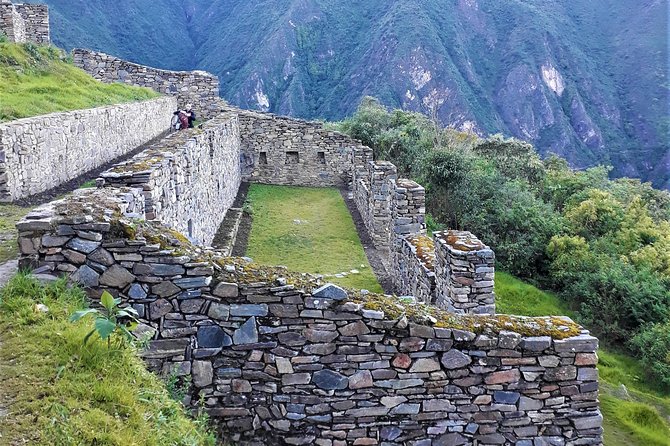
Choquequirao is often described as a lost city of the Incas, but the bigger point for you is its isolation. Reaching it takes effort. There is no short train ride or easy bus connection to the entrance, so the approach itself becomes part of the experience.
The trail crosses the Apurimac Canyon, one of Peru’s deepest canyons, and moves between high Andean country and warmer, greener cloud-forest vegetation. That change is one of the route’s best features. You begin high, descend sharply, and then climb again. The scenery changes with your altitude, not every few miles.
The reward is a major archaeological site that can feel wonderfully quiet. One of the strongest themes in the available feedback is the pleasure of having room to explore Choquequirao without the packed walkways associated with Peru’s better-known Inca destination. If you want solitude more than convenience, this route makes a strong case for itself.
More Hiking Tours in Cusco
- Classic Inca Trail Trek 4D/3N to Machu Picchu (Group Service)
★ 5.0 · 8,653 reviews - Machu Picchu: 4-Day Inca Trail Trek with Panoramic Train Ride
★ 5.0 · 4,568 reviews - Salkantay Classic Trek 5 Days from Cusco
★ 5.0 · 4,062 reviews
Before sunrise in Cusco, then across the Andes
Your day begins very early, with pickup between 4:30 and 5:00 a.m. from your hotel or the airport. The drive heads across the Andes toward Capuliyoc, where you are scheduled to arrive at about 8:30 a.m.
Breakfast is provided there before the walking begins. This arrangement is useful because you do not need to find food or arrange a separate transfer at dawn. It is also worth being realistic about the timing. You will have little time to sleep in, and the first day combines a long drive with a full hike.
The group is described as limited to 12 people, while the additional information gives a maximum of 16. That discrepancy is worth asking about before you pay. Either size is manageable for a trek, but a group of 12 usually makes it easier to walk at a comfortable pace, ask questions, and receive individual help.
Day 1: Capuliyoc to Santa Rosa
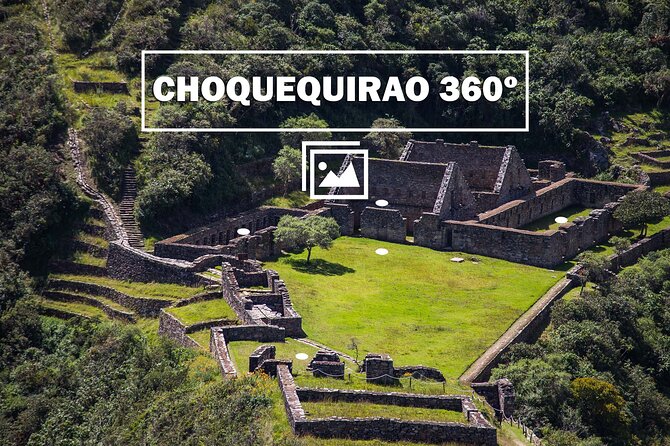
The first walking section starts at Capuliyoc, at about 2,911 meters, or 9,550 feet. From there, you descend for roughly four hours to Chiquiska, where lunch is planned.
This is a striking introduction to the route. The trail gives you early views of the Apurimac Canyon, with highland scenery giving way to thicker vegetation lower down. The views may be spectacular, but the descent should not be underestimated. A downhill trail can be hard on knees and thighs, especially when you are carrying a daypack and still adjusting to the altitude.
After lunch, the route continues downhill for about two more hours to Santa Rosa, at approximately 1,478 meters. The first camp is located here. The published figures list about 10.8 kilometers, six hours of hiking, and moderate difficulty.
I would treat moderate as a generous label for anyone who does not hike regularly. Six hours of walking, much of it downhill, is a real first day. Good shoes with firm traction and trekking poles are sensible choices. Poles are not included, but the company offers them as an optional extra.
Day 2: The steep approach to Marampata and Choquequirao
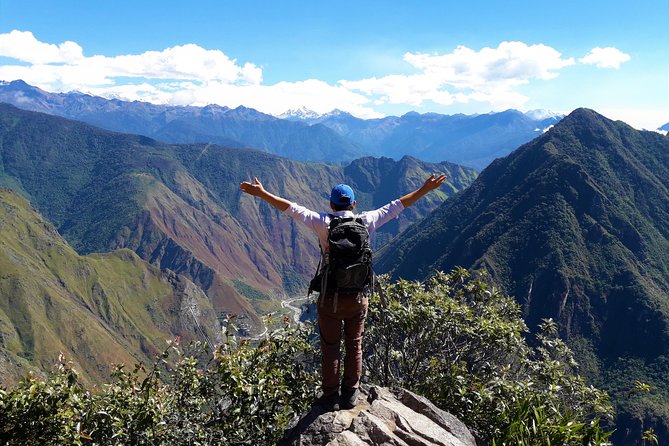
The supplied schedule for Day 2 repeats the Day 1 description, so the exact sequence needs confirmation. The heading refers to Marampata and Choquequirao, and the following day clearly describes time at the citadel. The standard shape of this part of the route is a demanding climb toward the area near Choquequirao, but you should ask the operator for the current Day 2 distances, camp location, and elevation gain.
That clarification matters because the physical difficulty depends heavily on where you sleep. A day that ends near Marampata is very different from one that ends farther away. It also affects how much time you get at the archaeological site and whether you see it in afternoon light, morning light, or both.
The support system becomes especially useful here. Your guide sets the pace and helps with route decisions, while the cook and porters move camp equipment ahead. You carry only your own daypack plus whatever you choose to keep outside the 7-kilogram porter allowance.
The food deserves real attention. Several accounts describe meals as varied, cleanly prepared, and far better than expected on a remote trek. Cooks named Leandro, Balbino, Oscar, Julio Cesar, Juvenal, and Lucio have all been singled out for memorable meals on different departures. Do not assume a particular cook will be assigned to your group, but the pattern is clear: meals are one of the strongest parts of this operation.
Tell the company about vegetarian needs or other dietary requirements when booking. The available information confirms that vegetarian food is possible, but it does not promise every special diet unless you arrange it in advance.
Longer treks from Cusco:
- 4-Day Salkantay Trek with Sky Camp Stay
★ 5.0 · 3,346 reviews - Salkantay Trek 5D/4N with Glass Cabins, Domes and Hobbit House
★ 5.0 · 2,488 reviews - 5-Day Premium Salkantay Trek
★ 5.0 · 788 reviews - Lares Valley Trek with Hot Spring 4-Day, 3-Night
★ 5.0 · 656 reviews
Day 3: Sunrise at the Inca citadel
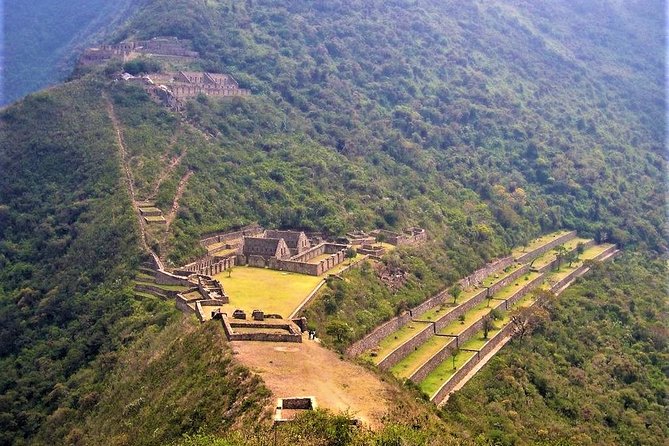
Day 3 is presented as the main Choquequirao day. The plan is to wake up with sunrise views at this remarkable site, then have breakfast before continuing on foot.
This early access is a major reason to choose the trek. Choquequirao is not just a quick photo stop. The long approach gives you time to appreciate its remote setting and the scale of the terraces, ceremonial areas, and stonework. Your English-speaking guide can add cultural and archaeological context, which makes the ruins easier to understand than they would be on a hurried self-guided visit.
Guide quality matters greatly here. Elias has been praised for his patience, humor, kindness, and command of Inca and archaeological details. Sebastian has also been described as positive and attentive, especially when the hills became tough. Other guide names connected with different departures include Gary, Sergio, Abelardo, Alexis, Pepe, Eddie, and Renato. Staffing can change, but these comments point to the kind of personal support you should expect from a strong guide team.
The published Day 3 route is confusing. It lists about eight kilometers and eight hours of hiking, yet also gives 11.32 miles, which is considerably longer than eight kilometers. It describes a downhill stretch to Santa Rosa, another downhill section, and then two hours uphill to a camp near Chiquiska. The listed elevations also vary between 3,100 meters and 1,450 meters.
Do not let the inconsistencies discourage you, but do ask for the current route sheet. You need to know the actual walking distance, the camp location, and how much time you will have inside Choquequirao. The day is clearly intended to be long and physically demanding, even if the printed numbers are not reliable.
Day 4: Climb back to Capuliyoc and visit Saywite
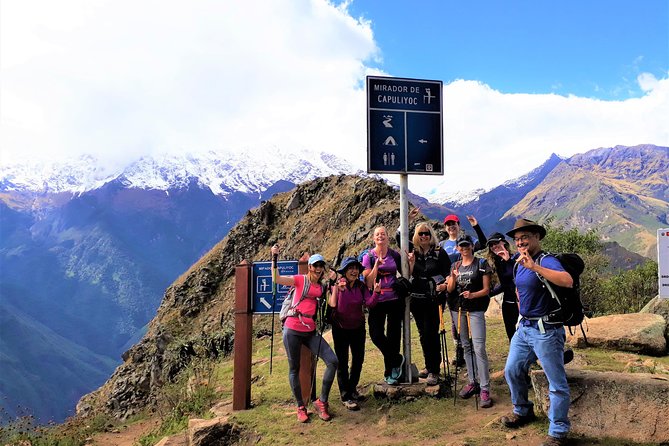
The final day begins with breakfast and a last uphill walk to Capuliyoc. The schedule describes about four hours of climbing, followed by lunch and a farewell to the trekking team.
After lunch, private transport takes you to Saywite, an archaeological site known for its large, mysterious carved rock. This is a smart addition to the return journey. It breaks up the drive and gives you one more cultural stop after the physical work of the trek is over.
You are scheduled to reach your hotel at around 5:00 p.m. That timing is useful if you are staying in Cusco afterward, but I would avoid booking a flight or another fixed activity that evening. Mountain roads, weather, and the group’s walking pace can all affect the return.
The Day 4 information also lists eight kilometers and eight hours, while describing a four-hour climb. Again, confirm the current figures. The important point is that the final morning is not a gentle stroll. After three days of steep trails, the climb back to Capuliyoc can feel like a proper finishing test.
What the $698 price really covers
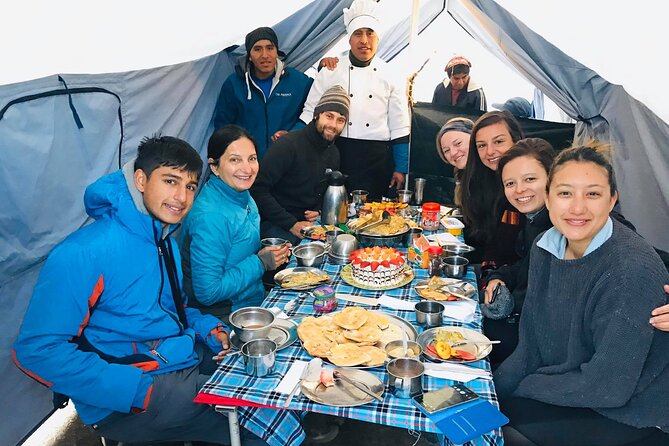
At $698 per person, the tour is not a budget day trip, but it includes the expensive and awkward parts of a remote trek. You receive round-trip transport, a pre-departure briefing, professional English-speaking guides, a chef, porters, four breakfasts, four lunches, and three dinners.
The personal porter allowance is particularly useful. Up to 7 kilograms of your personal belongings can be carried, which lets you keep your daypack smaller. Pack light anyway. You still need to manage your daily essentials, and the porter allowance is not a reason to bring a full suitcase.
The price does not include an optional mattress, sleeping bag, or trekking poles. Those items can make a real difference to comfort and safety, so ask for current rental prices before departure. You should also bring a valid passport, since passport name, number, expiry date, and country are required at booking and the passport is required on the day.
The value is strongest for people who want a supported trek rather than a do-it-yourself expedition. You are paying for coordination, food, transport, and a team that carries equipment between camps. If you already own camping gear and enjoy arranging every detail yourself, the package may feel less attractive. For most people attempting Choquequirao, though, the support is worth paying for.
Food, porters, and the human side of the trek
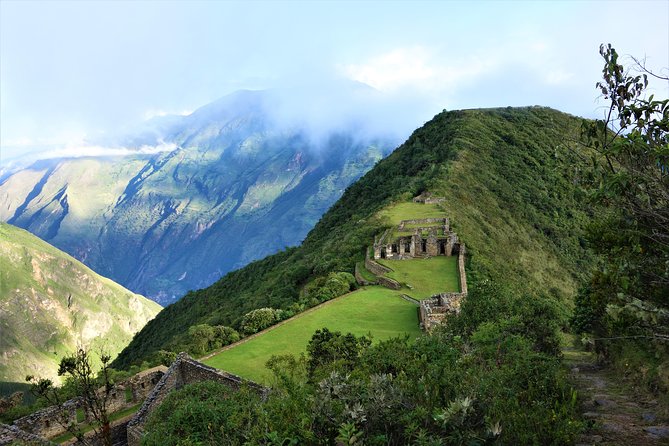
Remote trekking is often decided by small comforts. A hot meal, a clean cooking area, a cheerful porter, or a guide who notices when you are struggling can change the whole experience.
The strongest praise for this tour centers on the team. Cooks are credited with preparing fresh, varied dishes and avoiding repetition across the four days. Porters and mule handlers, including Boris and Santos on different departures, are described as cheerful, efficient, and essential to keeping camp running.
You should also understand the labor behind the experience. A porter or mule handler is not simply an invisible service. Treat the team with respect, follow the company’s guidance on tips, and keep your personal load within the stated limit. The quality of your trip depends on this support, even when you do not see all the work being done.
How hard is the Choquequirao Trek?
The route is labeled moderate, but the schedule makes clear that you need solid fitness. The trip includes six to eight hours of hiking per day, steep downhill sections, long uphill sections, and major altitude changes.
The first day begins at 2,911 meters and drops to about 1,478 meters. Later days involve climbing again toward the citadel and then returning toward Capuliyoc. That repeated descent and ascent is harder than a route that simply climbs once and ends.
I would choose this trek if you can comfortably walk for several hours, handle uneven ground, and manage repeated climbs without rushing. Training on hills is more useful than training only on flat roads. If you are unsure, ask the operator about the latest route details and the amount of elevation gain on each day.
Children must be accompanied by an adult. The tour is not presented as an easy family outing, so assess a child’s actual hiking ability rather than relying on age alone.
Weather, group size, and cancellation terms
The trek requires good weather. If poor conditions force a cancellation, you are offered another date or a full refund. The same applies if the minimum number of participants is not reached.
You can cancel for a full refund up to 24 hours before the local start time. Changes or cancellations made inside that 24-hour window are not accepted for a refund. These terms are fairly clear, but remember that your start time is very early, so do not wait until the last minute to make a decision.
The pre-departure briefing takes place at 6:00 p.m. the night before. Make this meeting a priority. It is your chance to confirm pickup, ask about the corrected itinerary, check optional equipment, and clarify where your 7-kilogram bag will be collected.
Who should book this trek?
I would recommend it to fit hikers who want a quieter alternative to Machu Picchu and who value a full support team. It suits people who enjoy changing scenery, remote archaeological sites, and the satisfaction of reaching a place by foot.
I would not choose it for a relaxed holiday, a short introduction to hiking, or a trip with a rigid schedule afterward. The early start, steep trails, long walking days, and inconsistent published figures call for patience and flexibility.
Before booking, ask three direct questions: What is the corrected Day 2 itinerary? What are the actual Day 3 and Day 4 distances? Will the group contain 12 people or as many as 16? Clear answers will make the $698 package easier to judge.
FAQ
How long is the Choquequirao Trek?
The experience lasts four days and three nights, with approximately six to eight hours of hiking on the scheduled walking days.
Where does the trek begin?
The tour begins with pickup in Cusco between 4:30 and 5:00 a.m., from your hotel or the airport. Transport then continues to Capuliyoc.
Is transportation included?
Yes. Transportation is included from the beginning of the experience through the return to your hotel, including the private transfer to Saywite.
Are meals included?
Yes. The package includes four breakfasts, four lunches, and three dinners. A chef prepares the meals during the trek.
Can I request vegetarian food?
Yes. A vegetarian option is available. You should advise the company when booking, along with any other dietary requirements.
How much luggage can a personal porter carry?
A personal porter can carry up to 7 kilograms of your personal belongings.
Are camping items included?
A mattress, sleeping bag, and trekking poles are optional rather than included. The company can provide guidance about these items.
Should you book the Choquequirao Trek?
Book this trek if your priority is a remote Inca site, dramatic canyon views, and strong camp support rather than an easy route. The quiet setting, excellent food, helpful guides, and porter service give the package genuine value.
Hold off until you confirm the corrected itinerary if you need precise distances or a guaranteed group size. For a fit hiker with some flexibility, this is one of the better ways to reach Choquequirao without handling every difficult detail yourself.
More Hiking Days from Cusco
- Rainbow Mountain Full Day Trek
★ 5.0 · 1,469 reviews - Rainbow Mountain Day Trip from Cusco: Vinicunca Hiking Tour
★ 4.5 · 737 reviews - Inca Trail 4-Day 3-Night Trek to Machu Picchu with Expert Guides
★ 5.0 · 733 reviews - Humantay Lake Full Day Trek from Cusco with Lunch
★ 5.0 · 726 reviews
Added recently around Cusco
- Guided tour of the mountain of colors in Cusco★ 5.0 · 11 reviews
- 2-Day Private Short Inca Trail to Machu Picchu★ 5.0 · 15 reviews
- City Tour Cusco – Group★ 5.0 · 4 reviews
- Tour Sacred Valley with Maras and Moray★ 5.0 · 15 reviews
- San Pedro Market Tour with Peruvian Cooking Class★ 5.0 · 31 reviews
- Walking Culinary Experience★ 5.0 · 41 reviews
- City Tour in Cusco★ 4.5 · 10 reviews
- Rainbow Mountain Small-Group Full-Day Hike from Cusco with Meals★ 4.5 · 15 reviews
Andean Trekking Tours, compared.
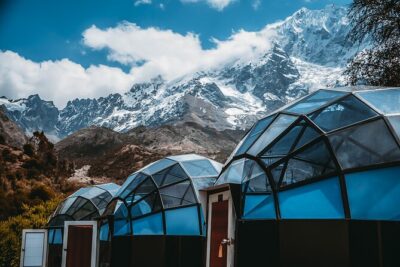
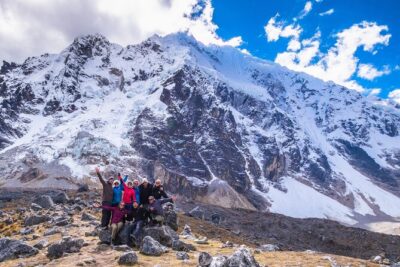
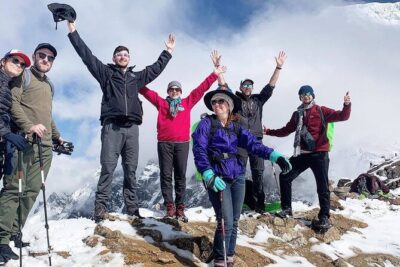
Salkantay Trek 5D/4N with Glass Cabins, Domes and Hobbit House
Read our review →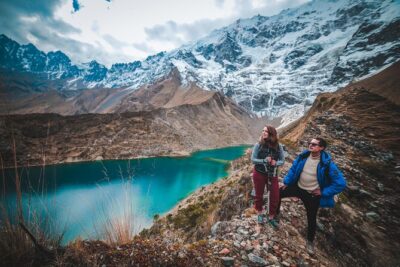
Lares Valley Trek with Hot Spring 4-Day, 3-Night
Read our review →
Ultimate Salkantay Trek to Machu Picchu 5 Days
Read our review →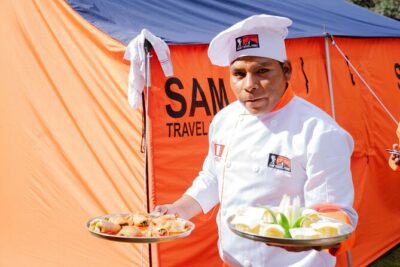
Lares Trek to Machu Picchu 4D/3N Including Hot Springs
Read our review →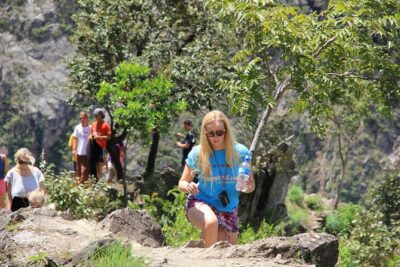
4-Day Inca Jungle Trail to Machu Picchu Hiking and Biking Tour
Read our review →Browse the lists this tour appears in