
Reviewed · ANDEAN TREKKING TOURS
Choquequirao Trek (4 Days)
Peru’s quiet Inca citadel takes work. This four-day trek from Cusco leads you through the Apurímac Canyon to Choquequirao, a huge archaeological site reached by foot rather than by train or bus. I like the small group limit of 10 people, and I like that camping, meals, transport, entrance fees, and a bilingual guide are included in the $647 price.
The best part is the sense of distance. You walk through warm canyon country, high mountain terrain, and quiet camps before reaching the ruins. The main drawback is simple: this is a demanding hike with long climbs, steep descents, and little room for weak fitness or poor acclimatization.
- Choquequirao feels far removed from Peru’s busiest sights, with a long trail and no easy road access.
- The second day is the key test, with a sustained climb from Santa Rosa to Marampata and then Choquequirao.
- Camping is included for three nights, with camps near Santa Rosa, the ruins, and Chiquisca.
- Four lunches, three dinners, and three breakfasts are part of the package, reducing the need to organize food along the way.
- Guides such as Raul, Renzo, and Adrian have earned strong praise for history, organization, and good company.
- The tour is priced for people who value convenience, since transport, park entry, meals, and support are bundled together.
In This Review
- Why Choquequirao Is Worth the Effort
- The $647 Price and What You Receive
- Day One: From Cusco to Santa Rosa
- Day Two: The Big Climb to Marampata
- Day Three: Hours Inside Choquequirao
- Day Four: Back to Capuliyoc and Cusco
- Camping, Meals, and Group Size
- How Hard Is the Trek?
- Guide Quality and the Human Side
- Booking Details and Who Should Choose It
- Should You Book the Choquequirao Trek?
- FAQ
- How long is the Choquequirao trek?
- Where does the trek begin?
- What time does pickup start?
- Is a briefing provided before the trek?
- Is camping included?
- Are meals included?
- Is the entrance fee to Choquequirao included?
- Is transportation included?
- What languages are available for the guide?
- How large is the group?
- How fit do I need to be?
- Can I cancel for a refund?
Why Choquequirao Is Worth the Effort
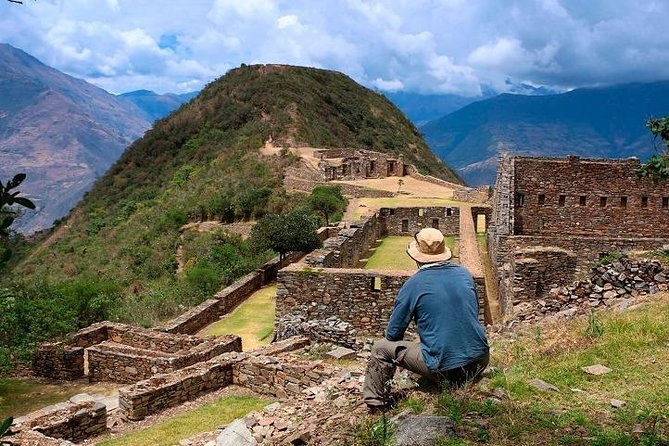
Choquequirao is often compared with Machu Picchu, but the experience is very different. Machu Picchu is easy to reach by rail and bus. Choquequirao demands a multi-day walk into the mountains, which naturally keeps numbers lower.
That effort changes how you experience the ruins. You do not simply arrive, take a few photos, and leave. You spend days moving through the terrain that surrounds the site, watching the Apurímac Canyon change from dry and warm to cooler and more exposed at higher elevations.
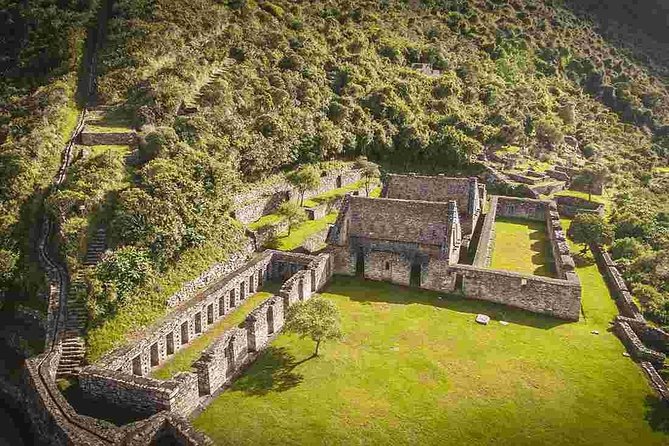
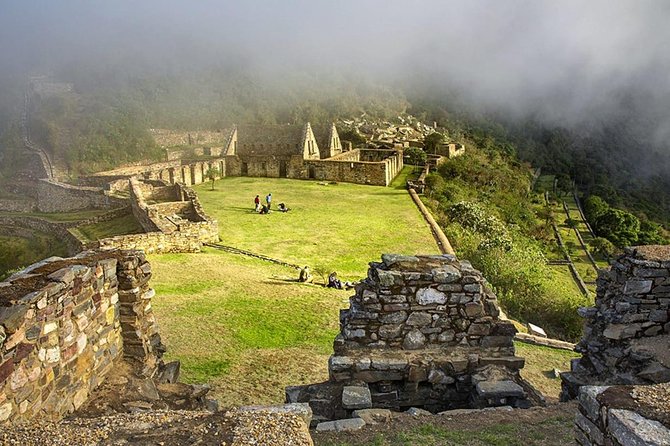
The archaeological complex sits around 3,000 meters above sea level. The site is large enough to require several hours of exploring, and the setting includes steep mountain walls, distant snowy peaks, and wide views over the canyon.
I especially like the mix of nature and archaeology here. The route passes orchids, colorful flowers, birds, and possible condor sightings. The ruins then appear as part of the mountains rather than as an isolated monument.
The $647 Price and What You Receive
At $647 per person, this is not a cheap four-day outing. It is also not just a guided walk. The price includes transport from Cusco, entrance fees, a bilingual English and Spanish guide, first aid, camping accommodation, and seven meals: three breakfasts, four lunches, and three dinners.
That package matters on a route this remote. You are not paying only for someone to show you the ruins. You are paying for the long road transfer to the trailhead, the return drive, camp support, food, entrance arrangements, and help if the group has a problem.
The transport is substantial. Day one begins with about four hours by vehicle from Cusco to Cachora and Capuliyoc. Day four includes roughly five hours back to Cusco after the final hike. A separate transport arrangement described by one participant cost 600 soles for a round trip, so the bundled transport here can make the $647 fare more reasonable.
Still, check exactly what equipment is supplied before paying. You are told to bring your own trekking equipment, but equipment rentals may be available at Chiquisca and Marampata. That can reduce the load, though I would not rely on rental availability without confirming it in advance.
More Hiking Tours in Cusco
- Classic Inca Trail Trek 4D/3N to Machu Picchu (Group Service)
★ 5.0 · 8,653 reviews - Machu Picchu: 4-Day Inca Trail Trek with Panoramic Train Ride
★ 5.0 · 4,568 reviews - Salkantay Classic Trek 5 Days from Cusco
★ 5.0 · 4,062 reviews
Day One: From Cusco to Santa Rosa
The day starts early. Pickup is scheduled for 6:00 a.m., and breakfast at the hotel is around 5:00 a.m. There is also a briefing at the company office the day before, so use that meeting to check the departure time, packing plan, and equipment arrangements.
The drive takes you toward Cachora and then Capuliyoc, at roughly 2,800 to 2,900 meters. At Capuliyoc, you meet the horsemen and donkey drivers who help carry supplies. You also get an early view toward the distant Choquequirao complex, a useful reminder that the ruins are still a long way off.
Then comes the first major descent. The trail drops through the Apurímac Canyon for about four hours, passing the small settlements and rest points of Cocamasana and Chiquisca. The route covers about 12 kilometers, with around six hours of walking in total.
This section can feel hot, dusty, and exposed during the dry season. The lower canyon has a warm climate, and the combination of sun and downhill walking can be harder on your knees than expected. Use trekking poles if you have them, drink often, and do not spend your energy racing downhill.
Lunch is served near Playa Rosalinda, around 1,500 meters. After a rest, you climb for about two hours to Santa Rosa at roughly 2,100 meters. This is the first camp, with dinner and overnight camping included.
The day is clever in one unpleasant way: you lose elevation first, then start gaining it again. That gives you a taste of the canyon, but it also makes the route feel longer than the distance suggests.
Day Two: The Big Climb to Marampata
Day two is the physical heart of the trek. After breakfast around 6:00 a.m., you climb from Santa Rosa to Marampata, reaching about 2,850 meters after roughly three hours of steady uphill walking.
The vegetation becomes denser as you rise. You may see orchids, bright flowers, birds, and other wildlife along the trail. These details are easy to miss when you are counting steps, so keep your pace slow enough to look around.
Marampata serves as both a rest point and a camp area. The views open toward Choquequirao, which is still farther into the mountains. Lunch here comes with a high view of the surrounding peaks and the archaeological complex.
After lunch, you walk for about two more hours along the Inca trail to the ruins. The day covers about eight kilometers and takes around five hours of hiking, though the steep climb makes it feel serious.
This is the day to judge your own fitness honestly. The route description calls for strong physical fitness, and that warning should not be brushed aside. You do not need to be an elite athlete, but you should be comfortable with several hours of uphill walking at altitude.
The camp near Choquequirao sits around 2,950 to 3,000 meters. Conditions are described as cool or windy compared with the lower canyon. Pack warm layers for the evening, even if the first day feels hot.
An afternoon visit is recommended because clouds may be less troublesome and views can be clearer. That timing also gives you a first look at the site before the longer exploration on day three.
Day Three: Hours Inside Choquequirao
Day three gives the ruins the attention they deserve. An early breakfast allows you to reach the archaeological complex near sunrise, when the canyon and mountain views can look especially dramatic.
From camp, the walk to the main site takes about an hour. You then spend roughly three hours exploring Choquequirao with your guide. This is where the quality of the guide matters most.
Raul has been praised for making the four days entertaining while explaining the ruins. Renzo has been singled out for explaining the Apurímac Canyon and the story of the area. Adrian has been described as both an excellent guide and a friendly companion. Guides are not simply there to set the walking pace. They help you understand why the site matters.
The complex is large, and three hours gives you time to move beyond a quick viewpoint stop. You can expect archaeological details, mountain views, and a better sense of how the site fits into the surrounding terrain.
There is also a chance to see a condor flying near the canyon. It is not guaranteed, so treat it as a bonus rather than a promise. Keep your eyes on the cliffs and open sky, but do not let bird watching distract you from the trail.
After the visit, you retrace the route. The return includes about two hours downhill, a crossing near the Apurímac River, and another hour uphill toward Chiquisca. The total is around 13 kilometers and seven hours of hiking.
Chiquisca sits near 1,950 meters and has a warm, sunny climate. After a cool night near the ruins, the change in temperature can be noticeable. Dinner and camping are included here.
Day three is likely to be the most rewarding and one of the most tiring. You get the longest period at the ruins, but you still have a substantial return walk after the archaeological visit.
Longer treks from Cusco:
- 4-Day Salkantay Trek with Sky Camp Stay
★ 5.0 · 3,346 reviews - Salkantay Trek 5D/4N with Glass Cabins, Domes and Hobbit House
★ 5.0 · 2,488 reviews - 5-Day Premium Salkantay Trek
★ 5.0 · 788 reviews - Lares Valley Trek with Hot Spring 4-Day, 3-Night
★ 5.0 · 656 reviews
Day Four: Back to Capuliyoc and Cusco
The final morning begins with breakfast near the sound of the river. The trail follows the route back toward Capuliyoc, climbing for about four hours in total.
This is the reverse of the opening day’s descent, so your legs already know what is coming. The climb is described as relatively gentle for about two hours before reaching the Capuliyoc pass at around 2,915 meters, but the accumulated fatigue makes even a moderate slope feel demanding.
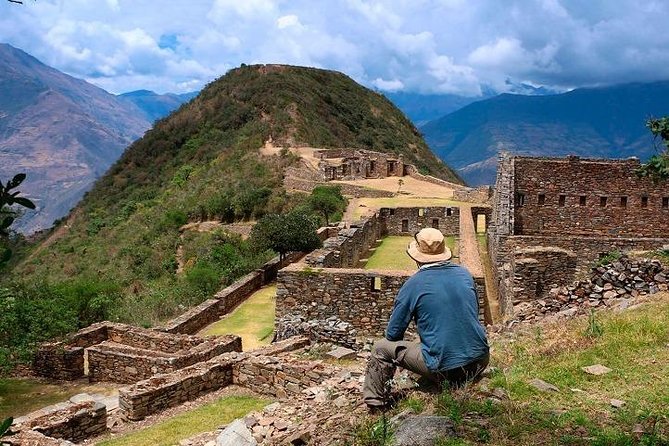
The final walking distance is about nine kilometers, with around five hours on foot. Along the way, you may see condors, Andean wildlife, unusual plants, snowy peaks, and more views over the Apurímac Canyon.
Lunch at Capuliyoc is the last meal included. It also provides a final chance to look back toward the canyon and Choquequirao before leaving the trail.
The vehicle ride to Cusco takes about five hours, with arrival expected around 6:00 p.m. Hotel transfer is provided at the end. That return drive is useful, but it also makes day four a full day rather than a short checkout walk.
Camping, Meals, and Group Size
Three nights of camping are included, at Santa Rosa, near Choquequirao, and Chiquisca. The camps are placed at useful points along the route rather than near towns with regular hotel service, so camping is part of the nature of the trip, not just a budget choice.
The group maximum is 10 people. I consider that a good size for this kind of route. It is small enough for the guide to keep track of walking speeds and questions, but large enough to provide company during long climbs.
Meals include breakfast each morning, four lunches, and three dinners. That is enough to cover the scheduled trek, but you should still bring personal snacks and water supplies as advised during the briefing. The supplied information does not specify menus, sleeping gear, tents, or water treatment, so ask those questions before departure.
One useful detail is equipment rental. Gear may be available at Chiquisca and Marampata, according to one account, meaning you might not need to carry every item from Cusco. Treat that as a possibility to confirm, not a guarantee.
How Hard Is the Trek?
The tour requires a strong fitness level. The challenge comes from several sources at once:
- Long uphill sections, especially on day two
- Steep downhill walking into the canyon on day one
- Four to seven hours of hiking on each day
- Altitude ranging from about 1,500 to 3,000 meters
- Heat in the canyon and wind or cooler air near the ruins
- A long vehicle ride at both ends of the trek
Acclimatization is important. Spend time in Cusco before starting, and do not schedule this as your first activity after arriving in Peru. The supplied experience details specifically advise acclimatizing well, and that is sensible advice.
I would recommend this trek to people who already enjoy mountain walking or who have prepared for several consecutive days on foot. It is less suitable if you want a relaxed sightseeing trip, dislike camping, or hope to avoid steep climbs.
Guide Quality and the Human Side
The strongest part of the experience may be the guiding. The guides named in the feedback, including Raul, Renzo, and Adrian, are praised for history, organization, humor, and companionship.
That matters on a four-day trek. A guide who only points toward the ruins is not enough. You want someone who can explain the Apurímac region, keep the group moving sensibly, and make the long sections feel less repetitive.
Audio headphones have also been used by at least one guide. This can be a smart idea at busy viewpoints or when the group spreads out, since you can hear the explanation without everyone crowding around the guide. Confirm if this is included with your departure, as it may depend on the guide or group.
The bilingual service is offered in English and Spanish. The maximum of 10 people also gives you a better chance to ask questions and receive practical help than you would in a large coach group.
Booking Details and Who Should Choose It
Pickup is offered, and the stated start time is 6:00 a.m. The pre-trip office briefing takes place the day before, which is important because confirmation is subject to availability and may arrive within 48 hours of booking.
The experience is non-refundable and cannot be changed after purchase. That makes travel insurance and a careful check of your dates especially important.
This is a strong choice for you if you want:
- A remote archaeological site with fewer access conveniences
- A four-day mountain challenge from Cusco
- Camping with meals and transport arranged
- A small group and bilingual guiding
- Several days of nature before and around the ruins
It is a poor match if you want a soft adventure, private rooms, or flexible cancellation. The price buys organization, but the trail still demands effort from you.
Should You Book the Choquequirao Trek?
I would book this trek if the route itself is the attraction. Choquequirao rewards patience, stamina, and a willingness to trade easy access for a quieter setting.
The $647 cost is reasonable when you count the transport, entrance fee, guide, meals, camps, and first-aid support. The real question is not only money. It is whether you are ready for the steep climbs, canyon heat, altitude, and three nights under canvas.
If you are fit, acclimatized, and curious about Peru beyond its most famous sights, this four-day route offers a powerful experience. Pack carefully, ask about rental equipment and sleeping gear at the briefing, and save your energy for day two. The climb is the price of admission, but the ruins and canyon views make it a fair bargain.
FAQ
How long is the Choquequirao trek?
The experience lasts approximately four days, with about six hours of hiking on day one, five hours on day two, seven hours on day three, and five hours on day four.
Where does the trek begin?
Transport leaves from Cusco and takes you to the Cachora and Capuliyoc area, where the walking portion begins.
What time does pickup start?
The stated start time is 6:00 a.m. Breakfast at the hotel is planned for around 5:00 a.m.
Is a briefing provided before the trek?
Yes. A briefing takes place at the company office the day before departure.
Is camping included?
Yes. Camping accommodation is included for three nights, at Santa Rosa, near Choquequirao, and at Chiquisca.
Are meals included?
Yes. The price includes three breakfasts, four lunches, and three dinners.
Is the entrance fee to Choquequirao included?
Yes. Entrance fees are included, and the archaeological site entrance is specifically listed as included.
Is transportation included?
Yes. Transport from Cusco to the trailhead and back to Cusco is included. The return drive on day four takes about five hours.
What languages are available for the guide?
The tour provides a bilingual guide in English and Spanish.
How large is the group?
The group can include a maximum of 10 people.
How fit do I need to be?
You should have a strong physical fitness level. The trek includes steep climbs, long descents, altitude, and several consecutive days of hiking.
Can I cancel for a refund?
No. The experience is non-refundable and cannot be changed for any reason after booking.
More Hiking Days from Cusco
- Rainbow Mountain Full Day Trek
★ 5.0 · 1,469 reviews - Rainbow Mountain Day Trip from Cusco: Vinicunca Hiking Tour
★ 4.5 · 737 reviews - Inca Trail 4-Day 3-Night Trek to Machu Picchu with Expert Guides
★ 5.0 · 733 reviews - Humantay Lake Full Day Trek from Cusco with Lunch
★ 5.0 · 726 reviews
Added recently around Cusco
- Guided tour of the mountain of colors in Cusco★ 5.0 · 11 reviews
- 2-Day Private Short Inca Trail to Machu Picchu★ 5.0 · 15 reviews
- City Tour Cusco – Group★ 5.0 · 4 reviews
- Tour Sacred Valley with Maras and Moray★ 5.0 · 15 reviews
- San Pedro Market Tour with Peruvian Cooking Class★ 5.0 · 31 reviews
- Walking Culinary Experience★ 5.0 · 41 reviews
- City Tour in Cusco★ 4.5 · 10 reviews
- One Day Tour to Humantay Lagoon★ 5.0 · 8 reviews
Andean Trekking Tours, compared.
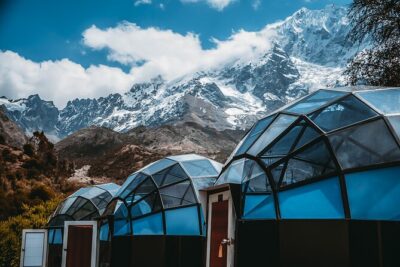
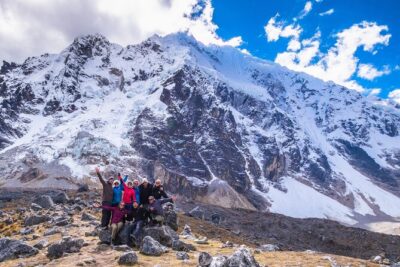
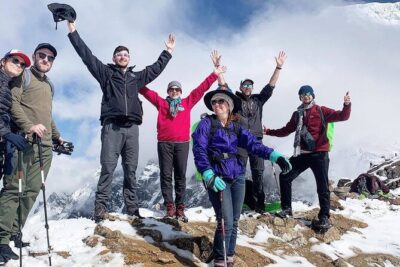
Salkantay Trek 5D/4N with Glass Cabins, Domes and Hobbit House
Read our review →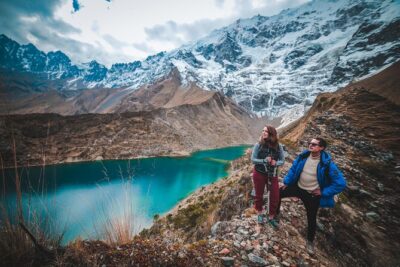
Lares Valley Trek with Hot Spring 4-Day, 3-Night
Read our review →
Ultimate Salkantay Trek to Machu Picchu 5 Days
Read our review →
Lares Trek to Machu Picchu 4D/3N Including Hot Springs
Read our review →
4-Day Inca Jungle Trail to Machu Picchu Hiking and Biking Tour
Read our review →Browse the lists this tour appears in