
Reviewed · INCA RUINS & ARCHAEOLOGICAL SITES
Cusco 4-Hour Private Tour Including Sacsayhuaman and Qenqo
Ancient stones tell Cusco’s story. This four-hour private tour links Sacsayhuaman, Q’enqo, and Tambomachay with the city’s Spanish and Inca landmarks, giving you a useful first look at Cusco without the shuffle of a large group. I like the door-to-door transport and the way strong guides such as Patricia, Alfredo, Ruben, and Soledad add local stories to the history.
I also like the mix of short walks, ruins, city sights, and private driving, which can help if you are still adjusting to Cusco’s altitude. The main drawback is the packed schedule: seven stops in about four hours means some visits feel more like an introduction than a full exploration, and three major admission fees are extra.
In This Review
- Key points to know before booking
- Why this private Cusco tour works well
- Sacsayhuaman: massive walls above Cusco
- Plaza de Armas and Cusco Cathedral
- Qorikancha and Santo Domingo
- Puka Pukara, the red fortress
- Q’enqo and its unanswered ritual questions
- Tambomachay and the Inca water system
- The optional textile factory stop
- Guide quality matters more than the route
- Timing, walking, and altitude
- What the price includes and excludes
- Who should book this tour?
- Should you book it?
- FAQ
- How long does the Cusco private tour last?
- What sites are included on the tour?
- Is the tour private?
- Is hotel pickup and drop-off included?
- Is transportation included?
- Is a guide included?
- Are entrance fees included?
- Are snacks provided?
- Can I visit a textile factory?
- What happens if bad weather cancels the tour?
Key points to know before booking
- Seven stops in four hours: You cover the main Inca sites above and around Cusco, plus the Plaza de Armas, Cathedral, and Qorikancha.
- Private transport and guide: Your group travels by private vehicle with hotel pickup and drop-off, so you avoid waiting for other groups.
- Several entrance fees are extra: Budget PEN 70 for Sacsayhuaman, PEN 40 for Cusco Cathedral, and PEN 15 for Qorikancha per person.
- The guides receive high praise: Alfredo, Patricia, Ruben, Soledad, Stephanie, Victor, and others are described as friendly, patient, clear, and well informed.
- An optional textile stop is available: You can add a textile factory visit at no extra charge, if timing allows.
- A good orientation before Machu Picchu: The tour helps connect Inca architecture, religion, Spanish colonial power, and present-day Cusco.
Why this private Cusco tour works well
Cusco can feel confusing at first. The streets climb, the ruins sit in different directions, and the city’s Inca and Spanish layers are often mixed into the same block. This tour gives you a framework quickly.
You begin with the major ruins near the city, then return downtown for the Plaza de Armas, Cusco Cathedral, and Qorikancha. That order helps you see the Inca world before looking at the Spanish changes imposed after the Conquest.
The private format is the real practical advantage. You travel only with your own group, and the guide can adjust explanations and walking speed. One family described the tour as especially easy to manage while dealing with altitude symptoms because the day combined vehicle rides with walks that were not too long.
At $87 per person, the tour is not the cheapest way to see Cusco. Still, that price includes private transport, hotel pickup and drop-off, an English or Spanish-speaking guide, and snacks. For a couple or small family that wants an efficient half-day introduction, the cost can make sense. Add the three listed entrance fees, however, and you should calculate the full price before booking.
The tour has a 4.8 rating from 77 ratings, with 94 percent of people recommending it. That high score is tied mainly to the guides. The clearest caution is language: one person found the English less fluent than expected. If detailed English explanations matter to you, state your preference when booking and confirm the guide’s language.
More Ruins & Archaeology Tours in Cusco
- Cusco: Half-Day City Tour with Sacsayhuaman and Q’enco
★ 4.6 · 1,129 reviews - City Tour Cusco Qoricancha Sacsayhuaman y Tambomachay
★ 4.7 · 617 reviews - Cusco City Tour Four Ruins in Half-Day
★ 5.0 · 530 reviews
Sacsayhuaman: massive walls above Cusco
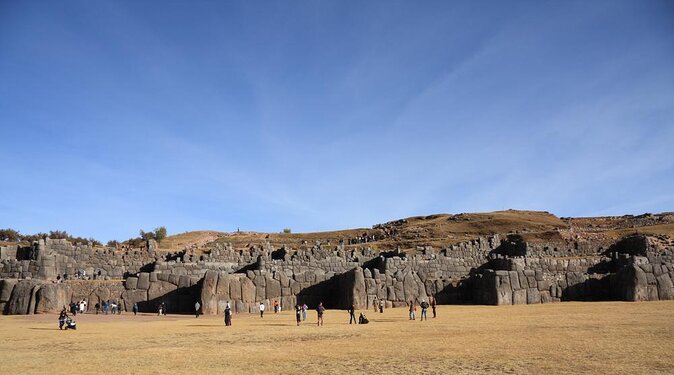
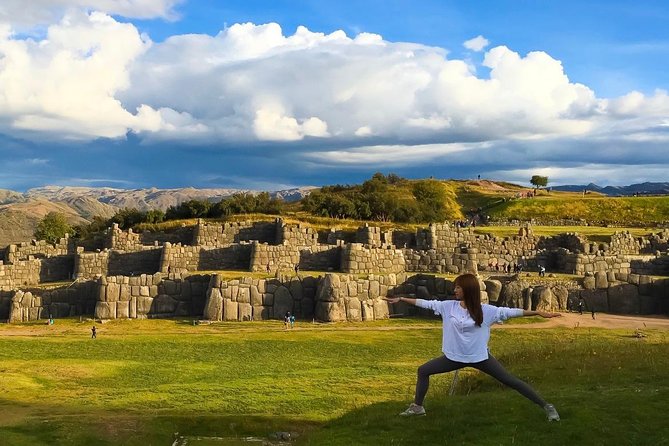
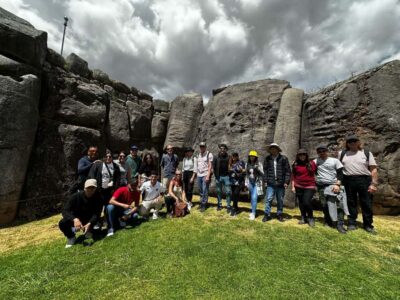
Sacsayhuaman is the grand opening. The citadel sits on the northern edge of Cusco and looks back toward the city, giving you an immediate sense of why this was such an important place.
The site includes huge fitted stones and broad ceremonial areas. Sections were first built around 1100 CE by the Killke culture, before the Inca period usually associated with the ruins. Your guide can help place those early foundations into the longer story of the area.
You have about 30 minutes here, and admission is not included. That is enough to see the principal walls and hear the main explanation, but not enough for a slow visit to every corner. I would wear shoes with a good grip and bring water, since the site involves walking over uneven ground.
Sacsayhuaman is also the place where a good guide earns the fee. The stones are impressive on their own, but explanations about construction, ceremony, and the site’s position above Cusco give the visit much more meaning.
Plaza de Armas and Cusco Cathedral
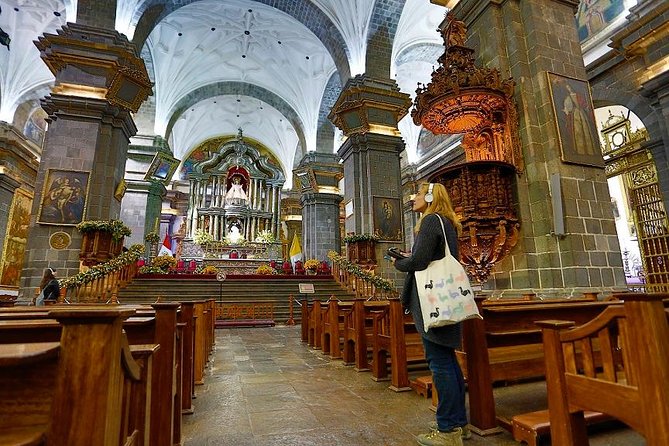
The Plaza de Armas is a short stop of about 10 minutes. That may sound brief, but it gives you the essential city-center view: colonial buildings, arcades, and the square that once formed part of the Inca capital.
This is where the tour shifts from open archaeological sites to the Spanish colonial city. The plaza existed before the Conquest, and the Spanish later reshaped it with churches and colonial architecture. Seeing both periods in one stop helps you understand how dramatically Cusco changed while keeping its older foundations.
Cusco Cathedral sits directly on the square. The visit is scheduled for about 20 minutes, but the admission fee is extra at PEN 40 per person. If you care about colonial art and religious architecture, this is one place where entering matters. If you mainly want the city overview, you may prefer to save the fee and enjoy the exterior.
One useful point from the experience is flexibility. A group that had already done several hours of walking chose not to enter the Cathedral, and the guide adjusted. That is one benefit of a private tour: you are not locked into a fixed group decision.
Qorikancha and Santo Domingo
Qorikancha, also written Coricancha or Qorikancha, shows the collision between Inca religion and Spanish rule more clearly than almost anywhere else in Cusco.
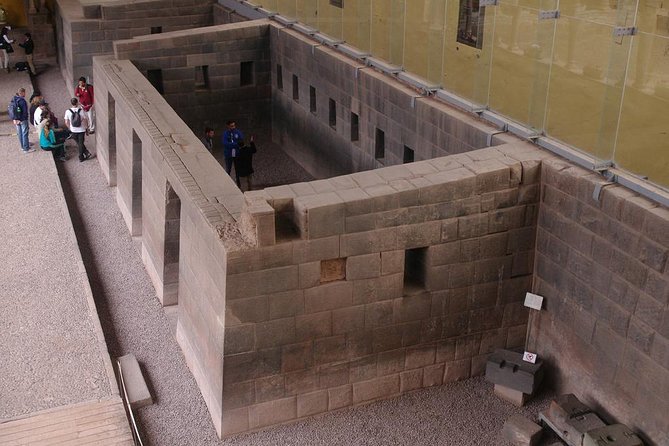
The temple was originally called Intikancha or Intiwasi and was dedicated to Inti, the sun god. Much of it was dismantled after the Spanish conquest. Its stonework was reused for churches and homes, and the Santo Domingo Convent was built over the site after the 1650 earthquake damaged the first Dominican convent.
You have about 20 minutes here, with an admission fee of PEN 15 per person. The site is not as visually open as Sacsayhuaman, but its importance is considerable. Look for the contrast between precise Inca masonry and the later convent structure. Your guide’s explanation is particularly useful here because the remains can be hard to read without context.
I would not skip Qorikancha simply because it is smaller than the hilltop ruins. It gives the tour a religious and political center. It also explains why Cusco feels different from a standard colonial city: Spanish buildings often sit directly on Inca foundations.
More ruins and archaeology near Cusco:
- Cusco: City Tour | Half-Day Tour to 4 Archaeological Sites
★ 4.6 · 206 reviews - Cusco City Sightseeing and Sacsayhuaman Archeological Park Tour
★ 4.5 · 101 reviews - Cusco: Historical Guided City Tour with 4 Inca Ruins
★ 4.5 · 99 reviews - Cusco: Half-Day City Tour with Sacsayhuaman and Qenqo
★ 4.5 · 77 reviews
Puka Pukara, the red fortress
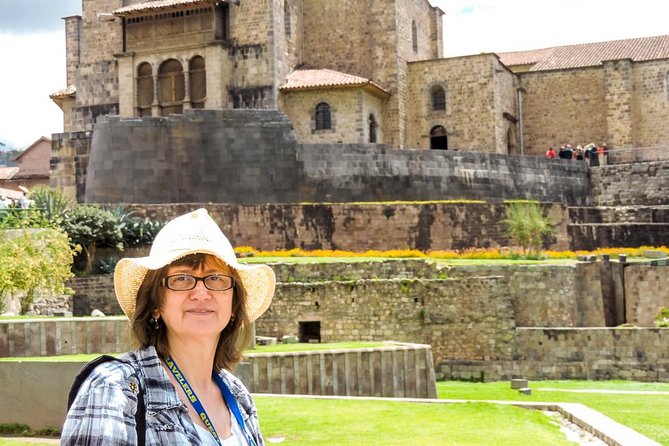
Puka Pukara is about six kilometers from Cusco and takes around 15 minutes on this schedule. In Quechua, Puca means red and Pucara means fortress or watchtower.
The site occupied a strategic position along the route toward Antisuyo, the jungle region of the Inca Empire. It served as a checkpoint on the Inca road and also had military and administrative functions.
This is a short stop, so expect a quick explanation and a chance to view the remains rather than a long archaeological visit. Its value comes from the role it played in the wider road system. It reminds you that the Inca sites around Cusco were connected, not isolated monuments scattered on hills.
Because the vehicle links these outer sites, you can see Puka Pukara without spending much of your limited half-day searching for transport. That is one of the strongest reasons to choose this tour over trying to arrange each site independently.
Q’enqo and its unanswered ritual questions
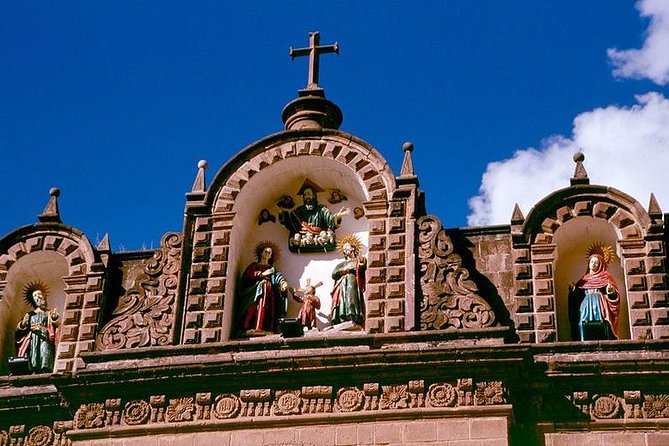
Q’enqo is scheduled for 15 minutes. Its name means labyrinth or zigzag in Quechua, referring to a crooked channel cut into the rock.
The channel clearly carried some kind of liquid, but its exact use remains uncertain. Possibilities include holy water, chicha, or blood. The theories connect Q’enqo with death rituals, embalming, or attempts to judge a person’s moral life by the path the liquid followed.
This is a good example of how the tour handles uncertainty. A responsible guide should explain what is known and what remains a theory. Patricia was praised for connecting the sites to local culture and for explaining how Cusqueños relate to their Inca ancestry today.
The stop is physically short, but the subject matter can make it memorable. If you enjoy archaeology, ask questions here. The site rewards curiosity more than simple sightseeing.
Tambomachay and the Inca water system
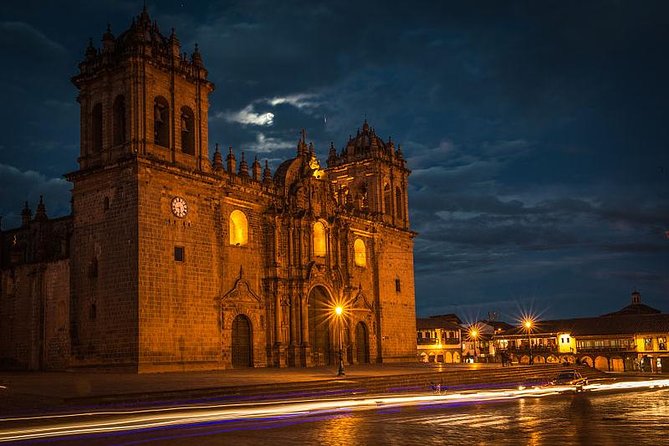
Tambomachay is the last of the four main outer ruins and receives about 25 minutes. Its Spanish nickname is El Baño del Inca, and the site is made up of aqueducts, canals, waterfalls, and terraces cut into the rocks.
Water is the focus. The flowing channels show the Inca skill at directing water through carefully built stone features. Compared with Sacsayhuaman, Tambomachay feels quieter and more intimate, though the exact experience depends on the day’s pace and conditions.
This is also the point where you may notice the altitude and walking effort. The tour does not require a long trek according to the supplied experience details, but you should still dress for the season, carry a camera, and keep water close. Snacks are provided, which is a small but useful touch during a busy half-day.
The optional textile factory stop
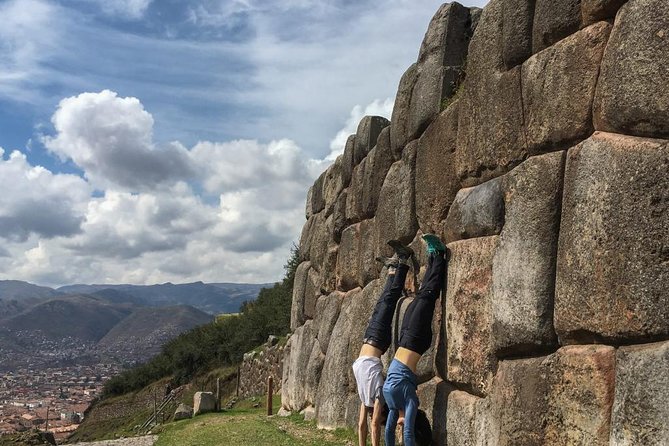
A textile factory visit is available at no additional charge. The exact timing is not guaranteed, so treat it as an optional addition rather than one of the core archaeological stops.
Several experiences also included a visit connected with alpaca and llama products, along with explanations of traditional fiber crafts. If this interests you, ask the guide early in the tour how much time is available and what the stop will involve.
This can add a human and present-day side to a schedule focused heavily on ancient stones. It may also be useful if you want to understand how Peruvian textiles are made and sold. On the other hand, if your priority is more time at the ruins, you may prefer to keep the schedule focused.
Guide quality matters more than the route
The route is strong, but the guide will shape your day. Alfredo was praised for clear history explanations, good English, humor, and patience with photographs. Patricia received especially warm praise for connecting historical facts with her own experience as a Cusqueña.
Ruben was described as friendly, safe, and well organized, with a strong grasp of Cusco’s history and culture. Soledad was praised for patience and thorough explanations, and one person appreciated the Peruvian snack she brought along. Stephanie and Victor also received strong comments for their warmth and knowledge.
These details matter because four hours can either feel rushed or full. A guide who explains the links between sites turns the schedule into one story. A guide who only names the buildings may leave you with a set of photographs and scattered facts.
The service is offered in English or Spanish. Most feedback about the guides is very positive, but one person found the English less fluent than hoped. I would confirm your preferred language and be ready to ask for clarification if a historical point is unclear.
Timing, walking, and altitude
Four hours is enough for a broad introduction, not a slow archaeological study. Each stop has a short planned visit, with the longest scheduled time at Sacsayhuaman and Tambomachay.
The private vehicle reduces wasted time between the outer ruins. Hotel pickup and drop-off also simplify the day, especially if you are staying in central Cusco and are still learning the streets.
You should expect a mix of sitting in the vehicle and walking at the sites. Several people found the walking manageable, including someone experiencing altitude sickness, but that does not mean the tour will feel easy for everyone. Cusco’s altitude affects people differently. If you have just arrived, tell the guide how you feel and use the private format to request a slower pace.
Bring a camera, dress for the season, and wear comfortable shoes. Service animals are allowed, and most people can participate, but the tour includes archaeological sites with uneven surfaces. The minimum age is two.
What the price includes and excludes
The $87 price per person includes:
- Private English or Spanish-speaking guide
- Private vehicle
- Hotel pickup and drop-off
- Snacks
The listed extra charges are:
- Sacsayhuaman: PEN 70 per person
- Cusco Cathedral: PEN 40 per person
- Qorikancha: PEN 15 per person
That adds up to PEN 125 per person if you enter all three paid sites. The Plaza de Armas admission is included, although the square itself is an open public space.
For a solo person, the price may feel high compared with joining a shared city tour. For two or more people, the private vehicle and flexible pacing improve the value. I would book it for convenience and context, not simply because it is the lowest-cost option.
Who should book this tour?
I would choose this tour if you have limited time in Cusco and want to see the main nearby Inca sites in one organized outing. It also works well as an early visit before Machu Picchu, Ollantaytambo, Pisac, or other archaeological sites because the guide can introduce building styles, religion, road systems, and Spanish influence.
It suits couples, families, and solo visitors who prefer a private guide. Families in particular may appreciate the ability to adjust the pace, stop for pictures, or skip an interior visit if children are tired.
I would think twice if you want long, quiet visits at each ruin. Seven stops in four hours is a lot. You will see the highlights, but you will not have unlimited time for close study or relaxed photography.
The cancellation terms are straightforward: cancel at least 24 hours before the start time for a full refund. The activity requires good weather, and a weather cancellation brings the choice of another date or a full refund.
Should you book it?
Book this Cusco private tour if you want a well-organized first look at the city and its surrounding Inca sites, especially if private transport and a personal guide matter to you. The strongest value comes from the guides, the efficient route, and the ability to adjust the pace for your group.
Before paying, add PEN 125 per person for the three listed paid entrances, confirm your language preference, and decide if the optional textile stop interests you. If you want a broad, useful introduction rather than a slow ruin-by-ruin study, this is a sensible half-day choice.
FAQ
How long does the Cusco private tour last?
The tour lasts approximately four hours.
What sites are included on the tour?
The route includes Sacsayhuaman, the Plaza de Armas, Cusco Cathedral, Qorikancha, Puka Pukara, Q’enqo, and Tambomachay.
Is the tour private?
Yes. Only your group participates in the private activity.
Is hotel pickup and drop-off included?
Yes. Hotel pickup and drop-off are included.
Is transportation included?
Yes. Transport is provided by private vehicle.
Is a guide included?
Yes. The tour includes a private English or Spanish-speaking guide.
Are entrance fees included?
Some are not included. Sacsayhuaman costs PEN 70, Cusco Cathedral costs PEN 40, and Qorikancha costs PEN 15 per person. Plaza de Armas admission is listed as included.
Are snacks provided?
Yes. Snacks are included.
Can I visit a textile factory?
Yes. An optional textile factory visit is available at no additional charge.
What happens if bad weather cancels the tour?
You will be offered a different date or a full refund if the experience is canceled because of poor weather.
Added recently around Cusco
- Guided tour of the mountain of colors in Cusco★ 5.0 · 11 reviews
- 2-Day Private Short Inca Trail to Machu Picchu★ 5.0 · 15 reviews
- City Tour Cusco – Group★ 5.0 · 4 reviews
- Tour Sacred Valley with Maras and Moray★ 5.0 · 15 reviews
- San Pedro Market Tour with Peruvian Cooking Class★ 5.0 · 31 reviews
- Walking Culinary Experience★ 5.0 · 41 reviews
- City Tour in Cusco★ 4.5 · 10 reviews
- One Day Tour to Humantay Lagoon★ 5.0 · 8 reviews
Inca Ruins & Archaeological Sites, compared.
Half-Day City Tour with Sacsayhuaman and Q’enco
Read our review →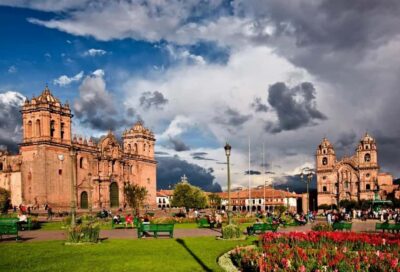
City Tour Cusco Qoricancha Sacsayhuaman y Tambomachay
Read our review →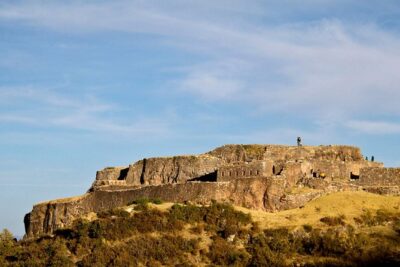
Pachacamac Ruins & Barranco Half-Day Guided Tour
Read our review →
Pre Inca Temple of Pachacamac Half-Day Tour from Lima
Read our review →
Tour to the Archaeological Sanctuary of Pachacamac (small group)
Read our review →
From Pyramids & Bohemian Streets: Lima Miraflores & Barranco Tour
Read our review →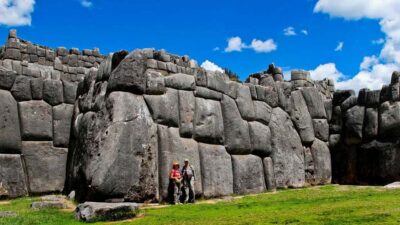
City Tour | Half-Day Tour to 4 Archaeological Sites
Read our review →Browse the lists this tour appears in