Reviewed · INCA RUINS & ARCHAEOLOGICAL SITES
Cusco: Historical Guided City Tour with 4 Inca Ruins
Cusco’s best first lesson is outdoors. This six-hour tour links Sacsayhuaman, Qenqo, Puka Pukara, and Tambomachay with Qoricancha, giving you a quick, useful introduction to the Inca capital. I like the efficient route and the chance to reach sites that are too far uphill for a comfortable first-day walk. I also like the strong guide emphasis, with English and Spanish tours and guides such as Luis, Alfredo, Romulo, and Hyame praised for clear explanations and thoughtful answers. The main catch is that entrance fees are extra, so the $23 price is not your final cost.
You can choose a morning or afternoon schedule, and some options include the Cathedral of Cusco. I especially like this flexibility if you have only half a day before a trek or another major excursion. Just remember that Cusco sits high, and the tour moves through several outdoor sites, so comfortable shoes, water, sunscreen, and rain gear matter more than stylish clothes.
In This Review
- Key points to know before you book
- Why this Cusco tour works as a first introduction
- Qoricancha: beginning with the Temple of the Sun
- Sacsayhuaman and the giant stones above Cusco
- Qenqo: ceremony, stonework, and a forest stop
- Puka Pukara, the Red Fortress on the road
- Tambomachay and the Inca water system
- Choosing morning, afternoon, or the Cathedral option
- Transport, pickup, and the practical details
- What the $23 really buys you
- Who should book this half-day route?
- Should you book the Cusco historical city tour?
- FAQ
- How long does the Cusco city tour last?
- Which Inca sites are included?
- Is hotel pickup included?
- Are entrance tickets included in the $23 price?
- Is the tour offered in English?
- What should I bring?
Key points to know before you book
- Four major Inca sites in one half-day: Sacsayhuaman, Qenqo, Puka Pukara, and Tambomachay form the core of the route.
- Qoricancha adds a city-center highlight: The former Temple of the Sun helps explain the religious importance of Cusco.
- Guides are the biggest strength: English-speaking guides have been praised for clear history, archaeology, myths, and answers to questions.
- The $23 price covers the basics: Transport and guiding are included, but site tickets and some museum access cost extra.
- Morning and afternoon options are available: Morning tours finish around 2:30 p.m.; the afternoon version ends around 6 to 6:30 p.m.
- You need your passport for the tourist card: Access to the Inca sites requires the Cusco Tourist Card, purchased in person.
Why this Cusco tour works as a first introduction
Cusco can feel like several destinations packed into one city. Spanish colonial churches sit on Inca foundations, narrow streets climb into the hills, and major ruins spread beyond the historic center. If you try to sort it all out alone on your first morning, you may spend more time finding transport than understanding what you are seeing.
This tour gives you a broad first look. You begin with Qoricancha in central Cusco, then ride into the hills for four archaeological sites. That order matters. Qoricancha introduces the Inca religious world, while Sacsayhuaman and the other sites show military planning, ceremony, water use, and control of the roads around the city.
I like tours that give you a framework before you tackle bigger trips in Peru. After six hours, you will not know every detail of Cusco, but you should have a clearer sense of how the Inca capital functioned. You also get views over the city and the surrounding Andean countryside without spending a full day on a distant excursion.
The price is attractive for anyone watching a Peru budget. At $23 per person, you are mainly paying for transport, a professional accredited guide, and a well-packed route. The additional entrance costs are important, though. The archaeological sites require a tourist ticket listed at 70 soles, Qoricancha costs 15 soles, and the Cathedral costs 50 soles if that stop is part of your selected option.
More City Tours in Cusco
- Cusco: Half-Day City Tour with Sacsayhuaman and Q’enco
★ 4.6 · 1,129 reviews - City Tour Cusco Qoricancha Sacsayhuaman y Tambomachay
★ 4.7 · 617 reviews - Cusco City Tour Four Ruins in Half-Day
★ 5.0 · 530 reviews
Qoricancha: beginning with the Temple of the Sun
The morning route begins at Qoricancha at about 8:55 a.m. Some other departures collect you from a hotel near the Plaza de Armas between roughly 8:35 and 9 a.m. The afternoon version meets at the entrance to the Cathedral around noon, then visits the Cathedral and Qoricancha before heading uphill.
Qoricancha, also written Koricancha or Qorikancha, was the most important Inca religious complex in Cusco. Its Spanish name, Temple of the Sun, points to its central role in Inca worship. The site is especially useful at the start because your guide can explain the religious and political meaning of the city before you see the larger stonework outside town.
Allow about an hour here. The visit is not just a quick photo stop, and that is a good thing. The guide-led explanation helps connect the building to the wider Inca Empire, including the way later Spanish construction changed the site.
If you choose an option that includes Qoricancha, budget for the 15 soles admission fee. It is not included in the advertised tour price. You should also check the exact schedule when booking, since the three tour choices do not follow the same route or starting point.
Sacsayhuaman and the giant stones above Cusco
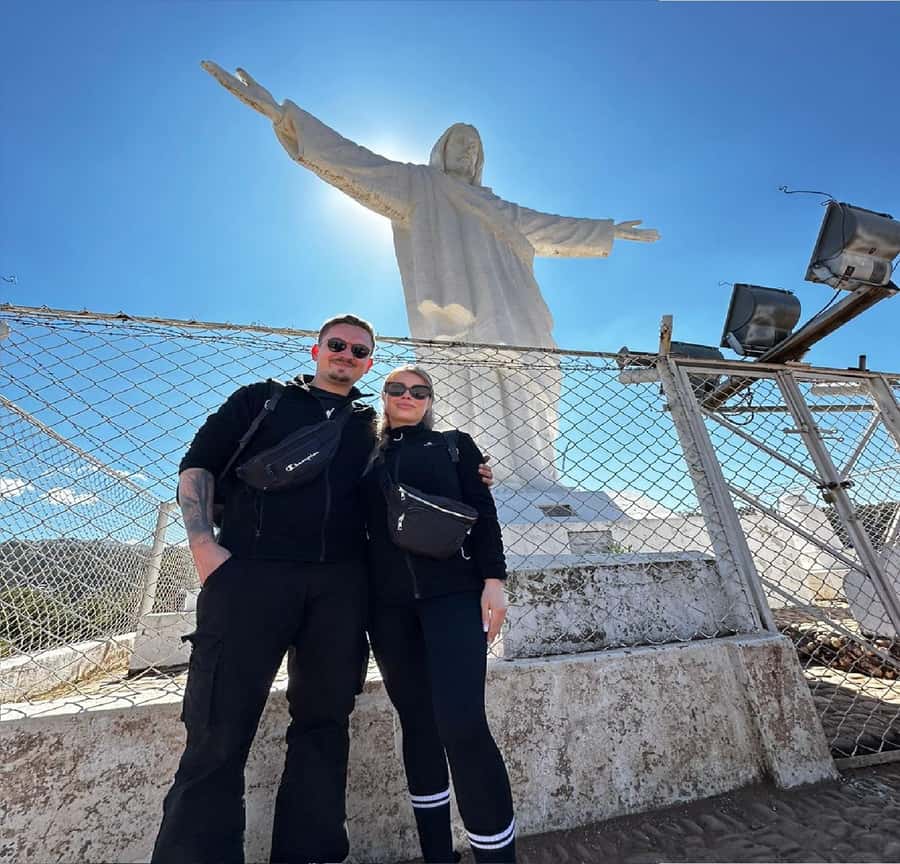
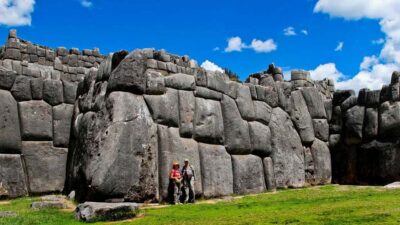
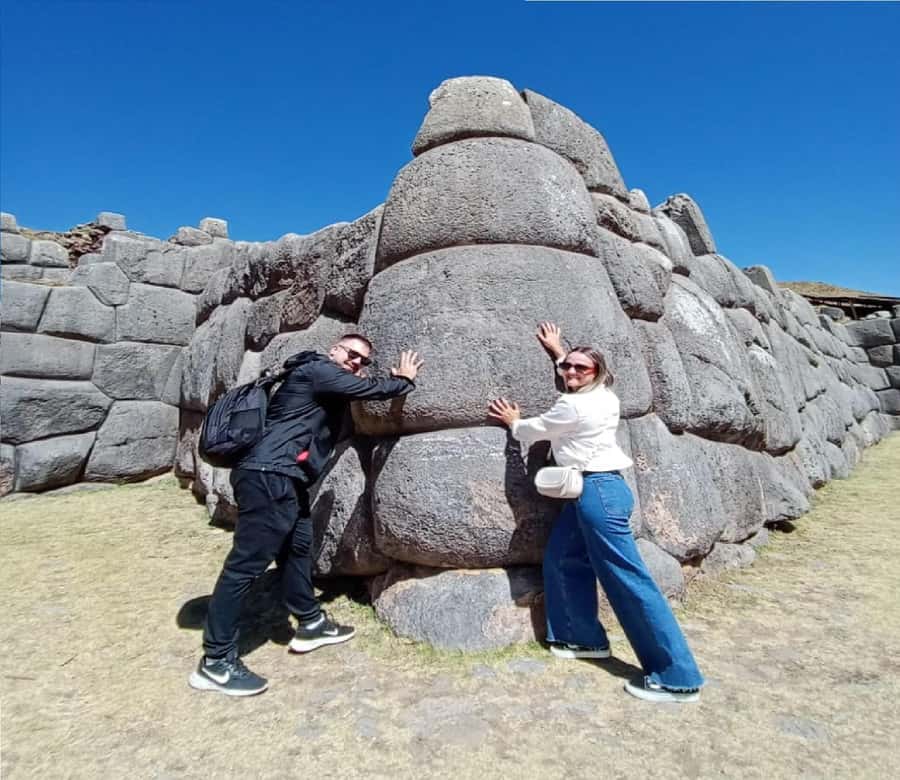
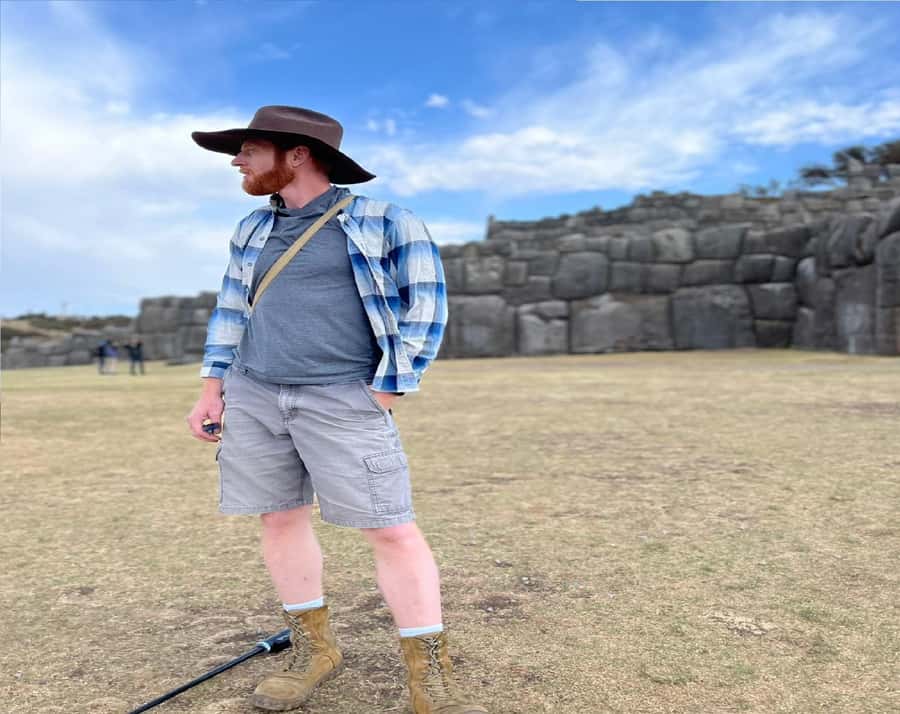
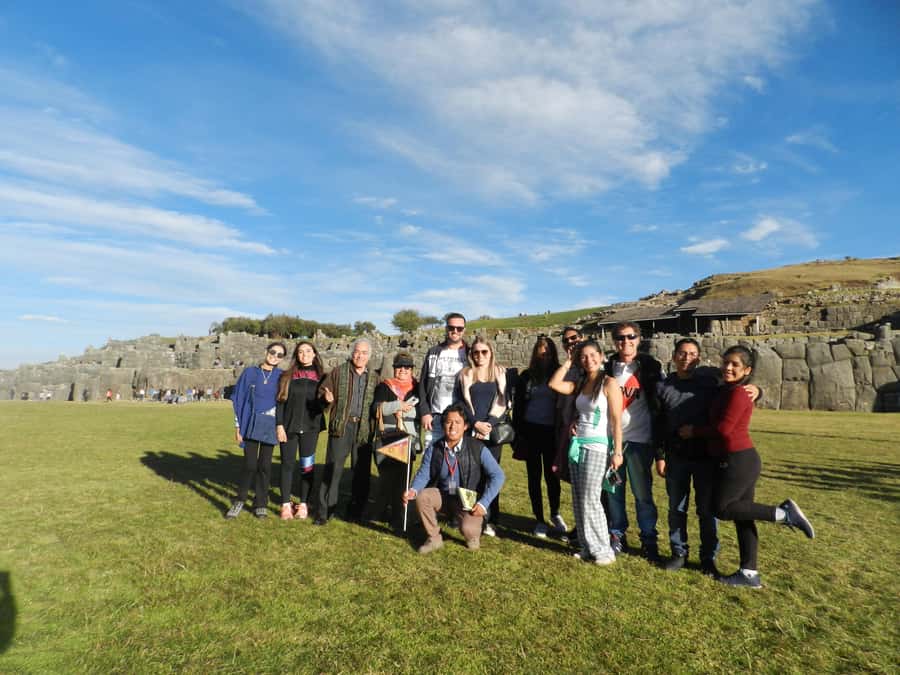
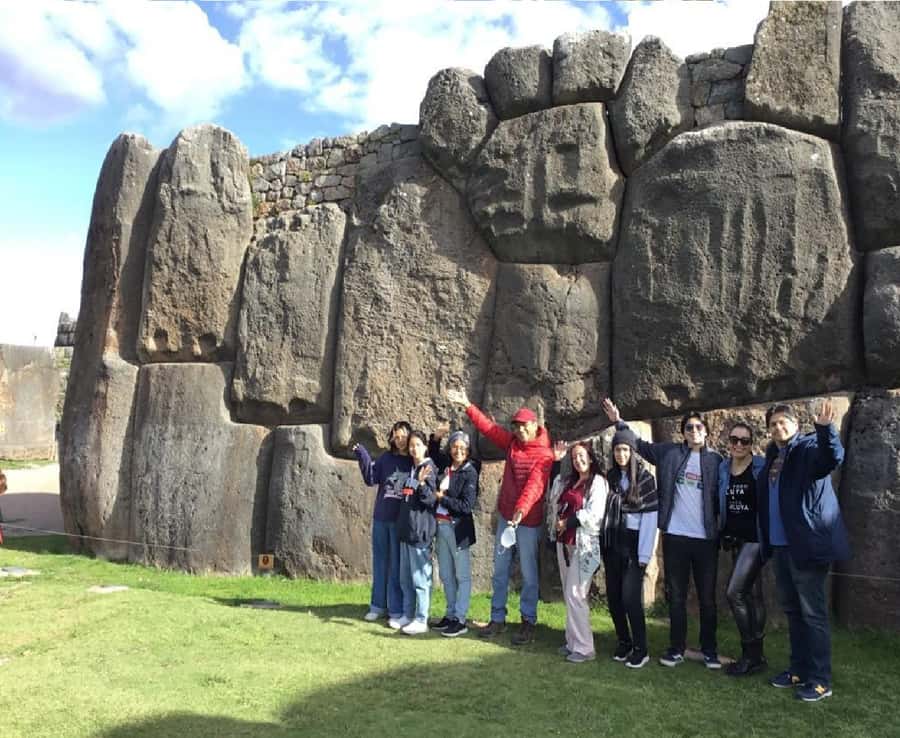
From Qoricancha, the vehicle takes you to Sacsayhuaman, the largest and most dramatic archaeological site on this city tour. The name is commonly translated as puma head, a reference to the traditional shape of Cusco as a puma. The site’s huge stones are the main event, with some blocks described as weighing more than 100 tons and reaching roughly four to six meters in height.
This is where a good guide earns the fee. The stones can look almost unreal when you first see them, but the visit becomes more useful when someone explains the site’s role as an Inca military fortress and discusses the construction. Guides on this route have used additional pictures, comparisons between fact and myth, and questions from the group to make the ruins easier to understand.
Plan on about an hour and a half here. That gives you time to listen, walk around, and take photographs, though the exact pace depends on the group and the guide. The scale can be hard to grasp from one viewpoint, so keep your camera ready, but do not let the photo stop replace the explanation.
Sacsayhuaman is also a good place to notice the physical demands of the day. The site is above central Cusco, and you are walking outdoors at altitude. If you have just arrived in Peru, move slowly and keep water close. The tour saves you the uphill transport, but it cannot remove the effects of altitude.
Qenqo: ceremony, stonework, and a forest stop
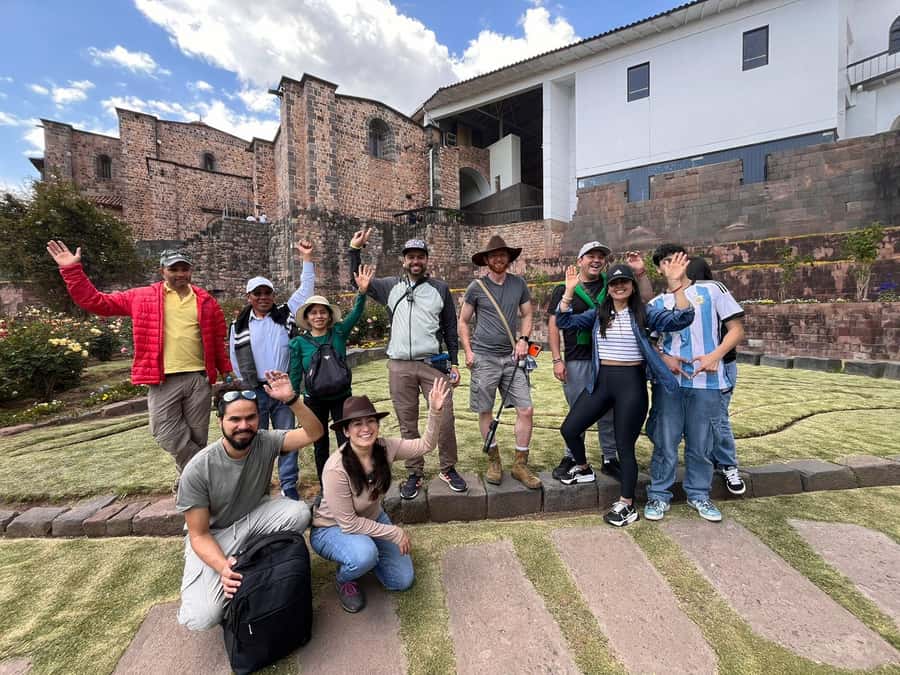
Qenqo comes next. It is described as a ceremonial center and an ancient place connected with mummification. Some explanations also link the site to sacrifices to the Sun God. This is one of the stops where the guide’s interpretation matters, because the surviving stone features do not explain themselves at a glance.
The visit is listed at about an hour and a half, although the whole day is built around several stops, so do not assume you will receive a private, unhurried archaeological study. You will see the complex, hear its possible uses, and have time for photographs.
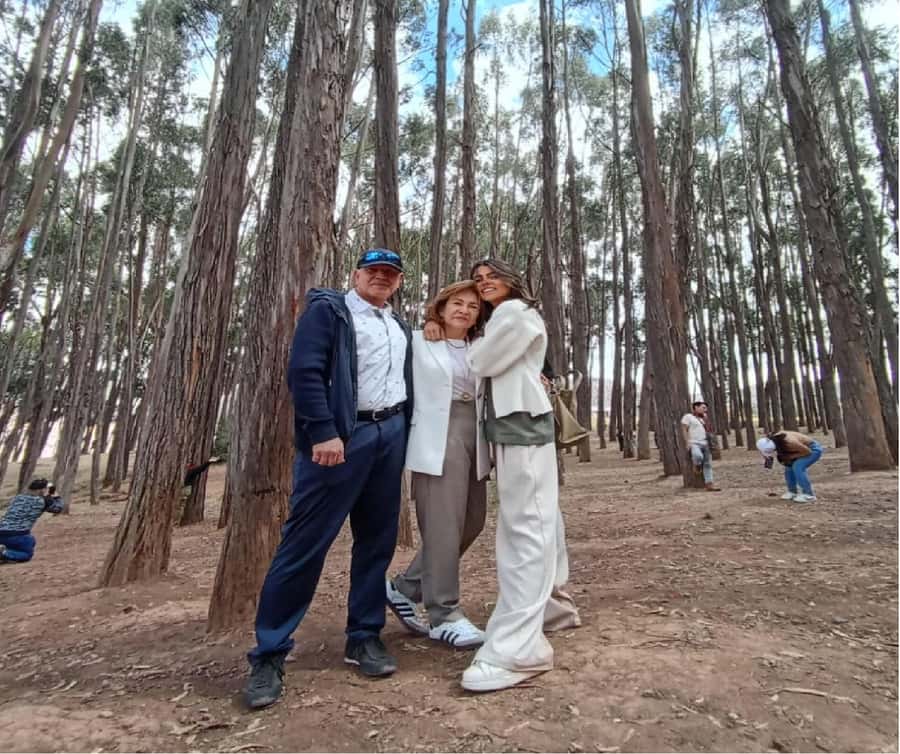
The nearby eucalyptus forest adds a lighter pause between ruins. It is included as a photo opportunity, and the route descriptions make clear that you will stop there for pictures. I would treat it as a pleasant break rather than a major attraction. It gives you a different setting and a chance to reset before the next site.
The precise interpretation of Qenqo can include both established facts and traditional stories. One of the appealing details from the guiding style on this tour is the effort to separate real evidence from myth while still explaining why the stories remain part of Cusco’s cultural memory. Ask questions if that distinction interests you.
More Historical Tours in Cusco
- Cusco: Historic Walking Tour with Pisco Sour and Local Music
★ 5.0 · 190 reviews - Cusco Highlights Walking Tour: History, Culture, Traditions
★ 4.9 · 72 reviews - Cusco: Historic Walking Tour with Pisco Sour and Music Show
★ 4.6 · 65 reviews - Pisco Sour Secrets: Hands-On Mixology in Historic Cusco
★ 4.5 · 50 reviews
Puka Pukara, the Red Fortress on the road
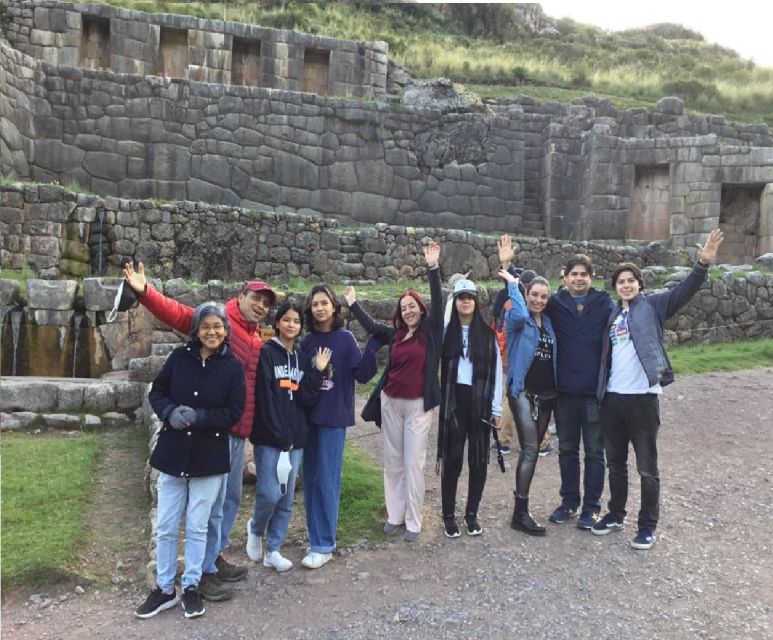
Puka Pukara is often called the Red Fortress because of the color of the stones. It served as a surveillance and control point above Cusco, helping monitor access to the Inca capital. Its position gives the stop a practical meaning: you are not simply looking at another group of old walls, but at part of a wider system that watched movement through the surrounding routes.
The site also offers broad Andean views. That makes Puka Pukara one of the more scenic stops, especially if the weather is clear. Bring your camera, but also bring a layer or rain gear. Cusco weather can change, and the tour information specifically recommends protection from rain.
You may find this stop less imposing than Sacsayhuaman. That is not a fault. Its value is in the setting and the way it helps you see how the Incas organized territory around Cusco. A guide who explains the site’s position and purpose turns a small ruin into part of a much larger plan.
Tambomachay and the Inca water system
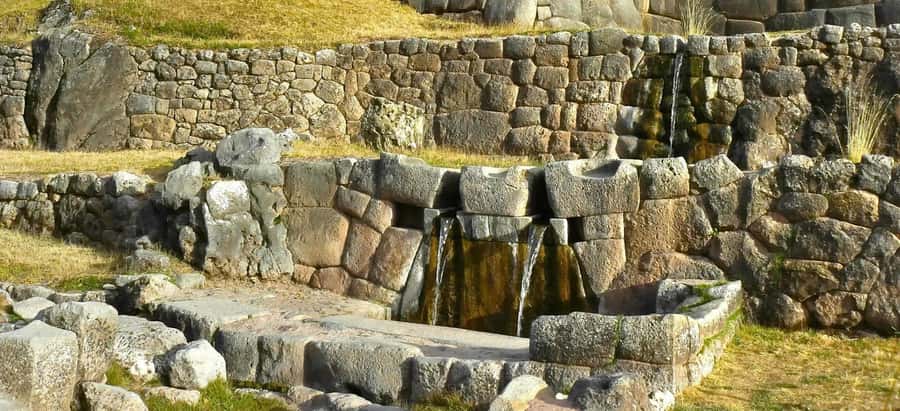
Tambomachay is the final ruin on the standard route. It is known as the Temple of Water, with fountains and channels that remain the main attraction. After the massive stones at Sacsayhuaman and the ceremonial setting at Qenqo, Tambomachay offers a different kind of Inca achievement.
The water features are the reason to pay attention here. Rather than focusing only on size, you can look at how carefully the site was arranged around flowing water. The tour allows time for a guided visit and photographs, though the exact stop length can vary.
This is a fitting final site because it leaves you with more than the familiar image of Inca walls. The route has shown you religion, defense, ceremony, surveillance, and water. You then return toward central Cusco with a better sense of how these sites related to the city.
Choosing morning, afternoon, or the Cathedral option
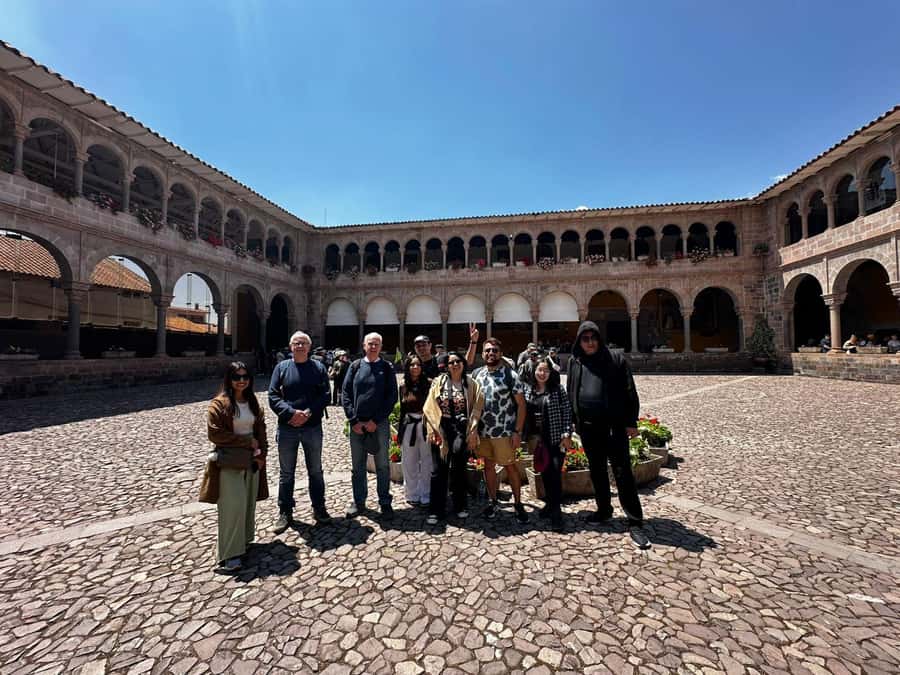
The morning city tour is the clearest choice if you want the ruins finished early. One version begins at Qoricancha at 8:55 a.m. and ends near the Plaza de Armas at about 2:30 p.m., on Calle Plateros. Another morning option includes hotel pickup between 8:35 and 9 a.m. and follows the same general route.
This timing leaves your afternoon open for lunch, a museum, or a relaxed walk through central Cusco. It also makes sense if you have a late-day train, although you should allow extra time rather than treating the stated finish as a guarantee.
The afternoon option meets at the Cathedral entrance around noon and ends near the main square between 6 and 6:30 p.m. It includes the Cathedral, Qoricancha, and the four archaeological sites. Choose this version if your morning is occupied or if you prefer to start slowly after arriving in Cusco.
The Cathedral visit is not automatic in every version. If you want to go inside, ask about availability and confirm that your chosen option includes it. Admission is listed at 50 soles, separate from the tour fee. The Cathedral offers a colonial and Cusco School art perspective, so it adds a useful contrast to the Inca ruins, but it also makes the day longer.
Transport, pickup, and the practical details
Hotel pickup is available for many hotels close to the Plaza de Armas. The published pickup list includes central properties such as Novotel Cusco, Casa Andina Premium Cusco, JW Marriott El Convento Cusco, Selina Plaza de Armas, Sonesta Hotel Cusco, and many hostels and smaller hotels.
If your accommodation is not on the pickup list, you may need to reach the stated meeting point. The tour finishes near the Plaza de Armas, usually on or near Calle Plateros, rather than returning you directly to your hotel. That is convenient for lunch and further sightseeing, but plan your walk back if you are staying uphill in San Blas.
Tourist transport is included for all options. This is one of the tour’s strongest practical advantages. The four ruins are spread around the hills beyond the central streets, and arranging separate taxis would add time and cost. The transport also helps if you are still adjusting to Cusco’s altitude.
The group size is not provided, so you should not assume a small private outing. The guide speaks English or Spanish, and several English-language participants have praised clear speech and strong answers. Alfredo was noted for switching between English and Spanish, while Luis was praised for checking that everyone understood and leaving time for questions and photographs.
What the $23 really buys you
At $23, this is good value if you want transport and a guide without paying for a private tour. You receive a six-hour route, an accredited guide, hotel pickup on eligible options, transport, and guided visits to the main ruins.
The extra fees can change your total budget:
- Archaeological site ticket: 70 soles
- Qoricancha: 15 soles
- Cusco Cathedral: 50 soles, if included and available
- Other costs: not included
Access to the Inca sites requires the Cusco Tourist Card, purchased in person with your passport. Children under nine can receive the card free with a passport, according to the tour information. Carry cash, since the guidance specifically recommends it.
Free cancellation up to 24 hours before departure and the option to reserve without paying immediately make this easier to fit into a changing Peru itinerary. Those terms are useful if your arrival time or altitude adjustment plans are uncertain.
Who should book this half-day route?
I would recommend this tour to a first-time Cusco visitor who wants the main nearby ruins explained in one organized outing. It is particularly useful if you have only a few hours before a Machu Picchu trek, as one participant used it to see sites that would have been difficult to reach on foot while adjusting to the altitude.
It also suits you if history makes more sense when someone places the buildings in context. The best guide experiences on this route include archaeology, culture, Inca history, myths, and visual aids rather than a string of dates.
I would think twice if you want a very slow visit at each ruin, a private pace, or extensive time for independent photography. Six hours covers a lot, and the route includes four separate archaeological sites plus Qoricancha, with the Cathedral added on some options.
Bring your passport or ID, comfortable shoes, water, sunscreen, a camera, cash, and rain gear. Alcohol is not allowed in the vehicle, and bicycles, drugs, and explosive substances are prohibited. The tour is not suitable for people over 95 years old.
Should you book the Cusco historical city tour?
Book it if you want a practical first-day overview, reliable transport to four major ruins, and a guide who can turn impressive stones into understandable history. The price is fair even after the added admissions, provided you know those fees are coming.
Choose the morning version for the cleanest schedule and an early finish. Choose the afternoon version if you want the Cathedral included and prefer a later start. I would confirm the exact meeting point, Cathedral availability, and required tourist ticket before paying.
This is not the final word on Cusco, and it is not meant to be. It is a well-packed introduction that can give your later walks, museum visits, and Sacred Valley plans more meaning.
FAQ
How long does the Cusco city tour last?
The tour lasts about six hours. Morning options finish at approximately 2:30 p.m., while the afternoon option ends around 6 to 6:30 p.m.
Which Inca sites are included?
The route includes Sacsayhuaman, Qenqo, Puka Pukara, and Tambomachay. Qoricancha is also included in the listed city tour options.
Is hotel pickup included?
Hotel pickup is available for the morning options from hotels close to Cusco’s main square. You should wait in your hotel lobby and confirm that your accommodation is within the pickup area.
Are entrance tickets included in the $23 price?
No. The archaeological zones require a 70 soles ticket, Qoricancha costs 15 soles, and the Cathedral costs 50 soles when that visit is available and included in your selected option.
Is the tour offered in English?
Yes. The tour is available in English and Spanish with a live guide.
What should I bring?
Bring your passport or ID card, comfortable shoes, water, sunscreen, a camera, rain gear, and cash. Access to the Inca sites requires the Cusco Tourist Card, which is purchased in person with your passport.
More Ruins and Archaeology near Cusco
- Sacsayhuaman Temple, Tambomachay and Puca Pucara Half-Day Tour
★ 4.5 · 59 reviews - Private Cusco City Tour with Sacsayhuaman & Inca Sites
★ 5.0 · 52 reviews - Private Ollantaytambo, Pisac Ruins Tour with Farm Visit, Gourmet Picnic Lunch
★ 5.0 · 52 reviews - Cusco City Tour with Sacsayhuaman & Inca Sites – Small Group
★ 5.0 · 48 reviews
More Ruins & Archaeology Tours in Cusco
- Cusco: City Tour | Half-Day Tour to 4 Archaeological Sites
★ 4.6 · 206 reviews - Cusco City Sightseeing and Sacsayhuaman Archeological Park Tour
★ 4.5 · 101 reviews - Cusco 4-Hour Private Tour Including Sacsayhuaman and Qenqo
★ 5.0 · 77 reviews - Cusco: Half-Day City Tour with Sacsayhuaman and Qenqo
★ 4.5 · 77 reviews
Added recently around Cusco
- Guided tour of the mountain of colors in Cusco★ 5.0 · 11 reviews
- 2-Day Private Short Inca Trail to Machu Picchu★ 5.0 · 15 reviews
- City Tour Cusco – Group★ 5.0 · 4 reviews
- Tour Sacred Valley with Maras and Moray★ 5.0 · 15 reviews
- San Pedro Market Tour with Peruvian Cooking Class★ 5.0 · 31 reviews
- Walking Culinary Experience★ 5.0 · 41 reviews
- City Tour in Cusco★ 4.5 · 10 reviews
- One Day Tour to Humantay Lagoon★ 5.0 · 8 reviews
Inca Ruins & Archaeological Sites, compared.
Half-Day City Tour with Sacsayhuaman and Q’enco
Read our review →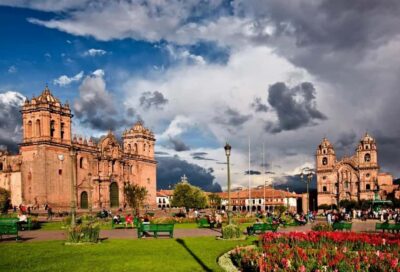
City Tour Cusco Qoricancha Sacsayhuaman y Tambomachay
Read our review →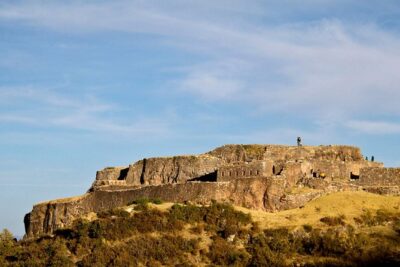
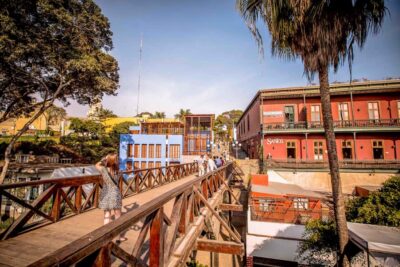
Pachacamac Ruins & Barranco Half-Day Guided Tour
Read our review →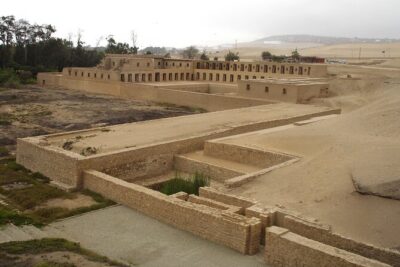
Pre Inca Temple of Pachacamac Half-Day Tour from Lima
Read our review →
Tour to the Archaeological Sanctuary of Pachacamac (small group)
Read our review →
From Pyramids & Bohemian Streets: Lima Miraflores & Barranco Tour
Read our review →