
Reviewed · INCA RUINS & ARCHAEOLOGICAL SITES
Cusco: Archaeological Park Morning Tour
Cusco’s hills hold the best surprises. This six-hour morning tour gives you a useful first look at the major Inca sites around town, from the giant stonework of Sacsayhuaman to the water channels at Tambomachay. I especially like the low $13 starting price and the fact that hotel pickup, transport, and a professional guide are included.
I also like the range of places covered in a single outing. You see ceremonial ruins, military remains, underground chambers, and water engineering rather than visiting four versions of the same site. The main drawback is that extra entrance fees add up, and the published route contains some conflicting details, so you should confirm the exact stops before paying.
The tour begins around 8:45 AM and usually returns you to central Cusco between 2:00 and 2:30 PM. It is a good fit if you want an efficient introduction to the Inca sites without arranging a private vehicle, though the schedule may feel brisk at each stop.
In This Review
- Key Points Before You Book
- What the $13 Price Really Covers
- Starting Near the Main Square at 8:45 AM
- Coricancha and the Meaning of the Sun
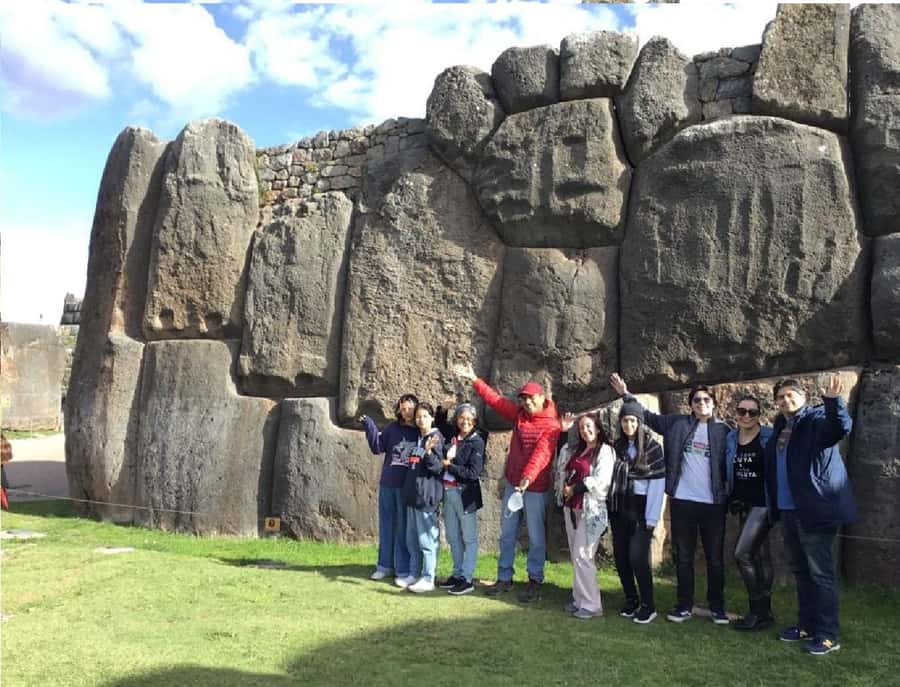
- Sacsayhuaman and Its Immense Stones
- Qenqo’s Underground Galleries and Ritual Setting
- The Eucalyptus Forest Photo Stop
- Puca Pucara, Terraces, and Wide Views
- Tambomachay and Inca Water Engineering
- Transport, Timing, and the Return to Calle Plateros
- The Guide Can Shape the Whole Morning
- What to Bring and Who Will Enjoy It
- Should You Book This Cusco Archaeological Park Tour?
- FAQ
- What time does the tour start?
- How long does the tour last?
- Where can I be picked up?
- What sites does the tour visit?
- Is transportation included?
- Is a guide included?
- How much are the entrance fees?
- What should I bring?
- Can I cancel the reservation?
Key Points Before You Book
- Sacsayhuaman is the visual highlight: Massive fitted stones and broad terraces make this the most impressive stop for many people.
- Qenqo offers a very different experience: Its underground galleries and sacrificial setting feel more enclosed and mysterious than the open ruins.
- The route includes important extra costs: The tourist ticket costs 70 soles, while entry to Koricancha costs another 15 soles.
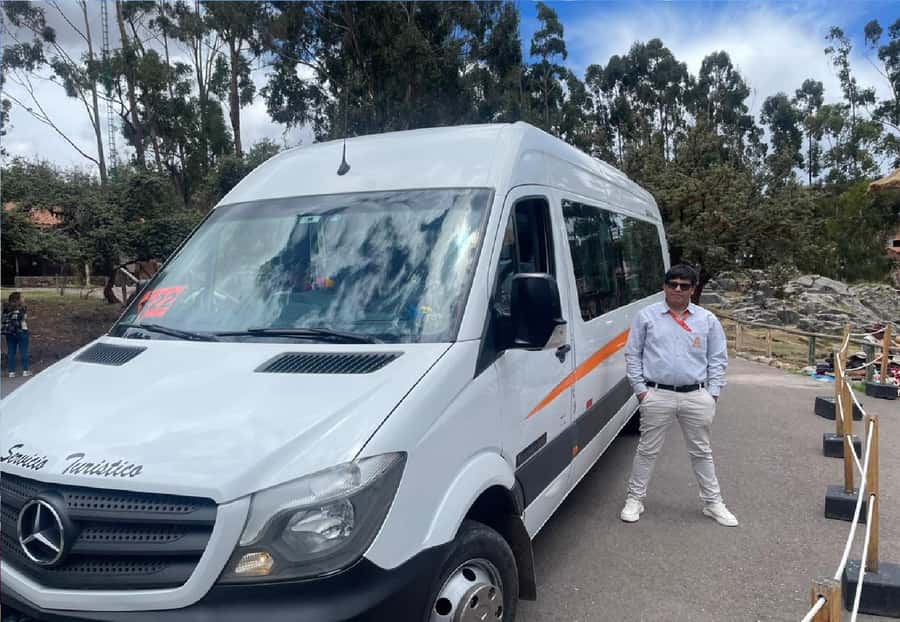
- Central hotel pickup is included: Pickup is available from listed hotels and locations near Cusco’s main square.
- The route needs confirmation: Details describe Sacsayhuaman, Qenqo, Puca Pucara, and Tambomachay, while the detailed schedule also names Koricancha and an eucalyptus forest.
- Guide quality matters: A guide named Willians received especially warm praise, but one account also noted an unwanted sales stop at a llama farm.
What the $13 Price Really Covers
At $13 per person, this is priced as a budget sightseeing tour rather than a full admission package. Your fee covers pickup from a hotel near central Cusco, round-trip transportation, and a live guide in English or Spanish.
The important catch is the tourist ticket, listed at 70 soles. Koricancha, also called the Temple of the Sun, requires a separate 15-sol payment. That means the advertised price is only part of your real cost. Still, even after adding the required admissions, the tour can offer good value if you want transport and commentary without hiring a private guide.
I would compare the total cost before booking. If you already have the necessary tourist ticket, the $13 transport and guiding fee looks appealing. If you need to buy every entrance separately, the outing is no longer a bargain in the strictest sense, but it remains a practical way to cover several sites in one morning.
The low price also means you should keep your expectations sensible. This is a shared coach excursion, not a custom-paced private tour. You may spend less time at each ruin than you would on your own.
More Ruins & Archaeology Tours in Cusco
- Cusco: Half-Day City Tour with Sacsayhuaman and Q’enco
★ 4.6 · 1,129 reviews - City Tour Cusco Qoricancha Sacsayhuaman y Tambomachay
★ 4.7 · 617 reviews - Cusco City Tour Four Ruins in Half-Day
★ 5.0 · 530 reviews
Starting Near the Main Square at 8:45 AM
Pickup is offered from a long list of hotels, hostels, and central meeting points. These include places such as JW Marriott El Convento Cusco, Hotel Aranwa Cusco Boutique, Pariwana Hostel, Plaza de San Blas, Plaza Regocijo, Sonesta Hotel Cusco, and several other properties near the center.
If your hotel is outside the pickup area, you will be given a specific meeting address. Read that instruction carefully. A poorly explained return arrangement caused a real headache for one person, who was dropped well away from the hotel and then had trouble finding the provided address. I would save the meeting point offline and ask the guide to repeat it before the group separates.
The morning start is sensible. Cusco’s archaeological sites can become harder to enjoy later in the day, especially when groups arrive and the high-altitude sun feels strong. Bring water, wear comfortable shoes, and keep your passport or identification with you, since those are listed as required items.
The tour is not suitable for pregnant women, and pets are not allowed. No other mobility details are provided, so you should ask the operator directly if uneven ground or stairs are a concern.
Coricancha and the Meaning of the Sun
The detailed schedule includes a 45-minute guided visit to Coricancha, with transport from the pickup area taking about 20 minutes. Coricancha is an important stop because it connects the city center with the larger archaeological sites above Cusco. The tour description also refers to Inca reverence for the sun, which gives this visit a clear theme.
There is a practical contradiction here. The main route description focuses on Sacsayhuaman, Qenqo, Puca Pucara, and Tambomachay, while the detailed schedule names Coricancha instead of the final two sites and adds the eucalyptus forest. Since Coricancha costs 15 soles separately, ask exactly what your departure includes before you go.
The 45-minute format should give your guide enough time to explain the site without turning the stop into a long lecture. I would pay close attention to how the guide connects the temple to the wider Inca belief system, rather than treating it as just another pile of old stone.
Sacsayhuaman and Its Immense Stones
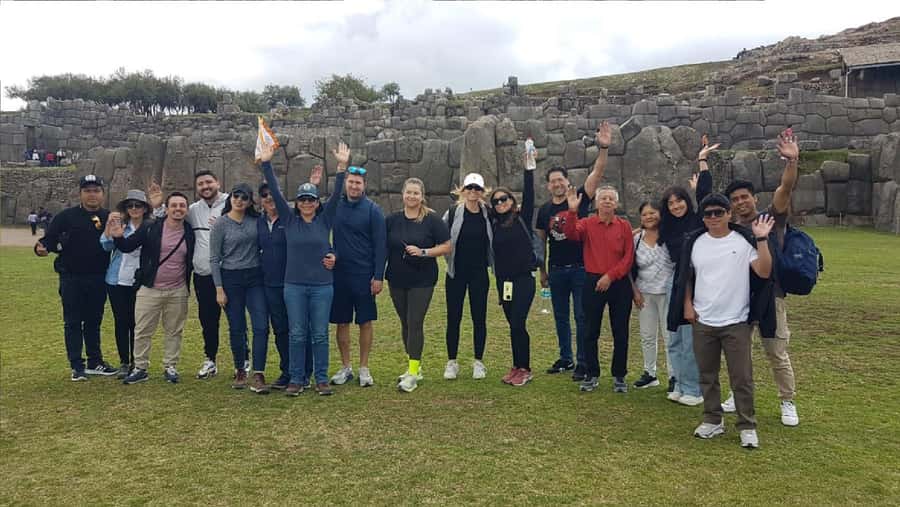
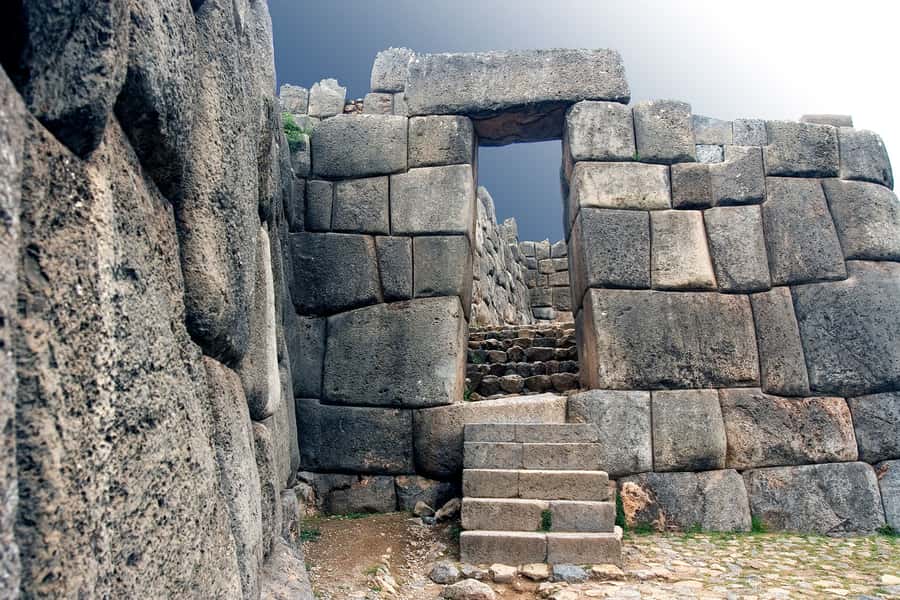
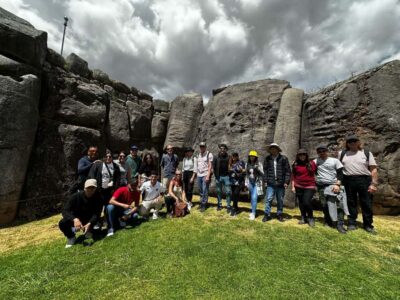
Sacsayhuaman is the stop most likely to make you pause. The site is known here for immense rocks, towers, temples, and broad stone construction linked to Inca respect for the sun and water.
You will have about 45 minutes with a guide. That is long enough to see the major forms and hear the basic story, but probably not enough for a slow, detailed examination of every wall. Keep your camera ready, since the scale of the stones is difficult to grasp until you see people beside them.
This is also where the terrain matters. Comfortable shoes are not a minor suggestion. The site includes terraces, stairways, and uneven archaeological ground, so you will get more from the visit if you are not worrying about your footwear.
I like that Sacsayhuaman comes early in the route. It gives the outing a strong opening and helps you understand why the surrounding Cusco sites matter. The drawback is that a short stop can leave you wanting more. If massive masonry is your main reason for visiting the area, plan separate time for Sacsayhuaman if your schedule allows.
More ruins and archaeology near Cusco:
- Cusco: City Tour | Half-Day Tour to 4 Archaeological Sites
★ 4.6 · 206 reviews - Cusco City Sightseeing and Sacsayhuaman Archeological Park Tour
★ 4.5 · 101 reviews - Cusco: Historical Guided City Tour with 4 Inca Ruins
★ 4.5 · 99 reviews - Cusco: Half-Day City Tour with Sacsayhuaman and Qenqo
★ 4.5 · 77 reviews
Qenqo’s Underground Galleries and Ritual Setting
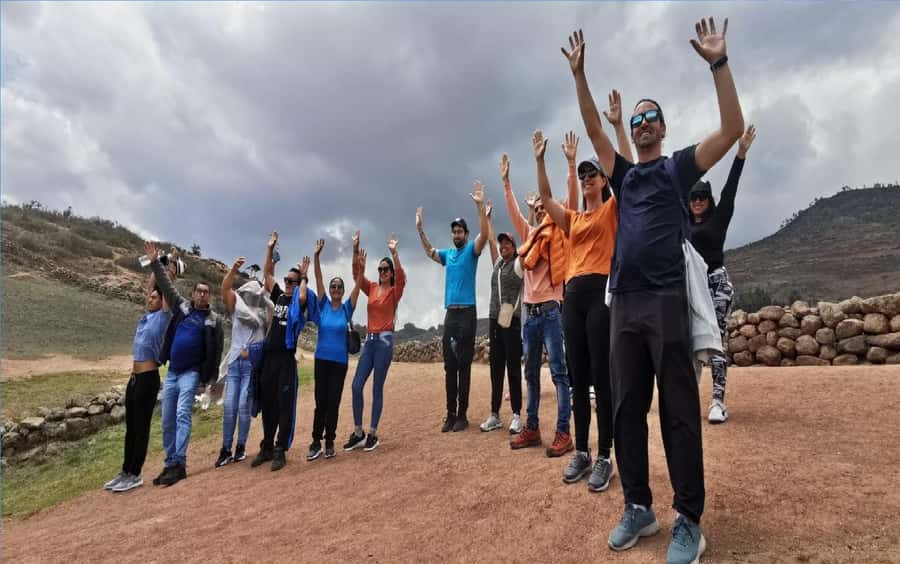
Qenqo offers a sharp contrast to Sacsayhuaman. Instead of open terraces and huge outer walls, you encounter underground galleries arranged like a labyrinth. The tour presents these spaces as connected with sacrifices to the Sun God.
The guided visit lasts about 45 minutes. That matters here because the site’s meaning is not always obvious from the stones alone. A guide can point out how the passages, carved surfaces, and enclosed rooms fit into the ritual setting described for Qenqo.
Keep an open mind about the word temple. The site is presented as a ceremonial place, but the exact use of ancient spaces can be difficult to interpret. A good guide should explain what is known and avoid turning every uncertain detail into a firm claim.
The enclosed galleries may not suit everyone. If you dislike tight spaces, stay aware of the route and tell the guide if you need a moment outside. The supplied information does not give detailed accessibility guidance, so do not assume the stop will be easy for every visitor.
The Eucalyptus Forest Photo Stop
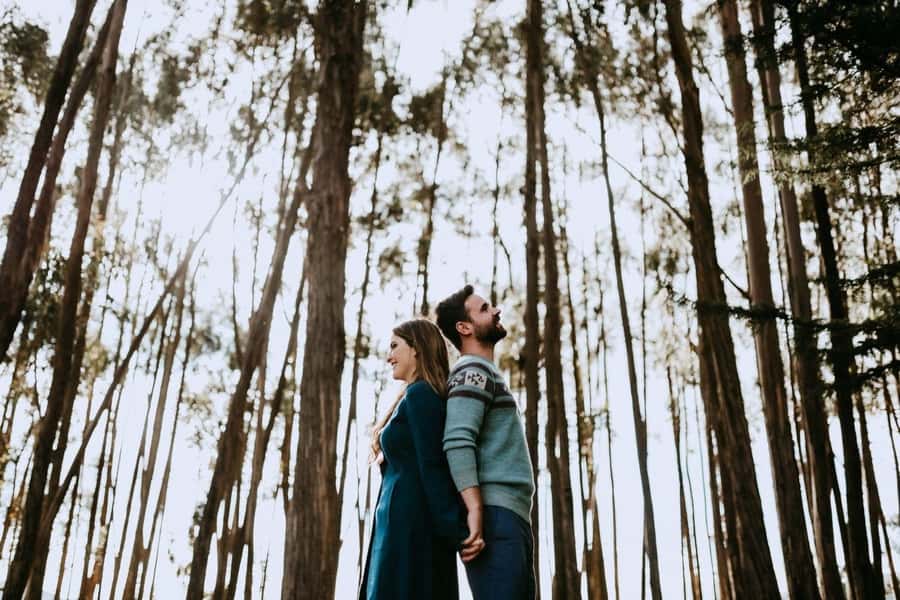
The detailed schedule includes a 35-minute photo stop at the Bosque de Eucaliptos de K’enko, or eucalyptus forest near Qenqo. This is not presented as a major archaeological visit. Think of it as a pause for photographs and a change of pace after the stone chambers.
A 35-minute stop is fairly generous for photos. You may find it useful for taking a breath, organizing your belongings, and letting the group regroup. The forest also gives the tour a more natural setting between ruin visits.
Again, confirm this stop when you book, because the route information also describes Puca Pucara and Tambomachay. The different descriptions may reflect different versions of the outing, but the supplied details do not explain the reason for the mismatch.
Puca Pucara, Terraces, and Wide Views
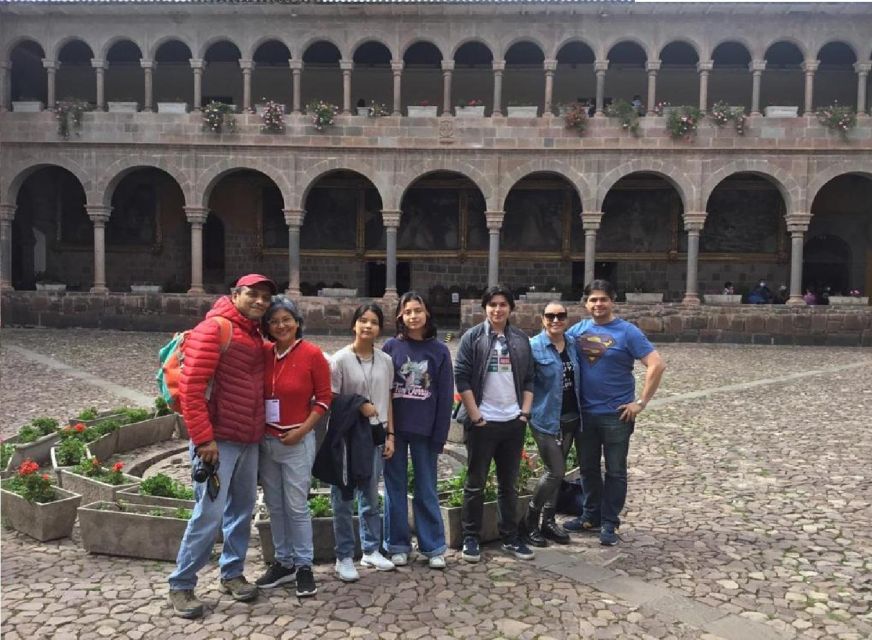
Puca Pucara is described as an Inca surveillance center made up of terraces, staircases, and large walls. Its position gives you attractive views across the surrounding countryside, especially from the watchtowers.
This stop adds a military and communications angle to the morning. After the religious focus of Qenqo, Puca Pucara helps show how the Inca road system and settlements were watched and managed.
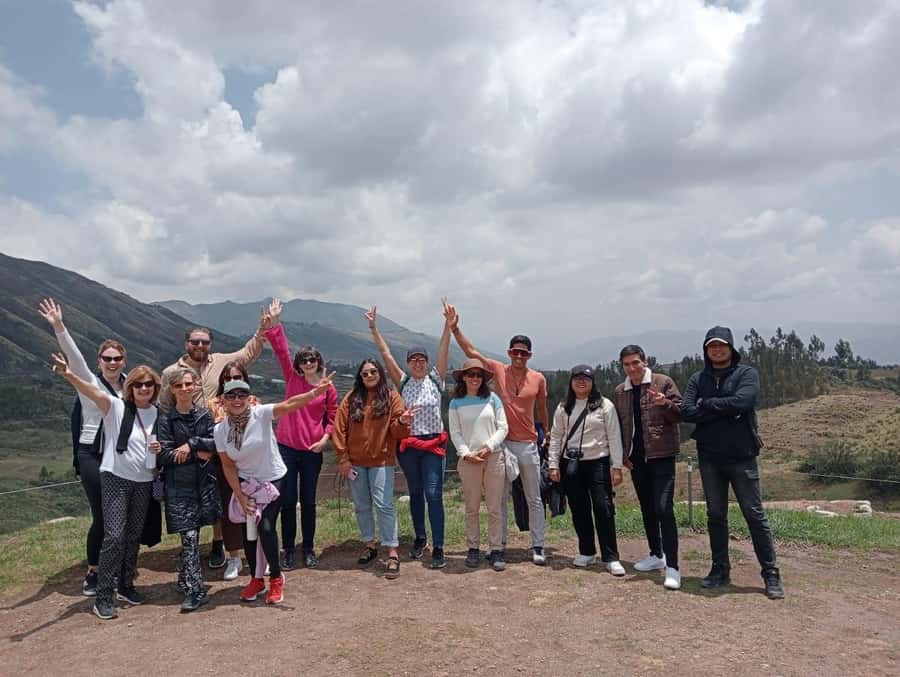
The appeal here is less about one spectacular monument and more about location. You will want a few minutes to look outward, not just at the masonry under your feet. If the day is clear, the views may be one of the most rewarding parts of the visit.
The route description does not state how long the guide spends at Puca Pucara. That is another reason to ask for the exact schedule. A short photo stop and a full guided visit are different experiences.
Tambomachay and Inca Water Engineering
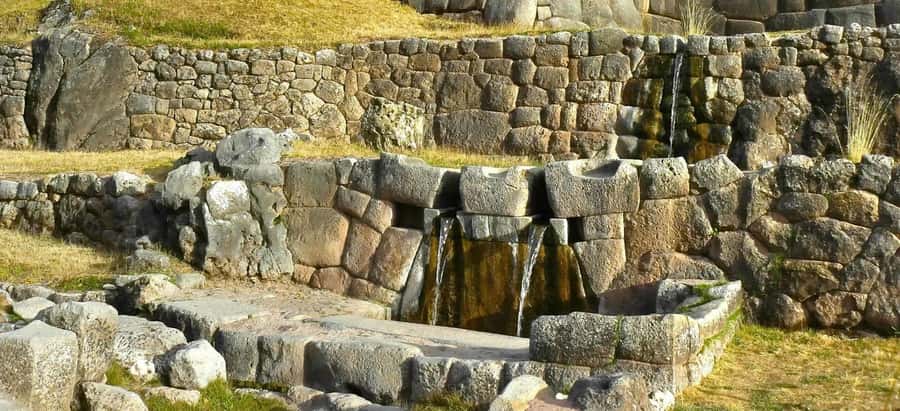
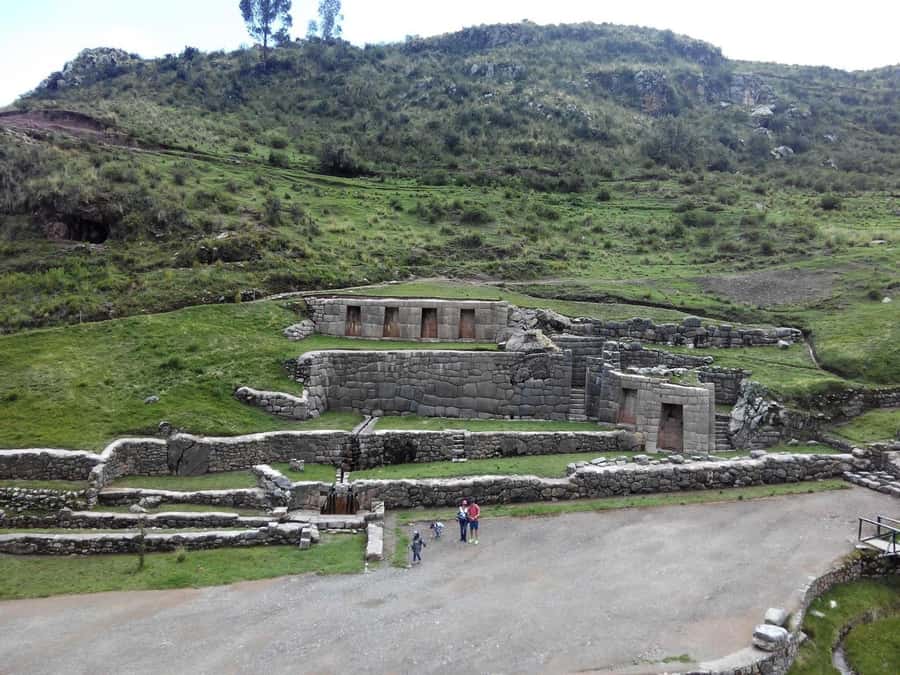
Tambomachay is described as an Inca resting place with aqueducts, waterfalls, and several water gutters. For me, this is one of the most useful stops because it shows a practical side of Inca achievement.
Sacsayhuaman impresses through size, while Tambomachay makes you look closely. Water is directed through carefully built channels, and the site gives the guide a chance to explain Inca hydraulic engineering. You may find the quieter scale refreshing after the larger ruins.
The description calls Tambomachay the final stop before returning to Cusco, with arrival around 2:00 to 2:30 PM. But the detailed schedule ends with Calle Plateros after the eucalyptus forest and does not list Tambomachay. Treat the route as unconfirmed until the operator tells you which sites your specific departure visits.
That uncertainty is the biggest planning issue with this experience. You should not assume that every location in the general description will appear in the exact order, or even on every version of the tour.
Transport, Timing, and the Return to Calle Plateros
The ride from the pickup area to the archaeological zone is listed at about 20 minutes. Round-trip transportation is included, which saves you the trouble of arranging taxis between several hilltop sites.
The outing lasts six hours, so you should expect most of your morning and part of the early afternoon to be occupied. Returning to central Cusco between 2:00 and 2:30 PM leaves time for a late lunch, but do not schedule a tight afternoon connection until you know the actual drop-off point.
The detailed finish is Calle Plateros. That is not necessarily the same place as your hotel. One person had a difficult walk back after being left far from the hotel, so I would treat the return location as a key booking question.
A coach also brings group logistics. You will need to follow the meeting times, and the guide cannot wait indefinitely for a slow photographer or a long café stop. The benefit is efficiency. The cost is less freedom.
The Guide Can Shape the Whole Morning
The tour includes a professional live guide in English or Spanish. That is important at Qenqo and Tambomachay, where the stones alone do not explain their purpose. At Sacsayhuaman, a guide can also help you see the construction methods and ceremonial meaning behind the enormous walls.
One guide named Willians received particularly warm praise for making the experience worthwhile. That is a useful sign, though the actual guide for your departure may be different.
There is one clear caution. A stop at a llama farm included a sales pitch that one person would have preferred to skip. The supplied route does not list a llama farm, so I would ask whether any commercial stop is planned. If one appears unexpectedly, you can decide how much time and attention to give it.
The best approach is to ask focused questions. How long will we spend at each ruin? Is Koricancha included? Are Puca Pucara and Tambomachay on this departure? Where exactly do we return? Those answers will tell you more than the headline price.
What to Bring and Who Will Enjoy It
Pack light, but do not leave out the basics:
- Passport or identification
- Comfortable walking shoes
- Water
The tour suits you if you want a broad first look at Cusco’s surrounding ruins, prefer a guide to explain the sites, and value included transport. It is also useful if you have only one free morning and want to cover several major places quickly.
You may prefer a different plan if you want long photography sessions, exact control over the order of stops, or a guaranteed hotel return. The route uncertainty also makes it less attractive for anyone who has already visited some of the sites and wants only a particular one.
At high altitude, even a six-hour outing can feel tiring. The information provided does not state the group size, meal arrangements, or restroom schedule, so bring water and eat beforehand. You should also allow a little flexibility around the stated return time.
Should You Book This Cusco Archaeological Park Tour?
Book it if you want an inexpensive, guided introduction to the Inca sites around Cusco and you are comfortable with a shared schedule. Sacsayhuaman and Qenqo alone give the morning strong value, while Puca Pucara and Tambomachay add useful variety if they are included in your departure.
I would not book without confirming the route. The listed details name different combinations of Coricancha, Sacsayhuaman, Qenqo, the eucalyptus forest, Puca Pucara, and Tambomachay. Ask for the exact stops, entrance costs, and return point first.
The flexible booking terms help: you can cancel up to 24 hours ahead for a full refund, and reserve now while paying later. With that safety net, the tour is a sensible choice for a first Cusco morning, provided you treat the $13 as a starting price rather than the full cost.
FAQ
What time does the tour start?
Pickup begins at about 8:45 AM. Starting times may vary, so check availability for the date you want.
How long does the tour last?
The tour lasts six hours. The expected return to central Cusco is between 2:00 and 2:30 PM.
Where can I be picked up?
Pickup is available from listed hotels, hostels, and meeting points near Cusco’s main square. If your hotel is farther away, you will receive a specific meeting address.
What sites does the tour visit?
The general description names Sacsayhuaman, Qenqo, Puca Pucara, and Tambomachay. The detailed schedule also names Coricancha and the Bosque de Eucaliptos de K’enko, so confirm the exact route before booking.
Is transportation included?
Yes. Hotel pickup and round-trip transportation are included.
Is a guide included?
Yes. A professional live guide is included, with English and Spanish available.
How much are the entrance fees?
The tourist ticket costs 70 soles. Koricancha costs an additional 15 soles.
What should I bring?
Bring your passport or identification, comfortable shoes, and water.
Can I cancel the reservation?
Yes. You can cancel up to 24 hours in advance for a full refund. You can also reserve now and pay later.
Added recently around Cusco
- Guided tour of the mountain of colors in Cusco★ 5.0 · 11 reviews
- 2-Day Private Short Inca Trail to Machu Picchu★ 5.0 · 15 reviews
- City Tour Cusco – Group★ 5.0 · 4 reviews
- Tour Sacred Valley with Maras and Moray★ 5.0 · 15 reviews
- San Pedro Market Tour with Peruvian Cooking Class★ 5.0 · 31 reviews
- Walking Culinary Experience★ 5.0 · 41 reviews
- City Tour in Cusco★ 4.5 · 10 reviews
- Rainbow Mountain Small-Group Full-Day Hike from Cusco with Meals★ 4.5 · 15 reviews
Inca Ruins & Archaeological Sites, compared.
Half-Day City Tour with Sacsayhuaman and Q’enco
Read our review →
City Tour Cusco Qoricancha Sacsayhuaman y Tambomachay
Read our review →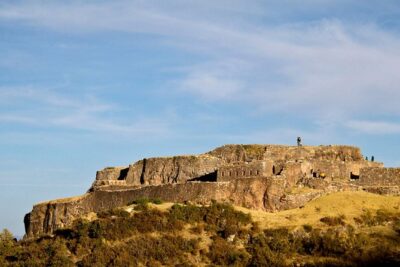
Pachacamac Ruins & Barranco Half-Day Guided Tour
Read our review →
Pre Inca Temple of Pachacamac Half-Day Tour from Lima
Read our review →
Tour to the Archaeological Sanctuary of Pachacamac (small group)
Read our review →
From Pyramids & Bohemian Streets: Lima Miraflores & Barranco Tour
Read our review →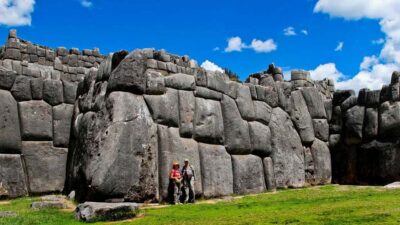
City Tour | Half-Day Tour to 4 Archaeological Sites
Read our review →Browse the lists this tour appears in