
Reviewed · HISTORICAL TOURS
Cusco: Half-Day Historic City Tour
Cusco’s best first look packs a lot in. I like the mix of colonial churches and Inca ruins, and I like having transport to Sacsayhuaman, Qenqo, Puca Pucara, and Tambomachay. The $18 price is appealing, too. Just remember that entrance tickets cost extra, and the packed schedule can feel rushed.
I also appreciate the central hotel pickup, English-speaking guide, and small-group format, listed as limited to 12 participants. The main caution is guide quality: several bookings praised the explanations, while one described a repetitive guide and too much selling during the outing.
In This Review
- Key points to know before booking
- Why this Cusco tour works as an introduction
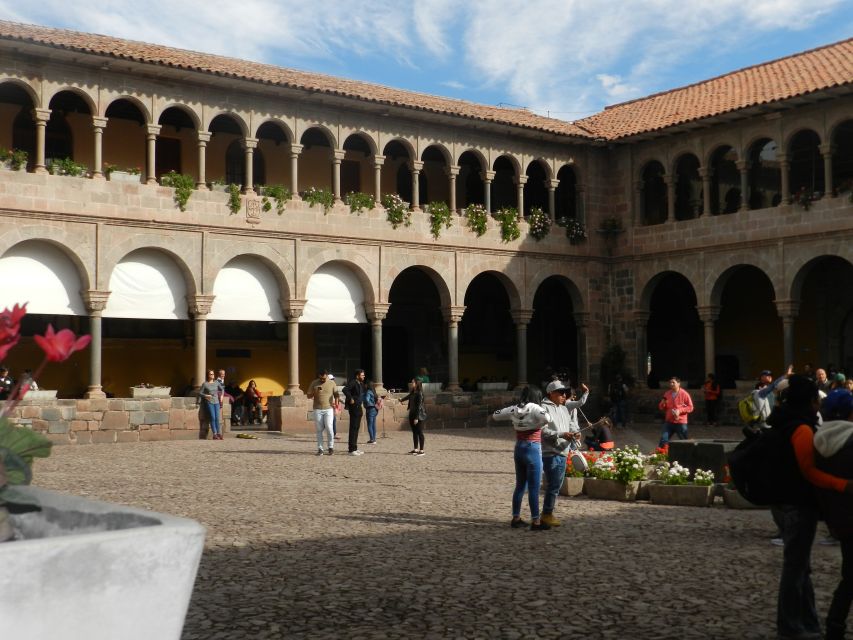
- Starting in Cusco Cathedral
- Qoricancha and the meeting of two cultures
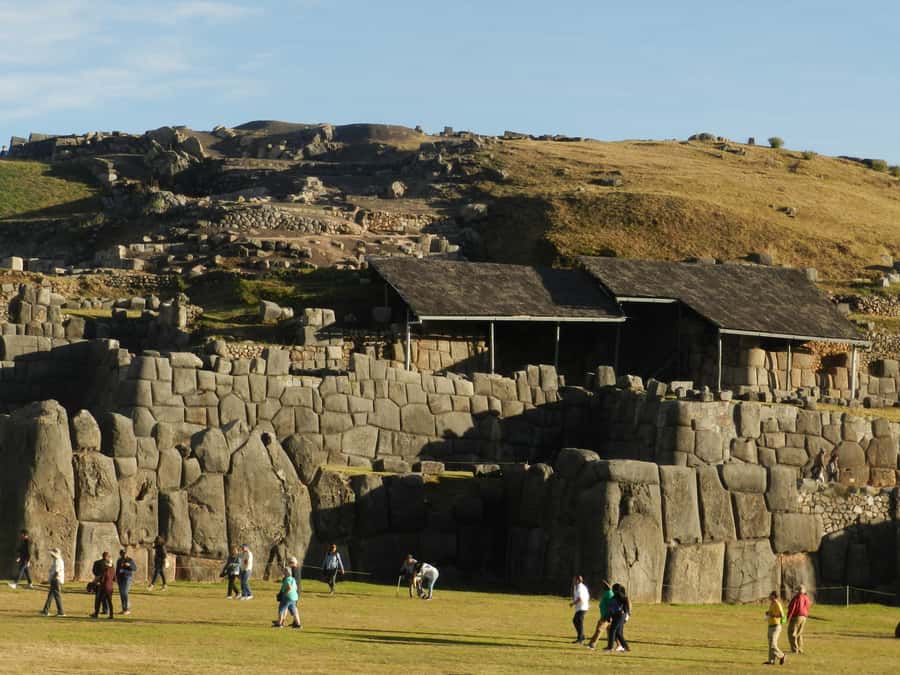
- Sacsayhuaman: the largest stop on the route
- Qenqo and the sacred labyrinth
- Puca Pucara, the roadside military complex
- Tambomachay and its fresh water spring
- The craft center and the sales-pitch question
- Timing, transport, and group size
- What the $18 price really covers
- Guide quality and the pace of the day
- Who should book this outing
- Should you book the Cusco Historic City Tour?
- FAQ
- How long does the Cusco Historic City Tour last?
- What sites are included in the route?
- Is hotel pickup included?
- What entrance fees must I pay separately?
- Is transportation included?
- What language is the tour conducted in?
- How large is the tour group?
- What should I bring?
- Is the tour suitable for wheelchair users?
- Can I cancel the booking?
Key points to know before booking
- Four major ruins after the city center: Sacsayhuaman, Qenqo, Puca Pucara, and Tambomachay give you a useful overview of Cusco’s surrounding archaeological sites.
- The $18 price is only the tour fee: You must also pay 25 soles for the cathedral, 15 soles for Qoricancha, and 70 soles for the tourist ticket.
- A long afternoon into evening: Pickup begins at 1:00 PM, and the coach returns near Santa Catalina Street at about 7:30 PM.
- Good for a first orientation: You receive a brief explanation at each stop, then some time to look around on your own.
- Expect some shopping content: The final craft center explains vicuña wool and traditional clothing, but the experience can include sales pitches.
- Not suitable for limited mobility: Walking through archaeological sites requires sturdy shoes, and the tour is not designed for wheelchair users.
Why this Cusco tour works as an introduction
Cusco can feel confusing on your first day. The city center is full of Spanish churches, Inca stonework, narrow streets, and tour vans heading in every direction. This half-day outing gives you a simple framework: begin with the Spanish and Inca layers in town, then move uphill and outward to the main ruins.
The route is also efficient. Instead of arranging separate taxis or trying to negotiate several rides, you board an air-conditioned coach with a guide. For $18, that is a useful service, especially if you want a broad look at the area before deciding which sites deserve more time.
You should see this as an orientation tour, not a slow archaeological study. The route covers a lot in roughly six and a half to seven hours. The strongest part is the range of places. The weaker part is the limited time at some stops, particularly if you want to walk, take photographs, and listen closely to every explanation.
More City Tours in Cusco
- Cusco: Half-Day City Tour with Sacsayhuaman and Q’enco
★ 4.6 · 1,129 reviews - City Tour Cusco Qoricancha Sacsayhuaman y Tambomachay
★ 4.7 · 617 reviews - Cusco City Tour Four Ruins in Half-Day
★ 5.0 · 530 reviews
Starting in Cusco Cathedral
The outing begins with pickup from a hotel in central Cusco at 1:00 PM. If your hotel lies outside the city center, pickup is arranged at the Inka Ahy statue in the main square, so confirm the meeting point before the day begins.
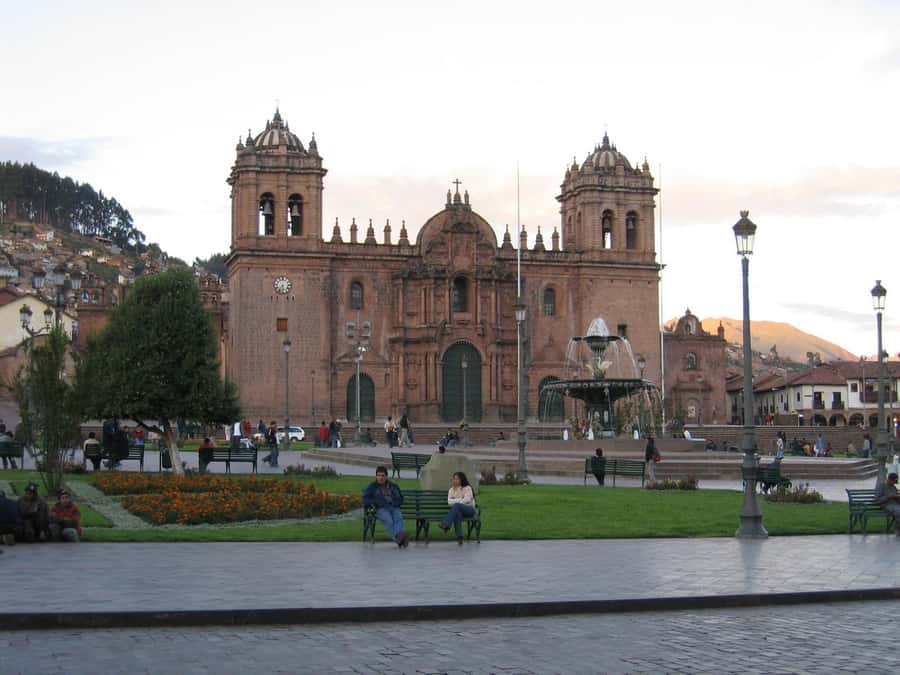
The first major visit is the Cathedral of Cusco on the main square. This is not simply a quick exterior stop. The cathedral contains paintings, carvings, and sculptures that show how Spanish Catholic traditions took root in the Andes.
Your guide explains details inside the church, including the local setting in which the art was created. One strong part of the tour is the contrast you get here: the cathedral represents Spanish colonial power, while the next stop turns your attention to an Inca temple built for the Sun.
The cathedral ticket costs 25 soles and is not included. Bring local currency because the entrance charges should be paid in soles. Also keep your passport or ID card with you, as it is listed among the required items.
Qoricancha and the meeting of two cultures
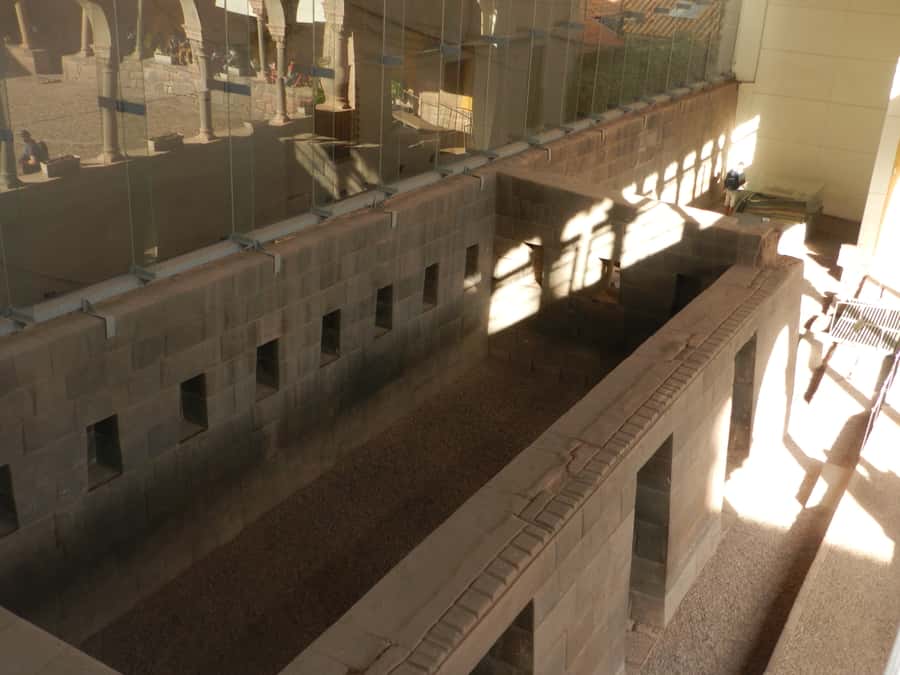
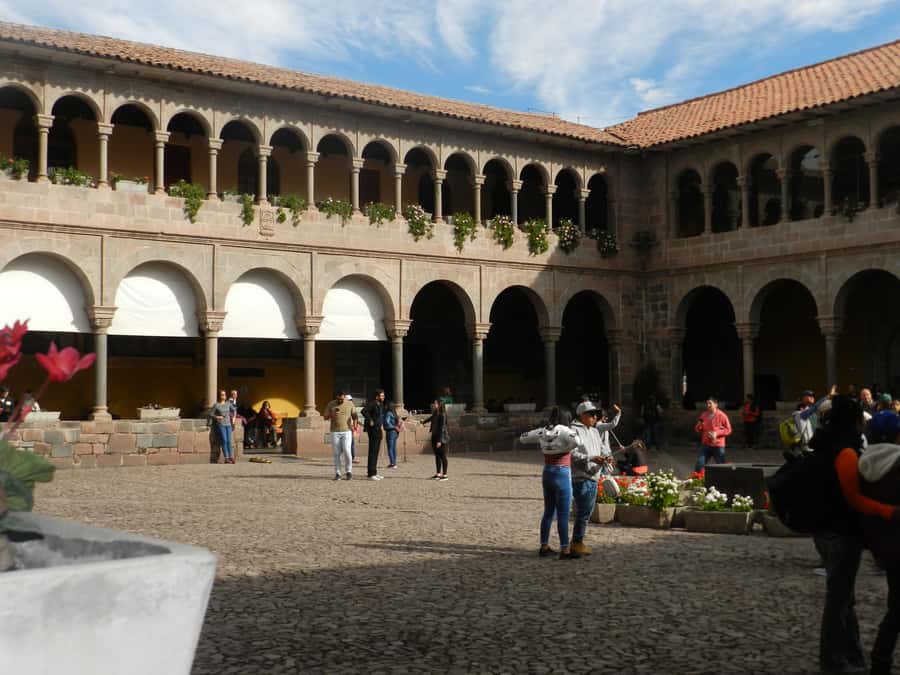
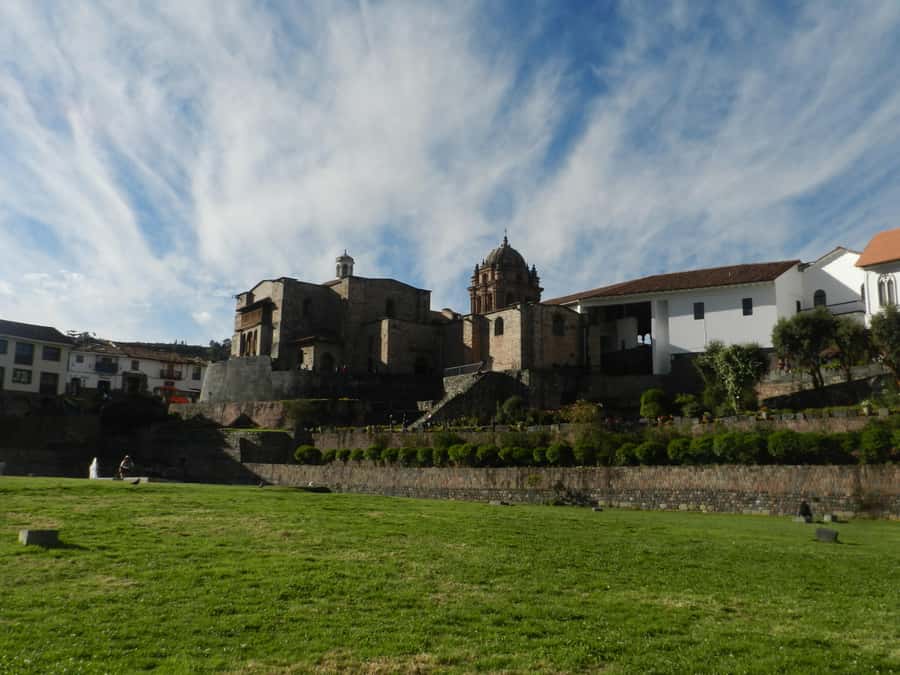
Qoricancha, sometimes written Coricancha, was originally an Inca temple dedicated to the Sun. The Qoricancha Museum helps explain why this site matters, even though the surviving setting also reflects later Spanish construction.
I like this pairing with the cathedral. You are not seeing isolated monuments. You are seeing two major religious buildings connected to Cusco’s transformation, one tied to Inca worship and one tied to Catholic rule.
The museum entrance costs 15 soles. It is another extra charge, but it adds useful context early in the afternoon. If you pay only for the $18 tour and forget these fees, the day will cost more than expected.
Sacsayhuaman: the largest stop on the route
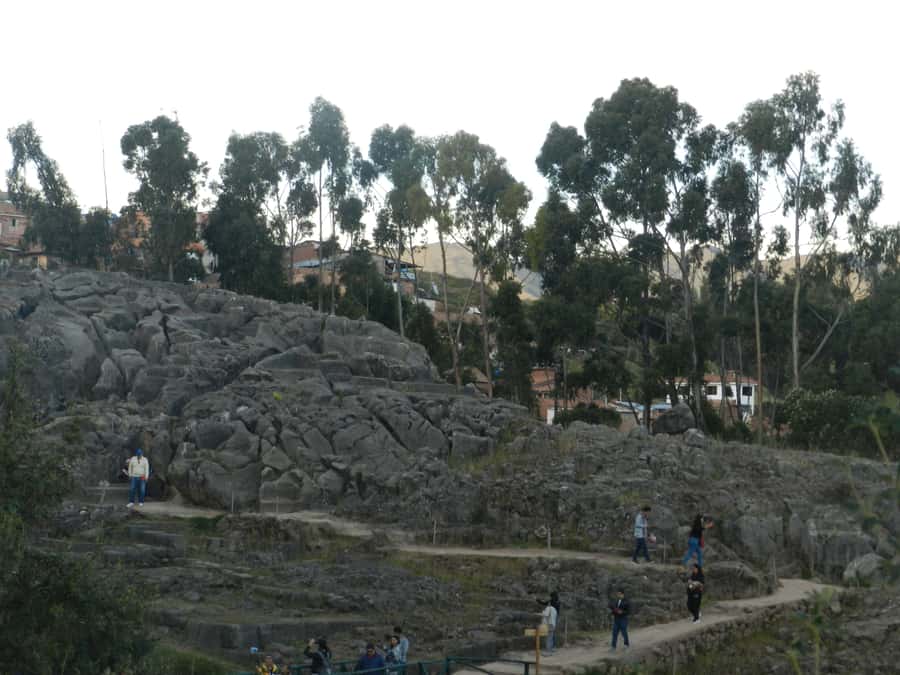
After the central sites, the coach travels about 2 kilometers from Cusco’s center to Sacsayhuaman. The complex includes 33 archaeological sites and is commonly linked with military use.
This is the stop where the scale of Inca stone construction becomes easiest to grasp. The site is broad, and its massive walls give you a sense of the labor and planning involved. The guide provides the main explanation, then you have time to view the remains independently.
Sacsayhuaman is also where the schedule matters most. A short visit can show you the major features, but it cannot replace a longer archaeological tour. One booking described the overall outing as a good way to see many places in one day, while also wishing for more time at several stops. That is the fair reading here: excellent coverage, limited depth.
Wear hiking shoes or another pair with a firm sole. The tour requires walking at archaeological sites, and weather can change quickly. A sun hat, sunscreen, and weather-appropriate clothing belong in your day bag.
More Historical Tours in Cusco
- Cusco: Historic Walking Tour with Pisco Sour and Local Music
★ 5.0 · 190 reviews - Cusco: Historical Guided City Tour with 4 Inca Ruins
★ 4.5 · 99 reviews - Cusco Highlights Walking Tour: History, Culture, Traditions
★ 4.9 · 72 reviews - Cusco: Historic Walking Tour with Pisco Sour and Music Show
★ 4.6 · 65 reviews
Qenqo and the sacred labyrinth
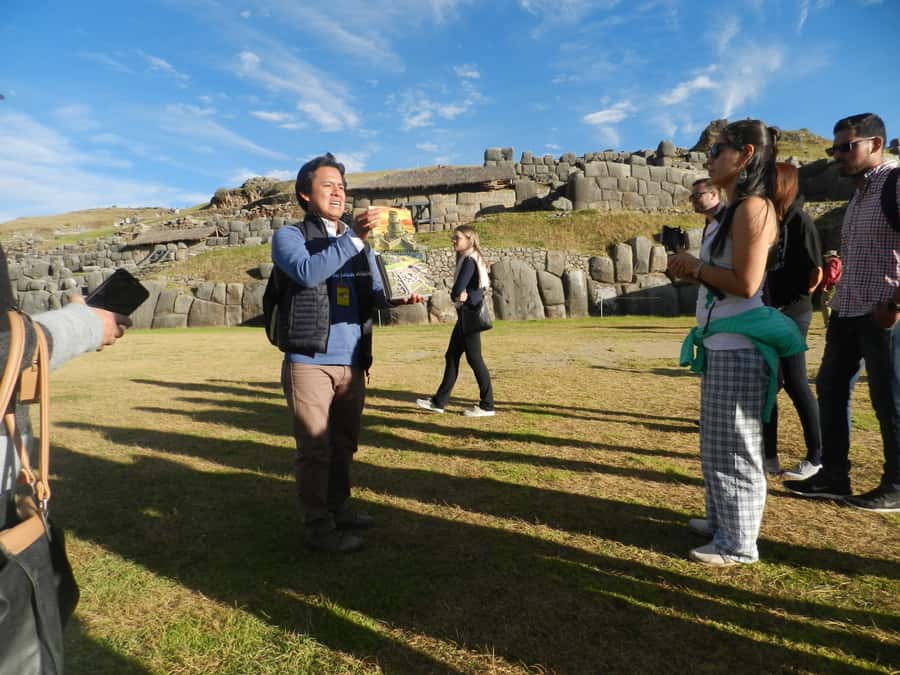
Qenqo comes next. The name means labyrinth, and the site is described as a sacred place where ceremonies honored the Sun, Moon, and stars.
This stop is smaller and more enclosed than Sacsayhuaman, so the guide’s explanation helps you understand what you are seeing. Without context, carved rock and passageways can be hard to read. With a short introduction, the place becomes easier to picture as a ceremonial setting rather than simply another pile of stones.
You should expect the visit to be brief. The tour gives you a sample of Qenqo and its ceremonial role, but the schedule keeps moving. If you prefer to linger at each ruin, take photographs without rushing, or ask many questions, a longer private or full-day option would suit you better.
Puca Pucara, the roadside military complex
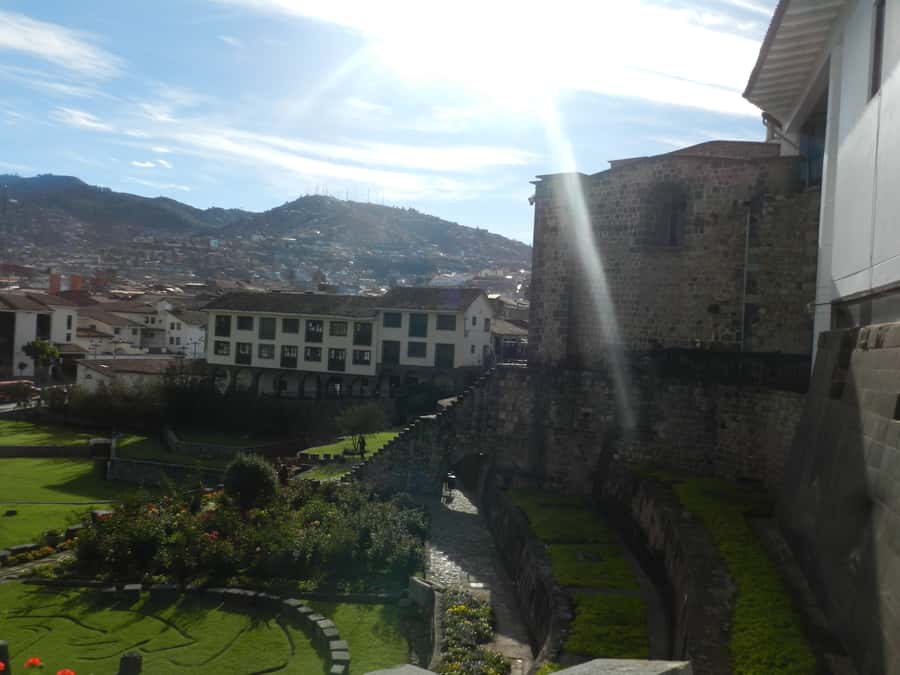
The coach continues about 7 kilometers from the city center to Puca Pucara. The site includes halls, inner plazas, aqueducts, watchtowers, and paths. It is believed to have served as a military complex and a storage place for food.
Puca Pucara adds a different kind of information to the route. Sacsayhuaman gives you a monumental defensive site, while Puca Pucara helps you think about movement, watching roads, and supplying people. That makes it a worthwhile stop even though it may not have the visual impact of the larger fortress.
The guide gives a short overview before you explore on your own. This pattern repeats at the ruins: listen first, then look around independently. It works well if you want a clear introduction, but it may leave you wanting more detail.
Tambomachay and its fresh water spring
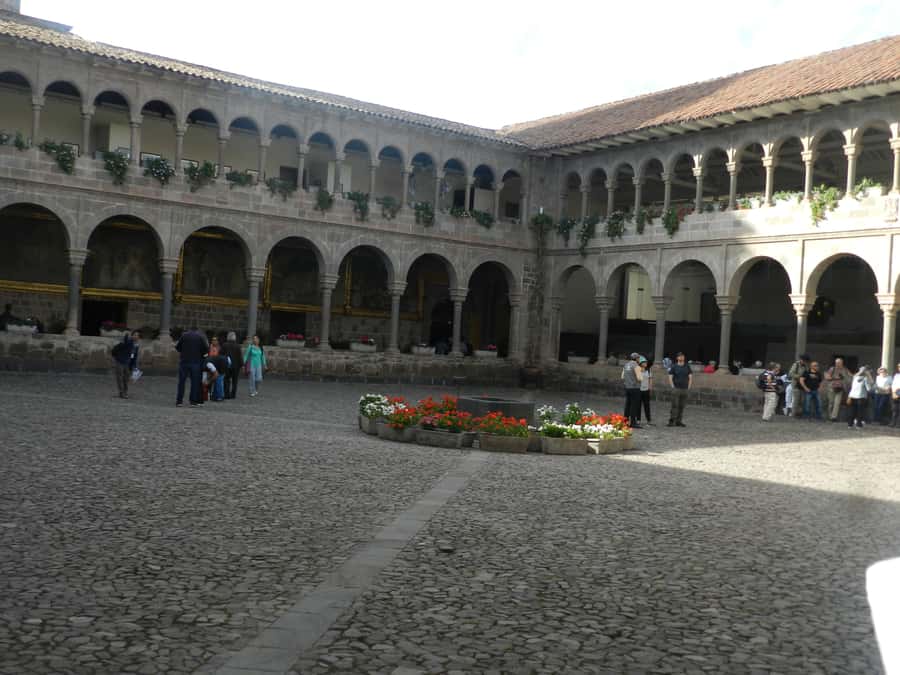
The final archaeological stop is Tambomachay, known for its fresh water spring. Its water channels and stonework make it a fitting end to the ruins portion of the afternoon.
Here, the focus shifts away from defense and toward water and ceremony. The site helps show that Inca planning involved more than forts and walls. Water had practical and religious importance, and Tambomachay gives you a compact place to consider that connection.
Again, do not expect a long, unhurried visit. The four ruins are covered in one circuit, and that efficiency is the point of the tour. You get the outline of each place, then decide later if one deserves a return visit.
The craft center and the sales-pitch question
The route ends at a craft center. A local guide explains ancient Inca crafts and shows you how to identify traditional garments made from vicuña wool.
This can be useful shopping advice. Vicuña is presented as a valuable natural fiber, and learning how to distinguish genuine traditional garments from imitations may help if you plan to buy textiles in Peru. The stop also connects the archaeological past with living craft traditions.
You should, however, expect a commercial element. One booking described multiple sales pitches, including people boarding the bus to sell anise liquor and a book. Another described the textile demonstration as a worthwhile part of the day and sampled Peruvian alcohol on the ride back.
My advice is simple: enjoy the explanation, ask questions if you are interested, and do not feel obliged to purchase anything. If you dislike shopping stops, this is the least appealing part of the itinerary.
Timing, transport, and group size
Pickup starts at about 1:00 PM, and return is scheduled for approximately 7:30 PM near Santa Catalina Street, close to Cusco’s main square. The advertised duration is 7 hours, though the stated pickup and return times suggest a slightly shorter day depending on traffic and group movement.
The vehicle is described as an air-conditioned coach, while one booking experienced the route in a small van. Either way, transport is included and saves you from arranging separate rides between the city and the ruins.
The group information needs a little attention. The highlights describe groups of up to 20 people, while the activity details specify a small group limited to 12 participants. Ask for the expected group size when you book if this matters to you. A smaller group usually makes it easier to hear the guide and move through crowded sites.
The listed tour language is English. One booking reported that part of the time was conducted in Spanish after more people joined the group. That may not happen on every departure, but it is a sensible reason to confirm the language arrangement before paying.
What the $18 price really covers
At $18 per person, this is one of the cheaper ways to connect the city center with four archaeological sites. You are paying for hotel pickup in the center, transport, and a local English-speaking guide.
The required entrance costs change the real budget:
- Cathedral of Cusco: 25 soles
- Qoricancha Museum: 15 soles
- Tourist ticket: 70 soles
That adds 110 soles per person beyond the tour price. The tourist ticket covers the archaeological sites on this route, according to the provided information. You should carry enough local cash for all three charges and avoid assuming that the headline price includes admission.
Even with those extras, the tour can be good value if you want transport and a broad introduction in one afternoon. It is less attractive if you have several days in Cusco and would rather spend a full morning at Sacsayhuaman or explore the sites at a slower pace.
Guide quality and the pace of the day
The guide makes a major difference here. Several bookings praised the tour as well organized and described the guide as experienced, gentle, and strong on archaeological explanations. One person said the guide was well informed and helped the group see the important Inca ruins in a single day.
There is a clear counterpoint. One booking described a repetitive, long-winded guide and preferred the engaging tour coordinator who handled the initial meeting. That same outing included several sales pitches. These mixed impressions suggest that the route itself is reliable, but the quality of the storytelling may vary by departure.
You can improve your experience by listening closely at the start of each stop, then using your free time to explore rather than waiting for a long lecture. If your main goal is detailed interpretation, ask about the guide and group language before booking.
Who should book this outing
I would choose this tour if you have only one free afternoon in Cusco, want to see the major nearby ruins, and prefer not to organize transport. It also suits first-time visitors who need a basic map of the city’s Inca and colonial layers.
It is a good match for people who enjoy a clear schedule and a range of short stops. The high overall rating of 4.6 from 11 bookings reflects that the format works well for many people, particularly those who value coverage and convenience.
I would look elsewhere if you have mobility limitations, use a wheelchair, or want a slow archaeological day. I would also reconsider if you strongly dislike shopping demonstrations or need uninterrupted English throughout the tour.
The tour runs rain or shine. Bring sunscreen, a hat, sturdy shoes, cash, your passport or ID, and clothing suited to the weather. Assistance dogs are allowed, but other pets are not.
Should you book the Cusco Historic City Tour?
Book it if you want a practical first sweep of Cusco for a low upfront price. The cathedral, Qoricancha, Sacsayhuaman, Qenqo, Puca Pucara, and Tambomachay give you a strong list of major sights, and included transport removes much of the day’s hassle.
Go in with the right expectations. This is a fast sampler, not a leisurely study of Inca archaeology. Budget 110 soles for the listed entrance fees, confirm the pickup point and language, and accept that the craft center may include sales activity. If those conditions suit you, this tour offers a useful and affordable way to get your bearings in Cusco.
FAQ
How long does the Cusco Historic City Tour last?
The activity is listed as lasting 7 hours. Pickup begins at approximately 1:00 PM, and the coach returns near Santa Catalina Street at about 7:30 PM.
What sites are included in the route?
The route visits the Cathedral of Cusco, Qoricancha Museum, Sacsayhuaman, Qenqo, Puca Pucara, Tambomachay, and a craft center.
Is hotel pickup included?
Yes. Pickup is included for hotels in Cusco’s city center. If your hotel is outside the center, pickup is arranged at the Inka Ahy statue in the main square.
What entrance fees must I pay separately?
The cathedral ticket costs 25 soles, Qoricancha costs 15 soles, and the tourist ticket costs 70 soles. These fees are not included in the tour price.
Is transportation included?
Yes. Transportation between the city center and the archaeological sites is included.
What language is the tour conducted in?
The listed live guide language is English. One booking reported that some of the tour was conducted in Spanish after additional people joined, so confirm the language arrangement when booking.
How large is the tour group?
The activity details specify a small group limited to 12 participants. Another description refers to groups of up to 20, so ask for the expected group size if this is important to you.
What should I bring?
Bring your passport or ID card, a sun hat, hiking shoes, sunscreen, cash, and clothing suited to the weather.
Is the tour suitable for wheelchair users?
No. The activity is not suitable for wheelchair users or people with mobility impairments.
Can I cancel the booking?
You can cancel up to 24 hours in advance for a full refund. The reserve-now-and-pay-later option lets you book without paying immediately.
More History to Walk Through in Cusco
- Pisco Sour Secrets: Hands-On Mixology in Historic Cusco
★ 4.5 · 50 reviews - Cusco: Historic Walking Tour & Scenic Views with local drink
★ 5.0 · 45 reviews - Cusco: Full-Day Sacred Valley History Tour
★ 4.6 · 14 reviews - Historic/music Cusco FreeWalkingTour “free drink” Group Tour
★ 4.9 · 11 reviews
Added recently around Cusco
- Guided tour of the mountain of colors in Cusco★ 5.0 · 11 reviews
- 2-Day Private Short Inca Trail to Machu Picchu★ 5.0 · 15 reviews
- City Tour Cusco – Group★ 5.0 · 4 reviews
- Tour Sacred Valley with Maras and Moray★ 5.0 · 15 reviews
- San Pedro Market Tour with Peruvian Cooking Class★ 5.0 · 31 reviews
- Walking Culinary Experience★ 5.0 · 41 reviews
- City Tour in Cusco★ 4.5 · 10 reviews
- One Day Tour to Humantay Lagoon★ 5.0 · 8 reviews
Historical Tours, compared.
Discover Lima: Love Park, Historic Center, and its Catacombs.
Read our review →
Street Food, Market & Old Eateries Tour in Lima’s Historic Center
Read our review →
Lima’s Vibrant Heritage: Exploring the City’s Landmarks Half-day
Read our review →
A Journey Through Time: Lima’s Historic Center & Catacombs Tour
Read our review →
Historic Center Street Food, Market, and Eateries Tour
Read our review →
Historic Walking Tour with Pisco Sour and Local Music
Read our review →
Walking tour in the Historic Center of Arequipa
Read our review →
Top Attractions in Lima: Historic Center, Love Park & Catacombs
Read our review →Browse the lists this tour appears in