

Reviewed · INCA RUINS & ARCHAEOLOGICAL SITES
Cusco: Sacsayhuaman, Qenqo, Puca Pucara & Tambomachay Tour
Stone walls that still puzzle engineers. This Cusco tour links Sacsayhuaman, Qenqo, Puca Pucara, and Tambomachay in about four and a half hours, giving you a clear look at military power, ceremony, water worship, and the city’s defenses. I like the efficient route and the included pickup and return transportation, especially at $21 per person.
I also like that the 9:00 AM and 1:00 PM departures add Qoricancha, the former Temple of the Sun, to the schedule. The main catch is that admission tickets are not included, and the tour information identifies the live guide as Spanish-speaking, so you should confirm the language if you need an English tour.
In This Review
- Key Things to Know Before You Go
- Why This Four-and-a-Half-Hour Route Works
- Sacsayhuaman: The Tour’s Most Powerful Stop
- Qenqo and Its Narrow Ceremonial Spaces
- Puca Pucara and the Defensive View of Cusco
- Tambomachay and the Inca Relationship With Water
- Qoricancha: The Optional Fifth Site
- Transportation, Pickup, and the End of the Route
- What the $21 Price Really Covers
- Timing, Language, and Who Should Book
- Booking Advice for a Better Visit
- Should You Book This Cusco Archaeological Tour?
- FAQ
- How long does the tour last?
- What sites are included in the main route?
- Is Qoricancha included on every departure?
- Are entrance tickets included in the price?
- What is included in the $21 price?
- What language is the live guide?
- Where does the tour finish?
- Can I cancel for a full refund?
- Who is the tour not suitable for?
Key Things to Know Before You Go
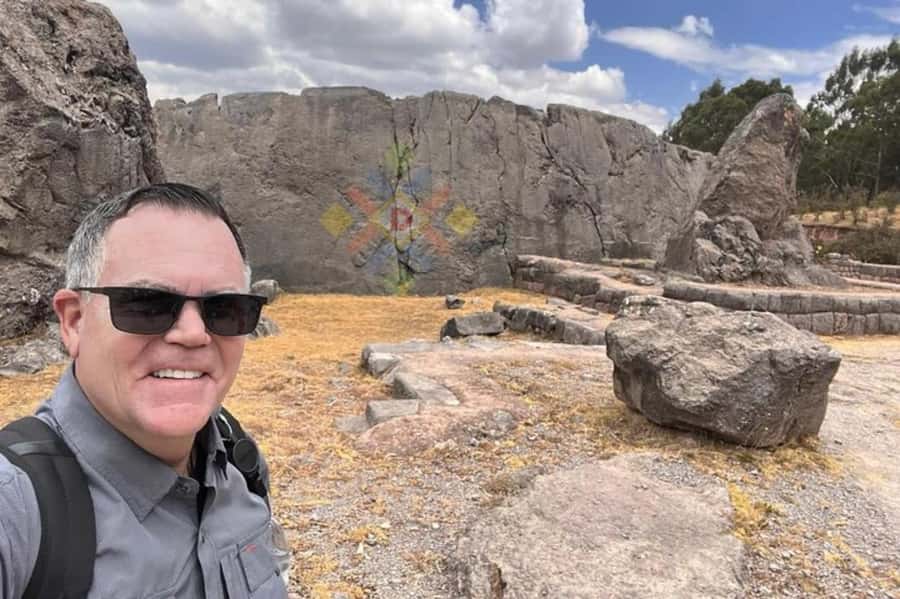
- Sacsayhuaman supplies the grand opening: Its huge fitted stones give the tour its strongest first impression.
- Qenqo changes the mood: Its narrow passages and ceremonial altars offer a more enclosed, mysterious visit.
- Puca Pucara explains Cusco’s defenses: The site helps you see the wider strategic role of the surrounding hills.
- Tambomachay focuses on water: Aqueducts and fountains show the Incas’ careful control of moving water.
- Qoricancha is included only at selected times: Choose the 9:00 AM or 1:00 PM departure for the added temple visit.
- The price covers transport and a guide, not entry tickets: At $21, the tour is a low-cost way to connect several sites, but your final expense will be higher.
Why This Four-and-a-Half-Hour Route Works
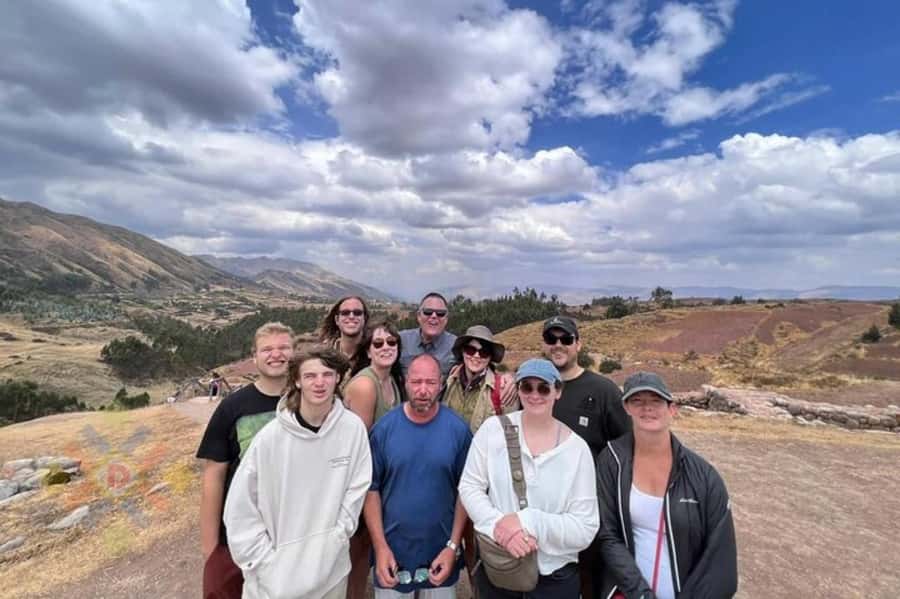
Cusco’s major Inca sites sit outside the compact historic center, and reaching each one independently can take extra planning. This tour gathers four important stops into a single route, with pickup, round-trip transportation, a guide, and a return to central Cusco.
That matters because the sites make more sense together. Sacsayhuaman shows scale and military power. Qenqo brings you closer to ritual spaces. Puca Pucara adds the defensive network. Tambomachay finishes with water, engineering, and ceremony.
I would not treat this as a slow archaeological study. The 270-minute duration has to cover transportation, four sites, explanations, and the optional Qoricancha stop. It is best for getting an informed first look, not for spending a long time at every wall and carving.
The tour has a listed price of $21 per person. That is good value for a half-day outing with transportation, pickup, drop-off, and a live guide. The important qualification is the ticket cost. Sacsayhuaman, Qenqo, Tambomachay, Puca Pucara, and Qoricancha are all listed as separate admissions, so you need to budget for those on top of the tour price.
More Ruins & Archaeology Tours in Cusco
- Cusco: Half-Day City Tour with Sacsayhuaman and Q’enco
★ 4.6 · 1,129 reviews - City Tour Cusco Qoricancha Sacsayhuaman y Tambomachay
★ 4.7 · 617 reviews - Cusco City Tour Four Ruins in Half-Day
★ 5.0 · 530 reviews
Sacsayhuaman: The Tour’s Most Powerful Stop
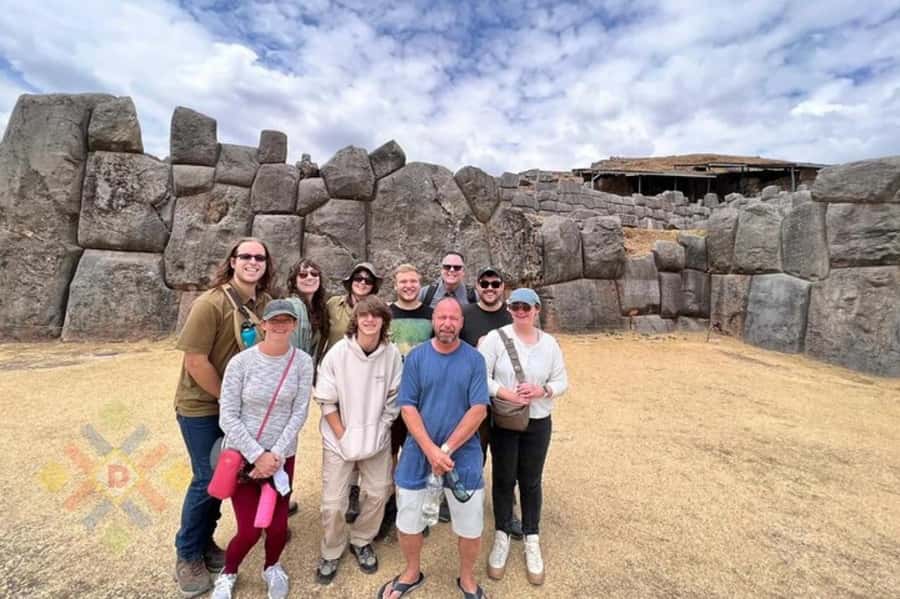
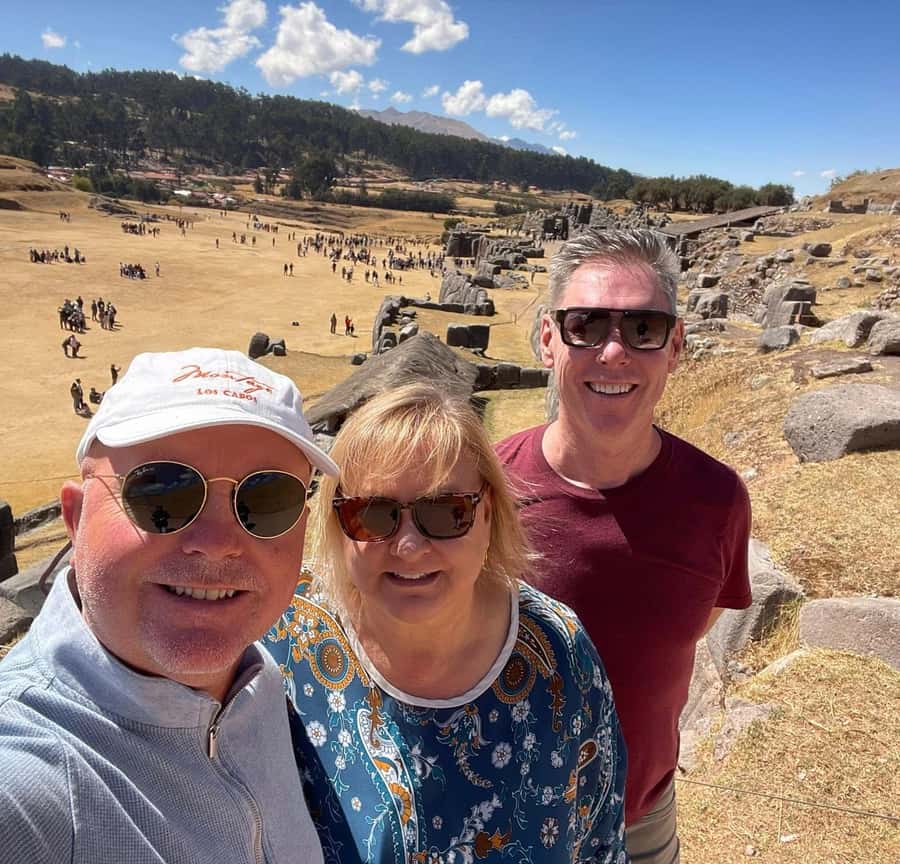
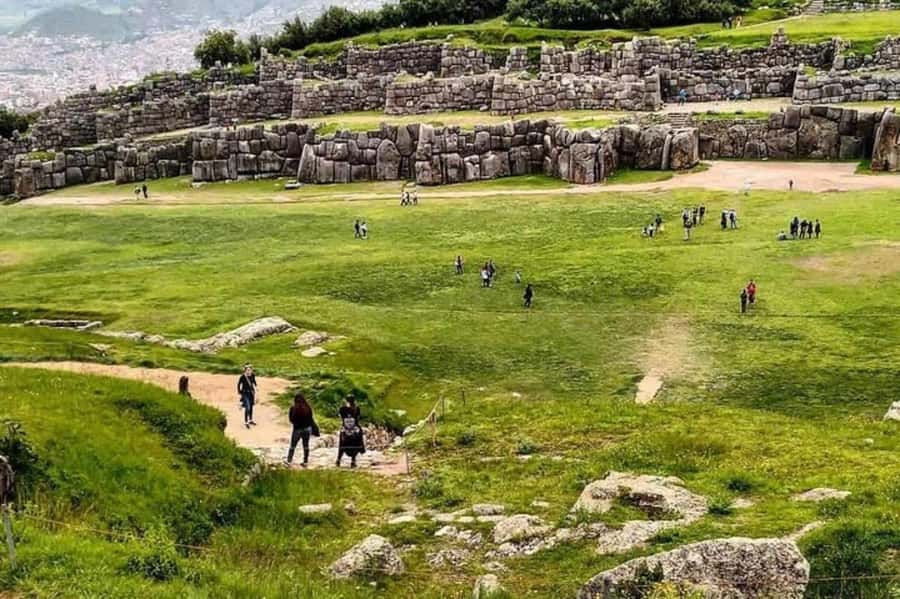
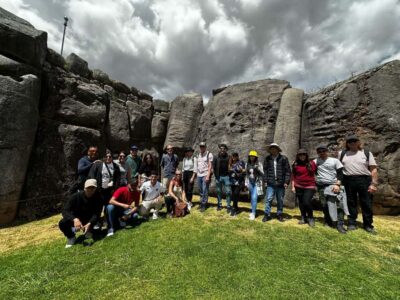
Sacsayhuaman is the site most likely to make you pause. Its massive stone walls use enormous blocks fitted together with striking precision, and the scale is hard to grasp from photographs alone.
The tour gives you a chance to connect those stones with Cusco’s Inca past rather than simply taking pictures and leaving. Your guide explains the site’s importance in Incan history, helping turn an impressive pile of masonry into a place with a military and political role.
I like beginning here because it sets the standard for the rest of the visit. You see the force of Inca construction before moving to smaller sites with more specialized purposes.
The drawback is simple: Sacsayhuaman can absorb as much time as you give it. On a fixed half-day route, you may wish you had longer to examine the walls and surrounding views. If this is the site you most want to study, consider returning independently after the tour.
Qenqo and Its Narrow Ceremonial Spaces
Qenqo offers a sharp contrast to Sacsayhuaman. Instead of giant open walls, you explore an archaeological complex known for labyrinthine passages and ceremonial altars.
The enclosed design gives the stop a different feel. Your guide can point out how the spaces relate to ceremony and explain what makes Qenqo distinct from the fortress-like construction you saw earlier.
This is where a guide adds real value. Without context, the carved and enclosed areas can be difficult to read. The tour’s stated focus on Qenqo’s passages and altars gives you a useful way to look closely rather than treating the site as a quick photo stop.
Keep your expectations measured. The description does not promise a long visit or a detailed specialist lecture. You are getting a guided introduction as part of a larger circuit, which suits you if you want context across several sites.
Puca Pucara and the Defensive View of Cusco
Puca Pucara is described as a military construction, and its role gives the tour a useful change of subject. After seeing Sacsayhuaman’s imposing walls, you can consider how smaller strategic sites helped protect and monitor access to Cusco.
The guide explains the defensive role of Puca Pucara and its importance to the city’s security. That makes this stop valuable even if the structure feels less monumental than Sacsayhuaman.
I like the way Puca Pucara expands the story beyond a single fortress. Inca power was not just about building one enormous complex. It also depended on positioning sites across the surrounding area and understanding the approach to the capital.
The site also contributes to the scenic side of the excursion. The tour specifically includes the surrounding views, and Puca Pucara is one of the places where the setting helps you think about why the location mattered.
More ruins and archaeology near Cusco:
- Cusco: City Tour | Half-Day Tour to 4 Archaeological Sites
★ 4.6 · 206 reviews - Cusco City Sightseeing and Sacsayhuaman Archeological Park Tour
★ 4.5 · 101 reviews - Cusco: Historical Guided City Tour with 4 Inca Ruins
★ 4.5 · 99 reviews - Cusco: Half-Day City Tour with Sacsayhuaman and Qenqo
★ 4.5 · 77 reviews
Tambomachay and the Inca Relationship With Water
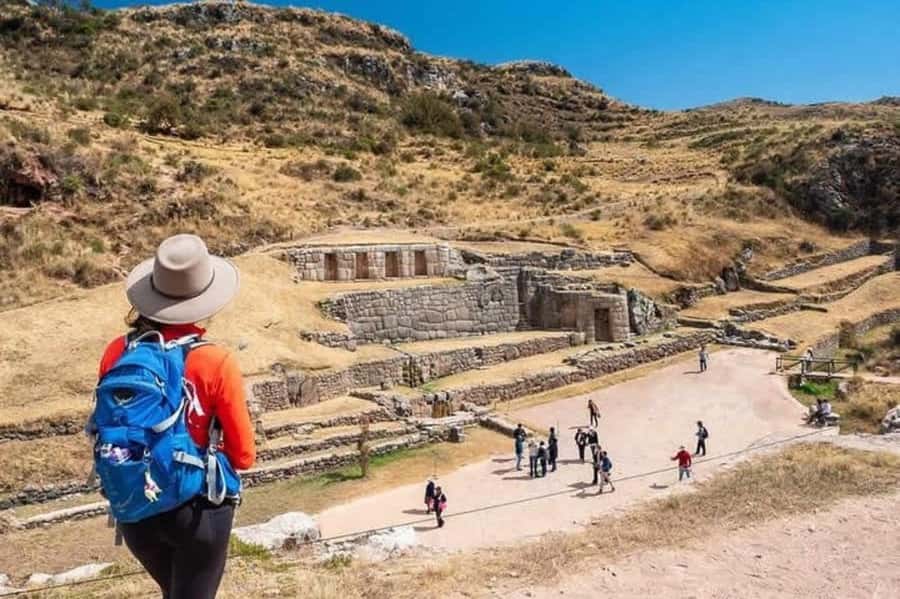
Tambomachay closes the main circuit with a quieter subject: water. The archaeological center was dedicated to water worship and features aqueducts and fountains that show the Incas’ skill in directing and presenting water.
This stop helps round out the tour. You have seen defensive walls, ceremonial spaces, and military construction. At Tambomachay, you see engineering used in a sacred setting.
I find this kind of final stop useful because it prevents the tour from becoming a parade of stone walls. The fountains and channels make the technology easier to understand. They also show that water had both practical and religious importance.
As with the other sites, the visit is part of a timed route. You will receive an introduction and see the main features, but the four-and-a-half-hour schedule does not suggest unlimited time for quiet exploration.
Qoricancha: The Optional Fifth Site
If you choose the 9:00 AM or 1:00 PM departure, the tour includes an additional visit to Qoricancha, the Temple of the Sun. This was one of the most sacred places in the Inca world and was once richly covered in gold.
The extra stop makes the selected departures particularly appealing. Qoricancha brings the story into Cusco itself and adds an important religious site to the military, ceremonial, and engineering locations outside the center.
The schedule matters here. The added visit is not listed for every departure, so do not assume that any start time includes Qoricancha. Check availability and select one of the stated times if the temple is a priority.
Admission to Qoricancha is not included. That is worth remembering when comparing the $21 tour price with your total budget. The transportation and guide remain useful, but the added stop carries an additional ticket cost.
Transportation, Pickup, and the End of the Route
Pickup and round-trip transportation are included, and the tour ends with drop-off in central Cusco. That is one of the strongest practical features of this outing.
You do not need to organize separate transport to four sites spread around the city’s outskirts. You also finish in a useful location, where you can continue exploring Cusco’s central attractions, shops, and restaurants on your own.
One booking specifically praised the convenience of transportation to and from an Airbnb, along with the organization and communication. That is a good sign for anyone staying outside a standard hotel, though you should still confirm the exact pickup arrangement when booking.
The experience provider is DonPeruTours. The information lists a bilingual guide among the inclusions, while the activity details specify a live Spanish guide. If you need explanations in English or another language, ask for clear confirmation before paying.
What the $21 Price Really Covers
At first glance, $21 is an attractive price for a guided half-day tour around Cusco. You receive pickup, transport, a guide, and a route connecting four major archaeological locations. Those services can save both time and transport costs.
The ticket exclusions are the main point to examine. You pay separately for:
- Sacsayhuaman
- Qenqo
- Puca Pucara
- Tambomachay
- Qoricancha, if included in your selected departure
Because admission is excluded, the tour is not an all-in-one bargain. It is better understood as a low-cost transport and guiding package. That can still be excellent value if you want an organized introduction and do not want to arrange each site yourself.
The listed rating is 4.8 from four reviews. The strongest praise focuses on organization, guide preparation, communication, and the convenience of seeing five sites with transport in one outing. Those are exactly the areas where this tour makes its best case.
Timing, Language, and Who Should Book
The tour lasts 270 minutes, or four and a half hours. That is long enough to make the outer sites practical in one morning or afternoon, while short enough to leave part of your day free in Cusco.
I would choose the 9:00 AM departure if you want to continue sightseeing later in the day. The 1:00 PM departure may work better if you want a relaxed morning first. Both listed times include the additional Qoricancha visit, subject to availability.
The live guide language is Spanish. The inclusion details call the guide bilingual, but the activity information states Spanish, so language expectations deserve attention. A Spanish-speaking visitor should find the arrangement straightforward. An English-speaking visitor should confirm the guide language in advance.
The tour is not suitable for children under five or people over 75, according to the stated conditions. That does not explain the precise reason, so families and older visitors should rely on those limits rather than assume the outing will fit everyone in their group.
This tour suits you best if:
- You want a first introduction to Cusco’s main nearby Inca sites.
- You value pickup and organized transportation.
- You prefer a guide’s explanation to exploring each site without context.
- You have roughly half a day available.
- You are comfortable paying entrance fees separately.
- You can follow the tour in Spanish, or you have confirmed another guide language.
It may not suit you if you want to linger at one site, avoid organized excursions, or need an all-inclusive price. It is also not the right choice for anyone in the stated age groups excluded from the activity.
Booking Advice for a Better Visit
Choose your departure based on your wider Cusco plan, not just the start time. The 9:00 AM and 1:00 PM schedules include Qoricancha, making them the logical choices if you want five sites rather than four.
Keep the admission exclusions in mind before you decide the tour is cheap. Add the separate ticket costs to your budget, then compare that total with the time and transport you would spend arranging the route yourself.
I would also confirm three details before booking: the exact pickup location, the guide language, and whether your chosen schedule includes Qoricancha. These questions are especially useful if you are staying in an Airbnb or if your group does not speak Spanish.
The cancellation policy is friendly enough for a changing Cusco itinerary. You can cancel up to three days in advance for a full refund, giving you some room to adjust plans if weather, altitude, or schedule changes affect your trip.
Should You Book This Cusco Archaeological Tour?
Book it if you want an efficient, reasonably priced introduction to Sacsayhuaman, Qenqo, Puca Pucara, and Tambomachay, with the chance to add Qoricancha on the 9:00 AM or 1:00 PM schedule. The strongest reasons are the organized route, included transport, prepared guide service, and central drop-off.
Skip it if you want a private pace, a fully ticketed package, or guaranteed English guiding without confirming first. For most visitors with limited time in Cusco, though, this is a practical way to connect the city’s military, ceremonial, religious, and water-related sites in one half-day outing.
FAQ
How long does the tour last?
The tour lasts 270 minutes, which is four and a half hours.
What sites are included in the main route?
The main route visits Sacsayhuaman, Qenqo, Puca Pucara, and Tambomachay.
Is Qoricancha included on every departure?
No. Qoricancha is included for the 9:00 AM and 1:00 PM schedules.
Are entrance tickets included in the price?
No. Admission to Sacsayhuaman, Qenqo, Tambomachay, Puca Pucara, and Qoricancha is not included.
What is included in the $21 price?
The price includes pickup, round-trip transportation, and a bilingual guide.
What language is the live guide?
The activity details identify the live tour guide as Spanish-speaking. The inclusion information describes the guide as bilingual, so confirm the available language before booking if needed.
Where does the tour finish?
The tour finishes with drop-off in the center of Cusco.
Can I cancel for a full refund?
Yes. You can cancel up to three days in advance for a full refund.
Who is the tour not suitable for?
The activity is not suitable for children under five or people over 75.
Added recently around Cusco
- Guided tour of the mountain of colors in Cusco★ 5.0 · 11 reviews
- 2-Day Private Short Inca Trail to Machu Picchu★ 5.0 · 15 reviews
- City Tour Cusco – Group★ 5.0 · 4 reviews
- Tour Sacred Valley with Maras and Moray★ 5.0 · 15 reviews
- San Pedro Market Tour with Peruvian Cooking Class★ 5.0 · 31 reviews
- Walking Culinary Experience★ 5.0 · 41 reviews
- City Tour in Cusco★ 4.5 · 10 reviews
- One Day Tour to Humantay Lagoon★ 5.0 · 8 reviews
Inca Ruins & Archaeological Sites, compared.
Half-Day City Tour with Sacsayhuaman and Q’enco
Read our review →
City Tour Cusco Qoricancha Sacsayhuaman y Tambomachay
Read our review →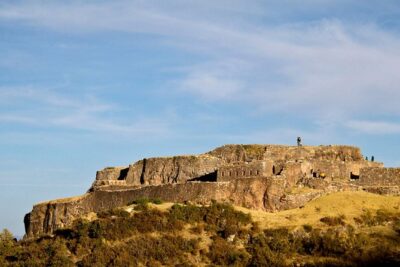
Pachacamac Ruins & Barranco Half-Day Guided Tour
Read our review →
Pre Inca Temple of Pachacamac Half-Day Tour from Lima
Read our review →
Tour to the Archaeological Sanctuary of Pachacamac (small group)
Read our review →
From Pyramids & Bohemian Streets: Lima Miraflores & Barranco Tour
Read our review →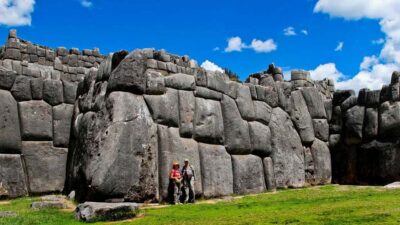
City Tour | Half-Day Tour to 4 Archaeological Sites
Read our review →Browse the lists this tour appears in