
Reviewed · INCA RUINS & ARCHAEOLOGICAL SITES
Cusco: Tipón, Pikillacta, and Andahuaylillas Tour
Water still runs through Inca stonework. I like this tour because Tipón’s canals still function and because Andahuaylillas brings together colonial painting and Andean ideas in one remarkable church. The main drawback is that entry fees are not clearly included, so you should carry cash and confirm the cost before setting out.
This $18 outing covers three very different places in Cusco’s South Valley. You get round-trip transport, a bilingual guide, a bottle of water, a light snack, and a taste of Oropesa’s large Chuta bread. The schedule is full, but the stops are short enough to fit into one day.
The tour has earned a 4.2 rating from seven bookings. Most of the praise centers on the route, the transport, and friendly guides such as Isaías and Samara. One poor experience involved a guide named Jorge, who became stressed over tickets and return times. That tells you something useful: this is a budget group tour, and guide quality can affect the mood.
In This Review
- Key points to know before you book
- Why the South Valley route is worth your time
- Tipón: where Inca engineering takes center stage
- Pikillacta: a different civilization and a different kind of ruin
- Andahuaylillas and the church called the Sistine Chapel of America
- Chuta bread in Oropesa adds a welcome local pause
- Transport, timing, and the practical shape of the day
- Guide quality can shape the whole experience
- Is $18 a good deal for this route?
- What to bring for a smoother day
- Who should book this South Valley day?
- Should you book it?
- FAQ
- How long does the Cusco South Valley tour last?
- Where does the tour begin?
- Where does the tour finish?
- What languages does the guide speak?
- Are meals included?
- Can I cancel the booking?
Key points to know before you book
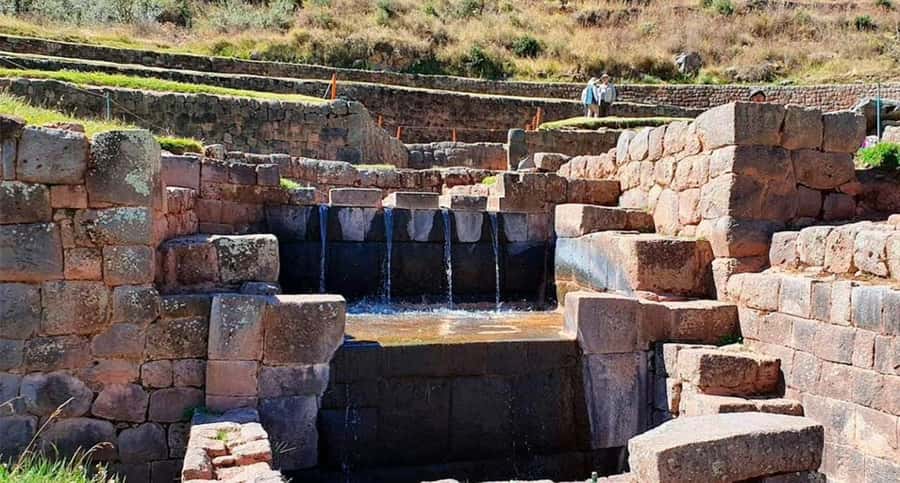
- Tipón is the technical highlight: Terraces, channels, and stone fountains show how carefully the Inca managed water.
- Pikillacta shifts the story earlier: This planned Wari city offers a look at pre-Inca urban life, not another Inca ruin.
- Andahuaylillas supplies the artistic finish: Murals and altarpieces from the Cusco School make this colonial church far more than a quick photo stop.
- Oropesa’s Chuta bread adds local flavor: The bread is known for its large size, taste, and traditional preparation.
- The $18 price is strong value: Transport and guiding are included, but you need cash for entry fees and personal purchases.
- Expect a long transport day: The listed driving time adds up to about four hours and fifteen minutes, before the visits themselves.
Why the South Valley route is worth your time
Cusco’s most famous excursions usually point toward Machu Picchu, the Sacred Valley, or the city’s Inca walls. The South Valley receives less attention, yet it gives you a better spread of Peru’s past in a single outing.
At Tipón, you study Inca water engineering. At Pikillacta, you see the work of the Wari culture, which came before the Inca. At Andahuaylillas, you move into the colonial period and see how European religious art was adapted through local eyes.
That variety is the real strength of the trip. You are not looking at three similar ruins and trying to remember which wall belonged to which empire. Each stop has a clear identity, and the guide’s explanations help connect them.
I also like the pace for visitors with limited time in Cusco. The tour is not a slow, private examination of each site. Instead, it gives you a useful introduction to the region beyond the city, with enough time at every stop to understand why it matters.
More Ruins & Archaeology Tours in Cusco
- Cusco: Half-Day City Tour with Sacsayhuaman and Q’enco
★ 4.6 · 1,129 reviews - City Tour Cusco Qoricancha Sacsayhuaman y Tambomachay
★ 4.7 · 617 reviews - Cusco City Tour Four Ruins in Half-Day
★ 5.0 · 530 reviews
Tipón: where Inca engineering takes center stage
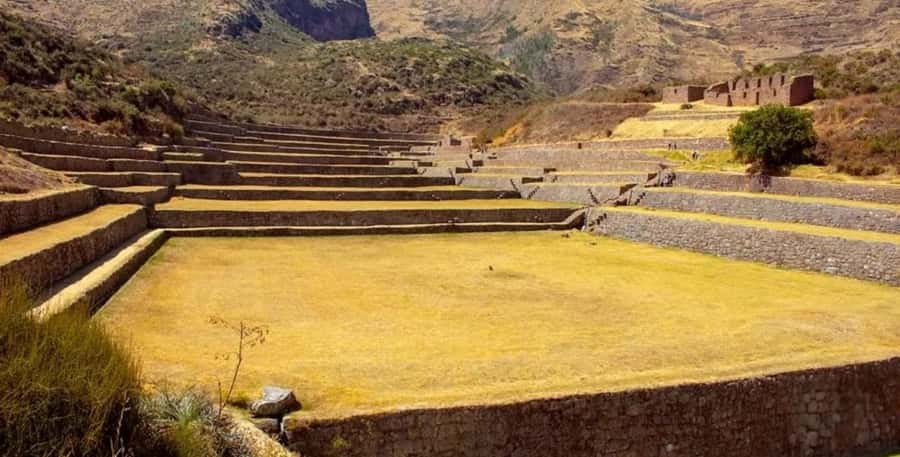
The first major stop is Tipón, reached after about an hour by bus or coach. It is often called the temple of water, and that name points to its main appeal. The site is built around terraces and channels that carry water through carefully shaped stonework.
You can expect your guide to focus on the design and purpose of the hydraulic system. The important detail is that the channels still function today. Water does not simply appear in a dry ruin for display. It continues to move through a system made with impressive control and precision.
For me, Tipón is the stop that rewards close attention. You should look at the slope of the channels, the way water passes between levels, and how the terraces fit into the wider setting. It is easy to focus only on grand walls at Inca sites. Tipón reminds you that engineering, farming, and water management were central to daily life.
The one-hour visit is enough for a guided introduction, though it may feel brief if you want to study every channel or take many photographs. Wear sunscreen and bring sunglasses. The supplied information specifically advises sun protection, and you will want your camera ready for the stonework and surrounding scenery.
Tipón also gives the tour a strong opening. You begin with something active and practical, not just ceremonial architecture. Once you understand the water system, the Inca world feels less like a collection of impressive stones and more like a carefully managed society.
Pikillacta: a different civilization and a different kind of ruin
After Tipón, the vehicle continues for about 30 minutes to Pikillacta. The visit lasts around 50 minutes and is guided.
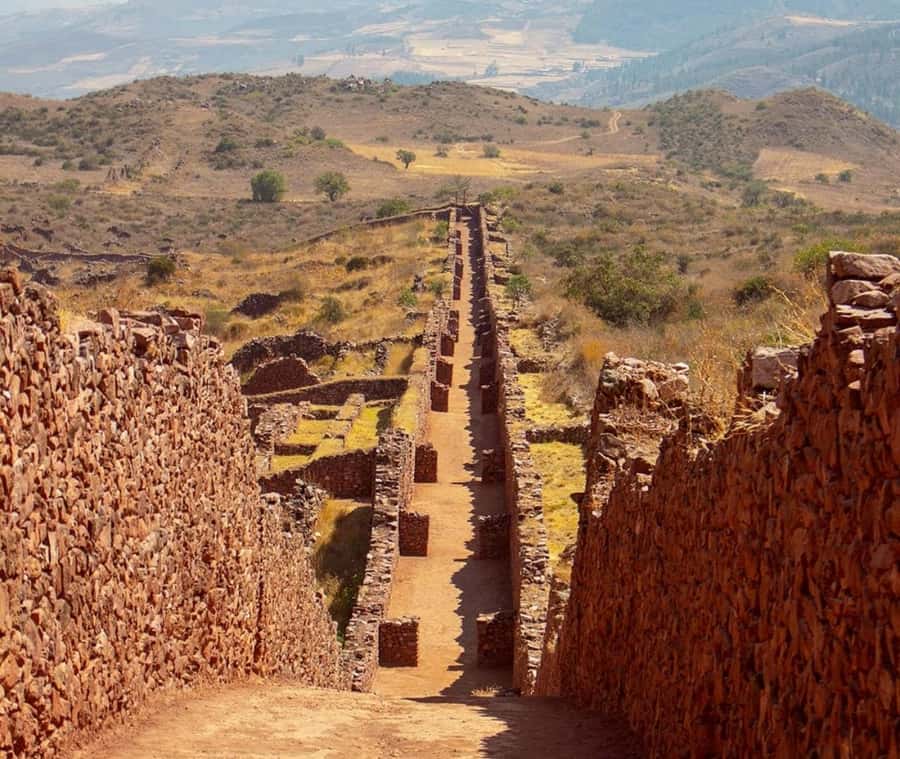
Pikillacta was planned by the Wari culture, which makes it especially valuable for anyone who wants more than the standard Inca story. The site includes streets, walls, and plazas, allowing you to think about how an early Andean city was organized.
The layout is the point here. Instead of looking for one famous temple or a single spectacular object, pay attention to the planned arrangement of the settlement. The broad sense of order helps you picture a city designed around movement, separation, and public space.
Pikillacta can feel more restrained than Tipón or Andahuaylillas. Its appeal comes from its scale and plan rather than ornate decoration. If you want a dramatic interior or finely carved stone at every turn, this may be the quietest stop. If you enjoy seeing how societies arranged homes, streets, walls, and plazas, it adds important context.
The 50-minute guided visit should give you a solid overview, but it is not a long archaeological study. Listen closely to the guide, since the Wari connection may be less familiar than the Inca material you hear elsewhere in Peru.
This is also where the route earns its educational value. You see that Cusco’s past did not begin with the Inca. The Wari city provides a clear reminder that organized urban life and regional power existed in the Andes long before the empire most visitors know best.
Andahuaylillas and the church called the Sistine Chapel of America
The final major stop is Andahuaylillas, reached after about 45 minutes on the road. The guided visit lasts around 50 minutes.
The colonial temple is known as the Sistine Chapel of America because of its murals and decorated interior. The comparison is not about size. It is about the concentration of artwork inside a church that can look modest from the outside.
Here, your attention shifts from stone engineering and city planning to painted walls and religious decoration. The murals and altarpieces belong to the Cusco School, a style in which European art traditions meet Andean ideas and local visual expression.
I like the way this stop changes the tone of the day. After two archaeological sites, Andahuaylillas brings you into the colonial period and shows how culture changed under Spanish rule. The church is not simply European art placed in Peru. The combination creates something specific to the Andes.
A 50-minute visit is practical, but you should use your time well. Look up, look around the walls, and listen for the guide’s explanation of the paintings and altarpieces. This is not the place to rush in, take one photograph, and leave. The details are the reason to visit.
Photography rules and ticket arrangements are not fully explained in the supplied information, so follow the guide’s instructions inside. Carry cash, especially since entry fees and personal costs are listed as expenses you should prepare for.
More ruins and archaeology near Cusco:
- Cusco: City Tour | Half-Day Tour to 4 Archaeological Sites
★ 4.6 · 206 reviews - Cusco City Sightseeing and Sacsayhuaman Archeological Park Tour
★ 4.5 · 101 reviews - Cusco: Historical Guided City Tour with 4 Inca Ruins
★ 4.5 · 99 reviews - Cusco: Half-Day City Tour with Sacsayhuaman and Qenqo
★ 4.5 · 77 reviews
Chuta bread in Oropesa adds a welcome local pause
The food element is modest but well chosen. You receive a light snack and a bottle of water during the tour, and you have the chance to taste traditional Chuta bread from Oropesa.
Chuta bread is known for its size and flavor, as well as its ancestral preparation technique. This is not presented as a full meal, so do not expect the snack to replace lunch. One booking specifically praised an additional lunch that was not included, which is a useful reminder to plan for your own midday meal.
The bread gives the route a local connection that a standard sightseeing circuit can miss. You are not only moving from one monument to the next. You are also being introduced to a food associated with the area.
If you enjoy trying regional specialties, this small tasting may be one of the most memorable parts of the day. Bring cash for any extra bread or personal purchases, since cash is specifically recommended.
Transport, timing, and the practical shape of the day
The listed route begins with pickup from Cusco’s historic center, with Plaza Kusipata given as a pickup point. It finishes at Plaza Regocijo, also in the historic center.
The driving sections are listed as:
- About one hour to Tipón
- About 30 minutes to Pikillacta
- About 45 minutes to Andahuaylillas
- About one hour back to Cusco
That is roughly four hours and fifteen minutes in transit. Add one hour at Tipón, 50 minutes at Pikillacta, and 50 minutes at Andahuaylillas, and the core schedule already reaches about seven hours. Pickup and return arrangements can make the total day longer.
This matters because the tour is efficient, not leisurely. You should expect a shared vehicle and fixed meeting times. A Canadian booking described transport problems that were handled with alternatives, which suggests the operator can adapt, but it also shows why you should stay alert to pickup instructions.
Keep your phone charged, arrive early at the meeting point, and listen carefully when the guide gives a return time. One negative experience centered on people missing the agreed time and the guide becoming upset. You should not have to manage the guide’s mood, but punctuality helps protect your own day and the rest of the group.
The transport is described as comfortable and safe in a highly positive booking. Still, this is a budget excursion, not a private car service. If you want complete control over departure times, long photo stops, and meal breaks, a private tour will suit you better.
Guide quality can shape the whole experience
The tour includes a bilingual professional guide in English and Spanish. That is important at these sites because the value comes from context. Tipón’s channels, Pikillacta’s Wari planning, and Andahuaylillas’s art all benefit from explanation.
The strongest personal praise went to Isaías, described as passionate about his work, and Samara, whose attention and service received a positive mention. Another booking praised the guide for answering questions and being well prepared. Those comments fit the route: a good guide can make three short visits feel connected rather than rushed.
You should also know that guide performance may vary. A Portuguese-language booking described Jorge as stressed about tickets and timekeeping, then as unpleasant on the return journey. This is one report among a small number of reviews, but it is worth noting because the group format gives you little control if the guide is having a bad day.
The practical lesson is simple. Ask questions early, keep track of the meeting times, and confirm which costs are included. A calm, clear guide can make the day excellent. A disorganized one can make a tightly timed route feel harder than it needs to be.
Is $18 a good deal for this route?
At $18 per person, the tour offers strong value if you want transport and a basic guided introduction to the South Valley. The price includes round-trip tourist transport, historic-center hotel pickup, a bilingual guide, a bottle of water, a light snack, and a first aid kit.
The main cost question is admission. You are told to bring cash for entry fees, and the guide-related complaint involved confusion because some people already had tickets while others did not. I would ask the operator exactly which site admissions are included before booking, then carry enough cash regardless.
The price does not appear to include lunch. Plan for your own meal and treat the Chuta bread as a tasting, not a complete food stop.
For this rate, I think the tour works best as an introduction. You get three distinct sites, local food, transport out of Cusco, and a guide without arranging several separate rides. The trade-off is a fixed schedule and possible variation in guide quality.
What to bring for a smoother day
The recommended packing list is sensible:
- Sunglasses and sunscreen for sun protection
- A camera for the stonework, church interiors, and scenery
- Insect repellent
- Cash for entry fees and personal expenses
- Water, although one bottle is supplied
Comfortable clothing and shoes are sensible for moving around archaeological sites, but the provided details do not specify walking conditions, so I would avoid making firm promises about the terrain.
You should also leave room in your day for delays. The route has several transport segments, and even a small issue at pickup or a site entrance can affect the timing.
Who should book this South Valley day?
I would recommend this tour to first-time visitors who want to see more of the Cusco Region without arranging separate transport. It is especially useful if you like archaeology, old water systems, colonial painting, and local food in equal measure.
It also suits you if you have one free day and want a broad regional introduction. The stops are varied enough to keep the day from feeling repetitive, and the historical sequence is easy to follow.
You may want another option if you dislike group schedules, need long periods at each site, or expect a full included lunch. You should also think carefully if unreliable transport or a rushed guide would spoil your day. The positive experiences point to a safe, comfortable, well-run outing, but the lower-rated experience shows that the service is not perfectly consistent.
Free cancellation up to 24 hours before departure and the reserve-now, pay-later option make the booking less rigid. Starting times vary, so check availability before committing to another Cusco activity on the same day.
Should you book it?
Book this tour if you want excellent variety at a low price. Tipón gives you functioning Inca waterworks, Pikillacta adds the Wari period, and Andahuaylillas closes with some of the finest colonial art on the route. The Chuta bread tasting is a small but welcome local touch.
I would book it after confirming the admission arrangements and planning my own lunch. Keep cash handy, arrive on time, and expect a full day with several hours in the vehicle. With a good guide such as Isaías or Samara, this can be one of the most useful low-cost excursions from Cusco. Just remember that the group format and occasional service problems are part of the bargain.
FAQ
How long does the Cusco South Valley tour last?
It is sold as a one-day activity. The listed driving and visit times total about seven hours, not including pickup, return arrangements, or possible delays.
Where does the tour begin?
Pickup is available from Cusco’s historic center, with Plaza Kusipata listed as a pickup location.
Where does the tour finish?
The tour finishes at Plaza Regocijo in Cusco’s historic center.
What languages does the guide speak?
The live guide is available in English and Spanish.
Are meals included?
A light snack, a bottle of water, and a taste of Chuta bread are included. Lunch is not included.
Can I cancel the booking?
You can cancel up to 24 hours in advance for a full refund. A reserve-now, pay-later option is also available.
Added recently around Cusco
- Guided tour of the mountain of colors in Cusco★ 5.0 · 11 reviews
- 2-Day Private Short Inca Trail to Machu Picchu★ 5.0 · 15 reviews
- City Tour Cusco – Group★ 5.0 · 4 reviews
- Tour Sacred Valley with Maras and Moray★ 5.0 · 15 reviews
- San Pedro Market Tour with Peruvian Cooking Class★ 5.0 · 31 reviews
- City Tour in Cusco★ 4.5 · 10 reviews
- Walking Culinary Experience★ 5.0 · 41 reviews
- One Day Tour to Humantay Lagoon★ 5.0 · 8 reviews
Inca Ruins & Archaeological Sites, compared.
Half-Day City Tour with Sacsayhuaman and Q’enco
Read our review →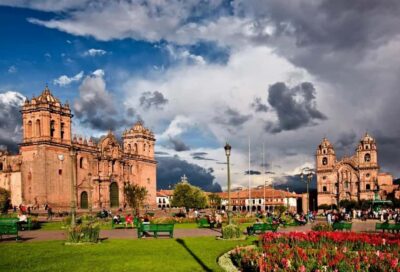
City Tour Cusco Qoricancha Sacsayhuaman y Tambomachay
Read our review →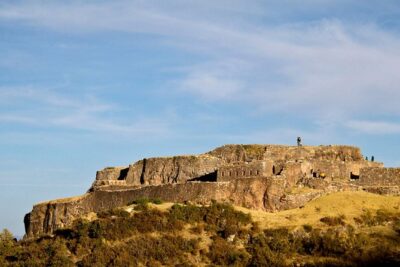
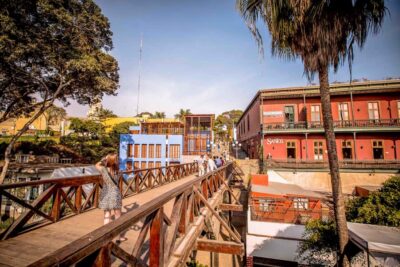
Pachacamac Ruins & Barranco Half-Day Guided Tour
Read our review →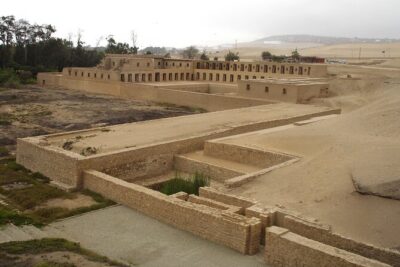
Pre Inca Temple of Pachacamac Half-Day Tour from Lima
Read our review →
Tour to the Archaeological Sanctuary of Pachacamac (small group)
Read our review →
From Pyramids & Bohemian Streets: Lima Miraflores & Barranco Tour
Read our review →
City Tour | Half-Day Tour to 4 Archaeological Sites
Read our review →Browse the lists this tour appears in