
Reviewed · HALF-DAY
Half-Day Acclimatization Hike with Llamas and Alpacas in Cusco
Cusco rewards a slow first step. This four-hour outing combines a gentle introduction to high-altitude walking with llamas, alpacas, old Inca roads, and lesser-known ruins outside the city. I especially like the small group of no more than 15 people and the chance to spend real time at each site instead of rushing from one photo stop to the next.
I also like that transportation, hotel pickup, archaeological admission, snacks, and a professional English and Spanish-speaking guide are included in the $110 price. The main caution is altitude: even a mostly flat walk can feel tough in Cusco, especially on your first or second day. One parent found the hike hard for an eight-year-old, though that child later handled more demanding walks with much greater ease.
In This Review
- What makes this Cusco hike worth considering
- Why this is a smart first or second activity in Cusco
- A small group helps on the Inca trails
- Tambomachay begins the outing at a rural pace
- Inkilltambo follows intact Inca roads
- Templo de la Luna puts sacred rockwork in focus
- Kusilluchayoc reveals the Temple of the Monkeys
- What the $110 price includes
- Weather, clothing, and physical effort
- Who will get the most from this half-day tour?
- Should you book the llama and alpaca acclimatization hike?
- FAQ
- How long does the experience last?
- What time does the tour start?
- Is hotel pickup included?
- What languages are available?
- How many people can join the tour?
- Are entrance tickets included?
- What happens if bad weather cancels the tour?
What makes this Cusco hike worth considering
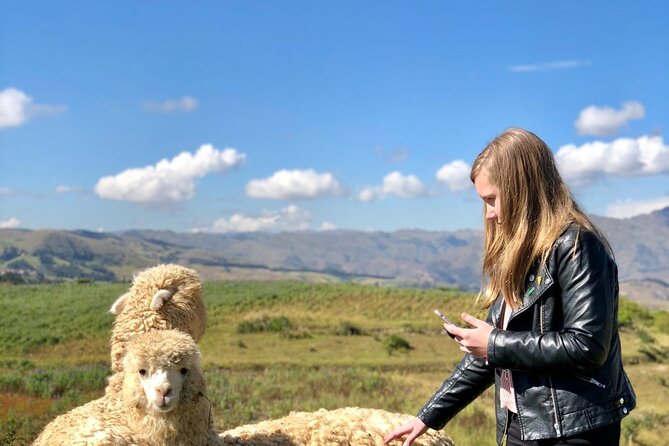
- Llamas and alpacas add a memorable, low-key animal experience to a walk through the Andes.
- Tambomachay, Inkilltambo, Templo de la Luna, and Kusilluchayoc offer ancient sites beyond the usual city-center circuit.
- The route is designed for acclimatization, with a leisurely pace and time to adjust to Cusco’s elevation.
- Guides such as Ruben, Fabiana, Holgar, and Irma have been praised for patience, warmth, local knowledge, and care with the animals.
- Free admission at the listed sites keeps the price focused on transport, guiding, and the organized experience.
- Hotel pickup and a maximum group size of 15 make this easier than arranging a rural walk on your own.
Why this is a smart first or second activity in Cusco
Cusco sits high enough that your first walking tour may feel surprisingly demanding. Stairs, slopes, and even a level path can leave you breathing harder than expected. This outing gives you a useful test of how your body responds before you commit to the Inca Trail or another long mountain excursion.
I like the idea of placing it on your second or third day in Cusco. You get outside the city, move at a measured pace, and learn how much effort feels comfortable. One person who took the hike before the Inca Trail found it difficult at first, but later noticed that more strenuous walks seemed easier. That is exactly the practical value of an acclimatization walk.
Do not mistake acclimatization for an easy stroll at sea level. The route may be mostly flat in places, but altitude still matters. Keep your pace modest, listen to the guide, and do not feel pressured to match the quickest person in the group.
The tour lasts about four hours and starts at 9:00 a.m. That morning timing works well. You can eat breakfast first, walk during the cooler part of the day, and still have the afternoon free for lunch, rest, or a relaxed look around Cusco.
More Hiking Tours in Cusco
- Classic Inca Trail Trek 4D/3N to Machu Picchu (Group Service)
★ 5.0 · 8,653 reviews - Machu Picchu: 4-Day Inca Trail Trek with Panoramic Train Ride
★ 5.0 · 4,568 reviews - Salkantay Classic Trek 5 Days from Cusco
★ 5.0 · 4,062 reviews
A small group helps on the Inca trails
A maximum of 15 people is a useful limit for this type of outing. You are not joining a huge procession where the guide must shout every explanation. A smaller group also makes it easier to maintain a calm pace and keep the llamas and alpacas together.
The guide remains on hand throughout the walk. That matters on uneven paths and around archaeological sites, but it matters just as much when you are adjusting to the altitude. The strongest praise has gone to Ruben, who was described as friendly, patient, engaging, and careful with the group. Holgar was also praised for making the walk feel like time spent with an old friend, while Fabiana and Irma helped create a warm experience with the animals.
The information describes the guides as multilingual, with English and Spanish offered. If you need English guidance, this is a clear advantage. You can ask about the ruins, the route, local plants, and the animals without trying to follow a rushed explanation in a language you do not speak well.
Tambomachay begins the outing at a rural pace
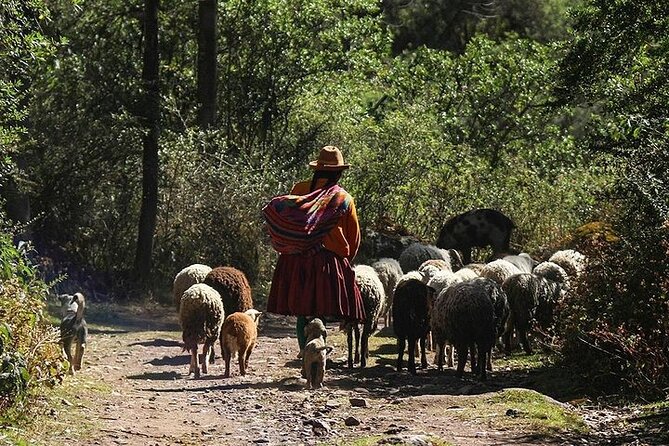
The first stop is Tambomachay, about 20 minutes from Cusco. It is described as a small Andean town where farming remains part of daily life and some traditional tools are still used. This gives the walk a more local starting point than a simple departure from a city street.
You have about an hour here, with no separate admission charge. The length of the stop lets you settle into the pace, meet the llamas and alpacas, and begin paying attention to how the altitude feels.
Tambomachay is useful as a gentle transition. You leave the center of Cusco behind and enter a setting connected to farming, trails, and open mountain country. The outing is not only about ticking off ruins. It is also about noticing how people, animals, old roads, and sacred places fit together.
The drawback is that the description does not promise a large village tour or a long cultural program here. Think of Tambomachay as the starting point for the walk, not a full standalone attraction. Its value comes from the setting and the easy beginning.
Inkilltambo follows intact Inca roads
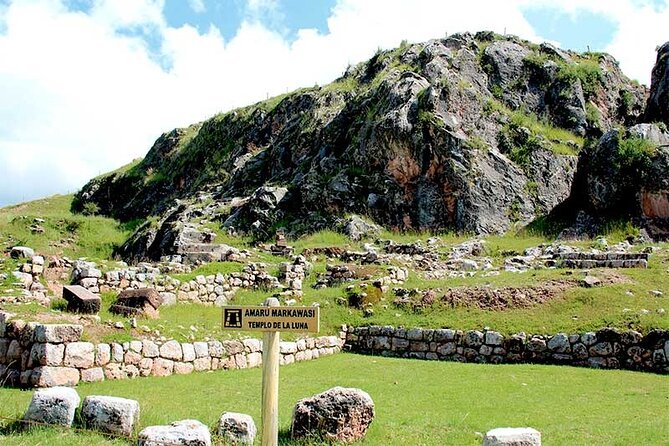
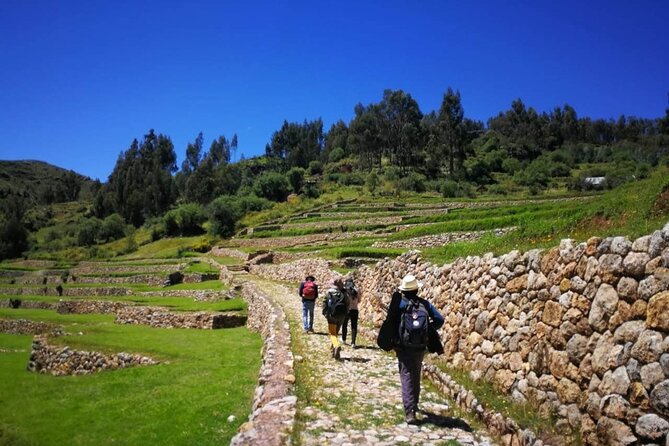
The second stop takes you along the Inkilltambo Trail toward the Rumiwasi ruins. This is one of the more appealing parts of the route because you can still find intact Inca roads on the outskirts of Cusco.
That detail changes the feel of the walk. You are not only looking at isolated stone walls. You are following routes that once connected places, temples, and communities. Walking on an old road gives you a better sense of how the Inca used the surrounding country than viewing a ruin from a fenced platform.
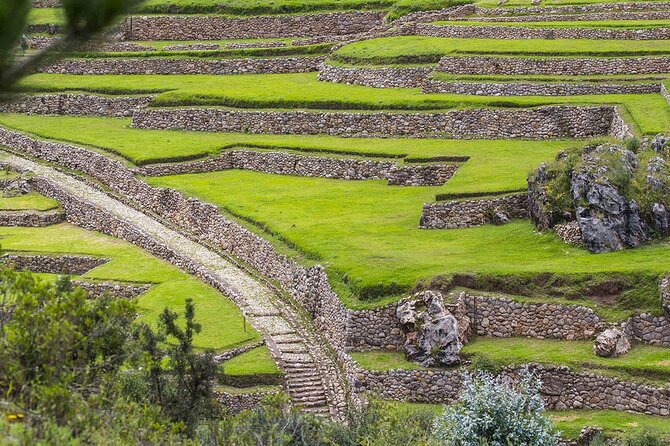
The area includes archaeological remains and sacred Inca temples, each with its own design and purpose. You have about an hour here, and admission is included. That extended time is useful because the route is meant to be taken slowly, with room for explanations and photographs.
The trail is also presented as suitable for families and as a pleasant picnic walk. Still, I would not call it effortless. The altitude can make even a mild route tiring, and one family found the hike difficult for an eight-year-old. If you are bringing children, consider their comfort with four hours of walking rather than relying only on the word leisurely.
The biggest benefit is the combination of movement and archaeology. You get fresh air, old stonework, and a chance to see sites that are less likely to appear on a standard first-day city tour.
More hiking days from Cusco:
- 4-Day Salkantay Trek with Sky Camp Stay
★ 5.0 · 3,346 reviews - Salkantay Trek 5D/4N with Glass Cabins, Domes and Hobbit House
★ 5.0 · 2,488 reviews - Rainbow Mountain Full Day Trek
★ 5.0 · 1,469 reviews - 5-Day Premium Salkantay Trek
★ 5.0 · 788 reviews
Templo de la Luna puts sacred rockwork in focus
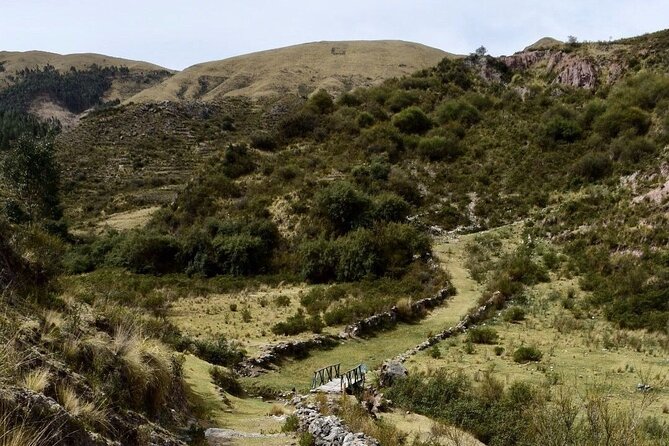
Templo de la Luna, or Temple of the Moon, is the third one-hour stop. The site dates to the Imperial Inca period, from 1438 to 1532, and is carved directly into a rock formation.
According to the description, ceremonies connected mainly with the Moon took place here, along with rituals honoring deities such as Pachamama, Mother Earth. A moon figure is carved into the rock, and the site includes work both inside and on the upper part of the formation.
This is the kind of place where a guide adds real value. Without context, carved rock can look like a puzzle of shapes and hollows. With an explanation of the site’s possible ritual use and the images cut into the stone, you can look more closely and understand why the place mattered.
You also get time. Many archaeological stops become frustrating when a group arrives, takes a few pictures, and leaves before you can get your bearings. Here, the planned hour encourages a slower look.
The description does not state how much climbing is required at this stop, so you should be ready for uneven ground and some variation in the path. That is especially important if your legs are still adjusting to Cusco’s altitude.
Kusilluchayoc reveals the Temple of the Monkeys
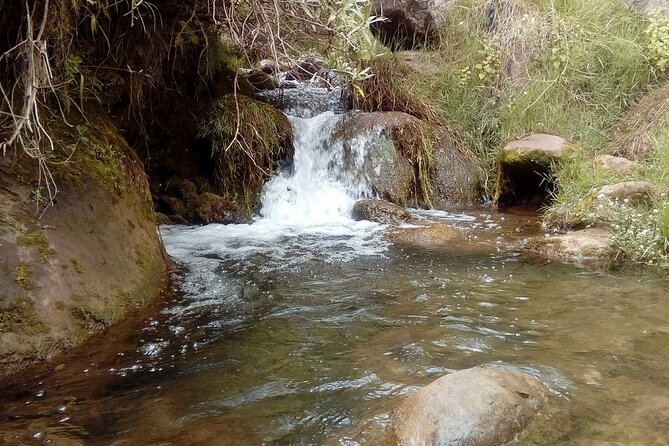
The final stop is Kusilluchayoc, known as the Temple of the Monkeys. This small ancient Inca temple sits beside an Inca trail leading back toward Cusco.
Rock carvings include monkey figures and a separate carving shaped like a human heart. The site may also reflect connections with groups from the jungle, according to the description. These details give the stop a different character from Templo de la Luna, where the focus is more clearly tied to lunar ritual and sacred rock.
I like ending here because it keeps the route focused on discovery rather than a grand finish. You are visiting a small site that could easily be missed without a guide who knows where to look. The walk then continues along an Inca trail toward the city, bringing the half-day outing to a natural close.
Again, the planned time is about an hour. That is generous for a small archaeological site, but it also means the tour does not treat it as a quick photo stop. Ask questions, look carefully at the carvings, and let the guide explain what is known and what remains uncertain.
What the $110 price includes
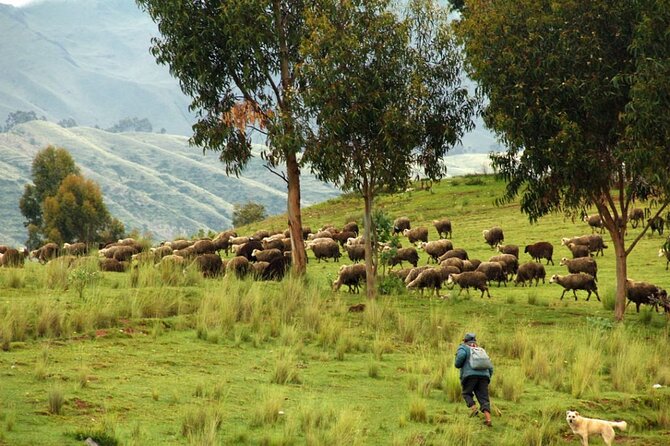
At $110 per person, this is not the cheapest way to spend a morning in Cusco. The value depends on how much you would otherwise pay for separate transport, a guide, site admissions, and an organized llama and alpaca walk.
The package includes hotel pickup, transportation, archaeological entrance tickets, snacks, and a professional guide. Drinks are not included, so you need to bring money for them or carry your own water. The provided information specifically lists snacks but does not describe what they are, so do not plan on this as a substitute for breakfast.
The free admission at the four archaeological stops helps. You are not paying extra each time you enter a site, and you get the benefit of an organized route rather than trying to connect these places independently.
The price makes the most sense for you if you value convenience and interpretation. A person who only wants a short walk near Cusco might find it expensive. A person preparing for the Inca Trail, traveling with family, or wanting animals and ruins in the same morning may find the package reasonable.
Weather, clothing, and physical effort
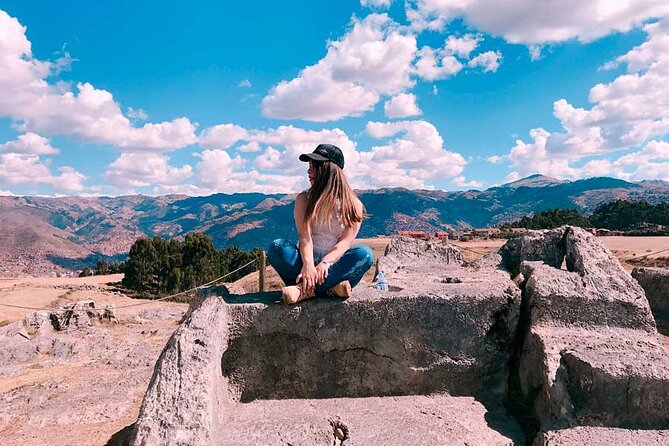
The tour operates in all weather conditions, so dress for changeable mountain weather. Layers are the sensible choice. You can adjust as the morning warms or cools, and you should wear clothing suitable for walking on trails and around archaeological sites.
The experience requires good weather in the sense that poor conditions may cause cancellation. If that happens, you are offered another date or a full refund. The tour also requires a minimum number of participants, so a cancellation is possible if that number is not reached.
Most people can take part, but the altitude remains the key concern. The route may be manageable in distance and pace, yet still leave you huffing and puffing. If you feel unwell, tell the guide rather than trying to prove that you can keep going.
The animal portion adds charm, but it also requires patience. Llamas and alpacas are part of the walking experience, not a guarantee that every moment will be perfectly controlled. Irma was specifically praised for handling the animals, which suggests that a dedicated person helps keep this part organized.
Who will get the most from this half-day tour?
I would recommend this experience to several types of visitors:
- You are arriving in Cusco and want a useful first or second outdoor activity.
- You plan to hike the Inca Trail or take another demanding excursion later.
- You want archaeological sites outside the busiest city routes.
- You enjoy walking with animals but also want history and scenery.
- You prefer a guided outing with hotel pickup.
- You are traveling with children who can manage several hours of walking.
I would be more cautious if you want a very easy, short animal encounter with almost no physical effort. The walk is four hours, and altitude can make it feel harder than the route description suggests.
It may also disappoint you if you expect a major ceremonial complex or a large-scale ruin at every stop. The appeal here is the variety: rural life, old roads, carved rocks, temples, animals, and views. The sites are smaller and quieter, which is part of their charm.
Should you book the llama and alpaca acclimatization hike?
Book it if you want to ease into Cusco at walking speed while seeing less familiar Inca sites. The combination of animals, quiet trails, free archaeological admission, snacks, transport, and a patient guide gives the morning a clear purpose beyond sightseeing.
I would place it early in your stay, ideally after you have had some time to rest and adjust. Keep your expectations realistic: this is an altitude walk with historical stops, not a strenuous mountain expedition and not a purely relaxed animal visit.
At $110, the tour earns its price through the guide, transportation, animal handling, and carefully connected sites. Choose it for the experience as a whole. Skip it if you only want the lowest-cost way to see ruins or if four hours of walking at altitude sounds like too much.
FAQ
How long does the experience last?
The hike lasts approximately four hours.
What time does the tour start?
The stated start time is 9:00 a.m.
Is hotel pickup included?
Yes. Hotel pickup and transportation are included.
What languages are available?
The professional guide service is offered in English and Spanish.
How many people can join the tour?
The group has a maximum of 15 participants.
Are entrance tickets included?
Yes. Entrance tickets for the archaeological sites are included, and the listed stops have free admission.
What happens if bad weather cancels the tour?
You will be offered a different date or a full refund. Free cancellation is also available when you cancel at least 24 hours before the experience begins.
Added recently around Cusco
- Visit Pisac from Cusco: Private Transport★ 4.6 · 9 reviews
- Trek to Choquequirao 4 days★ 3.8 · 4 reviews
- Trek to Humantay Lake from Cusco★ 4.9 · 8 reviews
- the Incas’ Sacred Valley★ 5.0 · 27 reviews
- Sacred Valley of the Incas Day Trip from Cusco★ 5.0 · 6 reviews
- Super valley or vip valley★ 5.0 · 13 reviews
- Small-Group Tour: Rainbow Mountains Hiking from Cusco★ 4.0 · 5 reviews
- Excursion to the Sacred Valley of the Incas from Cusco★ 5.0 · 8 reviews
Half-Day, compared.
Lima Half-Day City Walking Tour (Small Groups)
Read our review →
Half-Day City Tour with Sacsayhuaman and Q’enco
Read our review →
Lima’s Vibrant Heritage: Exploring the City’s Landmarks Half-day
Read our review →
Pachacamac Ruins & Barranco Half-Day Guided Tour
Read our review →
Pre Inca Temple of Pachacamac Half-Day Tour from Lima
Read our review →
City Tour | Half-Day Tour to 4 Archaeological Sites
Read our review →Browse the lists this tour appears in