
Reviewed · INCA RUINS & ARCHAEOLOGICAL SITES
Sacsayhuaman Temple, Tambomachay and Puca Pucara Half-Day Tour
Ancient stones, sacred springs, and wide Cusco views. This three-hour small-group tour links four Inca-era sites outside the city, using a minivan to cover ground that would take more planning by taxi. I like the early start, which can mean thinner crowds at Sacsayhuaman, and the live bilingual guide who adds context to the stones, waterworks, and ceremonial spaces. The main caution is pace: some guides allow nearly two hours at Sacsayhuaman, while others rush the sites and make room for an unlisted textile shop.
This is a useful introduction to Cusco’s surrounding ruins, especially if you have only a morning free. The group is capped at 14, and admission to all four sites is included. Still, the tour can feel uneven, with Sacsayhuaman receiving most of the attention and the smaller ruins sometimes getting only a quick walk-through.
In This Review
- Key points to know before you book
- Four Inca sites in one short morning
- Sacsayhuaman: the reason to take the tour
- Q’enqo: carved rock and a quick explanation
- Puca Pucara: red fortress above the road
- Tambomachay and its sacred water
- What the guide adds, and where the tour can fail
- The unlisted textile shop problem
- Transport, timing, and the practical details
- Is $69 a fair price?
- Who should book this half-day outing?
- Should you book it?
- FAQ
- What sites does the tour visit?
- How long does the tour last?
- What time does the tour start?
- Is hotel pickup included?
- Are entrance tickets included?
- Is the tour offered in English?
- How large is the group?
- Is Q’enqo’s interior accessible?
- Can I cancel for a refund?
Key points to know before you book
- Sacsayhuaman gets the star treatment: Expect massive fitted stones, terraces, Cusco views, and the strongest history lesson of the morning.
- Four sites fit into one outing: You visit Sacsayhuaman, Q’enqo, Puca Pucara, and Tambomachay near Cusco.
- The early 8 a.m. start matters: It helps you reach Sacsayhuaman before the worst crowds and leaves time for lunch afterward.
- Small groups make transport easier: The maximum group size is 14, with hotel pickup and drop-off included where vehicles can reach.
- The pace depends heavily on your guide: Guides such as Jose Aguilar, Ana, Yuber, Alex, Robinson, and Mariné received warm praise, but some experiences were rushed.
- Watch for shopping stops: Several past outings included an alpaca or textile shop that was not part of the stated route.
Four Inca sites in one short morning
Cusco is surrounded by important archaeological sites, but they are spread across the hills above and beyond the city center. This tour solves the basic transport problem. You are collected at your hotel, ride in an air-conditioned minivan, and move from one site to the next without arranging separate taxis.
The group limit of 14 is a useful middle ground. You get more structure than you would with a private guide, but the outing should feel less crowded than a large coach tour. It also gives you a guide to explain what you are looking at, which matters at places such as Q’enqo and Tambomachay, where the remains can be hard to read without help.
The listed duration is about three hours, though the actual timing may be closer to four hours depending on pickup, traffic, group size, and the guide. One well-paced outing ran from 8 a.m. to noon, leaving time for lunch and shopping in Cusco. Another finished in roughly two and a half hours. That difference is important if you have a train, flight, or another booked activity later in the day.
The exact order can also vary. The general description begins with Tambomachay, while the detailed route places Sacsayhuaman first. Think of these as the four stops included, not a guaranteed order.
More Ruins & Archaeology Tours in Cusco
- Cusco: Half-Day City Tour with Sacsayhuaman and Q’enco
★ 4.6 · 1,129 reviews - City Tour Cusco Qoricancha Sacsayhuaman y Tambomachay
★ 4.7 · 617 reviews - Cusco City Tour Four Ruins in Half-Day
★ 5.0 · 530 reviews
Sacsayhuaman: the reason to take the tour
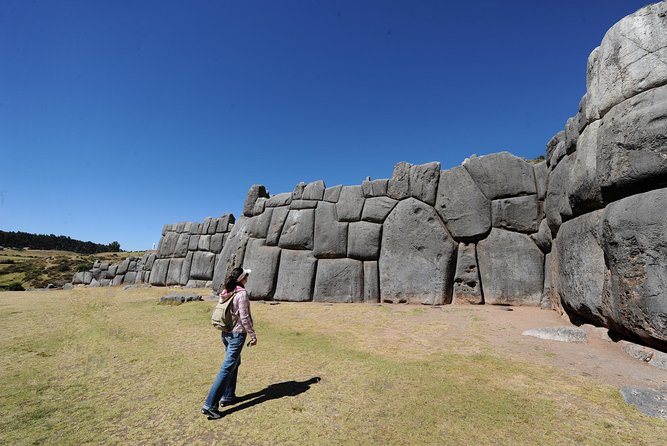
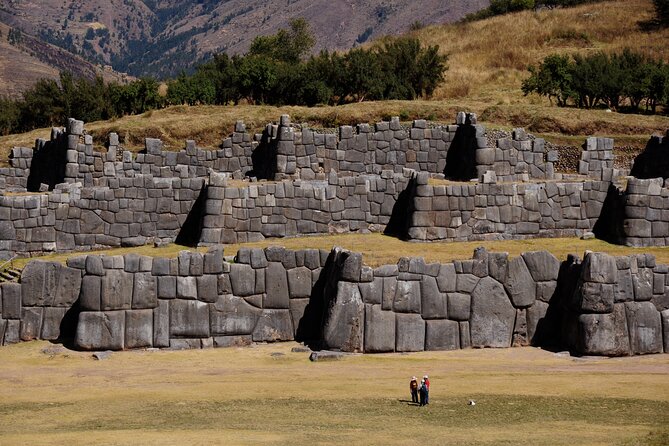
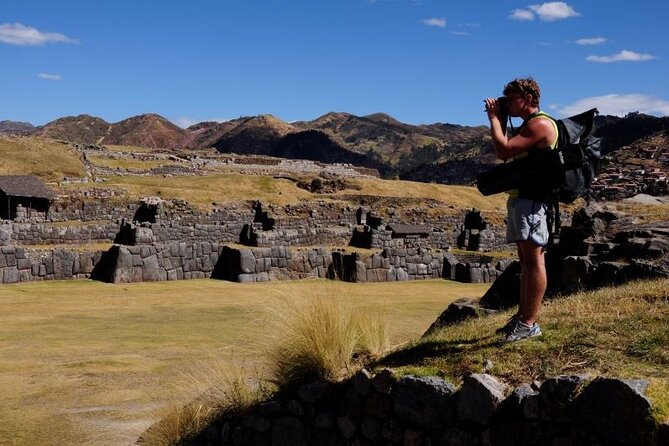
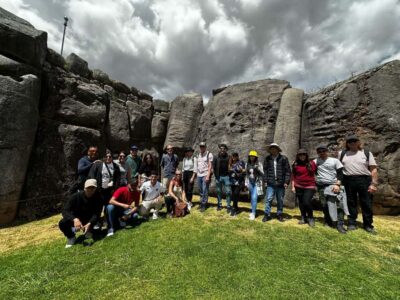
Sacsayhuaman is the largest and most impressive stop, and I would judge the whole outing by the time and attention given here. The site spreads across three levels of enormous stone terraces, with broad views toward Cusco and the surrounding hills.
The masonry is the main event. Some blocks are colossal, fitted together with remarkable precision, and arranged in zigzagging walls. You can spend a long time studying the joints, the angles, and the sheer amount of stone moved and shaped by Inca builders.
A good guide will connect the architecture to Inca ideas about the natural world. Look for forms and carvings linked with animals and symbolic levels of the Andean universe. The guide may also discuss the site’s role as a citadel and the Spanish-Inca battle that took place here. If that subject matters to you, ask directly, since guide quality varies.
The standard stop is listed at one hour and 30 minutes, though some outings spend closer to two hours here. That is enough for a solid introduction, but not enough to inspect every terrace or wander every path at leisure. One of the tour’s strongest practical benefits is arriving early. Sacsayhuaman can draw long lines during busy periods, and an early visit gives you a better chance of seeing the main areas before the crowds build.
You will also have time for photographs, especially from the viewpoints above Cusco. The famous Cristo Blanco statue is about a 10-minute walk from one of the viewpoints, but it is not listed as a formal stop, so do not count on visiting it with the group.
Q’enqo: carved rock and a quick explanation
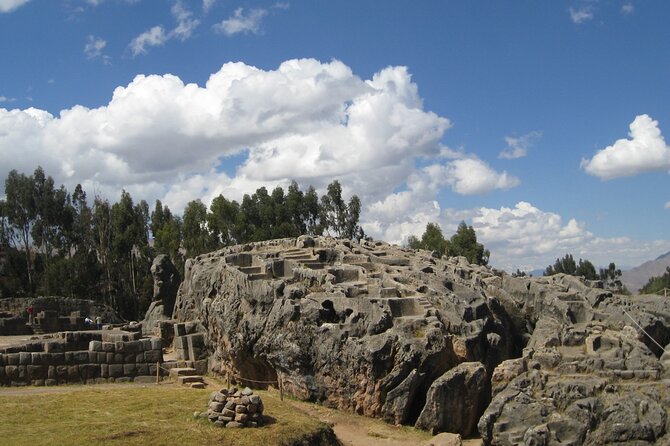
Q’enqo is smaller and more mysterious than Sacsayhuaman. Its name is often associated with a labyrinth, and the site includes carved rock, winding passages, channels, stairways, and ceremonial spaces.
The central carved area is the feature to watch for. The rock contains an altar associated with ritual activity, including sacrifice, though access to the interior area has at times been restricted. The route may instead provide a panoramic view from above the labyrinth.
The planned visit is about 30 minutes. That is enough to see the main rock formations and hear a short explanation, but it is not a long archaeological visit. If your guide is good, this stop becomes a useful lesson in how the Incas worked with natural rock rather than simply building with cut blocks.
This is also where a rushed tour can feel thin. Some guides give a careful account of the site’s chambers and ceremonial use. Others move the group along quickly, leaving you with photographs but little sense of why the place mattered. Keep your expectations realistic: Q’enqo is a compact stop, not another Sacsayhuaman.
Puca Pucara: red fortress above the road
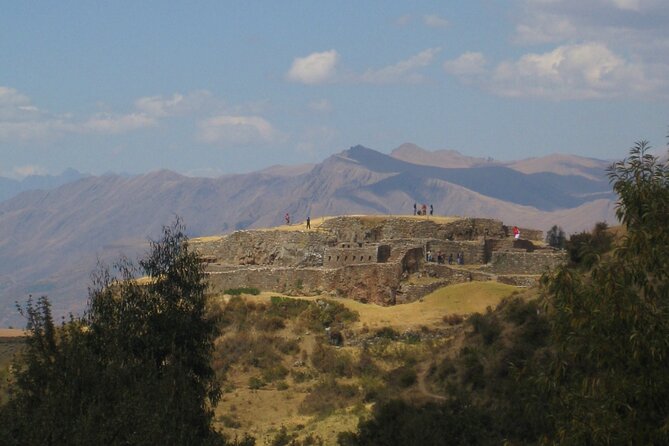
Puca Pucara means red fortress in Quechua. The hilltop complex served as a military and lookout post, and it was used as a checkpoint connected with the defense of Cusco and Sacsayhuaman.
Its walls, aqueducts, and water features are easier to understand from the outside than some of the carved spaces at Q’enqo. The setting also helps. From this elevated position, you can see how the Incas placed structures to monitor movement through the surrounding routes.
The usual visit lasts about 30 minutes. That is generally enough to walk through the remains, take photographs, and hear the basic explanation. Some outings have spent more time here than at the other smaller sites, particularly when the guide noticed someone wanted to explore independently.
Puca Pucara is not as grand as Sacsayhuaman, but it fills an important gap in the story. The tour is not only about temples and ritual. It also shows how the Inca state watched roads, controlled movement, and linked military sites with the capital.
More ruins and archaeology near Cusco:
- Cusco: City Tour | Half-Day Tour to 4 Archaeological Sites
★ 4.6 · 206 reviews - Cusco City Sightseeing and Sacsayhuaman Archeological Park Tour
★ 4.5 · 101 reviews - Cusco: Historical Guided City Tour with 4 Inca Ruins
★ 4.5 · 99 reviews - Cusco 4-Hour Private Tour Including Sacsayhuaman and Qenqo
★ 5.0 · 77 reviews
Tambomachay and its sacred water
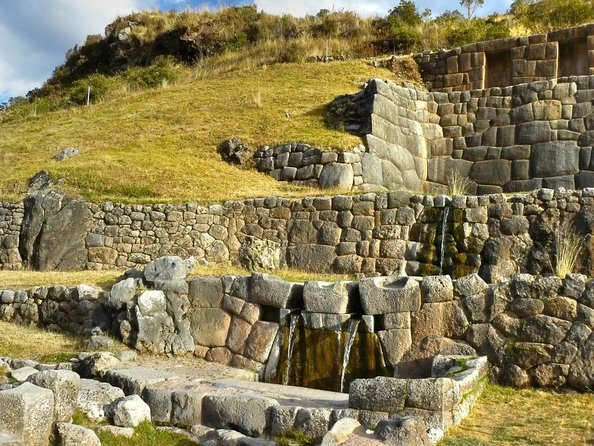
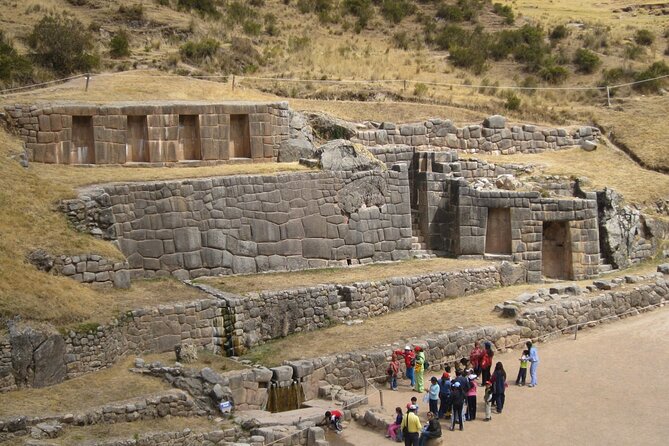
Tambomachay is the most different of the four sites. Instead of giant defensive walls or carved rock, you see finely built stone channels and fountains fed by springs emerging from the mountain.
Water was central to Inca ritual life, and Tambomachay is commonly associated with ceremony, renewal, youth, and good fortune. The flowing water gives the site a calm feeling, though the stop itself is short, usually about 45 minutes.
Take your time looking at the channels and stonework. The water features may appear simple at first, but they show careful control of flow and a close relationship between architecture and the natural spring.
Tambomachay can be slippery in rainy weather, especially where there are rocks and steps. If you visit during the wet season, wear shoes with a solid grip and allow extra care on uneven ground. Even in bright weather, the strong high-altitude sun can catch you off guard. Bring sunscreen and a hat, as one past visitor learned the hard way.
What the guide adds, and where the tour can fail
The guide is the key variable. The best experiences combine clear English and Spanish with a real sense of place. Jose Aguilar was praised for explaining all four sites in detail to a group of eight. Ana was singled out for her understanding of the area, while Yuber received especially strong praise for his command of Cusco, Quechua culture, Inca history, archaeology, and architecture.
Other positive experiences described easy pacing, helpful photographs, clean transportation, and guides who arrived on time. A solo participant even ended up with a private-feeling outing when no one else joined the group. That kind of small-group luck can change the value of the tour.
The weak point is inconsistency. One outing reportedly rushed through Tambomachay and Q’enqo, spent too much time at the Sacsayhuaman viewpoint, and offered little history at the ruins. Another guide gave inaccurate information and failed to answer a direct question about the Spanish-Inca battle at Sacsayhuaman.
If history is your main reason for booking, ask questions during the tour. A strong guide should welcome them. If the explanation feels thin, use your time at Sacsayhuaman to read signs, study the masonry, and explore within the permitted areas rather than waiting for a long lecture.
The unlisted textile shop problem
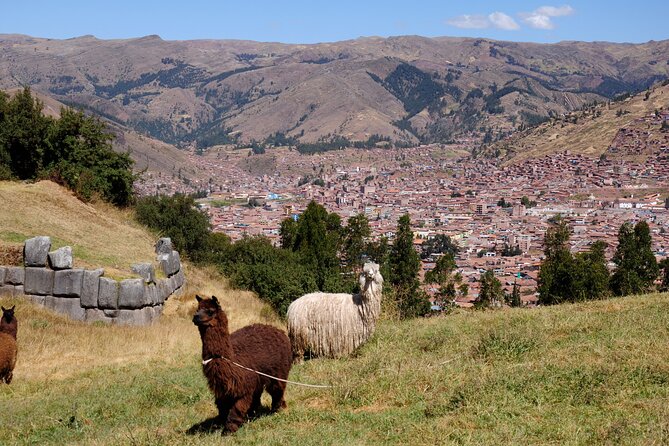
Several experiences included a stop at an alpaca, silver, or textile shop after the archaeological sites. Some people appreciated learning how to distinguish alpaca, baby alpaca, vicuña, llama fiber, wool, and synthetic material. Others felt the stop took time away from Sacsayhuaman or Puca Pucara and disliked the sales pressure.
This is the clearest complaint to keep in mind. The shop is not part of the stated four-site itinerary, so you should not assume that every minute will be spent at the ruins. A 20 to 30 minute shopping stop can be irritating when the advertised visit is already short.
If you decide to buy something, compare prices and ask about payment costs before handing over your card. One purchase reportedly carried a 30 percent markup for paying by Visa, creating an unpleasant dispute. You have no need to treat the shop as your only chance to buy alpaca goods. Cusco has other stores, including higher-priced retailers known for better-quality textiles.
Transport, timing, and the practical details
Pickup begins at about 8 a.m. from your Cusco hotel. Vehicle access is not allowed on every street, so some hotels in restricted areas may require you to meet the minivan at a nearby point. Confirm the pickup details carefully, especially if your reservation platform shows a different start time.
One past outing was advertised with the wrong start time, causing a late arrival and a rushed route. The safest approach is to treat 8 a.m. as the firm departure time and be ready earlier. Confirmation is provided when you book, and the tour includes return transport to your hotel where access is possible.
The minivan is air-conditioned, and several past outings found it clean, spacious, and comfortable. That matters because the sites are spread across hilly roads, and arranging four separate taxi rides would take more effort than many people want on a short visit.
Most people can take part, but the route includes uneven ground, rocks, steps, and walking at altitude. The wet season can make the footing harder. The tour does not read like a strenuous hike, but you should be comfortable walking around archaeological sites rather than expecting a vehicle-based sightseeing loop.
Admission tickets for the four archaeological sites are included. That simplifies the morning and removes the need to wait in separate ticket lines. The bilingual service is also included, with explanations in English and Spanish.
Is $69 a fair price?
At $69 per person, the value depends on what you want from the morning. For transport, four admission entries, hotel pickup and drop-off, and a bilingual guide, the price is reasonable if you want a simple overview without negotiating taxis or studying bus routes.
The price is less attractive if you want long, detailed visits at every site. Sacsayhuaman deserves the bulk of the time, but Q’enqo, Puca Pucara, and Tambomachay may feel brief. An unplanned shopping stop makes the value worse because it uses time you paid to spend at archaeological sites.
I would see this as a convenience and orientation tour, not a full archaeological study. It works well at the start of a Cusco stay, when you want to understand the city’s Inca surroundings. It also suits a final morning before lunch and an afternoon departure, provided you leave a generous buffer for traffic and changing tour times.
If you already know the sites and prefer complete control, a taxi and your own guide may suit you better. The advantage of this tour is not absolute freedom. It is having the route, tickets, and transport handled in one package.
Who should book this half-day outing?
I would recommend it to first-time visitors with limited time, solo visitors who want easy transport, couples seeking a relaxed morning, and anyone who wants a broad introduction before visiting Machu Picchu. The group size is small enough to avoid the feel of a huge excursion, and the early start makes the schedule useful.
It is also a good match if you care most about Sacsayhuaman. Several strong outings gave that site nearly two hours, with clear explanations and time for photographs. You will see the other three sites, but you should treat them as concise supporting chapters.
I would hesitate if you dislike shopping stops, need a guaranteed finish time, or want every site explained in depth. I would also be cautious if a guide’s archaeological background is your top priority, since the quality of interpretation has not been consistent.
The tour offers free cancellation up to 24 hours before the local start time. Changes or cancellations inside that window are not accepted for a refund, so check the meeting time before the final day.
Should you book it?
Book this tour if you want four important Inca sites, included admission, and direct transport in a single morning. The best version gives you a strong Sacsayhuaman visit, useful context at the smaller ruins, and time back in Cusco for lunch.
Do not book it expecting four equal, leisurely site visits. Ask at pickup how much time will be spent at Sacsayhuaman, confirm that 8 a.m. is the real departure, and make clear that you prefer the ruins over optional shopping. With a good guide, this is a convenient and worthwhile introduction to Cusco’s archaeological surroundings. With a rushed guide and a sales stop, it can feel like a missed opportunity.
FAQ
What sites does the tour visit?
The tour visits Sacsayhuaman, Q’enqo, Puca Pucara, and Tambomachay, all located around Cusco.
How long does the tour last?
The advertised duration is approximately three hours. Some outings have lasted closer to four hours, while others have finished in about two and a half hours.
What time does the tour start?
The stated start time is 8 a.m. You should be ready before then and confirm the time carefully because one past booking showed an incorrect later start time.
Is hotel pickup included?
Yes. Hotel pickup and drop-off are included, although some hotels are on streets where vehicles are not permitted. In that case, you may need to meet the vehicle nearby.
Are entrance tickets included?
Yes. Admission to the four archaeological sites in the Sacsayhuaman Archaeological Park is included.
Is the tour offered in English?
Yes. The service is bilingual in English and Spanish.
How large is the group?
The maximum group size is 14 people.
Is Q’enqo’s interior accessible?
The carved altar area at Q’enqo has been inaccessible at times for health-related restrictions. The visit may instead include a panoramic view from above the labyrinth.
Can I cancel for a refund?
You can cancel up to 24 hours before the experience’s local start time for a full refund. Cancellations or changes made less than 24 hours before departure are not accepted for a refund.
Added recently around Cusco
- Guided tour of the mountain of colors in Cusco★ 5.0 · 11 reviews
- 2-Day Private Short Inca Trail to Machu Picchu★ 5.0 · 15 reviews
- Tour Sacred Valley with Maras and Moray★ 5.0 · 15 reviews
- San Pedro Market Tour with Peruvian Cooking Class★ 5.0 · 31 reviews
- City Tour Cusco – Group★ 5.0 · 4 reviews
- Walking Culinary Experience★ 5.0 · 41 reviews
- City Tour in Cusco★ 4.5 · 10 reviews
- One Day Tour to Humantay Lagoon★ 5.0 · 8 reviews
Inca Ruins & Archaeological Sites, compared.
Half-Day City Tour with Sacsayhuaman and Q’enco
Read our review →
City Tour Cusco Qoricancha Sacsayhuaman y Tambomachay
Read our review →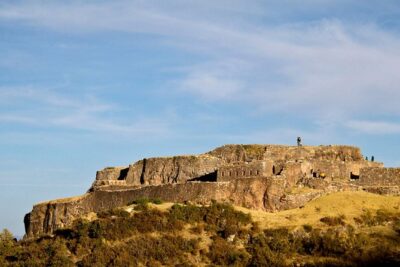
Pachacamac Ruins & Barranco Half-Day Guided Tour
Read our review →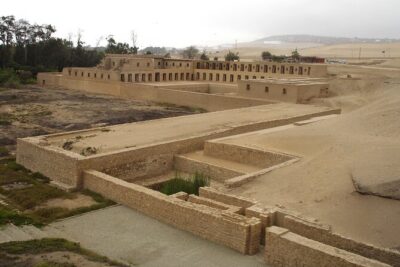
Pre Inca Temple of Pachacamac Half-Day Tour from Lima
Read our review →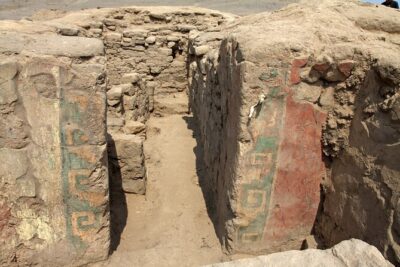
Tour to the Archaeological Sanctuary of Pachacamac (small group)
Read our review →
From Pyramids & Bohemian Streets: Lima Miraflores & Barranco Tour
Read our review →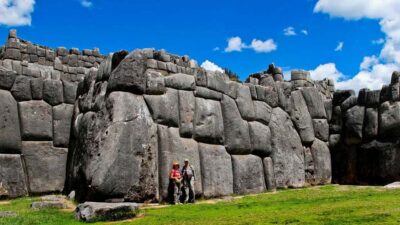
City Tour | Half-Day Tour to 4 Archaeological Sites
Read our review →Browse the lists this tour appears in