
Reviewed · ANDEAN TREKKING TOURS
Salkantay Trek 5 Days/4 Nights
Snow peaks, jungle paths, and Machu Picchu await. This five-day Salkantay Trek gives you a dramatic route from Cusco through high mountain country, past turquoise Humantay Lake, and down into warmer valleys near Machu Picchu. I especially like the remarkable change in climate, from icy 4,650-meter passes to banana and coffee country, and the fact that the price includes meals, camping gear, a guide, Machu Picchu admission, and the return train. The main caution is simple: this is a hard trek, not a gentle sightseeing walk.
I also like the small group size, limited to 15 people, and the personal support described from guides such as Rodrigo, Carlos, Steve, and trip assistant Yang. The route includes long hiking days, steep climbs, basic camping, and an early start from Cusco. You will need good fitness, careful packing, and a willingness to be uncomfortable at times.
In This Review
- Key points to know before booking
- From Cusco to Mollepata at 4:30 a.m.
- Humantay Lake at 4,220 meters
- Salkantay Pass country on the 20-kilometer second day
- From Chaullay into Santa Teresa’s warmer country
- Coffee, banana plantations, and the Vilcanota River
- Machu Picchu before the late return to Cusco
- What the $446.16 price really covers
- Guides, food, and the small-group advantage
- Who should choose this Salkantay route
- Final booking advice
- FAQ
- How long is the Salkantay Trek?
- Where does pickup take place?
- Is the tour offered in English?
- How large is the group?
- Is camping equipment included?
- Is Machu Picchu admission included?
- Is the bus from Aguas Calientes to Machu Picchu included?
- Is the train back from Aguas Calientes included?
- Are meals included?
- Can the tour be canceled for a refund?
Key points to know before booking
- The route reaches Humantay Lake at 4,220 meters, with a steep 1.5-hour climb after the first day’s hike.
- Day 2 is the toughest stretch, covering about 20 kilometers through high mountain terrain and a long downhill section.
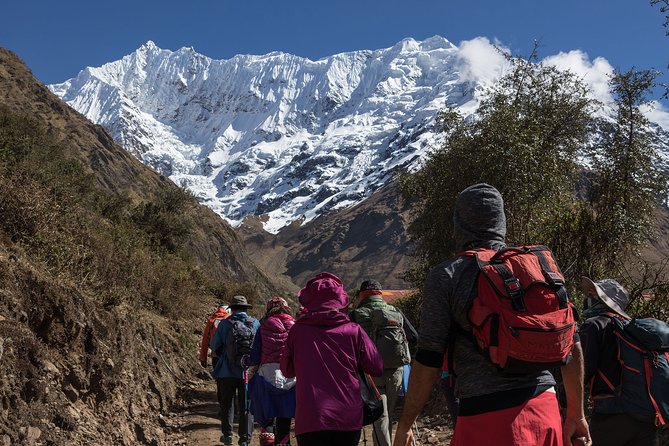
- The scenery changes dramatically, from snow-covered peaks and moraines to coffee, banana, passion fruit, and tropical plants.
- The price includes the important big-ticket items, including Machu Picchu admission, four breakfasts, four lunches, four dinners, transport, and the train to Ollantaytambo.
- You must budget extra for the Machu Picchu bus and sleeping bag, plus optional ziplining at Santa Teresa.
- The final day combines a guided Machu Picchu visit with a late return to Cusco, reaching the city at about 10:30 p.m.
From Cusco to Mollepata at 4:30 a.m.
Your day begins before dawn. Pickup is offered from any hotel, hostel, or Airbnb in Cusco, with the stated tour start around 5:00 a.m. The road to Mollepata takes about two and a half hours, so this is not a morning for a leisurely breakfast in bed.
Breakfast is provided after reaching Mollepata, before you begin walking toward Cruzpata at about 3,100 meters. The first section is described as a light uphill walk, with views of native plants, birds, the Apurimac River canyon, and a local irrigation channel. The canyon is one of Peru’s deepest, giving this opening stretch more interest than a simple transfer to camp.
Lunch is served at Cruzpata. Afterward, you continue toward Soraypampa, the first campsite, and can either rest or make the climb to Humantay Lake. That choice matters. If the early wake-up and first hike have already taken plenty from you, resting may be wiser. If your body feels good, Humantay is one of the great rewards of the day.
More Hiking Tours in Cusco
- Classic Inca Trail Trek 4D/3N to Machu Picchu (Group Service)
★ 5.0 · 8,653 reviews - Machu Picchu: 4-Day Inca Trail Trek with Panoramic Train Ride
★ 5.0 · 4,568 reviews - Salkantay Classic Trek 5 Days from Cusco
★ 5.0 · 4,062 reviews
Humantay Lake at 4,220 meters
The climb to Humantay Lake takes around 1.5 hours. It is not a long walk, but the altitude makes it much harder than the distance suggests. At 4,220 meters, you can expect thinner air, a steep path, and a slower pace.
The payoff is the turquoise lake below the snowy Humantay Mountain. You have time to take in the water and the peaks before descending for about 40 minutes to Soraypampa. Tea is planned for around 6:00 p.m., followed by dinner prepared by the camp cook.
You sleep in a tent at Soraypampa. A tent for two people is included, along with an eating tent, tables, and chairs. A sleeping bag is not included, however. You can rent one for an additional $25, an expense worth planning for in high mountain conditions.
This first day is listed at about five hours of hiking, though the Humantay option adds substantial effort. I would treat it as a full physical day, especially because the pickup happens so early.
Salkantay Pass country on the 20-kilometer second day
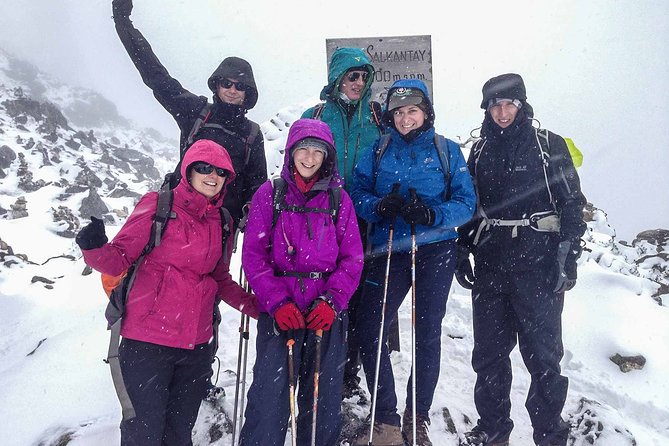
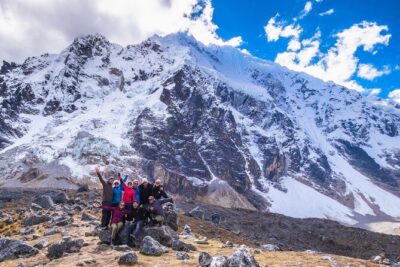
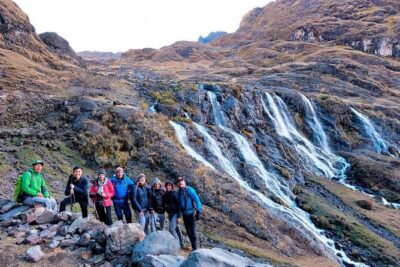
Day 2 is the serious test. You leave Soraypampa around 6:30 a.m. after breakfast and walk through the high Peruvian Andes with views toward Salkantay Mountain, which rises to 6,264 meters. You also see the snowy Humantay and Huayanay peaks, small lakes, moraines, and the White River.
The route includes about five hours of uphill and high-altitude walking before lunch at Huayracmachay. After eating, you continue downhill for another two to three hours to Chaullay, at about 2,920 meters. The total distance is approximately 20 kilometers.
This is the day that separates a fit hiker from someone who simply enjoys mountain views. The route description calls for good physical fitness, and that is not a throwaway line. The combination of altitude, distance, and uneven mountain paths can make the day tiring even if you normally walk often.
The changing altitude also explains why this trek is so memorable. You begin among snow and bare mountain slopes, then gradually descend toward warmer air and more plant life. The route gives you a clear sense of Peru’s changing climate zones, rather than showing you only one type of scenery.
From Chaullay into Santa Teresa’s warmer country
Day 3 begins around 7:00 a.m. with breakfast and coca tea. The walking time is described as roughly nine hours, with about 15 kilometers covered and an overnight stay at La Playa, at 2,400 meters.
This is where the route changes character. You move toward the western edge of the high jungle, seeing subtropical plants, flowers, birds, banana trees, coffee plantations, and passion fruit fields. The mountain scenery gives way to greener, warmer surroundings, and the walk includes contact with local people living in the area.
The route is not only about getting to Machu Picchu. This section gives you a look at the agricultural life of the valleys. Coffee, bananas, and passion fruit are not just scenery here. They help explain how quickly the environment changes as you descend from the high Andes.
The day is still long. A nine-hour hiking day after the 20-kilometer previous day means fatigue can build. The camps are basic, and the tour does not promise hotel comfort during the hiking portion. You get meals, tents, and a dining shelter, but you should pack with a camping trip in mind.
Longer treks from Cusco:
- 4-Day Salkantay Trek with Sky Camp Stay
★ 5.0 · 3,346 reviews - Salkantay Trek 5D/4N with Glass Cabins, Domes and Hobbit House
★ 5.0 · 2,488 reviews - 5-Day Premium Salkantay Trek
★ 5.0 · 788 reviews - Lares Valley Trek with Hot Spring 4-Day, 3-Night
★ 5.0 · 656 reviews
Coffee, banana plantations, and the Vilcanota River
After breakfast on Day 4, you begin around 8:30 a.m. and walk uphill through plantations of coffee, bananas, and passion fruit. The views open across the Santa Teresa Valley, and the route follows the banks of the Vilcanota River toward Oroya, where there is a canopy bridge used for bird watching.
From Sahuayaco, the route offers a first striking view toward Machu Picchu and Huayna Picchu. That glimpse is useful psychologically. After several demanding days, seeing the famous mountains ahead tells you that the final goal is close.
The hike covers about 10 kilometers. At Machu Picchu Hydroelectric, you take the train to Aguas Calientes, the town beside the archaeological complex. Dinner is included, and the overnight stay is at a hostel, with a hotel available as an option.
This day is shorter than the previous two, but it still combines walking, a transfer, and the change from remote camp to a busy tourist town. Keep your expectations clear: Aguas Calientes is a practical base for Machu Picchu, not a quiet mountain village.
The optional zipline at Santa Teresa costs an extra $30. It may appeal if you want an added thrill, but it is not necessary to enjoy the trek. I would regard it as a budget choice, not part of the main experience.
Machu Picchu before the late return to Cusco
Day 5 centers on Machu Picchu. You hike up to the archaeological site, then take a professionally guided tour of the citadel lasting about two hours. The early morning timing is helpful, giving you the chance to explore before the day feels fully crowded.
Machu Picchu is the reward for the long approach. You have not simply arrived by bus from Cusco. You have crossed high passes, walked beside rivers, slept in tents, and watched the climate shift from snow country to the jungle edge. That context gives the citadel a stronger sense of place.
The bus from Aguas Calientes to Machu Picchu is not included. The listed cost is $24, so add it to your budget unless you plan to walk uphill. After the visit, you return to Aguas Calientes, where you can look around town or visit the hot springs.
The return journey is long. The train leaves Aguas Calientes from 6:45 p.m. to 8:15 p.m., followed by a connection and transfer from Ollantaytambo back to Cusco, scheduled from about 8:25 p.m. to 10:30 p.m. Breakfast is the only included meal on this final day, so plan to buy lunch and dinner in Aguas Calientes.
What the $446.16 price really covers
At $446.16 per person, the trek offers solid value if you want a guided, organized route to Machu Picchu. The package includes transport from your Cusco accommodation to Mollepata, an English and Spanish-speaking guide, four nights of arrangements, camping equipment, meals from the first dinner through the fourth dinner, Machu Picchu admission, and the train from Aguas Calientes to Ollantaytambo.
It also includes the bus connection back to Cusco after the train. Those transport arrangements can become expensive and confusing when arranged separately, so having them handled is useful.
You still need to set aside money for several extras:
- Sleeping bag rental: $25
- Bus from Aguas Calientes to Machu Picchu: $24
- Optional zipline in Santa Teresa: $30
- Breakfast on Day 1
- Lunch on Day 5
- Dinner on Day 5
The value is strongest for hikers who want camping, meals, guides, and transport bundled together. It is less attractive if you want private rooms every night or prefer to control each transfer yourself.
Guides, food, and the small-group advantage
The group limit is 15 people, which is a useful middle ground. You are not alone on the route, but the group should remain manageable on steep paths and during meal stops.
The guide team receives especially warm praise for personal care and cultural explanation. Rodrigo and Carlos are named as guides who helped keep the route safe. Steve is also described as passionate about Inca culture and attentive to the group’s health. Yang worked as a travel assistant, gave a full briefing, helped with arrangements in Cusco, and stayed concerned about the group throughout the trip.
That kind of support matters on a high-altitude trek. A good guide can tell you what clothing to wear the next day, help you judge your pace, and explain what lies ahead. The strong comments about the cooks and muleteers also matter. Preparing good food in remote camps is a real part of the experience, not a minor detail.
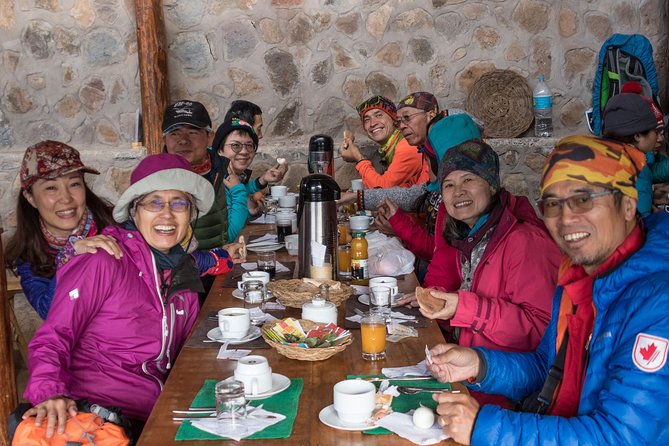
The included meals are breakfast, lunch, and dinner on Days 2, 3, and 4, with the first day beginning after the Mollepata transfer and the final day limited to breakfast. The food is described as very good, even in remote locations. Still, bring snacks for long walking days because the itinerary does not say that snacks are supplied.
Who should choose this Salkantay route
I would recommend this trek to you if you want a demanding route with strong scenery and changing climates. It suits people who enjoy long walks, basic camping, early mornings, and the reward of reaching Machu Picchu after physical effort.
It may also suit you if you want more than a direct Machu Picchu visit. The route includes snow-covered peaks, mountain lakes, rivers, farms, subtropical plants, and hot springs. Few five-day trips give you such a sharp change in temperature and vegetation.
I would hesitate to recommend it if you have limited hiking experience, struggle with altitude, or want a relaxed holiday. The 20-kilometer second day and nine-hour third day are the main warning signs. The altitude at Humantay Lake and the high pass section can be demanding, even before you consider the steep ascents and descents.
A briefing is provided at your hotel the day before. Use it well. Ask about the exact daily pace, sleeping bag arrangements, luggage, and the timing of the Machu Picchu entry. Those details can make the difference between feeling prepared and feeling rushed.
Final booking advice
The five-day Salkantay Trek is a strong choice if your priority is a varied, physically demanding route to Machu Picchu at a bundled price. The most praised parts are the scenery, the changing climates, the food, and the care provided by guides and support staff.
Book it if you are ready for altitude, long walking days, tents, and an early start. Choose a shorter or more comfortable Machu Picchu plan if you mainly want sightseeing with little exertion. Also note that the booking is non-refundable and cannot be changed for any reason, although poor weather may lead to a different date or a full refund. That strict policy makes travel insurance and firm planning sensible.
FAQ
How long is the Salkantay Trek?
The tour lasts five days and four nights, with approximately five days of hiking, camping, transfers, and a guided visit to Machu Picchu.
Where does pickup take place?
Pickup is available from any hotel, hostel, or Airbnb in Cusco. The stated start time is around 5:00 a.m., while the first transport departure is described as 4:30 a.m.
Is the tour offered in English?
Yes. A professional bilingual guide speaking English and Spanish is included.
How large is the group?
The tour has a maximum of 15 people.
Is camping equipment included?
Yes. The package includes a tent for two people, plus an eating tent with tables and chairs. A sleeping bag is not included, but rental is available for $25.
Is Machu Picchu admission included?
Yes. Entrance fees to Machu Picchu are included.
Is the bus from Aguas Calientes to Machu Picchu included?
No. The bus costs $24 and is listed as an additional expense.
Is the train back from Aguas Calientes included?
Yes. The train from Aguas Calientes to Ollantaytambo is included, along with the bus connection back to Cusco.
Are meals included?
Breakfast, lunch, and dinner are included for four days. Breakfast on the first day and lunch on the final day are not included. Dinner on the final day is also not listed as included.
Can the tour be canceled for a refund?
The experience is non-refundable and cannot be changed for any reason. If poor weather causes the tour to be canceled, you will be offered a different date or a full refund.
More Hiking Days from Cusco
- Rainbow Mountain Full Day Trek
★ 5.0 · 1,469 reviews - Rainbow Mountain Day Trip from Cusco: Vinicunca Hiking Tour
★ 4.5 · 737 reviews - Inca Trail 4-Day 3-Night Trek to Machu Picchu with Expert Guides
★ 5.0 · 733 reviews - Humantay Lake Full Day Trek from Cusco with Lunch
★ 5.0 · 726 reviews
Added recently around Cusco
- Super valley or vip valley★ 5.0 · 13 reviews
- the Incas’ Sacred Valley★ 5.0 · 27 reviews
- Sacred Valley of the Incas Day Trip from Cusco★ 5.0 · 6 reviews
- Small-Group Tour: Rainbow Mountains Hiking from Cusco★ 4.0 · 5 reviews
- Excursion to the Sacred Valley of the Incas from Cusco★ 5.0 · 8 reviews
- Maras + Moray & Textile Experience★ 5.0 · 14 reviews
- Tour EN Cuatrimoto POR la Montaña 7 Colors Hike 5 Minutes★ 4.5 · 32 reviews
- rainbow mountain★ 4.0 · 4 reviews
Andean Trekking Tours, compared.
Salkantay Trek 5D/4N with Glass Cabins, Domes and Hobbit House
Read our review →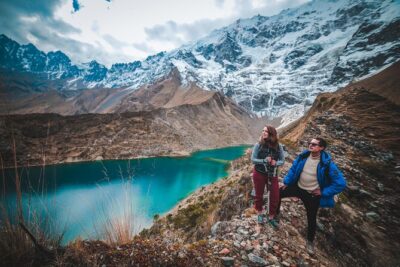
Lares Valley Trek with Hot Spring 4-Day, 3-Night
Read our review →
Ultimate Salkantay Trek to Machu Picchu 5 Days
Read our review →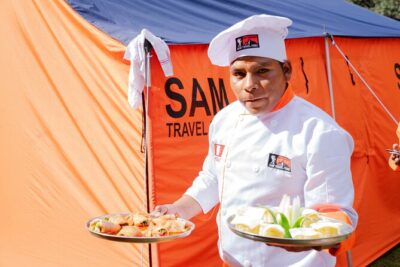
Lares Trek to Machu Picchu 4D/3N Including Hot Springs
Read our review →
4-Day Inca Jungle Trail to Machu Picchu Hiking and Biking Tour
Read our review →Browse the lists this tour appears in