
Reviewed · SACRED VALLEY TOURS
Salkantay Trek Llactapata 5 days 4 nights
The mountains set the pace here. This five-day Salkantay Trek combines snowy peaks, Humantay Lake, cloud forest, coffee farms, Llactapata ruins, and Machu Picchu for $299 per person. I like the changing scenery and the small maximum group of 15, which makes the long walk feel more manageable. I also like that meals, basic camps, Machu Picchu admission, and transport from Hidroelectrica are included.
The trade-off is organization and stamina. Day two is a serious mountain hike, and the itinerary contains several unclear costs, including different prices for the Machu Picchu bus. A reported ticketing failure also caused one participant to miss part of the trip, so you should confirm your Machu Picchu entry before departure.
In This Review
- Key points to know before booking
- What the $299 Salkantay package really offers
- Day one: Soraypampa and the climb to Humantay Lake
- Day two: Salkantay Pass and the hardest miles
- Day three: the Santa Teresa Valley turns tropical
- Day four: Llactapata and the first view of Machu Picchu
- Day five: early entry into Machu Picchu
- Food, sleeping arrangements, and group size
- What can go wrong, and how to protect your trip
- Who should book this trek?
- FAQ
- How long is the Salkantay Trek Llactapata tour?
- Where does the tour begin?
- Is Machu Picchu admission included?
- Is Humantay Lake included?
- Are meals included?
- Can I add Huayna Picchu or Machu Picchu Mountain?
- Should you book the $299 trek?
Key points to know before booking
- The trek reaches Salkantay Pass, the highest point of the route, after a long uphill climb from Soraypampa.
- Humantay Lake costs an extra 20 soles, and the walk there adds roughly three hours round trip.
- Llactapata gives you a rare view toward Machu Picchu, Huayna Picchu, and Machu Picchu Mountain before you reach the main citadel.
- The route changes dramatically, from high, cold mountains to coffee farms, waterfalls, bananas, avocados, and tropical forest.
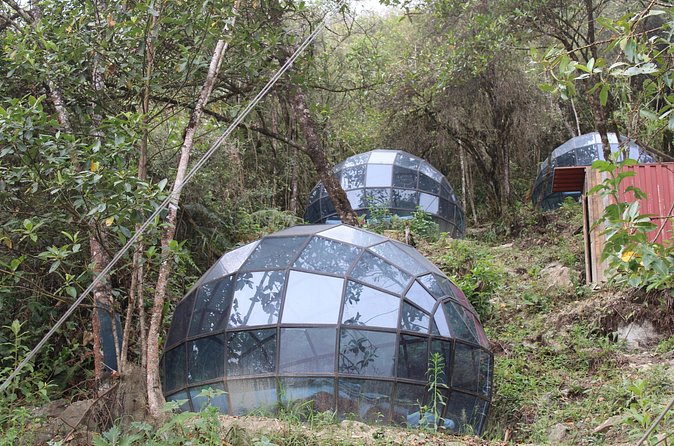
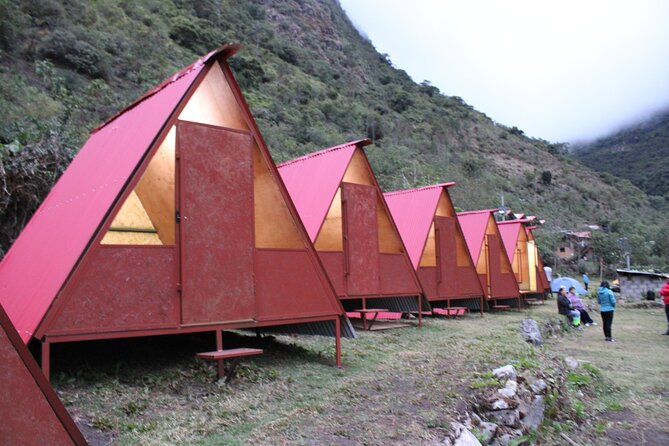
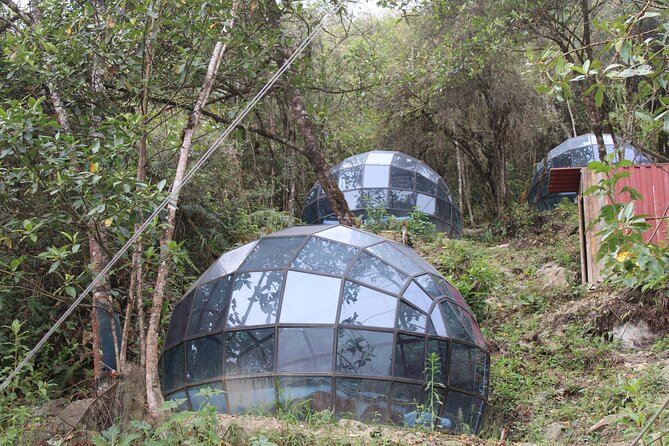
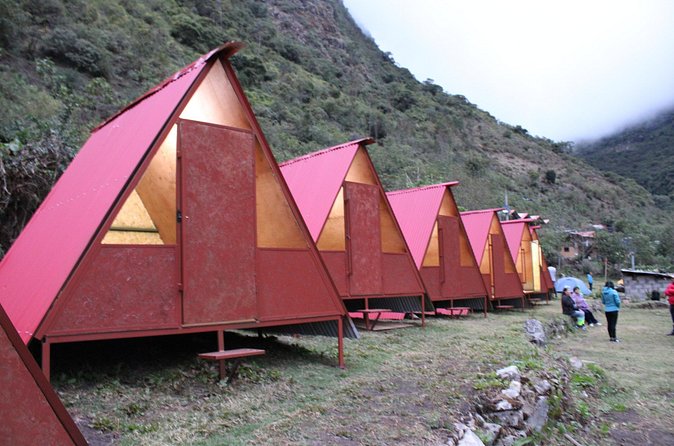
- Basic accommodation is part of the deal, with huts at Chaullay and Lucmabamba rather than standard hotels.
- Optional expenses add up, including a sleeping bag, walking poles, drinking water, Machu Picchu buses, and mountain permits.
What the $299 Salkantay package really offers
At $299, this is a low-cost, full-service trek rather than a luxury hiking holiday. You receive four breakfasts, four lunches, four dinners, camping or hut accommodation, support staff with horses and mules, Machu Picchu admission, and a minivan from Hidroelectrica.
That price is appealing because transport and food are often the items that make a multi-day trek expensive. You are not simply paying for a guide and finding your own way through the mountains. The support team carries equipment, and meals are arranged each day.
Still, you need to budget beyond the headline price. Drinking water is not included, and the route is remote enough that you will need to buy water along the way. A sleeping bag costs $20 extra, as do walking poles. Humantay Lake charges 20 soles at the entrance.
The bus at Machu Picchu is another cost to check carefully. One part of the information gives $12 for an optional ride, while the exclusions list says $24 for the bus up or down. Ask for the exact current price before you pay. A train back is also available for an additional $80 per person, but the standard plan involves walking back to Hidroelectrica and using the included minivan service.
For a five-day route through some of Peru’s most impressive mountain country, the basic value is strong. You just need to treat $299 as the starting cost, not the final amount.
More Hiking Tours in Sacred Valley
- 2-Day Short Inca Trail Hike to Machu Picchu
★ 5.0 · 27 reviews - 4 days/3 nights: Inka Jungle Trek to Machu Picchu
★ 4.7 · 25 reviews - Half Day Andean Llama Trek in the Sacred Valley
★ 5.0 · 20 reviews
Day one: Soraypampa and the climb to Humantay Lake
The day begins early, with pickup in Cusco between 4:30 and 5:00 in the morning. The meeting point is listed as Plaza de Armas de Cusco, Del Medio 123. Pack your breakfast or plan to buy it in Mollepata, because the first meal stop is not included.
The drive passes across the Anta plains and offers broad views of the Salkantay area and the Apurimac River Valley. After about two hours, the group stops in Mollepata for breakfast, bathrooms, last-minute supplies, and a chance to stretch. This stop matters. You have a long day ahead, and it is your last convenient chance to buy small items before the trail becomes more remote.
From Mollepata, the vehicle continues to Challacancha. Here, support staff load equipment onto horses and mules. The walk to Soraypampa begins at about 9:30 in the morning and takes roughly two hours at a regular pace. Soraypampa sits at about 3,900 meters, so the short distance should not fool you. Altitude, not mileage, is the main challenge.
Lunch is served at camp. In the afternoon, you can walk to Humantay Lake, at about 4,200 meters. The excursion takes around three hours round trip from camp and requires an additional 20 soles entrance payment.
Humantay Lake is the visual prize of the first day, but it is also a demanding start. The route climbs sharply, and the thin air can make each step feel expensive. Walk slowly, drink water, and do not spend your energy trying to keep up with the fastest person in the group.
The schedule describes this day as including an hour at the stop, but the fuller description gives a two-hour walk to camp and three hours for Humantay Lake. Expect the longer version. It is better to have extra time than to plan too tightly.
Day two: Salkantay Pass and the hardest miles
Day two starts with coca tea around 5:00 in the morning, breakfast at about 5:00, and hiking from roughly 6:00. This is the toughest day of the trek and the one that demands the most from your legs and lungs.
You climb about six kilometers toward the highest point of the route. The Salkantay Pass gives you views of rocky peaks and the snow-covered Salkantay Mountain, which rises to 6,264 meters. The mountain is described as the second-highest in the Cusco region, and it provides a dramatic backdrop for much of the ascent.
The key point is simple: this is not a casual nature walk. You are hiking at high altitude, and the route rises before it drops. If you have a moderate fitness level, you may manage it at a steady pace, but you should prepare for a full physical day. Walking poles are worth considering, especially on the descent.
After reaching the pass, the trail drops for about two hours before lunch around 1:00 p.m. in Huayracmachay. You then continue downhill for roughly three more hours to Chaullay, at about 2,900 meters.
The overnight accommodation here is in Indian-style huts. Expect basic shelter, not hotel comfort. After the cold and high terrain above, the lower elevation should feel welcome, and dinner gives you a chance to replace some of the energy spent on the climb.
This day is the main test of the tour. If you are choosing the route for the views, this is likely the day you will remember most. If you dislike long descents or struggle with altitude, it is also the day you need to take seriously.
Day three: the Santa Teresa Valley turns tropical
The character of the trek changes on day three. You leave Chaullay around 6:00 in the morning and walk for about six hours toward La Playa through the Santa Teresa Valley.
The cold mountain world gives way to a warmer, greener setting. Along the route, you can see rivers, waterfalls, wild orchids, coffee plants, banana trees, and avocado plantations. The village of Colpapampa is known as the brow of the cloud forest, and the route around it includes more waterfalls, birds, hot springs, fruit trees, and plant life.
This is a valuable middle section because it breaks up the hard mountain walking. You are no longer focused only on altitude and snow peaks. The route passes through working agricultural areas, and the coffee farm visit at Lucmabamba adds a local connection that a faster route to Machu Picchu would miss.
After lunch in La Playa, you walk about 20 minutes to Lucmabamba, your base camp. The group visits an organic coffee farm, where you can taste coffee prepared by local people. Coffee drinkers should especially appreciate this stop. Even if you do not drink coffee, the roasting and grinding process gives the visit a clear sense of place.
You sleep in huts again. The accommodation remains simple, but the setting is part of the appeal. This is a route for people who prefer a changing trail and local stops over polished facilities.
The six-hour estimate should be taken seriously. Although the day is not as steep as day two, you will already have several days of walking behind you. Comfortable shoes, dry socks, and a sensible pace matter more than trying to cover the route quickly.
Longer treks from Sacred Valley:
- Salkantay Classic Trek 5 Days from Cusco
★ 5.0 · 4,062 reviews - 4-Day Salkantay Trek with Sky Camp Stay
★ 5.0 · 3,346 reviews - Salkantay Trek 5D/4N with Glass Cabins, Domes and Hobbit House
★ 5.0 · 2,488 reviews - 5-Day Premium Salkantay Trek
★ 5.0 · 788 reviews
Day four: Llactapata and the first view of Machu Picchu
Day four is one of the strongest reasons to choose this particular route. You begin early and walk a portion of the famous Inca Trail toward Llactapata.
The Llactapata site sits across from Machu Picchu. From here, you can see the ruins of Machu Picchu, along with Huayna Picchu and Machu Picchu Mountain. This viewpoint gives you a useful sense of how the citadel fits into the surrounding mountains before you enter it the next day.
After Llactapata, the trail drops for about two hours toward Hidroelectrica. Machu Picchu remains visible along much of the descent, which helps keep the walk interesting even when your legs are tired.
Lunch is served at Hidroelectrica train station. The area also has a 300-meter natural waterfall that generates electricity for the Cusco region. After lunch, the route continues to Intiwatana, an Inca rock associated with sundials. The site is linked in the itinerary to the famous sundial stone at Machu Picchu.
The practical issue is that day four is important for both scenery and timing. The tour states that the return minivan from Hidroelectrica is included, with a three-hour walk from Machu Picchu mentioned in the transport details. Confirm exactly where your group sleeps and how the final approach is arranged, since the route description combines several transport and walking details.
This is also the day when ticket organization becomes critical. Machu Picchu admission is supposed to be included, but one serious account describes the operator failing to secure a ticket, leaving the person to arrange a taxi and still miss the planned entry. Contact the company before the trek and request written confirmation of your entry date and ticket status. Do not assume that an included ticket means the paperwork is already complete.
Day five: early entry into Machu Picchu
The final morning begins at the hostel, with an early start intended to reach Machu Picchu before the busiest part of the day. The checkpoint opens from 6:00 in the morning until 3:00 in the afternoon.
You can walk up to the citadel or take a bus. The bus is optional and costs extra, although the supplied information lists two different prices, $12 and $24. Confirm the current fare and whether the amount covers one direction or both.
Inside Machu Picchu, the guided visit lasts about two hours. The route includes temples, terraces, palaces, houses associated with priests, the sundial, the industrial sector, and farming fields. After four days of hiking, this final visit provides the historical context that the mountain route alone cannot give.
The early start is worth the effort. Morning light changes the look of the stonework and surrounding peaks, and arriving early gives you a better chance of enjoying the site before the day feels crowded. The experience is still governed by entry times and ticket rules, so your guide’s timing matters.
Huayna Picchu and Machu Picchu Mountain are optional additions at $60 per person. They must be booked in advance, and spaces are not guaranteed. These climbs should not be treated as casual extras after four days on foot. If you want one, arrange it before the trek and confirm that its entry time fits the main Machu Picchu visit.
Food, sleeping arrangements, and group size
Four breakfasts, four lunches, and four dinners are included. That is a real advantage on a route where carrying every meal yourself would be impractical. The food is described as nutritious and hearty, especially before and after the hardest walking days.
Drinking water is not included. Bring a refillable bottle and money for purchases along the route. The tour does not state that water is provided at camps, so you should not count on it.
The camps at Chaullay and Lucmabamba use huts. These are basic overnight shelters, and a sleeping bag costs $20 if you need to rent one. Walking poles are another $20. I would consider both useful for this route, especially because of the high pass and long downhill sections.
The maximum group size is 15 people. That is small enough to keep the group from feeling like a moving crowd, while still large enough that walking speeds may differ. The operator lists a moderate fitness requirement, but day two suggests you should be comfortable with sustained uphill hiking at altitude.
The guide Ellio received specific praise for being excellent, even though the same account described poor organization by the company. That distinction is useful. A good guide can improve the trail experience, but the office still needs to handle tickets, schedules, and transport correctly.
What can go wrong, and how to protect your trip
The largest concern is not the scenery. It is administration.
Machu Picchu admission is listed as included, but a documented problem involved tickets not being purchased in time. The result was severe: the person missed day four, paid for a taxi, found the desired entry unavailable, and missed part of a return flight plan.
You can reduce this risk by contacting Salkantay Backpackers Org by email before leaving Cusco. Ask for confirmation of:
- Your Machu Picchu entry date
- The name and details connected to the ticket
- Any Huayna Picchu or Machu Picchu Mountain permit
- The exact return transport from Hidroelectrica
- The current bus price at Machu Picchu
- The location of the final hostel
Keep your departure flight well after the tour ends. The route involves high-altitude hiking, mountain roads, and several moving parts. The tour is advertised as about five days, but you should not build a tight international flight connection around the final afternoon.
The cancellation policy is generous only if you act early. Cancel at least six full days before the start for a full refund. Cancellation two to six days before departure brings a 50 percent refund, while cancellation less than two full days before departure receives no refund.
Who should book this trek?
I would recommend it to a fit, budget-minded person who wants more than a direct trip to Machu Picchu. You get snow peaks, a high pass, a glacial lake, farms, coffee, an Inca site, and the main citadel in one route.
It suits you best if you are comfortable with basic huts, early starts, long walking days, and buying some supplies along the way. It is also a good choice if you want a small group without paying for a private trek.
I would be more cautious if you have little experience with high-altitude hiking or need fixed, perfectly timed transport. The itinerary is physically demanding, and the ticketing problem described above is too serious to ignore.
FAQ
How long is the Salkantay Trek Llactapata tour?
The tour lasts approximately five days and four nights.
Where does the tour begin?
The listed meeting point is Plaza de Armas de Cusco, Del Medio 123, Cusco 08000, Peru. Pickup begins between 4:30 and 5:00 in the morning.
Is Machu Picchu admission included?
Yes, Machu Picchu admission is listed as included. You should contact the company by email to confirm your ticket details and entry date before departure.
Is Humantay Lake included?
The visit is part of the first day’s route, but the lake charges an additional 20 soles entrance fee.
Are meals included?
Four breakfasts, four lunches, and four dinners are included. Drinking water is not included and can be purchased during the trek.
Can I add Huayna Picchu or Machu Picchu Mountain?
Yes. Either Huayna Picchu or Machu Picchu Mountain costs $60 extra per person. The permit must be booked in advance, and availability is limited.
Should you book the $299 trek?
Book it if you want a demanding, varied route and understand that the low price comes with basic huts, extra charges, and some administrative risk. The scenery and route design are excellent: Salkantay Pass delivers the high mountain drama, the Santa Teresa Valley adds farms and coffee, and Llactapata gives you a memorable first view toward Machu Picchu.
Before paying, get written confirmation of your Machu Picchu ticket, verify the bus and train costs, and leave plenty of time after the trek before your flight. With those checks in place, this can be a very good-value way to reach Machu Picchu on foot.
More Hiking Days from Sacred Valley
- Classic Inca Trail Trek 4D/3N to Machu Picchu (Group Service)
★ 5.0 · 8,653 reviews - Machu Picchu: 4-Day Inca Trail Trek with Panoramic Train Ride
★ 5.0 · 4,568 reviews - Rainbow Mountain Full Day Trek
★ 5.0 · 1,469 reviews - 2 day 1 night trek / Colca Canyon
★ 5.0 · 1,069 reviews
More Sacred Valley Days Out
- From Cusco: Sacred Valley & Maras Salt Mines Tour with Lunch
★ 4.8 · 2,227 reviews - From Cusco: Moray, Maras Salt Mines & Chinchero Weavers Tour
★ 4.8 · 1,925 reviews - 2-Day Tour: Sacred Valley and Machu Picchu by Train
★ 5.0 · 1,127 reviews - Cusco: Sacred Valley, Pisac, Ollantaytambo, Salt Mines Moray
★ 4.6 · 1,058 reviews
Added recently around Sacred Valley
- Tour Sacred Valley with Maras and Moray★ 5.0 · 15 reviews
- Full day excursion in the Sacred Valley, Pisac, Ollantaytambo from Cusco City★ 4.5 · 12 reviews
- Full day tour of Sacsayhuaman,Q’enQo, Puka Pukara, and Sacred Valley Tour★ 5.0 · 10 reviews
- Full Day Sacred Valley of the Incas Private Tour★ 5.0 · 10 reviews
- Full Day in the Sacred Valley – The Pantry of Cusco★ 5.0 · 14 reviews
- Full Day Urubamba River Rafting Adventure★ 3.5 · 6 reviews
- Full-Day Tour in the Sacred Valley with Lunch★ 4.5 · 15 reviews
- Full Day Tour Sacred Valley of the Incas (Private)★ 5.0 · 7 reviews
Sacred Valley Tours, compared.
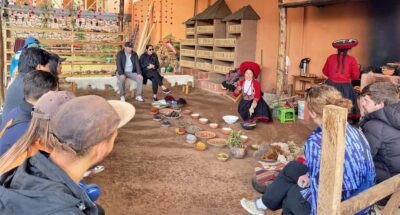
Sacred Valley & Maras Salt Mines Tour with Lunch
Read our review →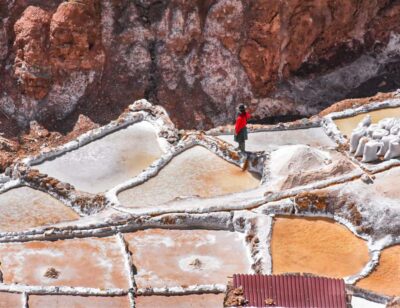
Moray, Maras Salt Mines & Chinchero Weavers Tour
Read our review →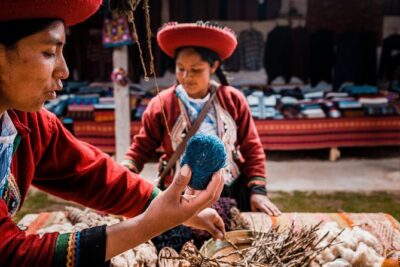
2-Day Tour: Sacred Valley and Machu Picchu by Train
Read our review →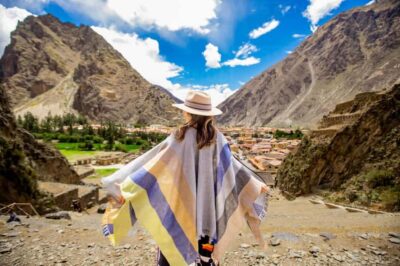
Sacred Valley, Pisac, Ollantaytambo, Salt Mines Moray
Read our review →
Chinchero,Moray & Salt Mines drop-off in Ollantaytambo
Read our review →
Sacred Valley and Maras Moray Tour with Full Day Buffet Lunch
Read our review →
Browse the lists this tour appears in