
Reviewed · INCA RUINS & ARCHAEOLOGICAL SITES
Sillustani: Chullpas de Sillustani Afternoon Half-Day Tour
Ancient towers meet open sky. This afternoon outing from Puno takes you to Sillustani, a striking pre-Inca and Inca burial site above the waters of Umayo Lagoon, where stonework, local culture, and high-altitude scenery come together. I like the clear focus on one important archaeological site, and I like that transport, entrance fees, and a live English or Spanish guide are included. The main drawback is weather: heavy rain can make the outdoor visit less enjoyable, and the stated six-hour duration does not match the listed 2:00 PM to 5:00 PM schedule, so confirm the timing before you book.
I also like the calm pace. You get about an hour at the archaeological complex, enough time to hear the main explanations, walk among the funerary towers, and take photographs without trying to cram in several unrelated stops. The guide on one recent outing kept the commentary focused, welcomed questions, and allowed free time for pictures and local goods. Just remember, this is a Sillustani tour, not a visit to the floating Uros islands.
In This Review
- Key points to know before you go
- Why Sillustani makes a good afternoon from Puno
- The 2:00 PM departure from Puno
- First look at the chullpas
- The Chullpa del Lagarto and its damaged past
- Umayo Lagoon and the wider view
- The small museum near the complex
- How the guide shapes the visit
- Weather, comfort, and practical limits
- Is $45 a fair price?
- Who should book this Sillustani tour?
- Should you book it?
- FAQ
- Where does the Sillustani tour take place?
- How long does the tour last?
- What time does pickup begin?
- Is hotel pickup included?
- What is included in the $45 price?
- Is food included?
- What languages are available for the guide?
- What should I bring?
- Can I bring large luggage?
- Is the tour suitable for wheelchair users?
- Can I cancel the booking?
- Does the tour visit the Uros floating islands?
Key points to know before you go
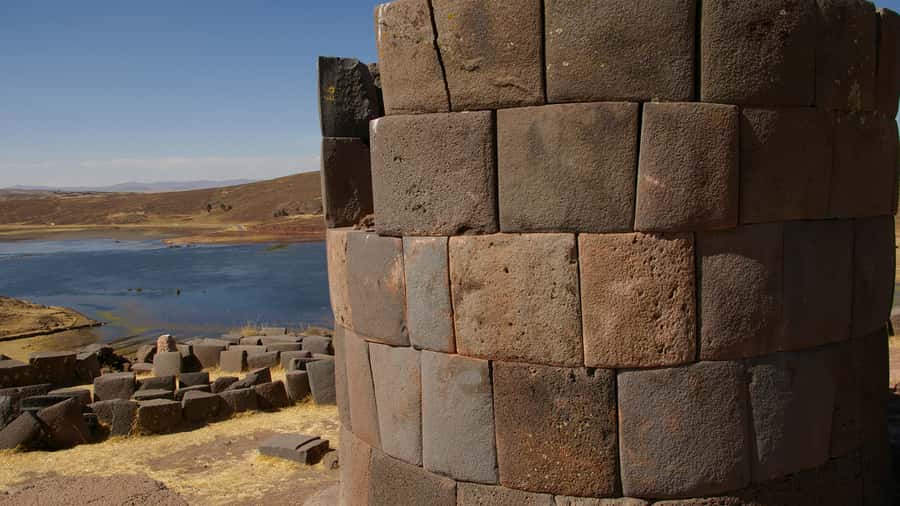
- The Chullpa del Lagarto is Sillustani’s main tower: This tall Inca-era funerary tower was built with carefully fitted square stones and later damaged by treasure hunters.
- Umayo Lagoon supplies the setting: The water reflects the sky and clouds, while an island in the lagoon serves as a reserve for vicuñas.
- The tour leaves Puno around 2:00 PM: The drive to Sillustani covers about 34 kilometers, making this an easy archaeological outing from the city.
- A site museum adds cultural context: Displays include pieces connected with the Kolla, Tiahuanaco, and Inca cultures.
- The guide makes a real difference: English and Spanish commentary covers architecture, burial customs, and differences between Quechua and Aymara communities.
- Rain can change the day: Bring suitable clothes and shoes, and know that the site is outdoors with limited shelter.
Why Sillustani makes a good afternoon from Puno
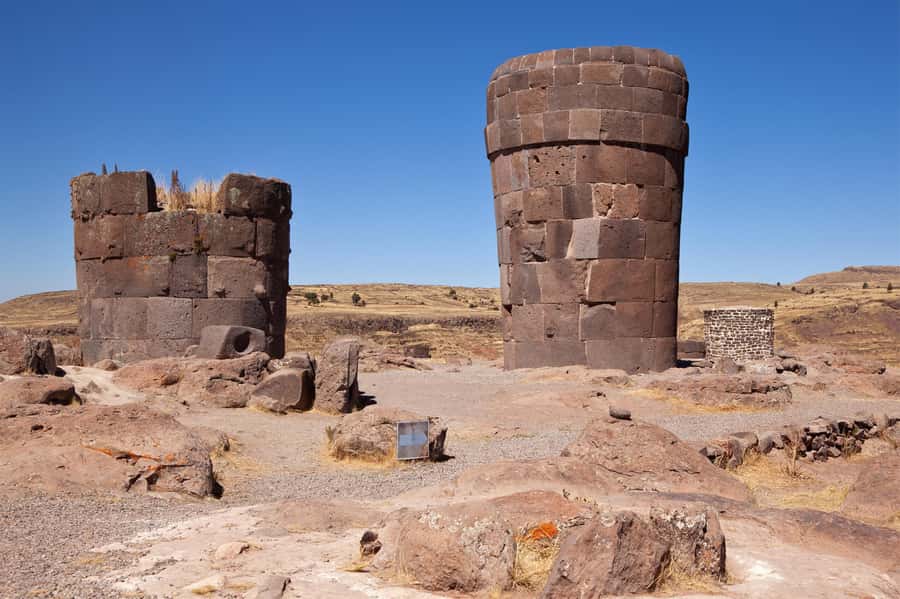
Puno can feel like a place of preparation. You arrive for Lake Titicaca, but before heading onto the water, Sillustani gives you a strong introduction to the people and cultures of the Altiplano. The site sits roughly 34 kilometers from Puno, close enough for a half-day visit without using your entire day.
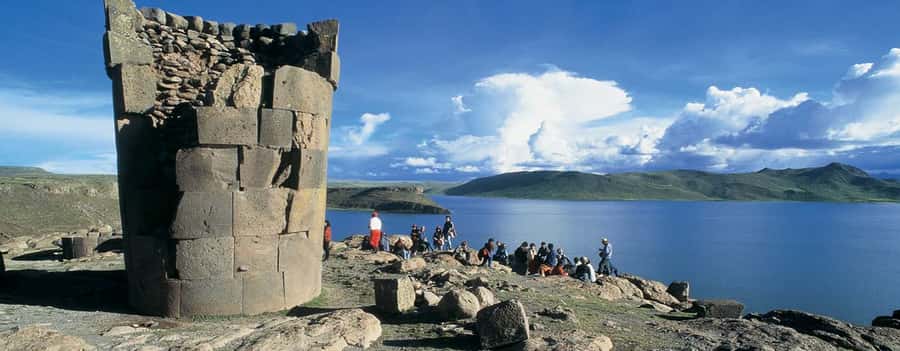
The attraction is not a sprawling city of ruins. It is a ceremonial and funerary complex, marked by tall circular stone towers called chullpas. These structures held the remains of important leaders from the ancient Collao region. Their purpose gives the visit a different tone from a fortress or temple. You are looking at monuments made for the dead, built in a place chosen for its visual power and spiritual meaning.
I like the way Sillustani combines archaeology with scenery. The towers rise against the broad sky, and Umayo Lagoon provides a quiet backdrop. The setting helps you understand why this was more than a practical burial ground. It was a place designed to honor authority and connect the dead with the surrounding world.
This is also a useful choice if you have already visited Cusco or the Sacred Valley and want to see another side of Andean culture. Sillustani is tied to Kolla, Tiahuanaco, and Inca traditions, while Puno remains home to both Quechua and Aymara communities. A good guide can help you sort out those cultural links instead of leaving you with only photographs of stone towers.
More Ruins & Archaeology Tours in Puno
- From Puno: Sillustani Tombs and Tourist View Point Puma
★ 4.7 · 156 reviews - Full-Day Tour of Uros, Taquile and Sillustani from Puno
★ 5.0 · 41 reviews - Half Day Tour to Sillustani from Puno
★ 4.5 · 36 reviews
The 2:00 PM departure from Puno
The listed pickup time is around 2:00 PM from your hotel in Puno. That timing works well if you want a slower morning, a relaxed lunch, or another activity before the tour. It also places your visit in the afternoon, when the light can bring out the texture of the stonework and the colors of the lagoon.
Hotel pickup is included for accommodations in Puno. If your hotel sits outside the city center, you will be given a meeting point instead, so check that detail before the day of departure. The ride is included in the $45 price, along with entrance fees and a professional guide.
The schedule needs a small reality check. The activity is advertised as lasting six hours, but the detailed plan says pickup at about 2:00 PM, roughly one hour at Sillustani, and arrival back in Puno around 5:00 PM. That is closer to three hours from pickup to return. Ask for the exact departure and return time when checking availability, especially if you have a dinner reservation, train, or evening bus.
The transport is practical rather than the point of the outing. You are being taken directly from the city to the archaeological complex, rather than arranging a taxi, buying tickets separately, and finding a guide at the site. For $45 per person, that convenience gives the tour much of its value.
First look at the chullpas
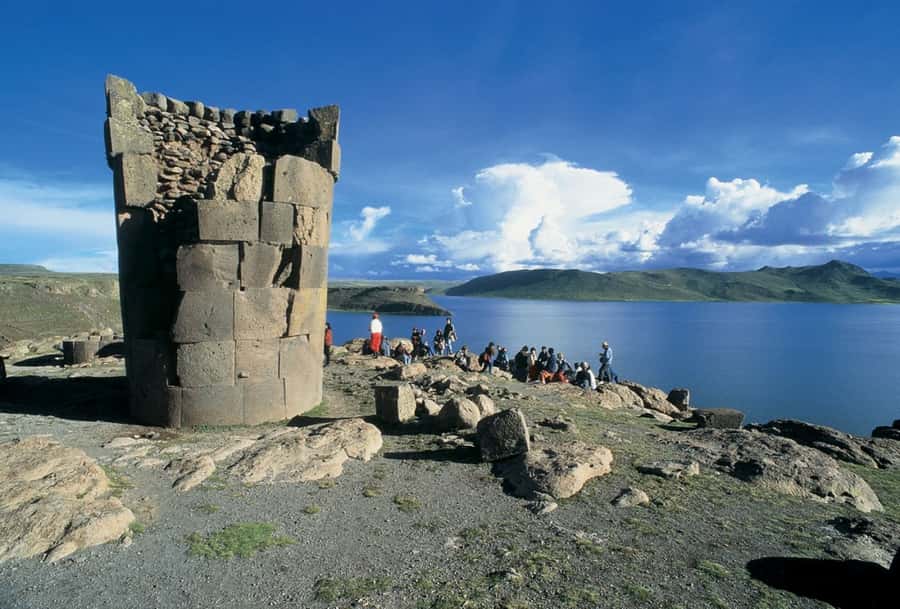
At Sillustani, your guide introduces the circular stone towers and explains their role as burial structures for leading authorities. Some towers reach about 12 meters high. Their shape is unusual because the base is narrower than the upper section, creating a form that looks slightly top-heavy.
That construction is one of the first details worth studying. The towers are not simple piles of stones. Their walls show careful planning and impressive masonry, particularly in the better-preserved sections. You can see why the visit is often described as an architectural and engineering lesson, not only an archaeological stop.
The site’s visual simplicity can be misleading. There are no long streets or large palace rooms to explore. Instead, the experience depends on looking closely at the towers, listening to the explanation, and noticing how they relate to the water and open terrain. If you rush through, you may see only unusual stone cylinders. If you slow down, the purpose and placement become much clearer.
The guided visit lasts approximately one hour. That is enough for a focused introduction, but it is not a long archaeological walk. You should expect a compact visit rather than a full-day study of the site. One useful feature is free time for photographs and, according to the tour arrangement, a chance to look at local goods.
The Chullpa del Lagarto and its damaged past
The best-known tower at Sillustani is the Chullpa del Lagarto. It is described as the highest chullpa in the complex and dates to the Inca period. Its square stones fit together with care, giving you a clear example of the masonry that makes Sillustani memorable.
The tower also carries a darker part of the site’s story. Huaqueros, or treasure hunters, damaged it at the beginning of the 19th century while searching for valuables. That damage is a reminder that archaeological sites are not untouched displays. They have been used, altered, robbed, studied, and preserved over time.
Your guide can help you read the structure beyond its height. Look at the shape of the tower, the stone joints, and the way the building seems to widen toward the top. These details are more meaningful when connected to the burial traditions of the ancient leaders who were placed inside.
The Chullpa del Lagarto is a good point for photographs, but give yourself time to listen before reaching for your camera. The story of the tower, including its Inca construction and later damage, gives the stonework a human dimension.
More ruins and archaeology near Puno:
- Half Day Tour in Sillustani
★ 5.0 · 27 reviews - From Puno: 4h tour to Sillustani
★ 4.8 · 7 reviews - Cusco: Half-Day City Tour with Sacsayhuaman and Q’enco
★ 4.6 · 1,129 reviews - City Tour Cusco Qoricancha Sacsayhuaman y Tambomachay
★ 4.7 · 617 reviews
Umayo Lagoon and the wider view
A short distance from the towers, Umayo Lagoon adds one of the most peaceful parts of the visit. Its water reflects the blue sky and white clouds, creating a simple but memorable scene. The lagoon is not just decorative background. It helps explain the appeal of the site and gives you a chance to pause after the archaeological explanation.
An island in Umayo Lagoon serves as a reserve for local vicuñas. The information provided for the tour does not promise a wildlife sighting, so you should not book this as a dedicated animal-watching outing. Still, the reserve adds another layer to the place and shows that the area has value beyond its ruins.
This is where comfortable clothing and shoes matter. The tour includes outdoor walking and viewing points, not a museum-only visit. Bring something suitable for changing highland weather, especially if the afternoon turns cold or wet.
The scenery is a major reason to choose Sillustani. If your idea of a good archaeological visit includes wide views and quiet surroundings, you will probably appreciate the setting. If you prefer busy markets, long guided walks, or many interior rooms, the site may feel brief.
The small museum near the complex
The site museum is close to the archaeological complex and preserves objects linked with the Kolla, Tiahuanaco, and Inca cultures. It is a modest stop, but it helps place Sillustani into a larger cultural timeline.
Without the museum, it would be easy to think of the chullpas as an isolated monument. The displays give your guide material for discussing the groups connected with the region and the ways local traditions changed over time. This is especially useful if you are not familiar with the distinction between pre-Inca cultures and the later Inca period.
One guide-led visit also included discussion of the differences and shared features between Quechua and Aymara languages and ethnic groups. That is a worthwhile part of the outing because Puno is not simply an Inca destination. The region’s living communities and languages are part of what makes a visit here meaningful.
The museum should not be treated as a large collection requiring hours. It works best as a short companion to the outdoor site. Your main reason for coming is still the chullpas and lagoon.
How the guide shapes the visit
The guide service is one of the strongest parts of this outing. A well-run visit begins on time, keeps the explanations focused, and leaves room for questions. That balance matters at Sillustani because too little explanation turns the site into a quick photo stop, while too much detail can make a short visit feel heavy.
The guide described in the tour feedback was relaxed, clear, and in command of the schedule. That is exactly the right approach here. You want enough structure to cover the important towers and museum, but not so much that you lose your chance to look around independently.
English and Spanish are offered. If you have questions about burial customs, stone construction, Kolla and Tiahuanaco connections, or Quechua and Aymara culture, ask them during the visit. The guide is there to connect the pieces, not simply point out the tallest tower.
Free time for photographs also matters. Sillustani has a strong visual appeal, and a guide who allows you to pause makes the visit feel less rushed. You may also have time to look at local goods, though shopping is a small part of the outing rather than its main purpose.
Weather, comfort, and practical limits
Sillustani is an outdoor site, and the weather can change the mood quickly. One visit was badly affected by intense rain, and the group felt that the tour would have been better postponed or brought closer to the site during such conditions. That is a fair warning for you.
Ask about the weather before leaving Puno. If rain is expected, wear comfortable shoes with good support and clothing suited to wet conditions. The official advice is simple: comfortable shoes and comfortable clothes. I would take that seriously rather than dress for a city afternoon.
The tour is not suitable for wheelchair users. Large bags and luggage are not allowed, so bring only what you need for the outing. A small personal bag, rain protection, water, and camera equipment are more practical than a suitcase or large backpack.
The provided information does not state the group size, vehicle type, or exact hotel pickup route. That is another reason to confirm the day’s details if those points matter to you. The key service elements are clear: transport, admission, a professional guide, and pickup in central Puno.
Is $45 a fair price?
At $45 per person, the tour offers solid value if you want a guided visit without arranging the parts yourself. Entrance fees, transport from Puno, and a professional guide are included. You also receive cultural interpretation that would be difficult to get from a quick independent visit.
The price is less compelling if you only want a short taxi ride and a brief look at the towers. The archaeological visit itself takes about an hour, and the detailed schedule suggests a relatively short time away from Puno. You are paying for convenience, interpretation, and organized transport, not for a full day of activities.
I see the best value for visitors who have limited time in Puno, want context for what they are seeing, and prefer not to negotiate transport. It is also a good fit before or after a separate Lake Titicaca outing, since this tour focuses on Sillustani rather than the floating islands of Uros.
Free cancellation up to 24 hours before departure and reserve-now, pay-later booking make the plan easier to adjust. Those terms are useful in Puno, where weather can affect an outdoor visit. Still, confirm the exact cancellation conditions and timing when booking.
Who should book this Sillustani tour?
I would choose this tour if you like archaeology, Andean culture, and open scenery, but do not want to spend a full day away from Puno. It is particularly suitable for first-time visitors who want a clear introduction to Kolla, Tiahuanaco, and Inca influences.
You should also consider it if you enjoy guided visits that leave space for questions and photos. The reported on-time departure, focused explanations, and relaxed control of the schedule are encouraging signs for a short tour.
I would think twice if heavy rain is forecast, if you need step-free access, or if your schedule depends on a precise return time. The advertised six-hour duration and the listed 2:00 PM to 5:00 PM plan do not line up, so ask for a firm timetable.
Should you book it?
Book this Sillustani tour if you want a simple, well-organized introduction to one of the Puno region’s most unusual archaeological sites. The tall funerary towers, the Chullpa del Lagarto, the nearby museum, and Umayo Lagoon give you more than a quick ruin stop, especially with a guide who explains the cultural links clearly.
Skip it if your main goal is the Uros floating islands, since those are not part of this outing. Also wait for better weather if possible. On a clear afternoon, $45 buys an efficient mix of transport, history, scenery, and local context without taking over your entire Puno visit.
FAQ
Where does the Sillustani tour take place?
The tour visits the ceremonial and archaeological center of Sillustani in Peru’s Puno Region, about 34 kilometers from the city of Puno.
How long does the tour last?
The activity information gives a duration of six hours, but the detailed schedule lists pickup around 2:00 PM and arrival back in Puno around 5:00 PM. Confirm the exact timing when checking availability.
What time does pickup begin?
Hotel pickup in Puno is scheduled for around 2:00 PM.
Is hotel pickup included?
Yes. Pickup is included for hotels in Puno. If your hotel is outside the city center, a meeting point will be offered.
What is included in the $45 price?
The price includes hotel pickup in Puno, transport, entrance fees, and a professional guide.
Is food included?
No. Meals are not included.
What languages are available for the guide?
The live guide service is available in English and Spanish.
What should I bring?
Bring comfortable shoes and comfortable clothes. Because the visit takes place outdoors, you may also want clothing suitable for rain or changing weather.
Can I bring large luggage?
No. Large bags and luggage are not allowed.
Is the tour suitable for wheelchair users?
No. The activity is listed as unsuitable for wheelchair users.
Can I cancel the booking?
Yes. Cancellation up to 24 hours in advance is allowed for a full refund.
Does the tour visit the Uros floating islands?
No. This itinerary focuses on Sillustani, its chullpas, the nearby museum, and Umayo Lagoon.
Added recently around Puno
- Sun island and Copacabana | From Puno or La Paz / Day Trip★ 4.1 · 5 reviews
- Aymara Route Mystical Cultural Tour★ 4.7 · 27 reviews
- Puno: Uros and Taquile Islands Full-Day Tour with Lunch★ 4.5 · 17 reviews
- Puno: History and Culture Walking Tour★ 4.1 · 13 reviews
- Puno: Lake Titicaca, Uros, and Taquile Full-Day Tour★ 4.5 · 4 reviews
- Puno: 3-hour trip to the floating Uros Islands★ 4.5 · 9 reviews
- Puno: Lake Titicaca Day Tour★ 4.5 · 17 reviews
- Puno: 2 Day Visit to Uros, Amantani and Taquile★ 4.5 · 13 reviews
Inca Ruins & Archaeological Sites, compared.
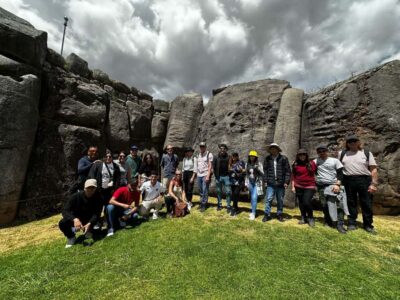
Half-Day City Tour with Sacsayhuaman and Q’enco
Read our review →
City Tour Cusco Qoricancha Sacsayhuaman y Tambomachay
Read our review →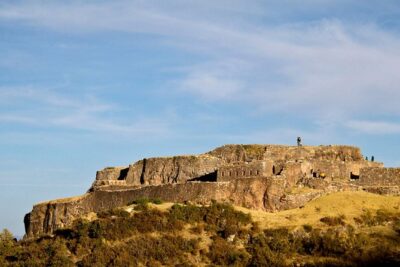
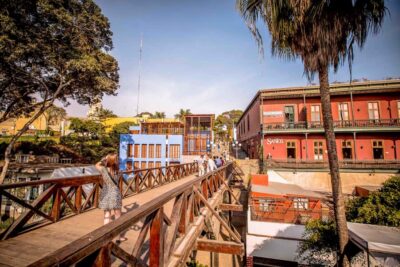
Pachacamac Ruins & Barranco Half-Day Guided Tour
Read our review →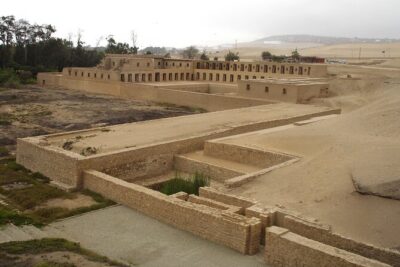
Pre Inca Temple of Pachacamac Half-Day Tour from Lima
Read our review →
Tour to the Archaeological Sanctuary of Pachacamac (small group)
Read our review →
From Pyramids & Bohemian Streets: Lima Miraflores & Barranco Tour
Read our review →
City Tour | Half-Day Tour to 4 Archaeological Sites
Read our review →Browse the lists this tour appears in