
Reviewed · INCA RUINS & ARCHAEOLOGICAL SITES
Tour Valle Sur Cusco Tipon, Pikillacta and Andahuaylillas
Cusco’s quiet side deserves a day. This five-hour South Valley tour links Tipon’s working Inca water channels, Piquillacta’s pre-Inca city, and Andahuaylillas’ remarkable church. I like the mix of archaeology and colonial art, and I like that hotel pickup makes the morning easy. The main catch is that admission fees are extra, so the $30 price is not the full cost.
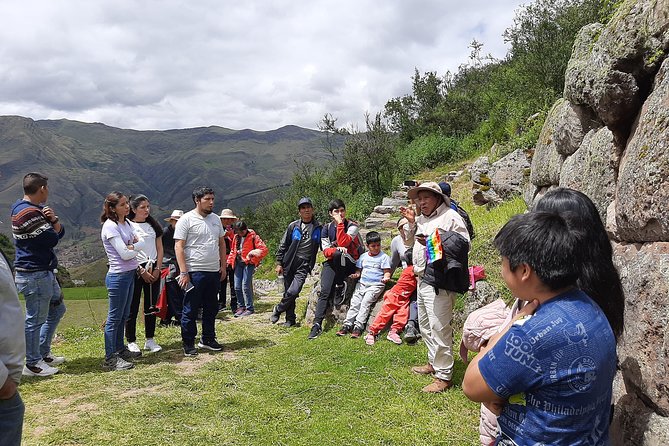
You ride in shared tourist transport with a bilingual guide, leaving around 8:00 am and finishing in central Cusco. Guide Hiromi has earned praise for her enthusiasm and willingness to answer questions, though the group can include up to 30 people, which may limit personal attention.
In This Review
- Key points at a glance
- Why the South Valley makes a smart half-day
- Tipon: Inca engineering you can still follow
- Piquillacta: A city from before the Incas
- Andahuaylillas: The artistic finale
- What the $30 price really covers
- Pickup, group size, and the morning schedule
- The guide can make the difference
- Who will enjoy this tour most
- Practical ways to get more from the morning
- Should you book the South Valley route?
- FAQ
- Where does the tour take place?
- What time does the tour start?
- Is hotel pickup included?
- Is transport shared or private?
- Is an English-speaking guide included?
- Are entrance fees included in the $30 price?
- How long does the experience last?
Key points at a glance
- Tipon’s Inca water system: See a remarkably well-preserved site where channels, terraces, and flowing water form the main attraction.
- Piquillacta’s pre-Inca story: Visit one of the best-preserved Wari settlements outside Ayacucho, a useful reminder that Cusco’s past did not begin with the Incas.
- Andahuaylillas church: Enter the church often called the Sistine Chapel of America, with a separate fee for the church and museum.
- A quieter route: The South Valley generally brings fewer crowds than Cusco’s headline attractions, giving the morning a calmer pace.
- Simple transport: Hotel or Airbnb pickup is included, along with drop-off in central Cusco.
- Good value with extra costs: The tour costs $30 per person, but you must budget separately for the Cusco Tourist Ticket, church entry, and museum entry.
Why the South Valley makes a smart half-day
Cusco is packed with famous sites, and it is easy to spend your entire visit moving between the main square, Sacsayhuaman, and the Sacred Valley. This route gives you something different. In roughly five hours, you see three places tied to separate chapters of Peruvian history.
I especially like the way the tour moves beyond the standard Inca story. Tipon represents Inca engineering and water management. Piquillacta takes you further back to the Wari period. Andahuaylillas then shifts the focus to colonial religious art.
That combination gives the morning real variety. You are not looking at three similar ruins with the same explanation repeated at each stop. You get architecture, water, archaeology, painting, religion, and wide views of the South Valley.
The route also suits anyone who wants a quieter outing. The South Valley usually receives less attention than the big-name day trips, and one direct benefit is a more relaxed feel. You can focus on what you are seeing instead of spending the whole morning in a crowd.
Still, this is not a private sightseeing experience. Shared transport may carry as many as 30 people. If you prefer a guide who can adapt every explanation to your interests, a private tour would offer more flexibility, but it would likely cost more.
More Ruins & Archaeology Tours in Cusco
- Cusco: Half-Day City Tour with Sacsayhuaman and Q’enco
★ 4.6 · 1,129 reviews - City Tour Cusco Qoricancha Sacsayhuaman y Tambomachay
★ 4.7 · 617 reviews - Cusco City Tour Four Ruins in Half-Day
★ 5.0 · 530 reviews
Tipon: Inca engineering you can still follow
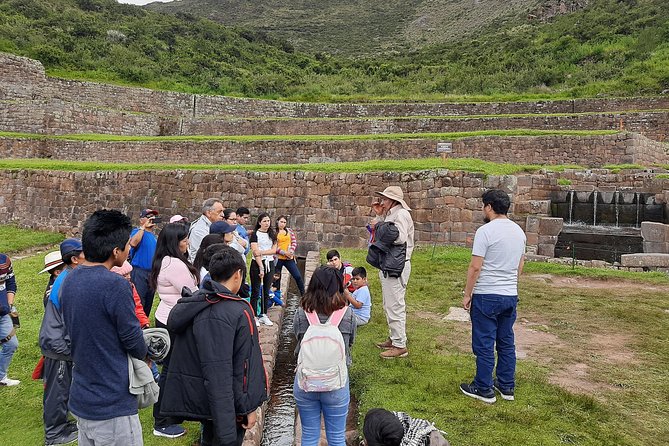
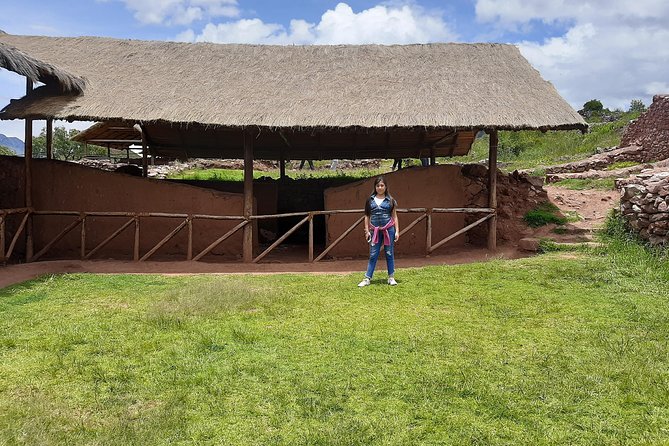
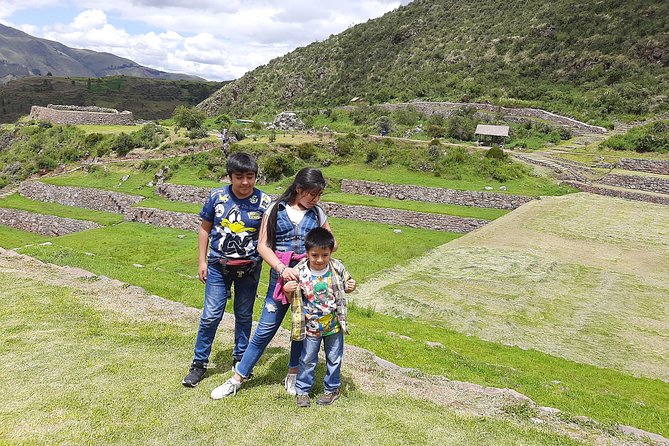
Tipon is the first stop, with about 30 minutes set aside for a guided visit. The site is known for its Inca water channels and terraces, and the water remains the star of the show.
You can see how carefully the channels were planned and how the terraces fit into the wider setting. The site is especially rewarding because the engineering is easy to understand with your own eyes. Instead of only seeing foundations, you can follow the route of the water and appreciate the practical skill behind the construction.
I would pay close attention to the guide here. The tour promises a historical explanation, and a good guide can turn stone channels into a story about planning, farming, ceremony, and daily life. Hiromi, one guide connected with this experience, has been praised for giving clear information and answering questions with energy.
The 30-minute visit is enough for an introduction, but it is not a long, unhurried exploration. You will need to keep moving, particularly if the group is large. If Tipon is the place you are most excited about, tell your guide early so you can make the best use of the stop.
Admission is not included. The supplied information identifies the Cusco Tourist Ticket as an extra cost, so check the current ticket requirements before you go. That matters because Tipon may be part of the ticket system rather than a site with a simple separate payment.
Piquillacta: A city from before the Incas
The second stop is Piquillacta, also written as Pikillacta in some descriptions. The visit lasts about 30 minutes and focuses on the site’s history.
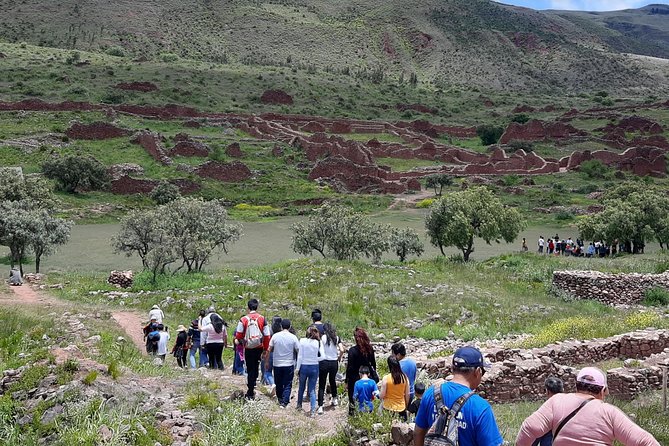
Piquillacta is important because it belonged to the Wari culture, which came before the Inca period. One of the most useful points about this stop is that it broadens your picture of Peru. Cusco was not an isolated center that suddenly appeared under Inca rule. Earlier societies built cities, organized communities, and shaped the region long before the Inca Empire grew.
The site has been described as one of the best-preserved Wari settlements outside the ancient capital area in Ayacucho. That gives the ruins a different character from Tipon. At Tipon, flowing water and Inca precision draw your eye. At Piquillacta, the larger story is urban planning and the presence of a substantial pre-Inca settlement.
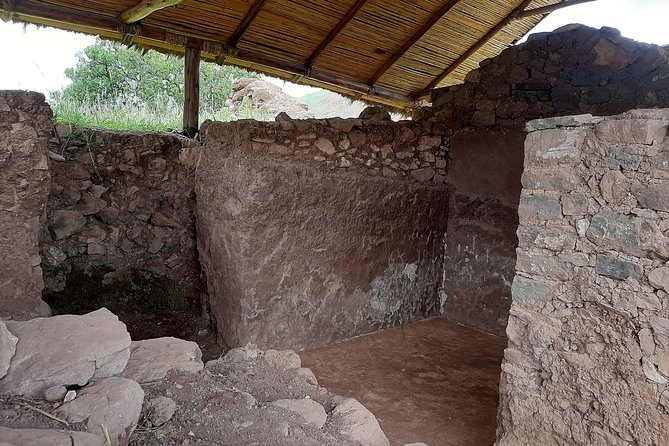
You might find the ruins less immediately dramatic than Tipon, especially if you arrive expecting towering stonework. That is not a weakness, but it does mean the guide’s explanation matters. Without context, rows of walls can seem spare. With context, they help you understand how long and varied Andean civilization has been.
Again, the scheduled stop is brief. Use the time to ask one or two focused questions, such as how the Wari city differed from an Inca settlement or why the site matters to the South Valley. The bilingual guide is there to explain the history in English, and direct questions can make a short stop more useful.
Andahuaylillas: The artistic finale
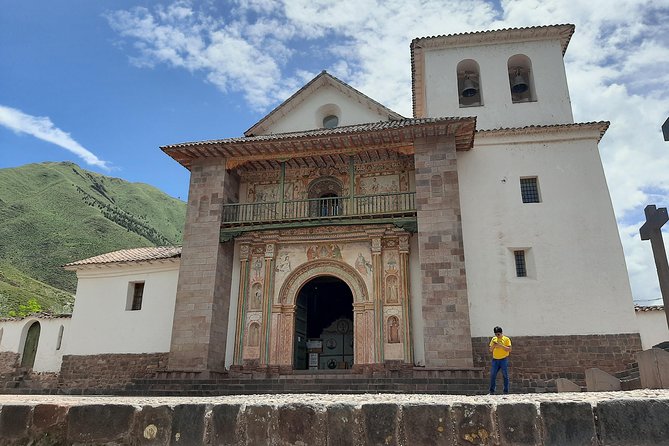
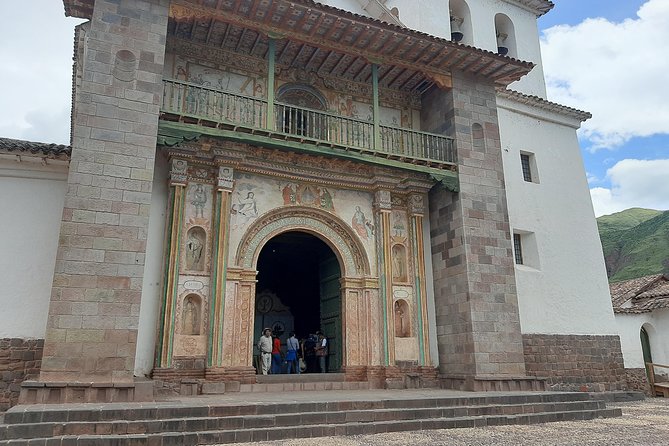
The final major stop is the Church of San Pedro Apóstol de Andahuaylillas. The visit lasts about 30 minutes, and this is where the tour changes from open-air archaeology to colonial religious art.
The church is often called the Sistine Chapel of America. That nickname points to its painted interior and artistic importance, but you should not expect a copy of the Vatican. The appeal here comes from seeing a richly decorated colonial church in its own Andean setting.
For me, this stop adds an important layer to the morning. Tipon and Piquillacta show older forms of power, belief, and organization. Andahuaylillas shows how Spanish colonial religion took root in Peru and how local artistic traditions became part of that setting. You are looking at a church, but you are also seeing a complicated meeting of cultures.
The church and the Andahuaylillas museum each have separate admission costs, and neither is included. Be sure to allow for both if you want the full visit. The tour information does not state the current prices, so check them before booking rather than assuming the $30 covers every entrance.
Photography rules, opening conditions, and what is on display can change, so listen carefully to the guide and local staff. The church is a place to look slowly, even though the scheduled time is only half an hour. If interior art is a major reason you want this tour, the short visit is the biggest limitation.
More ruins and archaeology near Cusco:
- Cusco: City Tour | Half-Day Tour to 4 Archaeological Sites
★ 4.6 · 206 reviews - Cusco City Sightseeing and Sacsayhuaman Archeological Park Tour
★ 4.5 · 101 reviews - Cusco: Historical Guided City Tour with 4 Inca Ruins
★ 4.5 · 99 reviews - Cusco 4-Hour Private Tour Including Sacsayhuaman and Qenqo
★ 5.0 · 77 reviews
What the $30 price really covers
At $30 per person, this is an appealing price for a guided half-day outing from Cusco. You are paying for hotel or Airbnb pickup, shared tourist transport, a bilingual guide, and drop-off in central Cusco.
That convenience has real value. You do not need to arrange separate taxis to three outlying sites, work out the order of the stops, or find your way back to town. For a first visit to Cusco, that takes away a fair amount of planning.
The price also makes sense for anyone who wants an introduction rather than a full archaeological study. You get three distinct stops in one morning, plus explanations that connect them. The route gives you a taste of the South Valley without requiring a full day away from Cusco.
The extra fees are the part to watch. The Cusco Tourist Ticket is not included, and neither are the church or museum entries. Once those costs are added, the final amount is higher than the advertised tour price.
That does not make the tour poor value. It simply means you should compare the total cost, not just the headline figure. I would treat $30 as the transport and guiding price, then confirm the current entrance costs before paying.
Pickup, group size, and the morning schedule
Pickup begins around 8:00 am, and you can be collected from your hotel or Airbnb at the agreed time. You need to provide the full accommodation address, which is particularly important if your lodging is a small guesthouse or a rental with an unclear street entrance.
The tour finishes with drop-off in central Cusco. That is convenient if you plan to spend the afternoon in the historic center, eat lunch there, or continue sightseeing on foot.
Shared transport keeps the price down, but the group can reach 30 people. A large group may mean waiting for everyone at each stop and standing farther from the guide during explanations. On the positive side, a bilingual guide can make the sites easier to understand than a self-guided visit.
The tour is offered in English, and confirmation is provided at booking. The experience is also near public transportation, though the included pickup makes that less important for most people.
You should have a moderate level of physical fitness. The information provided does not give a detailed accessibility description, so you should ask the provider directly if you have concerns about walking surfaces, steps, or standing time. Do not assume that every part of an archaeological site will be smooth or level.
The guide can make the difference
A route with three short stops depends heavily on the quality of the explanation. You have limited time at each place, so the guide needs to explain the main point clearly without burying it in dates and names.
Hiromi is specifically praised for enthusiasm and for answering questions. That is encouraging because these sites benefit from conversation. At Piquillacta, for example, a question about the Wari people can help you connect the ruins to the wider Andean story. At Tipon, you can ask how the water system worked. At Andahuaylillas, you can ask how the church fits into colonial Peru.
The guide is bilingual, but the supplied information does not promise a particular guide for every departure. I would regard Hiromi as a positive example, not a guarantee. If having a specific guide is essential, confirm that before booking.
A group of up to 30 also affects the experience. You may not get long personal discussions, but you can still improve the tour by asking concise questions and staying close enough to hear. Bring patience for group movement, especially when the morning schedule is tight.
Who will enjoy this tour most
I would recommend this outing to you if you want three different types of cultural site in a single morning. It works especially well for first-time visitors who want more context than a standard city tour provides.
It is also a good choice if you value quieter places. The route has less of the nonstop activity associated with Cusco’s most famous sights, and the South Valley scenery adds a pleasant visual change.
History and culture enthusiasts will get the most from it. Piquillacta is particularly useful for anyone who wants to learn about the Wari period, while Tipon appeals to people interested in construction, water, and Inca organization. Andahuaylillas suits anyone drawn to art and colonial history.
I would be more cautious if you want long visits at each site. Thirty minutes per stop is enough for a guided overview, not enough for a slow, detailed examination. The same applies if you dislike shared groups or want complete control over the pace.
The moderate fitness requirement also deserves attention. No detailed difficulty level is provided, so you should be comfortable with a morning of sightseeing and walking around historic sites.
Practical ways to get more from the morning
Wear practical walking clothing and allow time for the group to gather at pickup. The tour begins at 8:00 am, so confirm your accommodation address and agreed pickup time in advance.
Budget for the entrance fees before departure. The tour price does not include the Cusco Tourist Ticket, the Andahuaylillas church, or the Andahuaylillas museum. If you are choosing between seeing only the church and adding the museum, ask the provider what the current entry arrangements are.
Keep your questions ready. A short tour rewards focused curiosity more than trying to memorize every detail. Ask about the Wari and Inca differences, Tipon’s water channels, and the church’s artwork.
Remember that the experience is non-refundable and cannot be changed after booking. That makes checking your date, accommodation address, and availability especially important before you commit.
Should you book the South Valley route?
Book it if you want an affordable, well-organized introduction to three very different sites near Cusco. The strongest reasons are the variety, the quieter route, hotel pickup, and the chance to see Tipon, Piquillacta, and Andahuaylillas without arranging transport yourself.
The tour is also a smart pick for anyone who wants to place Inca history in a wider Peruvian story. Tipon is beautifully preserved, Piquillacta introduces the earlier Wari culture, and Andahuaylillas adds colonial art and religion.
Think twice if you need private guiding, long stops, or a tour with no added admission charges. For most people, though, the $30 base price offers a useful half-day, provided you plan for the entrance fees and accept the pace of a shared group.
FAQ
Where does the tour take place?
The tour operates from Cusco and visits Tipon, Piquillacta, and the Church of San Pedro Apóstol de Andahuaylillas in the South Valley.
What time does the tour start?
The scheduled start time is 8:00 am. Pickup is arranged at your hotel or Airbnb.
Is hotel pickup included?
Yes. Pickup from your hotel or Airbnb is included, and you need to provide the accommodation address.
Is transport shared or private?
The tour uses shared tourist transport. The maximum group size is 30 people.
Is an English-speaking guide included?
Yes. A bilingual guide is included, and the experience is offered in English.
Are entrance fees included in the $30 price?
No. The Cusco Tourist Ticket, entry to the Andahuaylillas church, and entry to the Andahuaylillas museum are not included.
How long does the experience last?
The tour lasts approximately five hours. Each listed stop has about 30 minutes set aside for sightseeing.
Added recently around Cusco
- Super valley or vip valley★ 5.0 · 13 reviews
- the Incas’ Sacred Valley★ 5.0 · 27 reviews
- Sacred Valley of the Incas Day Trip from Cusco★ 5.0 · 6 reviews
- Small-Group Tour: Rainbow Mountains Hiking from Cusco★ 4.0 · 5 reviews
- Excursion to the Sacred Valley of the Incas from Cusco★ 5.0 · 8 reviews
- Maras + Moray & Textile Experience★ 5.0 · 14 reviews
- Tour EN Cuatrimoto POR la Montaña 7 Colors Hike 5 Minutes★ 4.5 · 32 reviews
- rainbow mountain★ 4.0 · 4 reviews
Inca Ruins & Archaeological Sites, compared.
Half-Day City Tour with Sacsayhuaman and Q’enco
Read our review →
City Tour Cusco Qoricancha Sacsayhuaman y Tambomachay
Read our review →
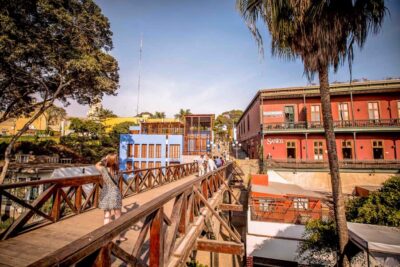
Pachacamac Ruins & Barranco Half-Day Guided Tour
Read our review →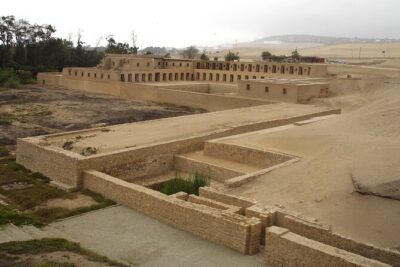
Pre Inca Temple of Pachacamac Half-Day Tour from Lima
Read our review →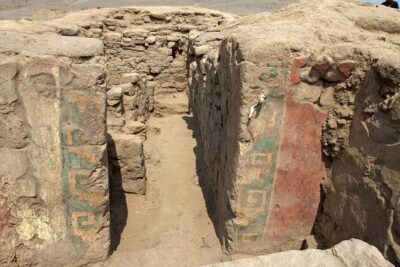
Tour to the Archaeological Sanctuary of Pachacamac (small group)
Read our review →
From Pyramids & Bohemian Streets: Lima Miraflores & Barranco Tour
Read our review →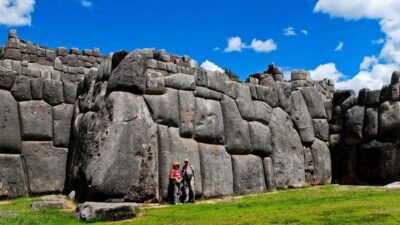
City Tour | Half-Day Tour to 4 Archaeological Sites
Read our review →Browse the lists this tour appears in