
Reviewed · COOKING CLASSES
Traditional Peruvian Cooking Class and Market Tour in Cusco
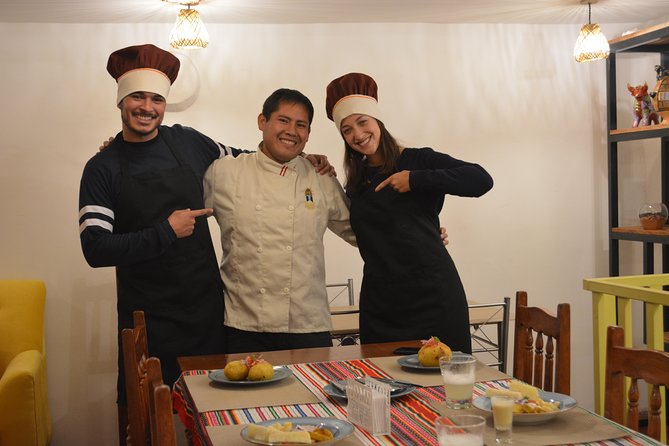
Food tells Cusco’s story. This four-hour experience pairs a guided walk through Mercado Central de San Pedro with a hands-on cooking class led by Chef Ronal. I like the market visit because you learn what Peruvian ingredients look like in daily use, not just on a restaurant menu. I also like the personal teaching style, with choices for main dishes, cocktails, and vegetarian recipes.
The main thing to consider is Cusco’s altitude. One person became short of breath during the market walk, and the chef helped another participant who felt altitude sickness. If you have just arrived in town, take the pace seriously. At $57 per person, the class offers good value for a four-hour food experience, especially since drinks, tastings, instruction, and a digital cookbook are included.
In This Review
- Key Details Before You Book
- Why San Pedro Market Is the Right Starting Point
- Altitude Matters During the First Hour
- From Market Basket to Cooking Bench
- Ceviche, Lomo Saltado, and Causa Limeña
- Pisco Sours and Nonalcoholic Choices
- What Makes Chef Ronal’s Teaching Effective
- Four Hours Well Spent at $57
- Who Will Enjoy This Cusco Food Experience?
- Practical Details for a Smooth Visit
- Should You Book It?
- FAQ
- How long does the cooking class and market tour last?
- Where does the tour begin and end?
- What market does the tour visit?
- What dishes can I prepare?
- Are drinks included?
- How many people can join the activity?
- Can I cancel for a full refund?
Key Details Before You Book
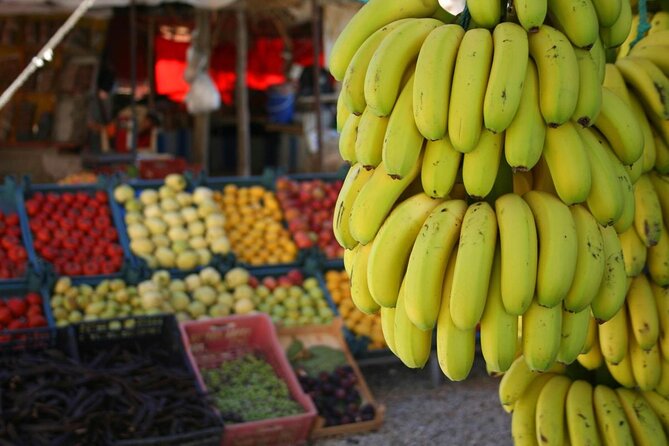
- San Pedro Market comes first: You tour Cusco’s oldest market, taste local breads, cheeses, and unusual fruits, and see where ingredients for the class come from.
- Chef Ronal leads the session: He explains preparation methods, local customs, food traditions, and the background of Peruvian dishes.
- You choose from several dishes: Common choices include ceviche, lomo saltado, causa limeña, stuffed peppers, and other Peruvian preparations.
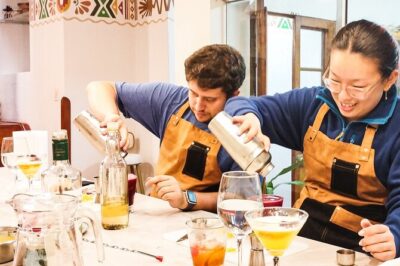
- Cocktails are part of the fun: You can prepare a pisco sour or choose a passion fruit drink or another nonalcoholic option.
- The class is hands-on: You chop, mix, sauté, season, and assemble the food rather than simply watching a demonstration.
- The group can stay small: The activity has a maximum of 10 people and is described as private for your party, creating room for personal instruction.
Why San Pedro Market Is the Right Starting Point
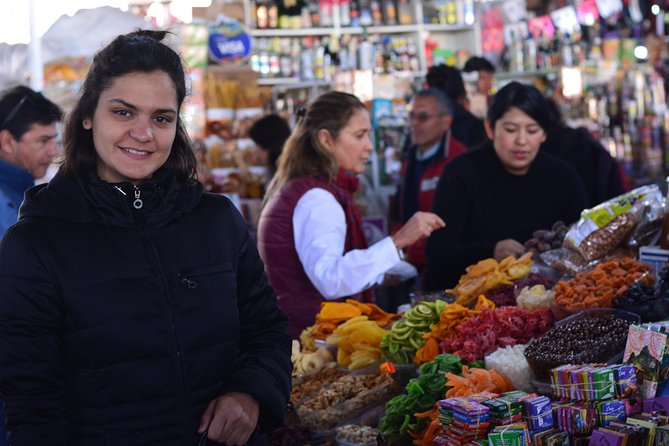
The class begins at C. San Juan de Dios 264, close to Mercado Central de San Pedro. The market is not dressed up for tourists. It is a working food market where you can see the ingredients that shape everyday cooking in Cusco and across Peru.
Chef Ronal guides you through the stalls and explains the produce as you go. Depending on the day’s selection, you may see different potatoes, peppers, corn, meats, cheeses, breads, and native fruits. The market is large enough to feel slightly confusing at first, which is exactly why having a local guide helps. You can focus on the food instead of trying to work out where each section leads.
The tasting is an important part of the visit. You sample breads, cheeses, and exotic local fruits before returning to the workshop. These small tastes give you a better sense of Peru’s range than a quick photograph of a market stall. You may also find unusual ingredients that are difficult to identify on your own.
I especially like that Ronal uses the market to explain more than cooking. He connects ingredients with local customs, daily life, and Peruvian food traditions. He also knows the vendors, which makes the visit feel more like an introduction to a place he uses himself than a standard walk past market stalls.
The market can be lively and crowded, and the floor may not feel as easy to manage as a polished cooking school. That is part of its character, but it also means you should wear practical shoes and keep your belongings secure. The tour is near public transportation, though the exact transport arrangements are not included, so you should plan your route to the meeting point in advance.
More Cooking Classes in Cusco
- Peruvian Cooking Class Cocktails and Market Tour in Cusco
★ 5.0 · 1,712 reviews - Cusco Cooking Classes and San Pedro Market Tour
★ 5.0 · 691 reviews - Cusco: Peruvian Cooking Class, Cocktails & Local Market Tour
★ 4.9 · 512 reviews
Altitude Matters During the First Hour
Cusco sits at high altitude, and the market visit takes place at the start of the experience. That timing can be helpful if you are already feeling well, but it can be demanding on your first day in town.
Several class accounts describe the activity as a good early-trip introduction, yet one participant became short of breath while walking to or around the market. Another experienced altitude sickness, and Ronal responded by providing coca leaves, chocolate, and Florida water. That care is reassuring, but you should not treat the class as an easy substitute for rest and acclimatization.
If you have just arrived in Cusco, keep your morning or afternoon free before the class. Drink water, walk slowly, and tell the guide if you feel unwell. The class itself is not a race, and the small format should allow the pace to be adjusted, but your comfort depends partly on how your body is handling the altitude.
From Market Basket to Cooking Bench
After the market, you return to the workshop at the original meeting point. The cooking room is described as clean, welcoming, and cozy, with enough space for a small group to work together.
This is not a watch-and-eat demonstration. You take part in the preparation, with Ronal showing you how to handle the ingredients and guiding each step. The session can suit an experienced home cook, but it also works well if your kitchen skills are limited. One especially useful feature is the chef’s attention to basic technique, such as proper chopping, seasoning, sautéing, and tasting.
The meal selection varies according to the choices available during the session. The experience includes options for main dishes and cocktails, along with vegetarian recipes. Commonly described combinations include trout ceviche or lomo saltado, causa limeña, stuffed Peruvian peppers, and a pisco sour.
The class information refers to preparing three Peruvian dishes, while the detailed session format includes several preparations and a cocktail. In practice, you should expect a substantial cooking session with a choice of dishes rather than a fixed menu for everyone. Ask about the exact choices when you arrive if you have a firm preference.
Ceviche, Lomo Saltado, and Causa Limeña
Ceviche is one of the strongest reasons to choose this class. You learn how Peruvian cooks balance fresh fish, lime, seasoning, and texture. The preparation is simple on paper, but small choices affect the final result. A good instructor can show you why the dish tastes bright and clean instead of flat or overly sharp.
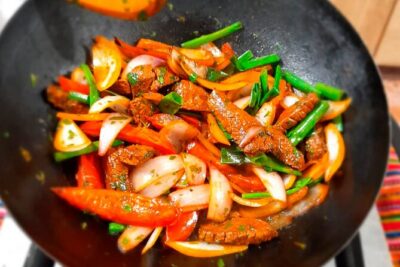
Lomo saltado gives you a different side of Peruvian food. The dish combines beef, vegetables, and a savory sauce, with cooking technique playing a larger role than in ceviche. It is a practical recipe to take home because the ingredients and method can be adapted to a normal kitchen.
Causa limeña brings potatoes into focus. Peru has an enormous range of potatoes, and the market visit helps put that ingredient in context. You learn how a humble staple becomes a seasoned, layered dish with a smooth texture and strong color.
Stuffed peppers may appear as an additional preparation, depending on the session choices. Several class descriptions also include bread, cheese, and fruit tasting before the main meal. That makes the food portion feel like a full progression rather than one recipe followed by a quick snack.
You may also hear about alpaca and guinea pig, two foods associated with Peruvian cuisine. The chef can explain their place in local food culture, although the information provided does not say that either one is always part of the cooking menu. If you want to try one, ask directly rather than assuming it is included.
More Market Tours in Cusco
- Hands-on Peruvian Cooking Class & San Pedro Market Visit in Cusco
★ 5.0 · 421 reviews - Pisac Indian Market and Ollantaytambo Fortress with Lunch
★ 4.5 · 395 reviews - Local Market and Peruvian Cooking Class with Pisco Sour in Cusco
★ 5.0 · 384 reviews - Cooking class and market tour with a local chef
★ 5.0 · 186 reviews
Pisco Sours and Nonalcoholic Choices
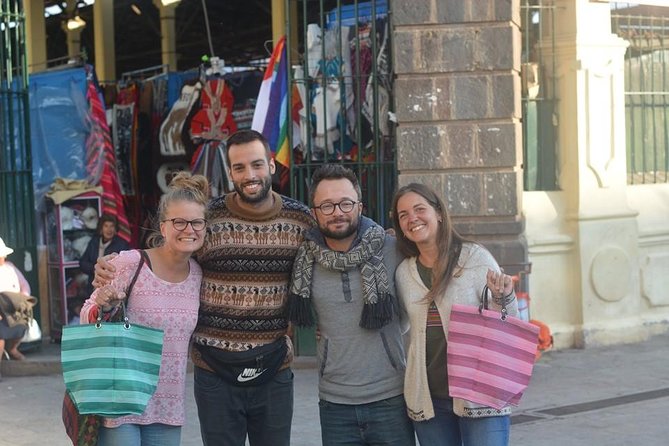
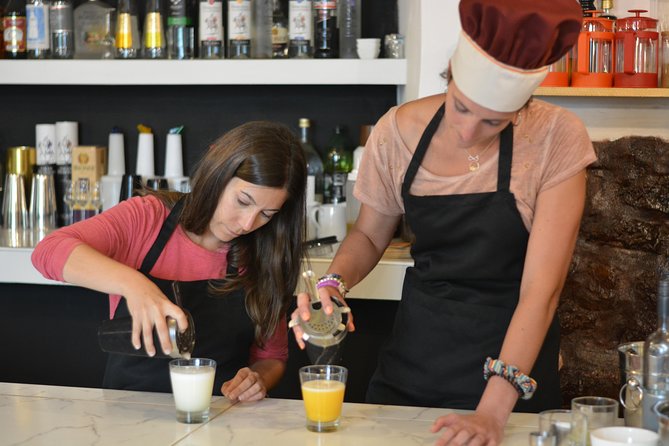
The drinks add a useful layer to the class. You can learn how to make a pisco sour, Peru’s best-known cocktail, or choose a fruit-based drink such as passion fruit juice. Nonalcoholic drinks are available, and complimentary water is provided during the session.
The cocktail lesson is more than a quick pour beside the food. You work through the mixing process and learn about pisco as a Peruvian ingredient. The pisco sour has been a favorite part of the class for many people, but the nonalcoholic choice means you do not need to drink alcohol to enjoy the session.
If you are sensitive to alcohol, traveling with children, or simply prefer juice, make that choice clear at the start. The food and drink options are designed to accommodate different preferences, including vegetarian recipes and a gluten-free adjustment described for lomo saltado.
What Makes Chef Ronal’s Teaching Effective
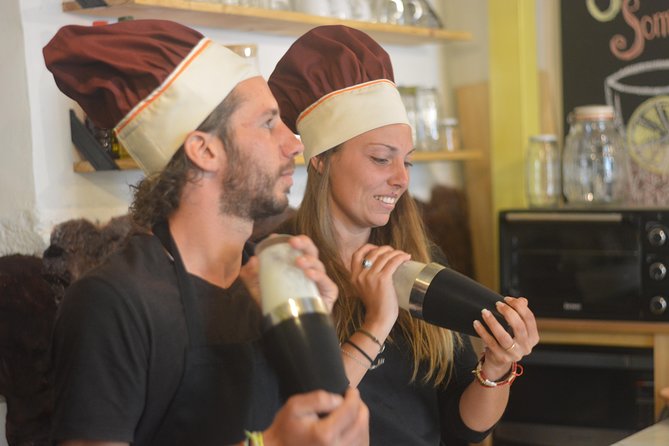
Ronal’s role is a major part of the experience. He guides the market walk, teaches the recipes, explains Peruvian culture, and helps keep the class relaxed. His approach is patient and practical, which matters when several people are cooking at different speeds.
He also seems willing to adjust to the group. Gluten-free sauce was provided for one participant, and different food preferences were accommodated for a group of couples. Vegetarian recipes are available, but you should still state dietary needs when booking or at the beginning of the class so the right ingredients can be prepared.
The class can feel especially personal when only one or two people book a particular session. At other times, the group may include as many as 10 people. A smaller group gives you more time with the chef, while a fuller class may bring more conversation and a social feel.
The private format is worth clarifying. The activity is described as exclusive to your party, yet the published maximum is 10 people. If privacy is important to you, confirm how the booking is arranged before paying.
Four Hours Well Spent at $57
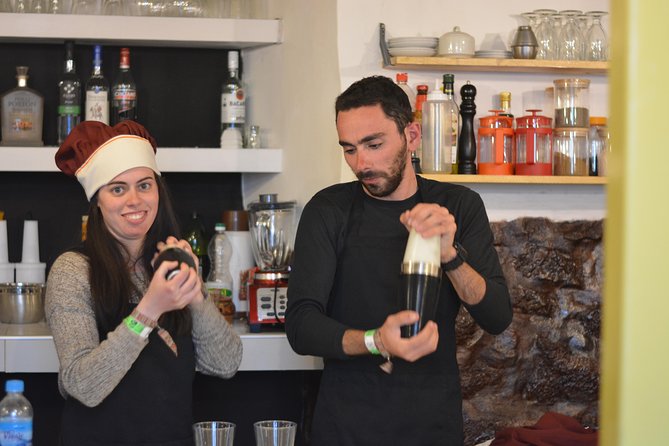
At $57 per person, this is not the cheapest way to eat in Cusco. It is a good price for a four-hour activity that combines a guided market visit, tastings, several prepared dishes, cocktails or fruit drinks, professional instruction, and recipes to use later.
The value improves if you want more than a meal. A restaurant can serve you ceviche or lomo saltado, but it cannot show you the market ingredients, explain the cooking methods, and help you prepare the food yourself. You also leave with a digital cookbook, so the experience has a life beyond the afternoon in Cusco.
The class is less useful if you dislike group activities, have no interest in cooking, or want a quiet market visit without a scheduled lesson afterward. It is also a poor choice if altitude symptoms are already affecting you. In that case, wait until you feel steady or choose a lower-effort activity.
The four-hour length is a strength. You are not rushed through the market, and there is enough time to cook, eat, and talk. Plan your day around it rather than squeezing it between other timed attractions.
Who Will Enjoy This Cusco Food Experience?
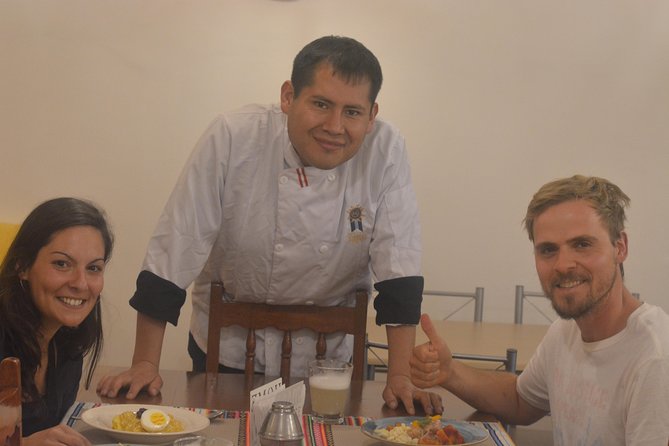
I would recommend this class to couples, families, solo visitors, and anyone who wants a friendly introduction to Peruvian food. It works particularly well for people visiting Cusco early in their trip because it gives you useful context for the markets, ingredients, and dishes you will see elsewhere in Peru.
It also suits mixed-ability groups. The instruction is detailed enough for serious food fans, but the pace and tone are approachable for people who rarely cook. A non-cooking partner can still take part in chopping, mixing, tasting, and making drinks.
Families should consider the four-hour length and the altitude. The activity has been enjoyed by families, but younger children may not have the patience for a full market tour and cooking session. The available information does not give a minimum age, so confirm that point if you are booking with children.
Solo participants can benefit from the small group setting. You may end up with a private lesson or a compact class, and the food preparation gives you an easy way to talk with the chef and other people.
Practical Details for a Smooth Visit
You meet at C. San Juan de Dios 264 in Cusco, and the activity ends back at that same meeting point. It is near public transportation, but hotel pickup is not listed, so allow time to reach the starting point.
Confirmation is provided when you book. The maximum group size is 10, and the experience requires a minimum number of bookings. If that minimum is not reached, you are offered another date or experience, or a full refund.
Free cancellation is available up to 24 hours before the start time. Cancellations made later, as well as late changes, are not refunded. The activity also depends on good weather. If poor weather causes cancellation, you can choose another date or receive a full refund.
Should You Book It?
Book this experience if you want to understand Peruvian food from the market stall to the dinner table. The strongest parts are the San Pedro Market walk, Ronal’s patient instruction, the choice of dishes, and the chance to make a pisco sour or fruit drink yourself.
I would be cautious about booking it on the day you arrive if you are prone to altitude problems. Otherwise, this is a well-priced, hands-on way to spend four hours in Cusco, with enough practical information to help you recognize ingredients and recreate the meal at home.
FAQ
How long does the cooking class and market tour last?
The experience lasts approximately four hours.
Where does the tour begin and end?
It begins at C. San Juan de Dios 264 in Cusco and ends back at the same meeting point.
What market does the tour visit?
The tour visits Mercado Central de San Pedro, described as Cusco’s oldest market.
What dishes can I prepare?
The available choices include Peruvian dishes such as ceviche, lomo saltado, causa limeña, and stuffed peppers. The exact selection can vary, and vegetarian recipes are available.
Are drinks included?
Yes. You can prepare cocktail options such as a pisco sour, and nonalcoholic choices are available. Water and nonalcoholic drinks are included during the session.
How many people can join the activity?
The maximum is 10 people. The experience is also described as private and exclusive to your party, so confirm the group arrangement when booking if that matters to you.
Can I cancel for a full refund?
Yes, if you cancel at least 24 hours before the experience start time. Cancellations or changes made less than 24 hours in advance are not refunded.
More Cooking Sessions in Cusco
- Group Cooking Class in Cusco with Pisco Tasting
★ 5.0 · 335 reviews - Bilingual Cooking Class with Pisco Cocktail in Cusco
★ 5.0 · 92 reviews - Cusco: Peruvian Cooking Class & Market Tour
★ 4.9 · 19 reviews - Cusco Billingual Cooking Class at 6pm
★ 5.0 · 16 reviews
More Shopping Tours in Cusco
- Cusco City Sightseeing, San Pedro Market, Cathedral and Qorikancha Temple
★ 4.5 · 139 reviews - Cusco Food Walking Tour & Central Market
★ 5.0 · 48 reviews - San Pedro Market Tour with Peruvian Cooking Class
★ 5.0 · 31 reviews - Curious Monkey Cusco- Market and Streets, Walking Food Tour
★ 5.0 · 31 reviews
Added recently around Cusco
- Guided tour of the mountain of colors in Cusco★ 5.0 · 11 reviews
- 2-Day Private Short Inca Trail to Machu Picchu★ 5.0 · 15 reviews
- San Pedro Market Tour with Peruvian Cooking Class★ 5.0 · 31 reviews
- City Tour Cusco – Group★ 5.0 · 4 reviews
- Tour Sacred Valley with Maras and Moray★ 5.0 · 15 reviews
- Walking Culinary Experience★ 5.0 · 41 reviews
- City Tour in Cusco★ 4.5 · 10 reviews
- One Day Tour to Humantay Lagoon★ 5.0 · 8 reviews
Cooking Classes, compared.
Peruvian Cooking Class Cocktails and Market Tour in Cusco
Read our review →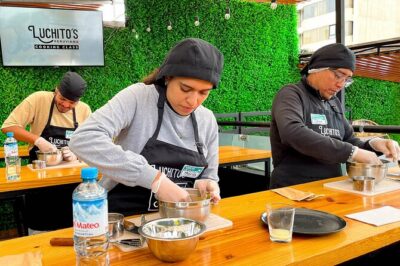
Peruvian Cooking Class, Local Market Tour & Exotic Fruit Tasting
Read our review →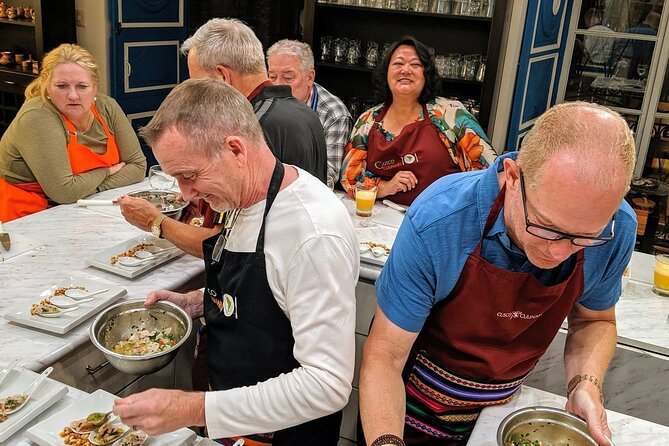
Cusco Cooking Classes and San Pedro Market Tour
Read our review →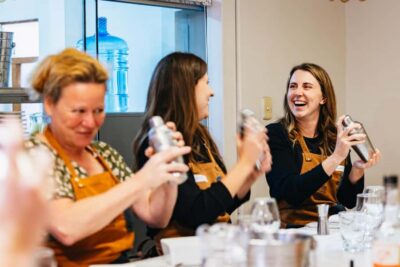
Peruvian Cooking Class, Cocktails & Local Market Tour
Read our review →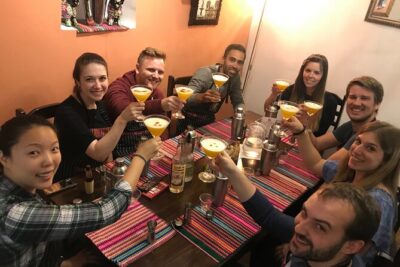
Hands-on Peruvian Cooking Class & San Pedro Market Visit in Cusco
Read our review →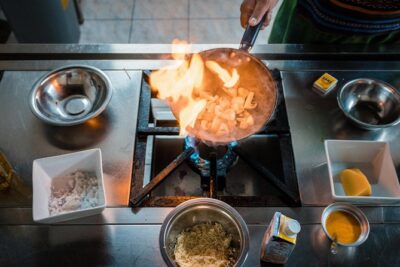
Local Market and Peruvian Cooking Class with Pisco Sour in Cusco
Read our review →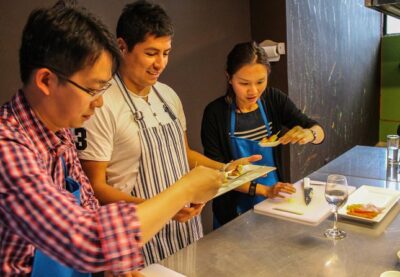
Group Cooking Class in Cusco with Pisco Tasting
Read our review →Browse the lists this tour appears in