
Reviewed · COOKING CLASSES
Cusco: Peruvian Cooking Class, Cocktails & Local Market Tour
A market, a kitchen, and a glass of pisco. This four-hour Cusco experience combines a guided visit to San Pedro Market with hands-on Peruvian cooking, making it a smart choice for anyone who wants more than a standard sightseeing walk. I like the fresh-market connection, since ingredients used in class come from the market, and I like the relaxed social setup of cooking and eating together. The main consideration is that the class is partly preparation and assembly, rather than four hours of intensive cooking.
At $67 per person, the experience includes the market visit, a professional chef, ingredients, three dishes, two cocktails, dessert, and water. Dietary options are a real strength, with vegetarian, vegan, and gluten-free menus available. Still, children under 10 cannot join, and the activity is offered only in English.
In This Review
- Key reasons this Cusco cooking class works so well
- Starting at San Pedro Market, Cusco’s food cupboard
- From market stalls to a clean central kitchen
- Making two pisco cocktails before lunch or dinner
- Cebiche, causa limeña, and quinoa tamal
- Cebiche
- Causa limeña
- Quinoa tamal
- Finishing with picarones and honey
- The chef makes the difference
- Is $67 a fair price in Cusco?
- Who should book this experience?
- Practical details before you reserve
- Should you book the Cusco cooking class?
- FAQ
- Where does the Cusco cooking class meet?
- How long does the experience last?
- What food will I prepare?
- Are cocktails included?
- Can I join if I do not drink alcohol?
- Are vegetarian or vegan dishes available?
- Can the class accommodate a gluten-free diet?
- Is the class offered in English?
- Can children join the activity?
Key reasons this Cusco cooking class works so well
- San Pedro Market comes first: You explore local fruit, potatoes, quinoa, cheese, bread, chocolate, and cacao before cooking with market ingredients.
- Three Peruvian classics: The menu includes cebiche, causa limeña, and quinoa tamal, followed by picarones with honey.
- Two pisco cocktails: You prepare and drink two cocktails, with non-alcoholic versions available.
- Small groups of 10 or fewer: The limited size gives you a better chance to receive help from the chef.
- A useful acclimating-day activity: The four-hour pace offers a relaxed way to spend time in Cusco before an Inca Trail departure.
- Strong dietary flexibility: Vegetarian, vegan, gluten-free, sugar-free, and non-alcoholic alternatives are available.
Starting at San Pedro Market, Cusco’s food cupboard
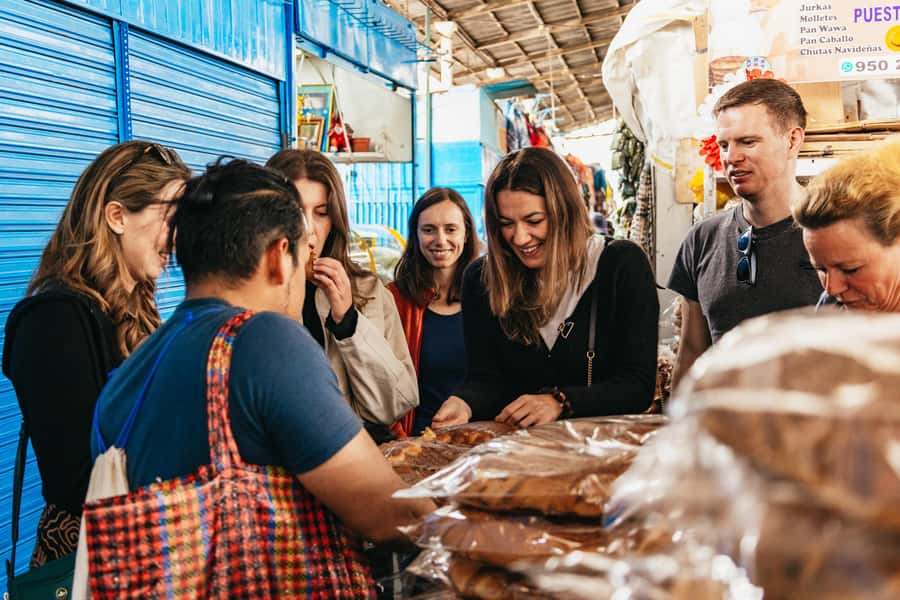
Your meeting point is Door Number 1 at San Pedro Market. This is a practical starting place because the market gives you immediate contact with the ingredients and food traditions that shape the class.
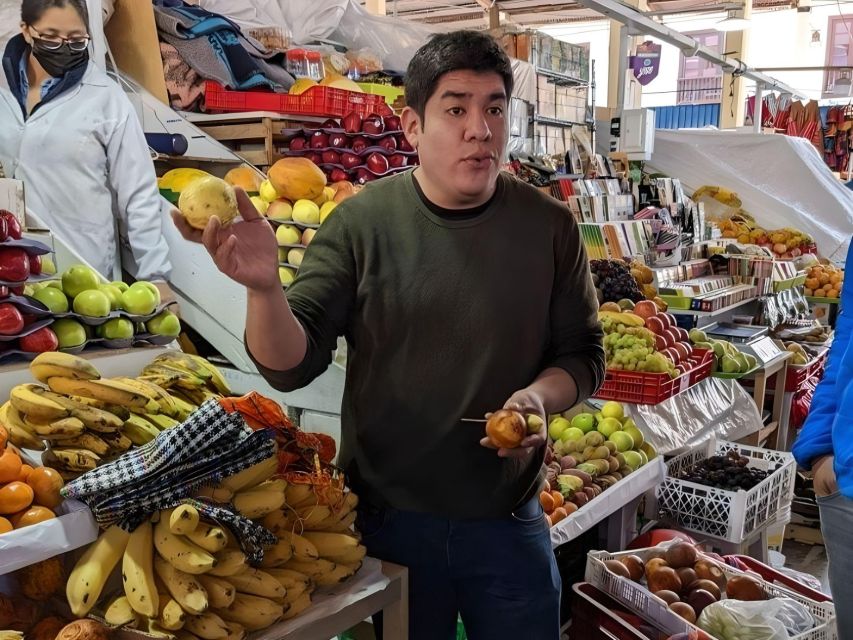
San Pedro is one of Cusco’s oldest markets. Inside, you can expect rows of local produce and prepared foods, including unusual fruits, potatoes, quinoa, fresh cheese, bread, chocolate, and cacao. The experience is not simply a quick look around before heading to the kitchen. The market visit helps you understand what Peruvians cook with and how much variety sits behind familiar dishes.
I especially like the focus on tasting. Several participants describe trying cheese, bread, chocolate, coffee, fruit, and passion fruit during the visit. Those small samples turn a display of ingredients into something more useful. You can smell, taste, and compare products before the chef explains how they may be used.
The market also gives the chef a chance to explain the cultural background of Peruvian food. Feedback about Chef Jesus, Chef Jorge, and Chef Eric repeatedly points to clear explanations about the history and influences behind each dish. The chef named for the experience is Jesus, although the guide leading your particular session may be Jorge or Eric.
There is one practical wrinkle. San Pedro Market has occasionally been closed for cleaning. When that happens, the guide has taken the group to a local food market instead, purchasing the ingredients there. That alternative may be less familiar to people expecting San Pedro, but it can offer a more local setting with fewer tourists. The route and market can therefore vary slightly.
Wear comfortable shoes. You will walk through the market and then make a short walk to the cooking studio in Cusco’s historic center.
More Cooking Classes in Cusco
- Peruvian Cooking Class Cocktails and Market Tour in Cusco
★ 5.0 · 1,712 reviews - Cusco Cooking Classes and San Pedro Market Tour
★ 5.0 · 691 reviews - Hands-on Peruvian Cooking Class & San Pedro Market Visit in Cusco
★ 5.0 · 421 reviews
From market stalls to a clean central kitchen
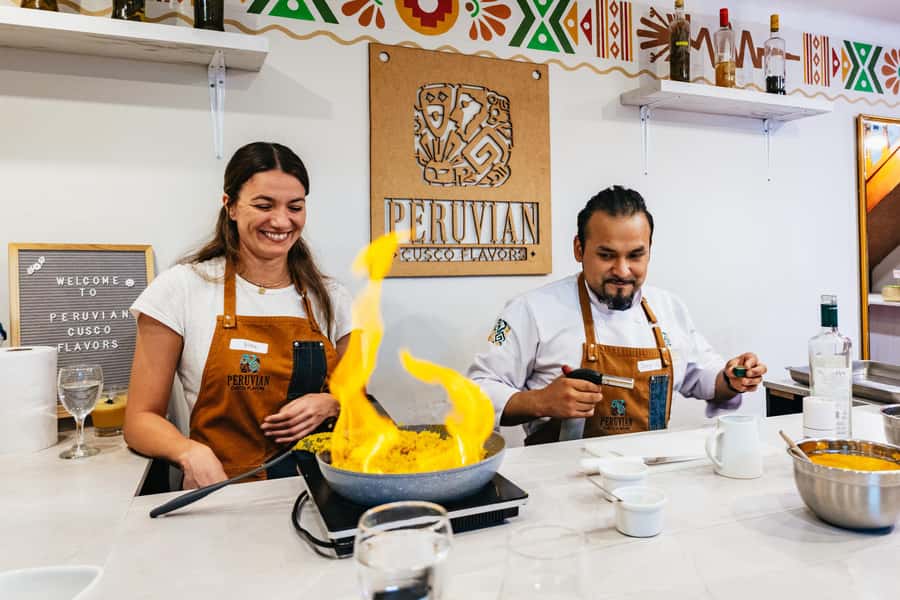
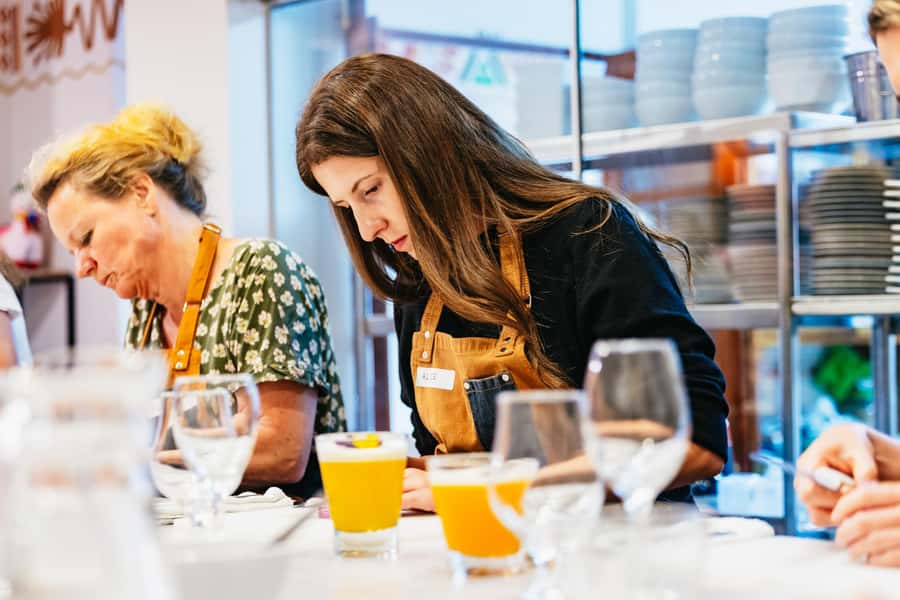
After the market, you walk to the cooking studio, put on an apron, and get settled at your station. The studio is described as modern and very clean, which matters after the sensory overload of a food market.
The class is limited to 10 people. That is small enough for the chef and assistants to offer individual help, but it is still a shared activity rather than a private lesson. You will work beside people from different countries, and the meal at the end creates a natural chance to talk.
I would not book this expecting a quiet, technical chef’s course. The mood is friendly and social. The chef demonstrates each step, explains the dish, and guides you through the preparation. You take part, but some elements are prepared in advance. One useful description of the format is less cooking and more assembling. For many people, that is a benefit: you get to enjoy several dishes without spending the whole afternoon chopping and waiting.
The class also pays attention to presentation. You learn how to arrange the causa and plate the food, not just how to combine ingredients. That makes the experience more satisfying for beginners and gives you practical ideas to take home.
Making two pisco cocktails before lunch or dinner
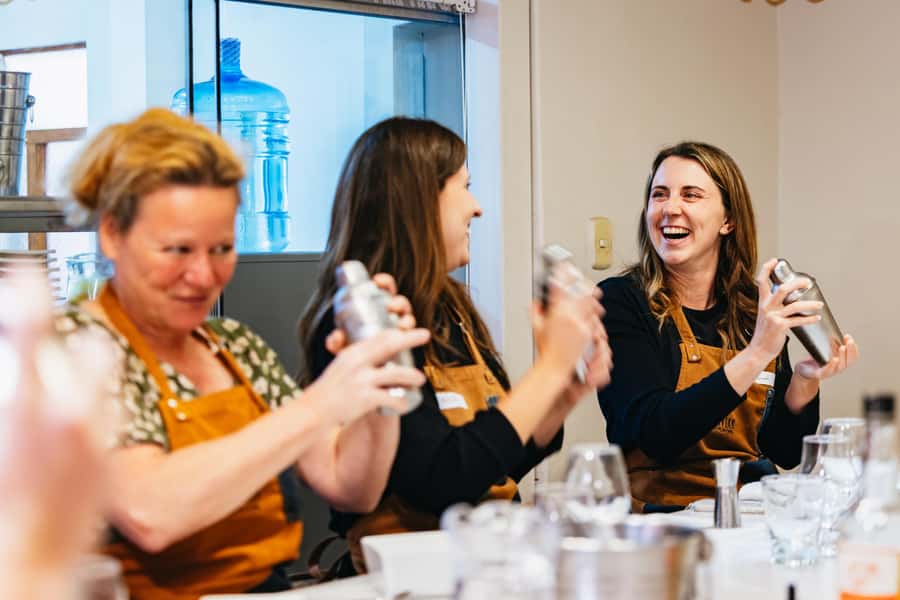
The cocktail portion begins early in the class. You prepare two Peruvian pisco cocktails and sip them during the cooking session.
Pisco is one of Peru’s best-known spirits, so this adds a useful drink element to the food lesson. It also helps the group relax and talk as the class gets underway. The drink-making is hands-on, rather than simply a tasting at the end.
You can request non-alcoholic recipes. This is important for anyone who does not drink, as well as for people who want to stay clear-headed at altitude or have an early start the next morning. The class includes two cocktails, but you should tell the team about a non-alcoholic preference when booking and repeat it at the start.
The cocktail portion is one of the most praised parts of the activity, but it is worth keeping expectations in check. You are learning simple preparations as part of a wider food class, not attending a dedicated mixology workshop. The real value comes from combining drinks, market shopping, and cooking in one afternoon.
Cebiche, causa limeña, and quinoa tamal
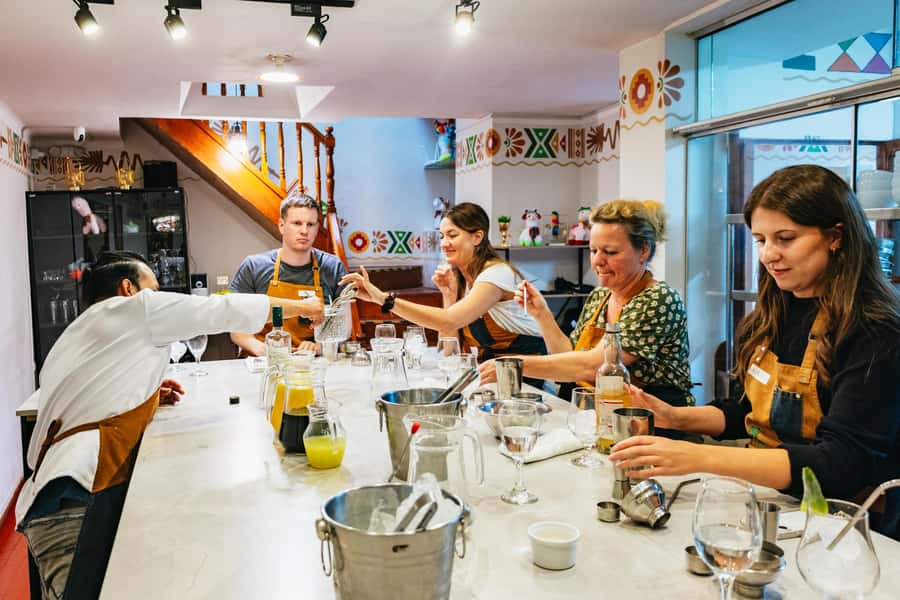
The main lesson covers three beloved Peruvian dishes. The chef explains the preparation step by step, then helps you create the meal.
More Market Tours in Cusco
- Pisac Indian Market and Ollantaytambo Fortress with Lunch
★ 4.5 · 395 reviews - Local Market and Peruvian Cooking Class with Pisco Sour in Cusco
★ 5.0 · 384 reviews - Traditional Peruvian Cooking Class and Market Tour in Cusco
★ 5.0 · 375 reviews - Cooking class and market tour with a local chef
★ 5.0 · 186 reviews
Cebiche
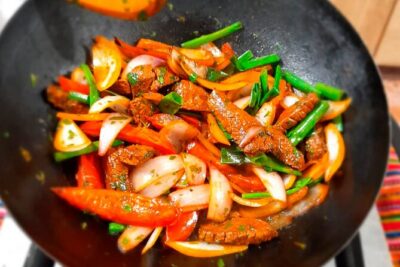
Cebiche is likely to be the dish that feels most distinct from everyday home cooking for many people. Its fresh, bright character makes it a good introduction to Peruvian cuisine, and the market visit gives context to the produce and seasonings involved.
The class teaches the process rather than asking you to simply sit down and eat it. You prepare the dish with guidance, then taste the result as part of the shared meal. Several participants singled out the cebiche as especially delicious.
Causa limeña
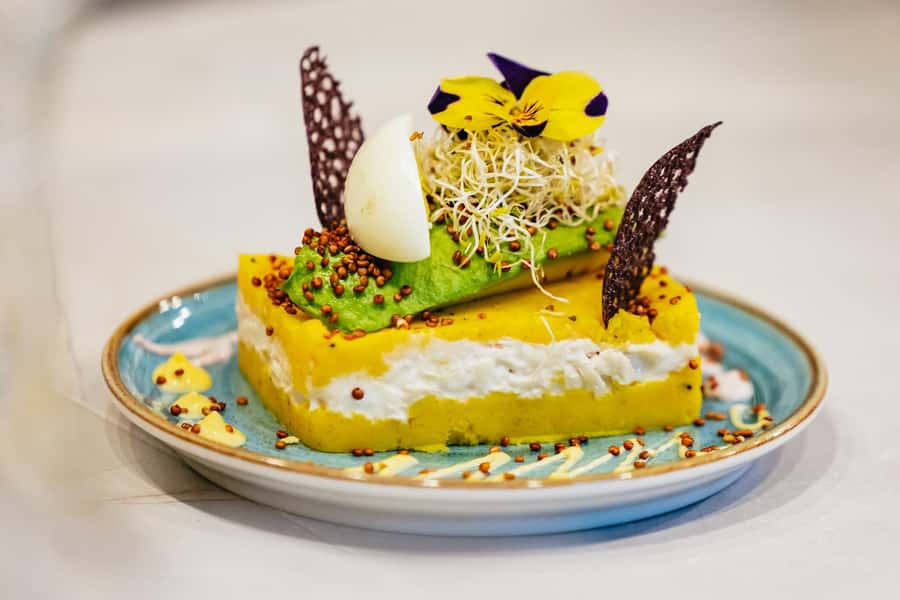
Causa limeña is a layered potato dish, and it shows why Peruvian potatoes matter. Peru has an extraordinary range of potato varieties, and potatoes are among the key products highlighted at San Pedro Market.
This is also where the presentation lesson becomes most useful. You learn to shape and plate the causa, with the chef showing you how to make it look polished. One participant said the process made them feel like a chef, even without much cooking experience.
The recipe can be adjusted for dietary needs. A chicken and potato version is mentioned in the class experience, while vegetarian alternatives are available. Ask what filling will be used for your group, since the exact substitution may depend on the menu and your requirements.
Quinoa tamal
The quinoa tamal brings a highland ingredient into the meal. Quinoa is strongly associated with the Andes, and seeing it in the market before using it in class makes the dish more meaningful.
The tamal also adds variety to the menu. You are not preparing three similar plates. Cebiche offers freshness, causa offers a soft potato-based texture, and the quinoa tamal brings a different grain and preparation style.
The class aims to keep the instructions simple enough for everyone to follow. That makes it suitable for beginners, though experienced cooks may find the techniques fairly straightforward.
Finishing with picarones and honey
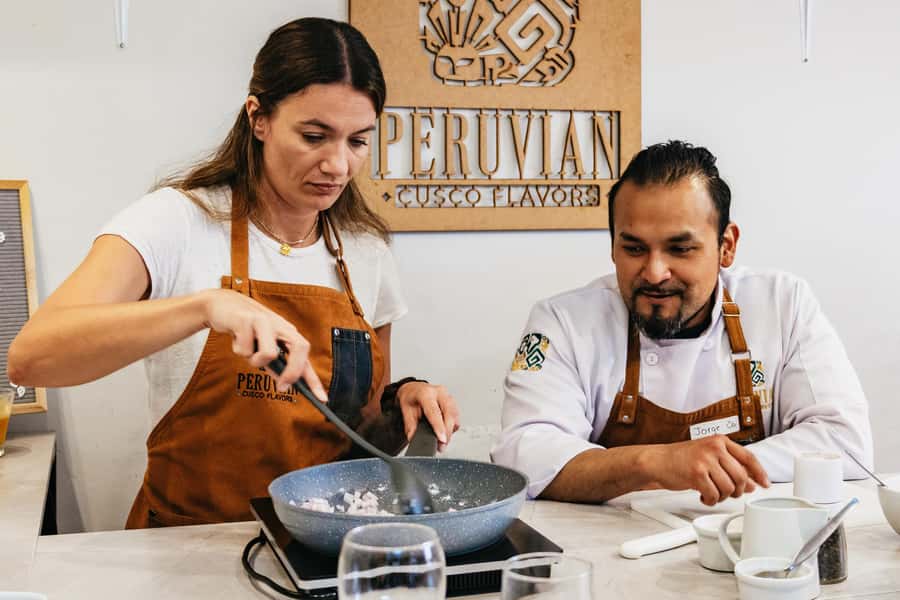
After the three savory dishes, the class ends with picarones and honey. Picarones are a traditional Peruvian sweet, and they provide a proper dessert finish rather than leaving the meal at the cocktail stage.
A sugar-free option is available, as is a gluten-free menu. You should still explain your needs clearly before the food is served. One person experienced some confusion about a gluten-free request, even though it had been included in the reservation. The broader record shows that the team usually accommodates dietary changes well, but clear communication is still wise.
The portion of food is generous. Go with an appetite, since the experience includes tastings at the market, two drinks, three main preparations, and dessert. This is not a small demonstration followed by one sample spoonful.
The chef makes the difference
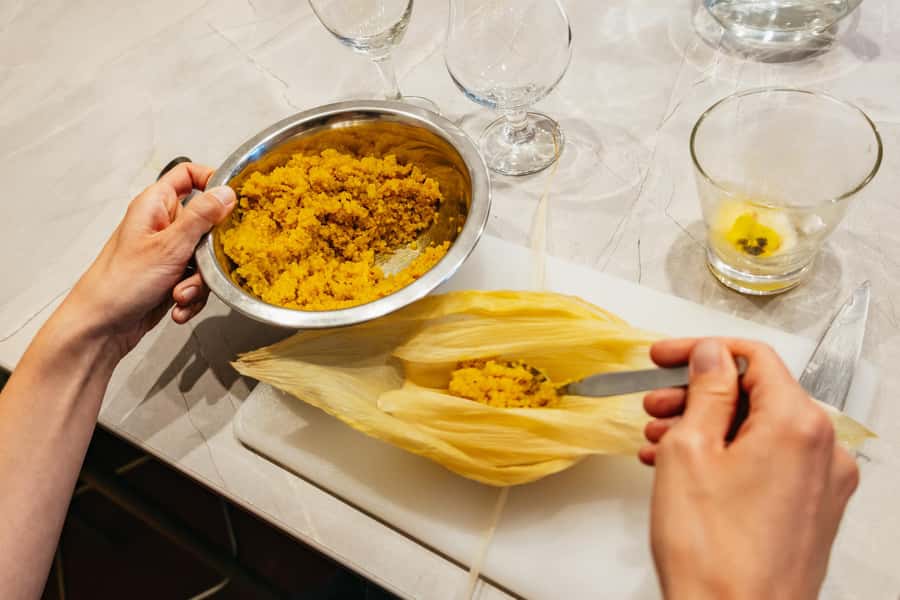
The chef is central to the quality of this experience. Chef Jesus is named in the main details, and several sessions have also been led by Jorge or Eric. Their teaching style is described as friendly, patient, cheerful, and full of stories about Peruvian food.
The best part is not only the recipes. The chef explains why the dishes matter, where ingredients come from, and how different influences shaped Peruvian gastronomy. That turns the meal into a cultural lesson without making it feel like a lecture.
Chef Eric receives particular praise for his passion and clear explanations. Chef Jesus is also repeatedly described as professional, entertaining, and an excellent teacher. Since the guide can vary by date, your precise experience may differ in personality, but the teaching role is a major part of the activity.
The English-only format is worth noting. You need enough English to follow kitchen instructions and understand the food explanations. If you do, the class should be easy to follow because the chef demonstrates each step.
Is $67 a fair price in Cusco?
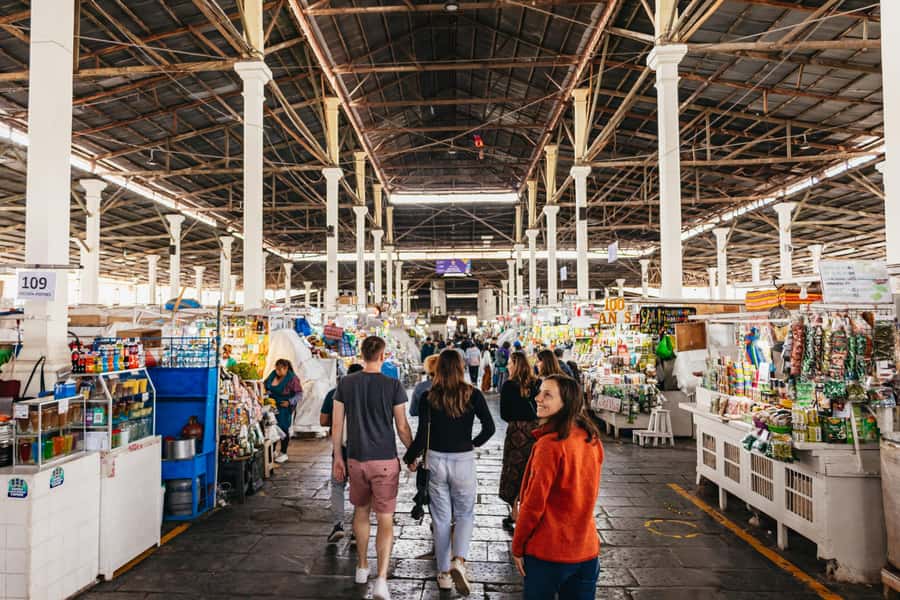
At $67, this is not the cheapest way to eat in Cusco. But the price covers four hours of activity, a guided market visit, ingredients, professional instruction, three dishes, two cocktails, dessert, and water.
I see the strongest value in the combination. A market walk alone would cost less, and a meal at a local restaurant would usually be simpler and quicker. Here, you get to see ingredients, taste products, prepare food, drink pisco cocktails, and eat what you made.
It is also good value for people who want a memorable indoor activity. Cusco weather can change quickly, and the cooking studio provides a comfortable base after the market. The four-hour length gives the class enough time to feel substantial without taking an entire day.
The value drops if you want advanced culinary training. Much of the work involves preparing, shaping, and assembling rather than mastering difficult techniques. You are paying for the full experience and the chef’s guidance, not just a recipe lesson.
Who should book this experience?
I would recommend it to first-time visitors who want a clear introduction to Peruvian ingredients and dishes. It also suits food-focused travelers who prefer to learn by doing rather than only taking photographs or listening to a guide.
It works particularly well during an adjustment day in Cusco. Several participants used it before heading to the Inca Trail, and the pace offers a pleasant alternative to a strenuous excursion. You still need to judge your own energy and alcohol tolerance, but the activity itself is not built around long-distance walking.
This is a good choice for couples, friends, solo visitors, and small family groups with children aged 10 or older. A 12-year-old has successfully taken part, including making mocktails, but the official minimum age is 10.
Vegetarians, vegans, and people avoiding gluten have strong reasons to consider it. Sugar-free dessert and non-alcoholic drinks add more flexibility. Tell the provider about your needs early, then confirm them again when you arrive.
I would skip it if you dislike group meals, market settings, or guided instruction. You should also choose another activity if you want to spend the afternoon independently or if you are looking for a serious chef-level course.
Practical details before you reserve
The class lasts four hours, with starting times subject to availability. Meet at Door Number 1 at San Pedro Market and arrive ready for a market walk followed by a short walk to the studio.
Wear comfortable clothes and shoes. An apron is provided in the kitchen, but practical clothing is still the sensible choice.
The activity is conducted in English and has a maximum group size of 10 participants. Children under 10 are not permitted.
You can cancel up to 24 hours before the start time for a full refund. A reserve-now, pay-later option is also available, which helps if your Cusco plans may change.
The experience carries a 4.9 rating from 512 ratings, a very strong result for an activity that depends on both food and group dynamics. The most consistent praise centers on the market tour, the chef’s explanations, the good food, the cocktails, and the way dietary needs are handled.
Should you book the Cusco cooking class?
Book it if you want a social, food-centered afternoon with real contact with Cusco’s market culture. The market visit gives the class a sense of place, while the kitchen session lets you turn unfamiliar ingredients into dishes you can understand and possibly recreate at home. Recipes may be emailed afterward, which adds value for anyone who wants to continue cooking Peruvian food.
I would especially choose this for an early Cusco day, a rainy afternoon, or the final part of a Peru trip when you want one last taste of local food. At $67, it is a fair buy for the amount of food and instruction included.
Skip it only if you want advanced cooking techniques, a private class, or a short activity. For everyone else, this is one of the more useful ways to connect Cusco’s market, cuisine, and people in one well-paced experience.
FAQ
Where does the Cusco cooking class meet?
Meet at Door Number 1 at San Pedro Market in Cusco.
How long does the experience last?
The experience lasts four hours. Starting times vary, so you should check availability for your preferred date.
What food will I prepare?
You will learn to prepare cebiche, causa limeña, and quinoa tamal. The experience finishes with picarones served with honey.
Are cocktails included?
Yes. The activity includes two pisco cocktails, and non-alcoholic recipes are available.
Can I join if I do not drink alcohol?
Yes. Non-alcoholic cocktail recipes are available. Tell the chef about your preference at the beginning of the class.
Are vegetarian or vegan dishes available?
Yes. Vegetarian and vegan menus are available.
Can the class accommodate a gluten-free diet?
Yes. A gluten-free menu is available, along with a sugar-free option for the picarones. State your dietary needs clearly when booking and confirm them on arrival.
Is the class offered in English?
Yes. The live guide and cooking instruction are available in English only.
Can children join the activity?
Children under 10 are not permitted. The activity is suitable for participants aged 10 and older.
More Cooking Sessions in Cusco
- Group Cooking Class in Cusco with Pisco Tasting
★ 5.0 · 335 reviews - Bilingual Cooking Class with Pisco Cocktail in Cusco
★ 5.0 · 92 reviews - Cusco: Peruvian Cooking Class & Market Tour
★ 4.9 · 19 reviews - Cusco Billingual Cooking Class at 6pm
★ 5.0 · 16 reviews
More Shopping Tours in Cusco
- Cusco City Sightseeing, San Pedro Market, Cathedral and Qorikancha Temple
★ 4.5 · 139 reviews - Cusco Food Walking Tour & Central Market
★ 5.0 · 48 reviews - San Pedro Market Tour with Peruvian Cooking Class
★ 5.0 · 31 reviews - Curious Monkey Cusco- Market and Streets, Walking Food Tour
★ 5.0 · 31 reviews
Added recently around Cusco
- Guided tour of the mountain of colors in Cusco★ 5.0 · 11 reviews
- 2-Day Private Short Inca Trail to Machu Picchu★ 5.0 · 15 reviews
- City Tour Cusco – Group★ 5.0 · 4 reviews
- Tour Sacred Valley with Maras and Moray★ 5.0 · 15 reviews
- San Pedro Market Tour with Peruvian Cooking Class★ 5.0 · 31 reviews
- Walking Culinary Experience★ 5.0 · 41 reviews
- City Tour in Cusco★ 4.5 · 10 reviews
- One Day Tour to Humantay Lagoon★ 5.0 · 8 reviews
Cooking Classes, compared.
Peruvian Cooking Class Cocktails and Market Tour in Cusco
Read our review →
Peruvian Cooking Class, Local Market Tour & Exotic Fruit Tasting
Read our review →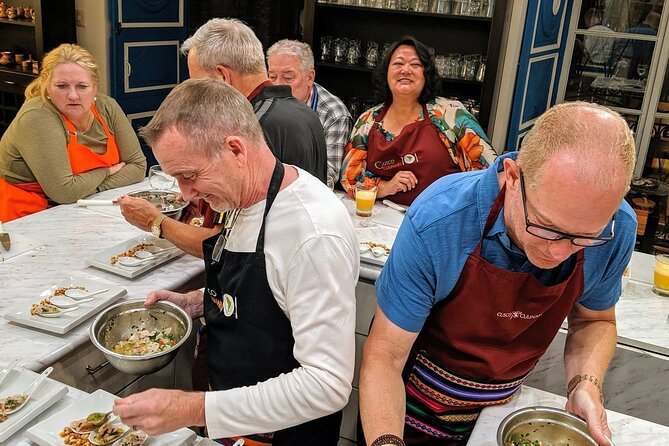
Cusco Cooking Classes and San Pedro Market Tour
Read our review →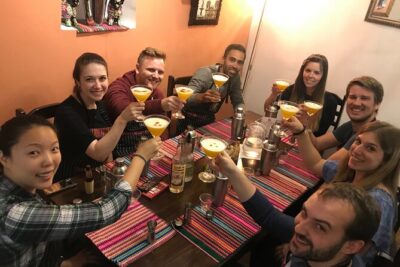
Hands-on Peruvian Cooking Class & San Pedro Market Visit in Cusco
Read our review →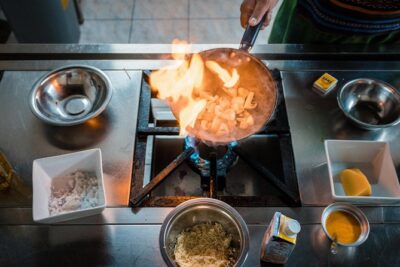
Local Market and Peruvian Cooking Class with Pisco Sour in Cusco
Read our review →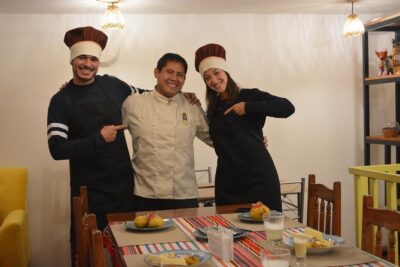
Traditional Peruvian Cooking Class and Market Tour in Cusco
Read our review →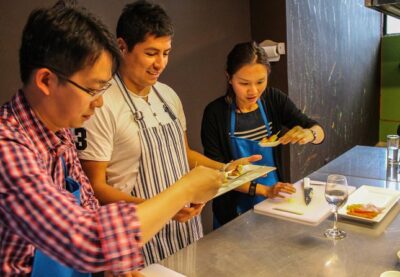
Group Cooking Class in Cusco with Pisco Tasting
Read our review →Browse the lists this tour appears in