
Reviewed · COOKING CLASSES
4-Hour Cooking Class Ceviche and Causa in Lima
Come hungry, leave with new kitchen skills. This four-hour Lima experience combines a visit to Mercado Nro. 1 de Surquillo with hands-on lessons in two Peruvian favorites: ceviche and causa. I like the mix of market browsing and cooking, since you get context before handling the ingredients. I also like the small group limit of 10 people, which should give you more room to ask questions and work directly with the guide.
The main consideration is that the advertised menu centers on two dishes, so this is not a broad cooking course with a long list of recipes. The day may also include coffee, local fruit, and Peruvian drinks, based on the experiences described by past participants, but those extras are not presented as a guaranteed menu. At $80 per person, the value depends on how much you care about food culture, personal instruction, and a relaxed introduction to Lima.
In This Review
- Key points at a glance
- Starting with coffee at Terrua Cafeteria
- Reading Lima through Mercado Nro. 1 de Surquillo
- Making ceviche with fresh ingredients
- Shaping causa, Peru’s colorful potato dish
- The role of the guide and group size
- Coffee, pisco, and the wider flavor of the day
- Who will get the most from this class?
- Timing, meeting point, and cancellation details
- Is the $80 price fair?
- Should you book the ceviche and causa class?
- FAQ
- How much does the cooking class cost?
- How long does the experience last?
- Where does the class begin and end?
- What time does the class start?
- Which dishes will I prepare?
- How many people can join, and what language is offered?
Key points at a glance
- Surquillo market visit: Walk through Mercado Nro. 1 de Surquillo and get a closer look at the ingredients behind Peruvian cooking.
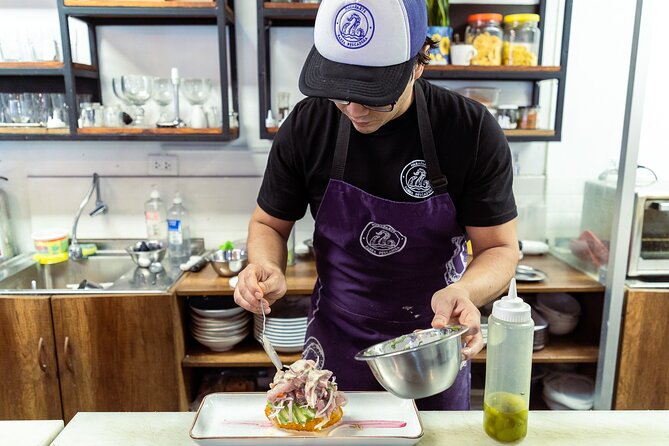
- Two famous dishes: Learn how ceviche uses raw fish, lime, chili, red onion, salt, and coriander, then prepare causa with yellow potato, lemon, yellow chili, egg, olives, and avocado.
- A small group setting: The class accepts a maximum of 10 people, a useful limit for a practical lesson.
- A friendly guide makes the difference: Jonathan, Jair, Sergio, and Miguel are praised in the supplied accounts for clear explanations, humor, patience, and warm conversation.
- Coffee and drinks may be part of the day: The experience has included coffee at Terrua Cafe, plus pisco sours and Chilcanos in some accounts.
- Simple Miraflores logistics: Meet at Terrua Cafeteria at 10:00 am and return to the same point after roughly four hours.
Starting with coffee at Terrua Cafeteria
Your morning begins at Terrua Cafeteria, at Pasaje Tello 163 in Miraflores. The meeting time is 10:00 am, and the experience ends back at this same location. The cafe is near public transportation, which makes the starting point practical if you are staying in or around Miraflores.
The cafe has become part of the character of this experience. One account describes coffee made from beans grown on the owner’s farm in the Andes, with an explanation of how harvesting methods affect flavor. Another describes cappuccinos before the group continued to the market. These details matter because the morning is not only about following a recipe. You begin by tasting products and talking about where they come from.
I like this opening for a first day in Lima. Coffee gives you an easy way to get settled, and the cafe provides a calm contrast to the market that follows. It also gives the guide a chance to introduce Peruvian food in a friendly, informal way. Jonathan is praised for speaking excellent English and explaining things slowly and carefully, while Sergio is described as a pleasant guide who added useful background about food and culture.
The exact guide is not fixed in the information provided. Past sessions have been led by Jonathan, Jair, Sergio, and Miguel. Their roles seem to go beyond simply moving a group from one stop to the next. Expect the quality of the day to depend partly on who leads your particular class, but the feedback consistently points to clear instruction, good conversation, and a helpful attitude.
More Cooking Classes in Lima
- #1 Reviewed Lima Cooking Class
★ 5.0 · 995 reviews - Peruvian Cooking Class, Local Market Tour & Exotic Fruit Tasting
★ 5.0 · 744 reviews - Authentic 4-dish Peruvian Food Cooking Class in Lima + Pisco Sour
★ 5.0 · 126 reviews
Reading Lima through Mercado Nro. 1 de Surquillo
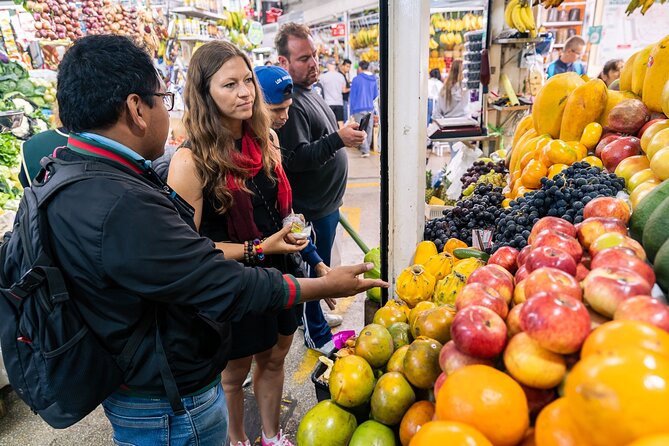
From the cafe, the experience takes you to Mercado Nro. 1 de Surquillo. This is the part of the morning that connects the cooking lesson to everyday food shopping in Lima. Instead of meeting preselected ingredients at a kitchen counter, you get a chance to see the kind of market that supplies local meals.
The market visit is especially useful for anyone who does not know Peruvian produce. The day has included tastings of local fruit, including chirimoya, which one person called a new favorite. You might find this stop more interesting than a standard sightseeing walk because the focus is practical: what people eat, what ingredients look like before preparation, and how these foods fit into Peruvian cooking.
A guide can make a major difference here. Sergio is praised for explaining Peruvian food culture and its background, while Jonathan is described as answering questions carefully and professionally. That kind of narration helps you connect an unfamiliar fruit or chili to the dish you will prepare later.
Keep your expectations realistic. The market stop is one part of a four-hour experience, not a dedicated market tour. The supplied information does not specify how long you stay, which vendors you visit, or exactly which ingredients you will buy. If you want a long, detailed market study, this class may feel too focused on the cooking that comes afterward. If you want a useful introduction before lunch, the balance makes sense.
Making ceviche with fresh ingredients
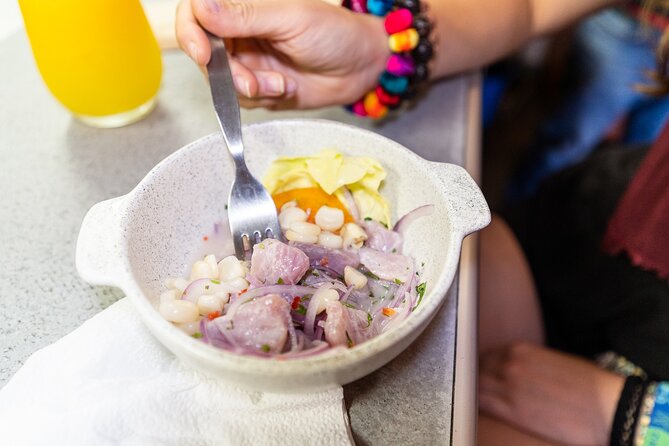
Ceviche is the first main dish, and it is a good choice for a Lima cooking class. The recipe uses fresh raw fish marinated in lime juice, with chili peppers, red onions, salt, and coriander. It looks simple on paper, but the balance matters. Too much lime can overpower the fish. Too much chili can drown out the other flavors.
The value of preparing ceviche with a guide is that you can ask about each step while you are doing it. You are not simply handed a plate and told that the fish has been marinated. You get to see how the ingredients come together and gain a method you can try at home.
This is also a dish that rewards attention to ingredients. The market visit gives the recipe more meaning, since you have already been looking at local food before working with it. You can better understand why freshness and sharp citrus are central to the dish.
You should also know that ceviche contains raw fish. The supplied information does not provide details about the fish source, substitutions, or arrangements for dietary restrictions. If that matters to you, contact Travel Buddies Peru before booking. Do not assume the recipe can be changed.
The ceviche lesson is likely to suit you if you enjoy bright, sharp flavors and want to understand a dish that is closely linked with Lima’s food identity. It may be less suitable if you dislike raw seafood, chili, lime, or coriander. The class is built around tasting and preparing the food, so this is not a good pick for someone hoping to avoid those flavors.
Shaping causa, Peru’s colorful potato dish
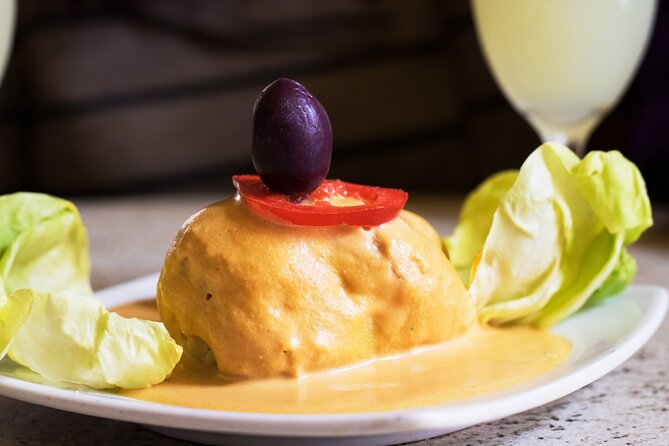
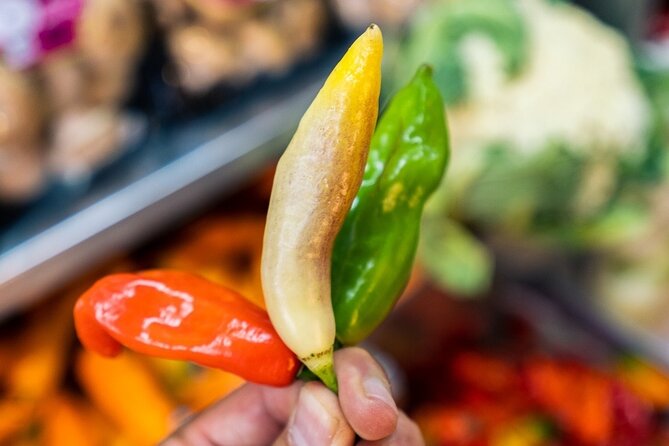
The second dish is causa, traditionally made with yellow potato, lemon, yellow chili pepper, boiled egg, black olives, and avocado for the filling. Compared with ceviche, causa offers a different kind of cooking lesson. It is a potato-based dish with a softer texture, a mild heat from yellow chili, and a filling that brings color and contrast.
Causa is a smart choice for a class because it shows a side of Peruvian food that you might not discover from ordering ceviche alone. Potatoes are central to the recipe, and the dish gives you a chance to work with seasoning, texture, and presentation. The avocado, egg, and olives also make it familiar enough to enjoy while still feeling distinctly Peruvian.
I like that the two recipes balance each other. Ceviche is cool, acidic, and seafood-based. Causa is softer, more filling, and built around potatoes. Together, they give you a better sense of the range of flavors in one meal.
The description does not provide the exact shaping method, portion size, or level of difficulty. You should think of this as a guided introduction rather than professional culinary training. The goal is to understand the ingredients and prepare the dishes with help, then take the ideas home.
One of the best practical benefits is that causa may be easier to recreate than ceviche. Fresh fish quality can vary from place to place, but potatoes, lemon, egg, avocado, and olives are easier for many home cooks to find. If you want a recipe that can become part of your regular cooking, causa may be the more useful takeaway.
More cooking sessions in Lima:
- 4 Course Peruvian Cooking Class
★ 5.0 · 122 reviews - Market Tour, Tasting of 35 Fruits, and 4-Course Peruvian Cooking Class in Lima
★ 5.0 · 86 reviews - #1 Rated Cooking Classes with Local Market Tour & Pickup
★ 5.0 · 69 reviews - Miraflores: Amazing Peruvian Cooking Class Ceviche Seafood and Pisco Sour
★ 4.9 · 57 reviews
The role of the guide and group size
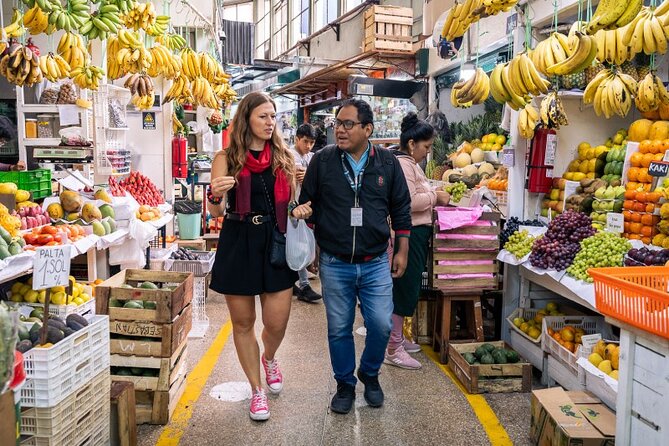
The maximum group size is 10 people. That is not a private class, but it is small enough to feel more personal than a large demonstration. For a cooking activity, this matters. You want a reasonable chance to see what is happening, ask a question, and receive help with your own preparation.
The guides receive some of the strongest praise attached to the experience. Jonathan is described as patient, clear, and humorous. Jair is praised for being friendly and helpful. Sergio is remembered for good conversation and food background, and Miguel is credited with helping make the day feel personal while also offering recommendations for Lima.
Those names give you a useful clue about the experience. This is not presented as a silent cooking lesson where you simply follow printed instructions. The social side is important. You may spend time talking about fruit, coffee, Peruvian cuisine, Lima, and places to eat after the class.
English is offered, which removes a major worry for many visitors. The supplied accounts specifically praise the guides’ English and their ability to explain things at a measured pace. Still, guide assignments can vary, so the individual style may change from one departure to another.
Coffee, pisco, and the wider flavor of the day
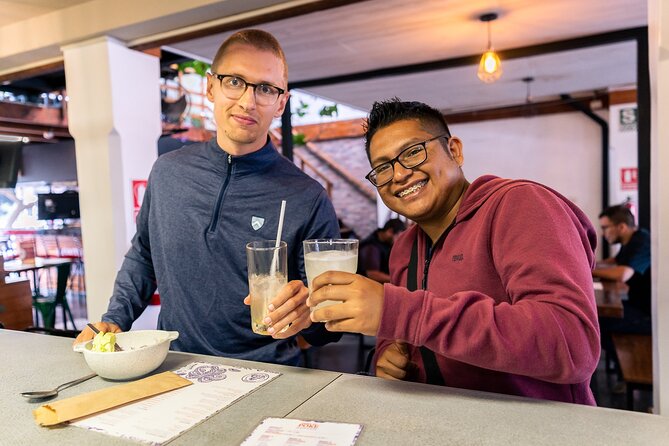
Although ceviche and causa are the named dishes, the day can include more than the cooking itself. Coffee at Terrua Cafe appears in the descriptions of the experience, with cappuccinos and coffee made from Andean beans mentioned specifically. Local fruit tasting is also part of the food exploration described, including chirimoya.
Some accounts also include pisco sours and Chilcanos. These are classic Peruvian drinks, and they add a festive touch to the food lesson. However, the formal details only guarantee the ceviche and causa components. Treat the coffee, alcohol, and additional tastings as possible features rather than promised inclusions.
That distinction is important when judging the price. At $80, you are paying for a four-hour guided outing, a market visit, instruction, food, and the chance to ask questions in English. If coffee, fruit, and drinks are included on your departure, the value improves. If you are judging the experience only by the two recipes, the price may feel high compared with a simple meal or a short demonstration.
The best way to think about the cost is as a combined food tour and cooking lesson. You are paying for access to a guide, a structured morning, and cultural context, not only for the ingredients on your plate.
Who will get the most from this class?
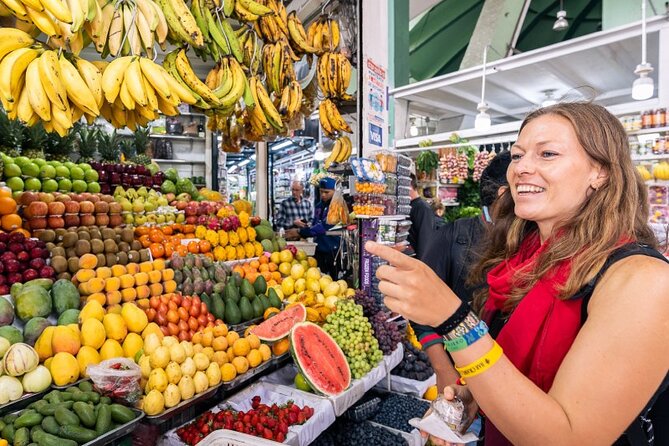
I would recommend this experience most strongly to you if you like trying new flavors and prefer an activity that mixes eating, walking, and learning. It is a good match for a first morning in Lima because it introduces the city through coffee, fruit, a local market, and two well-known dishes.
It should also suit couples, friends, and small families who enjoy cooking together. The 10-person limit keeps the group from becoming unwieldy, while the four-hour length gives the day enough time to feel substantial without taking up your entire schedule.
You may want to choose another activity if you are looking for advanced cooking techniques, a large number of recipes, or a formal kitchen course. The available information focuses on ceviche and causa. You should also think twice if you do not eat raw fish, cannot tolerate chili or citrus, or need guaranteed adjustments for dietary reasons.
The tour may be particularly useful early in your Lima stay. Miguel is described as offering restaurant recommendations, and a food-focused guide can help you make better choices for later meals. Just remember that recommendations are an added benefit, not a formal part of the published schedule.
Timing, meeting point, and cancellation details
The class starts at 10:00 am and lasts about four hours. You meet at Terrua Cafeteria, Pasaje Tello 163, Miraflores, behind the fourth block of Avenida Larco, and return there at the end.
A mobile ticket is available, and confirmation is provided when you book. The meeting point is near public transportation. Since the experience begins at a specific cafe, arrive with enough time to locate Pasaje Tello and avoid turning the first coffee into a rushed hello.
Free cancellation is available if you cancel at least 24 hours before the 10:00 am start time. Changes or cancellations made less than 24 hours before the experience are not accepted for a refund. The cut-off uses Lima local time, so check the clock carefully if you are arranging plans from another time zone.
Is the $80 price fair?
For a meal alone, $80 is a lot. For a four-hour food experience with a market visit, personal guidance, cooking instruction, and possible coffee and drinks, the price is easier to justify.
I see the strongest value in the combination of activities. You are not spending four hours at a table, and you are not only walking through a market without understanding what to do with the ingredients. The class links the market to the recipes, then gives you practical skills to use later.
The value is also higher if you care about English-language instruction and small groups. The guide’s ability to explain slowly, answer questions, and offer local suggestions is a central part of the experience. If you already know how to make ceviche and causa, or if you mainly want a cheap lunch, you may not get as much from it.
Should you book the ceviche and causa class?
Book it if you want a friendly, food-centered introduction to Lima that goes beyond eating in a restaurant. The visit to Mercado Nro. 1 de Surquillo, the coffee opening at Terrua Cafe, and the hands-on preparation of ceviche and causa create a well-rounded morning.
I would be especially happy to recommend it to first-time visitors who like local produce, cooking, and conversation. The strongest parts are the guides, the manageable group size, and the chance to take two Peruvian recipes home with you.
Skip it if raw fish is a firm no, if you want an advanced culinary course, or if the $80 price feels too steep for two dishes. Also confirm any dietary questions before paying, since the provided information does not specify substitutions.
FAQ
How much does the cooking class cost?
The price is $80 per person.
How long does the experience last?
The class lasts approximately four hours.
Where does the class begin and end?
It begins at Terrua Cafeteria, Pasaje Tello 163 in Miraflores, Lima, and ends back at the same meeting point.
What time does the class start?
The experience starts at 10:00 am.
Which dishes will I prepare?
The class focuses on ceviche and causa. Ceviche uses raw fish, lime juice, chili peppers, red onion, salt, and coriander. Causa uses yellow potato, lemon, yellow chili pepper, boiled egg, black olives, and avocado.
How many people can join, and what language is offered?
The activity has a maximum of 10 people and is offered in English.
Added recently around Lima
- Yoga Classes in Miraflores, Lima★ 4.5 · 20 reviews
- Magic Water Circuit Tour★ 4.0 · 5 reviews
- Private Walking Tour Lima Heritage Downtown Half Day★ 4.5 · 12 reviews
- Wonders of Peru & Huaraz 16-Day Tour★ 5.0 · 8 reviews
- Water Magic Circuit Lima Night Tour by Panoramic Bus★ 4.5 · 11 reviews
- Visit to the Larco Museum in Lima★ 5.0 · 5 reviews
- Guided Tours in Colonial and Modern Lima★ 5.0 · 54 reviews
- Bizarre Foods Tour for Adventurous Foodies★ 5.0 · 9 reviews
Cooking Classes, compared.
Peruvian Cooking Class Cocktails and Market Tour in Cusco
Read our review →
Peruvian Cooking Class, Local Market Tour & Exotic Fruit Tasting
Read our review →
Cusco Cooking Classes and San Pedro Market Tour
Read our review →
Peruvian Cooking Class, Cocktails & Local Market Tour
Read our review →
Hands-on Peruvian Cooking Class & San Pedro Market Visit in Cusco
Read our review →
Local Market and Peruvian Cooking Class with Pisco Sour in Cusco
Read our review →
Traditional Peruvian Cooking Class and Market Tour in Cusco
Read our review →Browse the lists this tour appears in