
Reviewed · WORKSHOPS
Bean to Bar Chocolate Workshop in ChocoMuseo Cusco
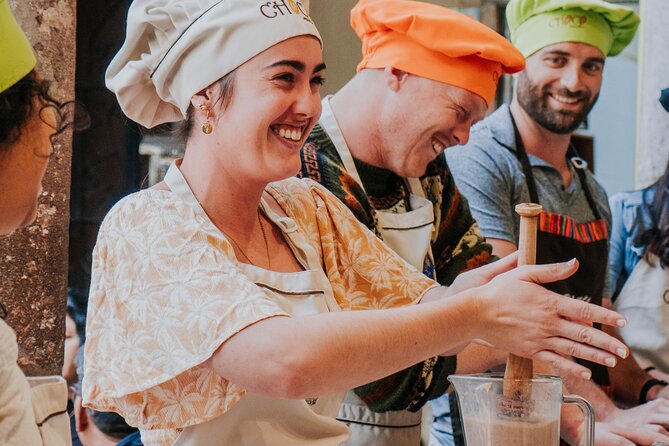
Chocolate tells a surprising story. At ChocoMuseo Cusco, you learn how cacao moved from ancient South American cultures to the modern chocolate bar, then make your own edible souvenirs. I especially like the hands-on roasting and grinding and the chance to choose from more than a dozen toppings and flavorings. The main drawback is that parts of the two-hour session involve listening while the instructor works, and you may wait about 45 minutes after the formal class before your chocolate is ready.
This is a friendly, easy activity for families, couples, friends, and solo visitors. Instructors such as Miguel, Lorenzo, Alex, Yil, Manuel, Benjamin, Renco, and Hannah have been praised for humor and clear explanations. At $33.79 per person, the class is not the cheapest chocolate purchase in Cusco, but it offers a lesson, tastings, and handmade treats rather than just a box from a shop.
In This Review
- Key points about the Cusco chocolate class
- Arriving at ChocoMuseo in Plaza Regocijo
- Cacao history before the chocolate making begins
- Roasting, grinding, and tasting cacao
- Molding your own chocolate creations
- Waiting for the chocolate to set
- What the instructors add to the experience
- Is $33.79 a fair price?
- The best time to schedule this activity
- Who will enjoy the ChocoMuseo workshop most?
- Practical tips for a smoother class
- Should you book the bean to bar workshop?
- FAQ
- Where does the chocolate workshop begin?
- How long does the workshop last?
- Is transportation included?
- How many people can join the class?
- What is included in the experience?
- What is the cancellation policy?
Key points about the Cusco chocolate class
- You follow cacao from bean to chocolate: The class explains harvesting, roasting, grinding, preparation, and molding.
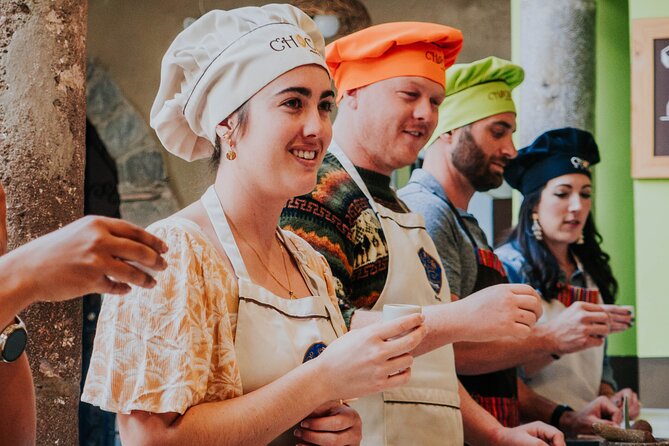
- You make your own treats: More than a dozen toppings and flavorings let you build chocolates to your taste.
- The story reaches back 5,000 years: You learn about cacao in ancient Maya culture, the Conquistador period, and the industrial revolution.
- The group stays small: The workshop accepts a maximum of 12 people, which helps keep the activity personal.
- It works well on a low-energy afternoon: The class takes place indoors at Plaza Regocijo and can fit neatly into a day of sightseeing.
- Your souvenir needs time to set: You can leave with your chocolates about 45 minutes after the workshop ends.
Arriving at ChocoMuseo in Plaza Regocijo
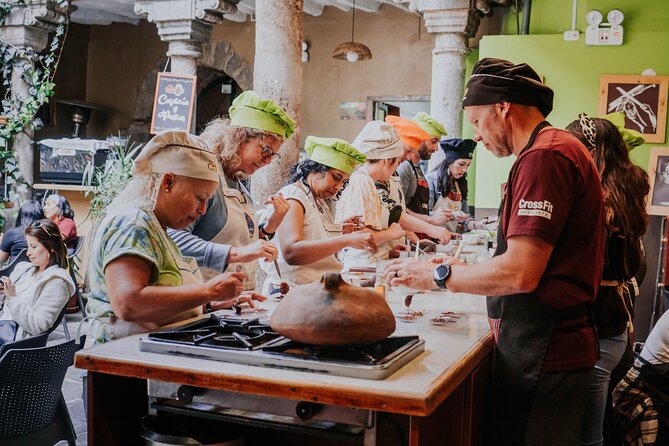
The workshop begins at ChocoMuseo, Plaza Regocijo, Cusco 08000. You make your own way there, since transportation is not included. The central location is near public transportation, making it a practical stop during a day in the historic center.
The activity lasts about two hours, but you should plan on extra time. Your chocolate needs to chill after you mold it, and the full waiting period can add roughly 45 minutes before you take everything home.
That timing matters. Do not schedule the class immediately before a train, airport transfer, or fixed dinner reservation. The workshop itself may finish on time, but your chocolate souvenir is not necessarily ready the moment the teaching portion ends.
The setting is indoors and relaxed. One useful feature is the small group limit of 12 people. A group this size makes it easier to ask questions and get involved, although the experience can still feel more like a demonstration during some sections than a full cooking class.
A few more Cusco trips worth lining up side by side
- Cusco Pub Crawl: Bar Tour, Drinks And Club with no waiting lines
★ 5.0 · 76 reviews - Cusco: Pub Crawl with Skip-the-Line Access and Drinks
★ 4.6 · 57 reviews - Cusco Pub Crawl: Cusco Bar Hopping Experience
★ 5.0 · 24 reviews
Cacao history before the chocolate making begins
The class opens with the story behind cacao. You hear about its use in ancient civilizations and follow its path through roughly 5,000 years of cultural change.
The historical section covers ancient Maya traditions, the arrival of the Conquistadors, and the industrial revolution. This gives the activity more substance than a simple tasting session. You are not just learning how a sweet is made. You are seeing how an important crop changed meaning as it moved between cultures and production systems.
I like this part because it gives context to the bean in front of you. Cacao was important long before it became a familiar candy-bar flavor. The instructor connects the plant, its uses, and the later changes that made chocolate widely available around the world.
The presentation style depends partly on the instructor. Several instructors have been praised for bringing humor and energy to the lesson. Miguel was singled out for making the subject feel personal and alive, while Alex was described as funny, kind, and clear. Yil used humor while explaining the process from harvesting cacao to making chocolate.
That personality matters in a class with a fair amount of explanation. A good instructor keeps the history from feeling like a lecture. The experience is at its best when the demonstrations, questions, and tastings move together.
Roasting, grinding, and tasting cacao
The practical portion lets you take part in early steps of the process. You may roast cacao beans and grind them by hand, then use the result to prepare a chocolate drink.
This is one of the strongest parts of the workshop. Roasting and grinding show you that chocolate does not begin as a smooth, ready-to-use liquid. You get a better sense of the work involved before the bean becomes the familiar food you buy in a shop.
The handmade drink is also a useful taste comparison. It gives you a chance to experience cacao in a less finished form, while the tasting portion introduces chocolate drinks and related flavors. The included chocolate drinks tasting is part of the experience, and some sessions have also included a Pisco tasting.
The exact balance of eating, drinking, and preparation can vary with the instructor and group. One person found the chocolate delicious and wished more attention were given to how good it tastes. Another felt the drink portion was made from a lower-quality chocolate. I would approach this as an educational tasting, not a luxury chocolate pairing.
You will also sample different chocolate-related drinks and foods. This makes the workshop particularly appealing if you enjoy tasting as much as making. It is worth arriving ready to try several styles rather than expecting one polished dessert.
Molding your own chocolate creations
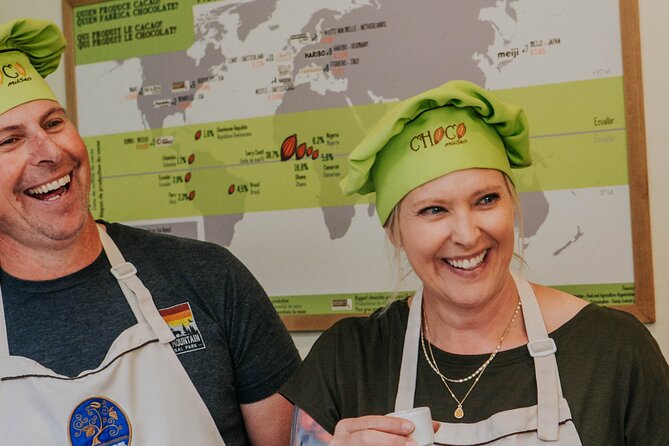
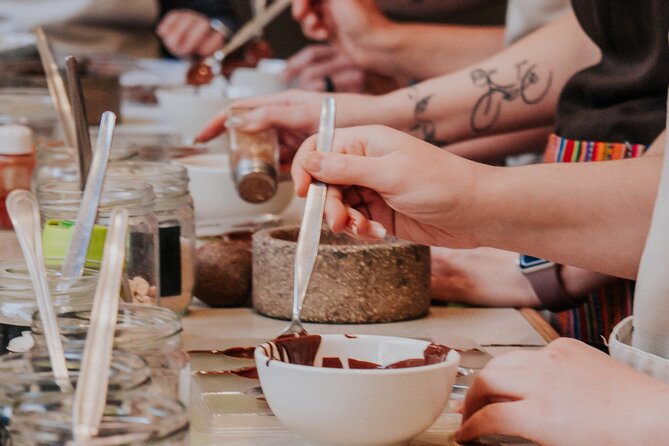
After the early processing steps, you work with tempered chocolate and create your own pieces. You can choose from more than a dozen toppings and flavorings, then pour or mold the chocolate into your preferred combinations.
This is where the class becomes personal. Instead of receiving a standard souvenir, you decide what goes into your treats. The choices make the activity work for different ages and tastes, and the workshop is designed for all skill levels.
Families especially have a good reason to consider it. Children and teenagers get something to do with their hands, while adults can enjoy the cultural background and tasting. One family used the class as an afternoon activity after a 15-hour overnight flight, finding it engaging enough for tired teenagers without requiring a full day of walking.
The amount you make appears to be enough for a satisfying take-home pack, though the exact quantity can vary in the descriptions. Some people described leaving with plenty of chocolate, while another account referred to about 120 grams of chocolate. The safest expectation is a modest edible souvenir, not a large supply for the whole trip.
There is one important limitation. The chocolate may be pre-tempered before you use it, so you are not carrying out every technical step from raw cacao to finished bar. You take part in the roasting and grinding, but the final molding uses prepared chocolate.
That does not make the class worthless, but it shapes the experience. If you want a professional pastry lesson with full tempering, precise temperatures, and advanced technique, this may feel basic. If you want a clear introduction with plenty of participation, it works well.
Also leaving from Cusco, and nothing like the above:
- Classic Inca Trail Trek 4D/3N to Machu Picchu (Group Service)
★ 5.0 · 8,653 reviews - Cusco: Rainbow Mountain and Red Valley Day Trip with Meals
★ 4.9 · 4,893 reviews - Machu Picchu: 4-Day Inca Trail Trek with Panoramic Train Ride
★ 5.0 · 4,568 reviews - Salkantay Classic Trek 5 Days from Cusco
★ 5.0 · 4,062 reviews
Waiting for the chocolate to set
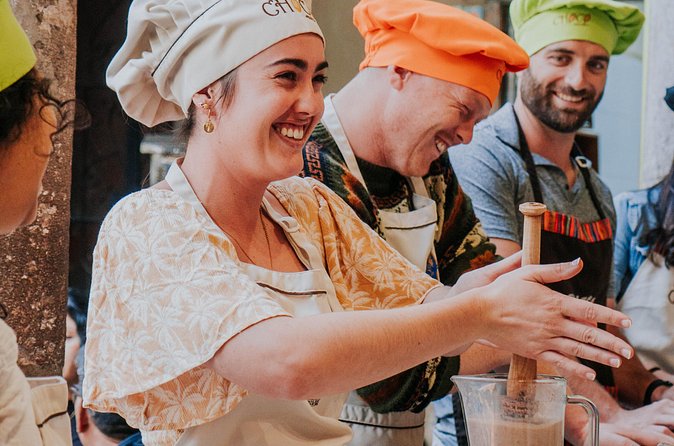
Once your treats are molded and decorated, they need time to chill. You may leave with them around 45 minutes after the workshop ends.
This is the least convenient part of the schedule. One person enjoyed the class but disliked waiting around for the chocolate to set. Another found the full activity less engaging because much of the time involved listening before the final molding and cooling period.
Use the wait wisely if you can. The class ends back at the ChocoMuseo meeting point, so you remain in the same general location. Still, you should not assume that you can collect the chocolate later unless the staff specifically tells you that option is available.
The cooling period is also why this experience is best placed in an open part of your itinerary. It can be a pleasant break between sightseeing stops, but it is a poor match for a tightly timed afternoon.
What the instructors add to the experience
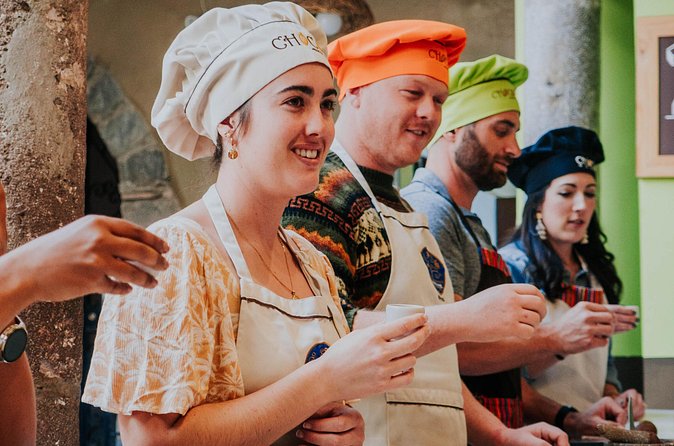
The teaching is a major part of the value. The activity is not simply a set of ingredients placed on a table. The instructor explains cacao culture, production, and preparation while guiding the practical work.
The names associated with especially well-received sessions include Miguel, Lorenzo, Alex, Yil, Manuel, Benjamin, Renco, and Hannah. Their styles differ, but the repeated strengths are humor, warmth, organization, and the ability to keep a mixed-age group involved.
Lorenzo was praised for running the class in an organized way. Benjamin was described as friendly and well-informed while working with a parent and child. Renco kept the group engaged through the process from cacao selection to molding. Hannah received praise for making the class welcoming and enjoyable.
A good guide can also make the group feel social. You may meet people from different countries, work together while grinding beans, and compare the chocolate combinations at the end. The class has a relaxed, communal quality that suits people who do not want a formal museum visit.
Still, the quality of the session is not only about the guide. The physical room matters too. One report noted continuing noise from the shop next door, which made it hard to hear. Another suggested adding bar seats because standing for two hours can be tiring.
If you have difficulty standing for long periods or hearing in a noisy room, keep this in mind. The workshop is described as accessible to service animals and near public transportation, but the provided details do not promise extensive seating or a fully quiet environment.
Is $33.79 a fair price?
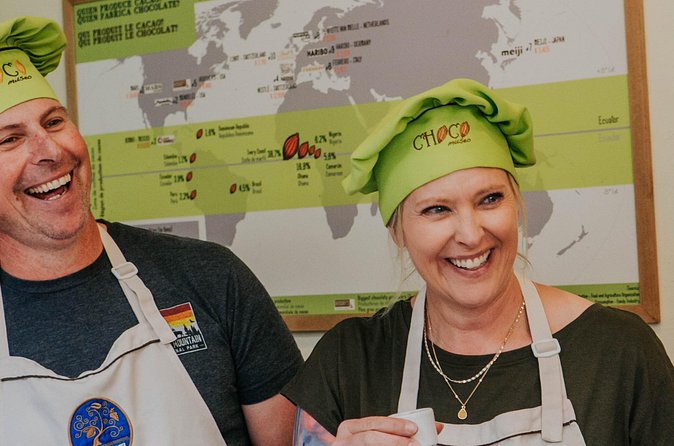
At $33.79, you are paying for several parts at once: instruction, chocolate drinks, ingredients, use of the equipment, the tasting, and the treats you make yourself.
I think the price is reasonable if you value an activity as much as the final food. You receive a cultural lesson, a guided process, and an edible souvenir. For a family, the class can also replace a more expensive paid attraction while giving children something active to do.
The value is weaker if you mainly want to buy chocolate. You can find chocolate in Cusco without spending this much, and the finished quantity is limited. One critical account also said the class felt overpriced and claimed that direct booking through the provider website appeared cheaper. Because prices and booking channels can change, I would compare the current rate before paying.
The class earns its cost when the teaching is strong and the group is engaged. It feels less worthwhile if the session turns into a long demonstration followed by a short molding activity. The 4.8 rating from 410 reviews and 94 percent recommendation rate indicate that most people find the experience worthwhile, but the lower ratings point to real concerns about price, standing time, noise, and the amount of active work.
The best time to schedule this activity
The workshop is a smart choice for your first day in Cusco if you want a gentle indoor activity while adjusting to the altitude. One couple found it an easy way to spend a few hours after arriving, without adding a strenuous walk to the schedule.
It also works well as a rest from churches, markets, museums, and hills. You can enjoy something social and hands-on without committing to a full-day excursion.
Avoid placing it before a strict departure time. Remember the extra cooling period, and allow enough time to reach ChocoMuseo in Plaza Regocijo. The activity is booked, on average, 23 days ahead, so popular dates may require some planning, especially if you are visiting during a busy period.
Free cancellation is available when you cancel at least 24 hours before the start time. Changes or cancellations inside that 24-hour window are not accepted for a refund.
Who will enjoy the ChocoMuseo workshop most?
I would recommend this experience to:
- Families with children or teenagers who enjoy making things
- Couples looking for a light, shared activity
- Solo visitors who like food, culture, and meeting a small group
- Chocolate lovers who want more context behind the finished product
- People who need an easy indoor plan during their first day in Cusco
- Anyone who wants a handmade souvenir instead of a standard shop purchase
You may want to skip it if you dislike group demonstrations, prefer advanced cooking instruction, or expect a large amount of chocolate for the price. It is also not ideal if you need to keep moving after exactly two hours.
The activity is suitable for different ages and skill levels, but that does not mean every part is equally active. You will participate directly, yet you will also listen to explanations and wait while the chocolate sets.
Practical tips for a smoother class
Arrive with enough time to find ChocoMuseo at Plaza Regocijo. Since transportation is not included, plan your route independently and remember that the class ends at the same meeting point.
Keep your afternoon flexible. The advertised duration is approximately two hours, but the chocolate may not be ready until about 45 minutes after the workshop itself ends.
Ask questions during the history and preparation sections. Some instructors have used questions to give out extra chocolate, so participation can add a little fun to the lesson.
If you are visiting with children, explain that the class is not nonstop eating. There is history, demonstration, preparation, molding, and waiting. That expectation will make the pacing feel more natural.
Finally, check your chocolate before leaving and carry it carefully. It is a soft, edible souvenir, not a hard museum trinket, and Cusco’s conditions may not be kind to freshly made sweets.
Should you book the bean to bar workshop?
I would book it if you want a relaxed, social activity that combines Peruvian cacao, food tasting, and a take-home souvenir. The strongest features are the clear bean-to-bar story, the hand grinding and roasting, the choice of toppings, and the instructors who bring humor to the lesson.
I would think twice if the $33.79 price feels high for a small quantity of chocolate, or if standing, background noise, and waiting time would bother you. Before booking, compare the current direct price with the available rate and leave at least 45 extra minutes in your schedule.
For most people, especially families and first-time visitors looking for a break from sightseeing, this is a sweet and useful Cusco activity. Just treat it as an introductory workshop with cultural context, not a full professional chocolate-making course.
FAQ
Where does the chocolate workshop begin?
The workshop begins at ChocoMuseo, Plaza Regocijo, Cusco 08000, Peru. The activity also ends back at the meeting point.
How long does the workshop last?
The workshop lasts approximately two hours. Your chocolates may need another 45 minutes to set before you can take them home.
Is transportation included?
No. Transportation is not included, so you need to make your own way to ChocoMuseo in Plaza Regocijo.
How many people can join the class?
The workshop has a maximum group size of 12 people.
What is included in the experience?
The price includes chocolate drinks tasting, all materials needed to make your chocolates, and the guided educational activity.
What is the cancellation policy?
You can cancel at least 24 hours before the start time for a full refund. Cancellations or changes made less than 24 hours before the start time are not accepted for a refund.
Added recently around Cusco
- Guided tour of the mountain of colors in Cusco★ 5.0 · 11 reviews
- 2-Day Private Short Inca Trail to Machu Picchu★ 5.0 · 15 reviews
- City Tour Cusco – Group★ 5.0 · 4 reviews
- Tour Sacred Valley with Maras and Moray★ 5.0 · 15 reviews
- San Pedro Market Tour with Peruvian Cooking Class★ 5.0 · 31 reviews
- Walking Culinary Experience★ 5.0 · 41 reviews
- City Tour in Cusco★ 4.5 · 10 reviews
- Sightseeing Bus Tour from Cusco to Puno with Buffet Lunch★ 4.5 · 22 reviews
Workshops, compared.
Peruvian Cooking Class Cocktails and Market Tour in Cusco
Read our review →

Peruvian Cooking Class, Local Market Tour & Exotic Fruit Tasting
Read our review →
Cusco Cooking Classes and San Pedro Market Tour
Read our review →
Peruvian Cooking Class, Cocktails & Local Market Tour
Read our review →
Hands-on Peruvian Cooking Class & San Pedro Market Visit in Cusco
Read our review →
Local Market and Peruvian Cooking Class with Pisco Sour in Cusco
Read our review →
Traditional Peruvian Cooking Class and Market Tour in Cusco
Read our review →Browse the lists this tour appears in