
Reviewed · ANDEAN TREKKING TOURS
Choquequirao Trek 4 Days The Lost City of The Inkas
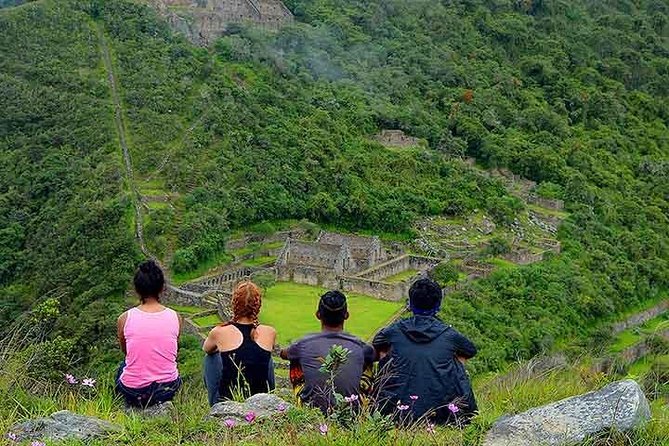
This is Peru’s hard-to-reach Inca adventure. The four-day Choquequirao Trek trades easy access and big crowds for steep trails, remote camps, wide Apurimac Canyon views, and an ancient city that can feel almost private. I especially like the chance to see Choquequirao with far fewer people than Machu Picchu, and I like that the $710 price includes transport, camping gear, meals, a guide, and the entrance fee.
The main catch is simple: this is a demanding hike. You descend deeply into the canyon on the first day, then climb sharply toward the ruins on the second. The route is not a casual add-on to a Cusco holiday, and you need good fitness, patience, and a willingness to sleep in tents.
The small maximum group of 15 helps keep the trip personal. Guides named Renso and Nixon have been praised for their care and explanations, while the food earns repeated approval. Still, ask about the exact guide, group size, water arrangements, and daily pace before you leave.
In This Review
- Key points to know before booking
- Why Choquequirao feels different from Machu Picchu
- Day 1: From Cusco to Cachora and the Apurimac Canyon
- Day 2: The hard climb through Santa Rosa to Marampata
- Day 3: Sunrise at Choquequirao and a return to the river
- Day 4: Climbing out and returning to Cusco
- Camping, meals, and what the $710 price covers
- The guide can make or break the experience
- Who should book this trek?
- Practical preparation for the 5:30 a.m. pickup
- Should you book the Choquequirao Trek?
- FAQ
- How long is the Choquequirao Trek?
- Is hotel pickup in Cusco included?
- Is the Choquequirao entrance fee included?
- What camping equipment is provided?
- Are meals included?
- Is water included?
- How difficult is the trek?
Key points to know before booking
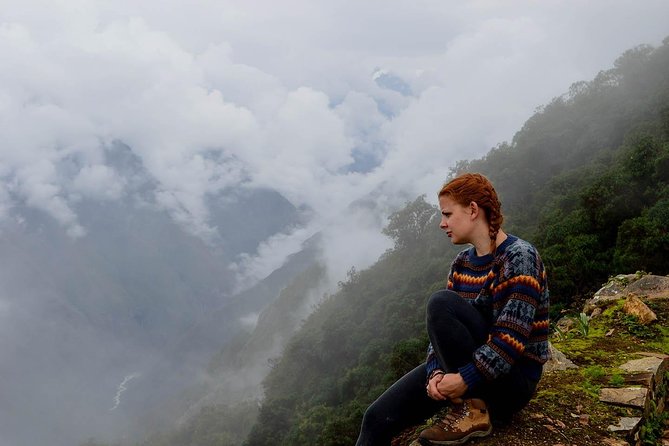
- Choquequirao feels remote: The ruins are reached on foot through the Apurimac Canyon, not by a short bus ride.
- The second day is the toughest: You climb from the river through Santa Rosa to Marampata before reaching the camping area near the ruins.
- The route covers serious ground: One account puts the full trek at roughly 70 kilometers over four days.
- The ruins deserve time: Temples, terraces, separated sectors, and the unusual llama area take about four hours to visit.
- Camping gear is included: Tents, mattresses, and sleeping bags are supplied, along with three breakfasts, three lunches, and three dinners.
- The quiet is part of the reward: The site can feel remarkably empty compared with Machu Picchu, giving you room to look, think, and take photographs.
Why Choquequirao feels different from Machu Picchu
Choquequirao is often compared with Machu Picchu, but the comparison can mislead you. Machu Picchu is easier to reach and more tightly managed. Choquequirao asks you to earn the visit with long hours on foot, heat in the canyon, cold at higher camps, and a steady series of climbs.
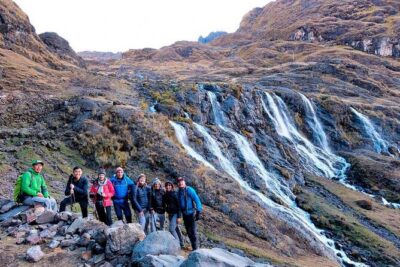
That effort changes the mood. You do not simply arrive at Choquequirao after a train ride and a short walk. The route builds anticipation through changing temperatures, mountain views, scrub, river crossings, and the sight of the trail curling along the canyon walls.
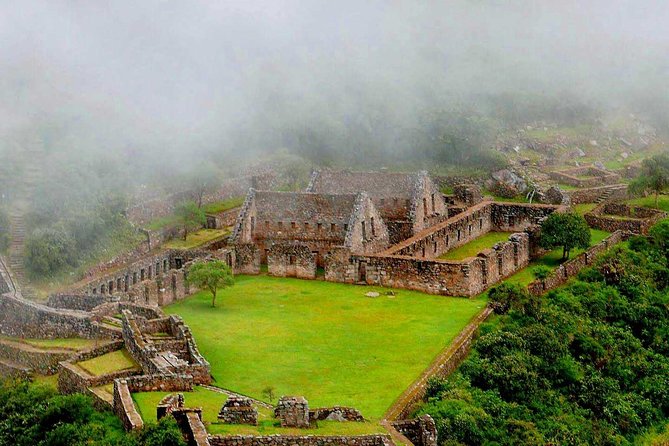
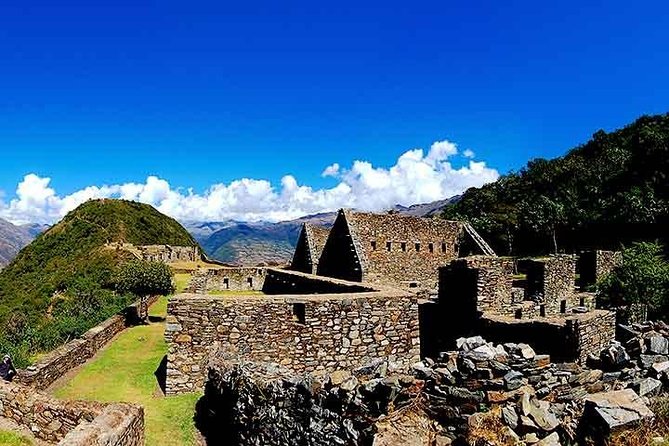
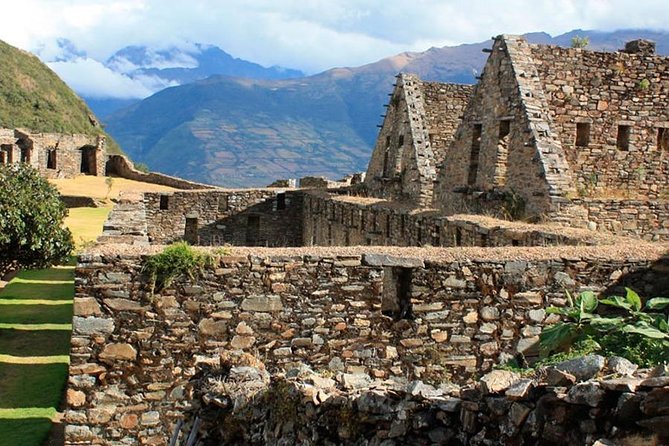
The ruins themselves spread across a large area. You can expect temples, terraces, stairways, and separate sectors rather than one compact set of buildings. The llama sector is a special feature, with stone figures set into terraces. A guided visit of about four hours gives you enough time to see the main areas and understand how the city relates to the Apurimac River and the Vilcabamba range.
I would not choose this trip only because you want to tick off another famous Inca site. Choose it if you want the journey to matter as much as the destination.
More City Tours in Cusco
- Cusco: Half-Day City Tour with Sacsayhuaman and Q’enco
★ 4.6 · 1,129 reviews - City Tour Cusco Qoricancha Sacsayhuaman y Tambomachay
★ 4.7 · 617 reviews - Cusco City Tour Four Ruins in Half-Day
★ 5.0 · 530 reviews
Day 1: From Cusco to Cachora and the Apurimac Canyon
Pickup begins between 5:30 and 6:00 a.m. in Cusco. You provide your hotel or hostel details at least 24 hours ahead, then wait at reception with time for a quick cup of tea before the vehicle arrives.
The drive to Cachora takes about four hours, reaching the town at roughly 10:00 a.m. At Cachora, the equipment is packed onto horses and the trek begins. This arrangement matters because you do not need to carry all the camping equipment yourself, although you still need a daypack with personal items, water, snacks, sun protection, and clothing layers.
The first walking section takes about five hours, but the full day runs to around eight hours once transport, preparation, and breaks are included. The trail begins near Cachora at about 3,100 meters, then passes Capuliyoc at around 2,900 meters before dropping into the canyon.
Capuliyoc gives you one of the first major views of the Apurimac Valley. You can also see the snow-capped Padrayoc, rising to about 5,482 meters, along with Wayna Cachora. These early viewpoints help you understand the scale of the route. The river floor looks far below, and your camp will be near the river at about 1,550 meters.
The temperature may begin around 15°C and rise to about 25°C by the end of the walk. That change is not a minor detail. You need a hat, sunscreen, and plenty of water for the lower, warmer section, but you also need a warm layer for morning and evening.
Lunch and dinner are included on this first day. Breakfast is not included because you leave Cusco before the usual hotel breakfast hour, so eat beforehand or arrange something to take with you. Water and snacks are also your responsibility.
The first day is mostly a long descent. It may feel manageable early on, but the repeated downhill steps can work hard on your knees. Trekking poles would be a sensible personal item, though they are not listed among the included supplies.
Day 2: The hard climb through Santa Rosa to Marampata
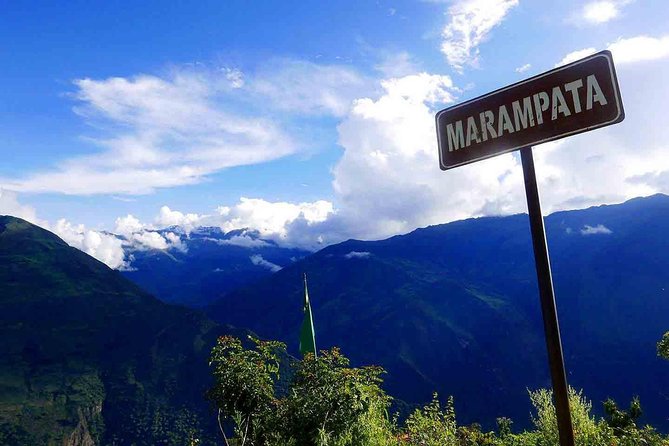
Breakfast is scheduled for 5:00 a.m., followed by an early start toward Choquequirao. This is the day to take seriously. From the river, you climb toward Santa Rosa at about 2,100 meters, where lunch is served, then continue to Marampata at roughly 2,850 meters.
The walking time is listed at about six hours, with the full day running around that length. The steep climb is the central challenge. You lose a great deal of altitude on Day 1 and regain much of it here, often under warmer conditions near the canyon.
Santa Rosa is a useful stopping point because it breaks the ascent before the trail continues toward Marampata. From Marampata, the steepest section is over, and the path follows the canyon edge toward the Choquequirao camping area.
The views help, but they do not make the climb easy. Looking back, you can see much of the route from the first day, along with the vegetation zones you have crossed. This is one of the most satisfying parts of the trek for strong hikers because the route becomes a visual record of your effort.
At the same time, this is where a moderate fitness rating can sound too gentle. The supplied description calls for moderate fitness, but the steep climbs, long distances, heat, and altitude changes make the trek a serious physical undertaking. You should be comfortable walking for several hours on uneven trails and climbing steep slopes on consecutive days.
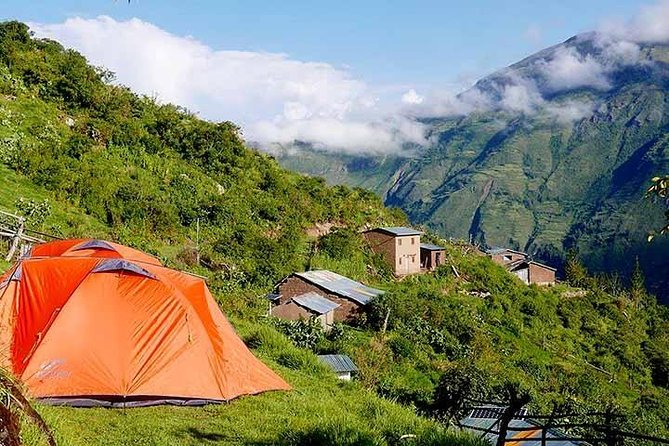
The camping area is close to the ruins, which is a real advantage. You do not have to make a second long approach to Choquequirao after reaching Marampata. Breakfast, lunch, and dinner are included, and the cooking team has earned strong praise for tasty Peruvian meals. That can make a big difference after a hard climb.
Day 3: Sunrise at Choquequirao and a return to the river
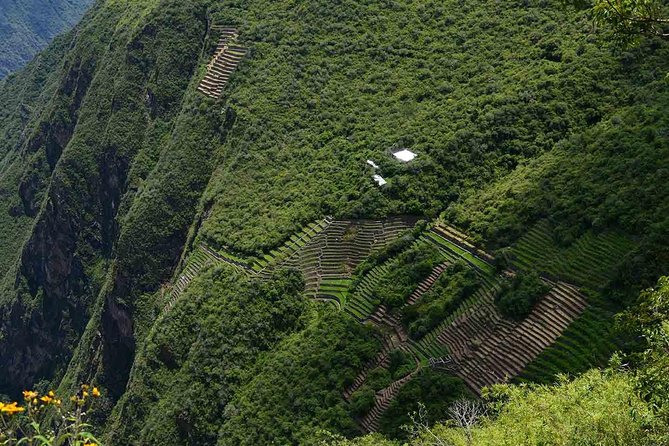
Day 3 begins with breakfast and an early walk to Choquequirao to see the ruins in the morning light. The visit takes about four hours and is led by your guide.
This guided time is valuable because the site is spread out. Without context, the terraces and stonework can look like isolated remains across a large hillside. A good guide can explain the role of the city, the importance of the Apurimac River, and the relationship between the ruins and the Vilcabamba range.
The morning timing also helps with the heat. You have a better chance of exploring before the strongest sun reaches the exposed areas, though conditions can vary. Take water, sun protection, and a light layer for the early start.
The city is not presented as one single viewpoint. You move between temples, terraces, stairways, and separate areas. The llama sector is particularly unusual and gives the visit a memorable detail beyond the standard stone walls and agricultural terraces.
After the site visit, you return to camp around midday for lunch. Then the route drops back into the canyon, ending at a new campsite near the river. This repeated descent is useful to understand before booking. You are not spending a second night beside the ruins and then walking out from a high camp. You visit Choquequirao, return to the lower valley, and prepare for the final climb out.
Day 3 is listed at about six hours. Depending on the exact pace and time spent at the ruins, it may feel like another full day. The reward is a clear rhythm: early ruins, a midday meal, then a long descent through changing vegetation.
The remote setting is especially appealing here. You may have long stretches with very few other people around. That quiet gives Choquequirao an older, less managed feeling than Peru’s most famous Inca site. It also means you should not expect shops, easy transport, or quick medical help along the route.
More Hiking Tours in Cusco
- Classic Inca Trail Trek 4D/3N to Machu Picchu (Group Service)
★ 5.0 · 8,653 reviews - Machu Picchu: 4-Day Inca Trail Trek with Panoramic Train Ride
★ 5.0 · 4,568 reviews - Salkantay Classic Trek 5 Days from Cusco
★ 5.0 · 4,062 reviews - 4-Day Salkantay Trek with Sky Camp Stay
★ 5.0 · 3,346 reviews
Day 4: Climbing out and returning to Cusco
After breakfast at about 6:00 a.m., you follow the same route back toward Cachora. The day begins with the climb from the river to the canyon edge, followed by roughly two more hours on a flatter stretch toward town.
The walk to Cachora takes around seven hours in total. The final section is described as smoother, but you will already have several demanding days behind you. A steady pace is more useful than trying to finish quickly.
Along the way, you can look for the area’s flora and fauna, as well as views of the snow-capped mountains and the canyon. The return route gives you a different perspective on the trail, especially after you know how far you descended on the first day.
Arrival in Cachora is expected around noon, followed by private transport back to Cusco. The drive takes about three hours, with arrival at your hotel in the afternoon. This makes Day 4 a long travel day, but it avoids an extra overnight stay and gets you back to Cusco within the planned four-day schedule.
You should not book a late-evening flight from Cusco on the final day. The published return is in the afternoon, but mountain roads and walking schedules can shift. Build in plenty of space if you have a fixed onward connection.
Camping, meals, and what the $710 price covers
At $710 per person, this is not a budget day hike. But the price includes several costly and useful elements:
- Hotel pickup in Cusco
- Private transportation
- A professional guide
- Choquequirao entrance
- Tents, mattresses, and sleeping bags
- Three breakfasts
- Three lunches
- Three dinners
- Fees and taxes
The value depends on how much support you want. You are paying for a guided, organized expedition with camping equipment, horse transport for the gear, food, entry, and transport from Cusco. Arranging each part yourself could take time and create more chances for confusion, especially on a route with early starts and remote camps.
The price does not include breakfast on Day 1, lunch or dinner on Day 4, water, or snacks. Those costs are small compared with the tour price, but the practical point matters: carry food for the first morning and the return journey, and plan how you will refill or buy water.
The food is one of the strongest parts of the package. Peruvian-style meals have been praised for both flavor and quantity, and the campsite staff receive credit for their hard work. On a trek this demanding, reliable meals are not a luxury. They help you keep moving.
The group limit is 15 people. That is large enough to share the walk with others, but small enough that the guide should be able to monitor the group. Ask how many people are booked for your date if you prefer a quieter trip.
The guide can make or break the experience
A guide matters here for more than directions. The trail is long, the ruins are spread out, and the site benefits from explanation. The strongest feedback centers on attentive staff, good organization, food, and guides who explain Choquequirao in both English and Spanish.
Renso and Nixon are names associated with particularly strong guiding experiences. Guide assignments can change, so treat those names as useful points to ask about rather than a guarantee. Confirm who will lead your departure and whether the guide speaks the language you need.
Good guiding should also mean sensible pacing. If you are struggling on the steep climb, say so early. This is not a route where silent discomfort helps anyone. Your guide and support team need to know how you are doing before a small problem becomes a serious one.
Who should book this trek?
I would recommend it to you if you:
- Enjoy long mountain hikes and steep climbs
- Prefer quiet archaeological sites to crowded famous sights
- Want camping and remote scenery rather than hotel comfort
- Are comfortable with early starts at 5:00 or 6:00 a.m.
- Can handle changing temperatures and several demanding days
- Want a guided experience with meals and equipment arranged
I would be cautious if you have limited hiking experience, knee problems, difficulty with steep descents, or little tolerance for basic camping. The route is not made easier by the four-day schedule. It compresses major ascents and descents into a short period.
This is also not the right choice if your main goal is a relaxed Cusco excursion. You will spend much of the trip walking, climbing, eating at camp, and recovering for the next morning.
Practical preparation for the 5:30 a.m. pickup
Pack light, but do not under-pack. Your personal daypack should include water, snacks, sunscreen, a hat, rain protection, warm layers, personal medication, and any small items you need at camp. The supplied sleeping bag, tent, and mattress reduce your load, but they do not remove the need for personal hiking gear.
Expect strong temperature changes. Day 1 may move from about 15°C near the start to 25°C near the river, while the higher areas can feel cooler. Wear layers instead of one heavy item.
Eat before pickup because the first breakfast is not included. Keep extra snacks for the steep Day 2 climb and the final walk back to Cachora. Water is not provided, so ask the operator how water is handled on your exact departure and carry enough for each walking section.
The experience is offered in English, and confirmation is provided at booking. Pickup is available from hotels or hostels in Cusco, but you need to send your accommodation details in advance.
The cancellation terms are fairly friendly: you can receive a full refund if you cancel at least 24 hours before the start time. Poor weather or failure to meet the minimum group size can lead to a new date, another experience, or a full refund.
Should you book the Choquequirao Trek?
Book this trek if you want one of Peru’s most demanding and rewarding archaeological walks, and if the idea of reaching a nearly quiet Inca city excites you more than the ease of a train and bus. The strongest reasons to go are the canyon scenery, the unusual llama sector, the long approach, the careful campsite support, and the chance to see Choquequirao without Machu Picchu-sized crowds.
Skip it if you need a gentle itinerary, private rooms, flexible mornings, or a simple sightseeing day. The price is fair for the guide, transport, camping gear, food, horses, and entrance fee, but the real cost is physical effort.
For fit hikers with four days available from Cusco, this is a serious but worthwhile choice. Prepare for the descents, respect the steep climb on Day 2, carry water and snacks, and confirm the guide and group details before paying.
FAQ
How long is the Choquequirao Trek?
The experience lasts approximately four days. Walking times are listed at about five hours on Day 1, six hours on Day 2, six hours on Day 3, and seven hours on Day 4, not always including transport and preparation time.
Is hotel pickup in Cusco included?
Yes. Pickup is offered from your hotel or hostel in Cusco, normally between 5:30 and 6:00 a.m. You should provide your accommodation details at least 24 hours before departure.
Is the Choquequirao entrance fee included?
Yes. The Choquequirao entrance fee is included in the tour price.
What camping equipment is provided?
The package includes full camping equipment, including tents, mattresses, and sleeping bags.
Are meals included?
Three breakfasts, three lunches, and three dinners are included. Breakfast on the first day, lunch on the last day, and dinner on the last day are not included.
Is water included?
No. Water and snacks are not included, so you need to plan for them separately.
How difficult is the trek?
The tour requires a moderate level of physical fitness, but the route includes steep climbs, long descents, changing temperatures, and several hours of walking each day. Day 2 is described as the hardest section.
More Hiking Days from Cusco
- Rainbow Mountain Full Day Trek
★ 5.0 · 1,469 reviews - Rainbow Mountain Day Trip from Cusco: Vinicunca Hiking Tour
★ 4.5 · 737 reviews - Inca Trail 4-Day 3-Night Trek to Machu Picchu with Expert Guides
★ 5.0 · 733 reviews - Humantay Lake Full Day Trek from Cusco with Lunch
★ 5.0 · 726 reviews
Longer Treks from Cusco
- Salkantay Trek 5D/4N with Glass Cabins, Domes and Hobbit House
★ 5.0 · 2,488 reviews - 5-Day Premium Salkantay Trek
★ 5.0 · 788 reviews - Lares Valley Trek with Hot Spring 4-Day, 3-Night
★ 5.0 · 656 reviews - Ultimate Salkantay Trek to Machu Picchu 5 Days
★ 5.0 · 588 reviews
Added recently around Cusco
- Guided tour of the mountain of colors in Cusco★ 5.0 · 11 reviews
- 2-Day Private Short Inca Trail to Machu Picchu★ 5.0 · 15 reviews
- City Tour Cusco – Group★ 5.0 · 4 reviews
- Tour Sacred Valley with Maras and Moray★ 5.0 · 15 reviews
- San Pedro Market Tour with Peruvian Cooking Class★ 5.0 · 31 reviews
- Walking Culinary Experience★ 5.0 · 41 reviews
- City Tour in Cusco★ 4.5 · 10 reviews
- One Day Tour to Humantay Lagoon★ 5.0 · 8 reviews
Andean Trekking Tours, compared.
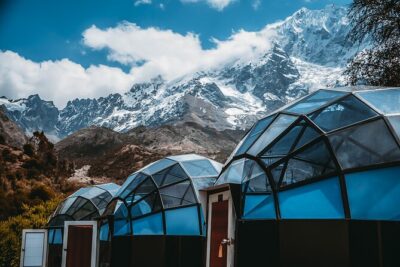
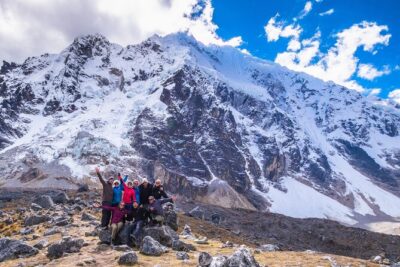
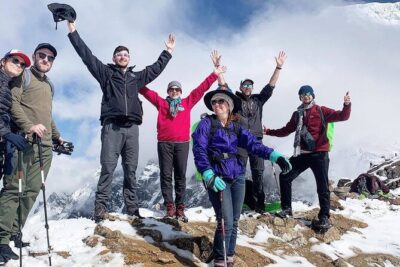
Salkantay Trek 5D/4N with Glass Cabins, Domes and Hobbit House
Read our review →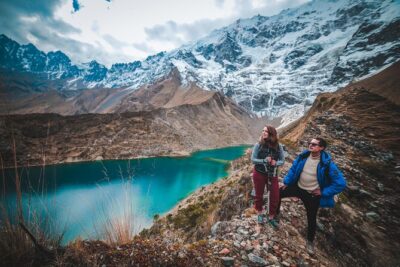
Lares Valley Trek with Hot Spring 4-Day, 3-Night
Read our review →
Ultimate Salkantay Trek to Machu Picchu 5 Days
Read our review →
Lares Trek to Machu Picchu 4D/3N Including Hot Springs
Read our review →
4-Day Inca Jungle Trail to Machu Picchu Hiking and Biking Tour
Read our review →Browse the lists this tour appears in