Reviewed · COOKING CLASSES
Cooking Class + Market Tour + City Walking Tour (Full Day).
Lima tastes better when you start at the market. This full-day experience joins a Surquillo market visit with a hands-on cooking class, pisco tasting, and a guided walk through old Lima. I like the personal scale, with no more than 10 people, and I like the way lunch grows from ingredients chosen that morning. The main drawback is the pace: eight hours is a long day, and the historic-center portion includes several short photo stops rather than long visits.
The cooking session is the heart of the outing. Guides Jose and Philippe have been praised for their friendly conversation and careful attention, while chef Nindi supervises the preparation. You also get private, air-conditioned transportation and the San Francisco catacombs entrance, but alcoholic drinks are extra and the walking tour can feel brisk after a substantial lunch.
In This Review
- Five things that make this Lima tour worth considering
- A full day that connects food and place
- Starting at Surquillo Market No. 2
- Cooking lunch with chef Nindi
- From Plaza San Martín into central Lima
- San Francisco and the catacombs
- The presidential quarter and traditional Cordano
- Cathedral views, Santa Rosa, and Santo Domingo
- Plaza de Armas and the final market stop
- Transport, group size, and practical fit
- Should you book this Lima cooking and city tour?
- FAQ
- How long does the experience last?
- Where does the tour start?
- What food is included?
- Is a vegetarian option available?
- Is pisco included in the price?
- Is the San Francisco catacombs entrance included?
- How large is the group?
Five things that make this Lima tour worth considering
- You shop for lunch at Surquillo Market: A chef helps identify Peruvian produce, then buys the ingredients used in your class.
- You cook in ceramic pots: The class uses traditional-style cookware and includes an appetizer, fruit tasting, starter, and main course.
- You see old Lima on foot: Plaza San Martín, Jirón de la Unión, Plaza de Armas, churches, balconies, and colonial streets fill the afternoon.
- You visit the San Francisco catacombs: This is the main paid attraction included in the day.
- You travel in a small group: The maximum is 10 people, with private round-trip transportation listed as part of the experience.
- You can request vegetarian food: Dietary restrictions should be given when you book.
A full day that connects food and place
Many city tours show you Lima, then send you off for lunch. This one ties the two together. You first see the raw materials at a neighborhood market, prepare them with a chef, and then spend the afternoon walking through the political, religious, and commercial center of the capital.
That order works well. Food gives you an easy way into Peruvian culture, while the city walk supplies context for the country’s colonial past and present-day life. You are not simply moving from monument to monument. You are also learning what people eat, how local markets work, and how Lima’s old center functions today.
The price is $110 per person. That is not the cheapest way to see central Lima, but it covers roughly eight hours, lunch, a professional chef, a guide, bottled water, private air-conditioned transport, snacks, and the catacombs ticket. If you would otherwise pay separately for a cooking class, lunch, transportation, and a half-day city guide, the package offers solid value.
The experience begins at 8:30 a.m. at Av. José Larco 724 in Miraflores. Hotel pickup and return transportation are highlighted, so confirm the exact pickup arrangement when booking if you are staying somewhere other than the stated meeting point.
More City Tours in Lima
- Lima Half-Day City Walking Tour (Small Groups)
★ 5.0 · 1,508 reviews - City Tour Panoramic Bus Departure From Larcomar
★ 4.5 · 733 reviews - Lima’s Vibrant Heritage: Exploring the City’s Landmarks Half-day
★ 4.5 · 581 reviews
Starting at Surquillo Market No. 2
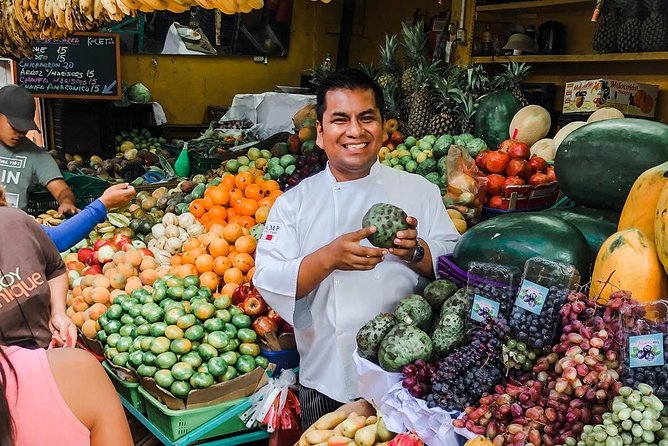
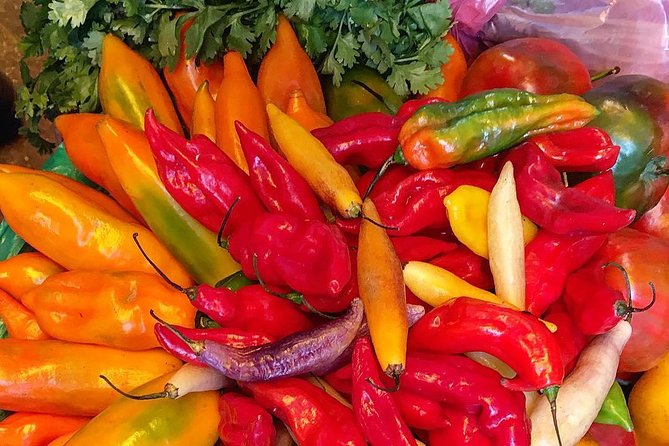
The morning begins with a 45-minute visit to Market No. 2 Surquillo. This is not a quick photo stop. Your guide and chef walk through the market with you, explain Peruvian products, and select the ingredients for the dishes you will later cook.
That connection is useful. You might see unfamiliar fruits, vegetables, spices, or seafood and then encounter them again in the kitchen. A market visit also gives you a more grounded look at daily food shopping than a restaurant meal alone.
One particularly good detail is the division of work. In the experience described by one participant, Jose answered questions about life in Peru while Nindi went around the market buying ingredients. That lets you look closely, ask questions, and learn without having to carry the entire shopping task yourself.
The market visit lasts 45 minutes, so it is focused rather than sprawling. You will not have endless time to browse every stall. Still, the short visit makes sense because the market serves a clear purpose: it supplies the cooking class and introduces you to local products.
Wear comfortable shoes and expect a real market setting, not a polished food museum. If you enjoy food, this first stop may be one of the most rewarding parts of the day.
Cooking lunch with chef Nindi
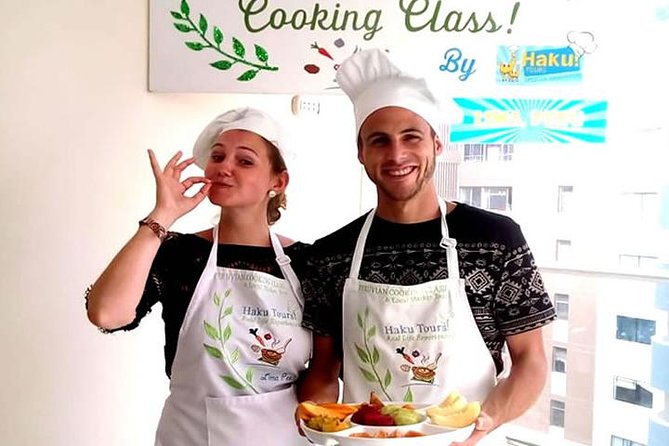
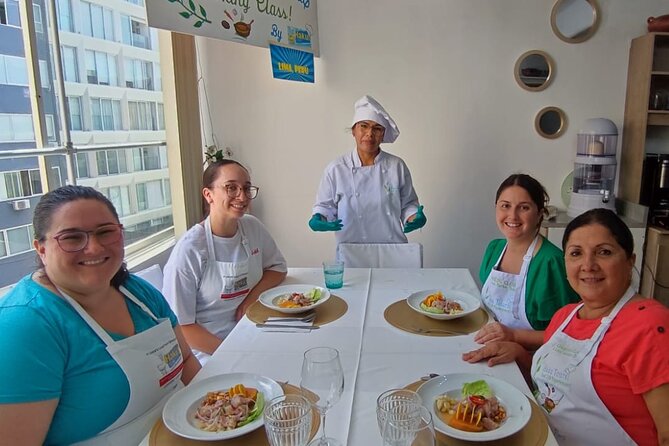
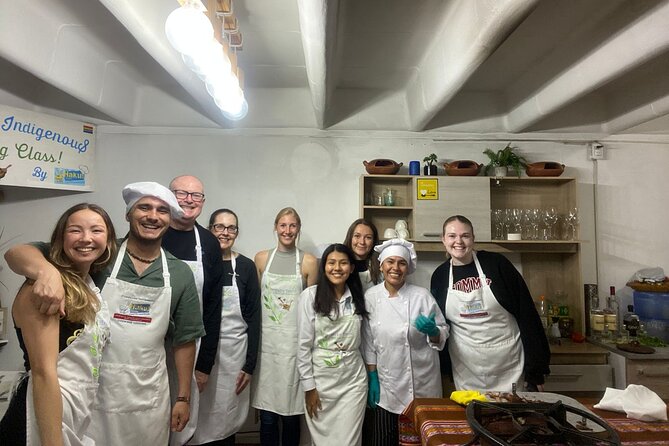
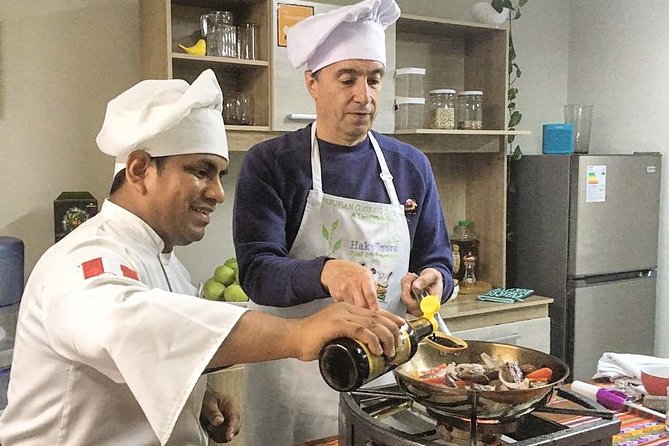
After the market, you head to the kitchen for about three hours and 15 minutes. The class starts with preparation. You chop the ingredients, organize the work, and then cook under the chef’s direction.
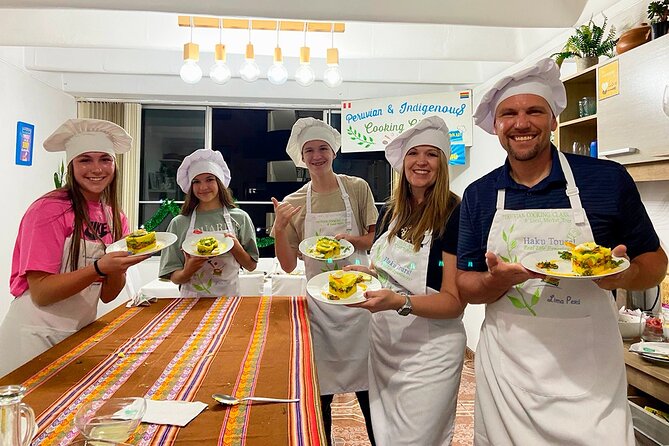
The meal includes several parts: appetizers, a fruit festival, a starter, and a main course. Lunch is eaten during the class, so this is not a demonstration where you sit quietly and watch someone else do everything. You take part in making the food and then enjoy the result.
The menu appears to involve choices. Jose asked one participant to choose from three appetizers and three main courses, with ceviche and a beef dish selected. The exact menu can vary, so ask what choices are available when you book, especially if you have a strong preference.
The class uses ceramic pots, described as similar to those used by Peruvian ancestors. That detail gives the session a cultural angle without turning it into a lecture. The stated goal is to keep the flavors natural, and the traditional cookware becomes part of the lesson.
The fruit tasting is another nice touch. Produce seen at the market returns to the kitchen, where you can taste it directly. That makes the morning feel like one connected activity rather than two unrelated bookings.
Vegetarian food is available, but you must request it in advance. The same applies to other dietary restrictions. This is important because the class depends on ingredients being purchased before cooking begins.
A pisco tasting session is part of the highlights, but alcoholic beverages are listed as not included and available for purchase. In practical terms, you should budget extra if you want pisco or another alcoholic drink. Soda is also not included.
The cooking class is the longest single part of the experience, and that is a strength for people who want real participation. If you prefer a quick food demonstration, three hours and 15 minutes may feel too long. If you like chopping, tasting, asking questions, and eating a full meal, this is where the $110 price starts to make sense.
From Plaza San Martín into central Lima
After lunch, the format changes. You meet or continue with a city guide for a walking tour through central Lima. One account describes Philippe leading the afternoon, with plenty of conversation and a coffee break when a rest was needed.
The first stop is Plaza San Martín, where you spend about 20 minutes. The square is known for its gardens and pleasant atmosphere, and your guide uses it to introduce Peru’s people, national history, and local life.
This is a sensible starting point for the old-center walk. It gives you a broad setting before you move into narrower streets and more detailed sights. You will want to listen closely here because the historical background helps explain the buildings that follow.
From the plaza, you continue along Jirón de la Unión for about 40 minutes. This major pedestrian street brings together architecture, shops, restaurants, local music, and everyday city activity. Look for wooden balconies, carved stone, churches, and religious altars.
The street is a good reminder that Lima’s historic center is not a preserved stage set. People still shop, eat, work, and pass through these spaces. You may also see chicken restaurants and other ordinary businesses alongside important buildings.
The tradeoff is that a busy commercial street can be less peaceful than a quiet monument. If you want uninterrupted architectural photography, the movement and city noise may test your patience. If you want to see central Lima as part of daily life, Jirón de la Unión is useful.
More Cooking Classes in Lima
- #1 Reviewed Lima Cooking Class
★ 5.0 · 995 reviews - Peruvian Cooking Class, Local Market Tour & Exotic Fruit Tasting
★ 5.0 · 744 reviews - Authentic 4-dish Peruvian Food Cooking Class in Lima + Pisco Sour
★ 5.0 · 126 reviews - 4 Course Peruvian Cooking Class
★ 5.0 · 122 reviews
San Francisco and the catacombs
The San Francisco Monastery and Catacombs receive about 30 minutes. This is the only attraction here with an entrance ticket included, and it is one of the day’s strongest historical stops.
The visit focuses on Lima during the 16th, 17th, and 18th centuries, with attention to colonial culture, religious traditions, and the lives of city residents. The catacombs add a more serious edge to the afternoon. They are not a light sightseeing stop, and some people may find the underground setting uncomfortable.
Thirty minutes is enough for an introduction, but not for an extensive examination of every room or display. Keep that in mind if the monastery is a major reason you want to visit Lima. The guide’s explanation helps you get more from the short visit, but the schedule does not allow a slow, independent exploration.
The presidential quarter and traditional Cordano
The tour then moves through Ucayali and Lampa streets toward the Presidential Palace. You get only about five minutes for a panoramic view, but the guide provides an explanation of the building and its place in Peruvian public life.
The palace is where the president lives and works, and it is also associated with the daily changing of the guard. This stop is mainly for orientation and photographs. Do not expect an interior visit.
Next comes Restaurante Cordano, also for about five minutes. It is described as Peru’s oldest official bar and sits beside the Presidential Palace. Its appeal is character rather than polish. The furnishings are not fancy, but the place is known for traditional food and pisco sours, and former presidents and writers, including Ernest Hemingway, have visited.
The stop is quick, so you will not have time for a full meal after already eating lunch. Think of it as a brief look at an old Lima institution. Alcoholic drinks cost extra, and the visit may be most useful to people who enjoy historic cafés and restaurants.
Cathedral views, Santa Rosa, and Santo Domingo
Lima Cathedral receives another five-minute stop, with the guide positioning you for a good panoramic view and photographs. The cathedral represents the central role of Catholic power during the colonial period, and its facade and surrounding architecture are impressive.
Again, the timing matters. You are seeing the cathedral from outside rather than receiving a long interior tour. If you want to study its art and chapels, you will need a separate visit.
Pasaje Santa Rosa is a small street with a calmer feel. Temporary exhibitions may appear there, and it is described as a place where locals spend time. The stop also introduces an important indigenous sacred rock, where offerings and rituals connected to Mother Earth continue.
That detail adds a valuable layer to the city walk. Lima’s story is not only Spanish colonial architecture and Catholic institutions. Indigenous beliefs and practices remain part of Peruvian culture. The guide’s explanation is especially important here because the place could be easy to overlook on your own.
The Basilica and Convent of Santo Domingo is viewed mainly from outside. The convent is considered the oldest in South America and once had the continent’s tallest tower during the 17th century. If the church is open, you may take a quick look inside, but an interior visit is not guaranteed.
These short stops work best as a sequence. You get repeated glimpses of Lima’s religious and civic center, then move on before any one sight consumes the afternoon. The weakness is clear: anyone wanting detailed museum time may find the schedule too compressed.
Plaza de Armas and the final market stop
Before reaching Plaza de Armas, the route includes Ancash Street and the Happy Inka market. This gives you time to see local art, indigenous carvings, and textiles, with a chance to buy a souvenir.
A market stop can be useful when it is clearly optional and tied to the local culture. You should feel free to browse rather than buy. The information provided does not promise fixed prices or a required purchase, so treat shopping as an opportunity, not an obligation.
Plaza de Armas, also called Plaza Mayor, is the grand finish. Its architecture reflects Lima’s Spanish colonial past, and it is surrounded by early palaces, mansions, and other important buildings. The main garden gives the square a formal center.
You spend about 20 minutes here. That is enough to take in the layout, hear the guide’s explanation, and take photographs. The plaza is also the clearest place to understand Lima’s role as a colonial capital, with government and religious power gathered around one space.
The walk covers a lot of ground, but the stops are uneven in length. Plaza San Martín and Jirón de la Unión receive more time, while the palace, cathedral, Santo Domingo, and Santa Rosa are brief. I would book this for a broad introduction, not a slow architectural study.
Transport, group size, and practical fit
Private, air-conditioned transportation is included, and the experience ends back at the meeting point. The tour is limited to 10 people, which should make it easier to hear the guide and ask questions than on a large bus tour.
The booking information says most people can participate and that the tour is near public transportation. The day combines market walking, kitchen work, city walking, and vehicle transfers, so comfortable shoes and a willingness to keep moving are sensible choices.
The experience is a good fit if you:
- Want food and sightseeing in one day
- Prefer a small group
- Like asking questions while you cook and walk
- Need transportation arranged around a Lima hotel
- Want a first look at central Lima rather than a single museum
- Can manage a full eight-hour schedule
It may not suit you if you want a relaxed morning, a long lunch with drinks, or extensive time inside each church and historic building. The route is full, and the afternoon includes many short stops.
The tour has a 5.0 rating from 30 reviews, with 100 percent recommending it. The strongest praise centers on the care provided by the guides and hosts, the enjoyable cooking class, and the amount of Lima covered in one day. One participant also valued Haku Tours’ nonprofit work with soup kitchens and schools. That community focus may matter if you prefer booking with an organization that gives time and money back locally.
Should you book this Lima cooking and city tour?
I would book it if you have one full day in Lima and want a practical introduction to both Peruvian food and the historic center. The market-to-kitchen connection is the special feature, while the small group, private transport, and included lunch remove several common travel hassles.
Book with realistic expectations. You will not receive a slow, detailed tour of every church, and the pisco tasting may involve an extra purchase. But for $110, you get a chef-led class, a market visit, lunch, central Lima sightseeing, catacombs admission, bottled water, snacks, and transport.
If you want to taste Lima, understand its old streets, and finish the day with a meal you helped make, this is a strong choice. If your priority is quiet museum time or a short walking tour, choose something narrower.
FAQ
How long does the experience last?
The tour lasts approximately eight hours and starts at 8:30 a.m.
Where does the tour start?
The stated meeting point is Av. José Larco 724, Miraflores 15074, Peru. Private round-trip transportation from a Lima hotel is included in the tour details, so confirm the exact pickup arrangement when booking.
What food is included?
The cooking class includes appetizers, a fruit festival, a starter, and a main course. Lunch is served during the class.
Is a vegetarian option available?
Yes. Vegetarian food is available, but you should request it when booking. You should also provide details of any other dietary restrictions at that time.
Is pisco included in the price?
Alcoholic beverages are not included. They are available for purchase, including the pisco associated with the tasting session.
Is the San Francisco catacombs entrance included?
Yes. Entrance tickets to the catacombs are included.
How large is the group?
The maximum group size is 10 people.
More Shopping Tours in Lima
- Lima Walking Tour: Historic Center, Market & Monastery
★ 5.0 · 96 reviews - Market Tour, Tasting of 35 Fruits, and 4-Course Peruvian Cooking Class in Lima
★ 5.0 · 86 reviews - #1 Rated Cooking Classes with Local Market Tour & Pickup
★ 5.0 · 69 reviews - Private Cooking + Market with Maido’s Former Creative Chef (+trasportation)
★ 5.0 · 49 reviews
More Market Tours in Lima
- Street Food, Market & Old Eateries Tour in Lima’s Historic Center
★ 5.0 · 656 reviews - Food Tour and Market Experience: 12 Peruvian Snacks
★ 5.0 · 412 reviews - Lima City, Central Market & Catacombs Tour (Pick-up & Drop Off)
★ 5.0 · 228 reviews - Lima: Historic Center Street Food, Market, and Eateries Tour
★ 4.9 · 216 reviews
Added recently around Lima
- Yoga Classes in Miraflores, Lima★ 4.5 · 20 reviews
- Magic Water Circuit Tour★ 4.0 · 5 reviews
- Private Walking Tour Lima Heritage Downtown Half Day★ 4.5 · 12 reviews
- Wonders of Peru & Huaraz 16-Day Tour★ 5.0 · 8 reviews
- Water Magic Circuit Lima Night Tour by Panoramic Bus★ 4.5 · 11 reviews
- Visit to the Larco Museum in Lima★ 5.0 · 5 reviews
- Guided Tours in Colonial and Modern Lima★ 5.0 · 54 reviews
- Bizarre Foods Tour for Adventurous Foodies★ 5.0 · 9 reviews
Cooking Classes, compared.
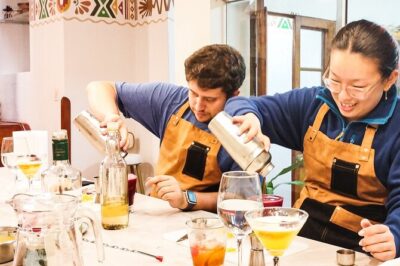
Peruvian Cooking Class Cocktails and Market Tour in Cusco
Read our review →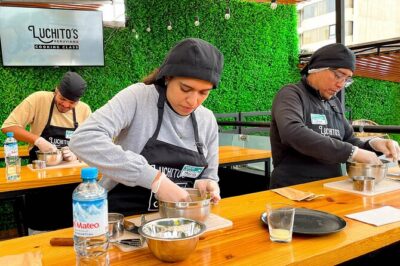
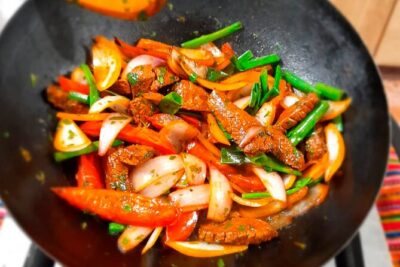
Peruvian Cooking Class, Local Market Tour & Exotic Fruit Tasting
Read our review →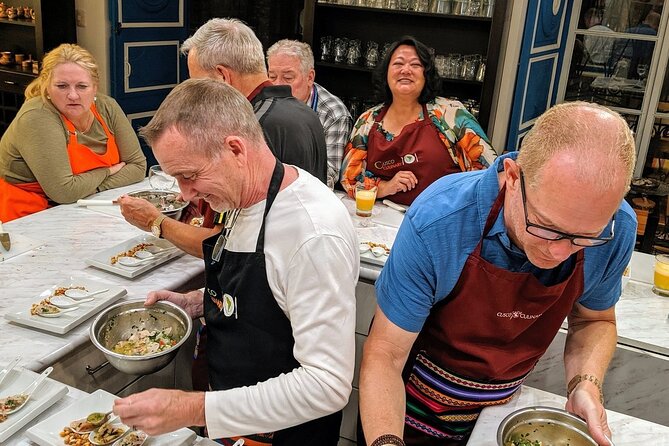
Cusco Cooking Classes and San Pedro Market Tour
Read our review →
Peruvian Cooking Class, Cocktails & Local Market Tour
Read our review →
Hands-on Peruvian Cooking Class & San Pedro Market Visit in Cusco
Read our review →
Local Market and Peruvian Cooking Class with Pisco Sour in Cusco
Read our review →