
Reviewed · WORKSHOPS
Cusco: Chocolate Workshop with the Best Local Organic Cacao
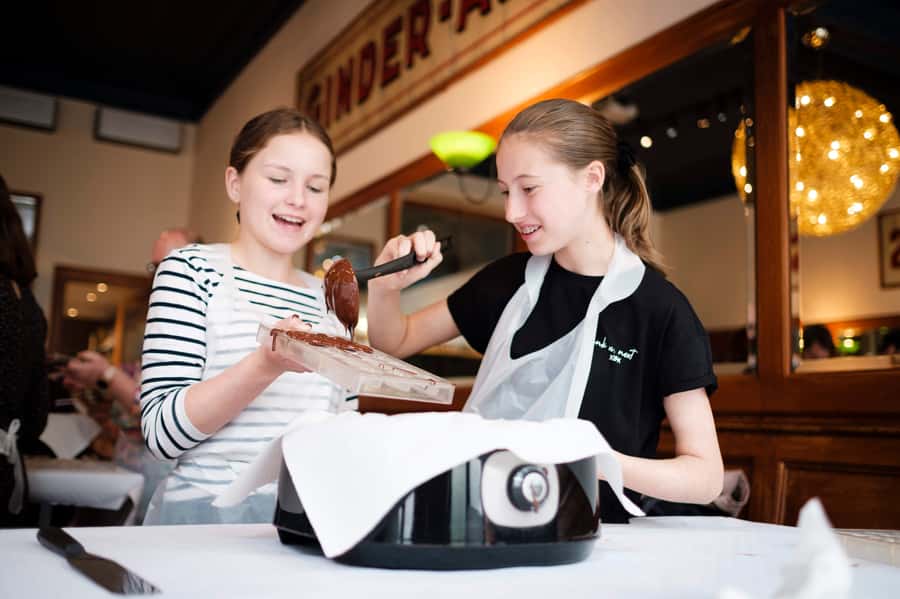
Chocolate tastes better with a view. This two-and-a-half-hour workshop brings Belgian-style pralines and mendiants together with organic Chuncho cacao from the Cusco jungle, making it a hands-on way to learn about Peruvian chocolate. I especially like the chance to make around 21 pralines and 10 mendiants from scratch, then pack them in a personal box to share, if you can resist eating them first.
I also like the friendly teaching style reported from guides including David, Marco, Ken, and Angel, along with the hot chocolate tasting and panoramic setting at Limbus Restobar. The main consideration is that the workshop does not include a look at roasting or opening cacao beans, and one booking was cancelled soon after reservation with a delayed refund reported, so keep an eye on your booking status.
In This Review
- Key things to know before booking
- Starting at Limbus Restobar above Cusco
- Why Chuncho cacao matters in Cusco
- Making Belgian-style pralines from scratch
- Mendiants, toppings, and the final chocolate box
- The hot chocolate break
- What the workshop does well
- What could be better
- Who will enjoy this Cusco chocolate class
- Is $47 a fair price?
- Practical tips for a smoother session
- Should you book the Cusco chocolate workshop?
- FAQ
- Where does the chocolate workshop meet?
- How long does the workshop last?
- What chocolates will I make?
- How much chocolate is included?
- Is hot chocolate included?
- Can children attend the workshop?
Key things to know before booking
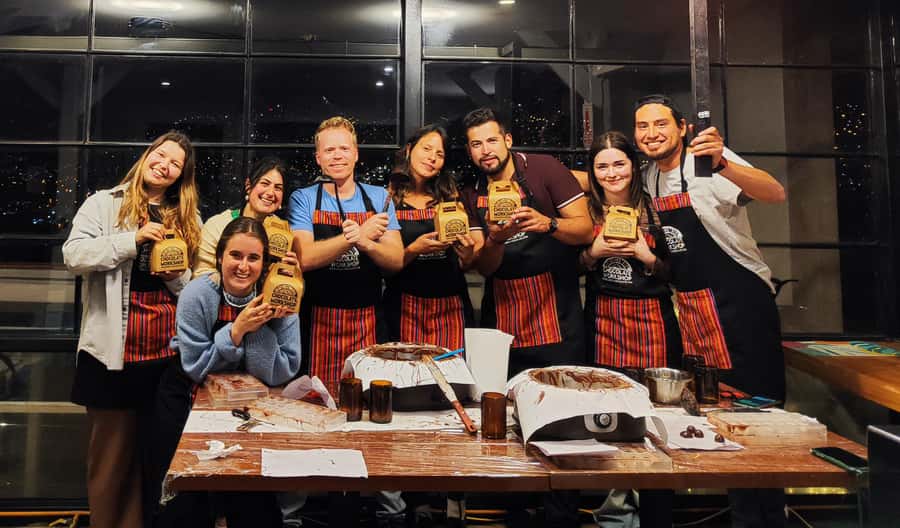
- You make a substantial amount of chocolate: The experience includes 300 grams of chocolate per person, with around 21 pralines and 10 mendiants to take home.
- The cacao is local to the Cusco region: Chuncho cacao comes from the jungle area of Cusco and is presented as one of the world’s best organic cocoas.
- The class takes place at Limbus Restobar: You get a panoramic view of Cusco while working at the chocolate table.
- Fillings are part of the fun: You can use handmade ganache, local jam, and a range of organic local nuts.
- Hot chocolate is included: You learn how to prepare it and taste the finished drink during the class.
- This is for ages 12 and up: Children under 12 and unaccompanied minors are not permitted, and the activity is not suitable for people with diabetes.
Starting at Limbus Restobar above Cusco
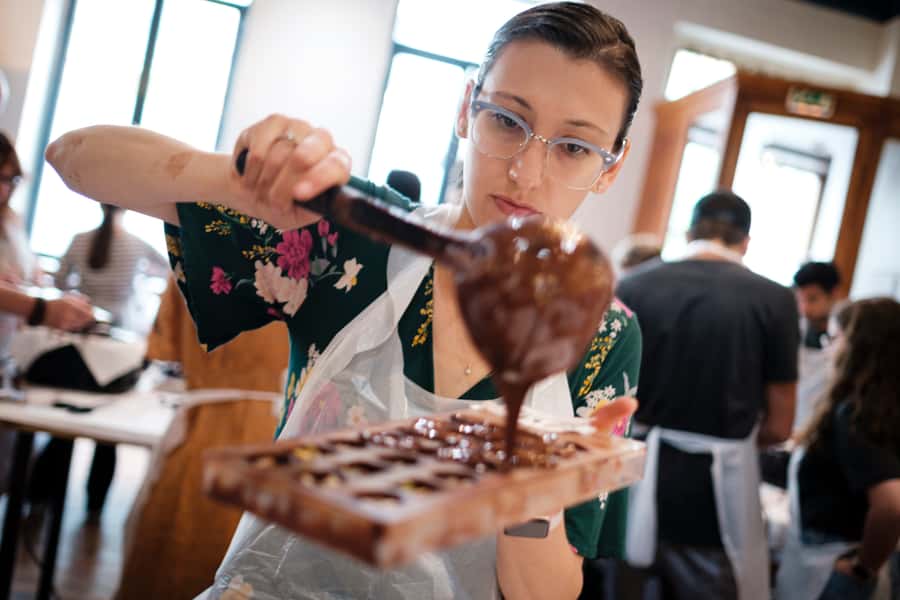
You meet directly at Limbus Restobar, a popular spot with a wide view over Cusco. There is no hotel pickup, so plan to make your own way there and tell the receptionist you are attending the chocolate workshop, or el taller de chocolate. The receptionist directs you to the experience.
That meeting arrangement is simple, but it matters in Cusco. Give yourself enough time to find the restobar rather than arriving at the last minute with chocolate on your mind and no idea where to go. The venue is part of the appeal: you are not working in an anonymous classroom, but in a place with a panoramic city view.
The setting also gives the session a social feel. The workshop is interactive, and the instructors guide you from the first explanation through the final box of chocolates. You should expect to work alongside other participants rather than watch from the side. Spectators are not allowed, so everyone in your group needs to book a place and take part.
A few more Cusco trips worth lining up side by side
- Bean to Bar Chocolate Workshop in ChocoMuseo Cusco
★ 5.0 · 410 reviews - Chocolate Workshop in Cusco with Premium Organic Cacao
★ 5.0 · 75 reviews - 1.5h Cusco Chocolate Workshop – Truffles & Hot Chocolate
★ 4.3 · 8 reviews
Why Chuncho cacao matters in Cusco
The workshop begins with the story of chocolate and the place of cacao in Peru. The focus is local, organic, and artisanal cacao called Chuncho, produced in the jungle of the Cusco region. The class explains why Peruvian chocolate has a character of its own and why Chuncho is regarded here as an especially fine organic cacao.
That local connection gives the workshop more purpose than a standard confectionery lesson. You are not simply melting chocolate and putting it into molds. You are also learning how an important Peruvian product connects the highland city of Cusco with the warmer jungle areas of the same region.
The chocolate focus is also well suited to Cusco. After touring churches, ruins, and cobbled streets, a relaxed food activity gives you a different way to understand the area. You can ask questions, taste the ingredients, and leave with something made by your own hands.
The information is presented in English, Spanish, or French. The instructors have been praised for their humor and warmth, with David receiving especially strong approval for his energy and ability to explain cacao and Peruvian culture. Marco, Ken, and Angel are also named as part of the teaching team at different sessions.
Making Belgian-style pralines from scratch
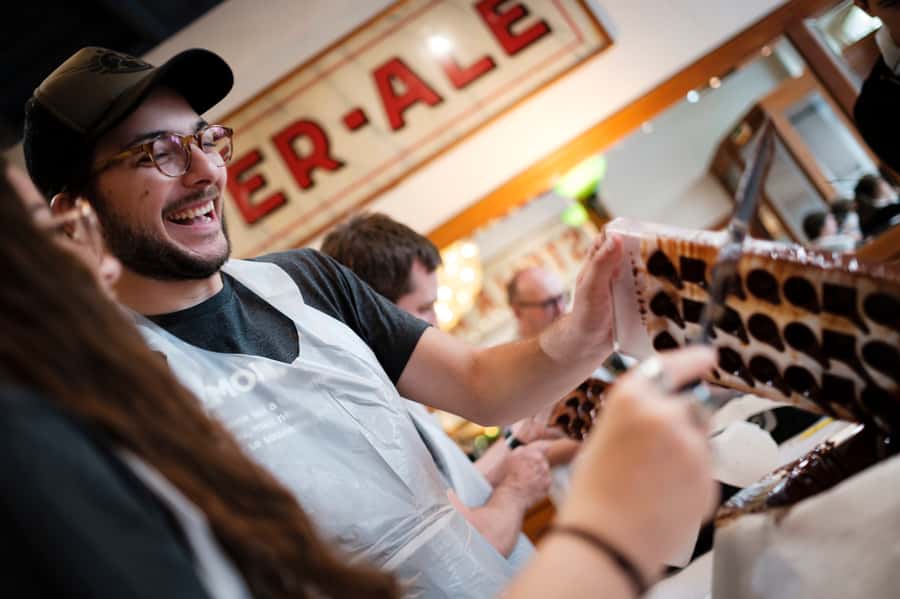
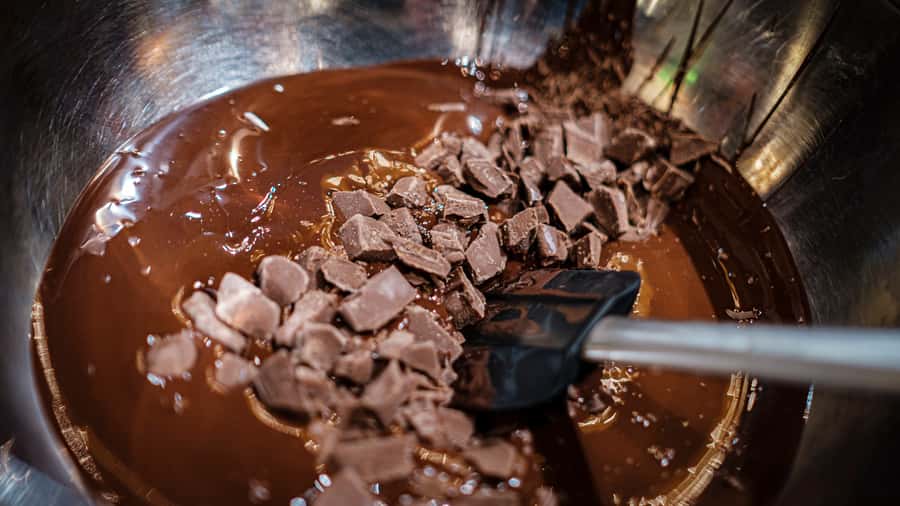
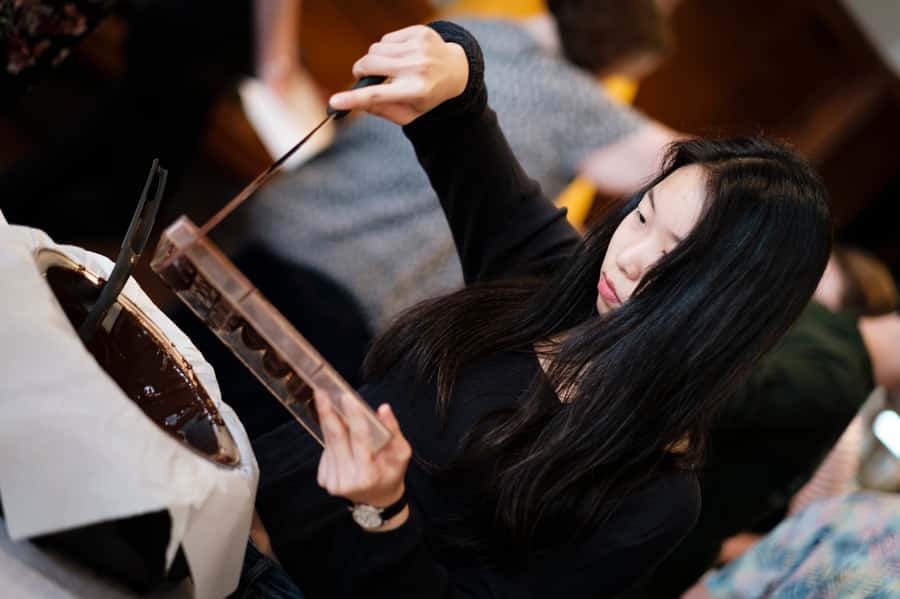
The practical work is the center of the experience. You learn to make pralines in a Belgian style, using chocolate, fillings, and toppings supplied for the class. The process includes making ganache, working with chocolate, and creating the bonbons that will eventually go into your take-home box.
You are not handed a finished product to decorate. The activity is built around making the pralines from the beginning, with help available from start to finish. That makes it a good choice if you enjoy guided crafts but do not want a long technical course.
The class also teaches tempering techniques. Tempering is the part of chocolate work that helps give finished chocolate a smooth appearance and a firm snap, although the supplied details do not specify every technique or piece of equipment used. You should expect demonstrations and close guidance, not professional pastry-school training.
Your fillings can include ganache that you make yourself, homemade local jam, and a broad selection of local and organic nuts. This is where the activity becomes personal. You can try different combinations and make chocolates that look and taste distinct from the next person’s.
The instructors keep the mood light. Strong feedback about David describes a cheerful, funny teacher who adds energy to the class. That matters because chocolate work can become fiddly, especially when you are trying to fill small molds or keep your hands neat. A patient, good-humored guide makes the process easier.
Mendiants, toppings, and the final chocolate box
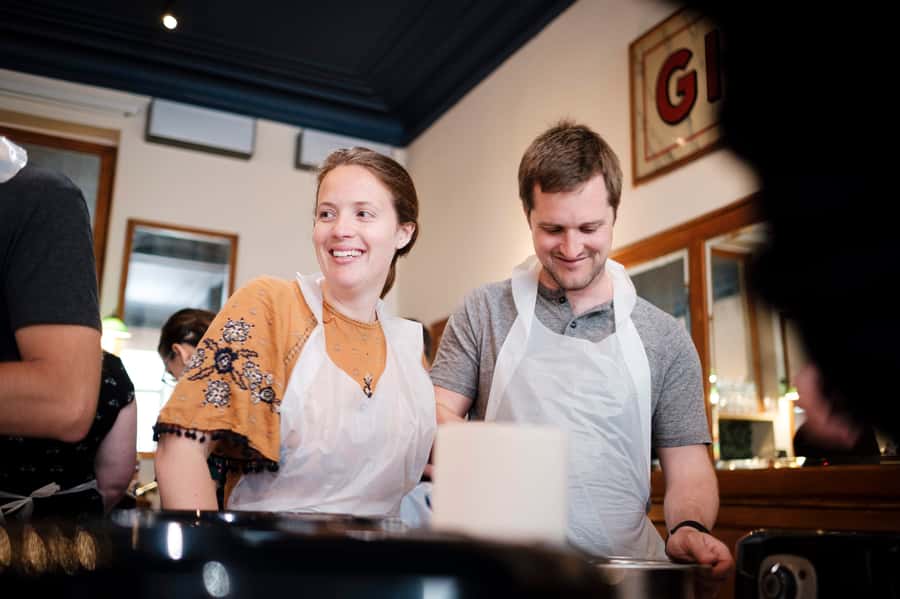
Along with pralines, you make mendiants. These are chocolate pieces finished with toppings, and they offer a simpler format for showing off nuts and other ingredients. The combination gives you two kinds of chocolate to work on: filled bonbons and topped chocolate pieces.
The stated amount is around 21 pralines and 10 mendiants per person. That is a generous result for a 150-minute session. You receive 300 grams of chocolate per person, plus the ingredients and utensils needed for the work.
At the end, your creations go into a personalized box. This is more useful than a small sample handed over in a paper bag. You can carry the chocolates back to your accommodation, share them with family and friends, or keep them as an edible reminder of Cusco.
Do not expect every piece to look professionally made. That is part of the charm. The finished box reflects your own choices and the small mistakes that come with making chocolate by hand. The point is not perfect uniformity. It is the satisfaction of tasting bonbons you helped create with Peruvian cacao.
Also leaving from Cusco, and nothing like the above:
- Classic Inca Trail Trek 4D/3N to Machu Picchu (Group Service)
★ 5.0 · 8,653 reviews - Cusco: Rainbow Mountain and Red Valley Day Trip with Meals
★ 4.9 · 4,893 reviews - Machu Picchu: 4-Day Inca Trail Trek with Panoramic Train Ride
★ 5.0 · 4,568 reviews - Salkantay Classic Trek 5 Days from Cusco
★ 5.0 · 4,062 reviews
The hot chocolate break
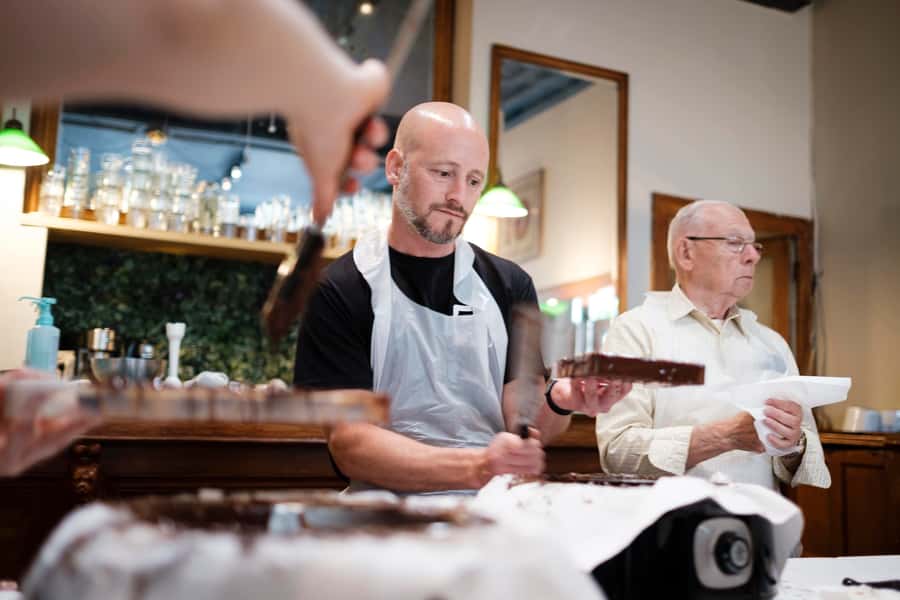
Hot chocolate is included, and you learn how to make it during the workshop. The drink adds a warm pause between the chocolate-making stages and gives you another way to taste the cacao.
One particularly strong comment about the experience praised the hot chocolate. That is useful to know because the drink is not just an extra listed on the schedule. It is part of the flavor lesson, allowing you to compare a prepared beverage with the chocolate used for the pralines and mendiants.
Filtered water is also included. It is a small detail, but helpful during a session that involves tasting, talking, and working with chocolate for two and a half hours.
What the workshop does well
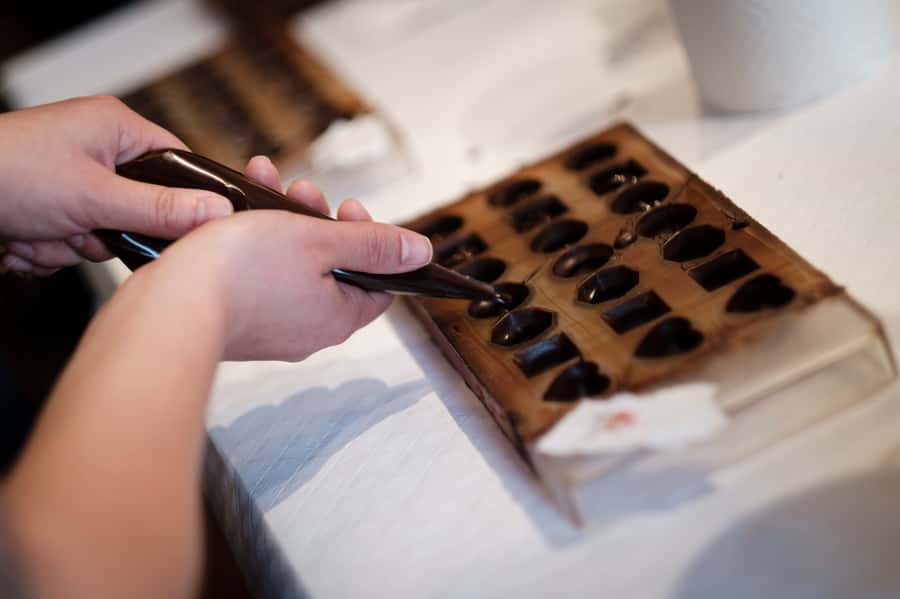
The best part of this experience is its balance of learning and making. You get an introduction to cacao and Peruvian chocolate, but the class does not stop at a talk. You spend much of the time actively preparing your own chocolate.
I also like the amount you take home. Around 21 pralines and 10 mendiants give you plenty to sample later, and the 300-gram chocolate allowance helps explain the $47 price. If you bought a small box of artisan chocolates in Cusco, you would be paying for the finished product alone. Here, the price also covers instruction, ingredients, utensils, hot chocolate, and the activity itself.
The panoramic view from Limbus Restobar adds value without changing the nature of the class. You are not paying for a separate sightseeing stop, but you do get a memorable backdrop while you work.
The social side is another strength. Participants have described the workshop as interactive, friendly, and fun. The instructors use humor, and the class encourages you to participate rather than sit quietly at a demonstration table.
What could be better
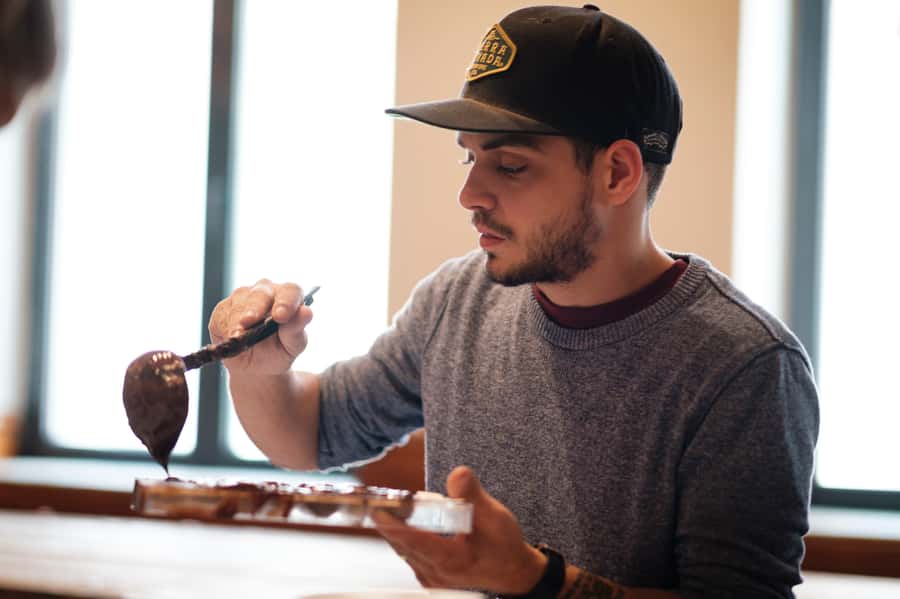
The workshop has a clear limit: it focuses on making chocolates, not on the full production of cacao. One participant would have liked to see the beans roasted and opened. If you want a farm visit, a roasting lesson, or a detailed look at processing cacao from pod to bar, this experience may feel incomplete.
The class is also not suitable for children under 12, and unaccompanied minors are not allowed. That makes it better for adult groups, couples, older children, and anyone who enjoys a hands-on food lesson. People with diabetes should not book this activity according to the stated restrictions.
The booking record also deserves a practical note. One person reported that the event was cancelled a few hours after booking and that a refund had not yet arrived at the time of writing. The activity offers free cancellation up to 24 hours before the start time and a reserve-now, pay-later option, but you should still check your confirmation and monitor any cancellation messages.
Finally, the views are a bonus, not the whole reason to book. If you mainly want a rooftop meal or a long city-view stop, choose the restobar for that purpose. The workshop requires you to spend your time making chocolate.
Who will enjoy this Cusco chocolate class
I would recommend this experience to anyone who likes food, crafts, and local products. It works especially well for couples, friends, families with children aged 12 or older, and solo visitors who enjoy meeting people through a shared activity.
It is also a good rainy-day or rest-day option. You do not need to spend the session walking uphill between Cusco sights. Instead, you get a seated activity with a clear start and finish, a view of the city, and something tangible to bring back with you.
Chocolate fans should appreciate the focus on Chuncho cacao and the chance to taste it in more than one form. People who prefer quiet, private activities should note that the workshop is social and hands-on. You are expected to join in, and there are no spectator places.
If you are seeking advanced pastry instruction, this may be too basic. The emphasis is on an enjoyable introduction, with demonstrations and help along the way. You will learn about cacao, make ganache, work with chocolate, try fillings, prepare hot chocolate, and finish with your own box. You will not leave as a professional chocolatier.
Is $47 a fair price?
At $47 per person, the value is good if you want an activity rather than only a food purchase. The two-and-a-half-hour duration is long enough to feel like a proper part of your Cusco schedule, and the inclusions are practical: 300 grams of chocolate, all ingredients, utensils, instruction, hot chocolate, filtered water, and packaging.
The take-home quantity is the strongest value point. Around 31 individual pieces in total, made with local organic cacao, give you both an edible souvenir and a memory of the class. You also avoid paying separately for a tasting or a box of finished chocolates.
The value is less convincing if your main goal is to visit a cacao farm or understand industrial chocolate production. Neither is part of the activity. You are paying for a city workshop centered on making pralines and mendiants, with the view and cultural explanation adding context.
The reserve-now, pay-later option can help if your Cusco schedule is still changing. Since the experience has a two-and-a-half-hour duration and several possible starting times, check availability against your plans. Free cancellation is available up to 24 hours before the activity, subject to the stated booking terms.
Practical tips for a smoother session
Arrive at Limbus Restobar with enough time to check in at reception. Use the phrase chocolate workshop or el taller de chocolate so staff can direct you to the right place.
Wear something comfortable for a hands-on food activity. The provided information does not state a dress code, but you will be working with chocolate, fillings, and toppings, so clothing that you do not mind wearing during a messy craft session is sensible.
Do not book a place just for a companion who plans to watch. Spectators are not allowed, and each participant needs to take part. For groups with younger children, remember that the minimum age is 12.
Plan some room in your day after the session. The class lasts 150 minutes, and you leave with a box of handmade chocolates rather than a quick sample. It is best treated as a full activity, not a short stop between attractions.
Should you book the Cusco chocolate workshop?
Book it if you want a friendly, practical food experience with a strong local angle. The combination of Chuncho cacao, Belgian-style pralines, homemade fillings, hot chocolate, and a panoramic Cusco setting gives you more than a basic candy-making class.
I would be more cautious if you want to see the entire cacao process, from bean roasting to finished chocolate. That is not the focus, and the class does not include a farm visit. I would also check the booking confirmation carefully because of the reported cancellation and refund problem.
For most food-loving visitors, the generous take-home box makes the $47 price reasonable. You learn something about Peruvian cacao, spend two and a half hours making chocolates with instructors such as David and Marco, and leave with a souvenir you can eat. In Cusco, that is a pretty good way to spend an afternoon.
FAQ
Where does the chocolate workshop meet?
The workshop meets at Limbus Restobar in Cusco. At reception, say you are attending the chocolate workshop, or el taller de chocolate, and the receptionist will direct you.
How long does the workshop last?
The experience lasts 150 minutes, or two and a half hours. Starting times vary, so check availability when booking.
What chocolates will I make?
You will make Belgian-style pralines and mendiants from scratch. The activity includes around 21 pralines and 10 mendiants per person.
How much chocolate is included?
The experience includes 300 grams of chocolate per person, along with all ingredients and utensils needed for the workshop.
Is hot chocolate included?
Yes. You will learn how to make hot chocolate and taste it during the workshop. Filtered water is also included.
Can children attend the workshop?
Children under 12 are not allowed, and unaccompanied minors cannot attend. The activity is also listed as unsuitable for people with diabetes.
Added recently around Cusco
- Guided tour of the mountain of colors in Cusco★ 5.0 · 11 reviews
- 2-Day Private Short Inca Trail to Machu Picchu★ 5.0 · 15 reviews
- City Tour Cusco – Group★ 5.0 · 4 reviews
- Tour Sacred Valley with Maras and Moray★ 5.0 · 15 reviews
- San Pedro Market Tour with Peruvian Cooking Class★ 5.0 · 31 reviews
- Walking Culinary Experience★ 5.0 · 41 reviews
- City Tour in Cusco★ 4.5 · 10 reviews
- One Day Tour to Humantay Lagoon★ 5.0 · 8 reviews
Workshops, compared.
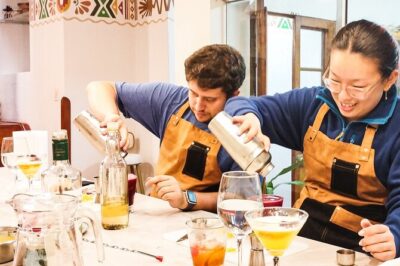
Peruvian Cooking Class Cocktails and Market Tour in Cusco
Read our review →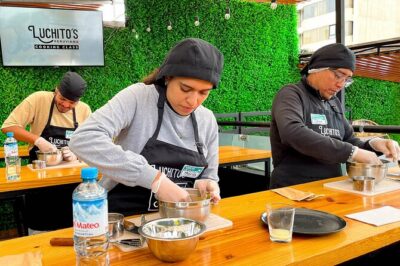

Peruvian Cooking Class, Local Market Tour & Exotic Fruit Tasting
Read our review →
Cusco Cooking Classes and San Pedro Market Tour
Read our review →
Peruvian Cooking Class, Cocktails & Local Market Tour
Read our review →
Hands-on Peruvian Cooking Class & San Pedro Market Visit in Cusco
Read our review →
Bean to Bar Chocolate Workshop in ChocoMuseo Cusco
Read our review →
Local Market and Peruvian Cooking Class with Pisco Sour in Cusco
Read our review →Browse the lists this tour appears in