
Reviewed · SACRED VALLEY TOURS
Cusco: City Tour with Inca Archaeological Treasures
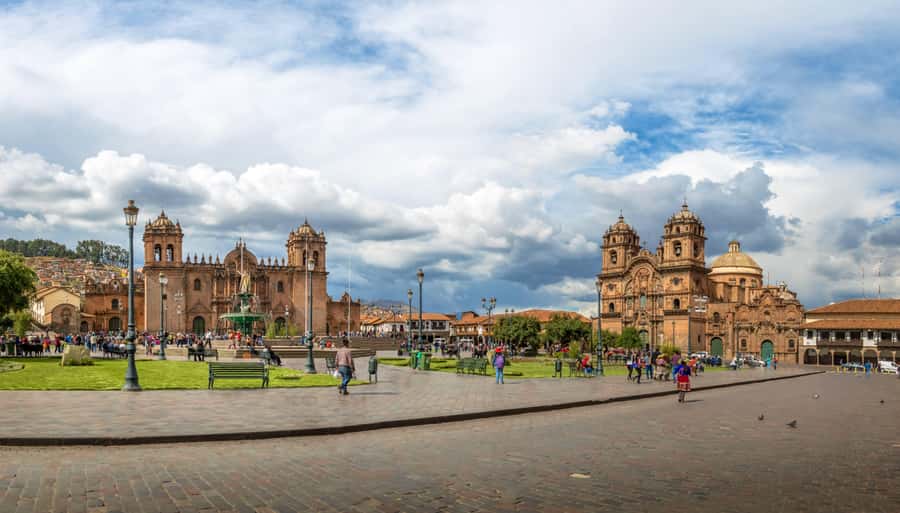
The Incas left their best clues in stone. This four-hour Cusco tour links the Temple of Qoricancha with five major archaeological sites, giving you a quick but meaningful look at the empire that shaped the Andes. I like the smart route: begin in the city center, then climb into the hills for Sacsayhuamán, Q’enqo, Puca Pukara, and Tambomachay. I also like the guide-led explanations, which help turn impressive ruins into places with purpose.
The main catch is the extra cost of entrance tickets. The $27 price covers transport and guiding, but you must pay for Qoricancha and the Cusco Tourist Ticket separately. Pickup is included only for hotels in central Cusco, and one recent pickup problem occurred after a hotel change made less than 24 hours before departure.
In This Review
- Key points to know before booking
- A fast way to understand Cusco
- Qoricancha: where Inca and Spanish Cusco meet
- Sacsayhuamán: Cusco’s unforgettable stonework
- Q’enqo: a smaller site with a ritual focus
- Puca Pukara: a checkpoint above the old capital
- Tambomachay: water, purification, and a calm finish
- What the guide and vehicle add
- Ticket costs and the real value
- Prepare for sun, altitude, and stone paths
- Who will get the most from this half-day tour?
- Should you book the Cusco City Tour?
- FAQ
- How long does the Cusco City Tour last?
- What sites are included?
- Is hotel pickup included?
- What languages are available?
- Are entrance tickets included in the price?
- What does the $27 price include?
- What should I bring?
- Can I cancel for a full refund?
Key points to know before booking
- Five major Inca sites in four hours: See Qoricancha, Sacsayhuamán, Q’enqo, Puca Pukara, and Tambomachay in one compact outing.
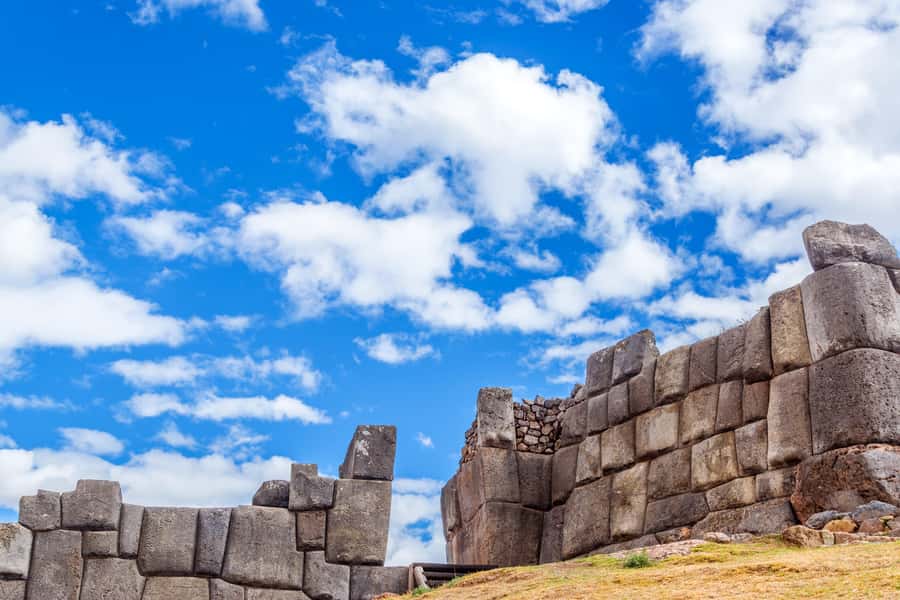
- Sacsayhuamán is the star stop: Gigantic fitted stones, some reaching 9 meters high and weighing more than 350 tons, make this the tour’s big visual moment.
- A useful first-day orientation: The mix of colonial Cusco, sacred temples, military ruins, water shrines, and hillside views helps you understand the city quickly.
- Tickets are not included: Budget another 20 soles for Qoricancha and 70 to 120 soles for the Cusco Tourist Ticket, unless you already have valid entry.
- Bilingual guiding adds the most value: Tours are offered in English or Spanish, with guides such as Joel and Luis praised for clear explanations and good group management.
- Bring sun protection and water: Cusco’s strong sunlight, altitude, and stone paths make sunglasses, a hat, sunscreen, comfortable shoes, snacks, and drinks sensible choices.
A fast way to understand Cusco
Cusco can feel confusing at first. Spanish churches sit on Inca foundations, narrow streets rise toward hills, and important ruins are scattered beyond the central plaza. This tour gives you a useful framework in half a day.
You begin in central Cusco, then visit a major Inca temple before traveling by tourist transport to the hilltop ruins. The order matters. Qoricancha introduces the spiritual and political importance of the Inca capital, while the outer sites show how the city was protected, supplied, and connected to religious practice.
I see this as an orientation tour rather than a slow archaeological study. You get guided visits, photo opportunities, and time to look around, but four hours is still a tight schedule for five major stops. One booking ran about an hour longer than planned, which can be good if you enjoy extra time, but it may affect a later appointment.
The tour has earned a perfect 5 rating from 28 bookings, and the praise is consistent: strong guiding, comfortable transport, striking ruins, and a good balance between walking and resting. That does not erase the ticket costs or the compact schedule, but it suggests the basic experience is well organized.
More City Tours in Sacred Valley
- Cusco in 3 days: city tour, Rainbow Mountain and Machupicchu
★ 4.9 · 7 reviews - From Cusco: City Tour in Cusco – Sacsayhuamán and Koricancha
★ 3.0 · 4 reviews - 4-Day: All Included Excursion City Tour, Sacred Valley & MachuPicchu
★ 5.0 · 40 reviews
Qoricancha: where Inca and Spanish Cusco meet
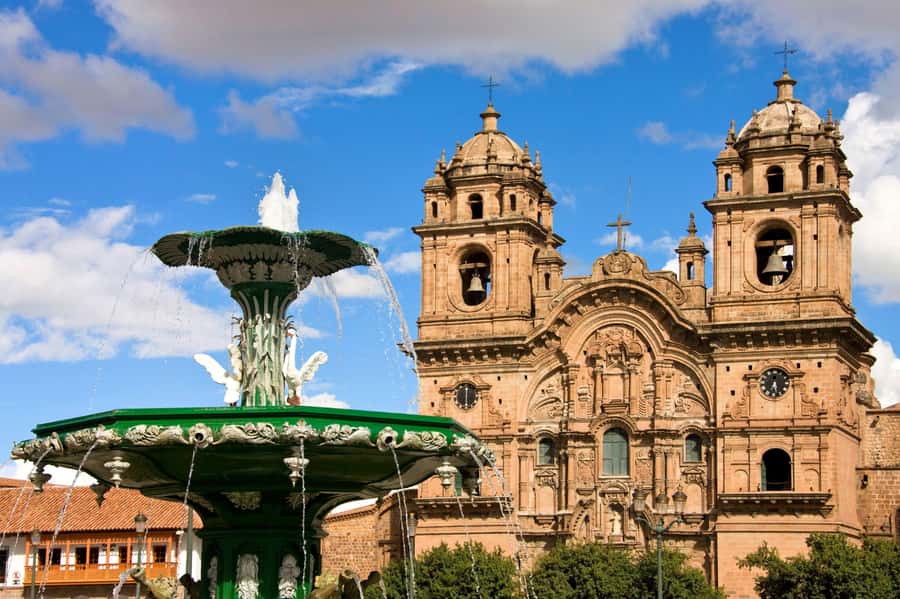
The tour starts at Qoricancha, also called the Temple of the Sun. This was the most important religious center in the Inca Empire, and its location in central Cusco makes it an ideal first stop.
Inside, you see Inca stonework alongside art from the Cusco School. The contrast is the point. Spanish colonial religious art occupies a place that once held great Inca importance, so Qoricancha lets you see the two major layers of Cusco in one building.
Your guide can provide the context that the walls alone cannot. The temple was not simply a pretty structure. It represented the central role of the sun, ritual, power, and the imperial capital. The tour description also highlights the remarkable construction, so pay close attention to the joints and the clean lines of the stone.
Qoricancha requires a separate 20-sol entry ticket. That extra fee is modest compared with the total cost of a Cusco trip, but it changes the value calculation. If you want only exterior views and ruins, the ticket may feel like an annoyance. If you want to understand how Inca and Spanish culture occupy the same physical space, it is worthwhile.
The optional Cusco Cathedral visit costs another 20 soles. It is not part of the core route, so you can decide based on your interests and remaining time.
Sacsayhuamán: Cusco’s unforgettable stonework
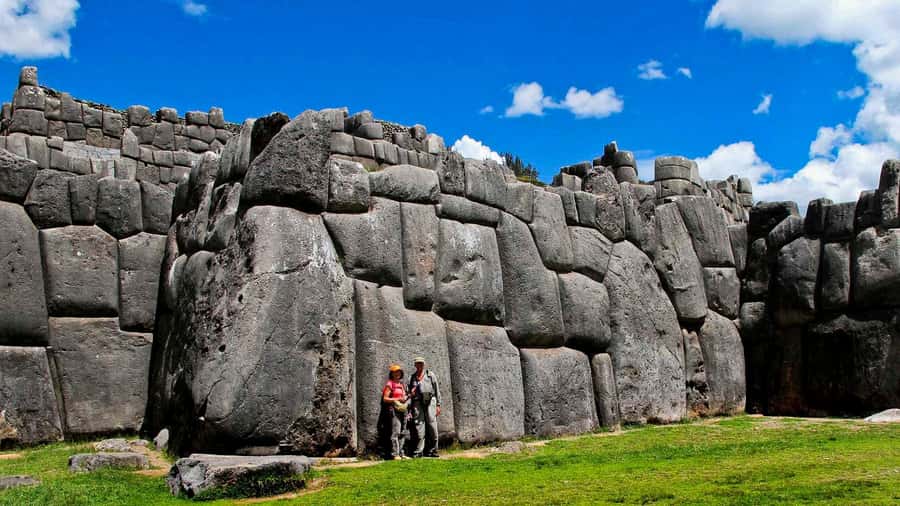
Sacsayhuamán is the tour’s strongest stop. The scale is hard to grasp in photographs. Some stones reach 9 meters high and weigh more than 350 tons, yet the blocks fit together with remarkable precision.
I would give this site your full attention. Look at the irregular joints, the enormous wall courses, and the way the construction follows the hill. The site is often described as a fortress, but it also had ceremonial importance. It is the main setting for Inti Raymi, the Festival of the Sun held each June 24.
The tour includes a guided visit and time for photographs. Several of the strongest comments focus on the stonework, the engineering, and the views from the hills. That makes sense: Sacsayhuamán offers both a close look at Inca building skill and a broad view back toward Cusco.
The ground here is uneven stone, so comfortable shoes matter. You may also feel the altitude more strongly once the vehicle climbs away from the city center. Walk at a calm pace, drink water, and do not treat the site like a race.
If you have only a few hours in Cusco, this is the place most likely to stay with you. It also gives your guide a chance to explain how the Incas moved and fitted massive stones, an issue that several participants found especially fascinating.
Q’enqo: a smaller site with a ritual focus
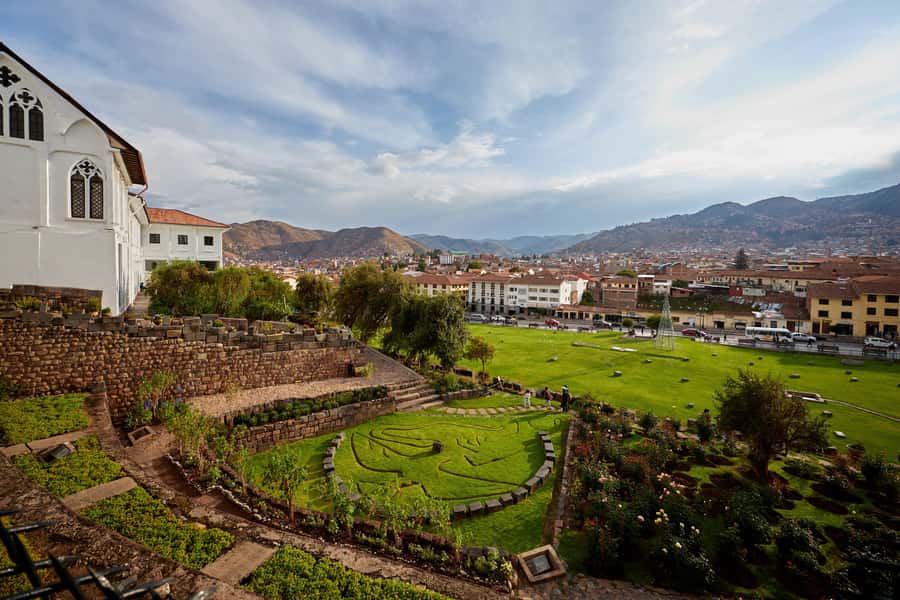
Q’enqo is less massive than Sacsayhuamán, but it adds a different layer to the tour. This was a ceremonial center where rituals and offerings took place.
The site includes carved stone features and spaces that invite questions about ritual use. The guide’s role matters here because Q’enqo can be harder to interpret on your own. Without explanation, you may see a collection of carved surfaces and chambers. With context, the place becomes part of the wider religious system around Cusco.
Do not expect a long, relaxed visit at every stop. The whole route fits into half a day, so Q’enqo works best as a focused stop rather than a long independent exploration. One useful feature of the schedule is its balance: you alternate between major ruins, shorter visits, and time in the vehicle.
One participant singled out Q’enqo as a favorite, along with Tambomachay. That is a good reminder that the largest monument is not always the most interesting one. Q’enqo offers a quieter look at the ceremonial side of Inca life.
More Ruins & Archaeology Tours in Sacred Valley
- Machu Picchu Private Archaeological and Historical Guided Tour
★ 5.0 · 86 reviews - Private Ollantaytambo, Pisac Ruins Tour with Farm Visit, Gourmet Picnic Lunch
★ 5.0 · 52 reviews - Sacred Valley Moray Ruins & Maras Salt Mines Tour From Cusco (Half Day Tour)
★ 5.0 · 24 reviews - From Cuzco: Salt Mines and Moray Ruins ATV Adventure
★ 4.3 · 15 reviews
Puca Pukara: a checkpoint above the old capital
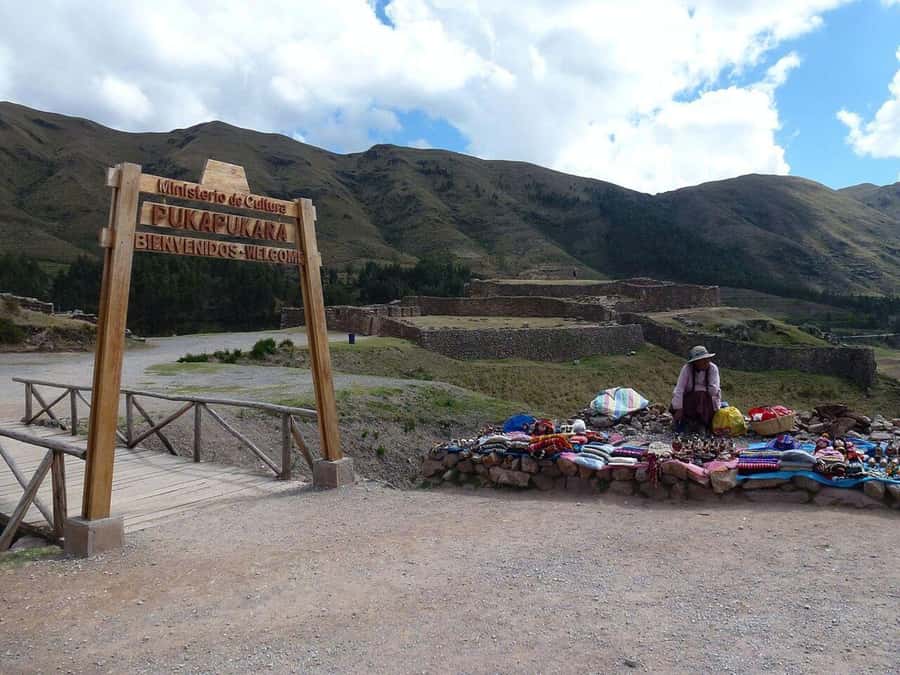
Puca Pukara served as a military construction, checkpoint, and lookout near the approaches to Cusco. Its position helps explain how the imperial capital was monitored and connected to routes through the surrounding hills.
This stop includes a break, a guided visit, and time for photos. That pause is welcome during a route with several archaeological sites. You can step out, look across the surroundings, and let the guide connect Puca Pukara to the wider road system.
The ruins are not as visually overwhelming as Sacsayhuamán. Their value comes from function. Here, you are looking at infrastructure and control rather than a grand temple or ceremonial setting.
This is also one of the places where the tour’s transport becomes useful. The sites are outside the central streets, and visiting them independently would require arranging separate transport. With the group vehicle, you can move between stops without spending your limited morning or afternoon negotiating rides.
Tambomachay: water, purification, and a calm finish
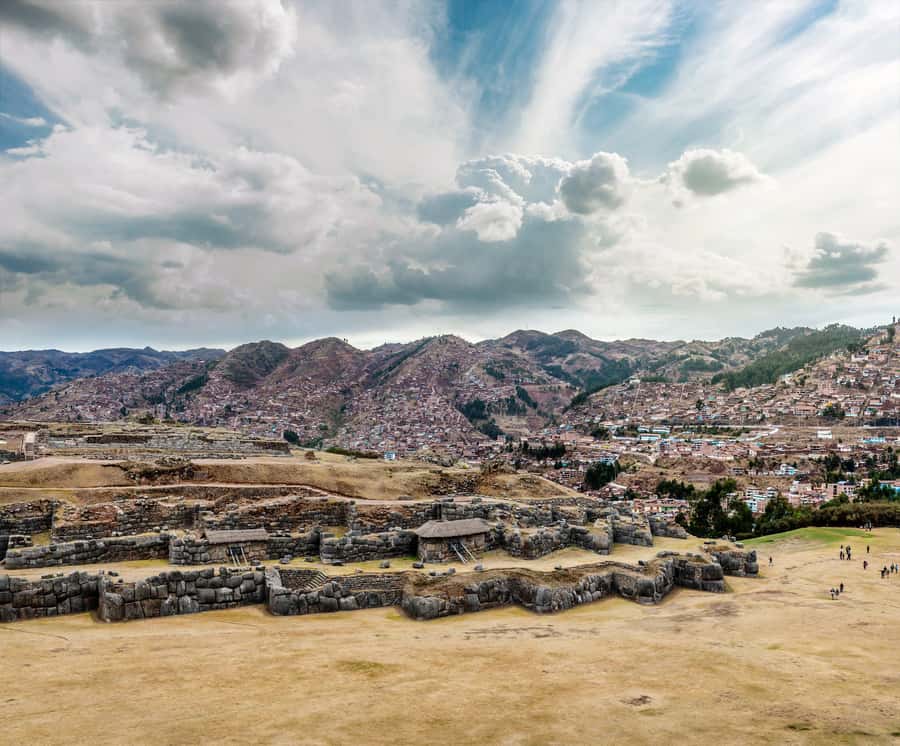
Tambomachay is dedicated to the worship of water. Its channels, fountains, and carefully built stone features connect water with purification, rest, and mysticism.
The site often feels like a fitting end to the archaeological portion because it is quieter in character than Sacsayhuamán. Your guide can explain how water shaped both practical life and religious thought in the Inca world. Simon, one of the participants, especially appreciated explanations about Inca water systems and astronomy, and those subjects fit naturally into this stop.
Tambomachay also shows why a guide improves this outing. Water flowing through stone channels is easy to admire, but the meaning behind the design gives the visit more weight. You are not just seeing an old fountain. You are looking at a place where engineering and belief worked together.
The tour returns to central Cusco after Tambomachay. Since the schedule is advertised at four hours, I would avoid booking a tight connection immediately afterward. The route may run longer, especially if the group needs extra time or pickup takes longer than expected.
What the guide and vehicle add
The $27 base price includes hotel pickup in downtown Cusco, tourist transportation, a bilingual guide, and guided visits at the sites. That is a fair price for a route covering several places outside the center, especially if you value having one vehicle and one guide throughout.
The strongest part of the service is the explanations. Joel handled a large bilingual group well and kept the information clear. Luis received praise for his command of the subject, and other guides were described as friendly, energetic, and able to answer questions with useful detail.
That range of comments points to the main reason to choose a guided tour instead of arranging the route alone. The ruins are impressive without commentary, but the guide explains why each site exists and how the pieces relate. You learn about religion at Qoricancha and Tambomachay, defense at Puca Pukara, ceremony at Q’enqo, and engineering at Sacsayhuamán.
Transport also helps with the pace. The route includes walking and standing at archaeological sites, followed by rides between them. That makes it easier than trying to cover the same ground on foot from central Cusco.
The tradeoff is group dependence. A large bilingual group may move more slowly, and explanations may alternate between English and Spanish. Joel’s handling of a large group was praised, but the format may not suit you if you want a private guide or complete control over how long you spend at each ruin.
Ticket costs and the real value
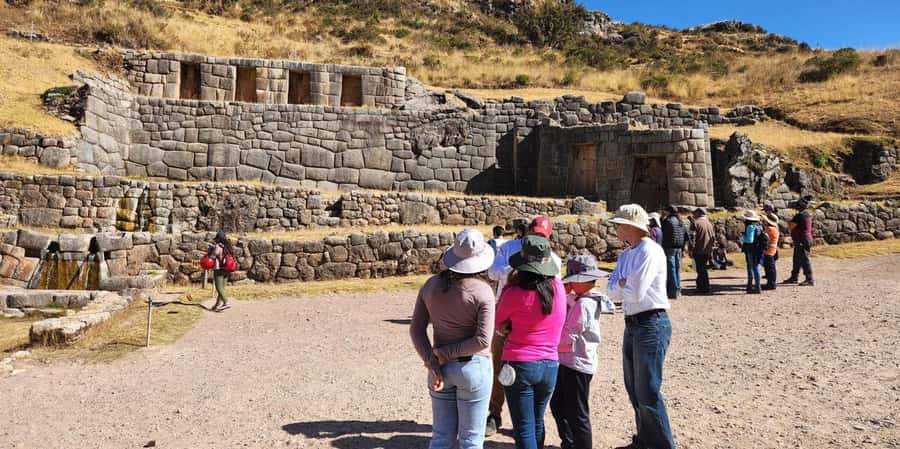
At $27 per person, the tour has a low starting price. But you should calculate the full cost before booking.
You pay 20 soles for Qoricancha. You also need the Cusco Tourist Ticket, priced at 70 to 120 soles, unless you already purchased and can use one from another tour. The optional Cusco Cathedral visit adds 20 soles.
The ticket system can make the advertised price look lower than the actual outing. Even so, the transport and guiding cover a lot in four hours. If you want all five archaeological sites and do not already have transport arranged, the package remains good value.
The tour is especially useful if you have just arrived in Cusco and want a clear introduction before choosing longer excursions. It also works well for a short stay, since you see the city center, hills, ruins, and several types of Inca architecture in one session.
I would be less enthusiastic if you already plan a separate tour covering the same five sites with a private guide. In that case, the main benefit is convenience, not exclusive access or a slower pace.
Prepare for sun, altitude, and stone paths
Bring your passport, comfortable shoes, sunglasses, a sun hat, and sunscreen. The information also lists a hat separately, but the practical point is simple: protect your head and eyes.
Snacks and drinks are recommended. Four hours is not a full-day outing, but moving between several sites can make the time pass quickly. Carrying water is especially sensible in Cusco’s high-altitude setting.
Pickup is included from a hotel in downtown Cusco. If you change hotels, tell the operator as early as possible. A late hotel change caused a pickup mix-up for one booking, even though the vehicle and driver were otherwise rated highly.
Free cancellation is available up to two days before the tour for a full refund. Starting times vary, so check availability for the date you want.
This is not presented as a specialist hiking tour. Still, you should expect some walking, uneven ground, and time outside. If you prefer a slower pace, ask how much time is planned at each site before you commit.
Who will get the most from this half-day tour?
I would recommend it to first-time visitors who want a broad introduction to Cusco without giving up a full day. It suits anyone interested in Inca engineering, sacred sites, colonial and pre-Columbian culture, and good photo stops.
It also fits people who prefer structure. You do not need to plan separate rides to five sites or work out which ticket applies to each place. The guide provides the historical thread, while the vehicle handles the hills.
Families and mixed-age groups may appreciate the balance between riding and walking, although the uneven ruins and altitude still require a sensible pace. The tour can also suit history fans who want a compact overview before visiting other parts of the Cusco region.
I would hesitate if you want a private, quiet experience, dislike fixed schedules, or have only a narrow window before another booking. I would also check the ticket situation first, since the extra fees are not optional for the included sites.
Should you book the Cusco City Tour?
Book it if you want to see the essential Inca sites around Cusco in one well-priced, guided outing. Sacsayhuamán alone is a powerful reason to go, while Qoricancha, Q’enqo, Puca Pukara, and Tambomachay give you a fuller picture of religion, defense, water, and imperial design.
Go early in your stay if possible. The route gives you a useful map of Cusco’s ancient and colonial layers, which can make later sightseeing easier to understand.
Skip it if you already have a detailed private visit planned or want to spend a long time at each site. For most first-time visitors, though, the mix of transport, clear guiding, and major ruins makes $27 a sensible starting point, provided you budget for the entrance tickets and allow some flexibility beyond the four-hour estimate.
FAQ
How long does the Cusco City Tour last?
The tour lasts four hours. One booking ran about an hour longer than scheduled, so avoid planning an immediate appointment afterward.
What sites are included?
The route visits Qoricancha, Sacsayhuamán, Q’enqo Archaeological Complex, Puca Pukara Archaeological Complex, and Tambomachay.
Is hotel pickup included?
Yes. Pickup is included from hotels located in downtown Cusco.
What languages are available?
The live guide is available in English or Spanish.
Are entrance tickets included in the price?
No. Qoricancha requires a separate 20-sol ticket. The Cusco Tourist Ticket costs 70 to 120 soles, unless you already have a valid ticket. The optional Cusco Cathedral visit costs 20 soles.
What does the $27 price include?
The price includes tourist transportation, downtown hotel pickup, a bilingual guide, and guided visits.
What should I bring?
Bring your passport, comfortable shoes, sunglasses, a sun hat or hat, sunscreen, snacks, and drinks. You should also bring your Cusco Tourist Ticket if you already have one.
Can I cancel for a full refund?
Yes. You can cancel up to two days in advance for a full refund.
More Sacred Valley Days Out
- Cusco:Sacred Valley Pisaq,Ollantaytambo,Chinchero with Lunch
★ 4.8 · 183 reviews - Valle Sagrado:Chinchero, Moray, Maras, Ollantaytambo y Pisac
★ 4.5 · 116 reviews - Machu Picchu: Group Guided Tour
★ 4.7 · 102 reviews - Machu Picchu: Tour Guide Service & Entrance Ticket Circuit-2
★ 4.6 · 90 reviews
More Ruins and Archaeology near Urubamba
- Cusco: Half-Day City Tour with Sacsayhuaman and Q’enco
★ 4.6 · 1,129 reviews - City Tour Cusco Qoricancha Sacsayhuaman y Tambomachay
★ 4.7 · 617 reviews - Cusco City Tour Four Ruins in Half-Day
★ 5.0 · 530 reviews - Lima: Pachacamac Ruins & Barranco Half-Day Guided Tour
★ 4.6 · 296 reviews
Added recently around Urubamba
- Super Sacred Valley★ 3.8 · 6 reviews
- Machupicchu 2025: The best ticket Circuit 2★ 3.5 · 6 reviews
- Machu Picchu: 1-day tour by Vistadome Panoramic train★ 4.7 · 15 reviews
- Machu Picchu: historical and photographic guided tour★ 4.9 · 27 reviews
- Private Guide in Machu Picchu for 3 Hours★ 4.2 · 17 reviews
- from Urubamba & Ollantaytambo:Sacred Valley Full-Day Private★ 4.9 · 31 reviews
- Cusco: Sacred Valley and Salt Mines Ending in Ollantaytambo★ 4.6 · 5 reviews
- From Cusco: City Tour in Cusco – Sacsayhuamán and Koricancha★ 3.0 · 4 reviews
Sacred Valley Tours, compared.
Sacred Valley & Maras Salt Mines Tour with Lunch
Read our review →
Moray, Maras Salt Mines & Chinchero Weavers Tour
Read our review →
2-Day Tour: Sacred Valley and Machu Picchu by Train
Read our review →
Sacred Valley, Pisac, Ollantaytambo, Salt Mines Moray
Read our review →
Chinchero,Moray & Salt Mines drop-off in Ollantaytambo
Read our review →
Sacred Valley and Maras Moray Tour with Full Day Buffet Lunch
Read our review →

Browse the lists this tour appears in