
Reviewed · SACRED VALLEY TOURS
Sacred Valley Moray Ruins & Maras Salt Mines Tour From Cusco (Half Day Tour)
Sacred sites, salt pools, and mountain roads. This private half-day outing packs three very different sides of the Cusco region into about seven hours: Chinchero’s terraces and weaving traditions, the circular terraces of Moray, and the striking salt pans of Maras. I like the mix of archaeology and living culture, and I like that your own guide and driver can shape the pace around your group.
The tour’s strongest feature is its personal service. Guides such as Bernabé, Willy, Carlos, and Jonathan have been praised for clear storytelling, patience, and a warm manner. I also like the private transport, which saves you from managing several taxi rides through the Sacred Valley. The main drawback is that admission tickets are not included, and the stop times in the published schedule are not fully clear, so confirm the day’s exact plan before setting out.
In This Review
- Key points to know before you go
- Why this private Cusco tour works well
- Chinchero: terraces, temples, and living weaving
- Maras salt mines: thousands of small pools on a mountain slope
- Moray: circular terraces and ancient crop experiments
- The guide can make or break the experience
- Transport, timing, and the value of $105
- What to confirm before booking
- Who should book this half-day outing?
- Should you book it?
- FAQ
- How long does the tour last?
- What time does the tour begin?
- Is this a private tour?
- What transportation is included?
- Is a tour guide included?
- Are entrance tickets included?
- Is lunch included?
- Can I cancel for a full refund?
Key points to know before you go
- Three distinct stops in one day: Chinchero, Moray, and the Maras salt mines each offer a different view of Andean life and history.
- Private touring: Only your group participates, with private transportation and a dedicated guide.
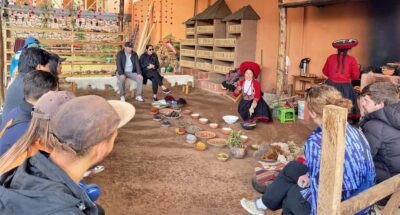
- Living textile culture: Chinchero includes a visit with a local family and an Andean weaving demonstration.
- Strong guide praise: Bernabé, Willy, Carlos, Jonathan, and other guides have earned special praise for history, humor, patience, and local insight.
- Budget for entrance fees: Tickets are separate, and lunch is optional rather than included.
- A good short option from Cusco: The tour begins at 8:00 a.m. and lasts about seven hours, making it useful when your schedule is tight.
Why this private Cusco tour works well
Cusco offers enough archaeological sites to fill several days, but many visitors have only a short window before Machu Picchu or another part of Peru. This tour gives you a concentrated look at the Sacred Valley without committing to a long full-day circuit that may include many extra stops.
The private format matters. You are not locked into a large coach group or forced to keep pace with strangers. If your group wants more time at the ruins, more photos at Maras, or a shorter stop at a market, you can discuss that with the guide. Carlos, for example, was praised for walking at the group’s pace and never pressuring anyone to buy anything.
The guide is a major part of the value. A good explanation turns Moray from a set of round stone terraces into a place connected to farming, climate, crops, and ritual. At Chinchero, the visit can move beyond old walls and show how Andean traditions continue in local homes today.
The schedule begins at 8:00 a.m. and runs for approximately seven hours. That is enough time for the three advertised stops, transport, and explanations, but it is not an unhurried, whole-day exploration of the Sacred Valley. You are paying for focus and convenience rather than a slow, broad tour of every major site.
More Ruins & Archaeology Tours in Cusco
- Cusco: Half-Day City Tour with Sacsayhuaman and Q’enco
★ 4.6 · 1,129 reviews - City Tour Cusco Qoricancha Sacsayhuaman y Tambomachay
★ 4.7 · 617 reviews - Cusco City Tour Four Ruins in Half-Day
★ 5.0 · 530 reviews
Chinchero: terraces, temples, and living weaving
Chinchero is the first stop, and it gives the tour its best connection between the past and present. The town lies between Cusco and Urubamba, in the Sacred Valley region. Its archaeological remains include farming terraces and temples linked to pre-Inca cultures and later Inca use.
The site was connected mainly with agriculture and religious activity, although it may also have served as a country retreat. That combination makes Chinchero useful early in the day. You begin with the practical work of growing food, then see how farming, worship, and local settlement fit together.
The terraces are more than attractive stonework. They show how Andean societies shaped steep ground for cultivation. Your guide can help you read the site as an active farming system instead of a collection of ruins. The religious areas add another layer, since Andean life did not separate farming from ceremony as sharply as modern visitors often do.
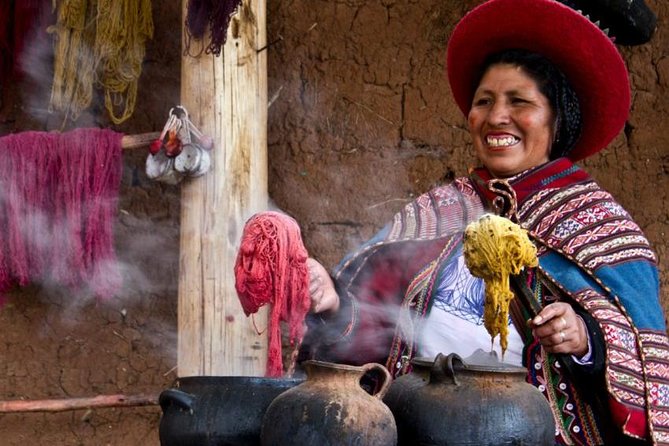
The visit also includes time with a local family for an Andean textile demonstration. This is one of the most valuable parts of the outing because it puts local craft beside the archaeology. You can see how weaving remains tied to identity, community, and daily life rather than existing only as a souvenir display.
A practical point: the Chinchero visit is listed as lasting about two hours, and that is the one stop with a clearly stated longer duration. Admission is not included, so ask your tour company what ticket you need and how much it costs before the morning begins. The supplied information does not give the exact entrance fee.
You should also expect the family visit to include a possible shopping element, since textiles are often demonstrated and offered locally. The good sign here is that the tour’s praised guides, including Carlos, were described as avoiding pressure to buy. Still, you should feel free to enjoy the demonstration without treating it as an obligation to purchase.
Maras salt mines: thousands of small pools on a mountain slope
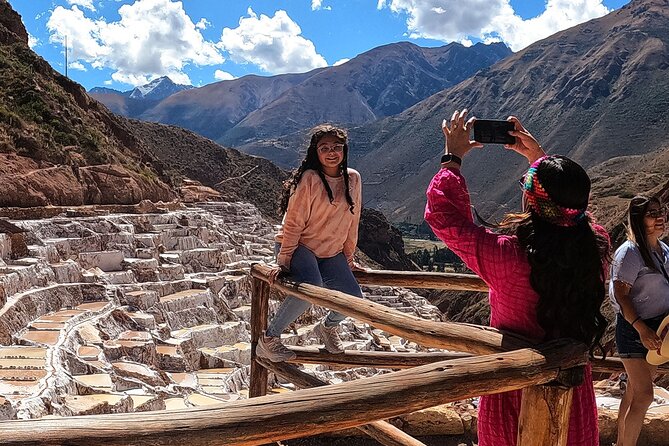
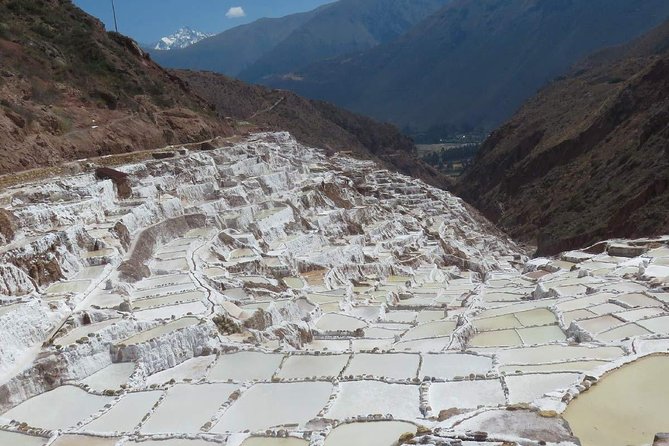
The Maras salt mines are the most visually unusual stop. They sit northwest of the town of Maras on the slope of a hill, where roughly 5,000 small salt pools catch attention with their bright, geometric shapes.
Salt water flows from a natural spring above the pools. During the dry season, the water moves through the system, then evaporates and leaves salt crystals behind. Families have inherited the pools over many generations, and the workings are believed to date back to the period of the Tahuantinsuyo, the Inca state.
This is a working place, not just an archaeological display. The value comes from seeing a simple natural source managed through a carefully maintained network of small basins. The view is especially good for photographs because the pools form a dense pattern across the hillside.
The scheduled stop is shown as only one minute, which clearly does not match the practical purpose of visiting the site. Treat that figure as a likely timing error and confirm how much time you will actually have there. The tour description specifically promises time for photographs and the chance to take home a salt souvenir, so the real visit must allow more than a quick glance.
Admission is separate here as well. Bring room in your budget for the entry charge, and remember that the salt souvenir is an optional purchase. If you want the best photos, ask your guide about the viewing area and how long the group can stop without affecting the rest of the schedule.
The salt mines can also be a welcome change of pace after Chinchero. Chinchero asks you to think about people and tradition; Maras gives you a compact lesson in water, sun, work, and family ownership. The two stops balance each other well.
Moray: circular terraces and ancient crop experiments
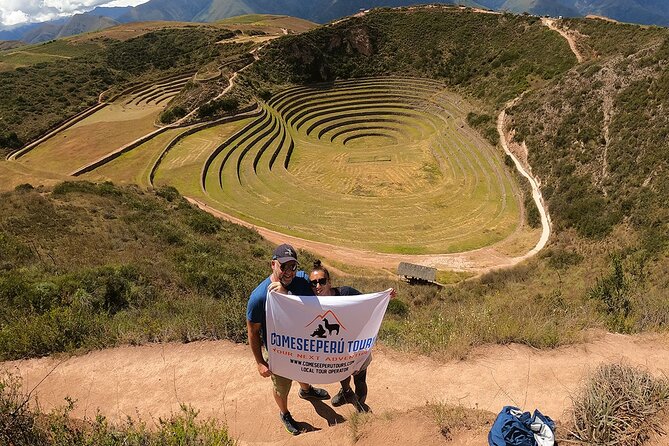
Moray is about seven kilometers from Maras and is the most distinctive archaeological site on the route. Its great circular terraces descend into the earth in broad rings, with irrigation channels built into the system.
The common explanation presents Moray as a kind of agricultural testing ground. Ancient Andean farmers may have used the terraces to study crops in different conditions, helping improve plants from various altitude zones. The supplied tour material also connects Moray with the wide range of potatoes, corn, and other crops developed and cultivated in the Andes.
Your guide’s interpretation matters here. Without context, the terraces can look like a giant amphitheater. With a clear explanation, you begin to see why the depth, shape, water channels, and changing conditions could have mattered to farming. The site also has a religious side and remains linked with offerings to Pachamama, or Mother Earth.
That mix of science, farming, and ceremony is what makes Moray memorable. It resists a simple label. You are not just seeing an old ruin, and you are not just seeing an agricultural machine. You are seeing a place where food production and spiritual life were closely connected.
The stop’s published duration is listed as two minutes, another figure that appears too short to describe a normal visit. Confirm the actual time with the operator. You will want enough time to view the terraces, hear the explanation, and take photographs without feeling hurried.
Moray also sits at high elevation, as do many sites around Cusco. The provided information does not state exact altitude guidance, so you should follow the advice you have already received for adjusting to the Cusco region. Your private guide can also help set a comfortable walking pace.
More Ruins & Archaeology Tours in Sacred Valley
- Private Ollantaytambo, Pisac Ruins Tour with Farm Visit, Gourmet Picnic Lunch
★ 5.0 · 52 reviews - From Cuzco: Salt Mines and Moray Ruins ATV Adventure
★ 4.3 · 15 reviews - Full day tour of Sacsayhuaman,Q’enQo, Puka Pukara, and Sacred Valley Tour
★ 5.0 · 10 reviews - From Cusco: Private Pisac Ruins and Alpaca Farm Day Trip
★ 5.0 · 9 reviews
The guide can make or break the experience
The strongest praise for this company centers on its guides. Bernabé is repeatedly described as patient, passionate, and skilled at bringing the sites to life. One account highlights a piece of Pan Chuta bread shared at the start of the drive, along with the farm and people of Chinchero, Moray’s views, and the salt pools.
Carlos was praised for personal stories, walking at the group’s pace, and keeping the mood welcoming. Willy received similar praise for explaining Inca culture, present-day Peruvian life, and local customs with humor and patience. Jonathan was singled out for telling strong stories about the Inca people and making sure a large family understood the background of each site.
These details matter more than a polished vehicle or a long list of stops. Moray and Chinchero need explanation. A guide who only gives dates and names will leave you with photographs but little understanding. A guide who connects farming, ceremony, craft, and modern community life gives the route meaning.
Guide assignments can change, so you should not book solely on the expectation of one named person. Still, the repeated praise for the guiding team suggests that the company’s main strength is its human service. Drivers also receive positive comments, especially for safe and reliable driving.
Transport, timing, and the value of $105
The listed cost is $105 per person. That price is easier to justify for a small group than for one or two people, because private transportation and a dedicated guide are shared across your party. The tour does not include lunch, entrance tickets, or tips, so your actual spending will be higher.
For value, compare what you are buying. You receive private transport, a guide, a seven-hour route, and three major stops without needing to arrange separate rides from Cusco. You also get a flexible format that can suit families, couples, and groups with different walking speeds.
The price is less attractive if you want only a quick visit to one site or if you are comfortable arranging public transport and hiring separate guides. It is more attractive if you are new to the area, have limited time, or want someone else to handle the road between Cusco, Chinchero, Maras, and Moray.
The tour is advertised as private, so only your group participates. That means you can ask questions freely and avoid the fixed rhythm of a large bus. It also means your group carries the full per-person cost, so a larger party may find the price easier to accept.
Lunch is optional and not included. Since the route lasts about seven hours, ask how lunch fits into your exact plan. The available information does not name a restaurant or provide a meal price, so do not assume a specific dining stop.
What to confirm before booking
The tour data has a few timing points that need clarification. Chinchero is given two hours, while Maras is listed at one minute and Moray at two minutes. Those latter figures are not enough for a meaningful visit, so confirm the intended time at each location before paying.
Also confirm the meeting arrangement. The stated start time is 8:00 a.m., but no single pickup address is provided in the information available here. Ask where the driver will meet you in Cusco and how the company handles hotel pickup.
Admission tickets are not included. Ask for the current prices and which tickets apply to Chinchero, Maras, and Moray. This avoids carrying too little cash or discovering extra costs on the morning.
Free cancellation is available if you cancel at least 24 hours before the start time. A cancellation inside that window is not refundable, and changes made less than 24 hours before departure are not accepted. Cutoff times follow local time in Peru.
The tour allows service animals, is near public transportation, and is described as suitable for most people. Those details do not replace a personal mobility assessment, especially since archaeological sites may involve uneven ground. If anyone in your group has a mobility concern, ask the operator for a site-by-site answer.
Who should book this half-day outing?
I would choose this tour if you want a private introduction to three important places without spending a full day on a larger Sacred Valley circuit. It suits first-time visitors who want context, families who benefit from a flexible pace, and small groups heading onward to another town or attraction.
It is also a good fit if you care about present-day culture, not only ruins. The Chinchero textile demonstration and the family-based salt pools give the day a human scale.
I would look elsewhere if you want a slow archaeological study, a long market visit, or a guaranteed lunch experience. The seven-hour schedule covers a lot, but it is still a compact route. Confirm the timing first, especially for Maras and Moray.
Should you book it?
Book this tour if you value private transport, strong guiding, and a smart mix of archaeology and living Andean culture. The repeated praise for Bernabé, Willy, Carlos, Jonathan, and the drivers points to a company that puts real effort into explanation and personal service.
The decision is less clear if $105 feels high before entrance fees and lunch. In that case, price the complete day, not just the advertised rate. For a group that wants convenience and a guide who can connect Moray’s terraces, Chinchero’s farming traditions, and Maras’s family salt pools, this is a useful and well-focused way to spend one day near Cusco.
FAQ
How long does the tour last?
The tour lasts approximately seven hours.
What time does the tour begin?
The stated start time is 8:00 a.m.
Is this a private tour?
Yes. Only your group participates in the activity.
What transportation is included?
Private transportation is included.
Is a tour guide included?
Yes. A tour guide is included.
Are entrance tickets included?
No. Admission tickets are not included in the listed price.
Is lunch included?
No. Lunch is optional and is not included.
Can I cancel for a full refund?
Yes, if you cancel at least 24 hours before the experience start time. Cancellations made less than 24 hours before the start time are not refunded.
More Sacred Valley Days Out
- From Cusco: Moray, Maras Salt Mines & Chinchero Weavers Tour
★ 4.8 · 1,925 reviews - 2-Day Tour: Sacred Valley and Machu Picchu by Train
★ 5.0 · 1,127 reviews - Cusco: Sacred Valley, Pisac, Ollantaytambo, Salt Mines Moray
★ 4.6 · 1,058 reviews - Cusco:Chinchero,Moray & Salt Mines drop-off in Ollantaytambo
★ 4.8 · 793 reviews
More Ruins and Archaeology near Cusco
- Cusco: City Tour | Half-Day Tour to 4 Archaeological Sites
★ 4.6 · 206 reviews - Cusco City Sightseeing and Sacsayhuaman Archeological Park Tour
★ 4.5 · 101 reviews - Cusco: Historical Guided City Tour with 4 Inca Ruins
★ 4.5 · 99 reviews - Cusco 4-Hour Private Tour Including Sacsayhuaman and Qenqo
★ 5.0 · 77 reviews
Added recently around Cusco
- Guided tour of the mountain of colors in Cusco★ 5.0 · 11 reviews
- 2-Day Private Short Inca Trail to Machu Picchu★ 5.0 · 15 reviews
- City Tour Cusco – Group★ 5.0 · 4 reviews
- Tour Sacred Valley with Maras and Moray★ 5.0 · 15 reviews
- San Pedro Market Tour with Peruvian Cooking Class★ 5.0 · 31 reviews
- Walking Culinary Experience★ 5.0 · 41 reviews
- City Tour in Cusco★ 4.5 · 10 reviews
- One Day Tour to Humantay Lagoon★ 5.0 · 8 reviews
Sacred Valley Tours, compared.
Sacred Valley & Maras Salt Mines Tour with Lunch
Read our review →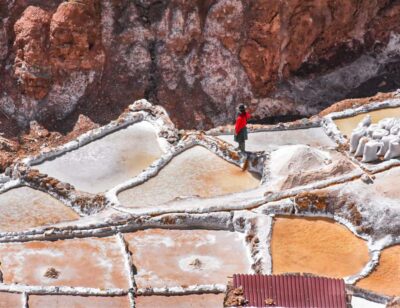
Moray, Maras Salt Mines & Chinchero Weavers Tour
Read our review →
2-Day Tour: Sacred Valley and Machu Picchu by Train
Read our review →
Sacred Valley, Pisac, Ollantaytambo, Salt Mines Moray
Read our review →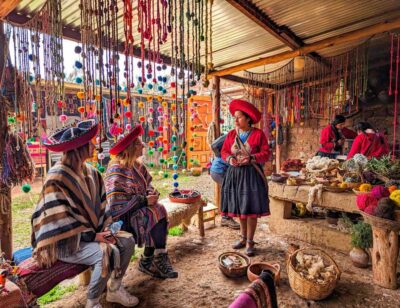
Chinchero,Moray & Salt Mines drop-off in Ollantaytambo
Read our review →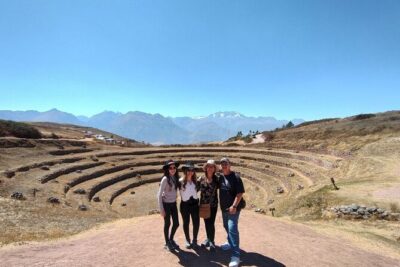
Sacred Valley and Maras Moray Tour with Full Day Buffet Lunch
Read our review →

Browse the lists this tour appears in