
Reviewed · HISTORICAL TOURS
Day Hike Cusco Historical Outskirts
Ruins, farms, and big Cusco views fit one morning. I like the route’s mostly downhill 7-kilometer walk, and I like that entrance tickets, transport to Tambomachay, and hotel drop-off are included. The main catch is that easy does not mean effortless: you still need to walk for several hours over rough, sometimes unmarked paths while carrying your own water and supplies.
This half-day outing gives you a useful introduction to three important sites north of Cusco without spending a full day in a vehicle. The small group, capped at eight people, should allow for a more personal guide service, and Adios Adventure Travel has earned strong praise for its guides, planning, punctuality, and care on other Peru trips. Just remember that this is an outdoor hike, not a gentle city stroll.
In This Review
- Key things to know before you go
- Why this Cusco hike works so well
- Tambomachay: water, ritual, and a quiet beginning
- The 7-kilometer route through countryside
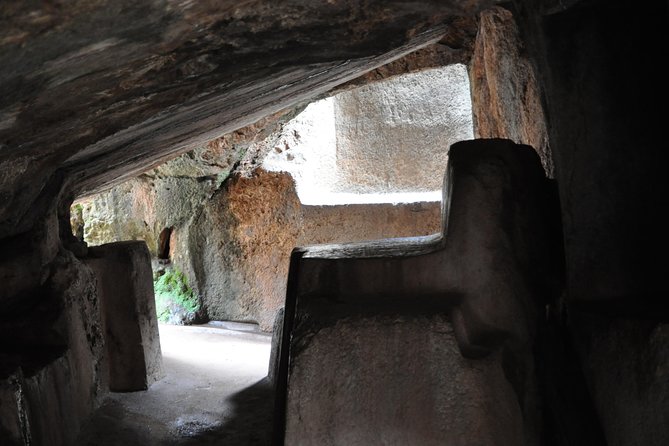
- Q’enqo: a stone sanctuary with a darker purpose
- Sacsayhuaman: the grand finish above Cusco
- Returning to your hotel on foot
- What the $70.77 price includes
- What to pack for the morning
- Who should book this experience?
- Guide quality and the Adios Adventure Travel touch
- Booking, cancellation, and final practical notes
- Should you book the Cusco Historical Outskirts hike?
- FAQ
- How long does the Cusco Historical Outskirts hike take?
- How far do you walk?
- Is the route difficult?
- What does the price include?
- Is hotel pickup available everywhere in Cusco?
- What should I bring?
Key things to know before you go
- Start high at Tambomachay: A 20-minute drive takes you to Inca waterworks and the beginning of the downhill route.
- Walk about 7 kilometers: The path passes farms and rural countryside before reaching Q’enqo and Sacsayhuaman.
- Visit three major sites: Guided stops include Tambomachay, Q’enqo, and Sacsayhuaman, with admission included.
- Bring your own supplies: Water, snacks, rain gear, sun protection, and a hat are your responsibility.
- Expect a small group: The experience accepts no more than eight people.
- Good for active families and older hikers: It is intended for people who can walk for roughly five hours and carry a small daypack.
Why this Cusco hike works so well
Cusco offers plenty of tours where you ride from ruin to ruin, step out for a few photos, then return to town. This experience takes a different approach. You see the same important sites, but the spaces between them become part of the outing.
The route begins outside the city and gradually brings you back toward Cusco on foot. You pass through rural ground and farms, then arrive at archaeological sites with wide views toward the city. That change in setting helps you understand how Cusco sits among the surrounding hills rather than treating the ruins as isolated attractions.
I also like the timing. Pickup takes place between 8:00 and 8:30 a.m., with the activity beginning around 8:30. The walk and site visits should bring you back to your hotel around 1:00 to 2:00 p.m., leaving the afternoon open for lunch, museums, markets, or a well-earned rest.
The tour is offered in English, and a full-time guide accompanies you from pickup through drop-off. The company’s broader service has received especially warm praise for guides such as Vidal, who is described as friendly, attentive, and good with families and teenagers. That matters here because a walking tour depends on the guide doing more than reciting facts. You want someone who can set a comfortable pace, explain what you are seeing, and help you manage the altitude and uneven footing.
More Hiking Tours in Cusco
- Classic Inca Trail Trek 4D/3N to Machu Picchu (Group Service)
★ 5.0 · 8,653 reviews - Machu Picchu: 4-Day Inca Trail Trek with Panoramic Train Ride
★ 5.0 · 4,568 reviews - Salkantay Classic Trek 5 Days from Cusco
★ 5.0 · 4,062 reviews
Tambomachay: water, ritual, and a quiet beginning
The first stop is Tambomachay, reached after about 20 minutes by vehicle from central Cusco. Its name is commonly translated as guest house, though the site is best known for its carefully built water channels, aqueducts, terraces, and small waterfalls.
The Inca connected water with ritual, purity, and political power. Tambomachay is traditionally associated with bathing and religious ceremonies by the Inca ruler. Your guide leads the first tour here before you set off on foot.
This is a calm place to begin. The water features are more delicate than the huge stonework at Sacsayhuaman, and the setting feels less crowded and more open. Pay attention to how neatly the channels are laid out. The engineering is easy to miss if you only look for large walls.
The stop is listed at about 40 minutes, including the guided visit. That should give you time to hear the explanation, look at the waterworks, and get ready for the walk.
Because Tambomachay is the high starting point, take the first part slowly. Cusco sits at high altitude, and even a downhill route can feel demanding if you have only just arrived. Keep water handy, breathe steadily, and do not treat the first kilometer as a race.
The 7-kilometer route through countryside
After Tambomachay, the route heads toward Q’enqo through farms and rural countryside. Much of the walking is downhill, which is the main reason the outing is classified as easy.
That label needs a little translation. You will not be scrambling over rocks or making steep descents, but the surface can be rough and some sections use unmarked paths. You need stable shoes, a reasonable sense of balance, and enough energy to remain on your feet for several hours.
The walking time also includes stops for guided tours. You are not simply covering 7 kilometers without pause, but the total activity lasts about four to five hours. If you usually enjoy walking but are not a regular hiker, this should be manageable at a steady pace. If your knees dislike downhill walking, the route may feel more tiring than the word easy suggests.
I would pack a small backpack rather than a shoulder bag. You need both hands free for balance and comfort, especially on rougher sections. Carry enough water for the entire activity because bottled water is not included.
The open countryside is one of the best parts of the experience. You get a look at the edges of Cusco and the agricultural ground around the ruins instead of seeing only roads and parking areas. The views toward the city become more appealing as you walk closer to Sacsayhuaman.
Q’enqo: a stone sanctuary with a darker purpose
Q’enqo follows the countryside section and receives about an hour of guided attention. The site is associated with sacrifices and mummification, giving it a different mood from the water-centered Tambomachay.
The name is often linked with a zigzag shape, and the site includes carved rock, channels, and ceremonial spaces. Your guide’s explanation is especially useful here because the remains do not always announce their purpose. A short walk around the stones will not tell you why certain surfaces were shaped or how the spaces may have been used.
This stop also gives you a strong view over Cusco. Take time to look beyond the ruins. The point of walking between the sites becomes clear here: the city, fields, hills, and archaeological remains all sit within one connected setting.
Q’enqo can be a good moment to eat a snack and drink water, but bring food that travels well. There is no lunch included, and the tour does not provide snacks. A small meal or substantial snack before pickup is wise, especially if you are planning to continue sightseeing afterward.
More Historical Tours in Cusco
- Cusco: Historic Walking Tour with Pisco Sour and Local Music
★ 5.0 · 190 reviews - Cusco: Historical Guided City Tour with 4 Inca Ruins
★ 4.5 · 99 reviews - Cusco Highlights Walking Tour: History, Culture, Traditions
★ 4.9 · 72 reviews - Cusco: Historic Walking Tour with Pisco Sour and Music Show
★ 4.6 · 65 reviews
Sacsayhuaman: the grand finish above Cusco
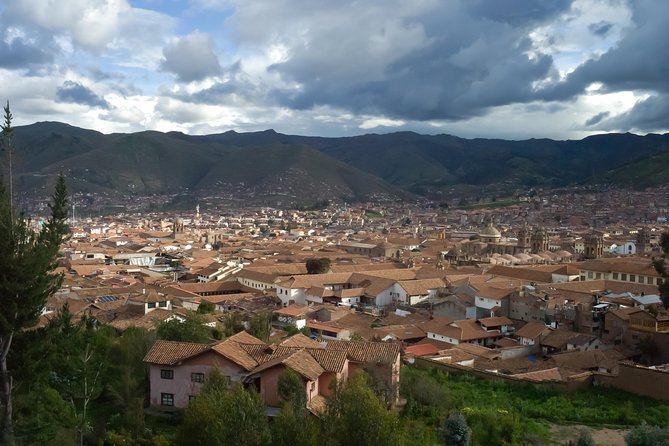
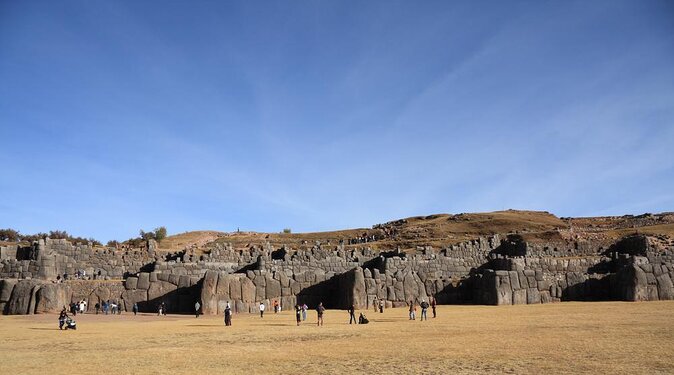
Sacsayhuaman is the final major stop and the largest site on this route. The tour allows about 90 minutes here, which is appropriate because the complex deserves more than a quick look.
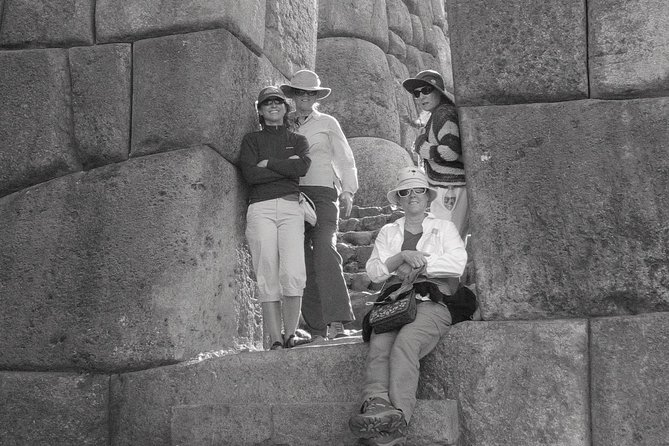
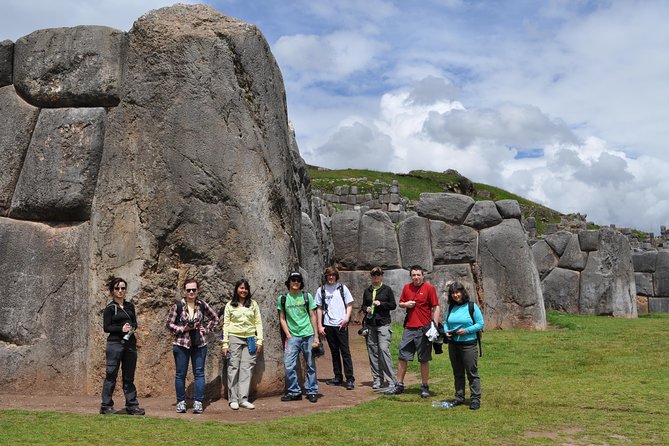
The earliest construction began with the Killke culture around 1100 A.D., and the Inca later expanded the site. Its massive stones are the main attraction. Some blocks are larger than a car, and their close-fitting joints remain striking even after you have seen photographs.
The scale is hard to grasp from one viewpoint. Walk slowly along the walls and notice how the stone courses shift in shape. The walls use interlocking forms rather than simple straight lines, a design that helped create strength and gave the complex its famous zigzag appearance.
The construction is traditionally said to have taken more than 50 years and involved over 20,000 workers. Your guide can place that effort in context, explaining how the site functioned and why it mattered to the Inca state.
Sacsayhuaman is also the best place for the broadest views of Cusco. From here, the city spreads below you, making this a strong final stop before walking back to your hotel.
One practical point: Sacsayhuaman is not a tiny ruin that you can finish in ten minutes. The time passes quickly if you want photographs, a close look at the walls, and a proper explanation. Wear sun protection because open archaeological sites offer limited shade.
Returning to your hotel on foot
After Sacsayhuaman, the experience concludes with a walk back to your hotel in Cusco. The return is part of the design, not an extra transfer. You finish by moving from the archaeological zone into the city rather than being collected at the final site.
The exact hotel service applies to properties in central Cusco. The pickup description uses the JW Marriott as a reference point, but the company says you should disregard that if you are staying elsewhere in the city center. Pickup is available from your own central hotel lobby.
Hotels outside the central area and properties in the Sacred Valley are not included in the pickup zone. Check this before booking if you are staying beyond central Cusco.
A hotel finish is useful after a warm, dusty, or tiring walk. You can leave extra clothing or supplies in your room and avoid arranging a taxi from Sacsayhuaman. The one-way transport is only to the start, while the return is on foot.
What the $70.77 price includes
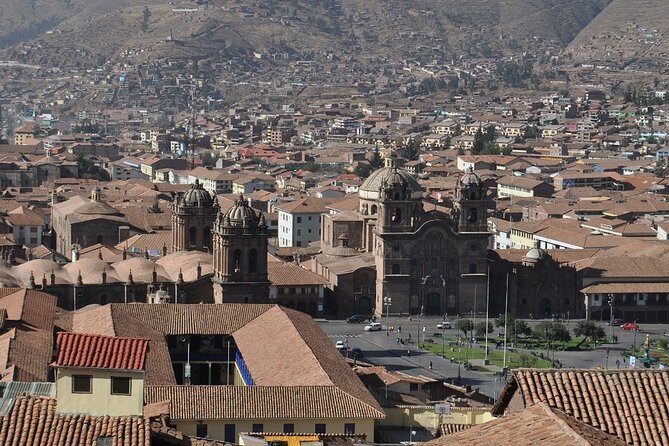
At $70.77 per person, the cost is reasonable if you value a guide and want three archaeological sites handled in one morning. You are paying for admission to Tambomachay, Q’enqo, and Sacsayhuaman, transport from your hotel to the starting point, and guide service from pickup through the return to your hotel.
The value is strongest for people who would otherwise need to arrange separate taxis, buy site tickets, and work out the walking route themselves. The guide also provides the historical context that makes Q’enqo and Sacsayhuaman more than piles of impressive stones.
The price does not include bottled water, snacks, or lunch. Those costs are small, but the omission matters because you need enough food and drink for the full four to five hours. Pack before pickup rather than assuming you can buy supplies along the way.
The small maximum group of eight adds value. It should make it easier to hear the guide and ask questions than on a large coach tour. The company’s wider reputation for careful logistics and prompt guides also supports the price, though the specific experience should still be judged as a half-day excursion rather than a full private tour.
What to pack for the morning
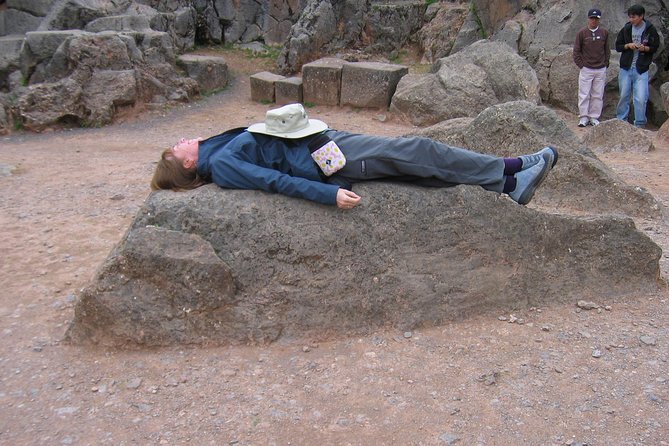
You are responsible for carrying what you need, so prepare the night before. Your backpack should include:
- Enough drinking water for four to five hours
- Snacks, since no food is supplied
- Sunscreen and a hat
- Rain gear
- A camera if you want one
- Comfortable walking shoes with a secure sole
Cusco weather can shift quickly, and the tour specifically asks you to bring rain protection. Sun protection matters too. Do not let the downhill profile fool you into wearing thin city shoes or carrying only a phone and wallet.
Dress in layers if possible. The morning start at Tambomachay may feel different from the warmer city streets later in the day. The route does not require technical hiking gear, but you should be comfortable walking over uneven ground.
Who should book this experience?
This hike suits adults who want archaeological sites with a little countryside walking between them. It also fits active older children and active senior citizens who can walk for several hours and carry a small daypack.
Families may appreciate the short duration and the fact that the guide stays with the group. The company’s wider trips have included children, teenagers, and older adults, with guides adapting to different energy levels. Still, do not book this as a passive sightseeing trip for someone who cannot manage a sustained walk.
It is also a sensible choice for people who do not want the demanding Inca Trail. This route is much shorter and mostly downhill, with no steep descents or rock scrambling described. That said, it is still an active outing at altitude, and the rough paths require care.
You might prefer a vehicle-based ruins tour if you have mobility limits, a recent injury, or trouble carrying a daypack. The experience is not recommended for anyone unable to hike for at least five hours with stops.
Guide quality and the Adios Adventure Travel touch
The strongest pattern in the company’s wider service is personal attention. Families describe Vidal as warm, professional, flexible, and good at connecting with children. Other guides, including Angela, Manuel, and Yartiza, are praised for explaining sites clearly and looking after people during demanding outings.
Those comments relate to broader Peru journeys, not just this morning hike, so I would not treat them as a guarantee of a particular guide. They do suggest the company understands that good guiding involves timing, safety, culture, and small practical decisions.
That personal approach is useful in Cusco. A guide can help you adjust the pace, explain the difference between the three sites, and point out details you might miss alone. The eight-person maximum gives that service room to work.
The company has also been praised for planning complex trips, arranging transport, and giving practical advice on altitude, safety, and supplies. For this simpler outing, that should mean a fairly straightforward morning, provided your hotel is within the central pickup area.
Booking, cancellation, and final practical notes
Confirmation is provided at booking. The activity requires a minimum number of participants, so if that minimum is not reached, you will be offered another date or experience, or a full refund.
You can cancel for a full refund up to 24 hours before the local start time. Cancellations or changes made within 24 hours are not accepted for a refund.
Be ready in your hotel lobby by 8:00 a.m. Pickup may occur anytime from 8:00 to 8:30, with the tour starting around 8:30. Since several hotels may be involved, allow the pickup window rather than planning a last-minute breakfast outside the hotel.
Should you book the Cusco Historical Outskirts hike?
Book it if you want a well-organized half-day walk linking three major sites, and you are comfortable with uneven paths, altitude, and carrying your own supplies. The downhill route, included admissions, small group size, and hotel return make it a practical choice for an active first or second day in Cusco.
Skip it if you want a fully vehicle-based tour, need frequent seating, or cannot walk for several hours. Also confirm your hotel is in central Cusco before paying.
For the right person, this is a good-value way to see Tambomachay, Q’enqo, and Sacsayhuaman in one connected outing. You get stonework, water channels, farms, open views, and a guide to tie it all together, without giving up an entire day.
FAQ
How long does the Cusco Historical Outskirts hike take?
The activity lasts approximately four to five hours. The planned return to your hotel is around 1:00 to 2:00 p.m.
How far do you walk?
The hike covers about 7 kilometers, or 4.5 miles, from Tambomachay toward Q’enqo and Sacsayhuaman, followed by the walk back to your hotel.
Is the route difficult?
It is described as an easy route because it is mostly downhill. Some sections have rough, unmarked paths, but there are no steep descents or rock scrambling. You need to be able to walk for several hours and carry a small backpack.
What does the price include?
The $70.77 price includes admission tickets for all three sites, one-way transport from central Cusco to Tambomachay, and full-time guide service from hotel pickup through the walk back to your hotel.
Is hotel pickup available everywhere in Cusco?
Pickup is offered from hotels in central Cusco. Hotels outside the city center and hotels in the Sacred Valley are not included. The company asks you to confirm your location in advance if you are unsure.
What should I bring?
Bring enough water and snacks for the full activity, along with rain gear, sunscreen, a hat, a small backpack, and a camera if desired. Lunch and bottled water are not included.
More Hiking Days from Cusco
- 4-Day Salkantay Trek with Sky Camp Stay
★ 5.0 · 3,346 reviews - Salkantay Trek 5D/4N with Glass Cabins, Domes and Hobbit House
★ 5.0 · 2,488 reviews - Rainbow Mountain Full Day Trek
★ 5.0 · 1,469 reviews - 5-Day Premium Salkantay Trek
★ 5.0 · 788 reviews
More History to Walk Through in Cusco
- Pisco Sour Secrets: Hands-On Mixology in Historic Cusco
★ 4.5 · 50 reviews - Cusco: Historic Walking Tour & Scenic Views with local drink
★ 5.0 · 45 reviews - Cusco: Full-Day Sacred Valley History Tour
★ 4.6 · 14 reviews - Historic/music Cusco FreeWalkingTour “free drink” Group Tour
★ 4.9 · 11 reviews
Added recently around Cusco
- Guided tour of the mountain of colors in Cusco★ 5.0 · 11 reviews
- 2-Day Private Short Inca Trail to Machu Picchu★ 5.0 · 15 reviews
- City Tour Cusco – Group★ 5.0 · 4 reviews
- Tour Sacred Valley with Maras and Moray★ 5.0 · 15 reviews
- San Pedro Market Tour with Peruvian Cooking Class★ 5.0 · 31 reviews
- Walking Culinary Experience★ 5.0 · 41 reviews
- City Tour in Cusco★ 4.5 · 10 reviews
- One Day Tour to Humantay Lagoon★ 5.0 · 8 reviews
Historical Tours, compared.

Discover Lima: Love Park, Historic Center, and its Catacombs.
Read our review →
Street Food, Market & Old Eateries Tour in Lima’s Historic Center
Read our review →
Lima’s Vibrant Heritage: Exploring the City’s Landmarks Half-day
Read our review →
A Journey Through Time: Lima’s Historic Center & Catacombs Tour
Read our review →
Historic Center Street Food, Market, and Eateries Tour
Read our review →
Historic Walking Tour with Pisco Sour and Local Music
Read our review →
Walking tour in the Historic Center of Arequipa
Read our review →
Top Attractions in Lima: Historic Center, Love Park & Catacombs
Read our review →Browse the lists this tour appears in